You’d assume that if a museum still has a website, a mission statement, and a board of directors, you could eventually walk through its front door. That assumption is wrong more often than you’d think. Across the world, a surprising number of galleries are technically alive on paper – funded, staffed, even praised in annual reports – while the actual rooms full of art have been sealed shut for years, sometimes decades.
Nobody announces these closures with fanfare. Instead, you get soft phrases like “under renovation” or “awaiting funding,” language designed to sound temporary even when insiders know better. We dug into 14 real cases where the doors are locked, the timeline is missing, and the public has simply been left waiting. Some of these might surprise you.
#14 – The Smithsonian Building That’s Been a Ghost Since 2004
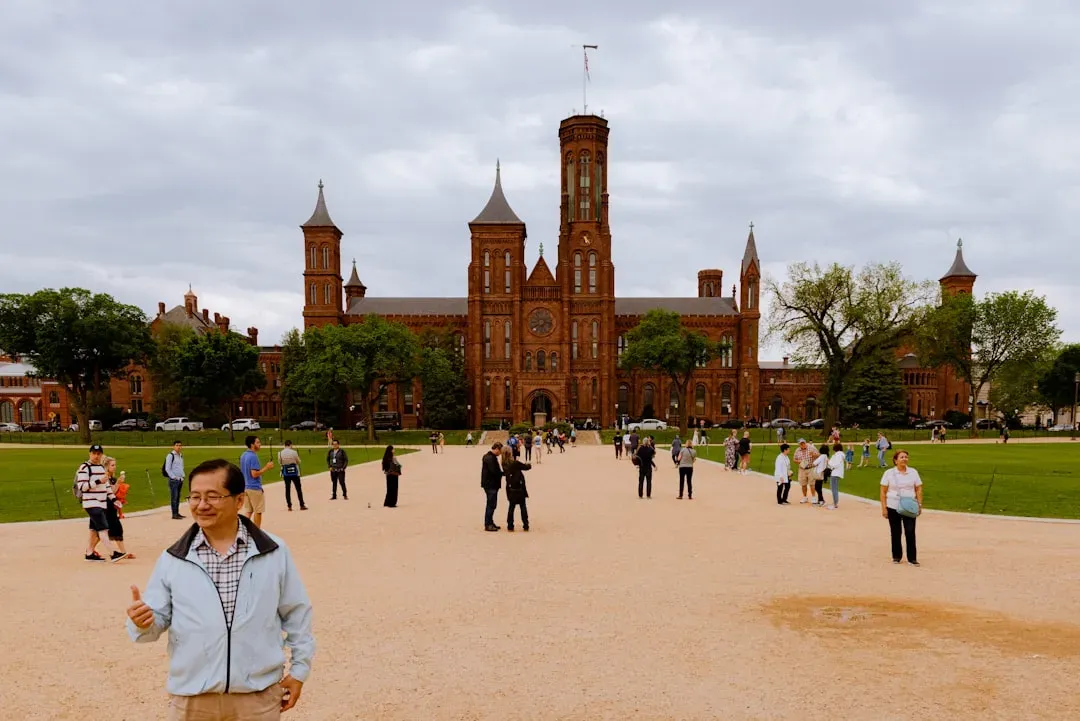
Sitting right on the National Mall, in plain view of millions of tourists a year, is one of the Smithsonian’s oldest buildings – and it’s been mostly off-limits since 2004. The Arts and Industries Building was shut down over serious structural and safety issues, and every plan to bring it back has stalled on money, politics, or both.
Officially, it isn’t dead. It’s just waiting for a grand redevelopment that always seems to be a few years out. It occasionally cracks open for a special event, which fuels rumors that a real reopening is close. Heritage advocates have started calling it the “zombie museum”: not decommissioned, not truly active, and increasingly forgotten next to newer Smithsonian venues that actually let you in.
Fast Facts
- Opened in 1881 as the Smithsonian’s second-oldest building on the National Mall
- Closed to regular daily visitors in 2004 over structural and safety concerns
- Occasionally hosts temporary exhibitions and special events, but no permanent galleries
- No binding, funded reopening date has ever been publicly confirmed
#13 – Greenville County Museum of Art: The Promise That Never Came
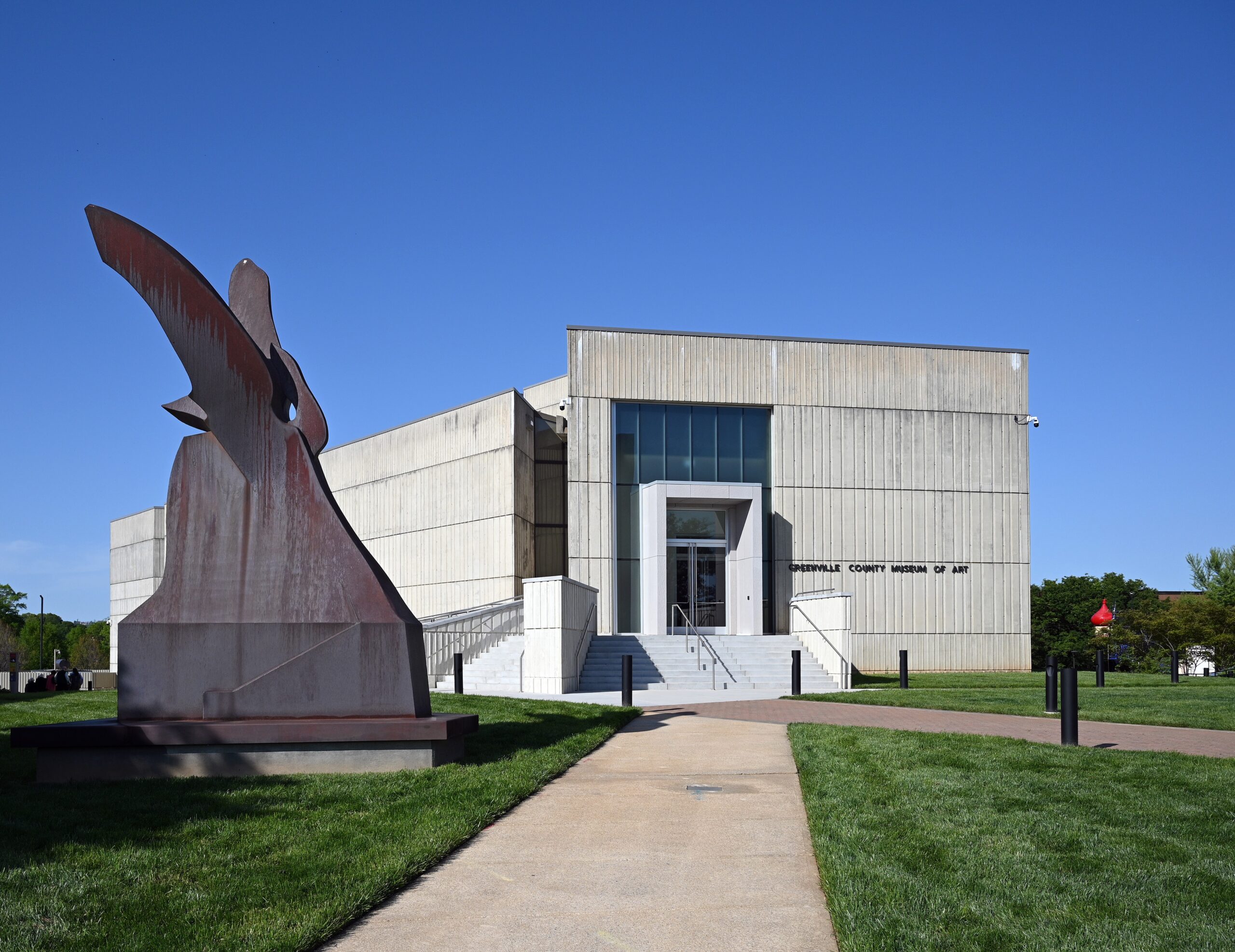
Regional museums rarely make national headlines when they go dark, which is exactly why the Greenville County Museum of Art situation bothers people who track this stuff closely. In late 2025, the museum announced it was closing to the public while leadership rethought operations – and promised a reopening date that fall.
That date never came. A respected American art collection is now sitting behind locked doors with no public timeline in sight. Officials still frame it as temporary, and there’s no formal declaration of permanent closure, but in museum circles an open-ended “we’ll let you know” is often shorthand for financial or governance trouble no one wants to say out loud. The collection still has to be stored, insured, and conserved – just without a single visitor walking through.
#12 – San Francisco’s Cartoon Art Museum Lost Its Only Room
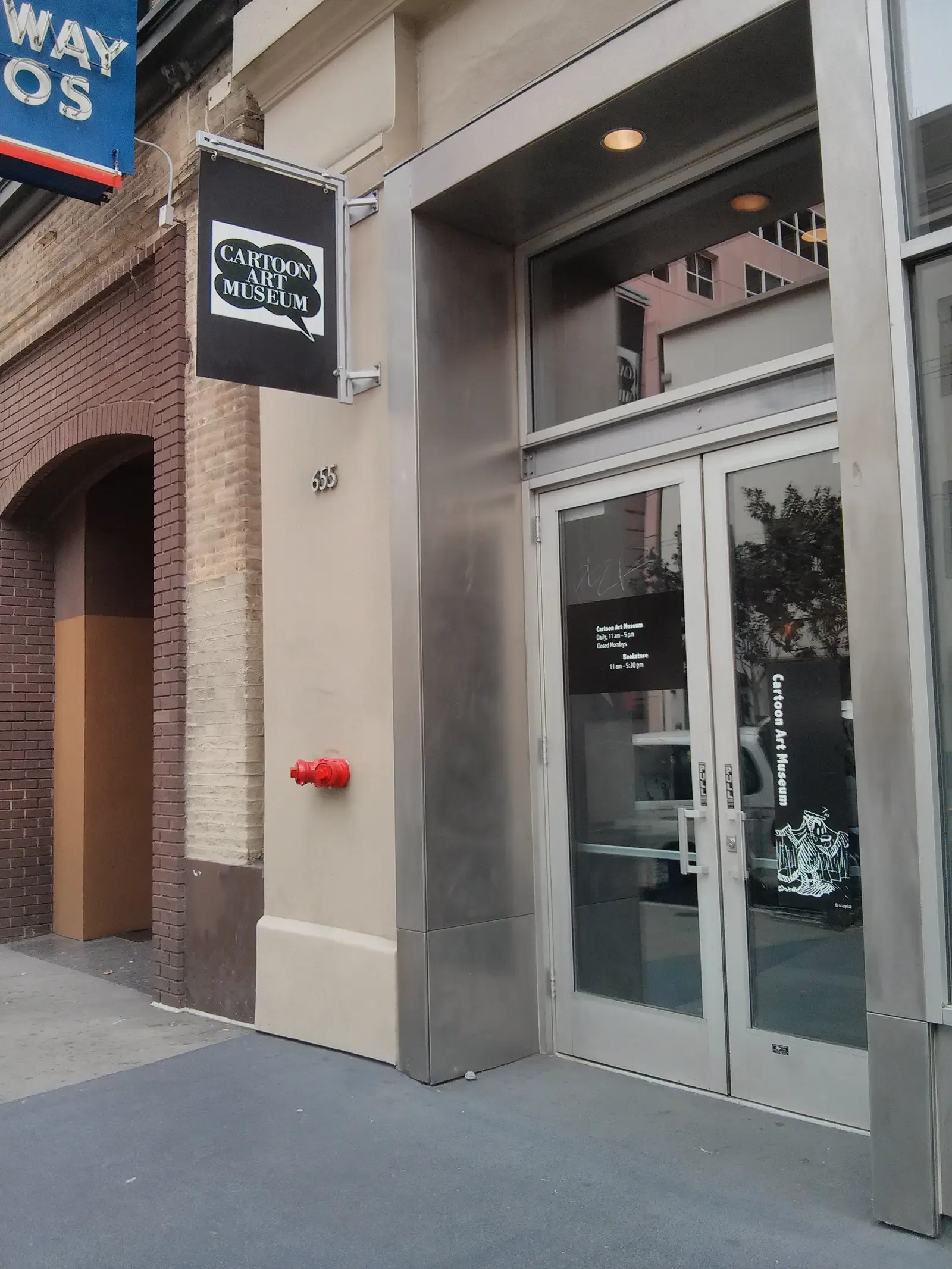
Here’s a closure that confuses even art-savvy San Franciscans. The Cartoon Art Museum, one of the only U.S. institutions dedicated entirely to comics and cartooning, recently closed its Fisherman’s Wharf gallery. The nonprofit itself still exists, but it now has zero physical exhibition space and no new location or timeline announced.
Insiders see this as a textbook case of a niche museum getting squeezed by high rent, staffing turnover, and unstable funding. Supporters can still engage through occasional programs, but the core experience – quietly studying original comic art on a wall – is gone for now. That’s the quiet danger with small institutions: once a gallery becomes an idea instead of a room you can walk into, it gets a lot easier for funders, and everyone else, to simply forget it existed.
#11 – Tenderloin Museum’s “Quick Fix” That Never Ended
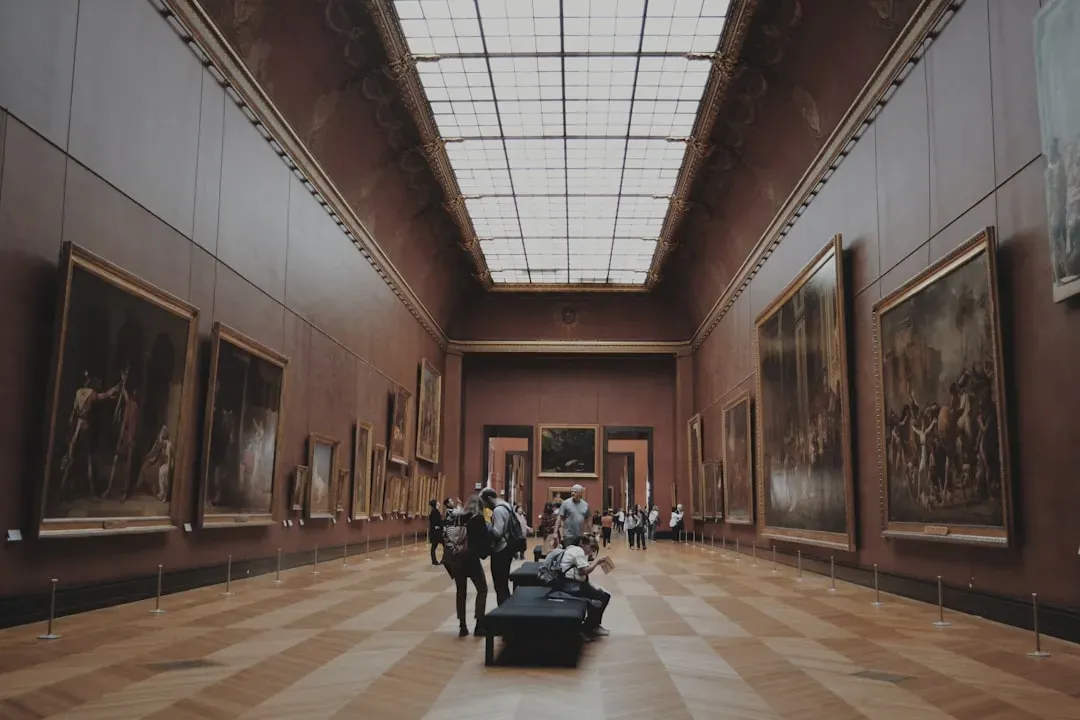
The Tenderloin Museum didn’t plan to join this list. It shut its doors for what was supposed to be a short fix to “unforeseen facility issues.” Weeks later, that quick fix had stretched into a month-plus shutdown with vague public statements and no firm reopening date attached to any of them.
The language itself is telling. Public updates kept pointing to programs being rescheduled “to be determined,” which usually means staff are still trying to figure out how bad the building problem actually is, and where the money to fix it will come from. Everyone still expects it to reopen eventually. But expectations don’t pay contractors, and a “monthlong” closure with no real end date is precisely how long-term limbo begins.
#10 – Sunderland Museum: Locked Behind a Redevelopment Fog
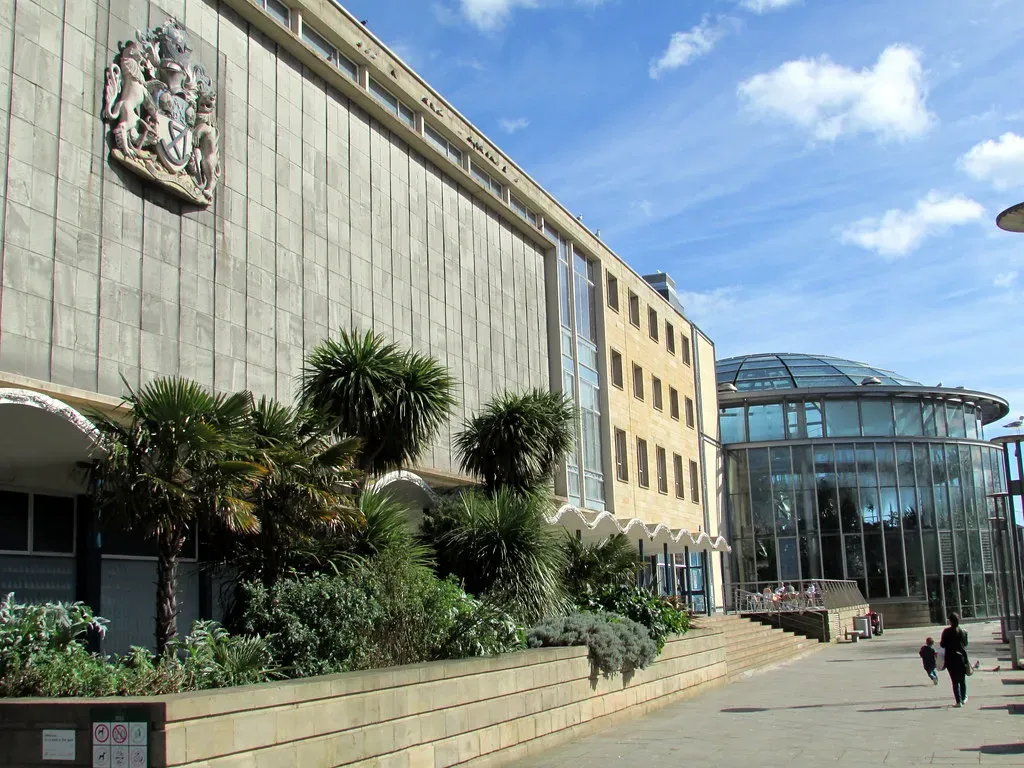
In Sunderland, England, core parts of the city’s main museum are entering a multi-year redevelopment that shuts the public out of the gallery spaces entirely. Officials are upfront that essential repairs, infrastructure upgrades, and new learning spaces are genuinely needed. What’s less clear is which galleries reopen, in what form, and exactly when.
During the work, public access simply “will not be possible,” and timelines are described in broad strokes rather than hard dates. From a museum-planning standpoint, that’s both understandable and risky. The moment contractors start opening up old walls, new problems appear, pushing budgets and deadlines further out. Meanwhile, an entire generation of local schoolkids is growing up without ever having seen the old galleries at all.
#9 – The Pandemic Ghost Galleries That Never Came Back
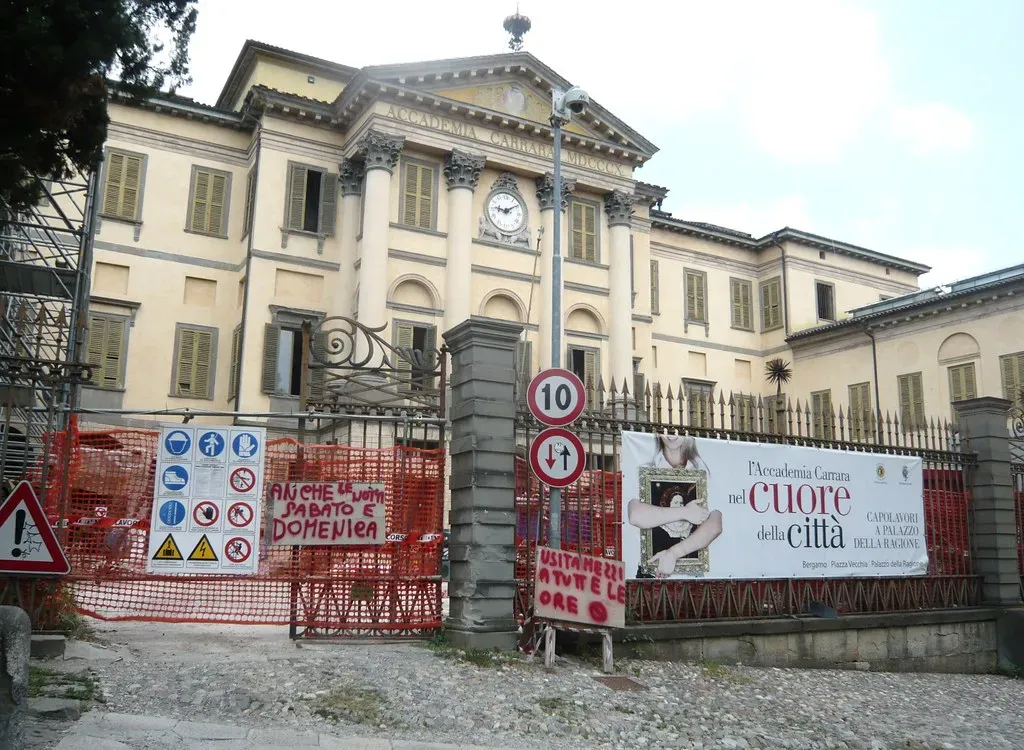
COVID didn’t just close museums temporarily – it quietly created a whole subclass of galleries that never returned in their original form. In New York alone, dozens of institutions shut their doors in March 2020. The big household names reopened eventually, but plenty of smaller galleries, side wings, and satellite spaces simply stayed dark.
Sector reports from that era openly discuss museums weighing the cost of new safety compliance against low visitor numbers – and sometimes concluding it was cheaper to just stay closed longer, or indefinitely. Researchers describe some institutions as having “hibernated” their public spaces while continuing behind-the-scenes work, which blurs the line between a functioning museum and a paper entity. Years later, some of those wings still haven’t come back.
#8 – Jersey City Museum: A Collection Without a Home
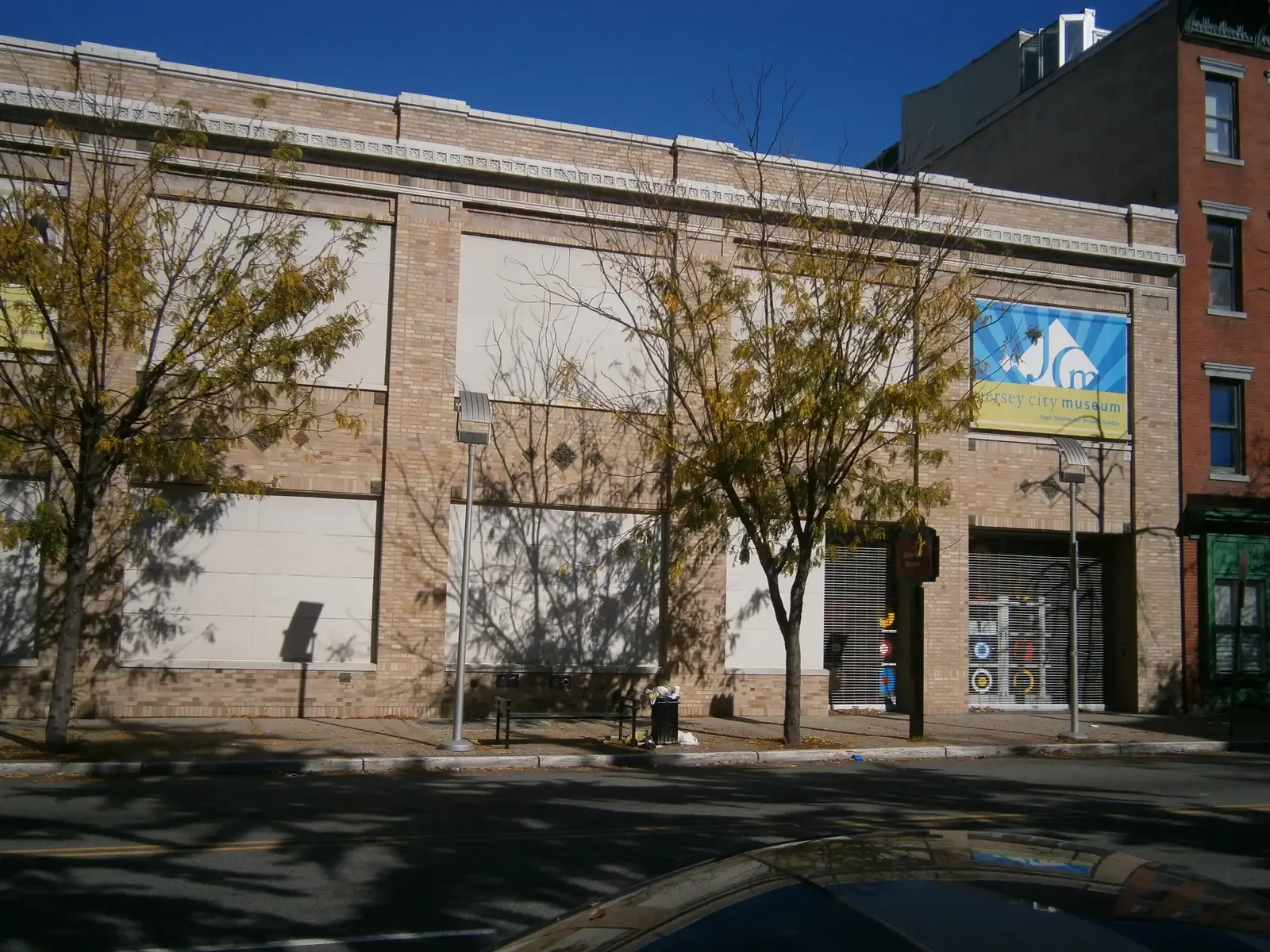
The Jersey City Museum is a textbook example of how a public collection can get stuck in permanent gray zone. Financial trouble forced it to close to the general public back in 2010, with speculation even then that it might never reopen. Its building was later sold to a medical center, part of which briefly displayed art again – before closing soon after.
Museum scholars have a name for this pattern: institutional drift. There’s no dramatic announcement that the gallery is finished. Instead, plans for future spaces and partnerships keep hope alive on paper, while the public has no real idea where, or whether, they can ever see the actual collection. It’s not a rare story either – plenty of urban museums now technically live inside hospitals, universities, or corporate campuses, preserved on a spreadsheet but invisible in real life.
#7 – When “Temporary” Became a Permanent Excuse
Academic research on pandemic-era museum closures keeps circling back to one uncomfortable truth: museums are historically terrible at declaring an actual endpoint. One major study asked the blunt question everyone avoids – when exactly does a museum count as “closed for good”? Many galleries shut “until further notice,” pivoted online, then partially reopened, leaving certain spaces permanently off-limits without ever formally saying so.
This might sound like a semantic argument, but it has real financial consequences. Funders, city governments, and donors often treat “temporarily closed” institutions very differently from formally shuttered ones. That gives managers a strong incentive to keep the language vague, even when there’s no credible reopening plan behind it. It’s a kind of soft denial – the gallery isn’t dead enough to mourn, but it’s nowhere near alive enough to visit.
Worth Knowing
- “Temporarily closed” status can carry different insurance, funding, and accounting treatment than a formal permanent closure
- Collections can remain listed as actively managed even with zero public gallery access
- Declaring a permanent closure often triggers difficult conversations about deaccessioning artwork
- Vague, open-ended language lets institutions avoid backlash while quietly buying more time
#6 – Natural History Wings Boxed Up for a Decade
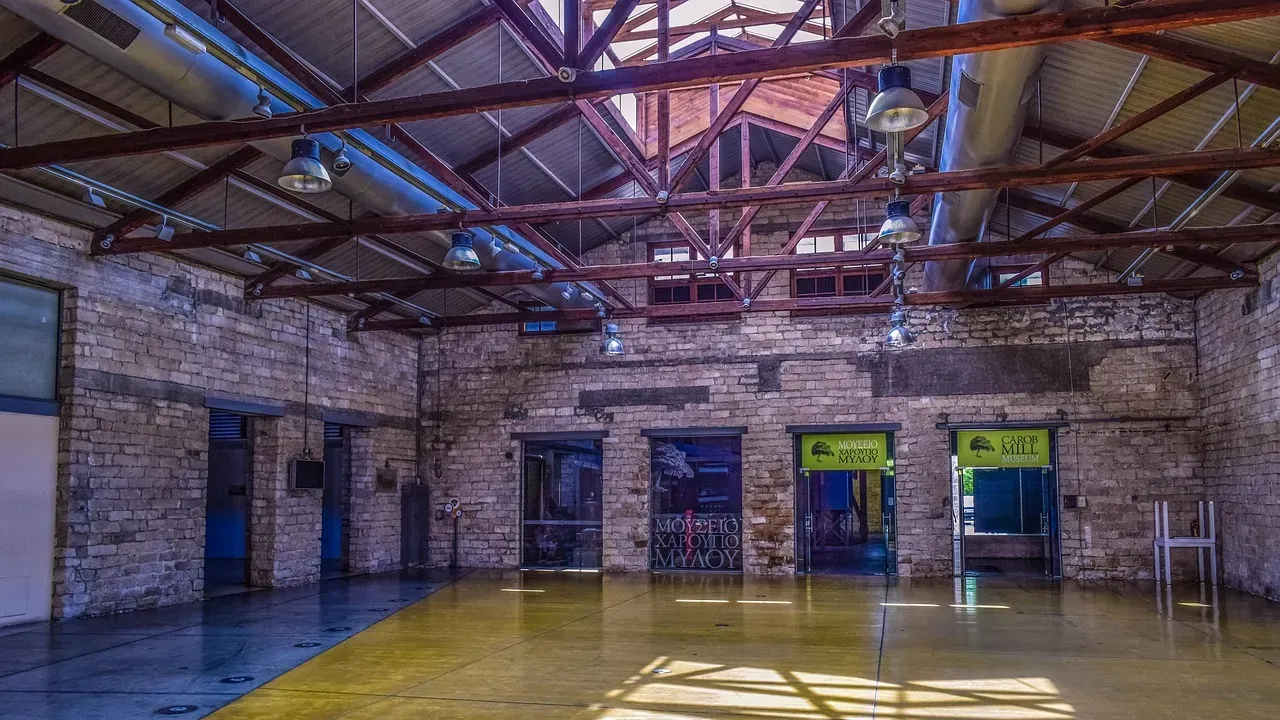
Natural history museums around the world have quietly been boxing up entire galleries to deal with aging infrastructure and a wholesale rethink of how science should be presented. These renovations tend to start with a reassuring press release and a rough target year – and then that year quietly slides. In New York, London, and other major cities, entire wings have gone offline for years over new climate systems, seismic upgrades, or full re-curation.
Internal planning documents often admit, in careful language, that full public access will only return once funding phases that aren’t yet secured actually come through. To a visitor, that translates into the same “this area is being renovated” sign hanging for what feels like forever. Closing a gallery for conservation reasons can absolutely be the responsible choice. But museum professionals will tell you privately: once a closure stretches past a decade, you’re not renovating a gallery anymore – you’re rebuilding its entire reason to exist.
#5 – Musée Nissim de Camondo’s Exile Until 2030
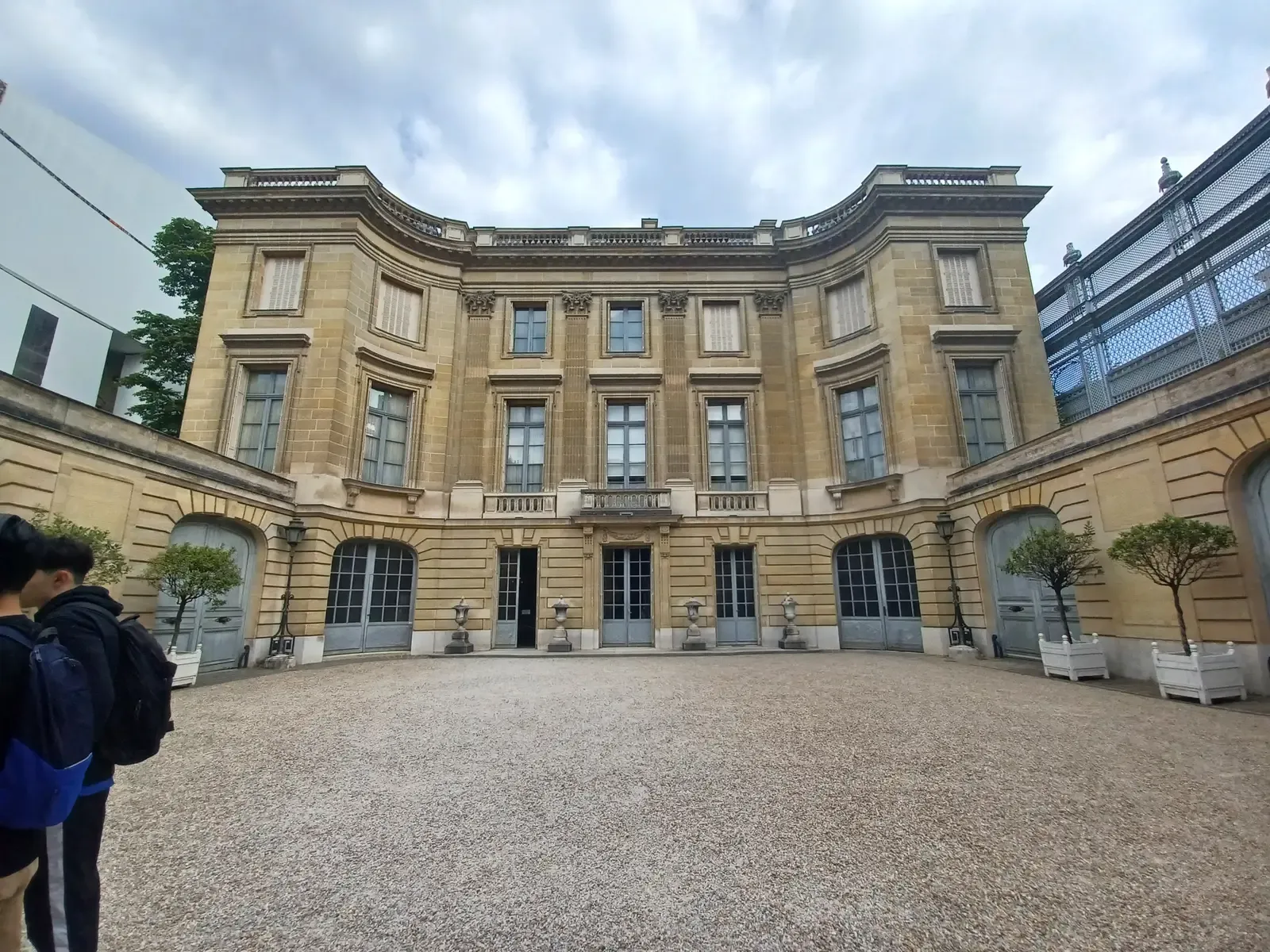
Paris’s Musée Nissim de Camondo is a chilling case study in how “one year of work” can metastasize into nearly a decade offline. This meticulously preserved early 20th-century mansion closed at the end of 2024 for what was supposed to be a short, self-funded safety upgrade. Then structural problems surfaced, costs exploded, and government subsidies lagged behind.
The reopening, once optimistically pencilled in for 2026, has now been pushed all the way to 2030. No visitor walking past that mansion today can know for certain they’ll ever see its interiors in their lifetime plans. The institution insists it will come back stronger, with restored décor and gardens – but that promise depends entirely on raising tens of millions of euros in private philanthropy. This is the danger zone: a beloved site kept alive in press releases and fundraising decks while the actual rooms sit in deep freeze.
At a Glance
- End of 2024: Museum closes for what’s described as a short, self-funded safety upgrade
- Original target: full reopening pencilled in for 2026
- Revised target: reopening pushed all the way to 2030
- Funding: full restoration depends on raising tens of millions of euros in private philanthropy
#4 – Europe’s Museum Giants Stuck in Dark Mode
Camondo isn’t an isolated case. Several high-profile European museums have launched vast modernization plans that darken major parts of their gallery footprint for years at a stretch. These projects almost always start with a confident timeline – “closed for five years of renovation” – but press coverage now openly admits that some, including large complexes like Paris’s Centre Pompidou, are likely to run well past their original promises.
In polite bureaucratic language, reopening dates get described as “subject to adjustment,” which is really just a soft way of saying there’s no hard guarantee at all. Anyone planning a trip in the late 2020s or early 2030s is effectively betting on a moving target. Meanwhile, local communities lose daily access to collections that belong to them, and for years the main storytellers of these buildings become architects and contractors rather than curators.
#3 – The Vanishing Act of Pop-Up “Museums”
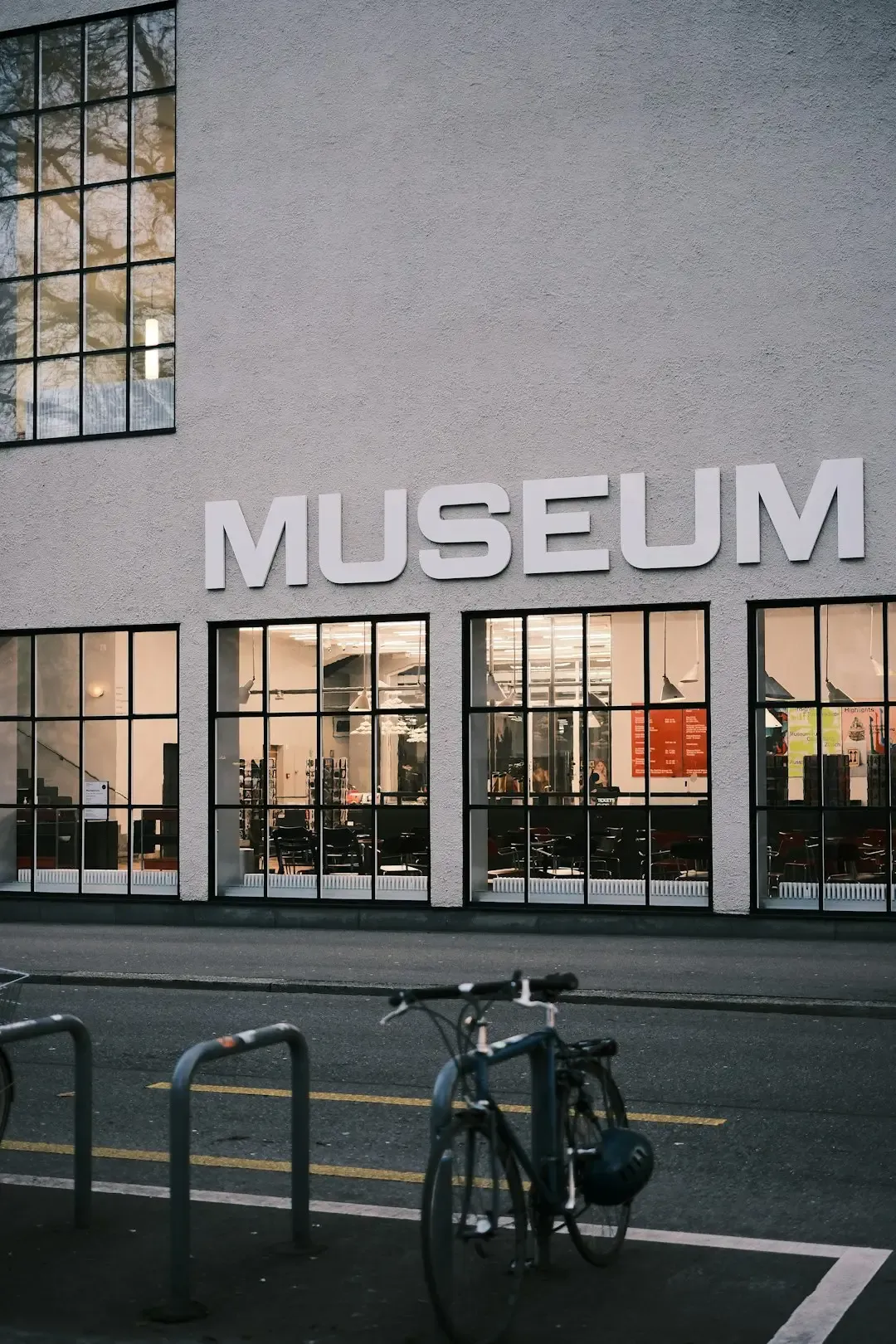
The Instagram-era wave of experiential “museums” – think ice cream rooms, color-drenched selfie halls, immersive pop-ups – left behind a trail of shuttered galleries that technically might return someday but almost certainly won’t. The Museum of Ice Cream’s San Francisco location, for instance, closed permanently after pandemic pressure, with other locations shutting once their leases simply ran out.
These venues rarely use the phrase “permanent closure.” Instead they talk about “future experiences” or “new concepts,” even as the old space is stripped bare and handed back to the landlord. Unlike legacy institutions, these are businesses first and cultural experiments second – when the numbers stop working, the doors close fast and quietly. But the glossy Instagram feed and cheerful website copy can linger online for years, creating the illusion that something might still be operating. In reality, the gallery exists only as photos and hashtags.
#2 – National Monuments Open to Almost No One
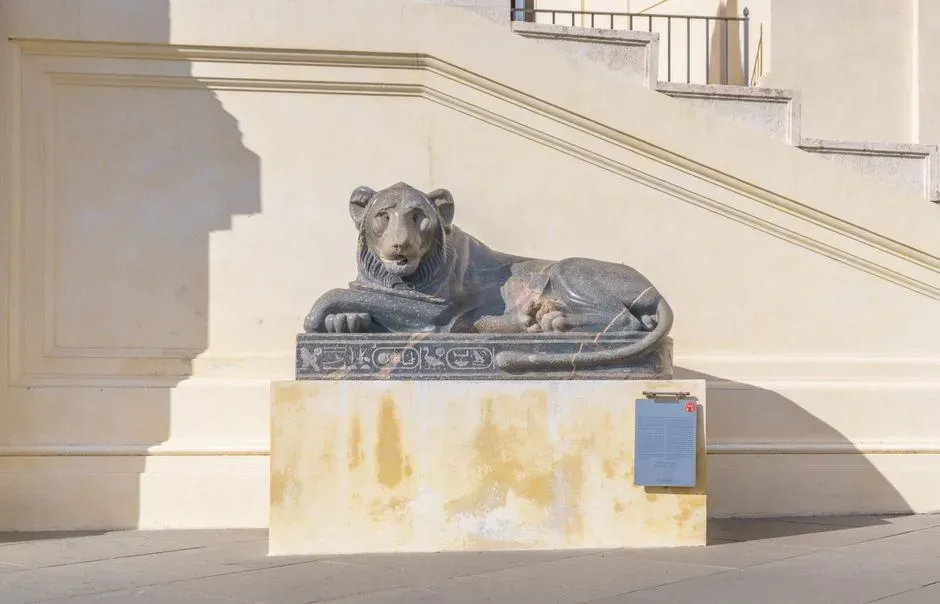
Some of the most visible “closed” galleries in the world are actually high-profile national monuments with extremely limited public access. In Washington and other capital cities, historic museum buildings have been judged too fragile for daily foot traffic yet too symbolically important to shut entirely. The Arts and Industries Building fits this mold, and it’s far from alone – similar buildings elsewhere run on private tours, occasional pop-ups, or partial room access while the main galleries stay dark.
The public hears about “select events,” not the quieter fact that core exhibition spaces have no realistic reopening date attached to them at all. Conservationists argue this is the least-bad option – better to protect a fragile building than risk catastrophic damage from crowds. But from a civic standpoint, it creates an uncomfortable two-tier system: one version of culture for invited guests at private evenings, and effectively nothing for everyone else.
Why It Stands Out
- Full public galleries stay closed, yet the building is still used for special or private events
- Access often shifts to invitation-only evenings, donor previews, or occasional pop-ups
- Preservation and fragility are the most common official reasons cited for limiting foot traffic
- The result is a two-tier system: culture for invited guests, and effectively nothing for the general public
#1 – The Galleries That Only Exist on Paper
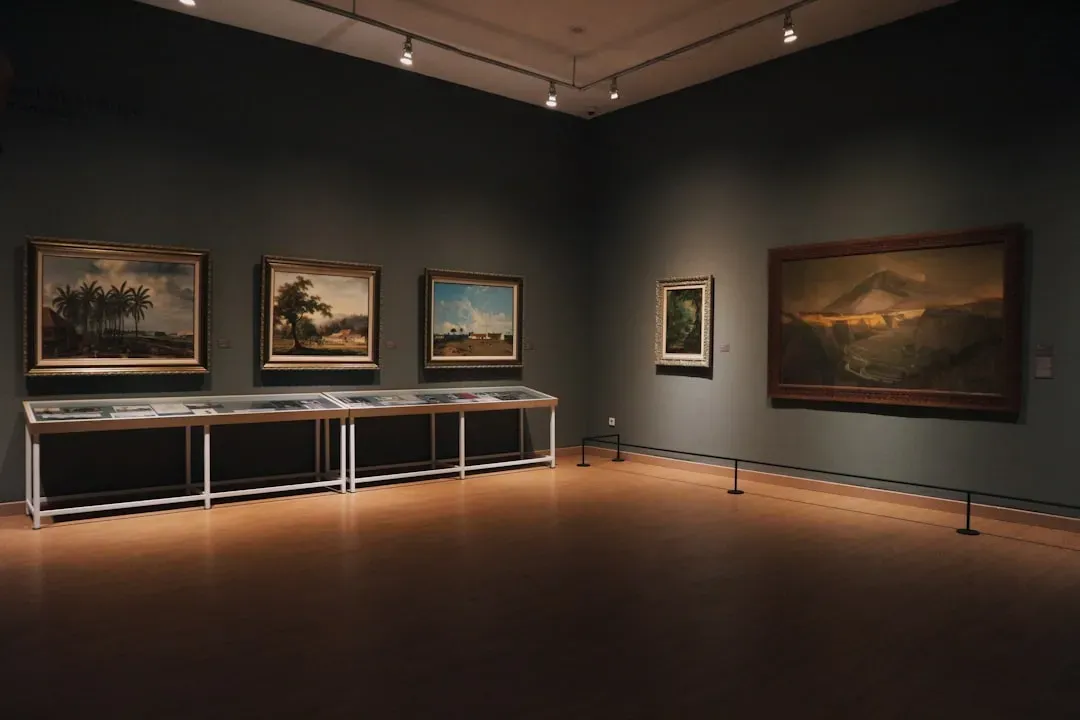
The most troubling category on this entire list isn’t any single building – it’s the growing number of museum galleries that, in practice, exist only on paper. Governance reports, academic journals, and redevelopment FAQs all keep touching the same nerve: there are collections with a stated public mission, an advisory board, even active conservation programs, that haven’t had a usable public gallery in years and have no contractually binding reopening date whatsoever.
Researchers are now openly asking whether some of these should even still be counted as “museums” in any meaningful sense. The limbo usually starts small – a “temporary” closure for renovation or budget reasons – then drifts as leadership changes and funding quietly falls through. No one wants to be the person who declares a beloved space dead, because that invites backlash and forces hard conversations about deaccessioning. So the talk of future “phases” continues, even as an ordinary person’s ability to just walk in and look at the art has already dropped to zero.
The Bottom Line
Look across all 14 of these examples and one pattern is impossible to miss: museums almost never say “this gallery is gone,” even when that’s the honest, accurate description. Instead they hide behind soft language – “temporarily closed,” “under redevelopment,” “future phases to be announced” – while years, sometimes decades, pass without a single visitor setting foot in the room.
In my view, that’s a quiet breach of public trust. If an institution claims to steward cultural heritage “for everyone,” locking galleries into open-ended limbo isn’t good enough, no matter how understandable the underlying budget or engineering problems might be. Some closures really are necessary – buildings age, safety codes tighten, money runs out. But transparency should match the stakes involved. If a gallery has no credible, funded reopening date, institutions owe the public the honesty to say so plainly, instead of letting a room quietly disappear behind cheerful press releases. Otherwise, we’ll just keep stumbling onto more of these ghost galleries long after the doors were actually sealed shut.
Did we miss one you think belongs on this list? Share it.