Most people assume every fossil skull pulled from the dirt gets measured once, scanned, and slotted neatly onto the human family tree. That’s the myth. The reality sitting in museum drawers and university vaults is messier, and honestly, a lot stranger.
Somewhere in those collections are skulls that anatomists have argued over for decades without ever agreeing on what they actually are. Not quite human. Not quite Neanderthal. Not officially anything. The paperwork doesn’t say “confirmed species” – it just says “unclassified,” and scientists rarely admit that kind of uncertainty out loud. From a road crew in Italy who stumbled onto a skull nobody can name, to a Chinese well that hid a face for eighty-five years, these 13 skulls have pushed the world’s leading anatomists into open, sometimes bitter, disagreement.
#13 – The Ceprano Skullcap That Split Italian Paleontology in Two
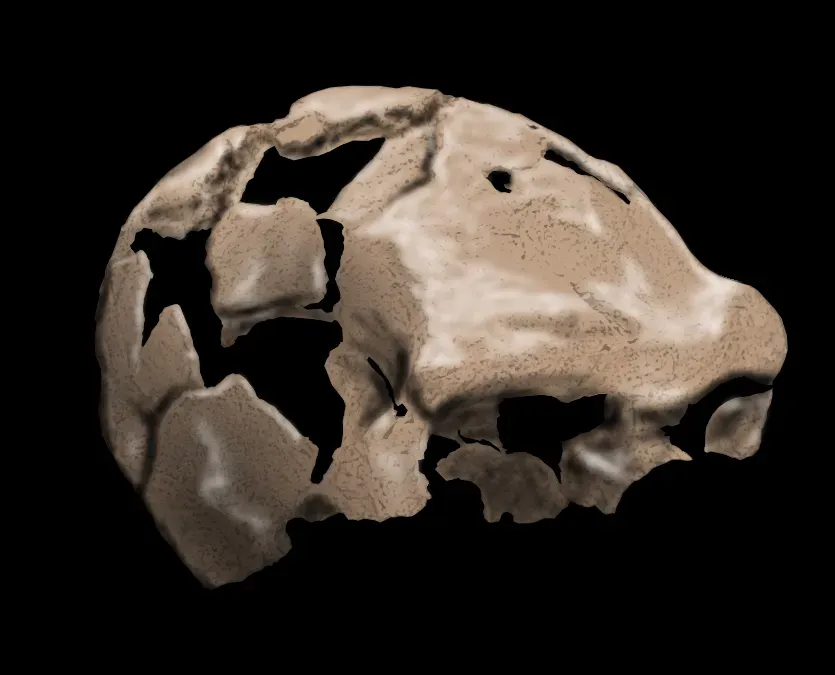
A construction crew hit bone instead of gravel, and paleoanthropology has been arguing about it ever since. In 1994, road workers near Ceprano, Italy, unearthed a crushed, ancient calvarium that researchers initially dated to roughly 800,000 to 900,000 years old. Some scientists proposed a brand-new species, Homo cepranensis, arguing the skull’s thick bone and low, elongated shape didn’t match Homo erectus specimens from Africa or Asia closely enough to share the label. The most surprising part is that even after three decades of study, there’s still no consensus.
Other researchers insist Ceprano is simply a European variant of Homo erectus, or an early representative of Homo heidelbergensis, not a distinct branch at all. The skull’s crushed, distorted shape after nearly a million years underground makes precise comparison brutally difficult, which only fuels the disagreement. Without a body, teeth, or a second specimen to compare it to, the Ceprano skull remains stuck exactly where it landed – in taxonomic limbo. Ceprano is confusing. What happened in Boskop is almost unbelievable.
#12 – The Boskop Skulls That Sparked a “Big-Brained Race” Panic
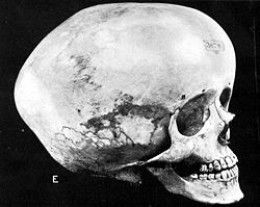
Early twentieth-century scientists once believed South Africa was hiding evidence of humans with bigger brains than us. In 1913, farm laborers near Boskop, South Africa, uncovered skull fragments that some anthropologists claimed showed a cranial capacity far exceeding the modern human average. This sparked decades of speculation about a “Boskopoid” people – a supposedly separate ancient population with unusually large brains and childlike facial features. The wildest claim was that these people were smarter than modern humans, an idea that fueled pulp science and pseudo-anthropology for generations.
Later, more rigorous re-examination walked much of this back. Many researchers now argue the original measurements were flawed, distorted by incomplete fragments and generous reconstruction, and that the skulls likely fall within the normal range of modern human variation. Some individual specimens may simply show pathological enlargement rather than any distinct evolutionary path. The controversy never fully resolved because the original fossils were poorly documented and some pieces were lost, which is exactly why Boskop remains a case study in how fast an unusual skull can outrun the evidence. Boskop was a scare story. Toumaï might be the real thing.
#11 – Toumaï, The Skull That Might Predate Humanity Itself
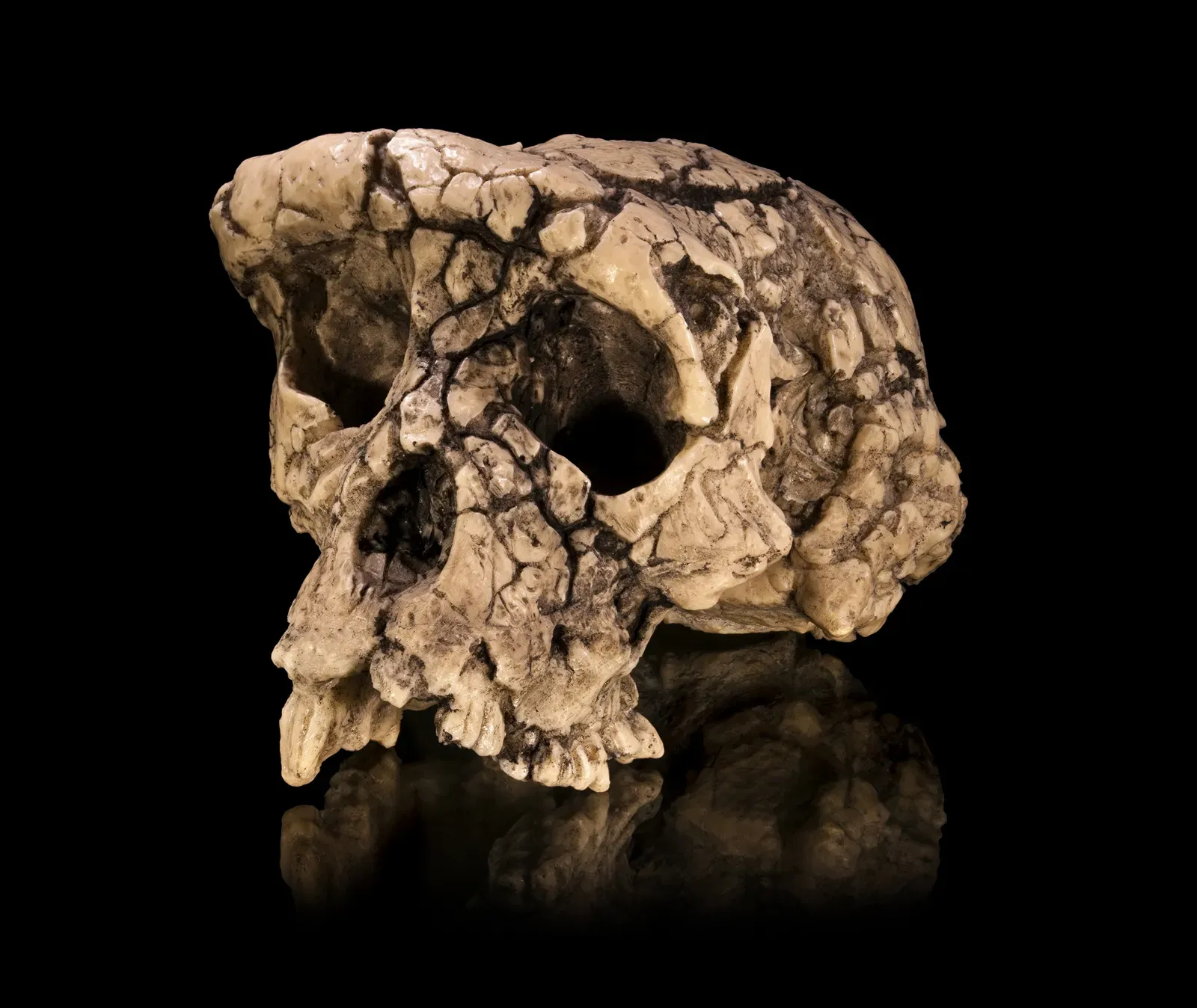
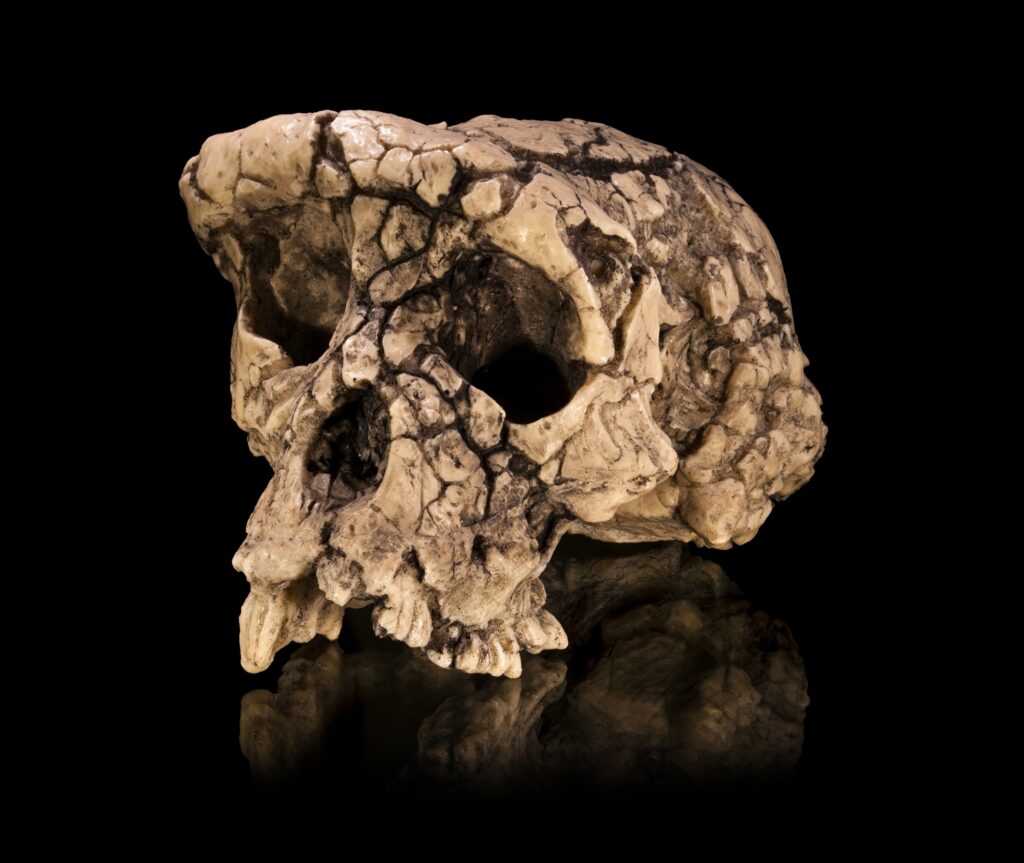
A skull found in the sands of Chad forced scientists to rewrite when the human story even begins. In 2001, researchers uncovered a nearly complete cranium nicknamed Toumaï, formally called Sahelanthropus tchadensis, estimated at roughly seven million years old. What stunned anatomists wasn’t just its age but the position of its foramen magnum – the hole where the spinal cord meets the skull – which some argued suggested upright, bipedal walking millions of years earlier than expected. If that reading is correct, this ape-sized, chimp-brained skull could represent one of the very earliest steps toward humanity.
Fast Facts
- Nickname: Toumaï; formal name: Sahelanthropus tchadensis
- Discovered: 2001, in the deserts of Chad
- Estimated age: roughly 7 million years old
- Key clue: foramen magnum position hints at possible bipedal walking
- Brain size: comparable to a chimpanzee’s
Not everyone agrees. Some researchers argue Toumaï’s skull shape and small braincase place it closer to the ancestors of gorillas and chimpanzees than to our own lineage, and that the bipedalism evidence is far shakier than the initial announcement suggested. Because Toumaï predates every other hominin candidate by millions of years, there’s almost no comparable material to settle the debate either way. The species designation stands, technically, but what it actually represents remains fiercely contested – and if Toumaï cracked open the timeline, the next skull cracked open one man’s reputation for twenty straight years.
#10 – Taung Child, The Skull Scientists Mocked For Twenty Years
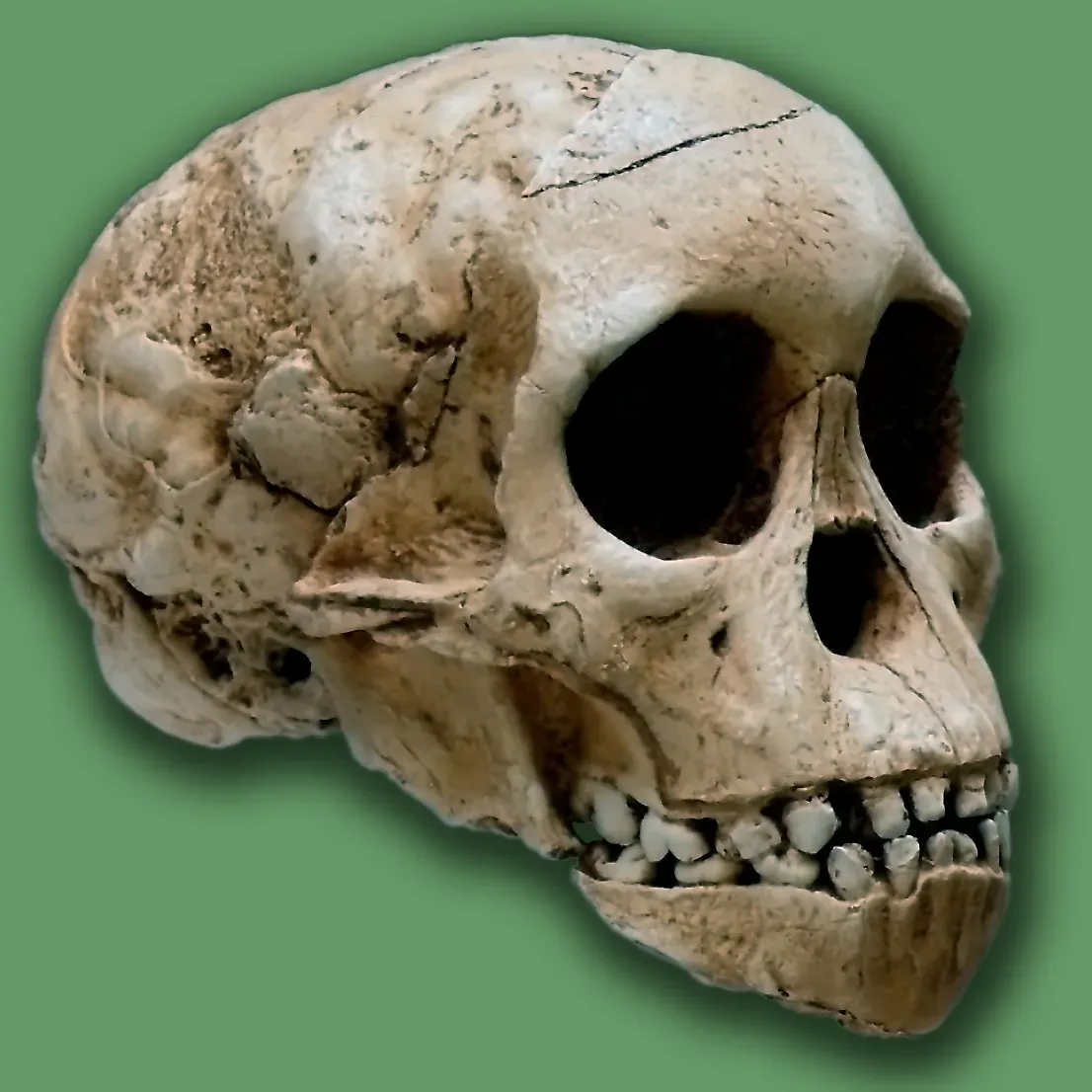
The most important skull in African paleoanthropology spent two decades being ridiculed as a fraud. In 1924, anatomist Raymond Dart examined a small fossilized skull from a lime quarry in South Africa and declared it belonged to a completely new genus and species, Australopithecus africanus – a creature he argued walked upright despite having an ape-sized brain. The scientific establishment in Europe rejected him outright, insisting human ancestors must have evolved big brains before upright walking, not the other way around.
Dart was mocked in prominent journals for years, and the “Taung Child” skull was dismissed as an aberrant ape rather than a human ancestor. It took the discovery of additional australopithecine fossils across South and East Africa, decades later, to finally vindicate his original claim. Even now, the exact placement of Australopithecus africanus relative to later Homo species is still debated, with some specialists questioning whether it’s a direct ancestor or an evolutionary side branch. Taung Child proved skeptics wrong eventually. Little Foot still hasn’t managed that.
#9 – Little Foot, The Almost-Complete Skeleton Nobody Can Agree On
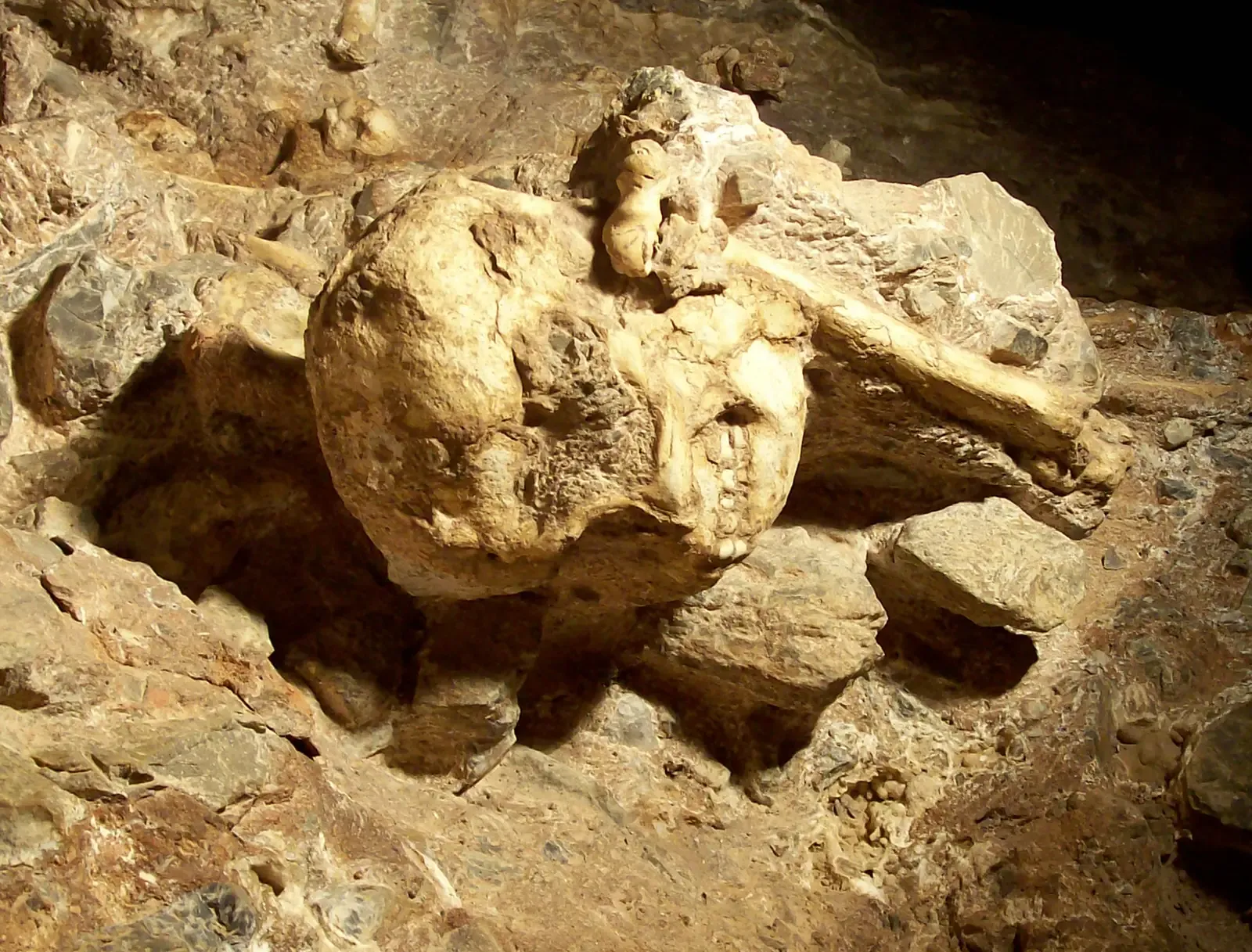
It took twenty years to fully excavate one skeleton, and scientists still can’t agree what to call it. Discovered in fragments starting in the 1990s inside South Africa’s Sterkfontein Caves, the skeleton nicknamed “Little Foot” is one of the most complete australopithecine specimens ever found, dated to roughly 3.67 million years old. Paleoanthropologist Ron Clarke, who led the painstaking excavation, argued the skull’s proportions were distinct enough to warrant reviving an older species name, Australopithecus prometheus, separating it from the more famous Australopithecus africanus. The surprising twist is that despite having nearly the entire skeleton, unlike most hominin finds that rely on scraps, researchers still can’t agree on the species label.
Critics argue the differences Clarke points to fall within normal variation for Australopithecus africanus and don’t justify a separate species at all. This disagreement matters because Little Foot’s age and completeness make it a crucial reference point for understanding early hominin anatomy across South Africa. Until more comparable skeletons turn up, the debate over what exactly Little Foot represents will likely continue. Little Foot at least has a full skeleton to argue over. The next skull barely has enough bone to argue with.
#8 – Australopithecus Sediba, The Skull That Blurs The Line Between Ape And Human
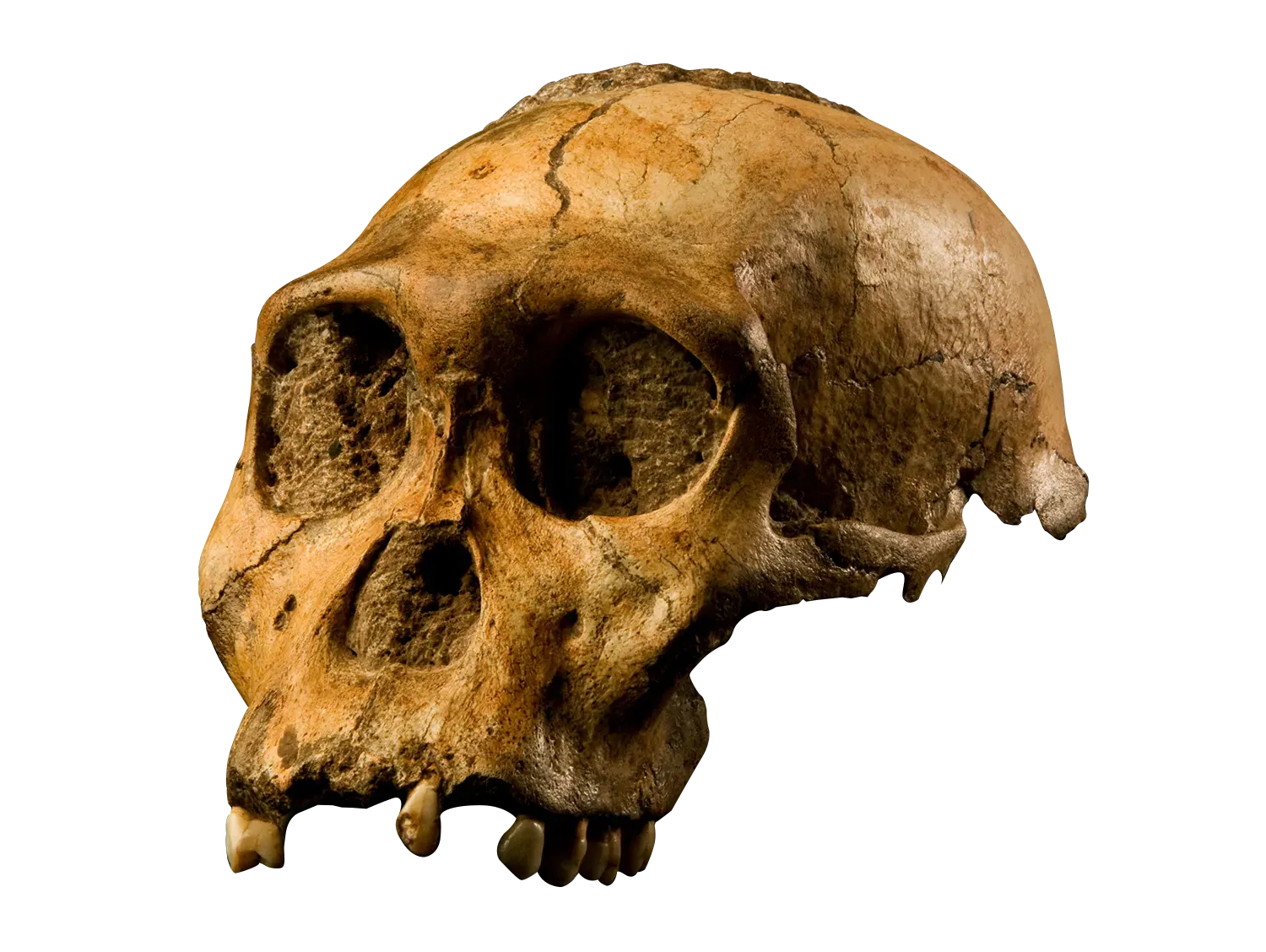
A nine-year-old boy playing with his father’s dog stumbled onto one of the most argued-over fossil sites in Africa. In 2008, at the Malapa site in South Africa, researchers led by Lee Berger uncovered the remains of Australopithecus sediba, dated to roughly 1.98 million years old. The skull presented a genuine mosaic: an australopithecine-sized brain paired with more human-like features in the pelvis, hands, and parts of the skull base that some researchers argue edge closer to early Homo than to any known Australopithecus. The most contentious claim is that some scientists believe sediba deserves reclassification into the Homo genus entirely, effectively rewriting where our own lineage begins.
Other paleoanthropologists push back hard, arguing sediba is a specialized australopithecine side branch that went extinct without contributing to later human evolution at all. The debate isn’t just academic pedantry – it directly affects how textbooks draw the human family tree. With no consensus in sight, sediba occupies an uncomfortable middle ground: too human for some classifications, too primitive for others. Sediba blurs categories. Petralona just keeps switching them entirely.
#7 – The Petralona Skull That Keeps Changing Species Every Decade
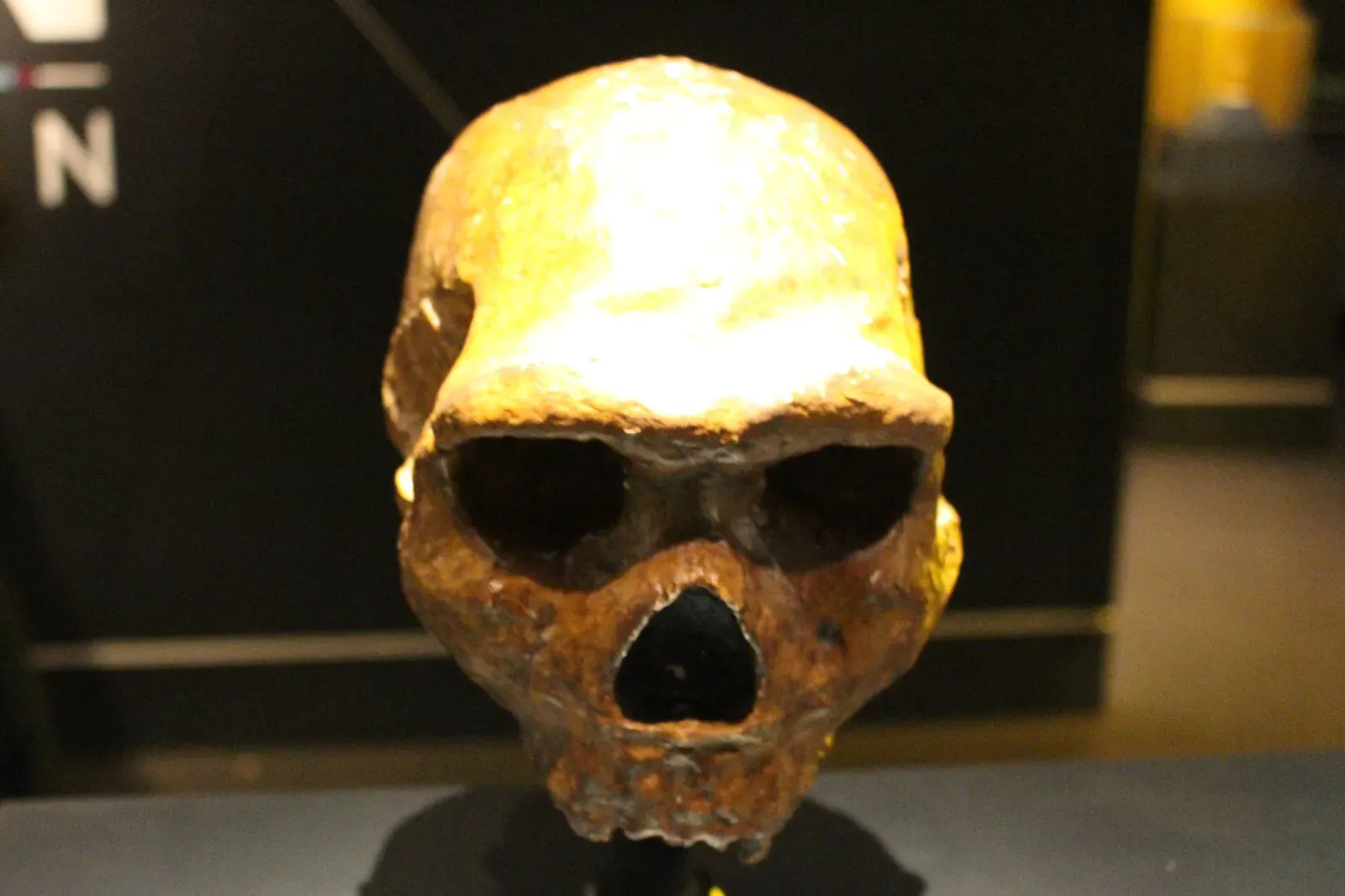
A skull found cemented into a cave wall in Greece has been reclassified so many times that researchers joke it needs its own filing cabinet. Discovered in 1960 inside the Petralona Cave in northern Greece, this remarkably complete skull has been dated anywhere from roughly 150,000 to 700,000 years old, depending on which method researchers apply to the surrounding cave formations. Over the decades, anatomists have assigned it to Homo erectus, Homo heidelbergensis, archaic Homo sapiens, and even Homo rhodesiensis at various points. What’s genuinely strange is that a single, well-preserved skull has been given at least four different species identities without any new bone material ever being found.
Quick Compare
- Homo erectus – early classification based on primitive brow ridges
- Homo heidelbergensis – proposed as a European archaic human
- Archaic Homo sapiens – suggested due to more modern cranial vault shape
- Homo rhodesiensis – linked to other African archaic fossils
The core problem is stratigraphic: because the skull was found cemented into calcite formations rather than in a clean excavated layer, dating it precisely has always been contentious. Its mix of primitive brow ridges and more modern cranial vault proportions doesn’t cleanly match any single accepted species template from that period in Europe. Until better dating technology settles the age question, Petralona will likely keep bouncing between classifications. Petralona at least has a complete skull. The next entry had almost nothing – and that’s exactly the problem.
#6 – Homo Luzonensis, The Tiny-Toothed Mystery From A Philippine Cave
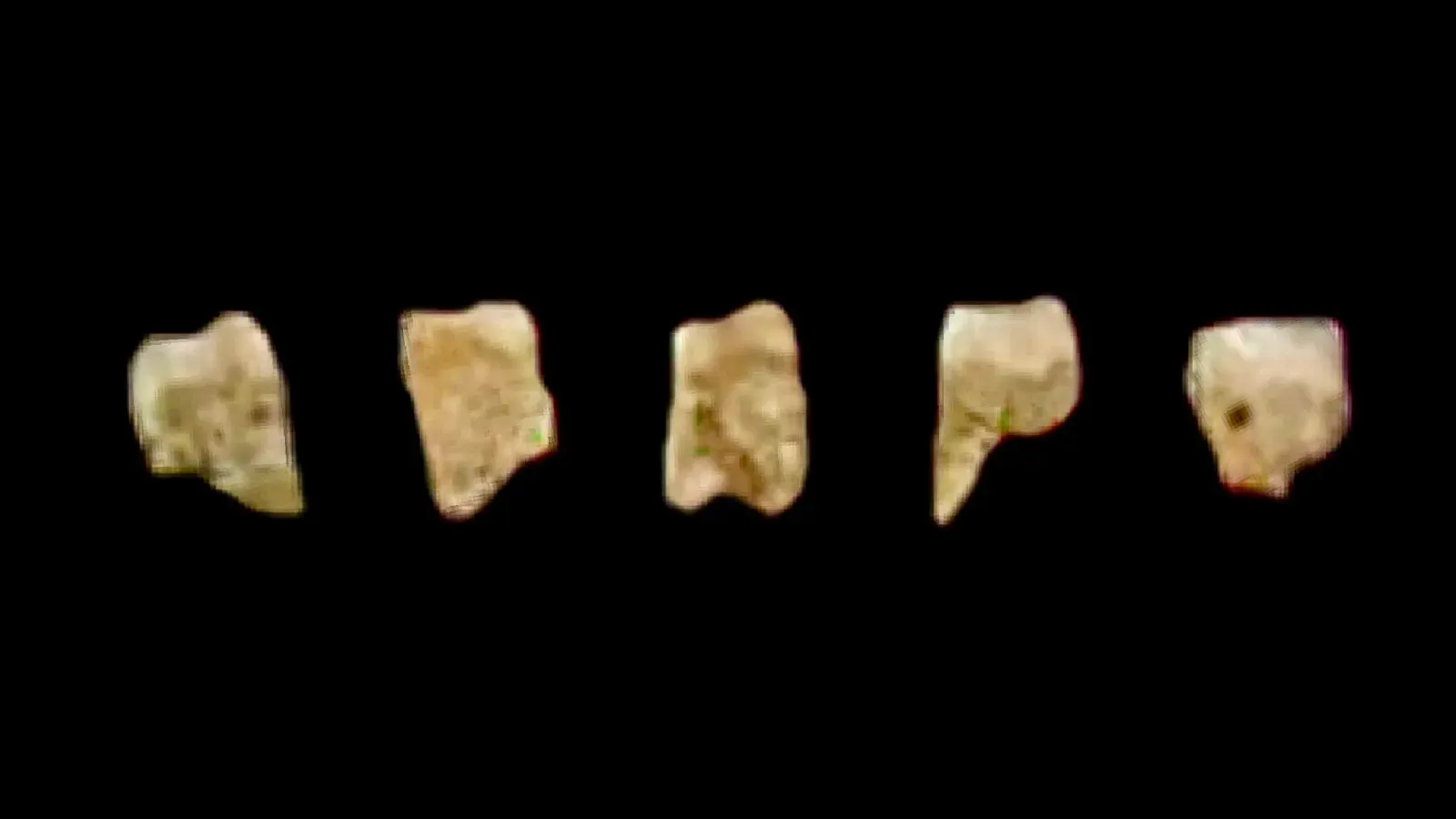
A handful of teeth and toe bones convinced scientists an entirely new human species once lived on a remote Philippine island. Excavations in Callao Cave on Luzon Island, ongoing since the early 2000s, turned up foot bones, hand bones, and teeth unlike anything cataloged before, prompting researchers to formally describe Homo luzonensis in 2019. The remains show an unusual combination: small, curved toe bones resembling much older, primitive hominins, alongside teeth that look surprisingly modern in some respects. The strangest detail is that this creature apparently combined primitive, tree-climbing anatomy with traits usually associated with far more advanced human relatives, a mix rarely seen together.
Because the physical remains are so fragmentary, no complete skull has ever been recovered, only isolated teeth and small bones, which makes some scientists cautious about how confidently the species can be defined. Others argue the unique blend of features is exactly the kind of unambiguous evidence needed to justify a new species name. Either way, Homo luzonensis suggests isolated island populations produced far stranger evolutionary outcomes than mainland fossils ever hinted at. Luzonensis is strange because it’s incomplete. The Red Deer Cave people are strange because they shouldn’t have existed at all.
#5 – The Red Deer Cave People Who Shouldn’t Have Existed That Recently
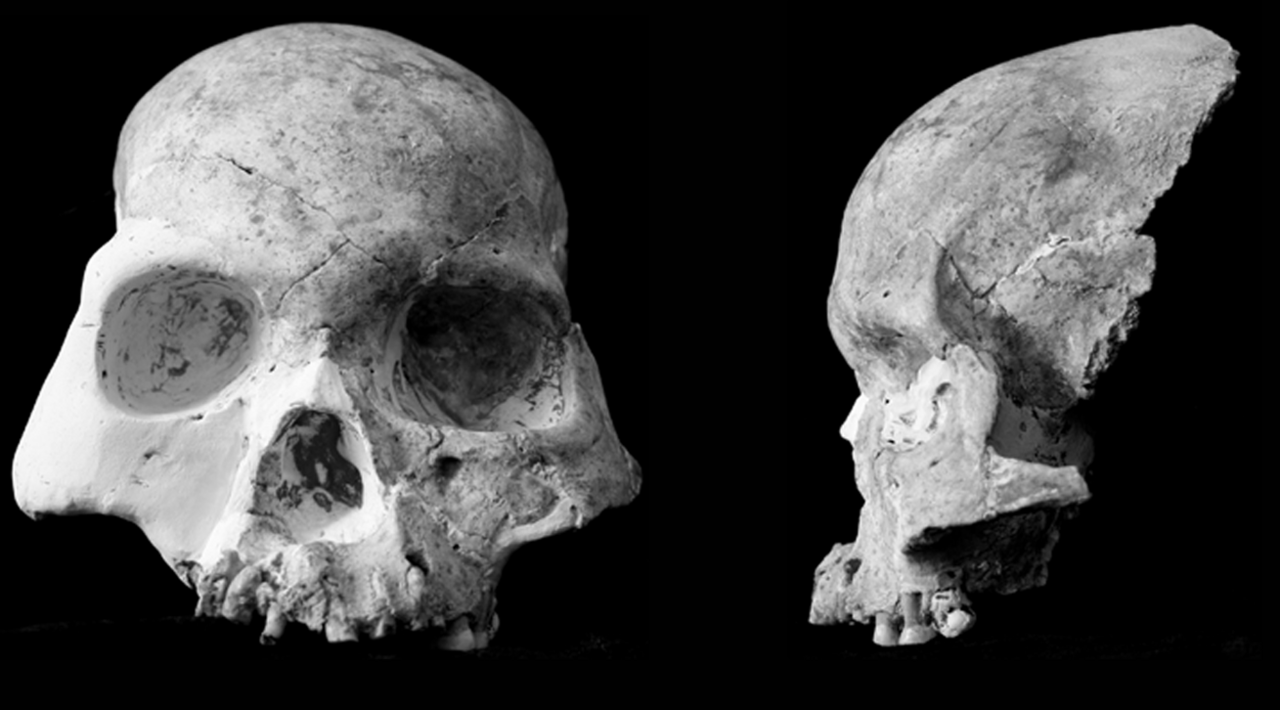
Bones found in a Chinese cave suggested an unidentified human population survived thousands of years after every other archaic species was supposed to be extinct. Fossils from Maludong (“Red Deer Cave”) and Longlin Cave in southern China revealed individuals with flat faces, broad noses, jutting chinless jaws, large molars, rounded braincases with prominent brow ridges, and unusually thick skull bones. Radiocarbon dating placed these individuals at just 14,500 to 11,500 years ago – a time by which every other known archaic human species was thought to have died out. That timeline is the shocking part: these primitive-looking skulls existed at the same time modern humans were already farming elsewhere in Asia.
Paleoanthropologist Darren Curnoe, who studied the remains, argued the evidence leaned toward the Red Deer Cave people representing a new evolutionary line, since their skulls are anatomically unique and look very different from all modern humans, whether alive today or in Africa 150,000 years ago. Critics counter that the sample could represent an early, isolated wave of modern humans rather than a distinct species, and a related skull from Longlin Cave has even been proposed as a possible hybrid between modern humans and an unknown archaic group. The Red Deer Cave mystery is about who survived. The Kabwe mystery is about who they were living next to.
#4 – The Kabwe Skull That Keeps Getting A New Name Every Generation
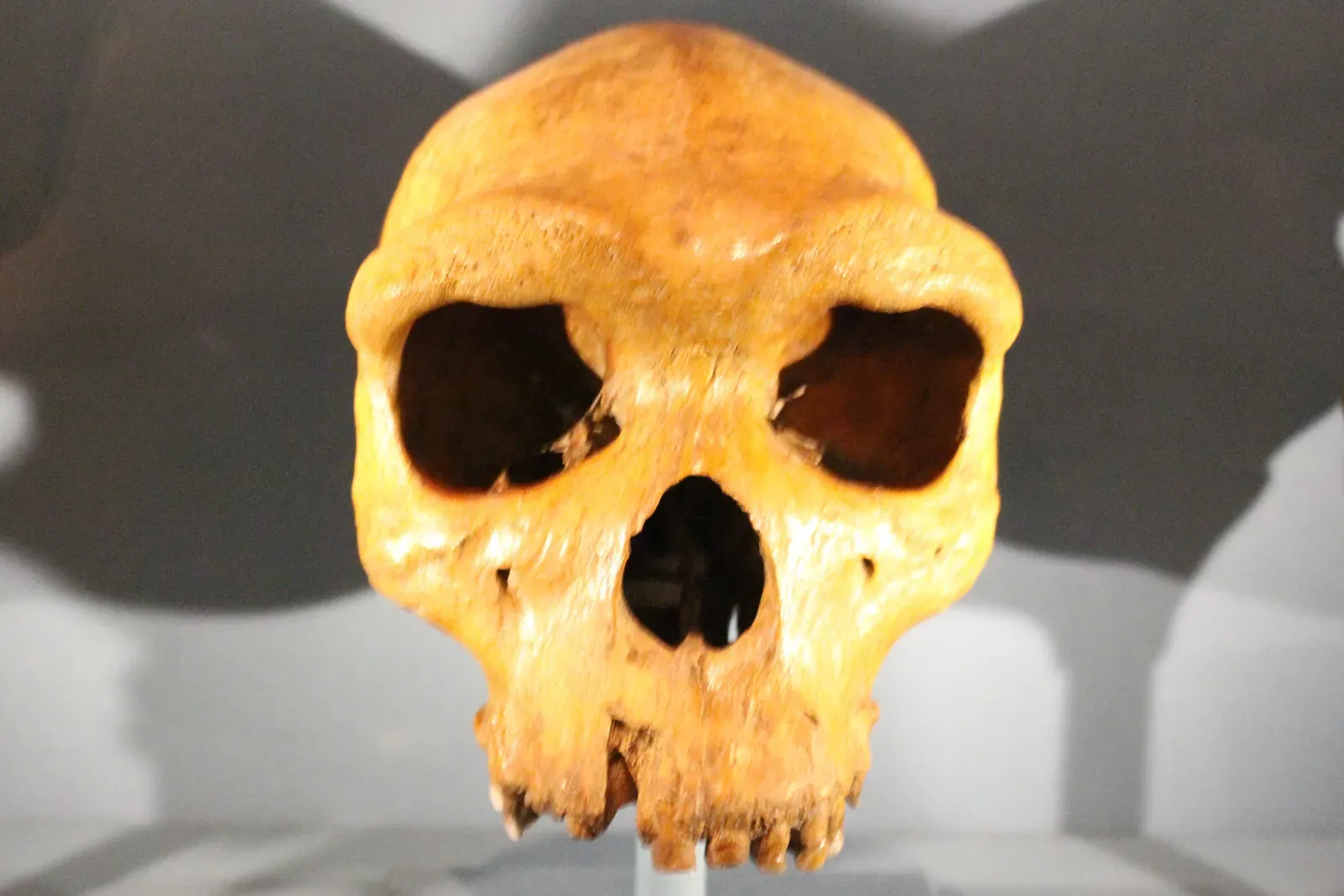
The very first ancient human fossil ever found in Africa still doesn’t have a permanent species label, over a century later. Discovered in 1921 by a miner in what was then Northern Rhodesia, the Kabwe skull, also called Broken Hill Man, was assigned by Arthur Smith Woodward to a brand-new species: Homo rhodesiensis. For decades this remained its official identity, but today most scientists instead assign it to Homo heidelbergensis, a completely different taxonomic grouping. The truly wild part is that a 2020 dating study found the skull is only around 299,000 years old – thousands of years younger than long assumed – meaning it may have overlapped in time with early Homo sapiens and even Homo naledi.
Worth Knowing
- Discovered in 1921 in what was then Northern Rhodesia
- Originally named its own species: Homo rhodesiensis
- Now largely reclassified as Homo heidelbergensis
- 2020 dating pegged the skull at roughly 299,000 years old
- Possibly overlapped in time with Homo sapiens and Homo naledi
That revised age raises uncomfortable questions researchers still can’t fully answer. If several distinct-looking hominin lineages, including Homo sapiens, Homo heidelbergensis, and Homo naledi, really did share the same African landscape at once, deciding where Kabwe’s skull fits becomes far messier than a simple species label can capture. Kabwe raised uncomfortable questions. The next skull turned those questions into an outright fight.
#3 – Homo Floresiensis, The “Hobbit” Skull Some Scientists Still Refuse To Believe
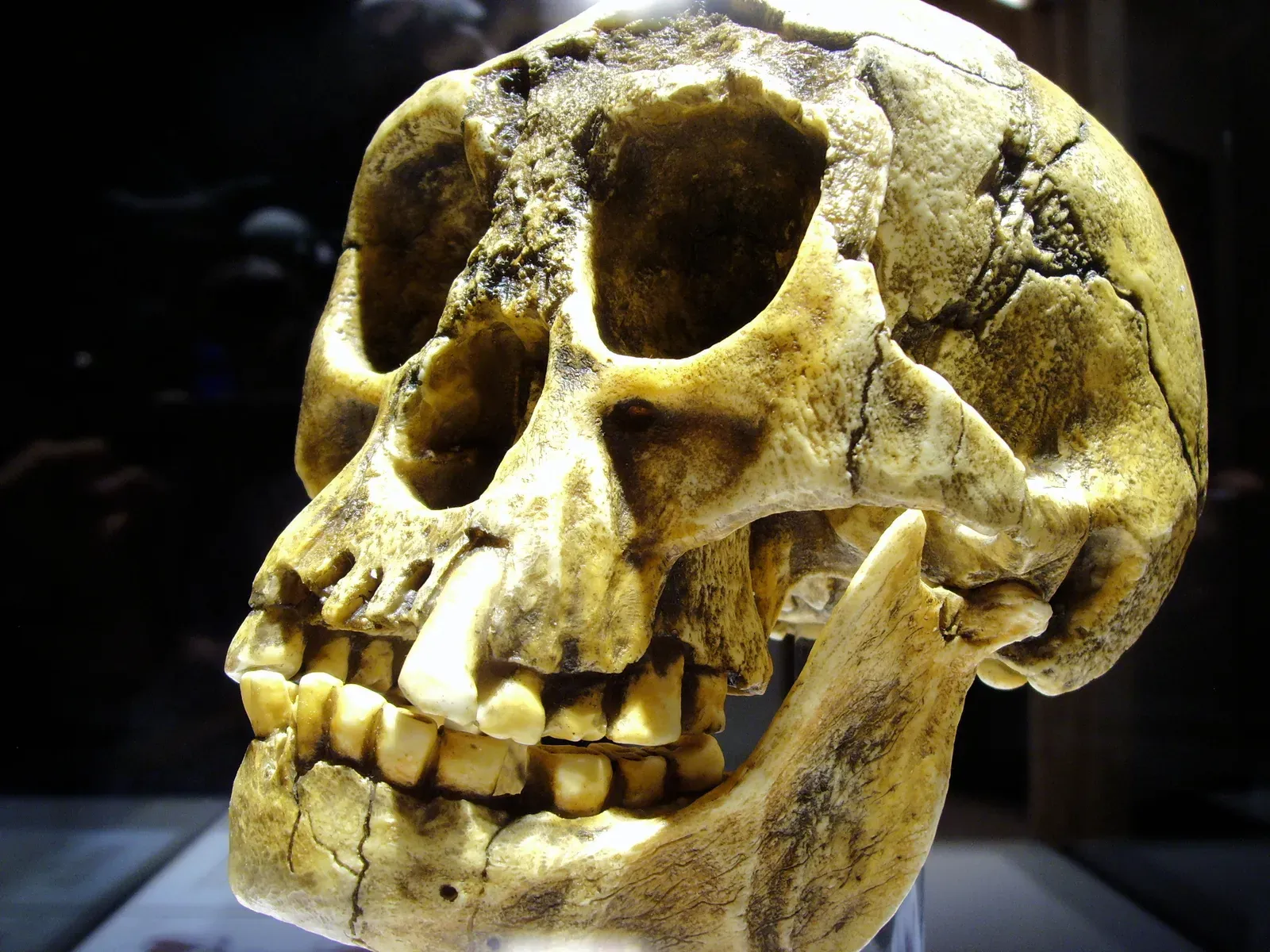
A skull the size of a chimpanzee’s, found on a remote Indonesian island, ignited one of the ugliest fights in modern paleoanthropology. Unearthed in 2003 at Liang Bua cave on the island of Flores, the tiny skeleton stood roughly three feet tall with a brain size comparable to early Australopithecus, despite dating to shockingly recent timescales. Described in 2004 and nicknamed the Hobbit, Homo floresiensis was almost immediately doubted by commentators who interpreted the type specimen as a pathological modern human, usually framed as a microcephalic dwarf. The most jaw-dropping accusation was that this wasn’t a new species at all, just a sick human – a claim that split the field for years.
That theory hasn’t gone away entirely. One research team argued the remains actually came from a “developmentally abnormal” Homo sapiens individual, complete with digitally mirrored skull reconstructions meant to demonstrate growth abnormalities. Yet supporters argue the opposite conclusion is far stronger: close analysis shows Homo floresiensis is not only a genuinely new species, but its closest affinities lie with Plio-Pleistocene African species such as Homo habilis, suggesting an earlier, previously unsuspected dispersal of hominins out of Africa. The Hobbit fight was ugly. Homo naledi’s mystery is just plain eerie.
#2 – Homo Naledi, The Species With Hands Built For Two Different Worlds
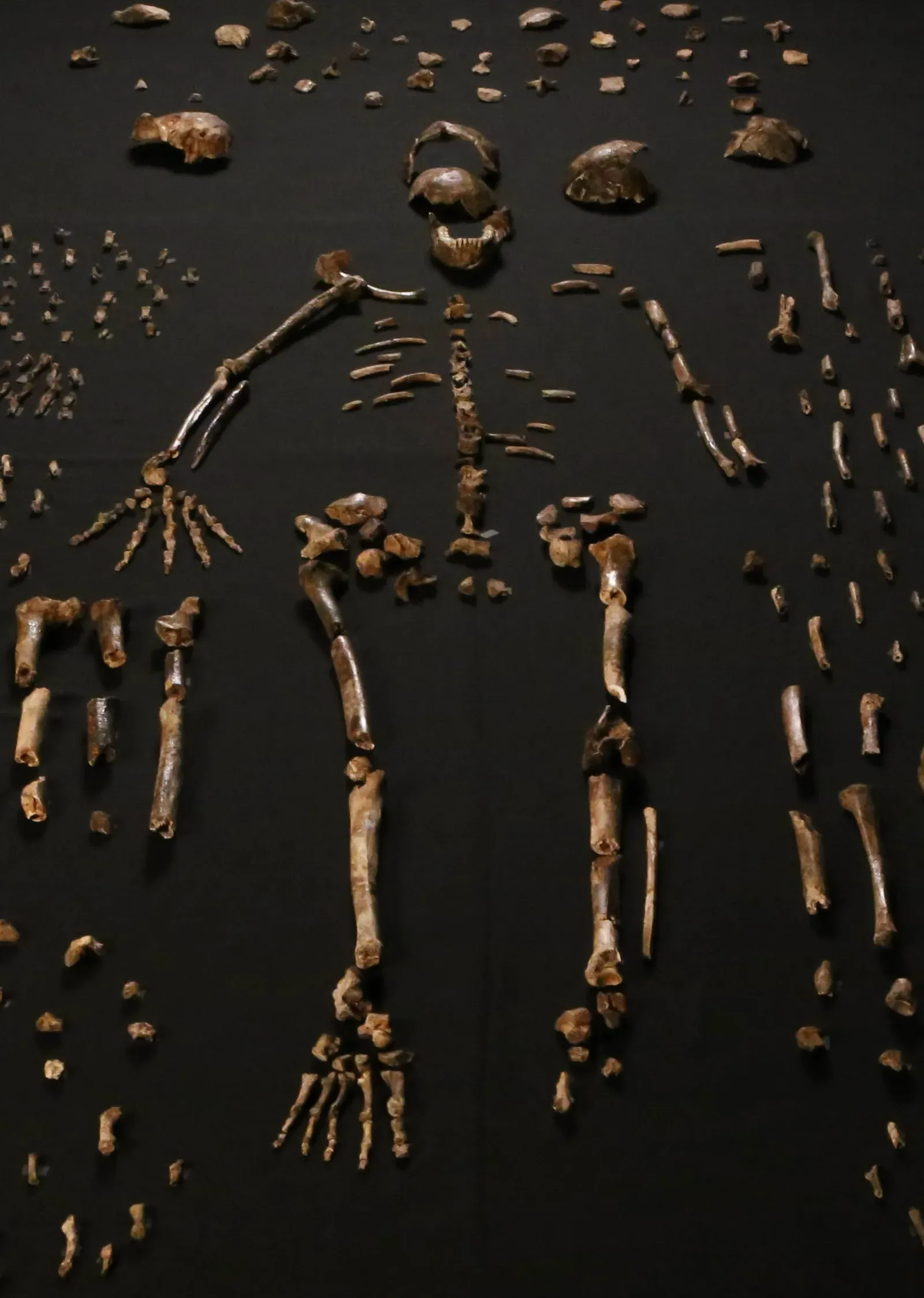
Fifteen individuals, thousands of bones, and still no agreement on where this creature belongs in the human family tree. Homo naledi was discovered within the Dinaledi Chamber of the Rising Star cave system in South Africa, a species with body mass and stature similar to small-bodied human populations but a tiny endocranial volume similar to australopiths. An adult Homo naledi stood about 5 feet tall, weighed roughly 100 pounds, and carried a brain about the size of an orange. The single most bizarre detail is that despite that tiny, primitive brain, this creature had remarkably human-like hands and feet, built for both climbing and walking.
The collection is a morphologically homogeneous sample that can’t be attributed to any previously known hominin species, and researchers have openly admitted that despite this exceptionally high number of specimens, its classification relative to other Homo species remains unclear. Some experts even entertain the controversial idea that Homo naledi deliberately placed bodies deep in an almost inaccessible cave chamber, hinting at ritual behavior once thought unique to modern humans and Neanderthals, though most researchers agree far more evidence is needed before that claim can be confirmed. Naledi’s mystery is behavioral. The final skull’s mystery took eighty-five years and a DNA lab to crack.
#1 – The Harbin Skull, “Dragon Man,” The Face Science Hid In A Well For Nearly A Century
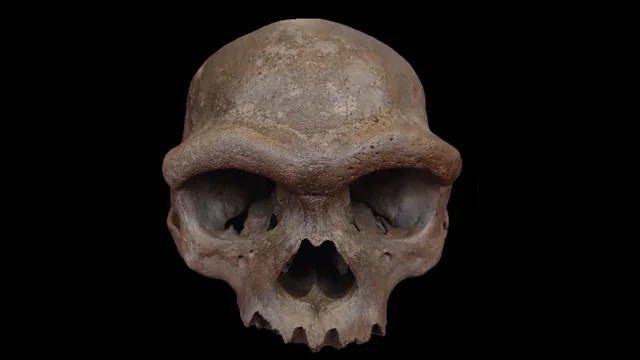
A skull so unusual that scientists spent decades unsure whether it belonged to a brand-new species, an already-known one, or something in between. A construction laborer working in Harbin discovered the skull in 1933 but reportedly hid it in a well to keep it out of Japanese hands, and it remained unknown to scholars until just before the man’s death in 2018. The enormous cranium features a long, low braincase, a massive brow ridge, a broad nose, and large eyes, and based on its unusual shape and size, experts gave it a new species name, Homo longi, or “Dragon Man,” in 2021. The most stunning twist came years later: DNA and protein analysis revealed this “new species” was actually a Denisovan, the elusive human relative previously known only from a handful of tiny bone fragments.
At a Glance
- Found: 1933, Harbin, China
- Hidden in a well for roughly 85 years
- Revealed to scientists: 2018, near the finder’s death
- Named a new species, Homo longi, in 2021
- Later confirmed via DNA/protein analysis to be Denisovan
This makes the stunningly complete Dragon Man skull the only Denisovan skull known to science, yet the species argument hasn’t fully disappeared. While the mystery of the enormous skull has been largely resolved, experts still debate its formal assignment to Homo longi, with some researchers, including paleoanthropologist Chris Stringer, suggesting Homo longi may end up serving as the standing name for Denisovans generally, while others prefer folding it into existing Chinese fossil groups instead of coining anything new at all.
The Bottom Line
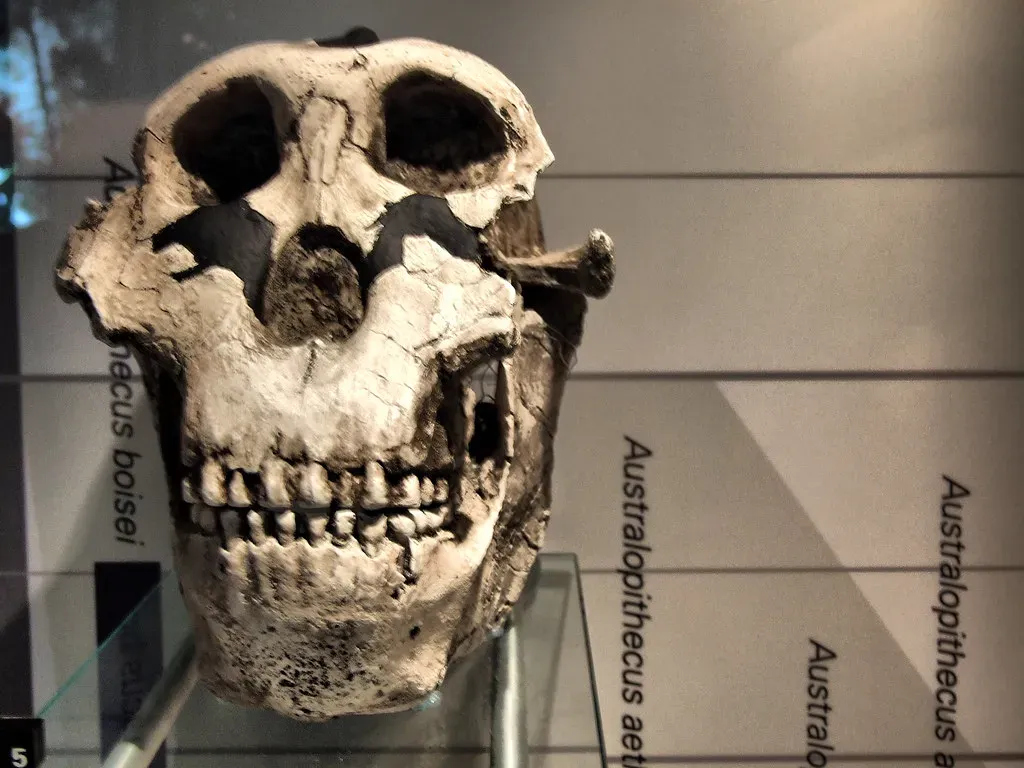
Here’s the uncomfortable truth: paleoanthropology isn’t the neat, settled science documentaries make it look like. These 13 skulls prove that the “human family tree” is really more of a tangled, half-labeled thicket, with experts openly disagreeing over basic species identity for fossils that have sat in collections for over a century.
From Taung Child’s twenty years of ridicule to Dragon Man’s DNA-fueled plot twist, the pattern repeats itself: a bold species claim, fierce pushback, and rarely a clean resolution. In our opinion, that’s not a failure of science – it’s proof the field is finally honest enough to admit what it doesn’t know. Somewhere out there is skull number fourteen, still buried, waiting to start the argument all over again.