
Everyone assumes paleontologists have this down to a science: find a bone, run it through some software, and out pops a flawless 3D model of a creature that died 70 million years ago. That’s the fantasy version.
The real version is messier, and honestly a lot more unsettling. For a shocking number of “famous” prehistoric animals, scientists are working from crumbs – a single tooth, a fragment of jaw, a vertebra that vanished from a museum drawer a century ago. Some of the most viral “monsters” online are basically scientific illusions, stitched together from scraps and borrowed traits from better-known relatives.
Here are 14 lost species where the truth is far stranger than the polished documentary reconstructions – and where even the experts admit they’re filling in the blanks.
1. The Armored Dinosaur Hungary Can’t Actually Prove (Hungarosaurus)
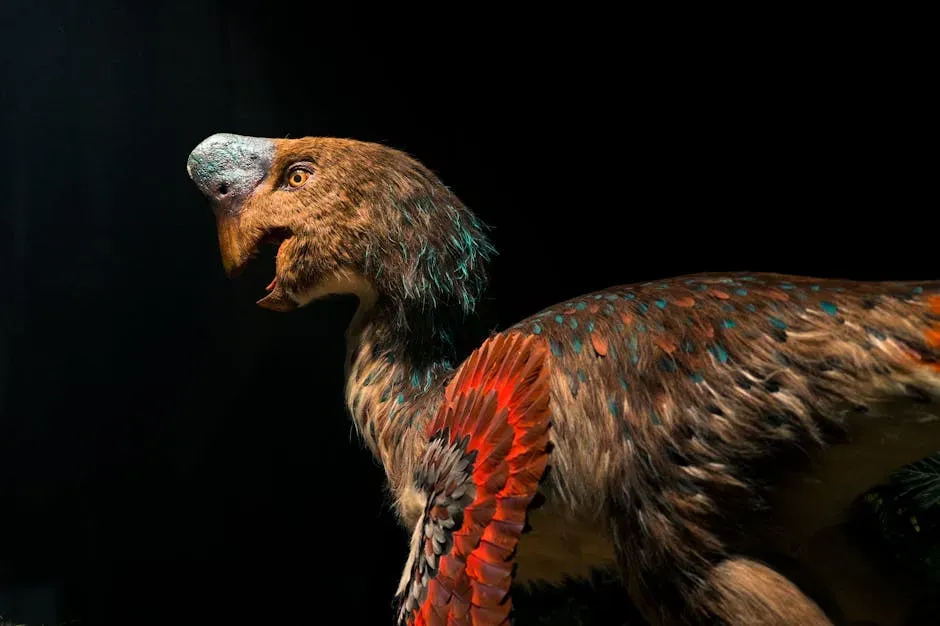
Scroll through enough dinosaur content and you’ll see Hungarosaurus presented like a fully documented, tank-plated dinosaur. The reality is far messier. All scientists actually have are bits of armor, scattered bone fragments, and partial skeletons from Late Cretaceous Hungary.
That’s nowhere near enough to be confident about its full appearance. Its famous “tank-like” look is mostly borrowed from better-known ankylosaurs found on other continents, not from this animal’s own remains.
Scientists are essentially copy-pasting traits from relatives to fill in terrifying gaps. That means whether its tail carried a club, and how heavily armored it really was, is still an open debate.
Even the basics are fuzzy: was it low and squat, or a little taller and more agile? Some paleontologists now quietly warn that the popular reconstructions are handing the public a false sense of certainty about an animal we barely know.
Fast Facts
- Known material: scattered armor plates, bone fragments, and partial skeletons only
- Time and place: Late Cretaceous Hungary
- Tail club: unconfirmed and still debated
- Body outline seen in art: largely borrowed from unrelated ankylosaurs elsewhere
2. The Terror Bird We Only Know From a Beak
You’ve probably seen illustrations of giant “terror birds” sprinting across prehistoric plains. One of the strangest members of that group is known almost entirely from a partial beak and a few skull fragments.
In several South American fossil beds, paleontologists have named large phorusrhacoid birds based on remains this incomplete. One such species is essentially “a beak and a prayer.”
We don’t know its exact height, its feather pattern, or even its preferred hunting style. Artists still draw it towering over early mammals, slamming prey with a hatchet-like beak, but that image is extrapolated from better-known relatives like Titanis and Kelenken.
With no leg bones on record, nobody can say if this animal was a sprinter or an ambush hunter. It might not even have been as huge as people assume – if that partial jaw ever turns out to belong to a juvenile, every popular reconstruction of it is instantly wrong.
3. “Brontoscorpio,” the TV-Star Sea Scorpion Stitched From Scraps
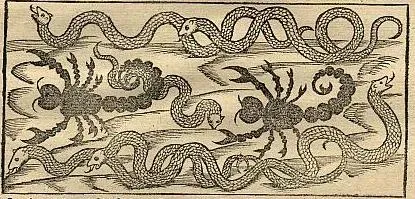
Thanks to documentaries, plenty of people think Brontoscorpio is a well-documented giant sea scorpion that dragged prey out of the water. The animal behind that CGI star is actually stitched together from scattered eurypterid remains that may not even belong to one single species.
The famous hulking predator is more of a greatest-hits mashup than a documented organism. Ancient sea scorpions definitely existed, and some genuinely were enormous, but for a specific named form like Brontoscorpio, nobody has a full, articulated fossil to point to.
Exact body length, claw shape, tail sting size – all of it is educated guesswork dressed up as fact. Some researchers now suspect we’ve been quietly oversizing these creatures in the public imagination for decades.
The “monster scorpion” image survives because it’s cinematic, not because the fossil record insists on it.
4. Amphicoelias, the Record-Breaking Sauropod Nobody Can Re-Check
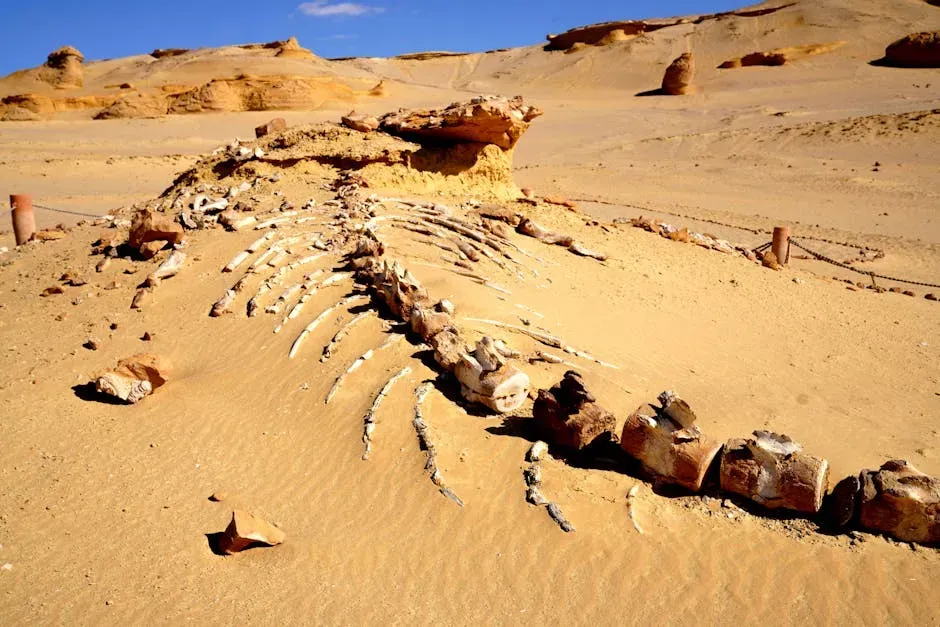
Hang around dinosaur forums long enough and you’ll see Amphicoelias ranked as one of the biggest dinosaurs that ever lived, sometimes even beating Argentinosaurus or Patagotitan. Here’s the catch: the original fossil, a gigantic vertebra described in the 19th century, is lost. The written description is all that survives.
Modern size estimates are built on notes about a bone nobody alive has ever seen. Some scientists argue the early measurements were exaggerated or simply misread, and that the animal, while big, wasn’t quite as absurd as legend suggests. Others think it might actually belong to a more familiar genus entirely.
Without new material, nobody can accurately pin down its neck length, tail profile, or true proportions. Every skeletal mount you’ve ever seen online is a speculative Franken-dinosaur, built by analogy with better-known long-necked giants.
5. Deinosuchus: The Dinosaur-Eating Croc With No Real Body
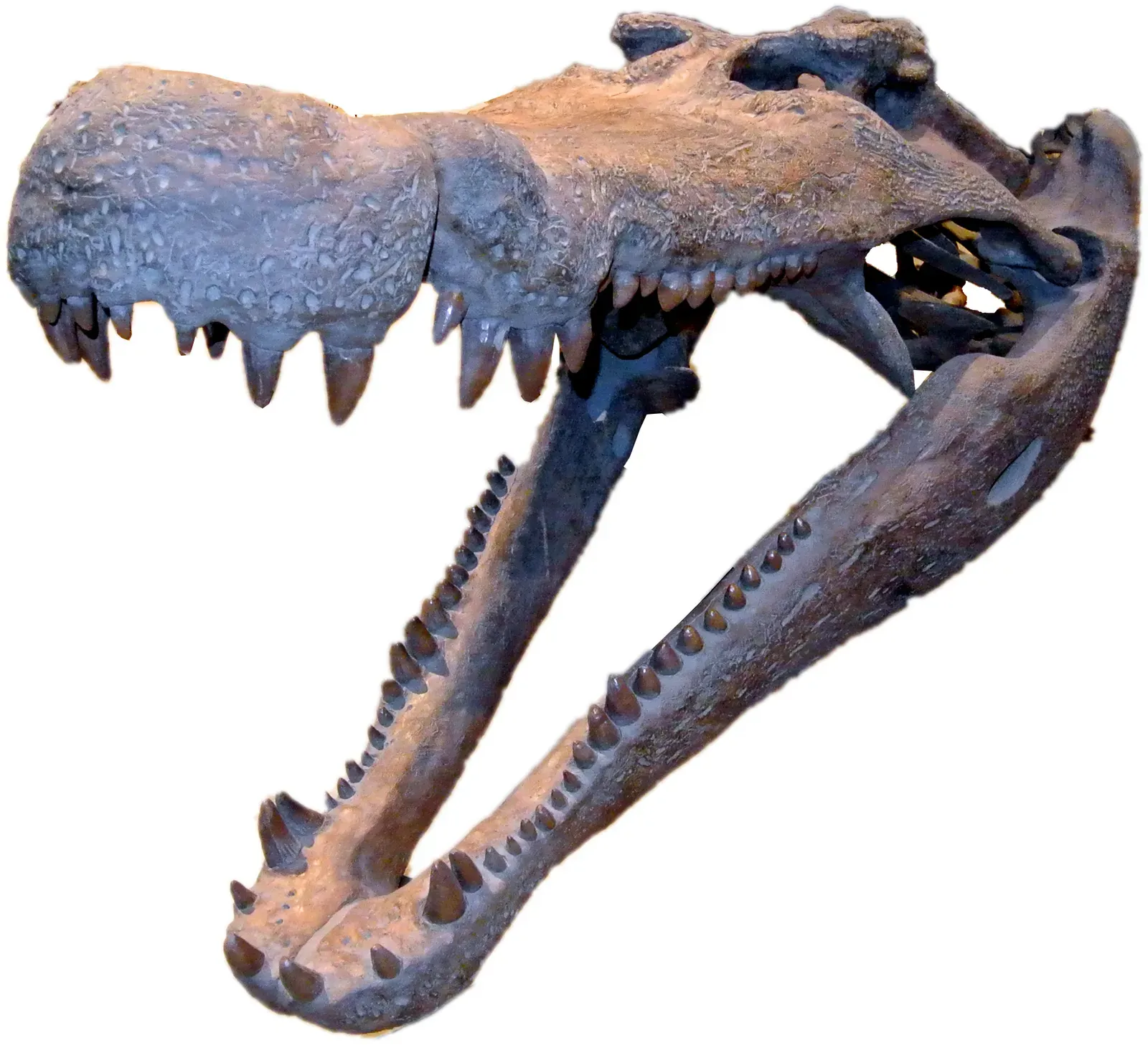
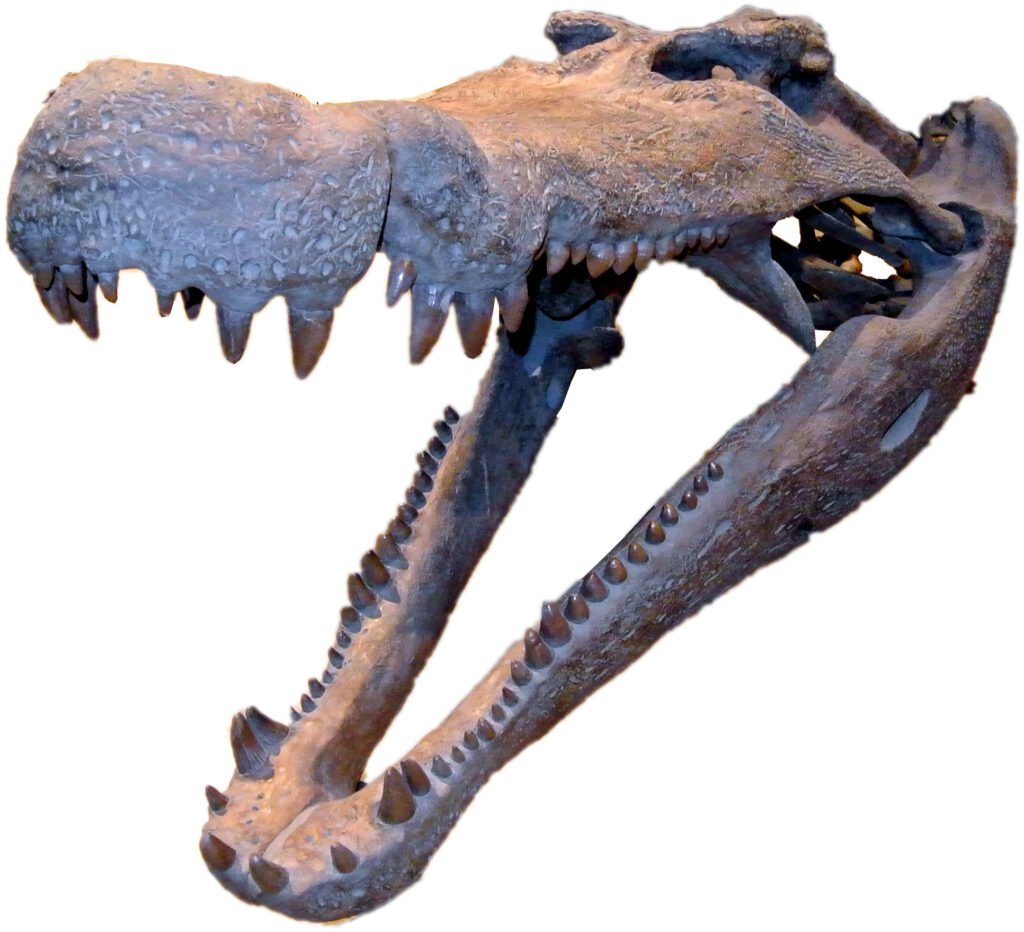
Deinosuchus is famous as the Cretaceous crocodile that allegedly ambushed dinosaurs from the water’s edge, and the skull and armor evidence backing that reputation is genuinely impressive. But step outside the head region and this animal turns surprisingly mysterious. Limb bones are rare and fragmentary, and a complete articulated skeleton simply doesn’t exist.
Its overall body shape and exact length are still genuinely up for debate. Was it proportioned like a modern saltwater crocodile, or did it carry its mass differently, with a bulkier torso and shorter tail? Some reconstructions stretch it into a 12-meter river dragon; newer estimates lean far more modest.
Even the classic image of Deinosuchus grabbing a hadrosaur by the leg leans more on storytelling than hard data. Its ecology is fairly clear – big, aquatic, dangerous – but its true outline is still a half-finished sketch.
6. Gigantopithecus: The “Real” Yeti We Basically Know Nothing About
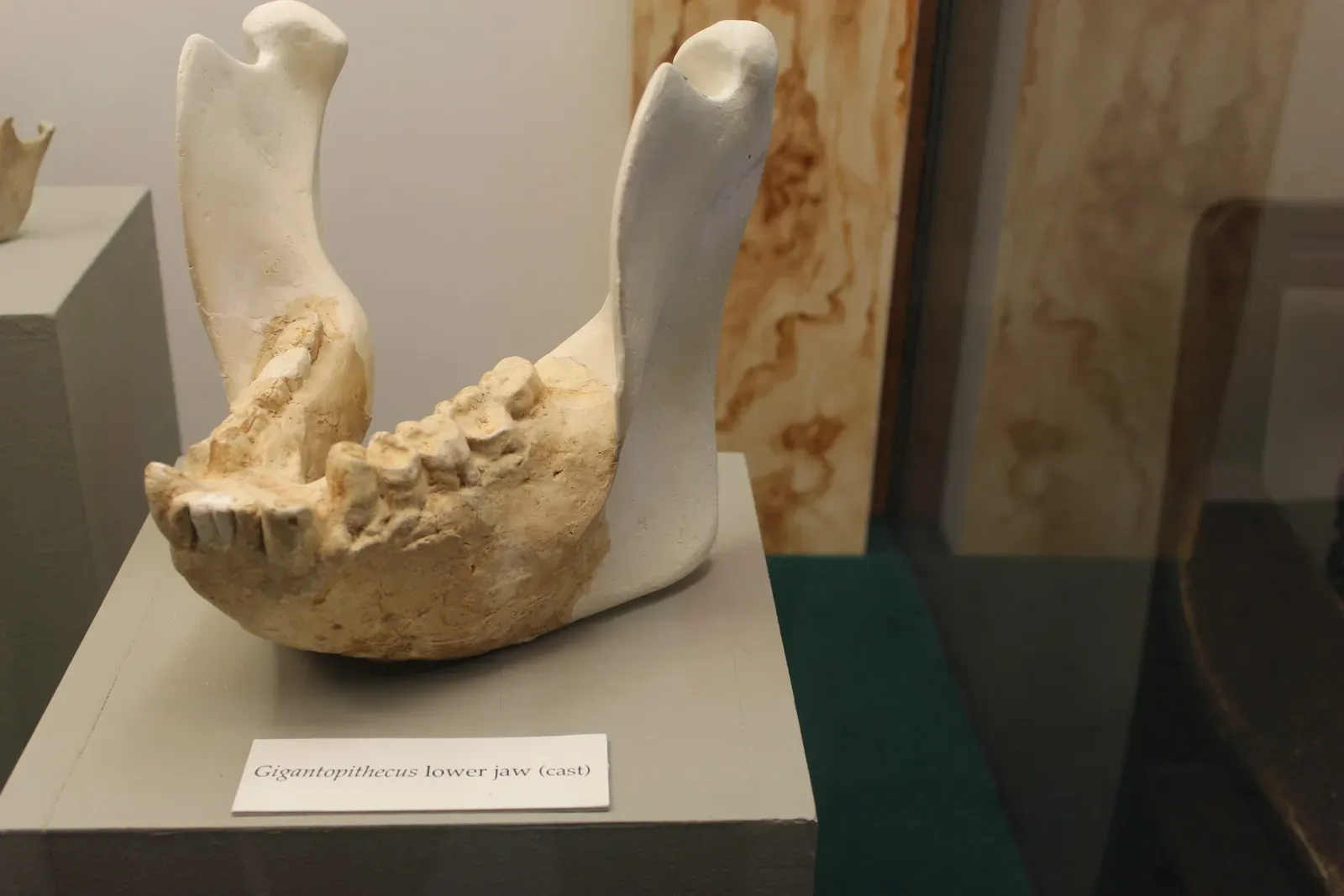
Gigantopithecus gets dragged into Bigfoot and Yeti debates constantly, but scientifically speaking, it’s one of the most frustratingly incomplete large mammals ever named. Researchers have jaws and teeth from China and Southeast Asia, and those confirm it was a giant ape, likely gorilla-sized or bigger. That’s almost the entire dataset.
No limb bones, no spine, no pelvis – nothing that actually reveals posture or full body shape. So every reconstruction you’ve seen of a reddish, knuckle-walking forest giant is largely speculative. It might have moved more like an oversized orangutan, or adopted some unusual posture built for climbing and heavy feeding.
Diet gets inferred from tooth wear and chemistry, hinting at a plant-heavy menu, but how it actually moved through its habitat remains a total mystery. The popular “upright ape-man” trope says a lot more about human imagination than fossil evidence.
At a Glance
- Known remains: jaws and teeth only, found across China and Southeast Asia
- Confirmed: a giant ape, roughly gorilla-sized or larger
- Completely unknown: limb bones, spine, pelvis, and true posture
- Diet clue: plant-heavy menu, inferred from tooth wear and chemistry
7. Bruhathkayosaurus: The “Biggest Dinosaur Ever” That Might Not Even Exist
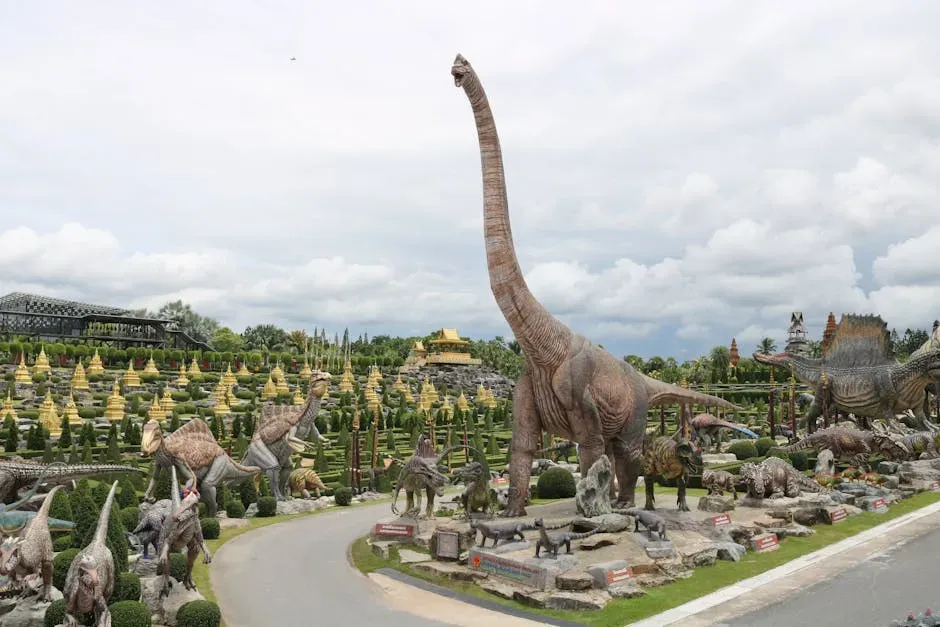
Bruhathkayosaurus is routinely listed as a candidate for the largest dinosaur ever discovered, supposedly dwarfing most titanosaurs. Here’s the embarrassing twist: the original fossils from India may have been misidentified, poorly preserved, or possibly gone altogether. Later researchers noted that parts of the “bones” might actually have been heavily weathered rock.
Some paleontologists now quietly suspect Bruhathkayosaurus never existed as described. That means every dramatic reconstruction – a massive four-legged sauropod with an absurdly long body – is built on a foundation of doubt.
Without a chance to re-study the original material, which may be lost or destroyed for good, nobody can confirm whether it was a genuine record-breaker, an ordinary-sized dinosaur, or not a dinosaur at all. Yet clickbait lists keep recycling artwork of a skyscraper-sized herbivore that may be pure fiction.
8. Megalodon’s True Shape Is Nothing Like the Movies
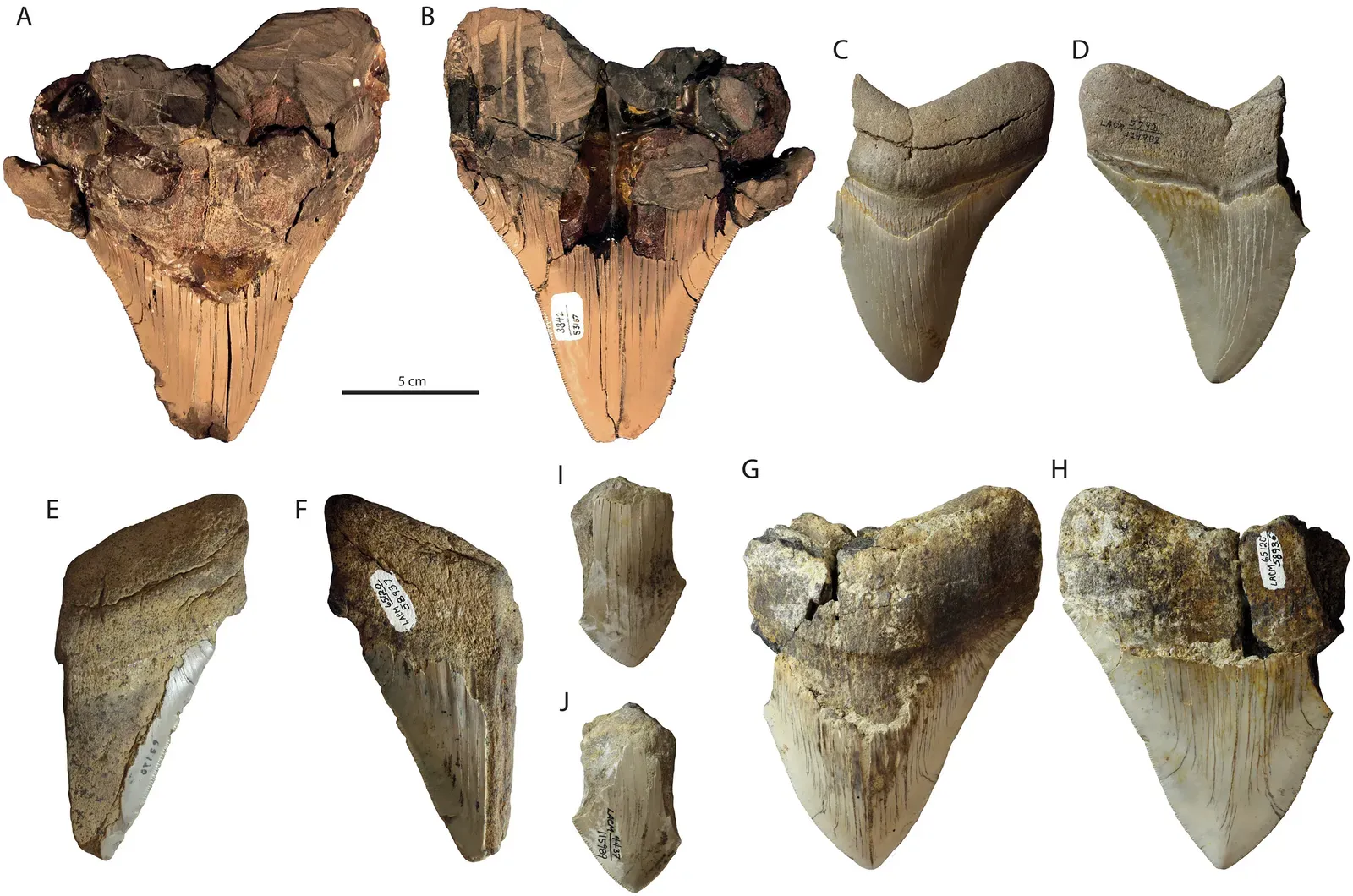
Megalodon is everywhere – blockbuster movies, TikTok edits, conspiracy comments – but scientifically, most of what survives is teeth and a handful of vertebrae. Cartilage skeletons like a shark’s don’t fossilize well, so everything else is reconstruction by analogy.
The famous torpedo-shaped, scaled-up great white look is convenient, not proven. Some researchers now argue Megalodon’s closest living relatives aren’t classic great whites at all. Alternative models suggest a deeper-bodied shark with different fin proportions, maybe even a slower cruising predator than the hyper-fast monster usually portrayed.
Nobody knows its exact coloration or eye size either. Artists default to a gray-and-white giant because it “looks right” – that’s an aesthetic choice, not data, and it’s one of the clearest examples of a few spectacular fossils plus popular imagination hardening into “fact” that isn’t.
Worth Knowing
- Surviving fossil evidence: mostly isolated teeth, plus a handful of vertebrae
- Cartilage doesn’t fossilize, so a complete skeleton has never been found
- The “scaled-up great white” look is a reconstruction by analogy, not confirmed anatomy
- Some models suggest a deeper-bodied shark with different fin proportions than usually shown
9. Therizinosaurus: Horror-Movie Claws on a Body Nobody Agrees On
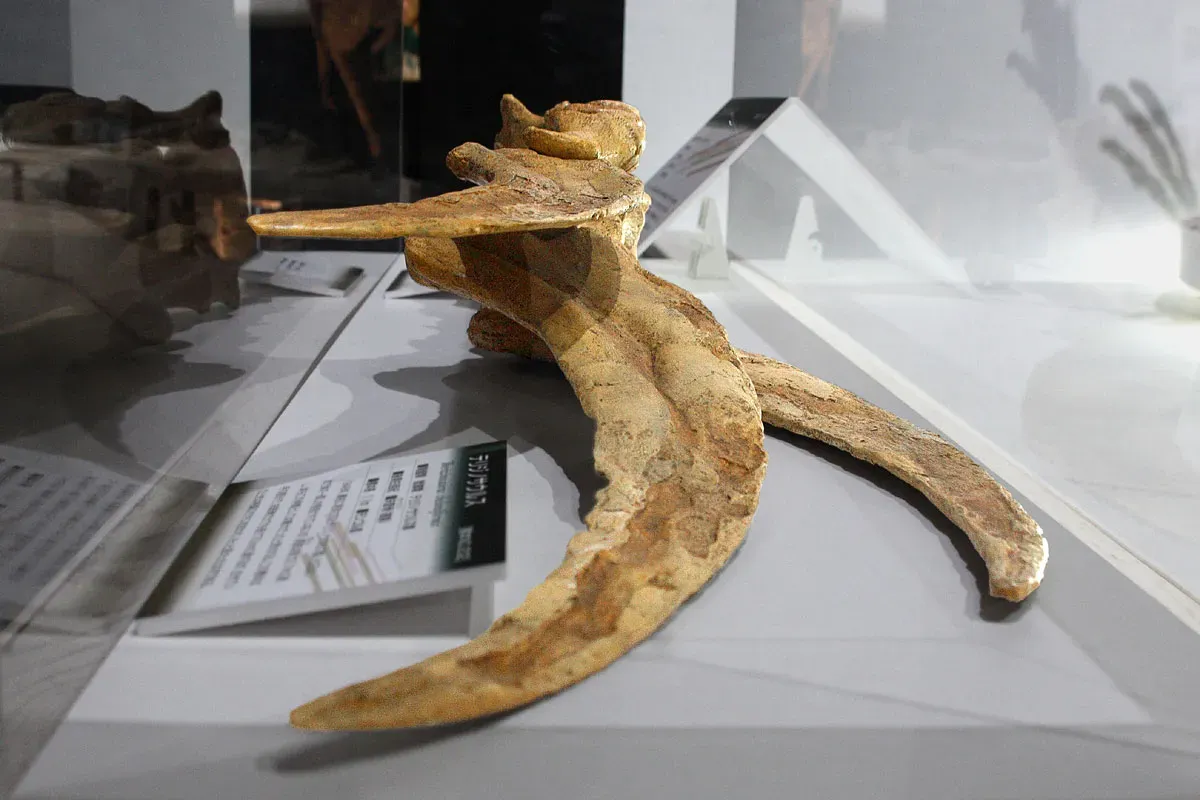
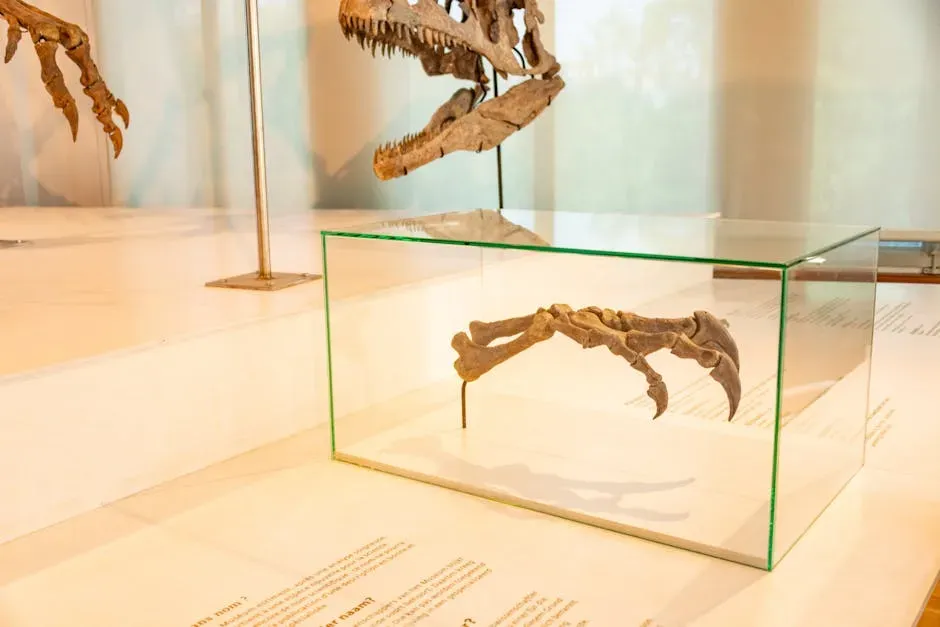
Therizinosaurus is instantly recognizable for its absurdly long claws, but beyond that, things get fuzzy fast. The original discovery was literally just massive hand claws – the rest of the skeleton got pieced together later from related species.
The famous pot-bellied, feathered dinosaur with the long neck and big belly is an inference, not a documented reality. We’re fairly confident it was a plant-eater despite its slasher-blade hands, an unsettling twist people love sharing, but posture, feather coverage, and even how those claws were actually used are all still debated.
Was it a slow, high-browsing specialist, or could it defend itself if cornered? Reconstructions lean heavily on the better-known Beipiaosaurus and other therizinosaurs – meaning if future finds give Therizinosaurus a noticeably different frame, half of today’s viral artwork instantly becomes outdated.
10. Amphicoelias Fragillimus: The Ultimate Giant That’s Just a Drawing
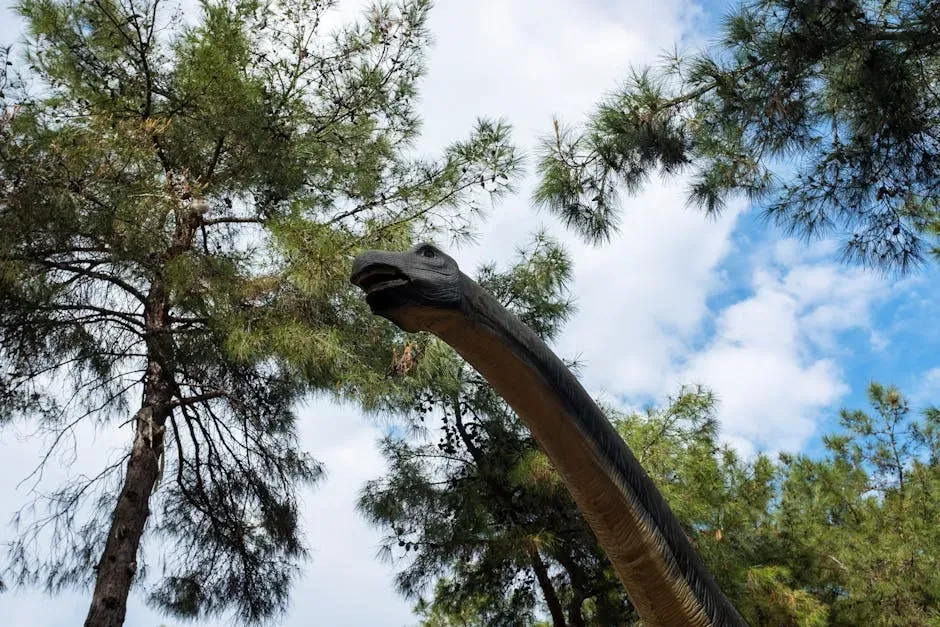
This isn’t Amphicoelias in general – it’s the notorious “fragillimus” form, based on a single enormous vertebra sketched in the 1800s and never seen again. Many of the popular “largest dinosaur ever” graphics you’ve scrolled past trace directly back to this one vanished bone.
No one alive today has seen the original fossil – only a 19th-century drawing and description. Some modern researchers have recalculated its size and concluded the original estimates were wildly inflated. Others think it might represent a genuinely colossal but plausible sauropod, while a few suspect the bone was simply mismeasured or misidentified from the start.
Without the fossil, none of these ideas can actually be tested. So the next time you see a skeletal chart putting Amphicoelias fragillimus towering above skyscrapers, remember: that’s fan art built on a lost, possibly misread bone.
11. The First Dinosaurs: Ancestors With No Clear Faces
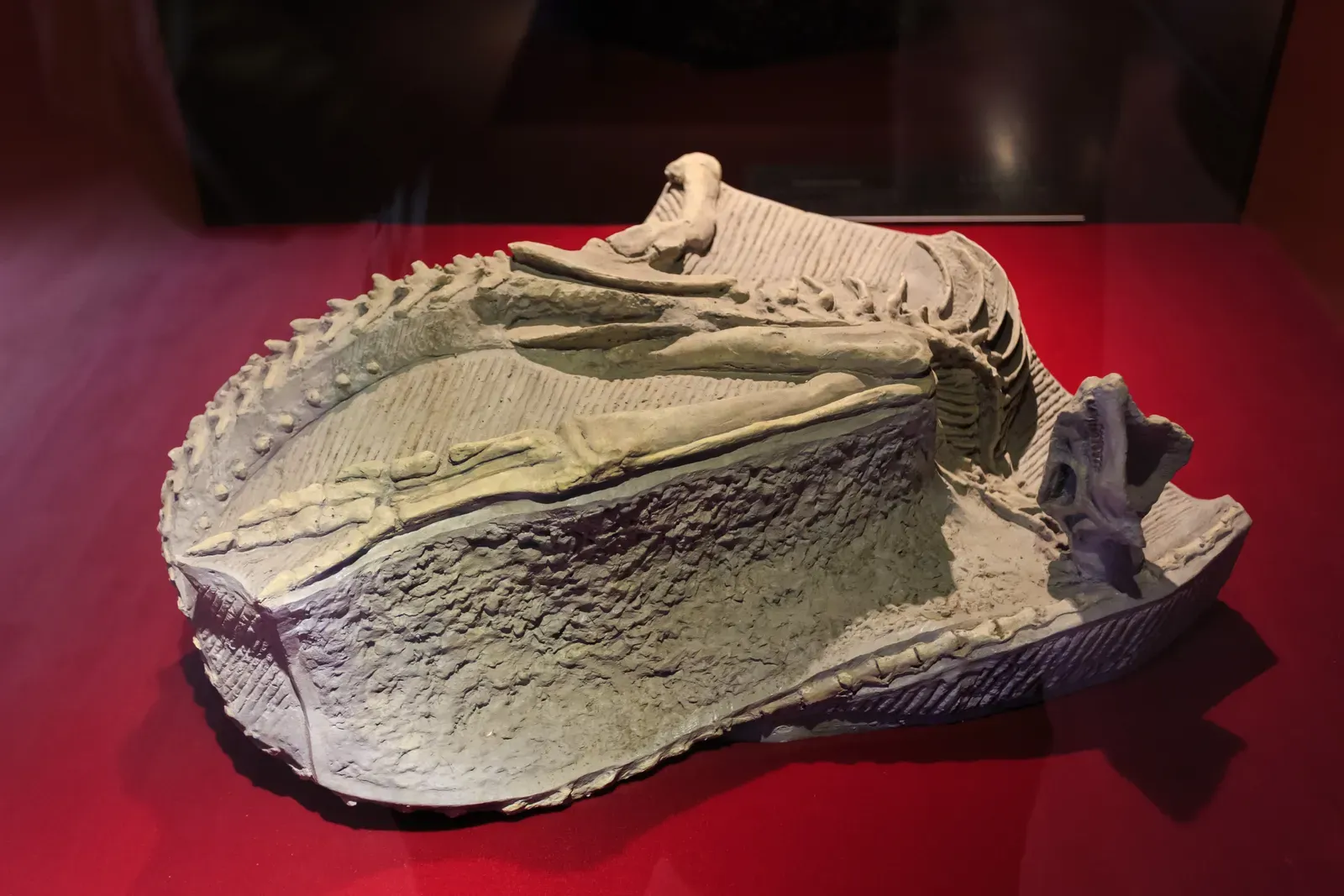
We talk about “the first dinosaurs” like we know exactly what they looked like, but the actual fossils for the earliest forms are fragmentary and controversial. Names get reshuffled, specimens get reclassified, and the line between an early dinosaur and a near-dinosaur relative is blurry at best.
There may be entire lineages of small, delicate ancestors that left almost no trace at all. That means any tidy image of a single, lizard-sized “first dinosaur” scampering through Triassic forests is basically fiction.
In reality, early dinosaurs were probably a messy radiation of several small species with very different body plans and lifestyles. Some may have resembled long-legged carnivores; others were likely more omnivorous or quadrupedal. Without complete skeletons, scientists are stuck stitching together a composite ancestor that never actually existed as one species.
12. The Giant Elephant Birds of Madagascar We Still Can’t Fully Picture
![12. The Giant Elephant Birds of Madagascar We Still Can't Fully Picture (By Monnier, Drow male, Ryan Somma, Roger Fenton, [1], Goupil & Cie and Samuel Glendening Payne, CC BY-SA 2.0)](https://nvmwebsites-budwg5g9avh3epea.z03.azurefd.net/dinoworld/b0b84cc6f6a4149dc3f239fcc45d3277.webp)
Elephant birds (Aepyornis and its relatives) really were massive, flightless giants from Madagascar, and researchers do have eggs and some skeletal remains to prove it. But for several distinct species, especially the largest ones, the fossil record is patchy and scattered.
Their exact posture, feathering patterns, and even maximum size are still under active revision. Some estimates give them a height rivaling or exceeding an ostrich but far bulkier; other analyses tone down the more extreme reconstructions considerably.
Soft tissue details like wattles, crests, and plumage color are completely unknown – were they drab, cryptic forest dwellers, or visually striking birds of open landscapes? Nobody can say. Modern media keeps depicting a single, standardized “elephant bird” as if it were as well-documented as a zebra, when in reality we’re probably flattening several very different species into one convenient giant bird.
13. “Hell Pigs”: Nightmares Built on Incomplete Skeletons
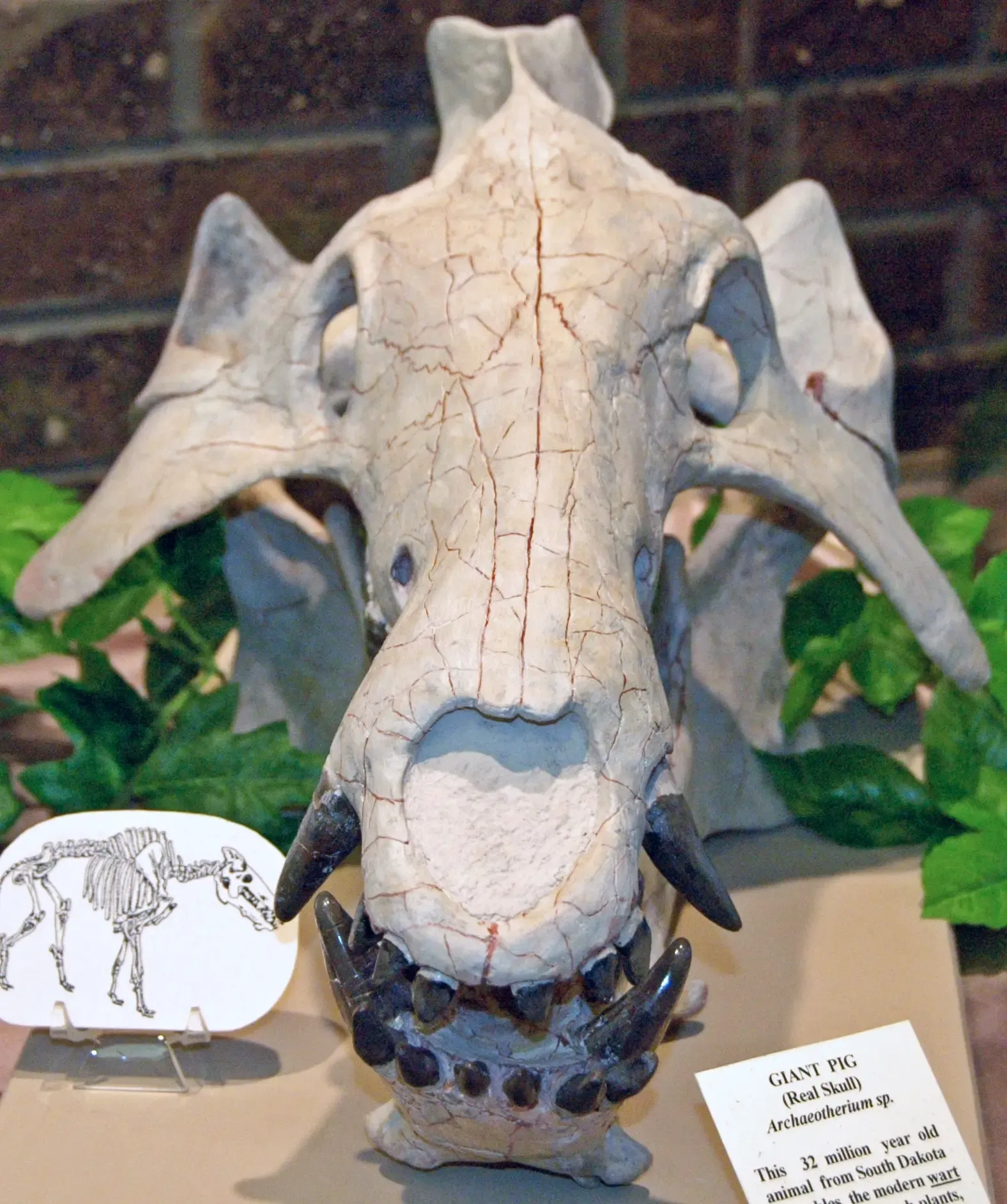
Entelodonts – nicknamed “hell pigs” – are those terrifying, big-headed, bone-crunching mammals that show up in every prehistoric documentary. Researchers do have relatively decent skulls and some postcranial bones, but full, articulated skeletons are rare, and not every species is equally well known.
For many of the largest forms, like Daeodon, body proportions, musculature, and even skin texture are still very much up for interpretation. Artists routinely push them toward horror-movie territory: skeletal, hairless beasts with exposed ribs and glowing eyes. The fossils simply don’t support that level of specificity.
They were most likely powerful omnivores or carnivores with stocky frames, but exactly how long the legs were relative to the torso, or how the head was carried in life, isn’t locked down. Some experts argue we overplay their “monster” reputation and underplay how ecologically complex they probably were.
14. The Countless Species Known Only From Teeth
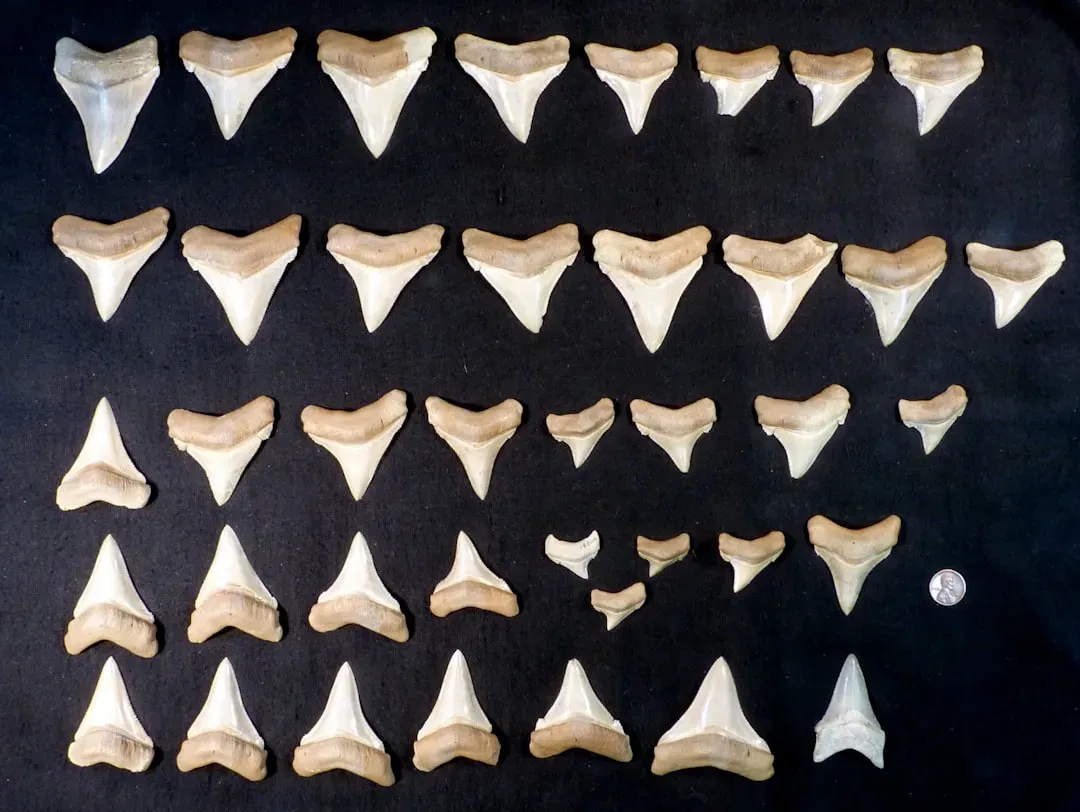
Here’s the uncomfortable truth: the single biggest category of lost prehistoric animals science cannot reconstruct isn’t a famous name at all. It’s the enormous, faceless pile of species known only from isolated teeth.
In many fossil beds – especially for sharks, reptiles, and small mammals – a single tooth is enough to officially name a new species, but nowhere near enough to actually draw the animal. Tooth shape can hint at diet: sharp for meat, flat for plants, complex for omnivory. But it tells us almost nothing about body size, limb structure, tail shape, or lifestyle.
Some of these tooth-only species might have been spectacularly strange: gliding predators, burrowing specialists, semi-aquatic oddballs that left no other durable trace. Others might not even be distinct species – just growth stages or variants of animals we already know. This is the real black hole of prehistory: a vast menagerie of tooth names that will probably never get real faces.
Fast Facts
- A single tooth can be enough to officially name a new fossil species
- Tooth shape reveals diet clues only: sharp edges suggest meat, flat surfaces suggest plants
- Body size, limb structure, and tail shape stay completely unknown from teeth alone
- Some “species” may just be growth stages or variants of animals already named
The Bottom Line
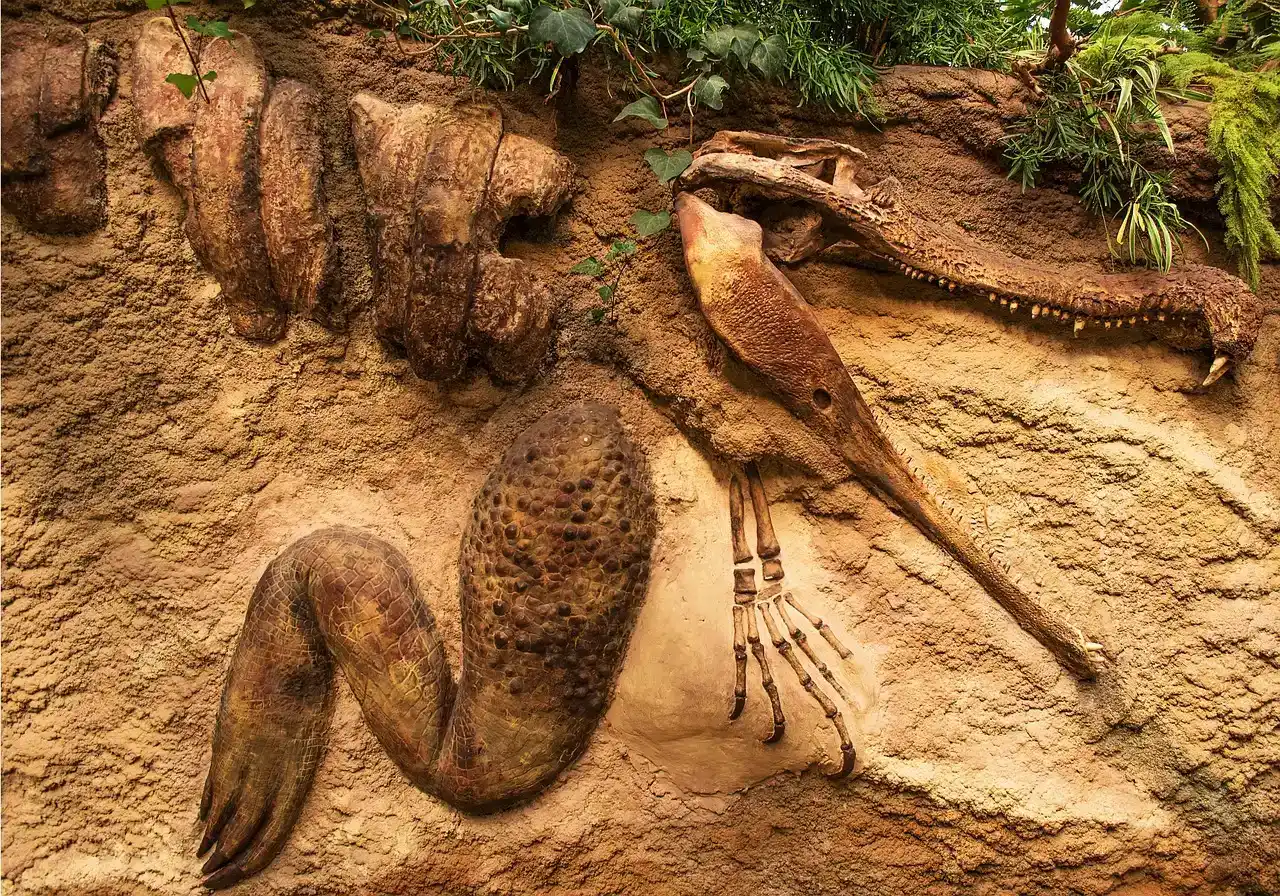
Zoom out across all 14 of these, and a pattern jumps out immediately: the prehistoric creatures we think we “know” best are usually the ones with the best marketing, not the best fossils. Plenty of the most sensational giants and monsters are built on missing bones, vanished specimens, or single teeth that would never survive scrutiny in any other scientific field.
Science is brutally honest about these gaps. Pop culture almost never is. That’s the real scandal, in my opinion – how eagerly we turn “maybe” into a click-friendly certainty, one dramatic documentary shot at a time.
The story of life before humans isn’t a finished movie. It’s an incomplete, glitchy trailer, missing half its scenes – and honestly, which of these half-imagined animals do you think we’ve gotten most wrong?