
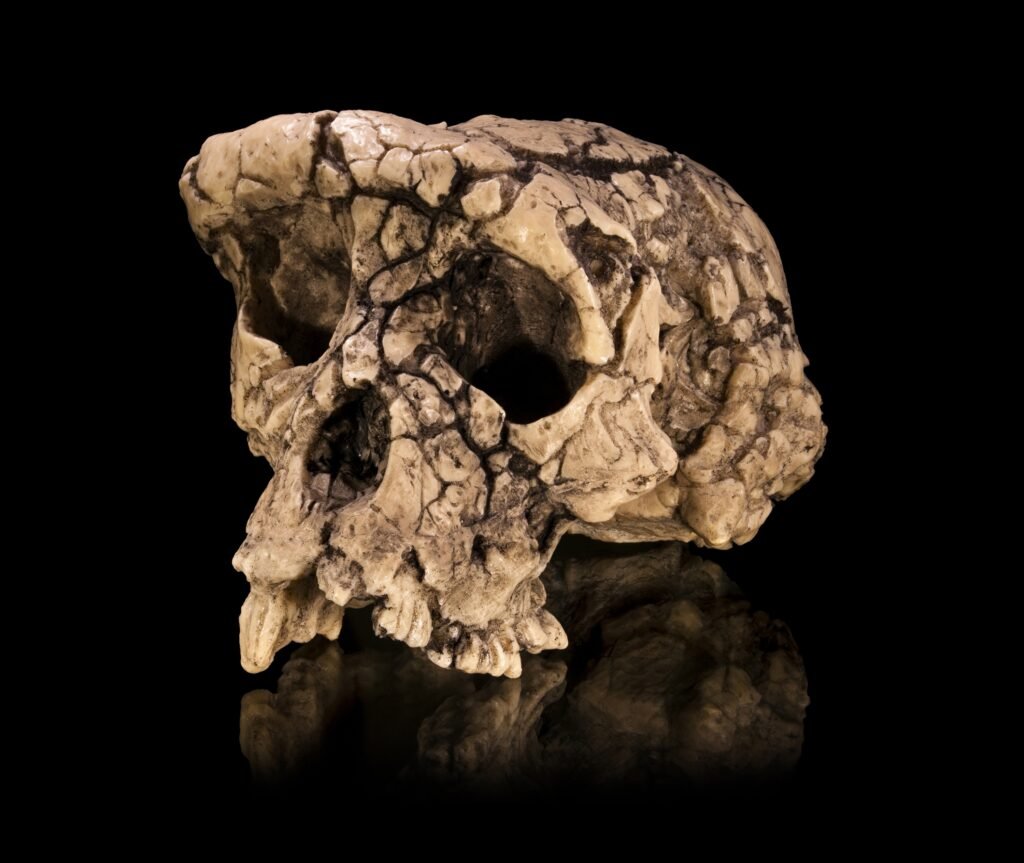
Most people assume paleontology is a slow, careful science where facts get chiseled in stone and stay there forever. Dig into the archives, though, and you’ll find a very different story. Dozens of “landmark” fossil discoveries were quietly walked back, reclassified, or flat-out abandoned – often with barely a footnote in the textbooks that once celebrated them. No dramatic retraction, no viral apology. Just silence, while the old claim faded from lecture slides and museum placards.
Some of these fossils rewrote human history for decades before anyone admitted the mistake, shaping how millions of people understood where we came from. Here’s what the scientific record actually shows once you follow the paper trail – starting with a single tooth that convinced America it had found its first ape.
#13 – Nebraska Man: An Entire Human Ancestor Built From One Tooth
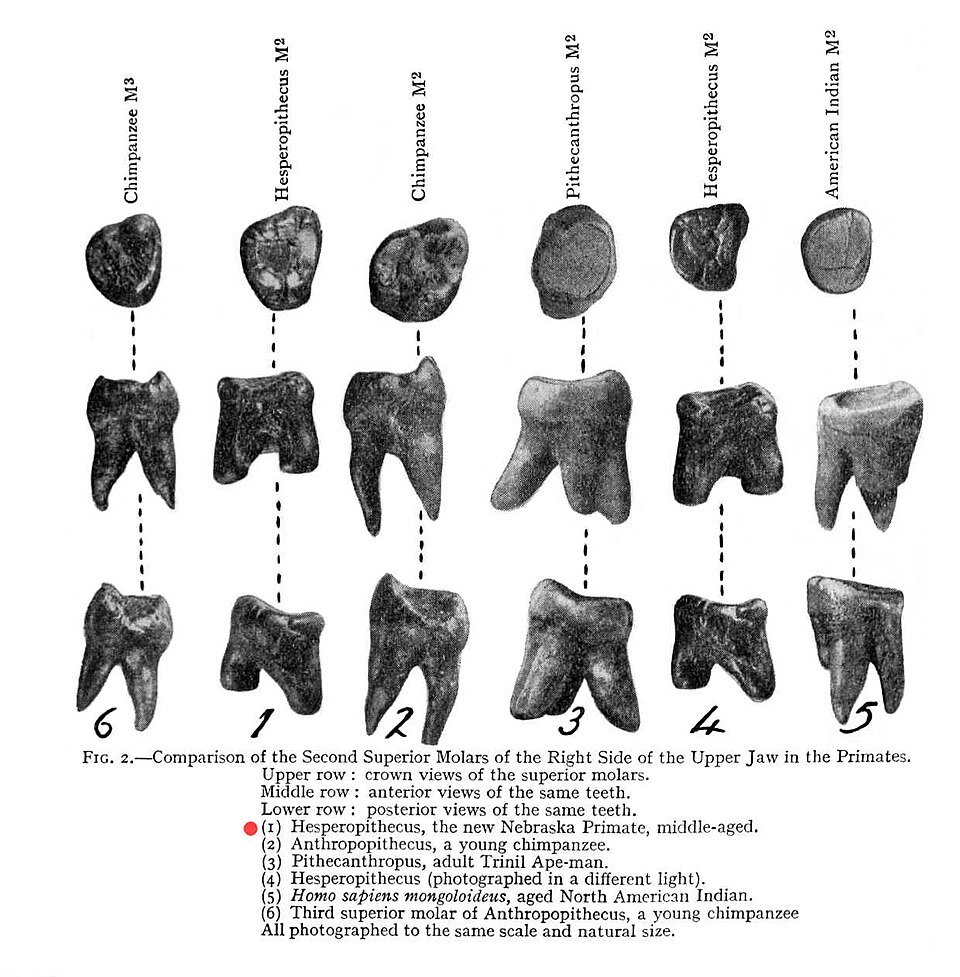
In 1917, rancher and amateur geologist Harold Cook found a single worn molar in the Nebraska badlands. Five years later he sent it to famed paleontologist Henry Fairfield Osborn, who described it as Hesperopithecus haroldcookii – hailed as the first higher primate ever found in North America. Illustrators ran wild with it, and one popular magazine even commissioned an elaborate, imaginative reconstruction of the creature roaming the ancient wild, despite having nothing but a single molar to go on.
Five years after that, colleague William King Gregory examined the specimen more closely and concluded the tooth almost certainly came from an extinct peccary – a pig-like animal, not a primate at all. The “ape-man” that once inspired newspaper diagrams of the human family tree turned out to be a wild pig. Osborn quietly stopped mentioning it in his later work, and the story vanished from serious science almost as fast as it arrived. But that’s nothing compared to what we found about #12.
Fast Facts
- 1917: A single molar is found in the Nebraska badlands
- 1922: Osborn names it Hesperopithecus haroldcookii, “Nebraska Man”
- 1927: William King Gregory identifies the tooth as belonging to an extinct peccary
- Total lifespan of the claim: roughly five years before collapse
#12 – The Calaveras Skull: California’s “Ancient Man” That Wasn’t
A skull pulled from a California gold mine was once presented as proof that humans had lived alongside long-extinct Ice Age mammals on this continent far longer than anyone believed. Reportedly recovered from beneath volcanic gravel deposits in the 1860s, it was championed by state geologists as physical evidence of a shockingly ancient human presence in North America. Newspapers ran with the story, and for a while the “Calaveras Man” was treated as a genuine scientific puzzle rather than folklore.
The trouble was the context: the mining shafts where it was supposedly found were riddled with tunnels, disturbed soil, and mixed sediment layers, making any claim about its true age essentially unprovable. Later examination showed the skull was consistent with a far more recent human origin, and it was almost certainly planted or mixed in from shallower, modern soil. The find that once suggested humans predated the mammoths in America quietly dropped out of serious geology altogether, and few textbooks bother mentioning it anymore. Speaking of skulls with a shaky backstory, wait until you see what happened with #11.
#11 – Orce Man: A “Human Ancestor” That May Have Been a Donkey
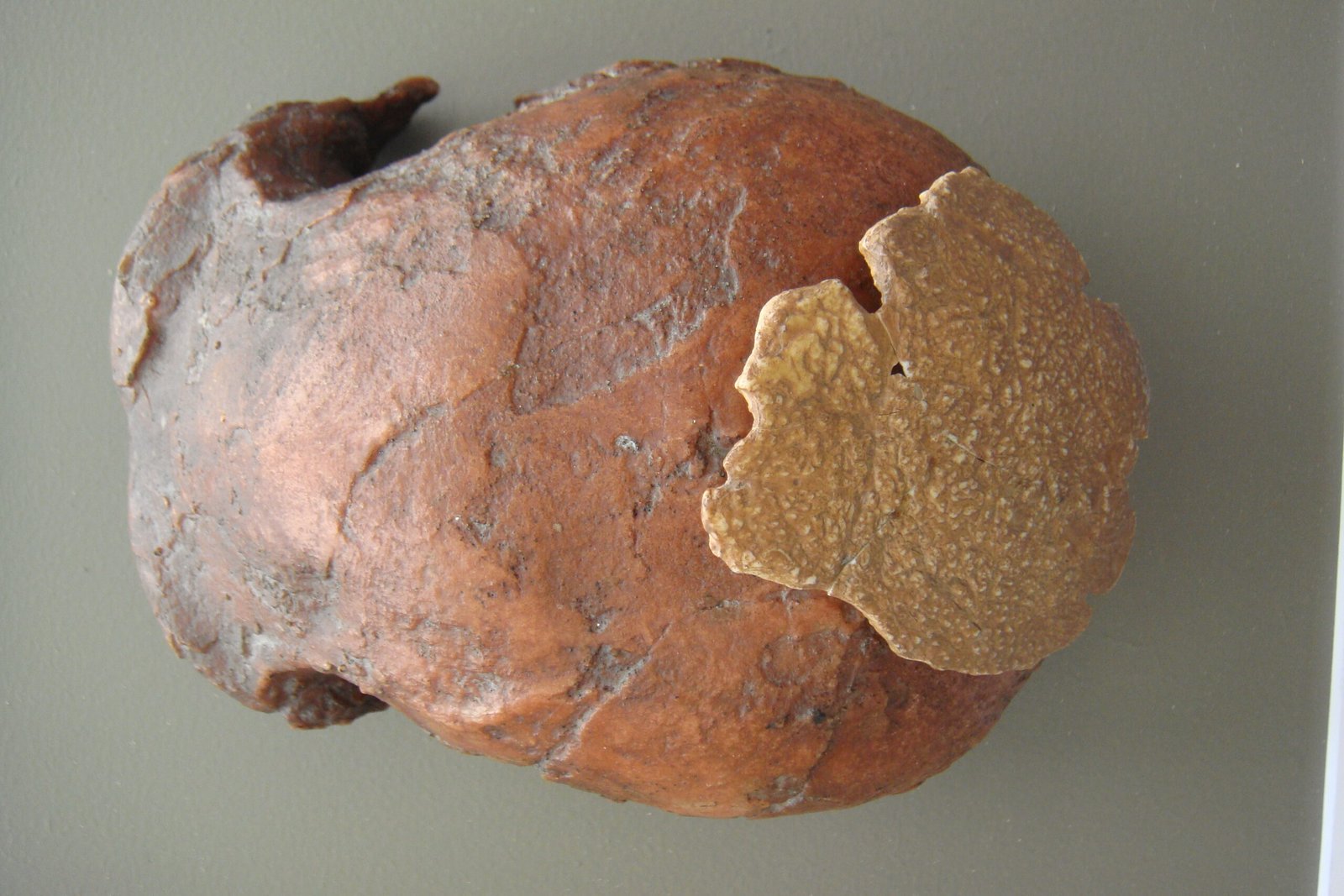
For a brief, thrilling moment in the early 1980s, Spain claimed to have the oldest human fossil ever found in Europe. A small skull fragment discovered near the town of Orce was announced with enormous fanfare, positioned as evidence that early hominins had reached the Iberian Peninsula far earlier than any accepted timeline allowed. National media covered it as a point of scientific pride, and it briefly reshaped conversations about the earliest human migrations into Europe.
But specialists who examined the fragment more closely raised serious doubts about whether the bone structure was even human at all, pointing instead to features far more consistent with a young, non-human mammal – quite possibly an equid, like a donkey. The claim didn’t collapse overnight, but as skepticism mounted among paleoanthropologists, institutional enthusiasm cooled dramatically, and the “oldest European” title was walked back without any formal, headline-grabbing retraction. A discovery once treated as a national scientific triumph slipped quietly out of the human family tree. But #10 involves a mistake that literally reshaped a dinosaur’s face.
#10 – Iguanodon’s Nose Horn That Was Actually a Thumb
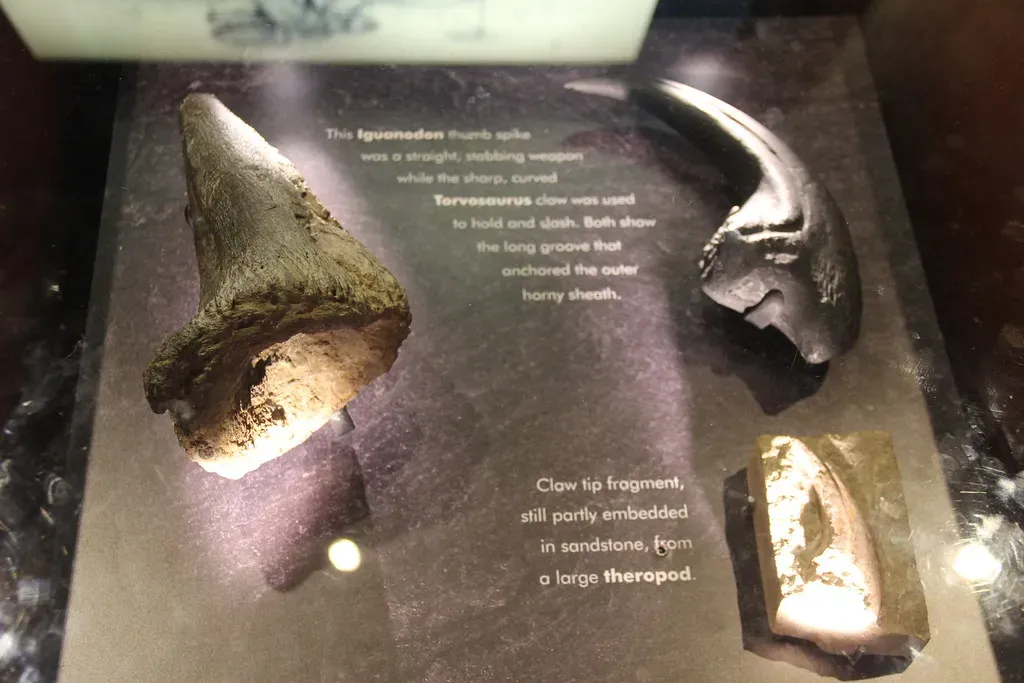
For decades, one of the most famous dinosaurs in the world was reconstructed with a spike proudly mounted on its nose like a rhinoceros horn. Early Iguanodon skeletons, pieced together from fragmentary bones in the 1800s, led paleontologists to assume a large, curved spike belonged somewhere on the animal’s skull. Museum models and illustrations across Europe depicted Iguanodon this way for years, cementing the image in the public imagination as scientific fact.
Everything changed when a spectacular haul of more complete, articulated skeletons was unearthed in a Belgian coal mine, giving researchers their first real look at how the bones actually fit together. It turned out the “horn” was a conical spike bone that belonged on the animal’s thumb, likely used for defense or foraging, not a nose ornament at all. The correction happened quietly through updated academic reconstructions rather than any dramatic announcement, and old museum casts with the horn on the nose are now considered charming relics of outdated science. Up next at #9 is a name so wrong it got erased, then un-erased, decades later.
#9 – Brontosaurus: The Dinosaur Name Scientists Dropped for a Century
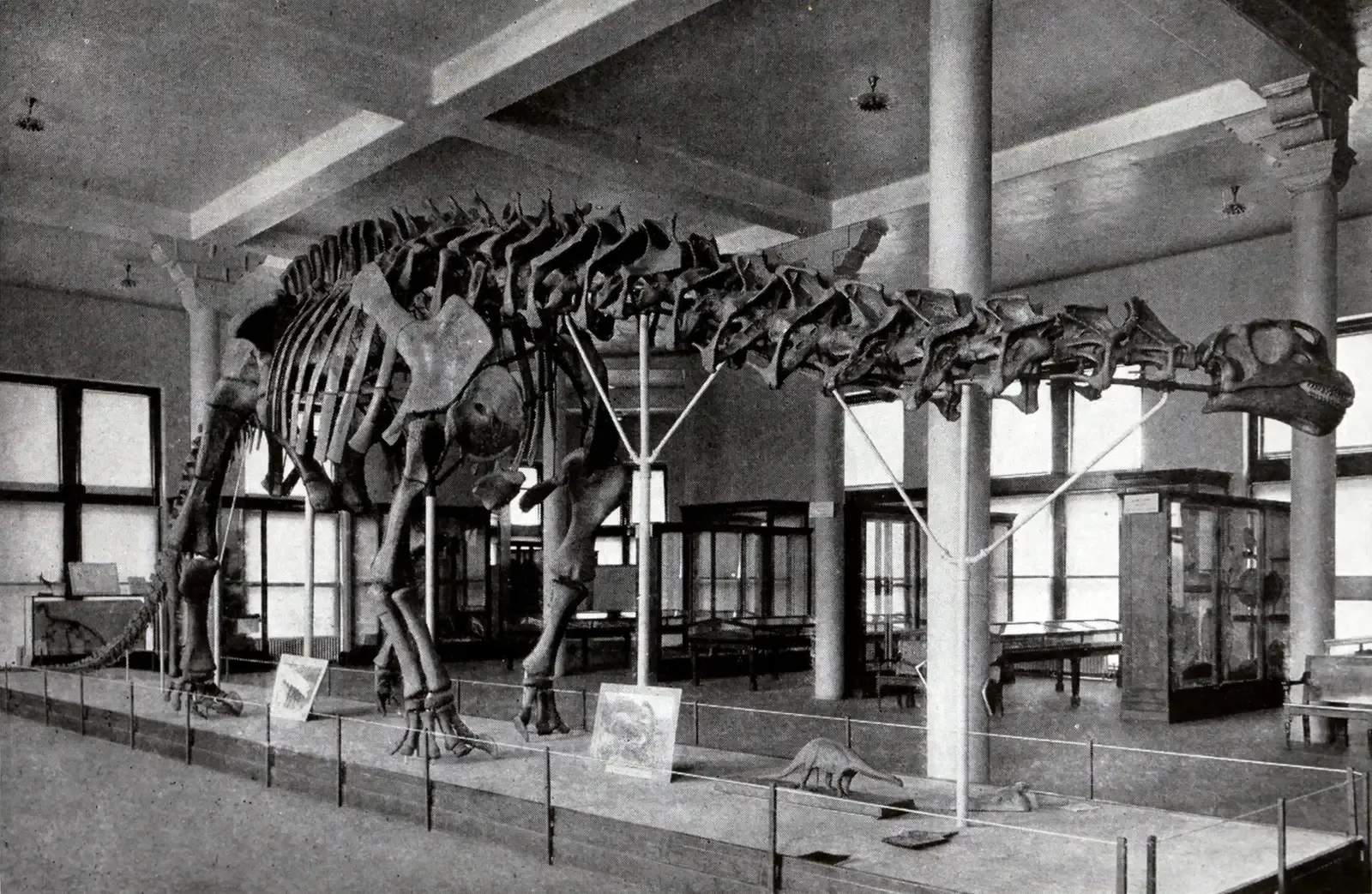
One of the most recognizable dinosaur names in the world was actually declared invalid by scientists more than a century ago – and most museums just kept using it anyway. In 1903, researchers determined that the skeleton originally named Brontosaurus was essentially the same animal as a previously described genus, Apatosaurus, which had scientific naming priority. Under the formal rules of taxonomy, that meant Brontosaurus should have been retired immediately, folded quietly into Apatosaurus and dropped from the official record.
Instead, museum plaques, children’s books, and toy packaging kept the name alive for generations, largely ignoring the technical correction happening in academic journals. It wasn’t until a detailed 2015 anatomical study re-examined the skeletal differences between the two that scientists concluded Brontosaurus deserved to be revived as a genus after all, reversing a century-old quiet drop. It’s a rare case where the “dropped” claim eventually clawed its way back from obscurity. #8 shows what happens when a fossil gets tangled up with racial theory instead of biology.
Quick Compare
- 1877: Othniel Marsh names the genus Brontosaurus
- 1903: Scientists rule it invalid, folding it into Apatosaurus
- 1903-2015: Museums, books, and toys keep using “Brontosaurus” regardless
- 2015: A new anatomical study formally revives Brontosaurus as its own genus
#8 – Rhodesian Man: A Fossil Once Used to Rank Human Races
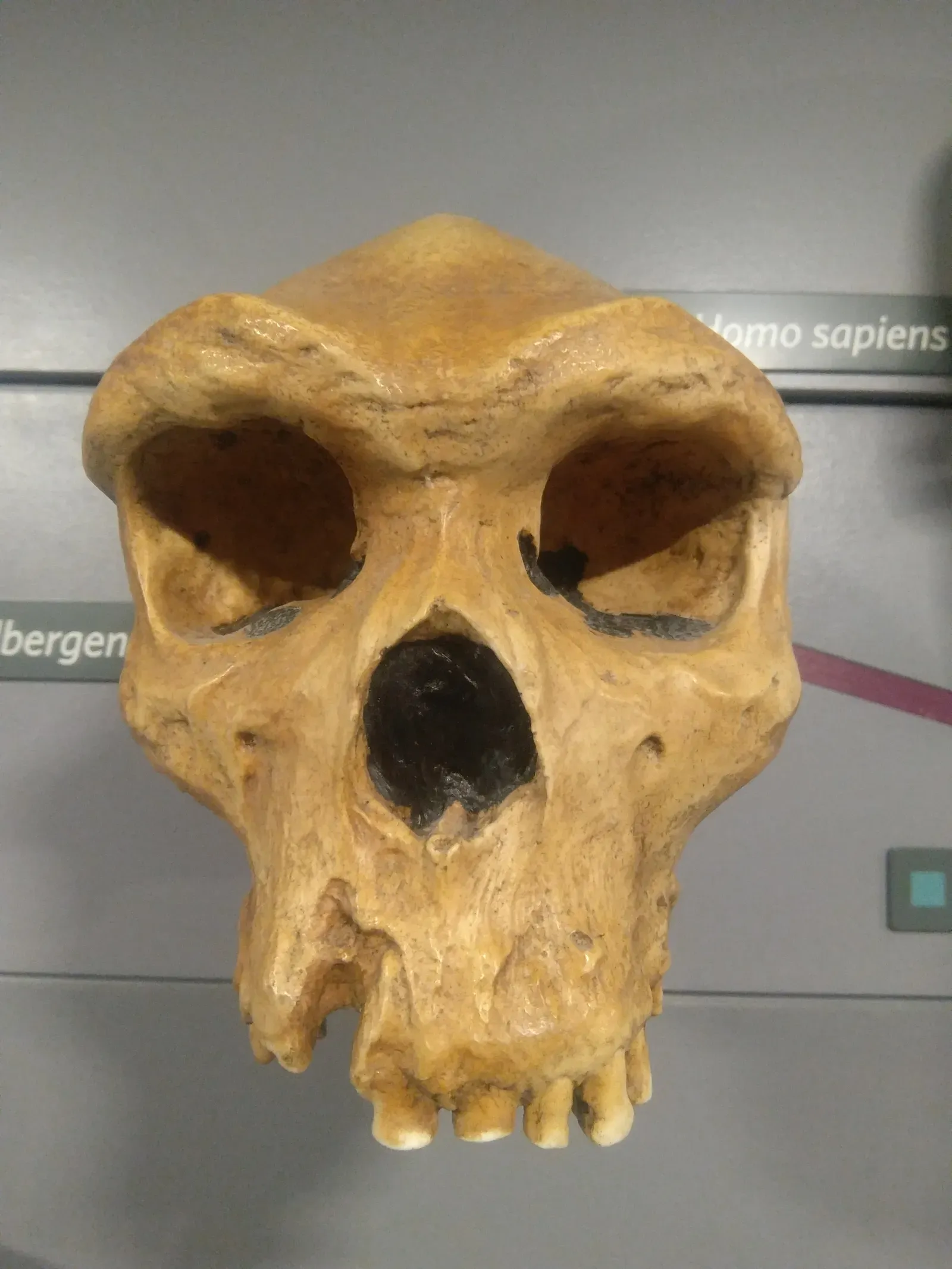
When a skull was unearthed in a Zambian mine in 1921, it wasn’t just classified – it was weaponized to support a racial hierarchy that had nothing to do with legitimate biology. Early interpretations of the specimen leaned heavily on the pseudo-scientific racial theories common in early 20th-century anthropology, with some researchers explicitly using its features to argue for a “primitive” evolutionary branch tied to certain human populations. This framing was published, taught, and repeated for years as though it were settled biological fact rather than the product of deeply biased assumptions.
As genetics and more rigorous comparative anatomy advanced through the mid-to-late 20th century, that racial framework collapsed entirely, recognized as scientifically baseless and ethically indefensible. The fossil itself didn’t disappear – it’s now generally discussed in the context of Homo heidelbergensis or related archaic human lineages – but the racial classification scaffolding built around it was dropped almost silently, with textbooks simply abandoning the practice rather than issuing loud corrections. It’s one of the clearest examples of bias masquerading as objective science. #7 involves a title so iconic that almost nobody noticed when researchers started quietly disputing it.
#7 – Archaeopteryx Was Quietly Demoted From “First Bird”
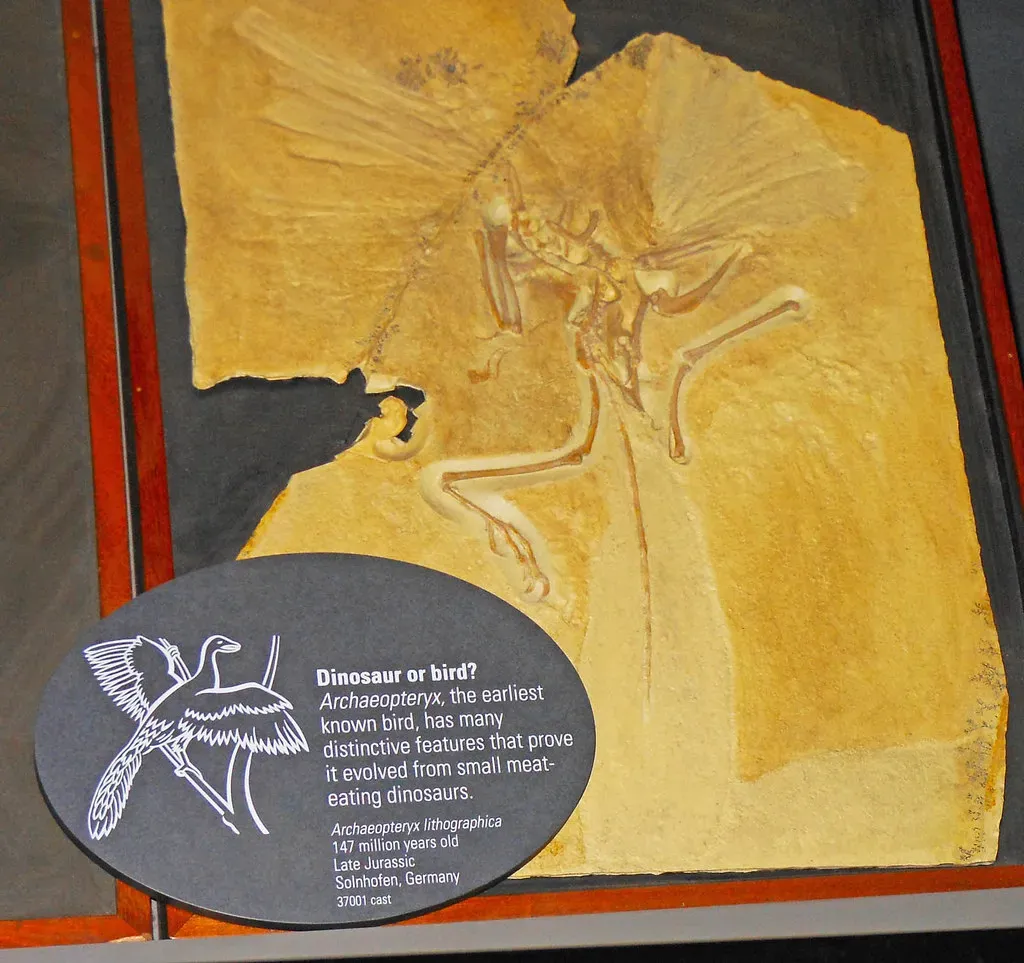
For over 150 years, one fossil held an almost sacred title in evolutionary biology: the first bird on Earth. Archaeopteryx, discovered in German limestone deposits shortly after Darwin published his theory of evolution, seemed to perfectly bridge reptiles and birds with its feathered wings and toothy, dinosaur-like skull. It became the poster fossil for evolutionary transitions, appearing in nearly every textbook chapter on the origin of flight for generations.
But as more feathered dinosaur fossils emerged from China in the 2000s and 2010s, researchers began building far more detailed evolutionary trees connecting small theropods to birds. Some of that analysis suggested Archaeopteryx might actually sit just outside the true bird lineage, closer to certain feathered dinosaurs than to modern birds’ direct ancestors. The “first bird” label, once treated as unshakable, is now used far more cautiously by working paleontologists. No press conference announced the shift; textbooks simply started hedging their language. #6 involves a fossil that got its own genus, then quietly lost it.
#6 – “Nutcracker Man” Lost His Name and His Toolmaking Crown
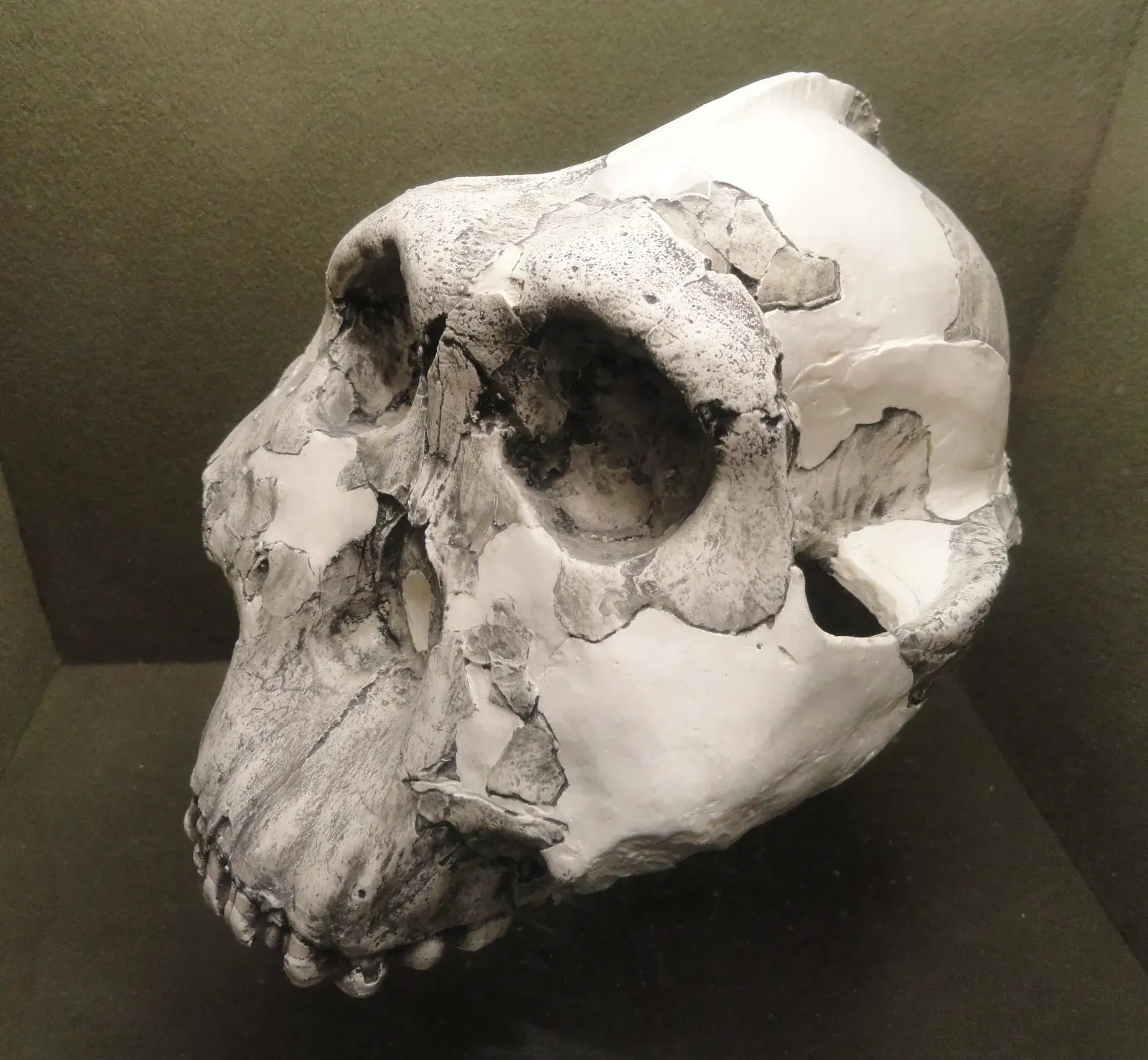
In 1959, a heavy-jawed skull discovered in Tanzania was presented as such a distinctive find that scientists gave it an entirely new genus, separate from anything found before. Paleoanthropologist Louis Leakey classified the specimen as Zinjanthropus boisei, nicknaming it “Nutcracker Man” for its massive teeth and jaw muscles, and initially credited it as the maker of stone tools found nearby. The discovery made global headlines and briefly reshaped assumptions about which early hominin species had first developed technology.
Within just a few years, closer analysis convinced most researchers that this specimen was better classified within the existing genus Australopithecus (later shifted again to Paranthropus by many specialists), not deserving of its own separate genus after all. Even more significantly, the toolmaking credit was reassigned to a different, more lightly built hominin found in the same layers – Homo habilis. The fossil that was supposed to prove early tool use quietly lost that distinction entirely, and the genus name change happened almost administratively, with little fanfare outside academic circles. #5 involves a skull that ignited a bitter fight over whether our ancestors even walked upright yet.
#5 – Toumaï’s Bipedalism Claim Split the Field in Two
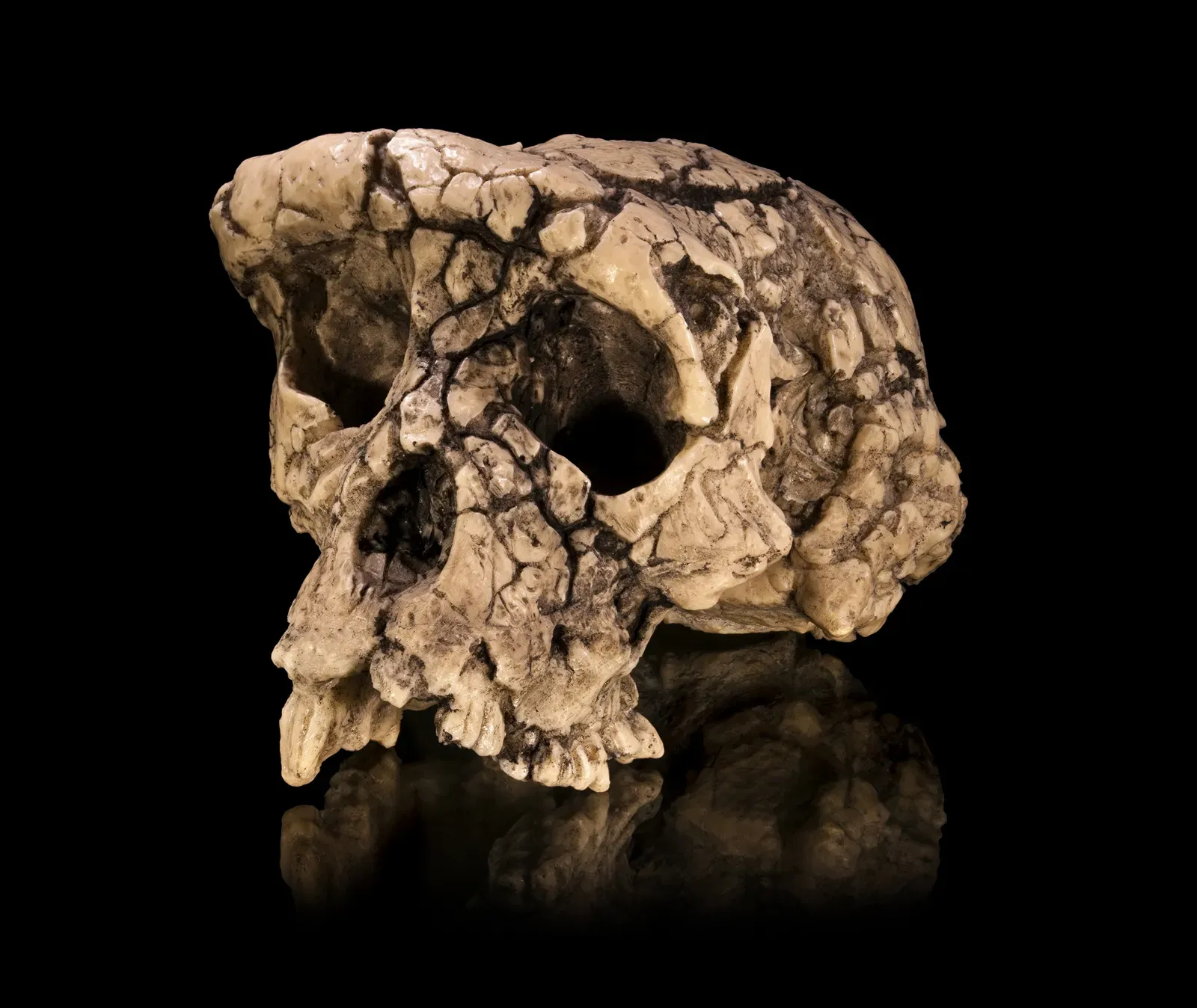
When a nearly complete skull was pulled from the Djurab Desert in Chad in 2001, it was announced as potentially the earliest known member of the human evolutionary line, walking upright millions of years earlier than previously thought. Researchers named it Sahelanthropus tchadensis, nicknamed Toumaï, and argued that certain skull features – particularly the position where the spine would have connected – suggested it already stood and walked on two legs. This was a massive claim: bipedalism is considered one of the defining traits separating early hominins from ape ancestors.
Almost immediately, rival researchers challenged the interpretation, arguing the skull looked more consistent with an early ape than a walking hominin, and that the case for upright posture was built on shaky anatomical inference rather than direct evidence like leg bones. The bold “earliest upright walker” claim has never been fully retracted, but it’s been walked back significantly in cautious academic circles, with many specialists now treating it as unproven rather than settled. The debate simmers quietly rather than making headlines anymore. #4 involves a discovery some scientists insisted was just a sick modern human.
#4 – The “Hobbit” Was Almost Dismissed as a Diseased Human
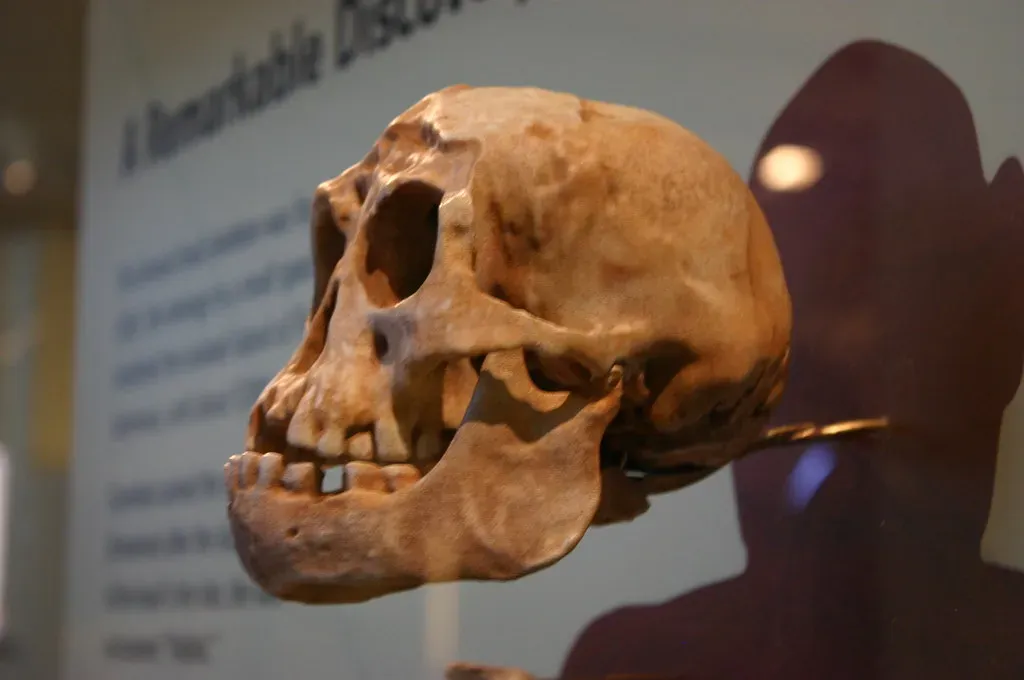
When tiny, three-foot-tall skeletal remains were discovered on the Indonesian island of Flores in 2003, they were initially proposed as an entirely new human species that had survived in isolation far more recently than anyone expected. Researchers named the species Homo floresiensis, but the claim faced immediate, aggressive pushback from a vocal group of scientists who argued the remains weren’t a new species at all – just a modern human suffering from a developmental disorder like microcephaly or a rare growth condition. For years, this counter-hypothesis competed directly with the “new species” interpretation, splitting conferences and journals into two camps.
As more skeletal material was recovered from the same cave system, showing multiple individuals sharing the same unusual traits, the pathology argument became statistically implausible – a shared disease pattern across an entire small population is far less likely than a genuinely distinct species. The “just a sick human” hypothesis was quietly dropped by most of its original proponents rather than formally disproven in a single dramatic study, and the species classification has held ever since. #3 involves a fossil unveiled with a Google homepage doodle and a media blitz that outran the actual science.
Worth Knowing
- Discovered in 2003 in Liang Bua cave on the island of Flores, Indonesia
- Adults stood roughly three feet tall, earning the “Hobbit” nickname
- Rival theory blamed microcephaly or another growth disorder in modern humans
- Multiple individuals with matching traits later undercut the disease explanation
- Homo floresiensis remains the accepted classification today
#3 – “Ida” Was Sold as the Human Missing Link, Then Wasn’t
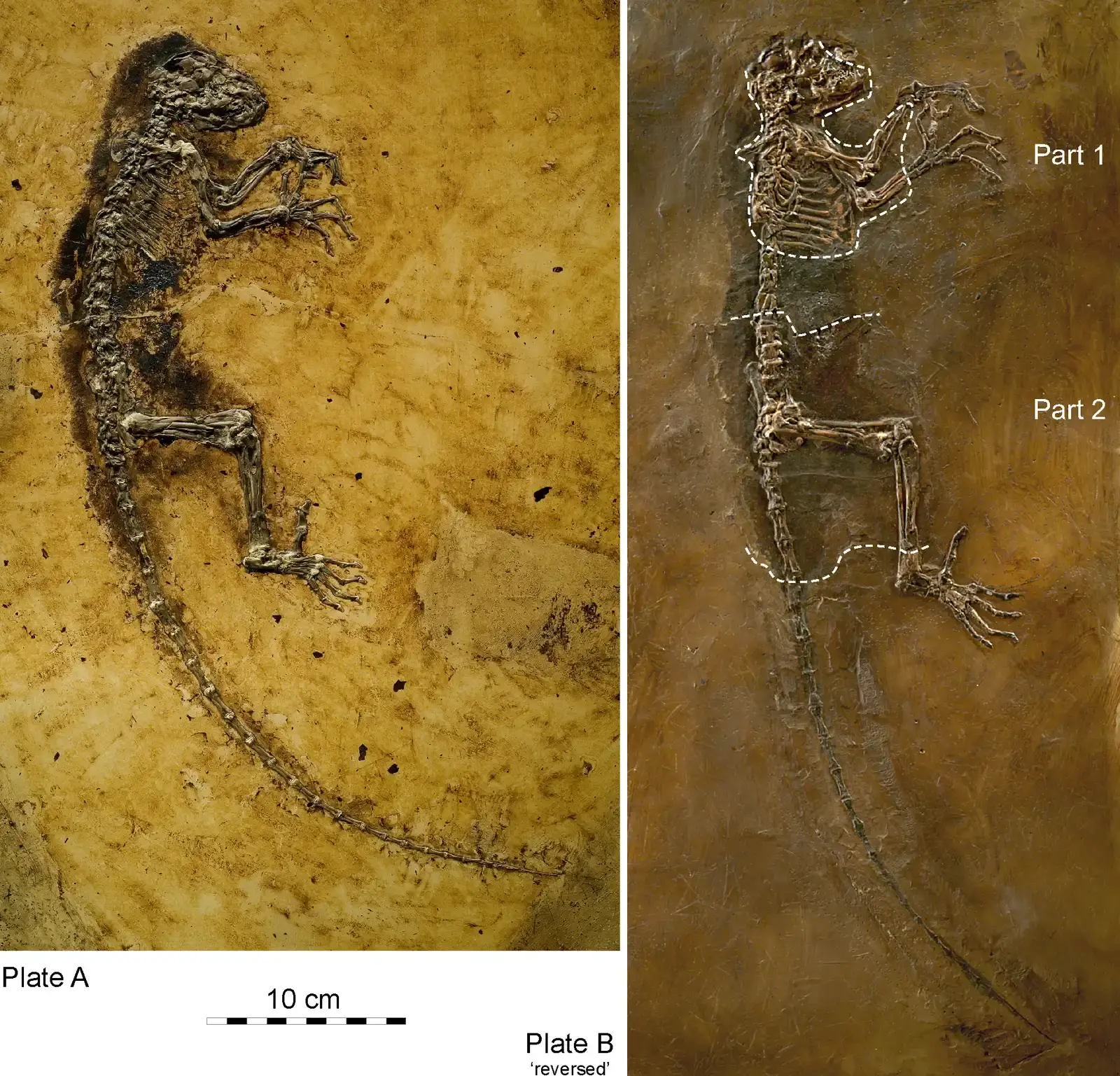
In May 2009, a fossilized primate skeleton was unveiled at a press conference in New York with a level of hype rarely seen in paleontology – complete with a book deal, a documentary, and headlines proclaiming humanity’s missing link had finally been found. The fossil, Darwinius masillae, nicknamed “Ida,” was announced as a 47-million-year-old primate touted as the missing link between the two major branches of primates, the Haplorhini and the Strepsirrhini. Google even changed its homepage banner to mark the occasion.
But the celebration barely had time to settle before other researchers pushed back hard. A separate team published a rigorous rebuttal, concluding that Darwinius didn’t belong in the same primate branch as monkeys, apes, and humans at all – it belonged with lemurs. The fossil once framed as connecting humans to their earliest primate ancestors was quietly reclassified as a lemur relative with no direct line to us at all, and the retraction never got a press conference of its own. #2 involves a “missing link” that turned out to be smuggled and surgically faked.
#2 – Archaeoraptor: The “Missing Link” That Was Glued Together
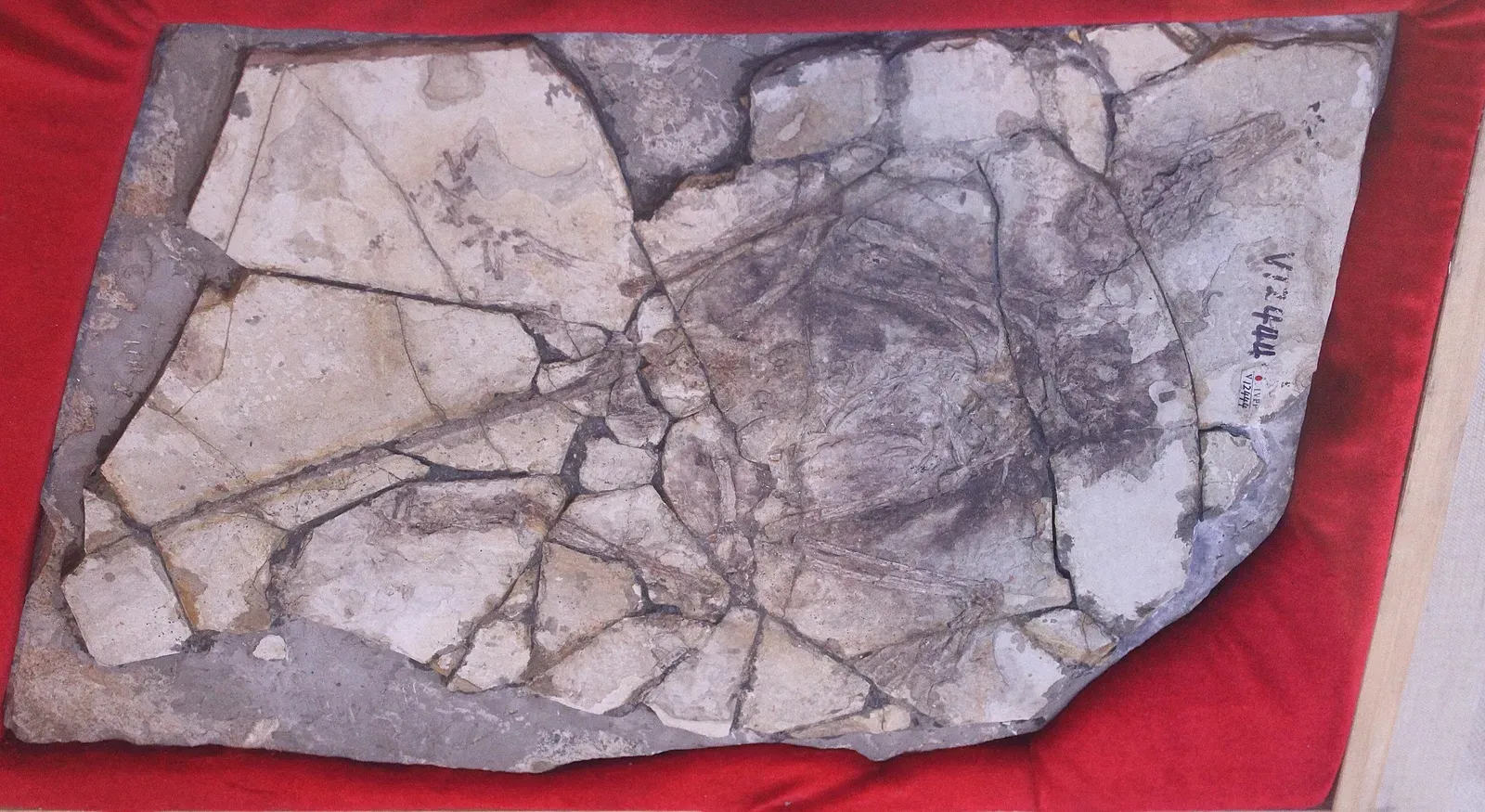
In November 1999, National Geographic published a stunning announcement: a fossil that finally proved the evolutionary connection between dinosaurs and birds, illustrated across a glossy feature spread. The magazine trumpeted the fossil’s discovery as providing “a true missing link in the complex chain that connects dinosaurs to birds” and even helped fund the research behind it. The catch: the paper describing it had already been rejected by peer review at two separate scientific journals before National Geographic decided to publish anyway.
Within months, further study by Chinese paleontologist Xu Xing revealed the specimen wasn’t a single animal at all – it had really been assembled from the body and head of a birdlike creature and the tail of a different dinosaur. A magazine cover story celebrated as proof of bird evolution turned out to be a smuggled, artificially assembled composite fossil. The specimen was eventually returned to China, and the invalid species name quietly faded from serious literature. #1, though, is the fossil fraud so massive it fooled the scientific establishment for over four decades.
#1 – Piltdown Man: The 41-Year Hoax Hiding in Plain Sight
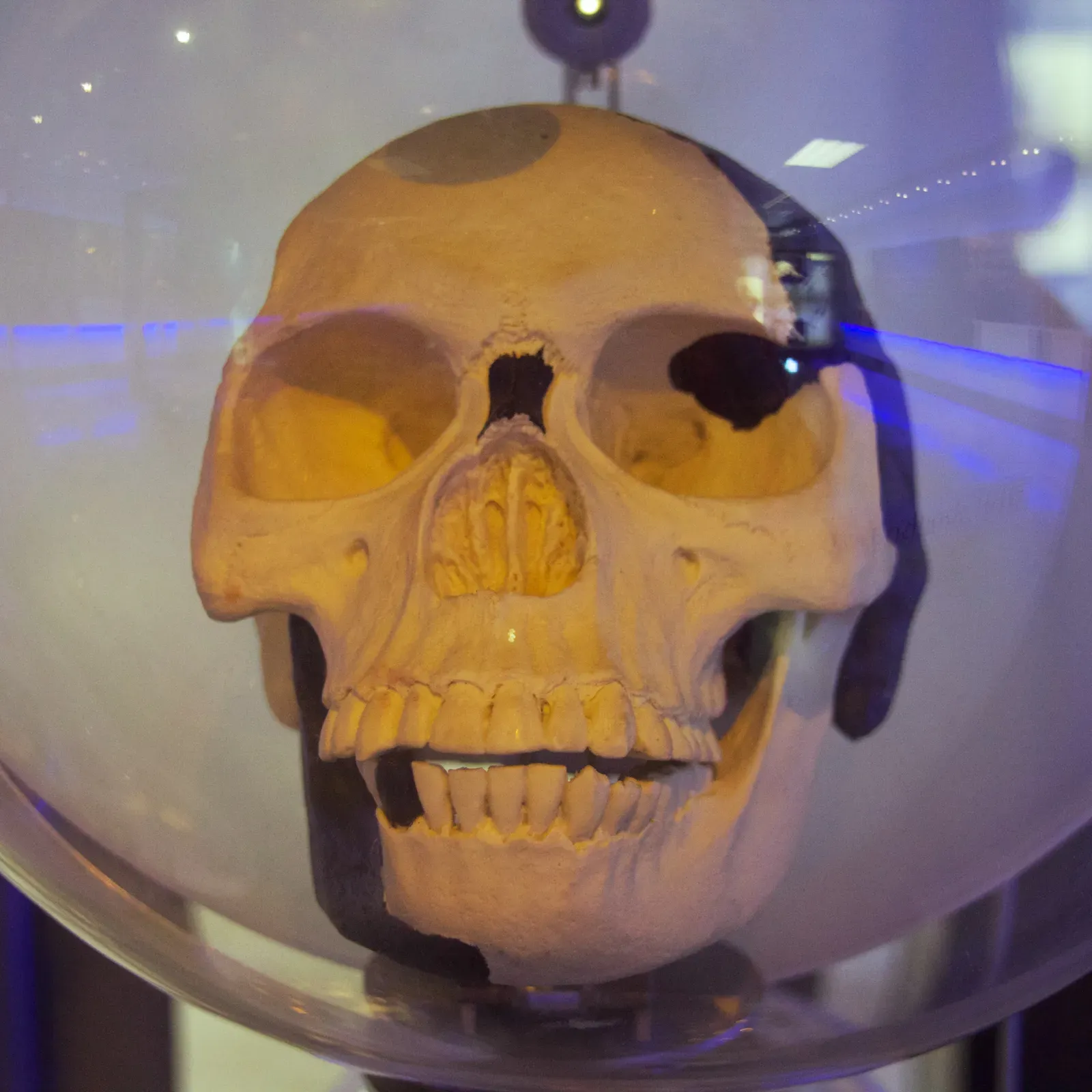
No fossil claim on this list comes close to matching the scale, duration, or sheer audacity of Piltdown Man – a “discovery” that misled professional science for over four decades before anyone caught it. In 1912, amateur archaeologist Charles Dawson claimed he had discovered the “missing link” between ape and man, contacting Arthur Smith Woodward, Keeper of Geology at the Natural History Museum, about a human-like skull found in Pleistocene gravel beds near Piltdown, England. The find was formally named Eoanthropus dawsoni, and it dominated theories of human evolution for a generation, largely because it fit the era’s biased assumption that Britain deserved to be the birthplace of humanity.
It wasn’t until 1953 that researchers Kenneth Page Oakley and Joseph Weiner conducted an extensive analysis, discovering under a microscope that the Piltdown molars had clearly been filed down to resemble human ones. The final verdict: the “fossil” consisted of an altered orangutan mandible and teeth deliberately combined with the cranium of a modern human. A single amateur collector fooled the entire field of paleoanthropology for 41 straight years, and the fraud only unraveled once modern chemical dating techniques exposed the mismatch nobody had thought to test.
At a Glance
- 1912: Charles Dawson announces the find near Piltdown, England
- Formally named Eoanthropus dawsoni, the “dawn man”
- 1953: Kenneth Oakley and Joseph Weiner expose the fraud
- True makeup: a modern human cranium paired with a filed orangutan jaw and teeth
- Total time the hoax survived: 41 years
The Bottom Line
Paleontology likes to present itself as pure, self-correcting science, but this list proves the process is messier – and far more human – than most people realize. From a pig’s tooth mistaken for a human ancestor to a Google-doodle-worthy fossil quietly demoted to “just a lemur,” these corrections rarely came with headlines.
Most of these claims weren’t loudly retracted; they were simply allowed to fade, replaced in textbooks without so much as an asterisk. That’s not necessarily dishonest – it’s how science often actually works – but it does mean the public rarely finds out when a “groundbreaking discovery” quietly stops being true. If anything, that silence is the real story here: the fossils didn’t fail us, the quiet cover-up of our own certainty did.