
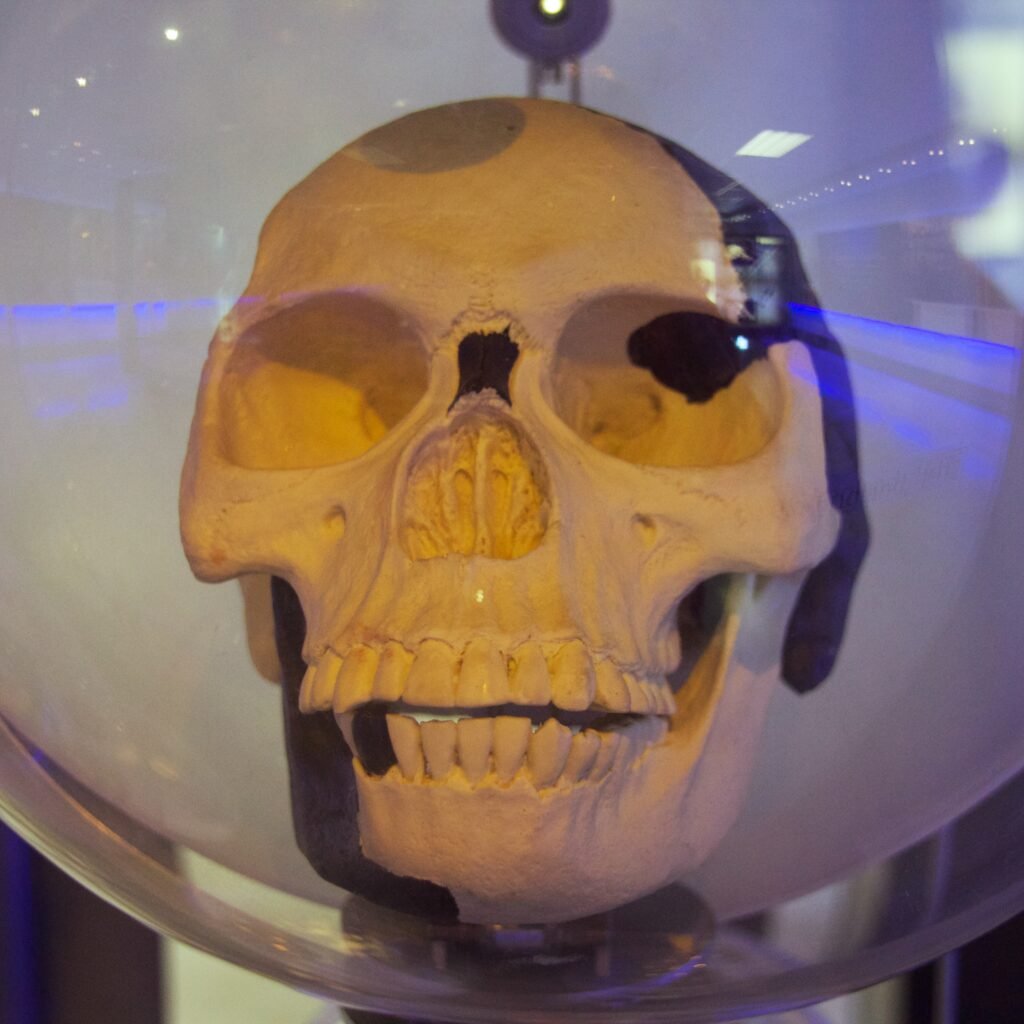
Most people assume every dinosaur bone and ancient skeleton sitting in a museum case has a tidy species name attached to it. They don’t. For over a century, paleontologists have unearthed skeletons, teeth, and fossilized structures that stumped every expert who examined them – bones that didn’t match any known animal, living or extinct.
Some of these mysteries turned out to be laughably mundane, like chemistry disguised as biology. Others were deliberate hoaxes built to fool the entire scientific establishment, and a few are still argued about in journals today. From a caveman built out of a single pig tooth to a “kraken” theory that embarrassed a room full of geologists, here are 13 bones that stumped science – and what they actually turned out to be.
#13 – The Tooth That Became “Nebraska Man”
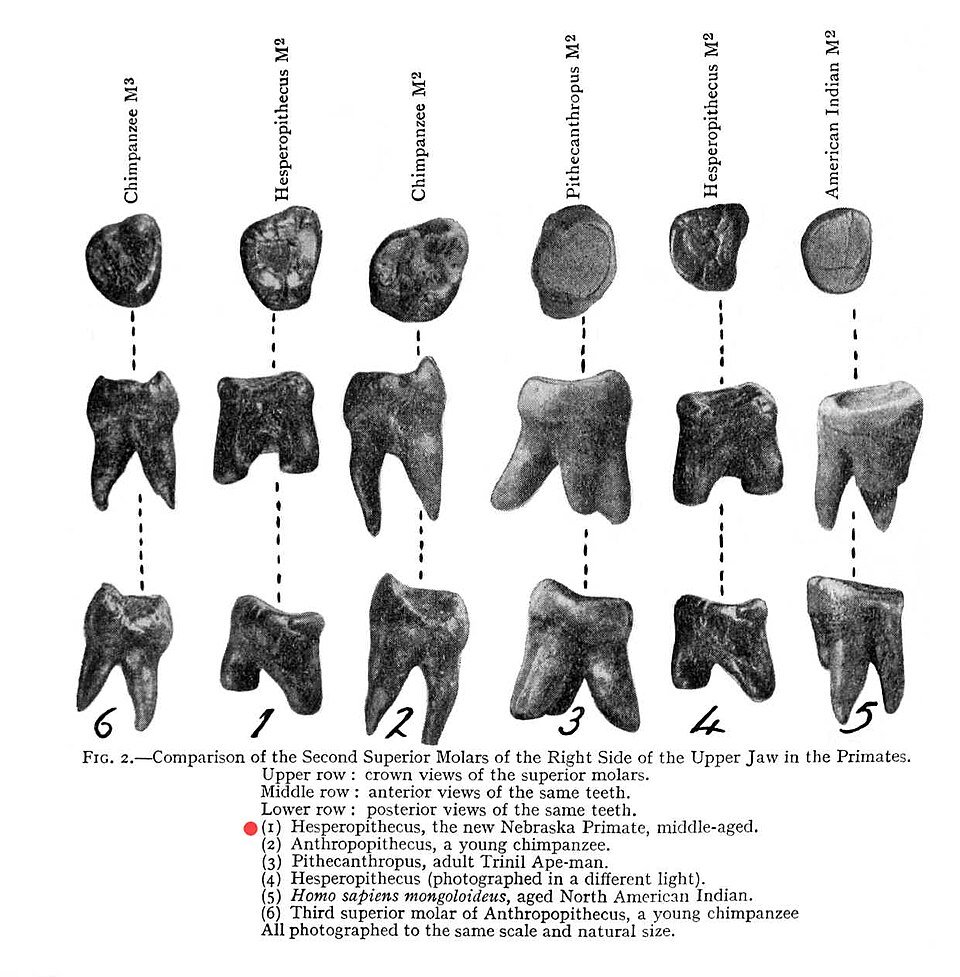
A single fossilized tooth once convinced scientists they’d found early human ancestors roaming Nebraska. In 1917, rancher and geologist Harold Cook sent a strange molar to paleontologist Henry Fairfield Osborn at the American Museum of Natural History.
Osborn declared it belonged to an entirely new anthropoid ape-human hybrid, naming it Hesperopithecus haroldcookii, or “Nebraska Man.” Newspapers ran illustrations of a hairy, muscular caveman family based on nothing but that tooth, and anti-evolution campaigners at the 1925 Scopes Trial even cited it as proof of human evolution.
The embarrassment came fast. Further excavation in 1927 revealed the tooth actually belonged to an extinct peccary, a pig-like animal common to ancient North America, not any primate at all. Osborn quietly retracted the claim, and the case became a textbook warning about jumping to conclusions from fragmentary evidence.
That’s nothing, though, compared to what happened with #12.
#12 – The “Living Slime” That Supposedly Covered the Ocean Floor
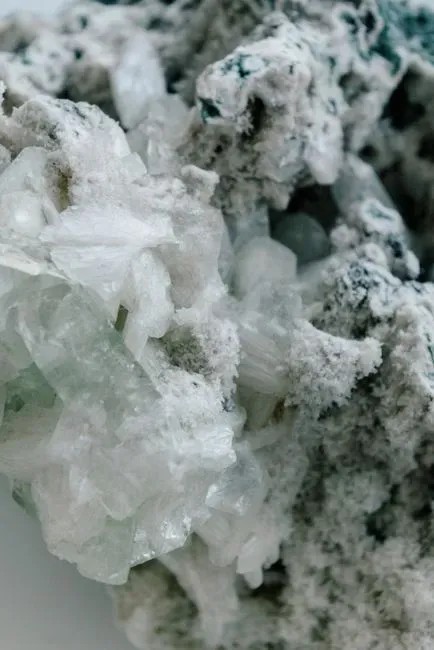
Thomas Huxley, one of the most respected biologists of the 1800s, once announced he’d discovered a living organism blanketing the entire seafloor. In 1868, he examined preserved mud samples from the Atlantic and found a strange, vein-crossed slime, naming it Bathybius haeckelii in honor of biologist Ernst Haeckel.
In a 1870 speech to the Royal Geographic Society, Huxley boldly proclaimed the slime formed a continuous mat of living protoplasm covering the ocean floor for thousands of miles. He framed it as the missing link between non-life and life itself, and the scientific world took him seriously.
The truth turned out to be embarrassingly mundane. Investigations tied to the HMS Challenger expedition revealed the “organism” was an artificial product – a flocculent precipitate of gypsum thrown down from seawater by alcohol used to preserve the samples. It wasn’t ancient life at all, just chemistry playing a very convincing trick.
Fast Facts
- Discovered in 1868 inside preserved Atlantic seafloor mud samples
- Named by Thomas Huxley, in honor of biologist Ernst Haeckel
- Claimed to be a continuous mat of living protoplasm across the ocean floor
- Real identity: a gypsum precipitate created by the alcohol preservative
- Debunked through analysis tied to the HMS Challenger expedition
Wait until you see what happened with #11.
#11 – The “Dawn Animal” That Was Never Alive
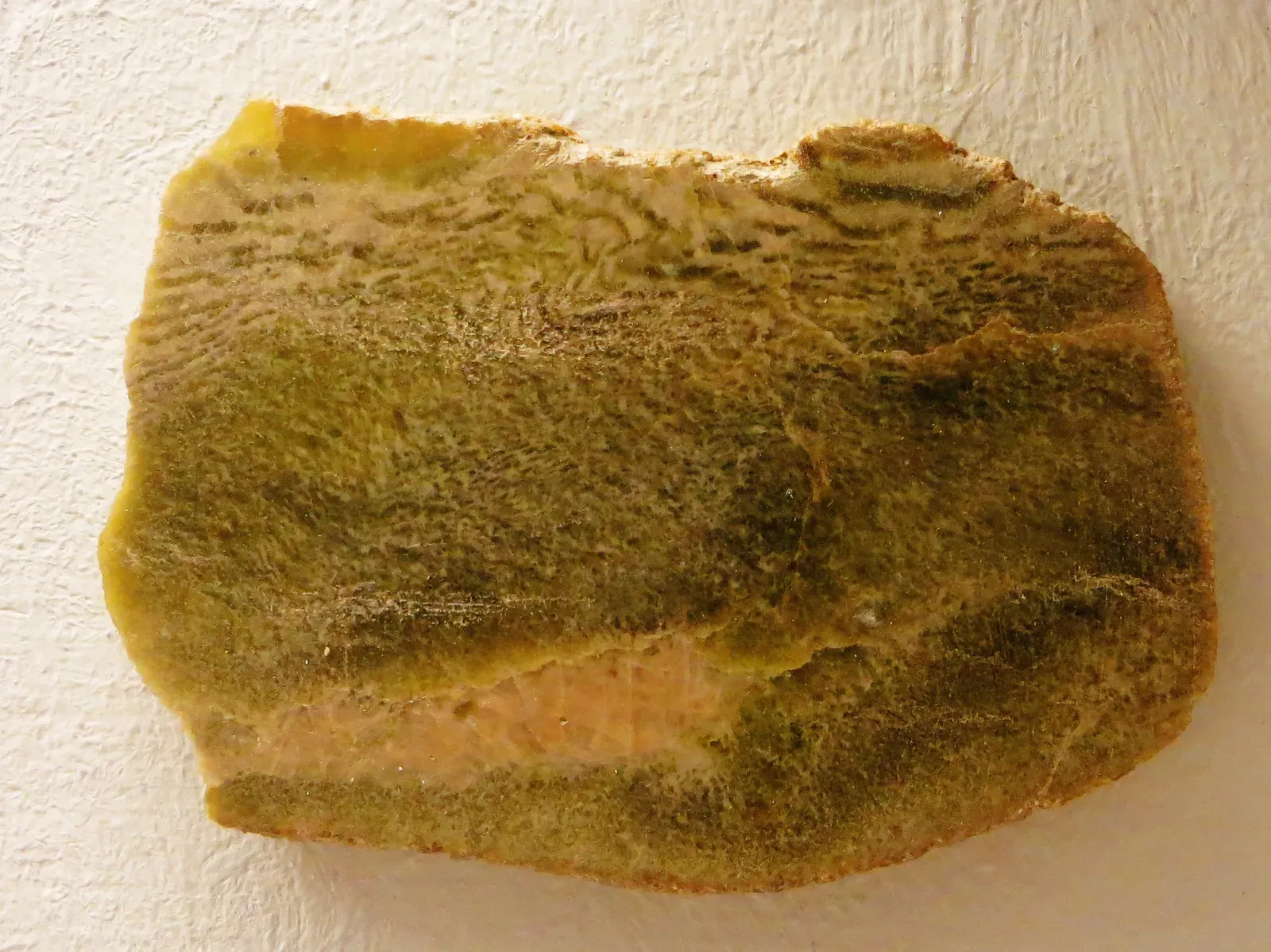
Canadian geologists once believed they’d found the oldest fossil on Earth, predating everything Darwin’s theory could explain. In 1863, John William Dawson examined banded structures of coarsely crystalline calcite and serpentine found in Precambrian limestone in Canada and declared them a gigantic Foraminifera.
Dubbed Eozoön canadense, or “dawn animal of Canada,” the specimen became an overnight sensation, and Dawson happily used it as ammunition against evolutionary theory.
This represents one of the greatest geological discoveries of my time.
Charles Lyell
It was never alive at all. Irish mineralogists William King and Thomas Rowney argued the supposed fossil was “purely mineralic, non-biologic,” and decades later, geologists at Mount Vesuvius found identical structures forming naturally with no organism involved. Despite that, Eozoön canadense kept appearing in textbooks as one of the earliest animals until the 1950s.
But the next mystery had actual bones hiding inside it, and that changes everything.
#10 – The Spiral Towers Nobody Could Explain
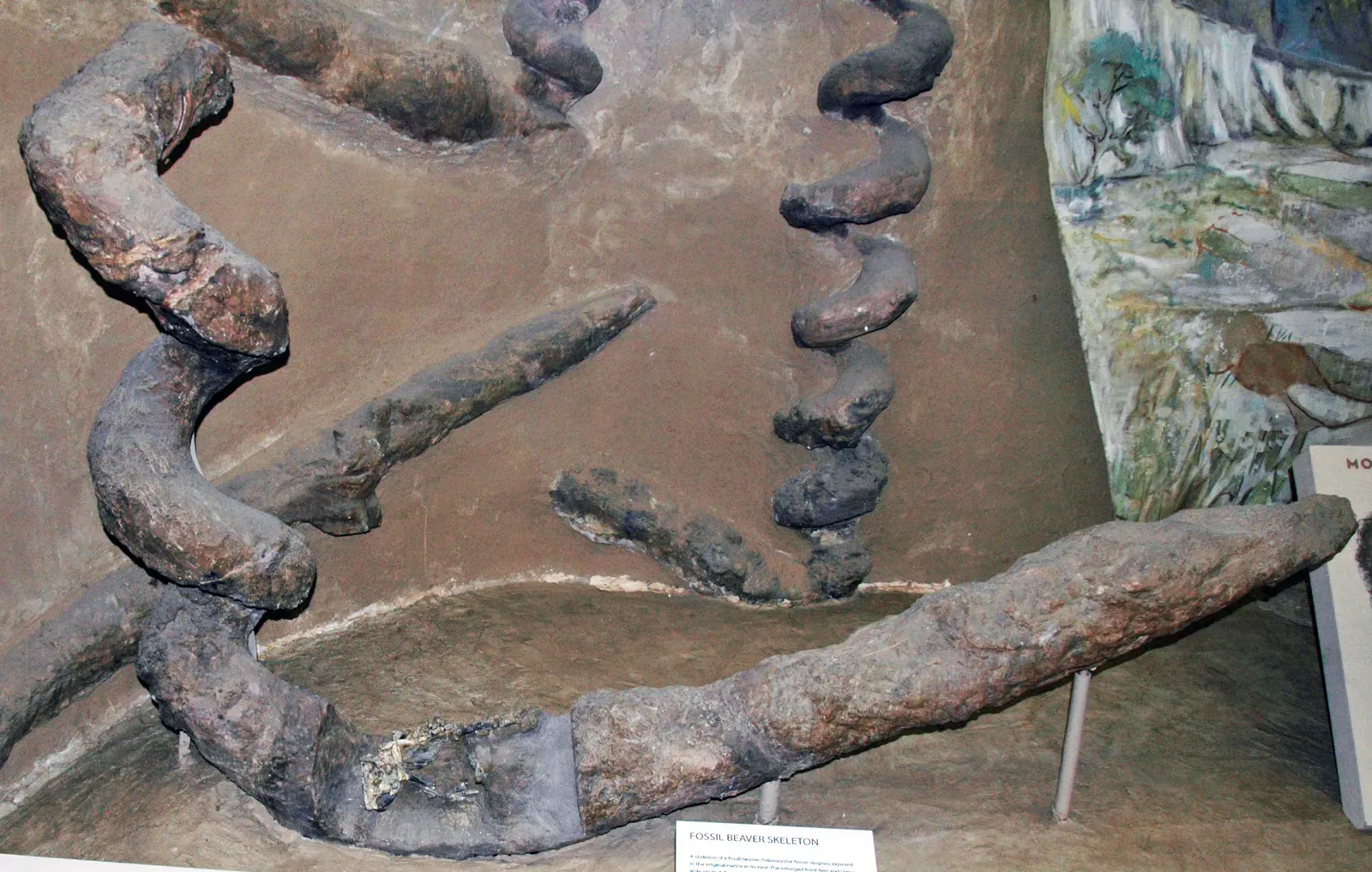
Nine-foot-tall corkscrew-shaped fossils jutting out of the Nebraska badlands baffled scientists for decades. Nobody could agree on what had made them, and the theories got stranger by the year.
Geologist E.H. Barbour first brought the structures to scientific attention in 1891, finding they were sand-filled tubes with outer walls of white fibrous material. He named them Daemonelix, while local ranchers simply called them “devil’s corkscrews.” Some scientists guessed they were a strange extinct plant; others proposed fossilized giant freshwater sponges.
The real answer was living at the bottom of every single spiral. The debate ended the moment a fossilized beaver turned up inside one of the tubes. The scratches once mistaken for claw marks turned out to be tooth marks from the extinct beaver Palaeocastor, which dug its burrows with its teeth instead of its paws – something no modern beaver does.
But the next entry proves fossil fraud could be far more deliberate than an honest mistake. See #9.
#9 – The 114-Foot “Sea Serpent” Made From Five Different Skeletons
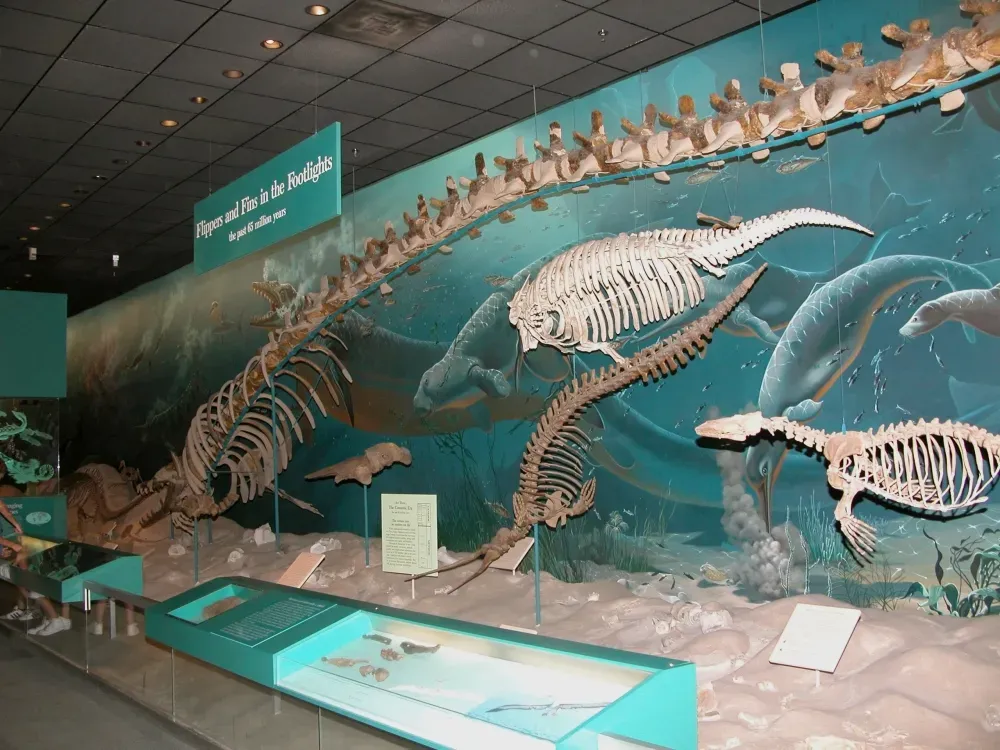
In 1845, a New York exhibit hall displayed what its owner swore was the largest sea serpent ever discovered, and thousands of people paid to see it. Controversial fossil collector Albert Koch unveiled the “complete” skeleton in the Apollo ballroom, calling his 114-foot creature Hydrarchos and advertising it as “a gigantic fossil reptile.”
Koch claimed he’d found the colossal bones joined together in a life-like position. Visitors flocked to pay 25 cents each, making Koch a tidy fortune, while newspapers called it one of the greatest wonders ever unearthed.
It was a complete fabrication. Investigators later discovered Koch had lied about finding the bones together – they were actually scattered across a 20-mile area. He’d assembled a fake sea serpent from the real bones of several different individuals of the extinct whale species Basilosaurus, then sold the fraud to the King of Prussia anyway.
Quick Compare
- The claim: one intact 114-foot sea serpent skeleton
- The reality: bones from several Basilosaurus whales scattered across 20 miles
- Admission charged: 25 cents per visitor at the Apollo ballroom
- Final buyer: the King of Prussia, purchased unknowingly
Now here’s where the story gets scientifically strange for a completely different reason. #8 awaits.
#8 – The Skull Fragment Scientists Fought Over for 30 Years
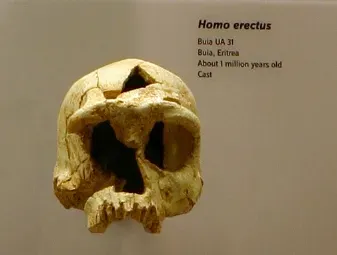
A Dutch army doctor dug up a skullcap and femur in Java in 1891 that ignited one of the fiercest scientific fights of the 19th century. Eugène Dubois believed he’d found the elusive “missing link” between apes and humans, naming his find Pithecanthropus erectus, or “upright ape-man.”
The skull looked too primitive to be human, but the thighbone looked almost modern. Rival scientists spent decades arguing whether Dubois had found one creature, two mixed-up specimens, or a diseased human being – and some accused him of dishonesty when he locked the fossils away for years rather than let critics examine them.
Modern classification eventually settled it as something entirely new. The remains were reclassified as Homo erectus, a genuine early human species that lived roughly 1.5 million years ago and turned out to be far more widespread across Asia than anyone initially guessed. It wasn’t ape, and it wasn’t modern human – it belonged to nothing known at the time.
That controversy pales next to what happened when a “reptile” turned out to be something entirely different. See #7.
#7 – The “King Lizard” That Was Secretly a Whale
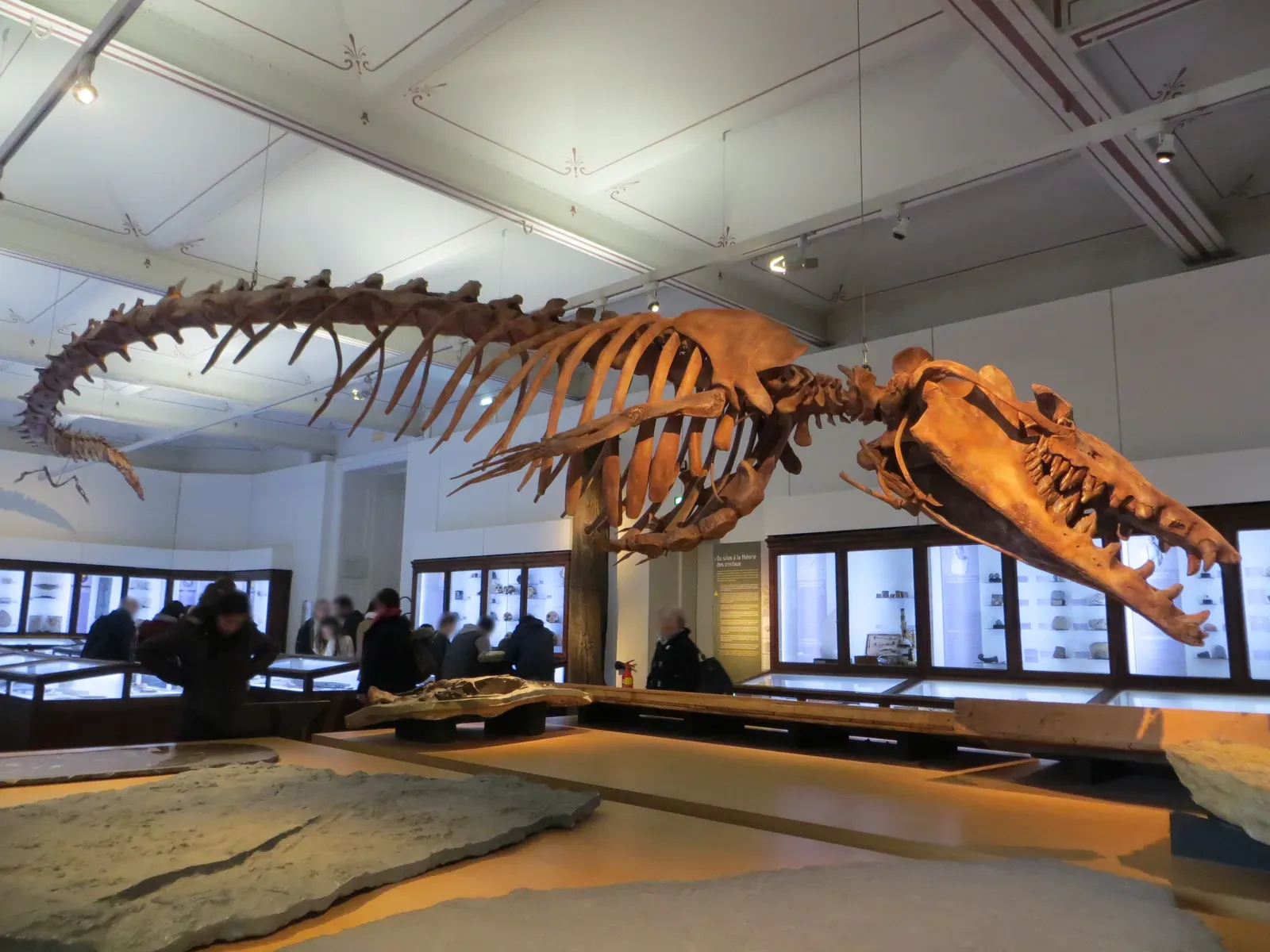
Nineteenth-century naturalists found gigantic serpentine bones in the American South and were certain they belonged to a colossal marine reptile. Physician Richard Harlan examined the vertebrae in the 1830s and named the creature Basilosaurus, meaning “king lizard,” assuming it was a massive prehistoric sea reptile similar to a plesiosaur.
Sir Richard Owen later proved Basilosaurus was actually a mammal and tried renaming it Zeuglodon, but the original “lizard” name had already spread too far to disappear from scientific literature – which is exactly why it still trips people up today.
Basilosaurus wasn’t remotely reptilian – it was an early whale, one of the first fully aquatic cetaceans to evolve from land-dwelling ancestors. It stretched up to 60 feet long with a serpentine body shape that made the reptile mix-up understandable at the time. Scientists now consider it a critical missing piece in whale evolution, not a sea monster.
But nothing compares to the next fossil, which was reconstructed completely upside down for decades. Check out #6.
#6 – The Fossil That Scientists Assembled Backward and Upside Down
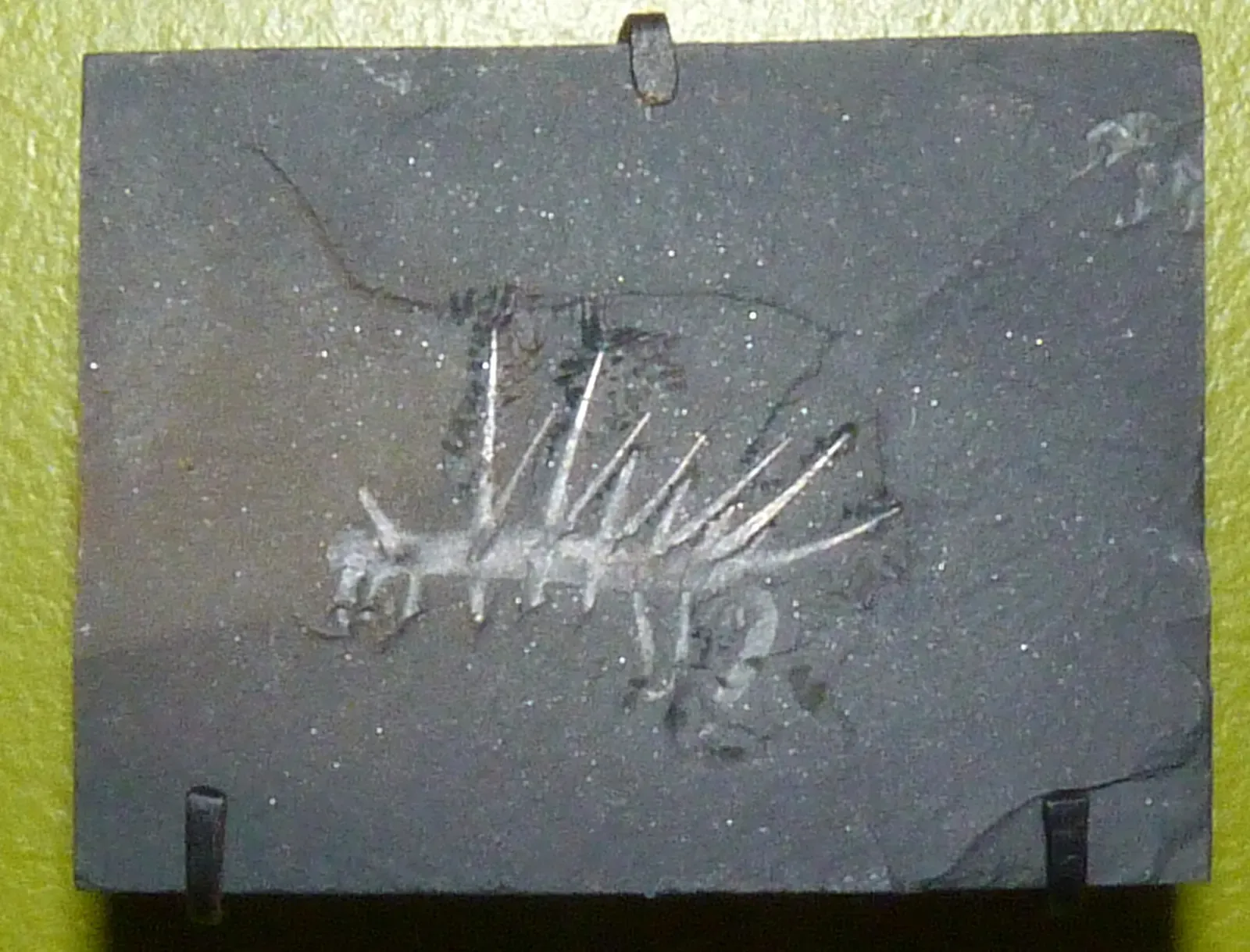
A tiny, spiky Cambrian fossil confused paleontologists so badly that its official 1977 reconstruction was flipped in every possible direction. Named Hallucigenia for how bizarre and dreamlike it appeared, the half-inch creature was originally illustrated walking on rigid spines with soft tentacles waving above its back.
Researchers assumed the spikes were legs and the tentacles were some sort of feeding structure. It lived roughly 508 million years ago during the Cambrian explosion, a period so alien to modern biology that misidentification was almost inevitable.
Later analysis proved the entire creature had been mounted backward. The spines were actually defensive armor running along its back, while the “tentacles” underneath were its real walking legs. What scientists thought was the head was actually the tail, and researchers still debate exactly where Hallucigenia fits relative to modern velvet worms and arthropods.
Why It Stands Out
- Lived roughly 508 million years ago, during the Cambrian explosion
- Original 1977 reconstruction had it upside down and backward
- What looked like the head was actually the tail
- Defensive spines were mistaken for legs, and its real legs were mistaken for tentacles
- Its exact place among velvet worms and arthropods is still debated
That’s still nothing compared to a fossil that has genuinely defied classification for nearly 60 years. See #5.
#5 – Illinois’s Official State Fossil Still Doesn’t Fit Anywhere
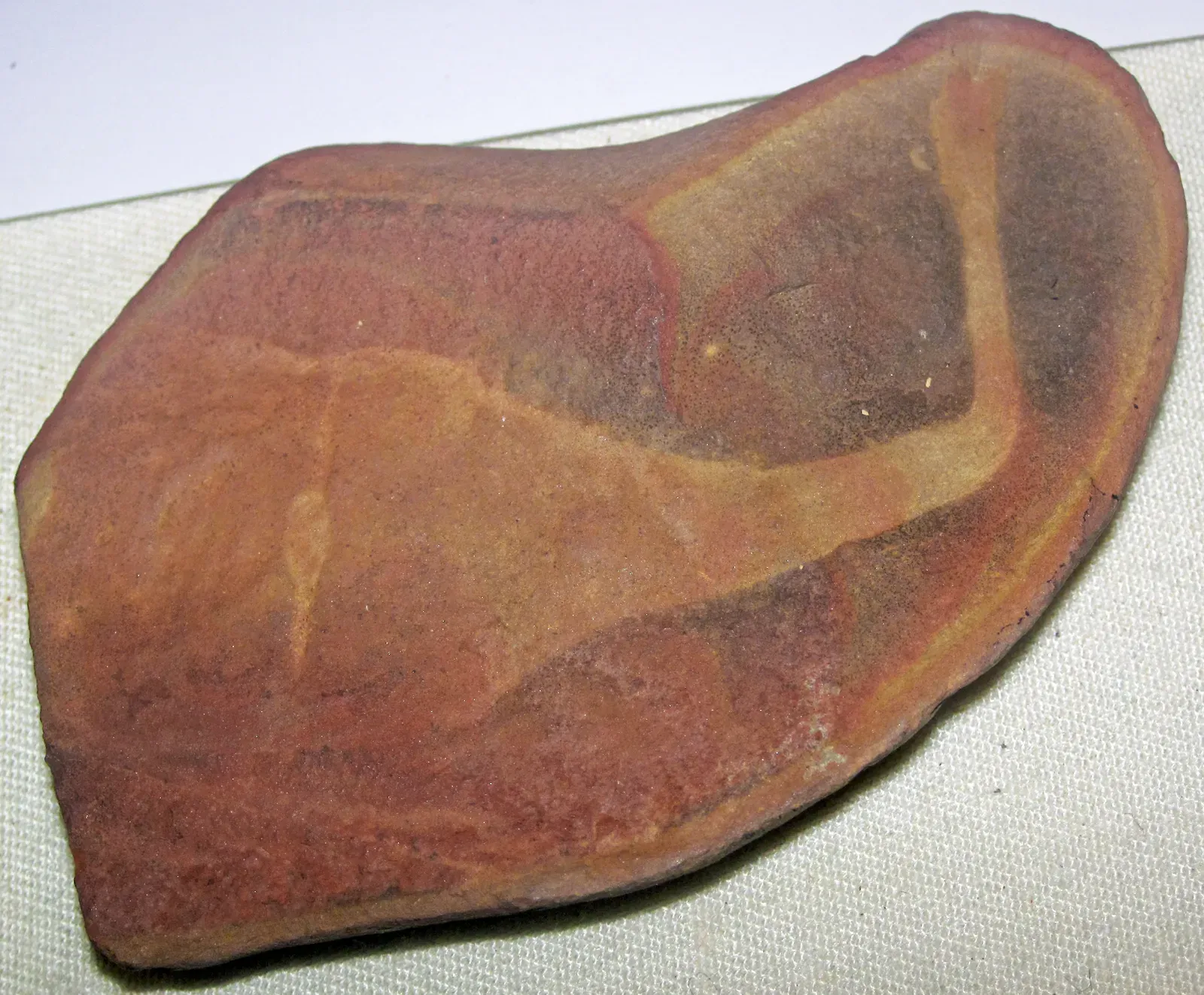
Since 1958, paleontologists have pulled thousands of specimens of one bizarre soft-bodied creature out of Illinois coal mines, and they still can’t agree what it is. Named Tullimonstrum, or the “Tully Monster,” after amateur collector Francis Tully, the creature had a tubular body, a long proboscis tipped with a claw full of teeth, and eyes mounted on a rigid stalk like a hammerhead shark.
It swam in shallow coastal waters roughly 300 million years ago. Illinois eventually named it the official state fossil in 1989 – unusual, considering nobody can definitively say what animal group it even belongs to.
Competing research teams have proposed it’s a vertebrate, an invertebrate, and everything in between. One study argued it had a notochord similar to early fish ancestors, while other paleontologists pushed back hard, insisting the anatomy fits mollusks or worms far better. The debate remains genuinely unresolved in published literature today, decades after the first specimen surfaced.
As strange as that is, the next entry involves bones deliberately mixed to fool the entire scientific world. #4 is where the story turns criminal.
#4 – The “Missing Link” Dinosaur Glued Together From Two Different Animals
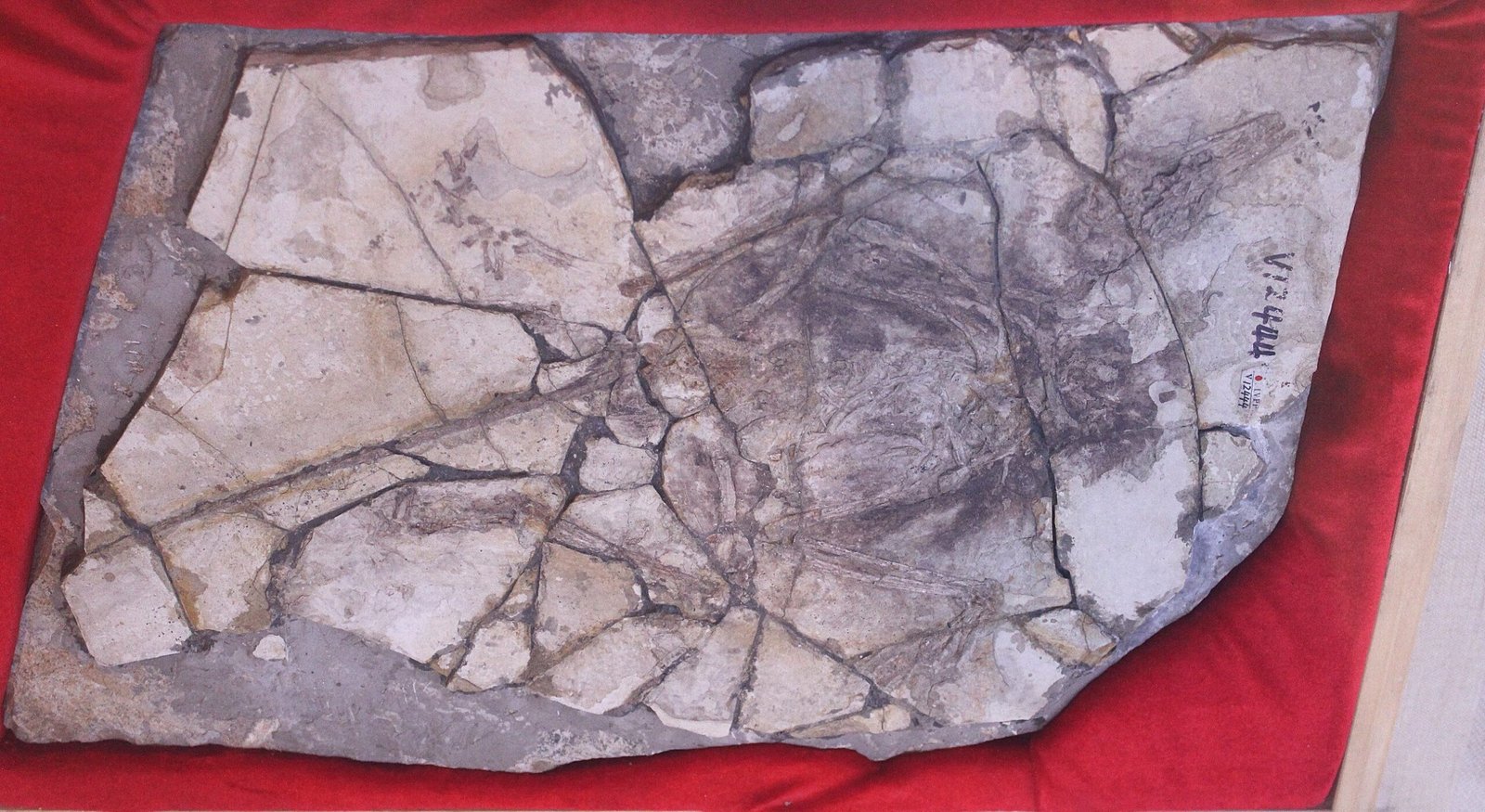
In 1999, National Geographic prepared to announce a spectacular discovery: a genuine feathered dinosaur that proved birds evolved directly from dinosaurs. The specimen, purchased from a fossil dealer and smuggled out of China, was named Archaeoraptor liaoningensis and unveiled with enormous fanfare as the long-sought transitional fossil.
It showed a dinosaur tail attached to what appeared to be a primitive bird’s body, seemingly bridging two major branches of the evolutionary tree in one single slab of rock.
A CT scan exposed it as a deliberate forgery before the announcement even finished making headlines. The “missing link” was actually two separate fossils glued together: a genuine early bird body combined with the tail of a small feathered dinosaur called Microraptor. Fossil smugglers had assembled the fake to boost its market value before it was ever examined by qualified paleontologists, and the retraction became one of the most humiliating episodes in modern paleontology.
But the granddaddy of all fossil hoaxes is still ahead at #3.
#3 – The Skull That Fooled British Science for 40 Years
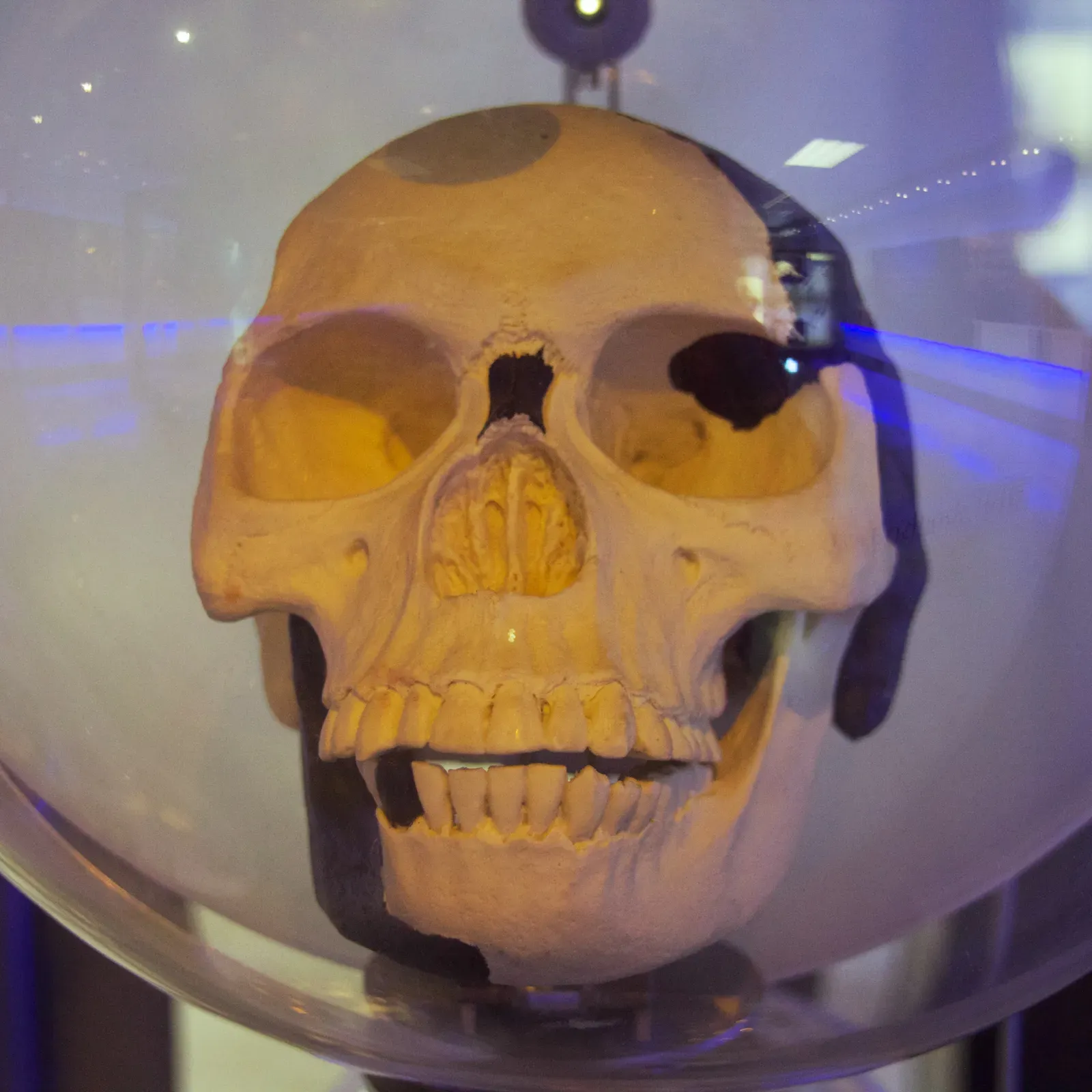
In 1912, amateur archaeologist Charles Dawson announced a discovery that seemed to solve human evolution in one stroke: a skull combining a human-like braincase with an ape-like jaw. Named Eoanthropus dawsoni, or “Piltdown Man,” the find was hailed by British scientists as proof that humans evolved large brains before developing modern jaws – exactly the sequence many researchers expected to find.
It became a cornerstone of British paleoanthropology for decades, cited in textbooks and taught to generations of students as genuine.
It was a deliberate hoax, and a shockingly effective one. Fluorine dating tests in 1953 finally proved the skull was a human cranium paired with a deliberately filed and stained orangutan jawbone, artificially aged with chemicals to look ancient. Whoever assembled it fooled the scientific establishment for over 40 years, and the true culprit’s identity is still debated by historians today.
Worth Knowing
- Announced in 1912 by amateur archaeologist Charles Dawson
- Combined a genuine human skull with a filed and stained orangutan jaw
- Exposed by fluorine dating tests in 1953
- Fooled the scientific establishment for more than 40 years
- The identity of the actual hoaxer is still debated today
It stands as one of the biggest cautionary tales in science. But #2 involves bones arranged by nature itself into a shape scientists still argue about.
#2 – The Ichthyosaur Graveyard That Sparked a Kraken Theory
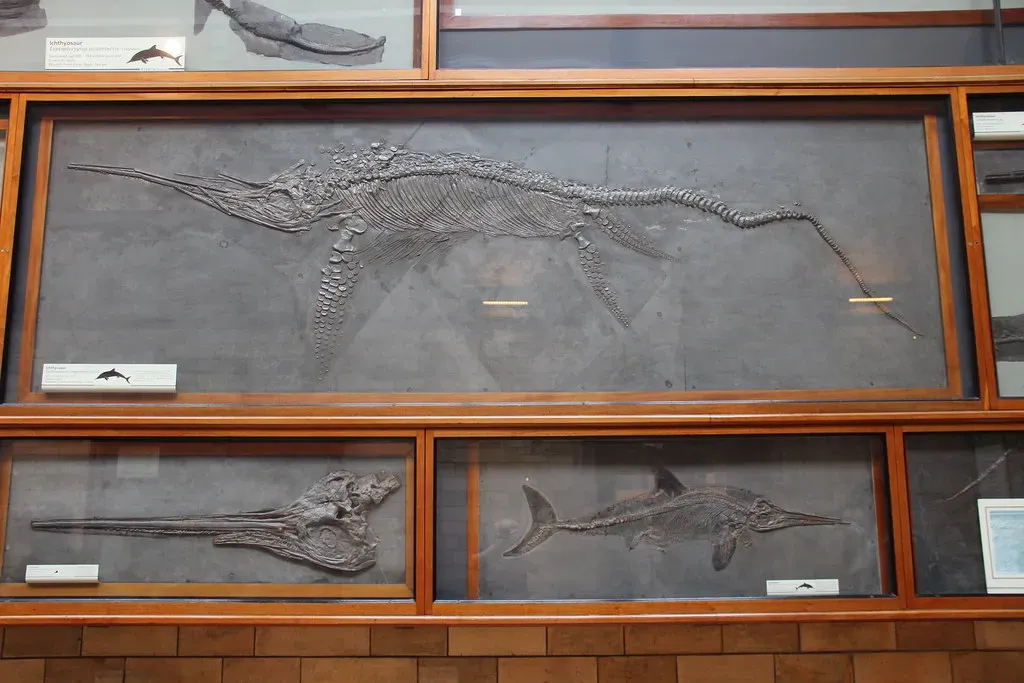
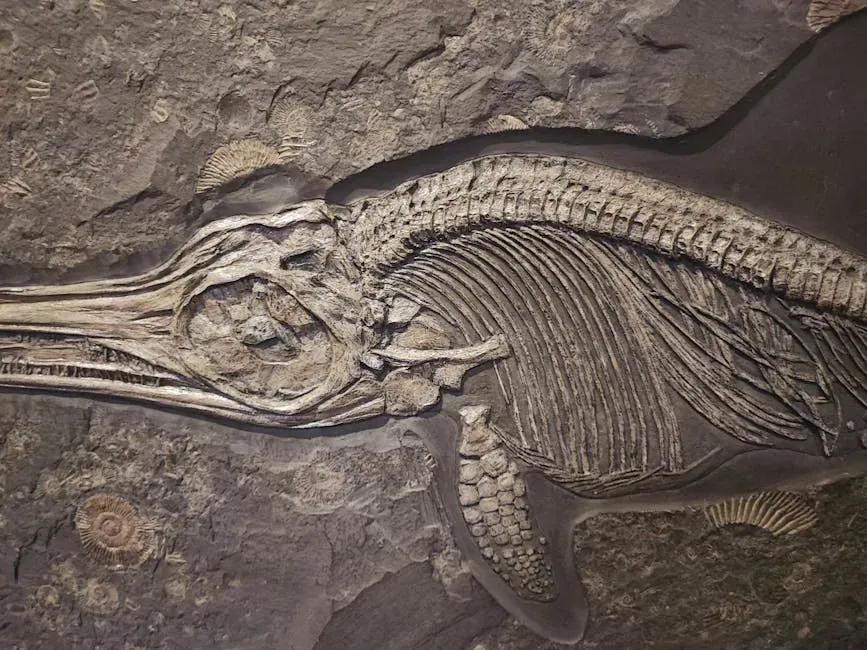
At Nevada’s Berlin-Ichthyosaur State Park, the fossilized remains of nine enormous marine reptiles lie arranged in an oddly deliberate-looking pattern. Each ichthyosaur measured roughly 45 feet long, and their vertebral discs appear stacked almost like a pattern, unlike typical scattered death assemblages.
In 2011, geologist Mark McMenamin controversially proposed that a giant, intelligent cephalopod – essentially a real-life kraken – had killed the ichthyosaurs and deliberately arranged their bones into a self-portrait resembling a squid’s sucker pattern.
Most paleontologists rejected the theory outright, and many still consider it one of the more embarrassing ideas ever presented at a professional geology conference. Mainstream researchers argue the bone arrangement is far more likely explained by ordinary sediment flow, mass stranding events, or scavenging rather than a prehistoric predator’s artistic ambition. The debate resurfaces online every few years anyway, because a kraken murder mystery is simply more fun than sediment physics.
At a Glance
- Location: Berlin-Ichthyosaur State Park, Nevada
- Number of skeletons: nine large ichthyosaurs
- Average length: roughly 45 feet each
- Kraken theory proposed: 2011, by geologist Mark McMenamin
- Mainstream explanation: sediment flow, mass stranding, or scavenging
None of that, though, compares to the single discovery that actually rewrote the human family tree. #1 is next.
#1 – The “Hobbit” Bones That Redefined What It Means to Be Human
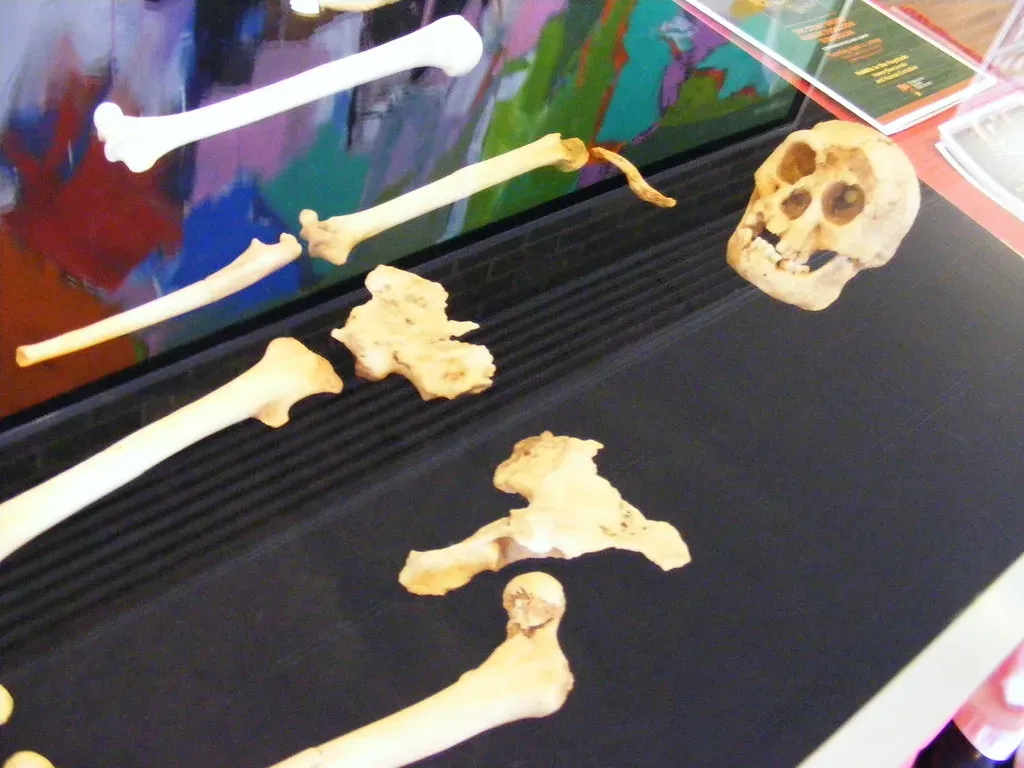
In 2003, archaeologists digging in a cave on the Indonesian island of Flores uncovered a nearly complete skeleton of an adult standing barely three feet tall, with a brain roughly the size of a chimpanzee’s. Researchers initially assumed the remains belonged to a modern human with a severe growth disorder like microcephaly, since a brain that small seemed impossible for a functioning toolmaker.
But the skeleton showed a strange mix of primitive and advanced features – hips and wrists unlike modern humans, alongside evidence of controlled fire use and sophisticated stone tools. Scientists nicknamed it “the Hobbit,” and the debate over what it actually was began almost immediately.
It turned out to be a genuinely new human species that survived until roughly 50,000 years ago, overlapping with modern humans far longer than anyone expected. Named Homo floresiensis, the discovery suggested multiple human species coexisted on Earth far more recently than textbooks previously claimed. The debate over its exact origins continues, with some researchers proposing it evolved from a much older, primitive hominin lineage rather than shrinking down from Homo erectus.
It remains one of the most genuinely startling fossil discoveries of the last century.
The Bottom Line
Science doesn’t get everything right on the first try, and these 13 cases prove it spectacularly. Some were honest dead ends, some were reckless overreach, and at least three – Piltdown, Hydrarchos, and Archaeoraptor – were flat-out fraud.
What strikes us most is how long bad identifications survived once a respected name got attached to them. Piltdown fooled experts for 40 years, and Eozoön sat in textbooks for nearly a century after being debunked. That’s the uncomfortable truth about paleontology: prestige can delay correction longer than evidence ever should.
Homo floresiensis and the Tully Monster prove the opposite is also true – sometimes the bones really are something nobody has ever seen before, and no amount of expert confidence can rush that kind of discovery. Which mystery on this list would have fooled you?