
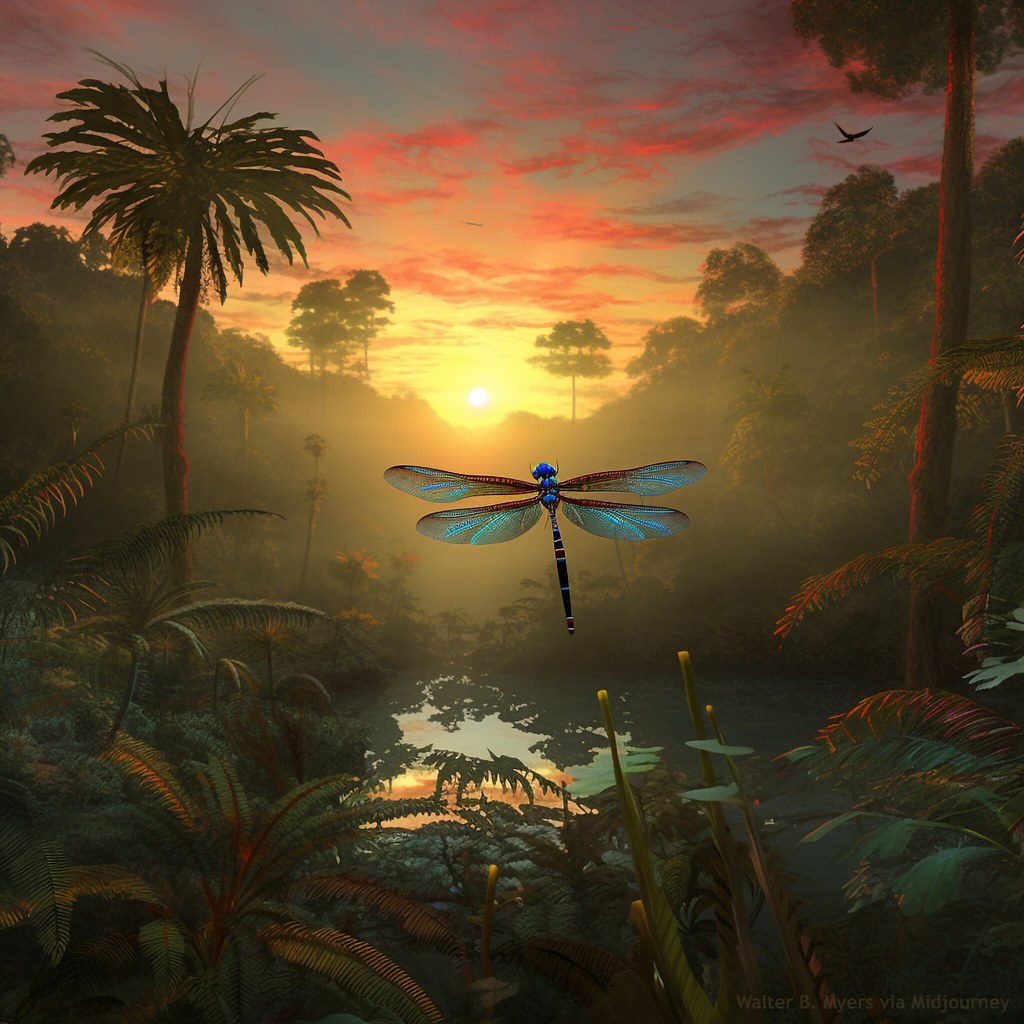
If you could step into a time machine and land in the middle of Earth’s ancient coal forests, the sky above you would not look familiar. You might instinctively duck as something with a wingspan wider than your arm sweeps past your head, its shadow skimming across giant ferns and swampy pools. That “something” was real: enormous dragonfly-like insects, some with wings stretching close to the width of a guitar, once ruled the air.
These creatures were not fantasy monsters or movie inventions. They lived in real ecosystems, left real fossils, and tell us a surprising amount about how our planet used to work. Their story links strange topics that seem random at first glance: coal, oxygen, swamps, giant trees, and the delicate limits of animal body size. Once you see how it all fits together, those ancient insects stop being a fun fact and turn into a kind of key for understanding how different Earth used to be – and how fragile our modern world really is.
The Coal Forests: A Swampy World That Built Our Modern Energy
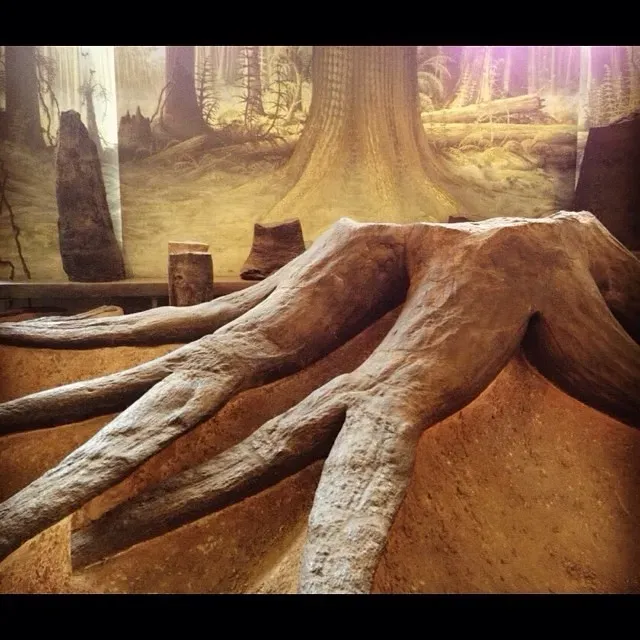
Imagine walking through a forest where trees do not look like the oaks and pines you know, but more like huge stalks of asparagus mixed with palm-like giants and massive moss towers. During the late Carboniferous period, roughly a few hundred million years ago, much of what is now North America and Europe was covered in hot, humid lowland swamps. Instead of maple leaves and pine needles, you’d see towering clubmosses, horsetails, and seed ferns creating a dense, gloomy canopy.
These swampy forests were almost always wet, with fallen trunks and leaves sinking into dark, stagnant water that lacked enough oxygen to fully rot them away. Layer upon layer of this half-decayed plant matter built up over millions of years, getting buried and compacted until it transformed into coal. The electric power that hums through your walls and the steel that built modern cities are, in a very real sense, the long-fossilized remains of these ancient ecosystems. The giant dragonfly-like insects were simply part of the everyday wildlife that cruised through this world.
Meganisoptera: The “Giant Dragonflies” That Were Not Quite Dragonflies
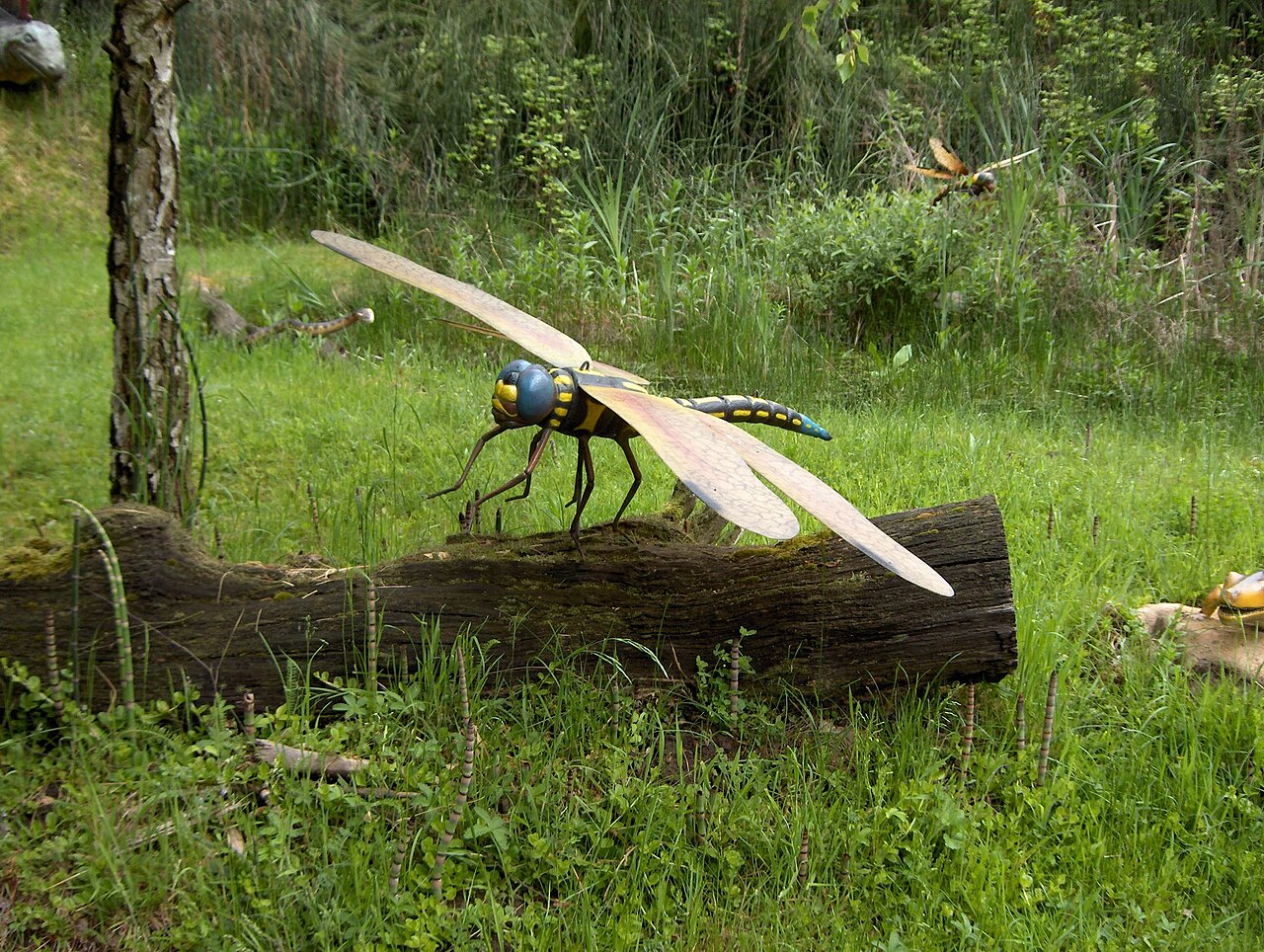
The stars of this story belong to a group called Meganisoptera, often casually called “griffinflies” in modern discussions. They looked broadly similar to dragonflies, with long bodies, powerful wings, and large compound eyes, but they were not true dragonflies as we classify them today. Taxonomically, they sit on a neighboring branch of the insect family tree, close relatives rather than direct ancestors of the dragonflies you see over ponds and lakes now.
Fossils of these insects show wing spans that could reach roughly two and a half feet and possibly a bit more in some species. That means you could hold one fossil wingtip in each hand and feel your arms spread wide. Their wing veins form intricate, lace-like patterns, and some show color banding, hinting that these animals were not only big, but also visually striking. So when people say “giant dragonflies once ruled the skies,” they are simplifying the details, but the basic image is not far off: these were large aerial predators that would have looked eerily familiar and yet distinctly alien.
How Big Were They Really? Separating Fact From Exaggeration
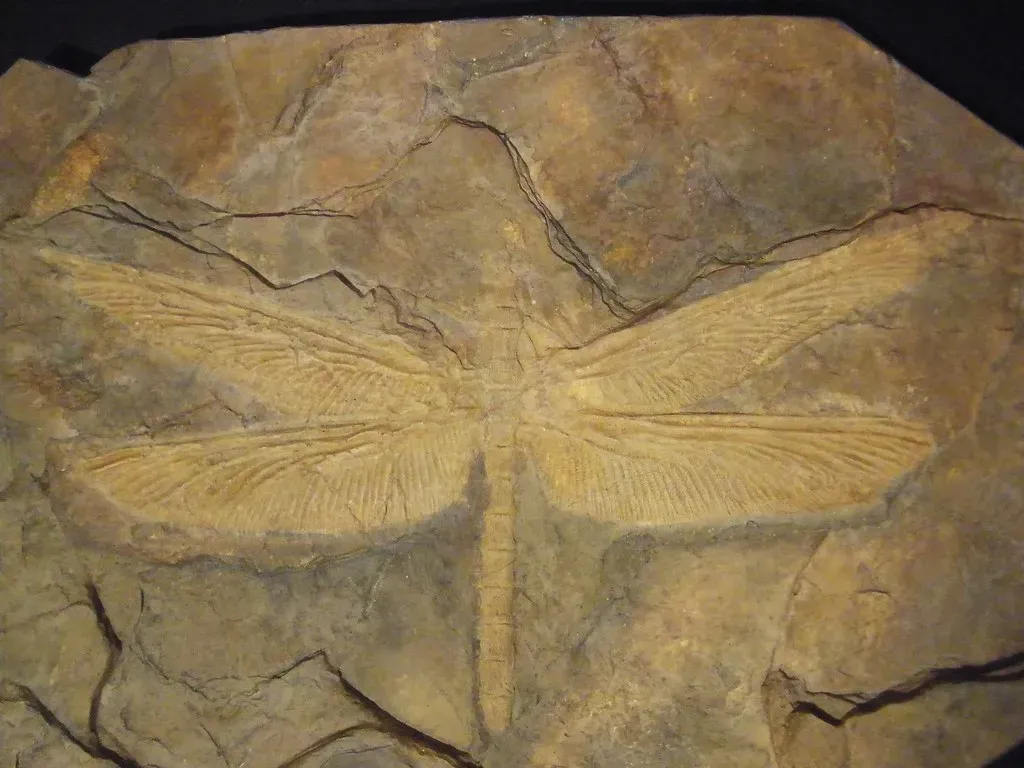
Stories about these insects sometimes drift into pure myth, suggesting creatures the size of eagles or larger. The real animals were impressive but more modest than pop culture sometimes implies. The best-known species, often cited in discussions of giant insects, had a wingspan on the scale of a medium-sized bird, not a condor. You would definitely notice one if it flew past you, and many people would find it intimidating at first sight, but we are not talking about something that could pick up a person or even a small mammal.
Their bodies appear to have been relatively slender compared to the broad reach of their wings. That makes sense from a physics perspective, because flying with a heavy, bulky body is much more demanding. The fossil record does not show evidence that they were armored monsters, but rather streamlined fliers built for speed and maneuverability. In my view, the reality is actually more interesting than the overblown legends: they were large enough to feel uncanny, yet still clearly insects, operating under the same physical rules that govern a modern dragonfly’s darting flight.
The Oxygen Factor: Why Ancient Insects Could Grow So Huge
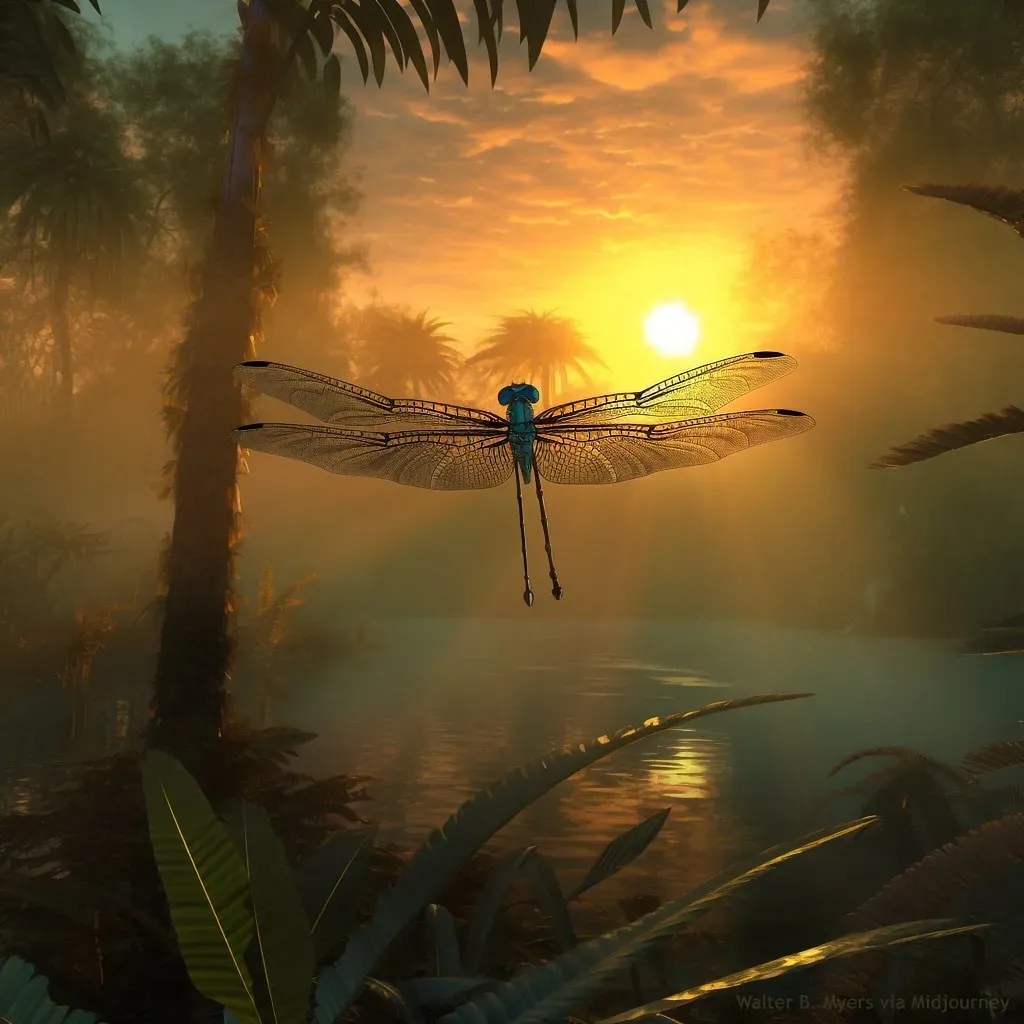
One of the biggest questions people have is simple: how could insects ever get that big? The leading explanation connects their size directly to the atmosphere of the time. During the late Carboniferous and early Permian periods, global conditions led to higher levels of oxygen in the air compared to today. Instead of the roughly one-fifth oxygen we are used to breathing now, estimates suggest that in some intervals the fraction of oxygen could have been significantly higher.
Insects do not breathe with lungs like mammals do. They use networks of tiny tubes that deliver oxygen directly to their tissues, which limits how large their bodies can be under normal conditions. When the air contains more oxygen, those breathing systems can support larger bodies before running into hard limits. In other words, the atmosphere itself gave these insects room to “cheat” the usual size rules. There is still debate among scientists about the exact numbers and how much other factors mattered, but the oxygen story remains one of the clearest and most compelling pieces of the puzzle.
Life in the Canopy and Above the Swamps
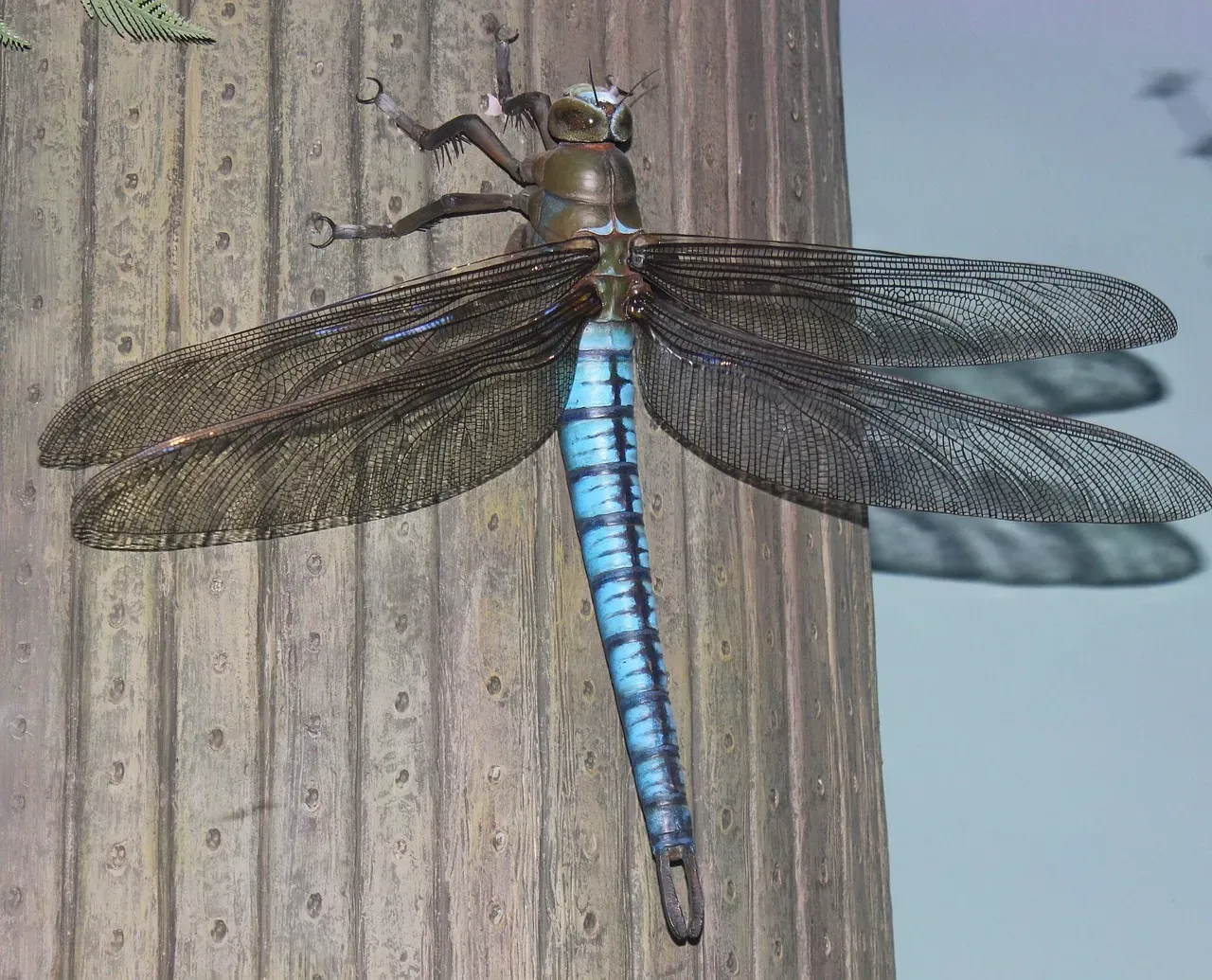
These giant fliers were not just floating ornaments; they were active hunters in complex ecosystems. Picture the canopy of ancient clubmoss trees and seed ferns buzzing with smaller insects, from primitive cockroach-like forms to early relatives of mayflies and other flying groups. The big dragonfly-like predators likely patrolled these spaces, picking off smaller arthropods in midair, just as modern dragonflies do over fields and ponds.
Down below, the forest floor and swamp margins were crowded with other creatures: amphibians of various sizes, early reptiles, and an abundance of millipede-like and spider-like animals. The giant insects would have seen this all from above, their large eyes tuned to pick out movement against a cluttered green background. I like to imagine standing among those towering plants, hearing sudden wing beats overhead – a sharp, papery flutter in the muggy air – then a brief silence as a giant insect locked onto some unfortunate smaller prey and accelerated like an arrow through the leafy gloom.
The fossils we have are mostly flattened, compressed remains, but careful study of the wing joints and body proportions suggests they were powerful, agile fliers rather than clumsy gliders. Some researchers infer they could hover or at least slow-fly in place, helping them ambush prey around tree trunks and just above water surfaces. Their size might have given them an advantage in aerial dominance, but it also would have required efficient hunting to meet their energy demands in a world where everything was still experimenting with life on land and in the air.
Why These Giant Insects Disappeared
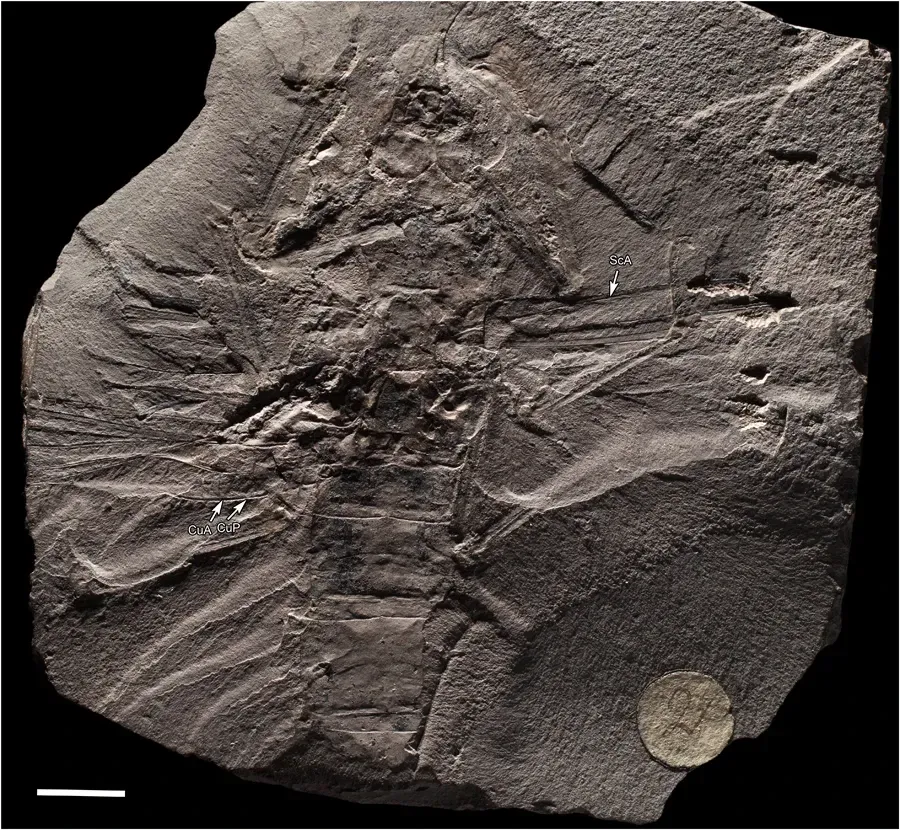
The obvious follow-up question is why we no longer see insects this large. The answer is not pinned on a single dramatic event, but rather a combination of gradual environmental changes and ecological competition. Over time, the special conditions that had supported elevated oxygen levels shifted, likely bringing oxygen closer to values more like those we know today. As that happened, the breathing systems of oversized insects would have become less efficient, squeezing their size back down to more manageable levels.
At the same time, other kinds of vertebrate animals – particularly those with more advanced lungs and more flexible hunting strategies – were diversifying in the air. Early flying vertebrates would later stake out aerial niches, and even before them, evolving reptiles and amphibians were reshaping food webs on the ground and in the water. Larger-bodied predators with internal skeletons and different respiratory systems could push into roles once dominated by insects. To me, the disappearance of giant insects feels less like a tragic loss and more like a reminder that nature does not stand still: the rules of the game change, and the champions of one era become the footnotes of the next.
What These Ancient Giants Reveal About Earth’s Changing Atmosphere
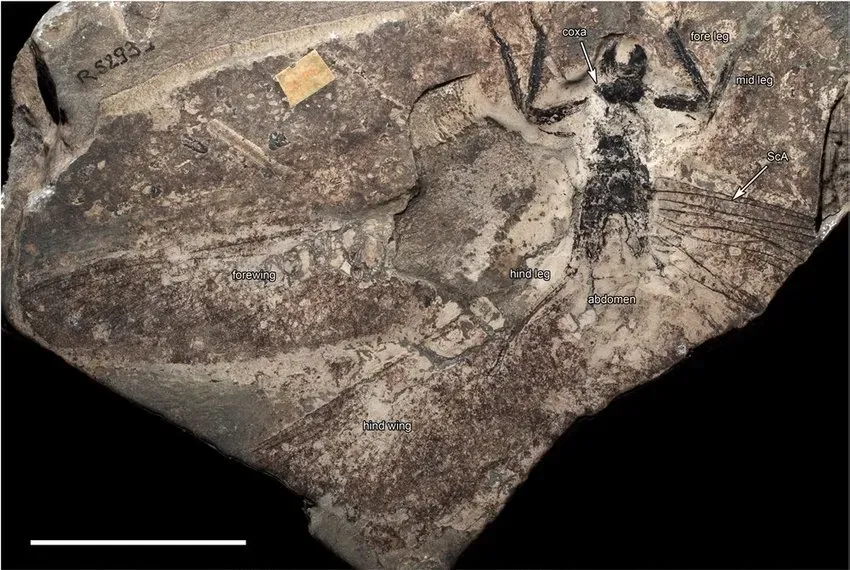
Fossils of giant insects are not just cool curiosities; they act like living graphs of ancient atmospheric conditions. Their maximum size puts indirect limits on what the air around them must have been like. When scientists model how insect breathing works and compare that with the dimensions of these ancient species, they gain a rough sense of how much oxygen must have been available at the time. In a world without direct measurements from hundreds of millions of years ago, that kind of biological evidence is incredibly valuable.
This connection gives the story of giant dragonfly-like insects an unexpected relevance to modern life. We are changing the composition of the atmosphere again, though in our case the main issue is carbon dioxide and the climate shifts it drives. While we are not about to accidentally create house-sized bugs, the broader lesson remains: when you tweak the atmosphere, you reshape what kinds of bodies and ecosystems are possible. I find that deeply humbling. Those oversized insects are like a warning label from deep time, showing how tightly life is bound to the invisible chemistry of the air.
Why Imagining Them Matters Today
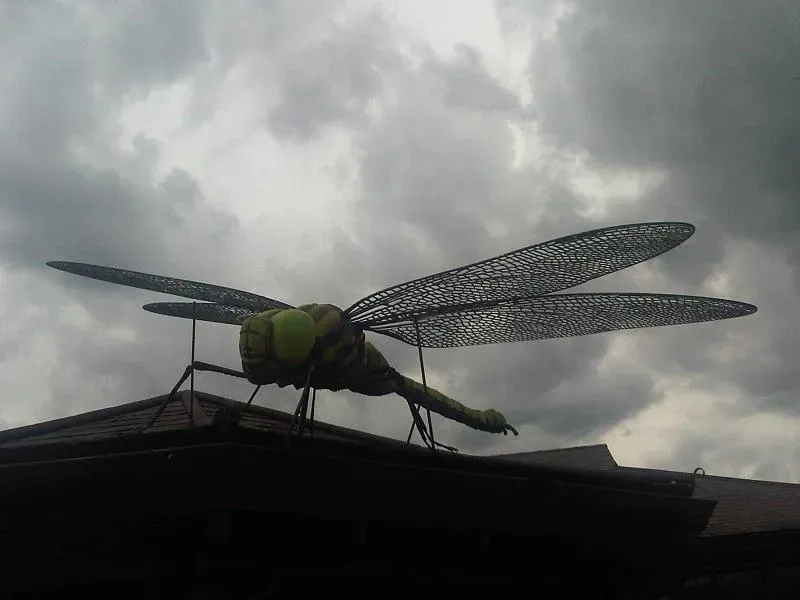
There is something oddly powerful about picturing yourself under the wings of a dragonfly-like insect the size of a crow, flying above coal-forming swamps. It jolts you out of the familiar and forces you to admit that Earth has not always been “our” planet in the way we experience it now. When I first learned about these creatures, it shifted my mental picture of prehistory from a vague blur of dinosaurs to a rich, layered sequence of very different worlds stacked on top of each other in time.
Thinking about those worlds makes modern debates about climate and environmental change feel less abstract. We know the planet can support radically different ecosystems because it already has, many times over. The coal that powers parts of our world is the compacted memory of those swamps, and the giant insects are like characters that walked across the stage of deep time, did their part, and exited forever. The question that sticks with me is not whether things will change – they always do – but whether we are comfortable gambling on what kind of stage we are building next and which forms of life will be able to survive on it.
Conclusion: A Vanished Sky That Still Has Something to Say
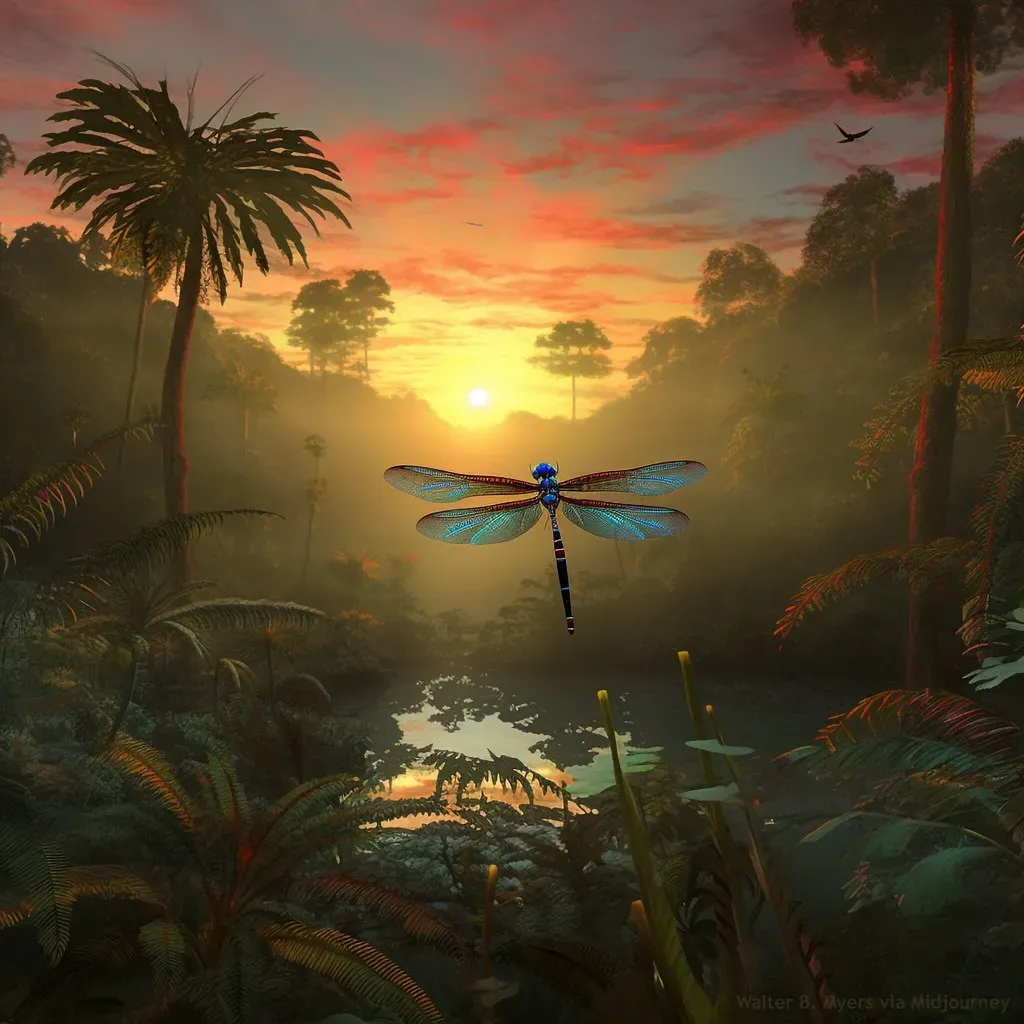
In my opinion, the most astonishing thing about those giant dragonfly-like insects is not their size, but what they reveal about how narrow our present feels compared to the full range of Earth’s possibilities. We live in just one version of the planet, with its particular blend of gases, temperatures, and ecosystems, and it is tempting to assume this is how things “should” be. The fossil record pushes back against that comfort. It tells us that a world of swamp forests, coal-forming bogs, and oversized insects was once not only real, but stable enough to last for millions of years.
That perspective can be unsettling, but I think it is also freeing. It reminds us that nature is capable of building futures we might not expect – and that our choices now will influence which version of Earth takes the stage next. When you picture those enormous wings beating over ancient waterlogged forests, you are not just imagining a lost curiosity; you are glimpsing how sensitive life is to the background conditions we often take for granted. The sky once belonged to giant insects; in a few million years, it may belong to creatures we cannot even envision. Knowing that, what kind of future Earth do you think we are writing into the rock right now?