
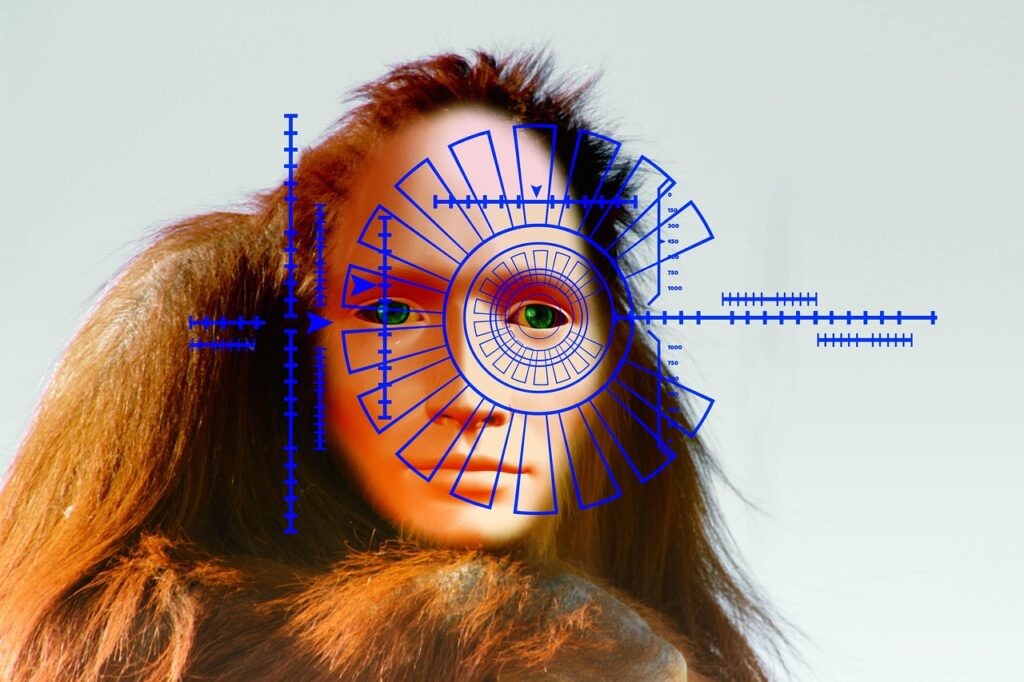
Imagine trying to run the latest graphics-heavy game on a stone-age computer. That is essentially what the modern human mind is: a wildly powerful, glitchy, energy-hungry upgrade built on top of very old biological hardware. The story of how we got from twitchy little vertebrates to overthinking primates with existential dread is not a straight line – it is a messy, experimental saga full of dead ends, lucky breaks, and quiet changes that added up over millions of years.
What follows is not a neat, step‑by‑step ladder, but a series of turning points where evolution took sharp, consequential bends. Each one did not “create” the human mind on its own, but together they sculpted the weird, hyper-social, storytelling, future-obsessed brain we carry around today. Some of these transitions are backed by strong fossil and genetic evidence; others are more like best-fit theories. But all of them help explain why you can read these words, reflect on them, and then immediately worry about something that does not even exist yet.
1. From Simple Nerve Nets to Centralized Brains
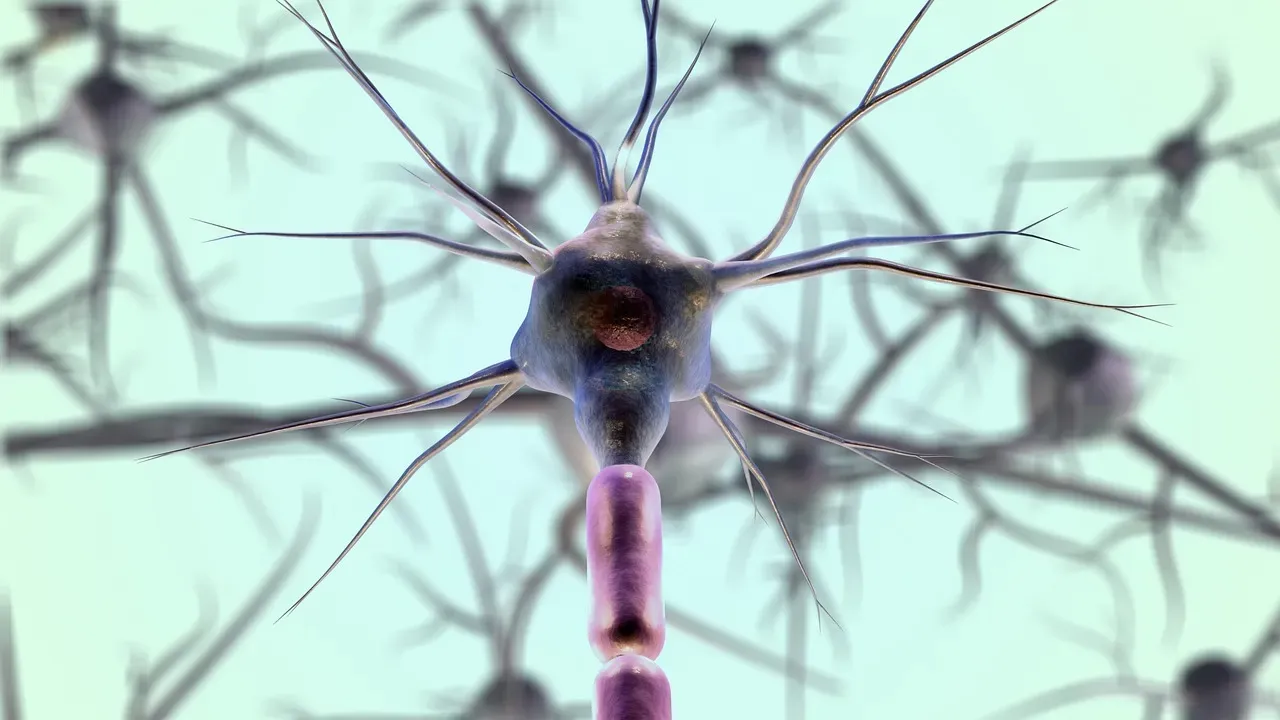
The earliest nervous systems were basically biological tripwires: simple nerve nets that let ancient animals sense touch and react, but not much else. Think of something like a jellyfish: it can respond to light, chemicals, and movement, yet it has no centralized brain to integrate those inputs into a cohesive picture of the world. Evolution’s first big leap toward anything like a mind was the move from scattered nerve cells to a central processing hub, especially in the head region where senses cluster together.
When neurons started concentrating into ganglia and eventually true brains, it became possible to coordinate movement, prioritize competing signals, and store patterns of experience. That is where the slippery beginnings of learning and memory show up, long before humans existed. This centralization is not glamorous, but without a control center, you cannot have layered thoughts, plans, or anything like what we recognize as consciousness. It is a bit like going from a loose pile of circuits to an integrated motherboard – the parts are similar, but suddenly they can do far more together than they ever could apart.
2. The Rise of Vertebrates and the Birth of the Cortex Blueprint
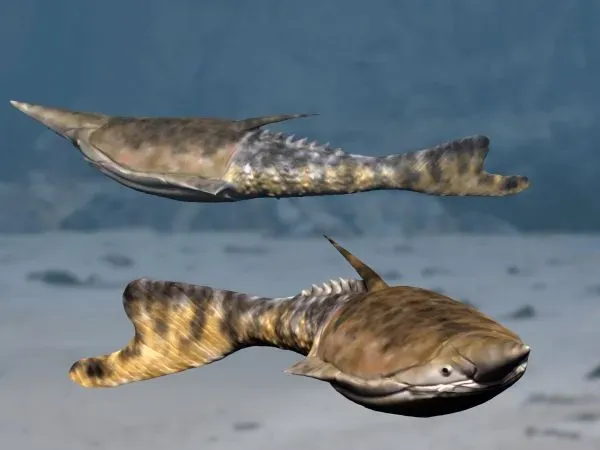
With vertebrates came a major structural innovation: a protected spinal cord feeding into an increasingly complex brain encased in a skull. Early vertebrates – jawless fish swimming hundreds of millions of years ago – already had brain regions that resemble the blueprint of what later became our sophisticated cortex. They did not think like humans, not even close, but the architecture that would one day make abstract reasoning possible was starting to take shape.
This vertebrate layout allowed for clear divisions of labor in the brain: regions for processing sensory information, coordinating movement, and eventually integrating more complex signals. Over time, parts of the forebrain expanded and differentiated, especially in lineages leading to mammals and birds. If you zoom out far enough, the human cerebral cortex is essentially a hyper-expanded, remixed version of this early vertebrate plan. The mind we know had to wait, but the scaffolding for it was already being sketched in ancient oceans.
3. Warm-Blooded Brains: How Mammalian Metabolism Supercharged Thought
Becoming warm-blooded – maintaining stable internal body temperatures – was an evolutionary gamble that came with a brutal price tag: enormous energy demands. Mammals began burning calories at a rate many reptiles would find outrageous, and that extra metabolic firepower did not just keep bodies warm; it helped sustain more active, hungry brains. Neural tissue is expensive, and a bigger, more active brain is basically a luxury organ unless it pays off with better survival.
For early mammals, sharper senses, faster reactions, and better learning were exactly the kind of payoffs that justified the cost. Living in a world dominated by dinosaurs, small mammalian ancestors carved out nocturnal niches, relying on fine-tuned hearing, smell, and memory to survive. That sensory sophistication pushed their brains to grow and reorganize. Warm-bloodedness was not about thinking per se, but it created the energetic and anatomical conditions where thinking could become more complex. It turned the brain from a modest processor into something closer to a constantly running, always-updating prediction engine.
4. Social Mammals and the Pressure Cooker of Group Living
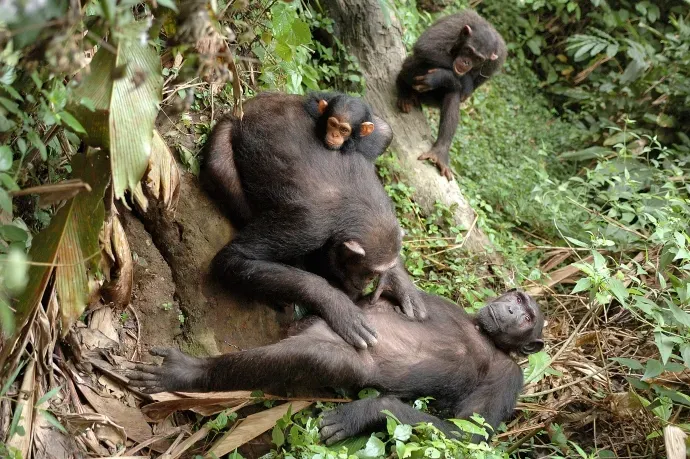
At some point, brains stopped being only about surviving the environment and started being about surviving each other. Living in groups brought advantages – protection, shared information, cooperative hunting – but it also created intense cognitive challenges. You suddenly had to track shifting alliances, remember past favors and betrayals, and anticipate what others might do. This social complexity is thought to be one of the strongest forces pushing mammal and primate brains to expand and become more flexible.
Primates in particular seem to have paid special attention to social information. Grooming partners, interpreting facial expressions, recognizing individuals, sensing rank and status – these are subtle skills that require memory, attention, and emotional nuance. A mind that can simulate what others are thinking and feeling has a clear advantage in such a world. You can think of social life as a mental gym: every conflict, alliance, and reconciliation is a workout for circuits that, in humans, would later be repurposed for storytelling, moral judgment, and even online drama.
5. Primate Hands, Eyes, and the Leap to Flexible Intelligence
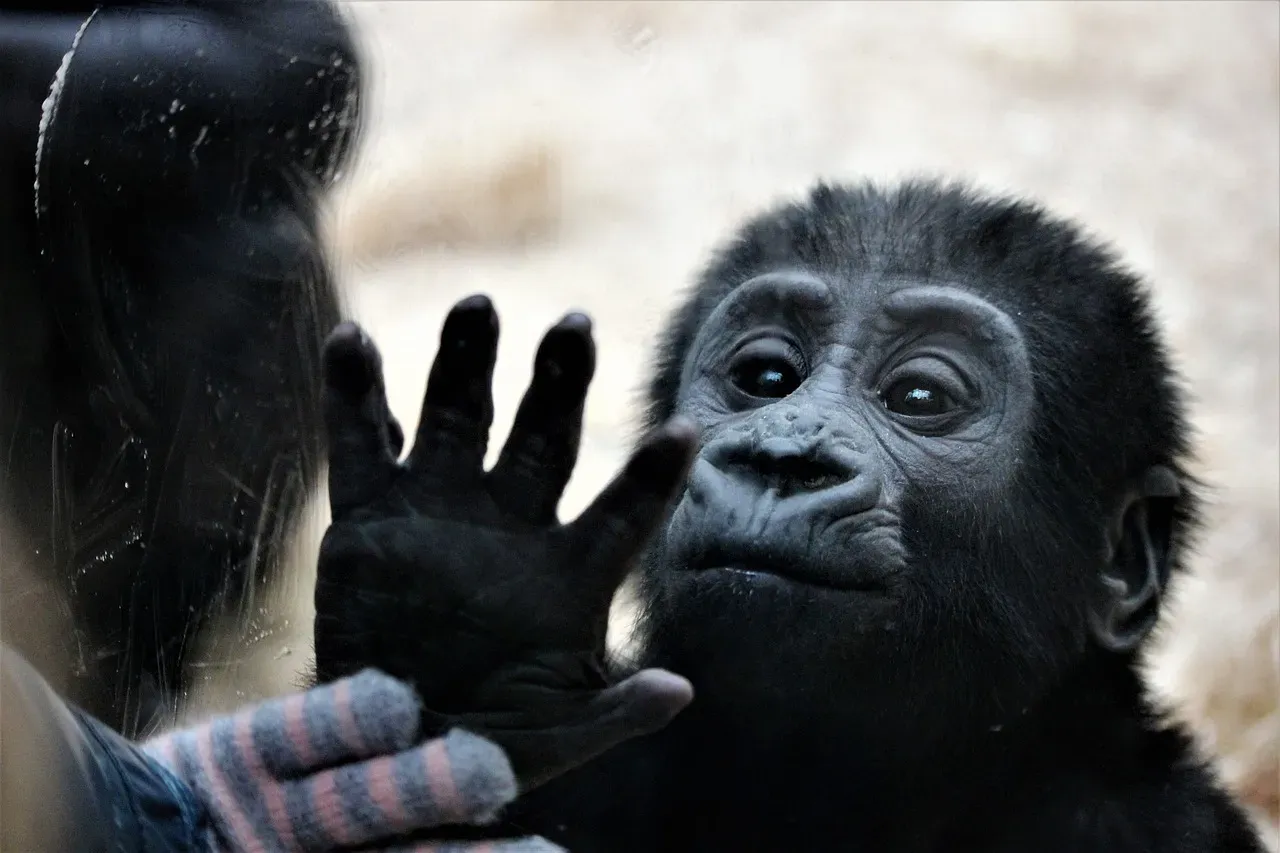
When our primate ancestors moved into the trees, natural selection reshuffled the sensory priorities. Grasping hands, forward-facing eyes, and depth perception became vital. With hands free to manipulate branches, fruit, and eventually tools, and eyes tuned for precise visual detail, the brain suddenly had a lot more interesting data to work with. Manual dexterity and sharp vision formed a tight feedback loop that encouraged better coordination, planning, and experimentation.
It is no coincidence that primates became generalists – capable of exploring, testing, and exploiting a wide variety of environments. Instead of being locked into a few rigid behaviors, they could learn new strategies, remember what worked, and even imitate more successful individuals. This kind of flexible, trial-and-error intelligence is a distant ancestor of what we call problem-solving today. The human mind did not spring out of nowhere; it grew out of countless small victories won by animals that could see a little better, grab a little more precisely, and remember what happened last time.
6. Great Apes and the Seeds of Self-Awareness
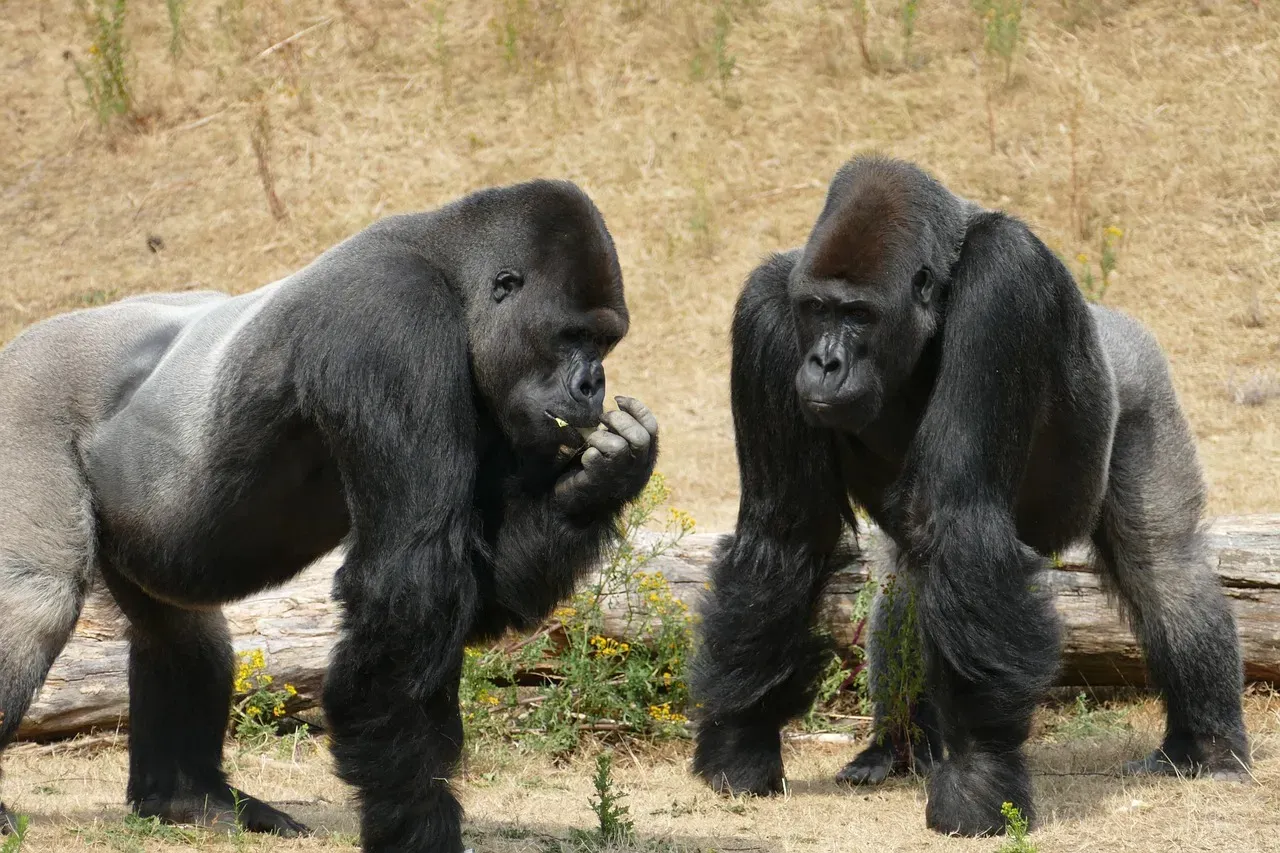
The lineage that led to great apes – chimpanzees, bonobos, gorillas, orangutans, and eventually humans – took social and cognitive complexity to another level. Great apes form long-lasting relationships, use tools in the wild, solve puzzles, and appear to have at least some understanding of others’ intentions. In some behavioral tests, they recognize themselves in mirrors, which hints at a rudimentary form of self-awareness: not just being a body in the world, but being a particular individual with a point of view.
These abilities are not identical to human consciousness, but they look like early versions of some of its key ingredients. A mind that can think about itself, remember past experiences in rich detail, and imagine what others might do is already halfway to building stories about the world. You can almost see the outline of human-like mental life emerging: curiosity, jealousy, grief, playfulness, and even what looks like a sense of fairness. The gap between us and other great apes is real, but it is a difference of degree layered on top of a shared foundation, not a magical line.
7. Walking Upright and Freeing the Hands for Ideas
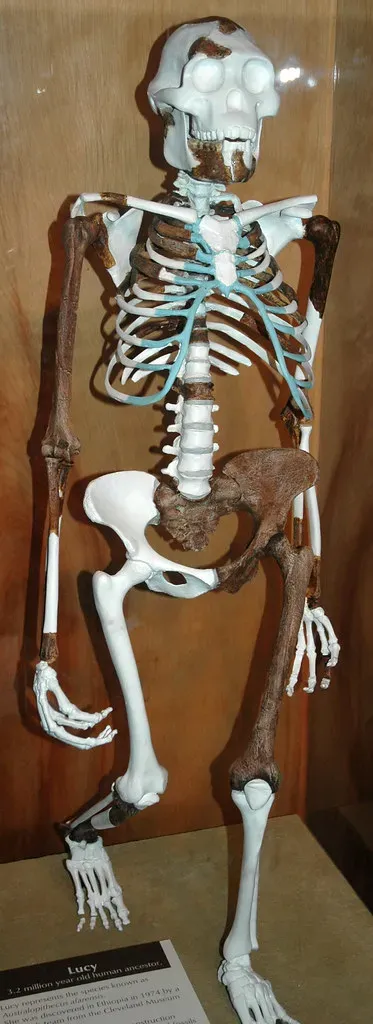
When early hominins started walking upright on two legs, they changed the entire design problem that evolution had to solve. Bipedalism freed the hands for carrying food, infants, and eventually tools, while also altering the shape of the pelvis and spine. At first glance, walking upright looks like a purely physical adaptation, but it had deep cognitive consequences. Hands that are no longer needed for locomotion become available for more precise manipulation and innovation.
Once you have hands that can shape stones, weave fibers, and eventually carve symbols, your brain gets constant feedback that rewards planning, patience, and creativity. Every new tool design is a tiny hypothesis about how the physical world can be bent to your will. The more those hypotheses succeed, the more worthwhile it becomes to invest in forward-thinking mental models. Bipedalism may not feel like a “mind” story, but without it, the cascade of technological thinking that followed would have been severely limited.
8. Fire, Cooking, and the Energy to Grow Bigger Brains

Controlling fire was one of the most radical turning points in our evolutionary story. Fire protected early humans from predators, extended waking hours into the night, and probably transformed social life around shared hearths. But its most underrated effect was nutritional: cooking food breaks it down, making calories easier to extract and digest. That efficiency freed up energy that could be funneled into building and maintaining a larger, more active brain.
Big brains are terribly expensive in terms of calories and require long, vulnerable childhoods for proper development. In a raw-food-only world, there are strict limits to how much brain tissue you can afford to carry. Fire arguably bent those limits. It also created new mental challenges and opportunities: learning to control this dangerous tool, passing down fire-making techniques, and sharing food may have all supported more complex communication and cooperation. In a sense, the human brain is partly cooked – its size and power are closely tied to this ancient technology.
9. Language: Turning Brains into Shared Worlds

Human language is not just a fancy version of animal calls; it is an entirely different game. With syntax and grammar, we can combine sounds into endless new meanings, talk about events far away in time and space, and even refer to things that do not exist at all. This ability to build shared, imaginary worlds is one of the clearest mental boundaries between us and other species. It allowed ideas, discoveries, and stories to accumulate instead of dying with each individual.
Once language is in place, culture becomes a kind of second evolutionary system. Knowledge no longer depends solely on genes and instinct; it can be learned, argued about, revised, and transmitted across generations at high speed. A child today can inherit thousands of years of stories, tools, scientific insights, and moral codes just by listening and reading. In my view, language is where the human mind truly becomes a collective project rather than a private organ. Your inner voice is not just yours; it is built out of words, metaphors, and narratives that your ancestors carefully passed down.
10. Symbolic Thought, Culture, and the Modern Human Mind
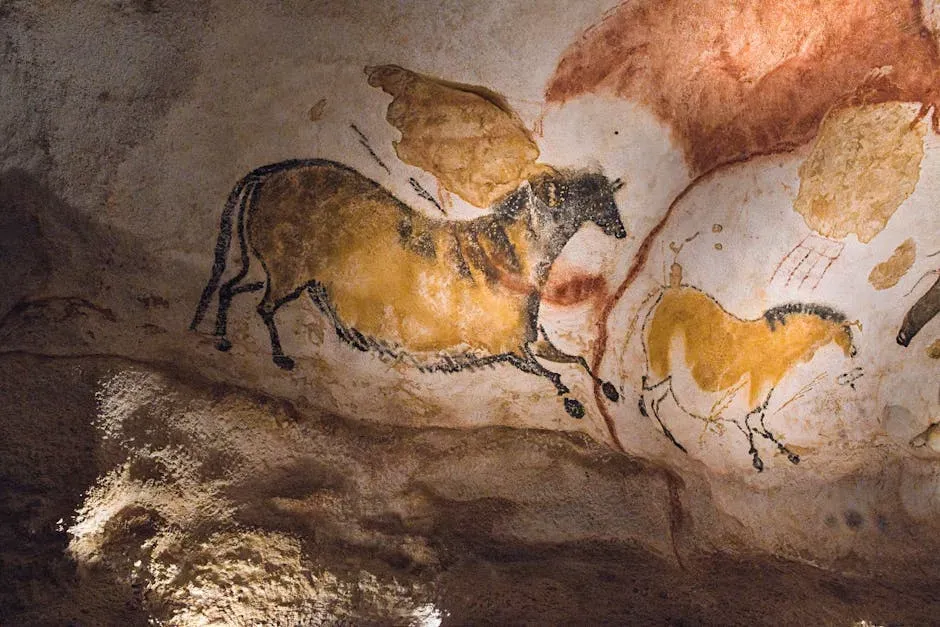
By the time fully modern humans appeared, something unusual had crystallized: an obsession with symbols. We see it in ancient art, jewelry, burial practices, and later in writing systems. Symbolic thought lets one thing stand for another – a mark for a sound, a flag for a group, a number for a quantity, a logo for an entire company. This move to symbolic representation turbocharged memory, planning, and coordination, making it possible for large groups of strangers to cooperate around shared beliefs and rules.
The modern human mind is steeped in these symbols from birth. We learn to navigate money, brands, nations, religions, and now digital identities, all of which exist mostly in our collective imagination. This symbolic layer sits on top of older emotional and social circuits that evolved for smaller, face-to-face groups, which might be why modern life feels both powerful and overwhelming. We carry a Stone Age emotional core running software written in myths, laws, and algorithms. It is no wonder we feel conflicted; our minds are literally layered time capsules.
The Mind as an Ongoing Experiment
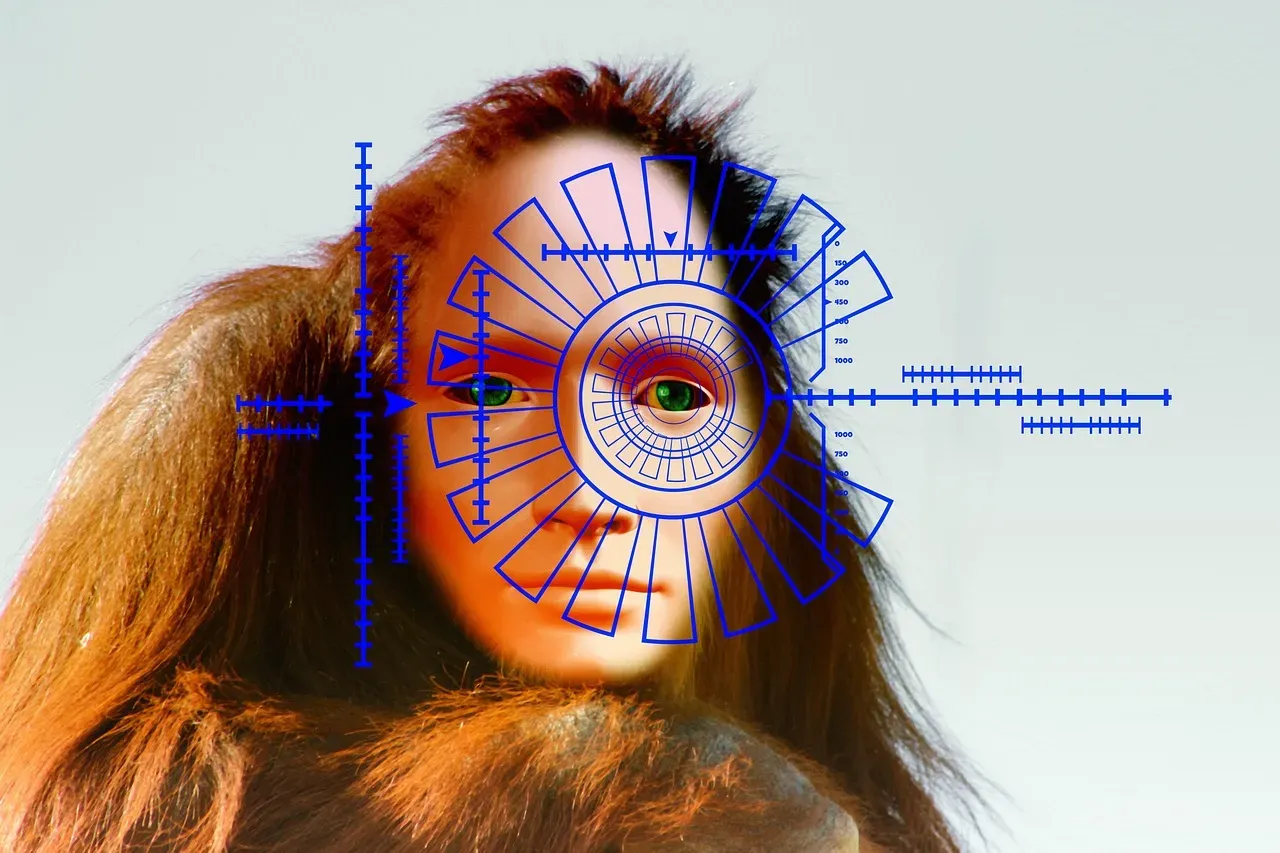
Looking back at these turning points, it is tempting to tell a heroic story, as if evolution was always “aiming” for us. I do not buy that. The human mind is less a grand destination and more an improbable side effect of countless small tweaks that happened to work well enough in specific environments. There is nothing guaranteed about a species that worries about its purpose, builds particle accelerators, and doomscrolls at 2 a.m. – yet here we are, a nervous, hyperverbal primate trying to make sense of its own wiring.
To me, the most striking thing is that our minds are still changing. Culture evolves faster than genes, technology rewires our habits, and future environments will pose new pressures we can barely imagine. The same evolutionary forces that once sculpted nerve nets and primate hands are now playing out in digital spaces and global networks. Whether that leads to deeper wisdom or just more creative ways to stress ourselves out is an open question. When you look at your own thoughts as the latest version of a very old experiment, what do you hope the next update will bring?