
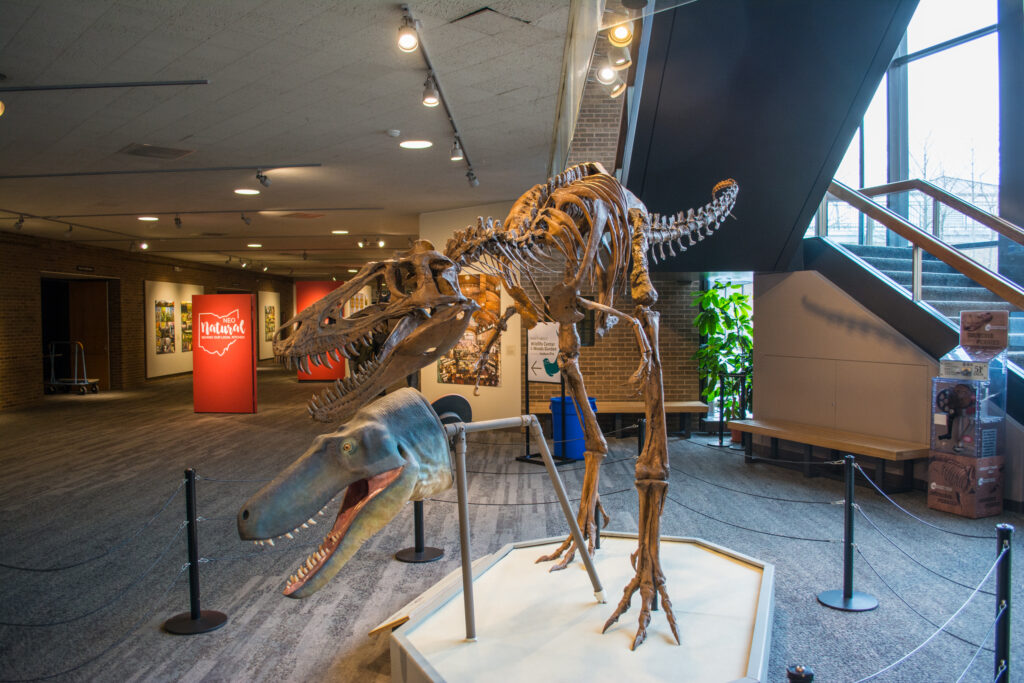
Here’s the part nobody tells you at the museum: that towering skeleton behind the glass is often held together by guesswork. One bone. One tooth. One fragment some overconfident scientist ran with for decades. The horn on Iguanodon’s nose, the size of Megalodon, even the identity of Brontosaurus – all of it traces back to a single incomplete find that got treated like settled fact.
Some of these mix-ups were honest mistakes. Others were outright fraud dressed up in scientific language. Either way, once you see how thin the evidence really was, you’ll never look at a dinosaur diorama the same way again – and the last one on this list is genuinely one of the biggest scandals in modern paleontology.
#20 – The Bat-Winged Dinosaur That Rewrote the Rules on One Skeleton
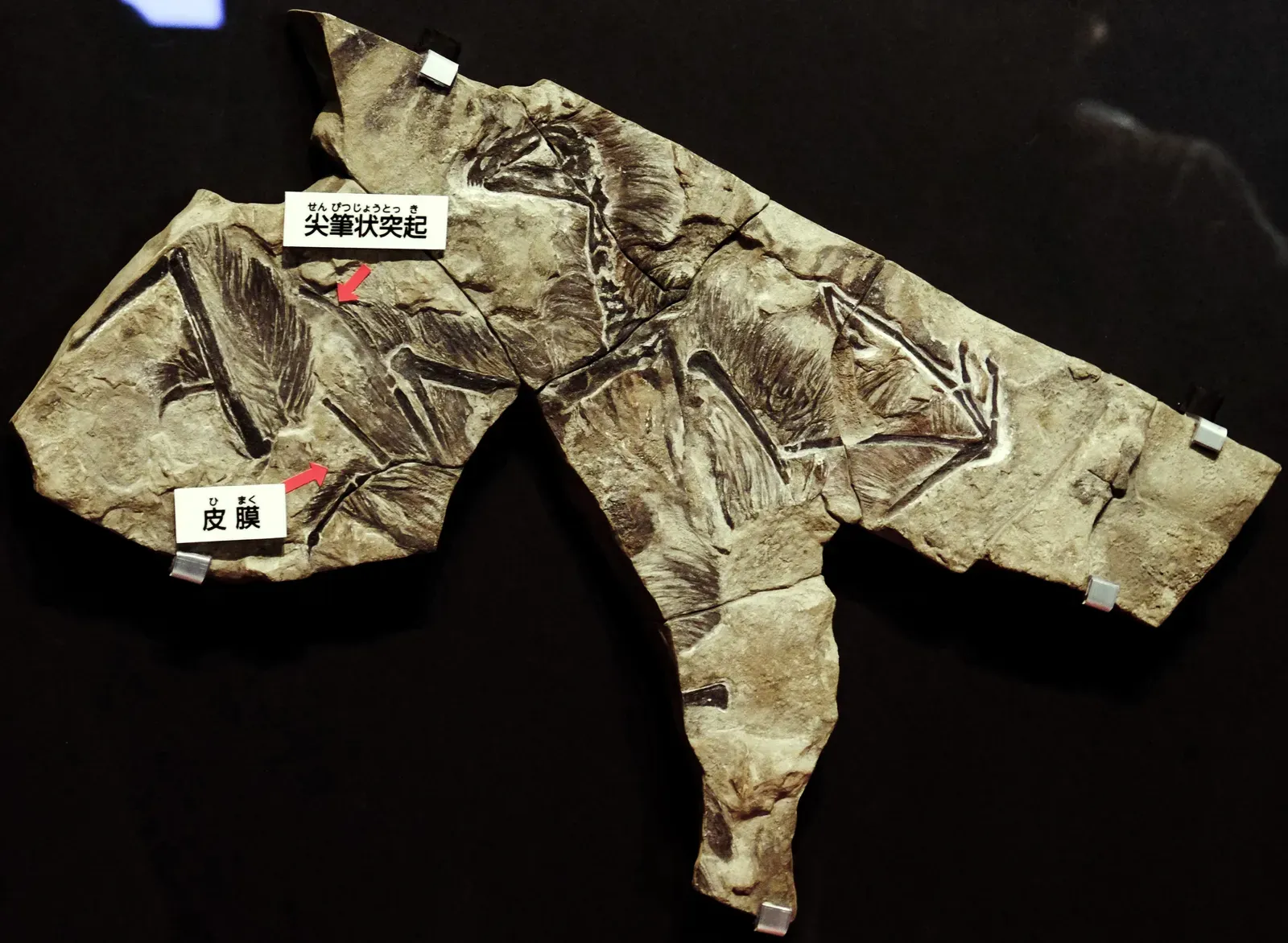
A farmer in China found a fossil in 2007 that broke every assumption about how dinosaurs flew. Named Yi qi, this pigeon-sized creature is known from only one specimen – and so are its two closest relatives, which means scientists are working with an alarmingly small sample for an entire group of animals.
Here’s the strange part: its wings weren’t made of feathers at all. Researchers found a bizarre rod-like wrist bone supporting a skin membrane, something never seen in any other dinosaur, but they still can’t agree on exactly how that membrane was arranged. Change the angle of that one fractured bone, and the whole “bat-dinosaur” reconstruction changes with it. Next up is a discovery that was retracted before most people even heard of it.
#19 – The Maned Dinosaur Nobody Was Supposed to See
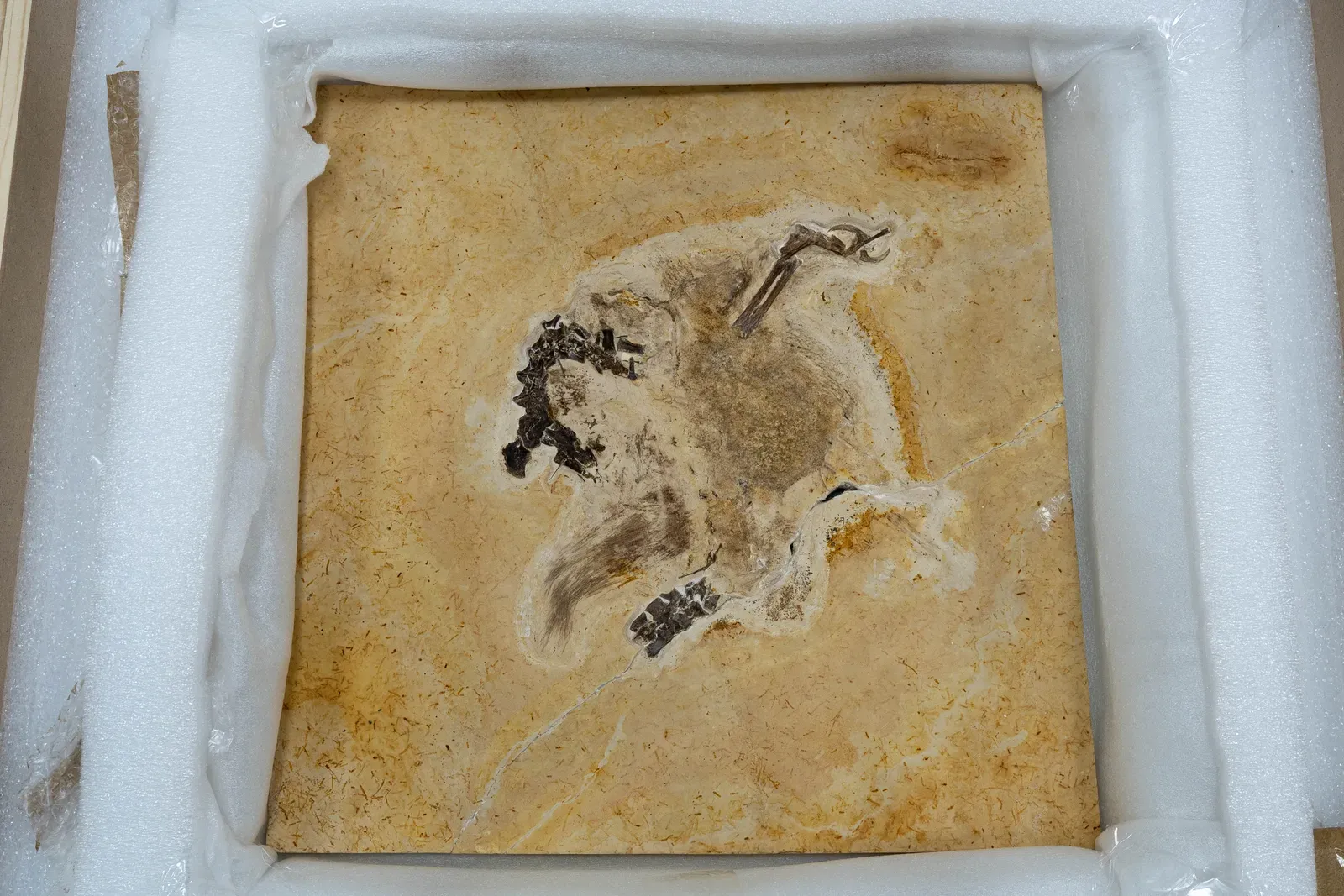
Ubirajara jubatus made headlines as the first dinosaur ever found with mane-like skin structures running down its back – a genuinely wild discovery if it holds up. The problem is that the entire species rests on one partial skeleton, and that skeleton became the center of an international controversy.
Brazilian researchers argued the fossil was illegally exported from Brazil decades ago, sparking a repatriation fight that dragged the journal into retracting the original paper. The scientific naming was undone before most people even heard of the animal. Without the specimen back in Brazilian hands for independent study, nobody can confirm whether those “manes” were even preserved the way the original paper claimed. Coming up is a dinosaur “discovery” that convinced the public a chicken-sized ancestor of T. rex was the size of a bus.
#18 – The “Giant” Feathered Tyrant Built From Partial Bones
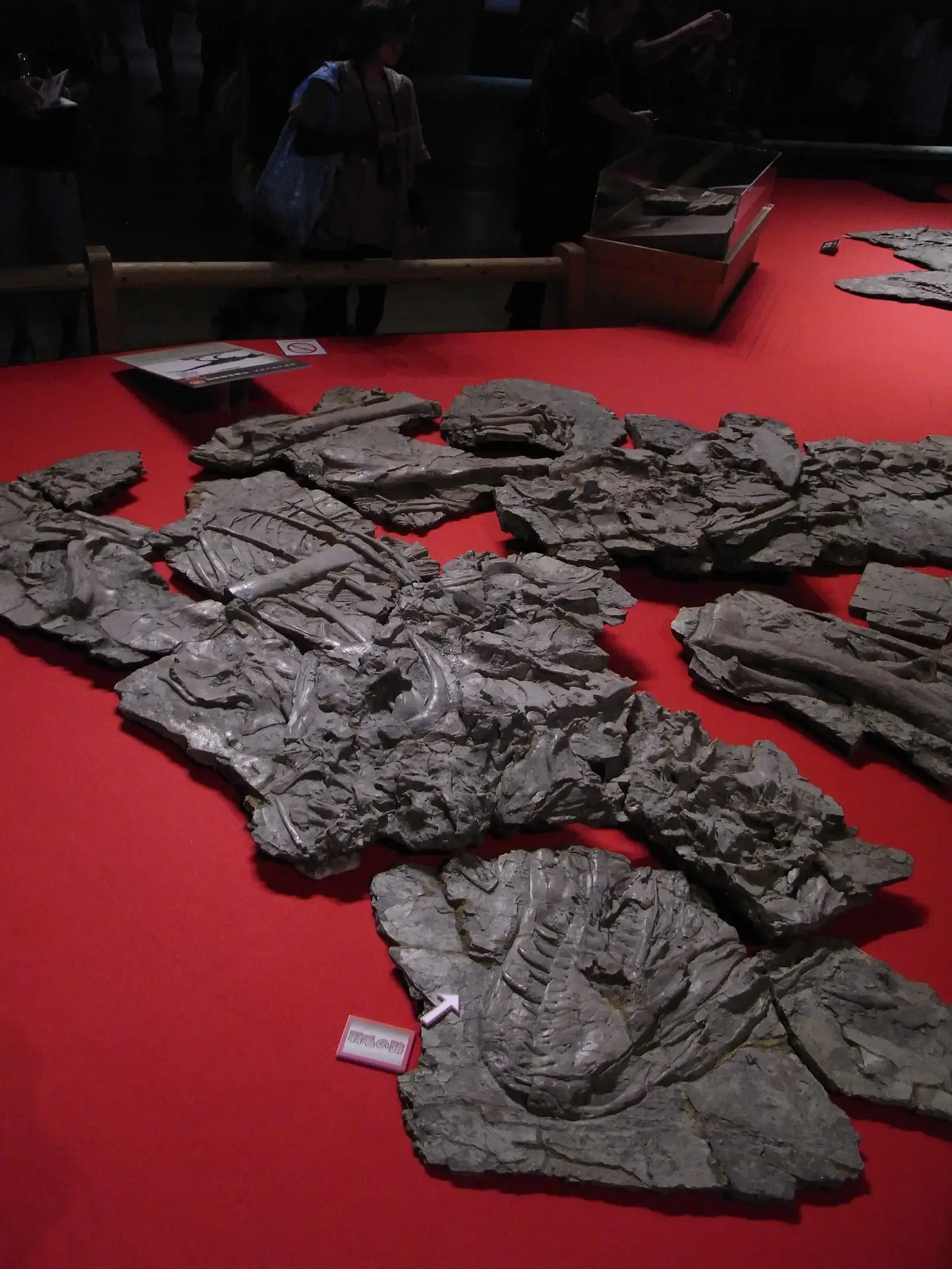
When Yutyrannus huali was announced, headlines screamed that a 30-foot, feathered tyrannosaur relative had just been found – proof that even massive predators were fluffy. The size estimate is real, based on comparing partial skeletons to smaller feathered relatives.
But the feather coverage across the whole body is inferred, not directly observed everywhere, because only patches of filament impressions survive on the known specimens. Artists filled in the rest using related species as a template, the same way a police sketch artist fills in a face from a partial description. That doesn’t make Yutyrannus fake, but the gap between the fossil and the finished illustration is bigger than most exhibits admit. Next: a snake whose legendary size comes from pure math.
#17 – The Snake So Big Its Size Comes From Guesswork
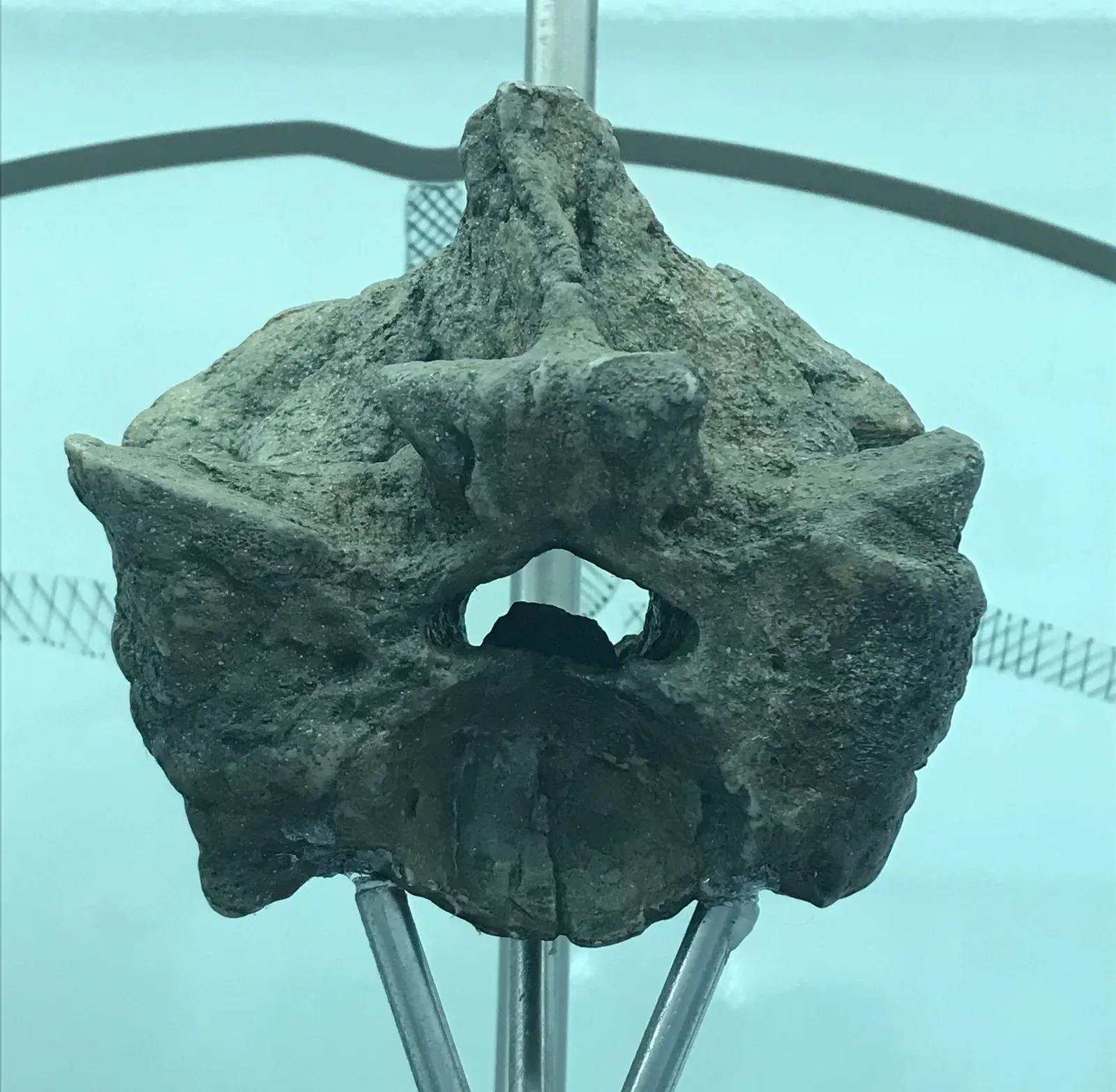
Titanoboa is routinely described as the largest snake to ever exist, a 40-foot monster capable of swallowing crocodiles whole. That size comes almost entirely from a handful of vertebrae, scaled up using ratios borrowed from living snake anatomy.
No complete Titanoboa skeleton has ever been found. To be fair, the math is solid – vertebra width really does correlate with body length in snakes – but “solid math” and “a fully verified skeleton” are two very different levels of certainty, and headlines rarely make that distinction. Coming up next is a size claim built the exact same way, only this time it’s the ocean’s most feared predator.
#16 – Megalodon’s Size Is a Tooth-Based Guess, Not a Measurement
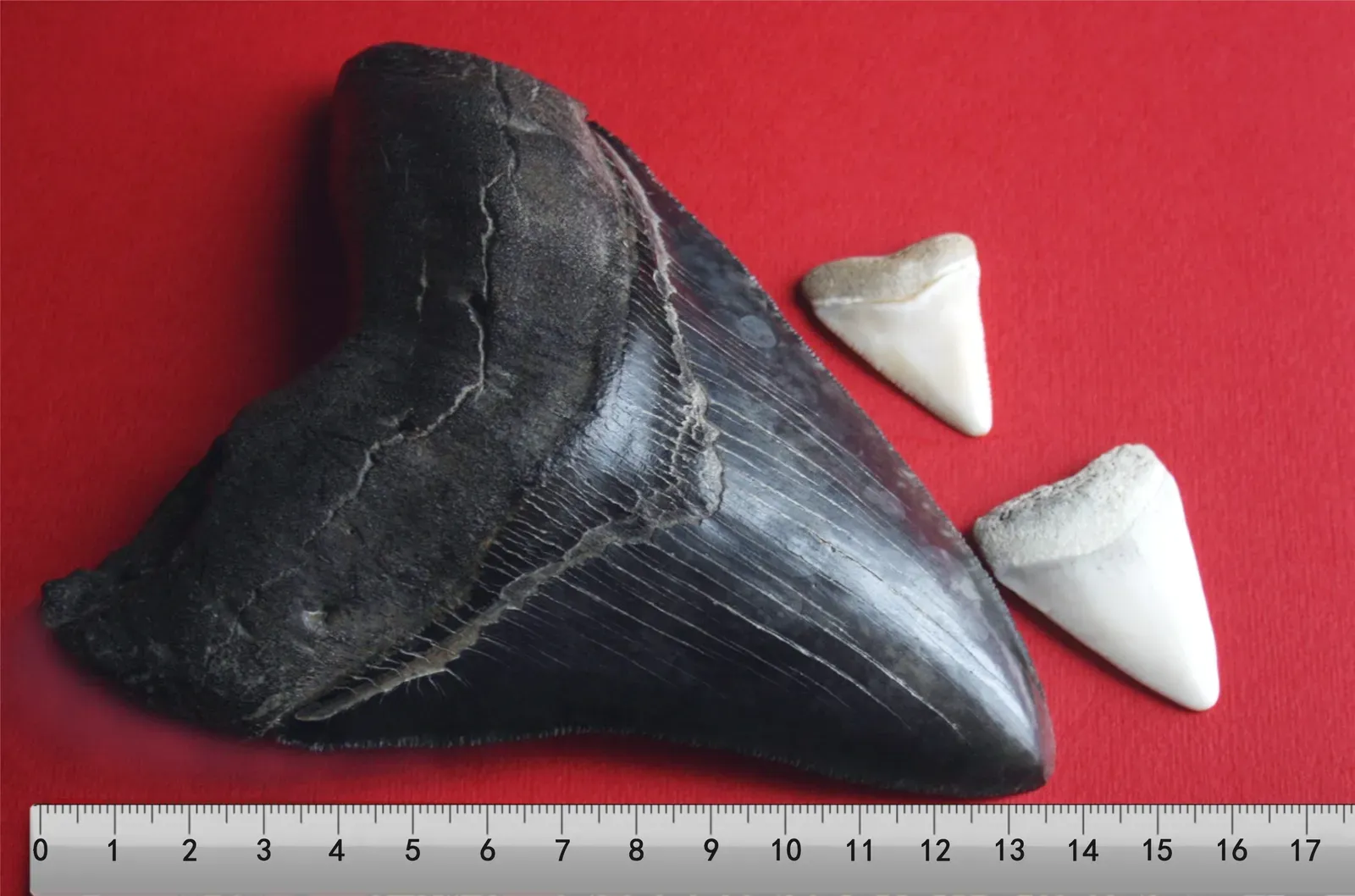
Everyone “knows” Megalodon was 60 feet long. Almost nobody knows that number comes from teeth, not bones. Sharks have cartilage skeletons that rarely fossilize, so paleontologists have never recovered a complete Megalodon skeleton – only teeth, vertebrae, and scattered fragments.
Every size estimate is derived by comparing tooth dimensions to modern great white sharks and scaling upward, a method that produces wildly different results depending on which formula you use. Some scientists now argue Megalodon looked less like an oversized great white and more like a stockier, different-bodied shark altogether, which would throw the classic length estimates off entirely. That’s an educated extrapolation dressed up as a hard fact. Next up is a “kraken” that one scientist basically invented.
Fast Facts
- No complete Megalodon skeleton has ever been recovered – only teeth, vertebrae, and fragments survive.
- Titanoboa’s 40-foot length is scaled up from a handful of vertebrae, not a full skeleton.
- Megalodon’s “60 feet” figure comes from comparing tooth size to modern great white sharks.
- Two of the ancient world’s biggest predators are known mostly through math, not a matching skeleton.
#15 – The “Kraken” That One Scientist Invented From a Bonebed
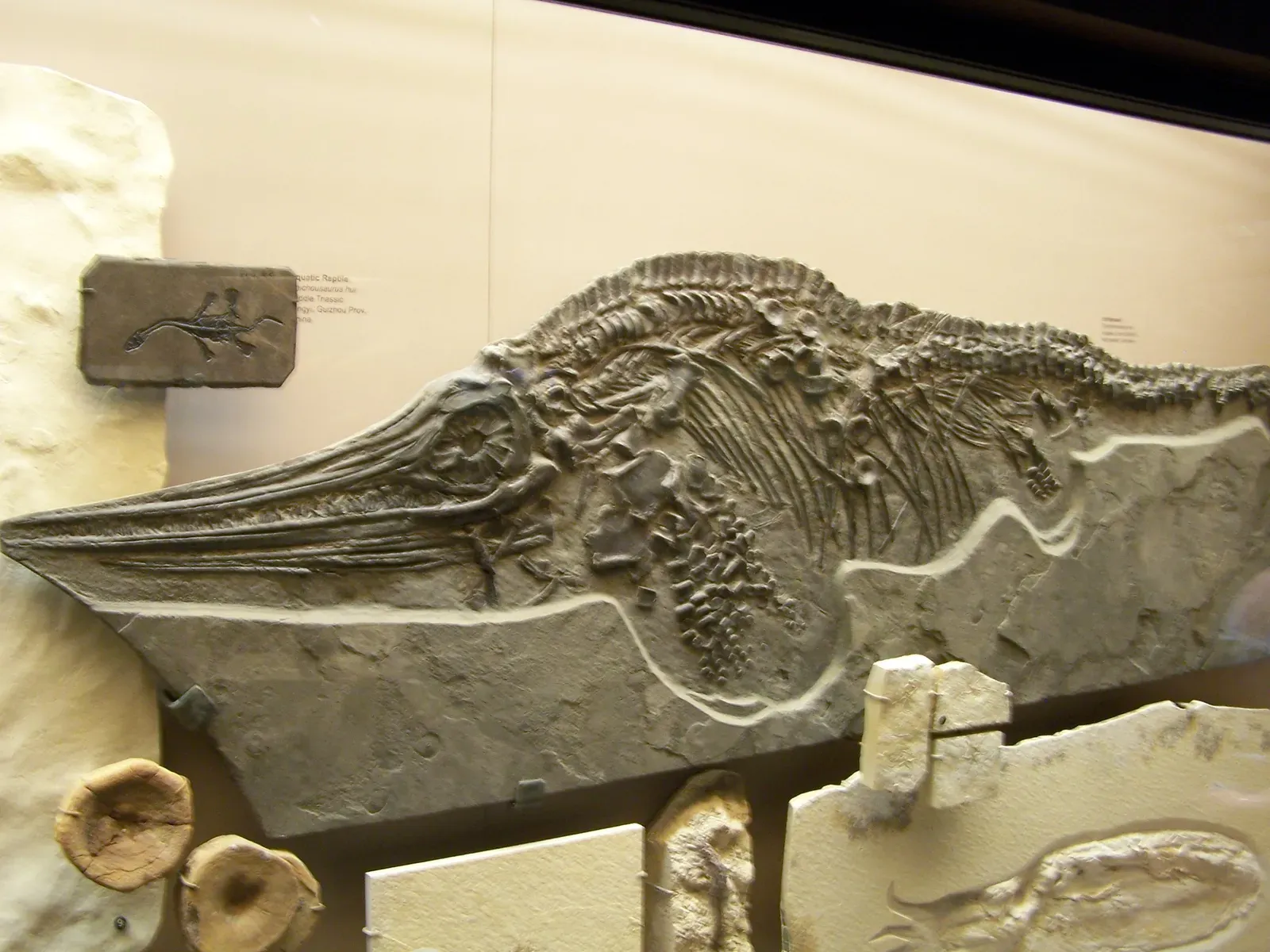
In 2011, a geologist proposed that a giant, kraken-like cephalopod had arranged the bones of dead ichthyosaurs into a deliberate pattern – essentially a prehistoric “self-portrait.” The claim was based on a single bonebed in Nevada containing jumbled ichthyosaur remains.
The vast majority of paleontologists rejected the idea almost immediately, pointing out that ordinary decay, currents, and scavenging explain the bone arrangement just fine. No kraken fossil, no tentacle imprint, no beak – just an interpretation of bone placement that the field has spent over a decade quietly distancing itself from. It’s a reminder that a compelling story and a supported theory are not the same thing. Next up: a single feather that somehow decided the color of an entire dinosaur.
#14 – Archaeopteryx’s Feather Color Came From One Fossilized Feather
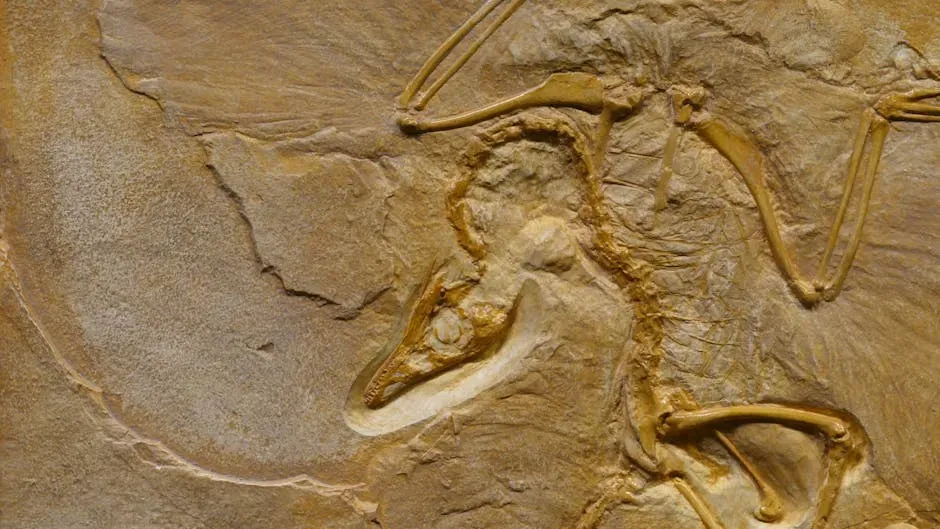
For decades, artists guessed at dinosaur and early bird colors using pure imagination. Then scientists claimed they’d cracked actual pigment evidence from a single isolated Archaeopteryx feather, examining melanosomes preserved inside it and concluding it was likely black.
The claim made global headlines as the first scientifically determined color of any fossil bird. But later researchers questioned whether the feather even belonged to Archaeopteryx at all, since it wasn’t found attached to a body. An entire “breakthrough” about prehistoric color science rested on one loose feather with uncertain ownership. Coming up is a dinosaur that might just be an awkward teenager.
#13 – The “Dragon” Dinosaur That Might Just Be a Teenager
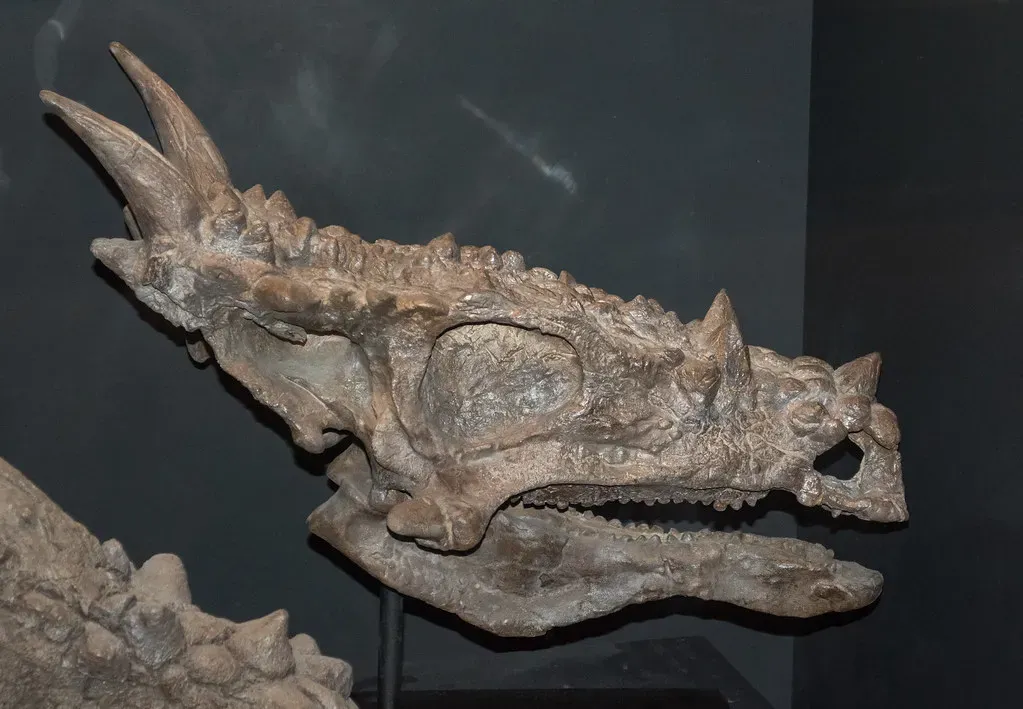
Dracorex hogwartsia, a spiky-skulled dinosaur named after Harry Potter’s school, was announced as a completely new species in 2006. Within a few years, researchers proposed something far less exciting.
Dracorex, along with a related genus called Stygimoloch, might not be separate species at all – they could simply be juvenile and adolescent growth stages of the already-known Pachycephalosaurus, whose dome may not have fully formed until adulthood. This debate hinges on a small handful of skulls, not a large population sample that would settle it for good. Some paleontologists still defend Dracorex as valid; others consider the case essentially closed. Coming up next is an almost identical fight, only this one involves the most famous predator in history.
#12 – Is Nanotyrannus Even a Real Dinosaur?
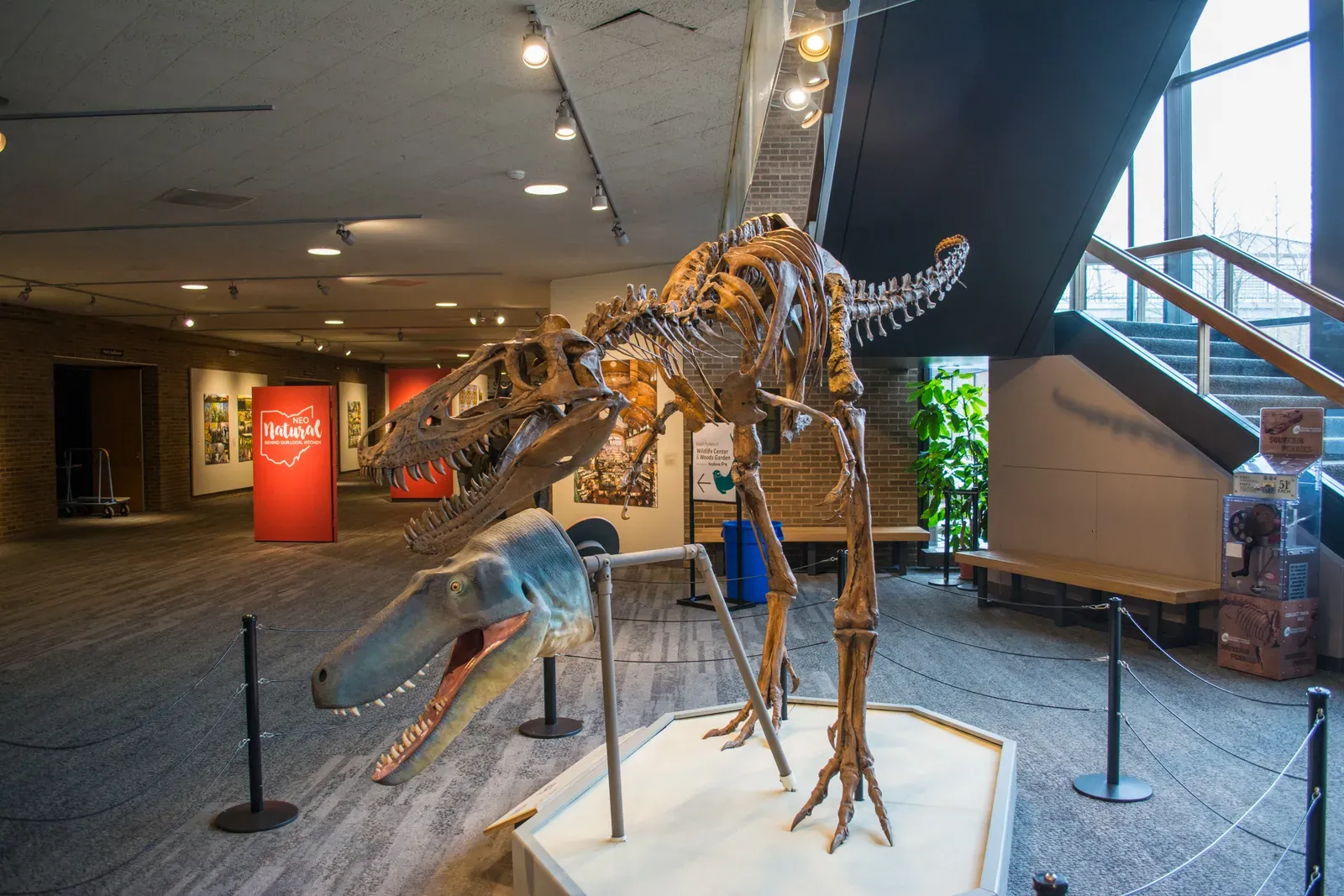
Nanotyrannus was named from a single skull discovered decades ago, and it’s been arguing with T. rex’s family tree ever since. The core question: is this skull a smaller, separate tyrannosaur species, or simply a juvenile Tyrannosaurus rex captured mid-growth-spurt before its skull fused into the massive, bone-crushing form adults are famous for?
Bone growth-ring analysis has been used by both sides of the debate to argue opposite conclusions from the same handful of specimens. This isn’t a fringe theory – it’s a legitimate, ongoing disagreement among credentialed paleontologists, and new specimens occasionally reignite it. An entire species’ validity hangs on interpreting bone texture in a couple of skeletons, which is a shockingly thin foundation for such a heated argument. Next: a dinosaur that might just be an old Triceratops.
#11 – Torosaurus Might Just Be an Old Triceratops
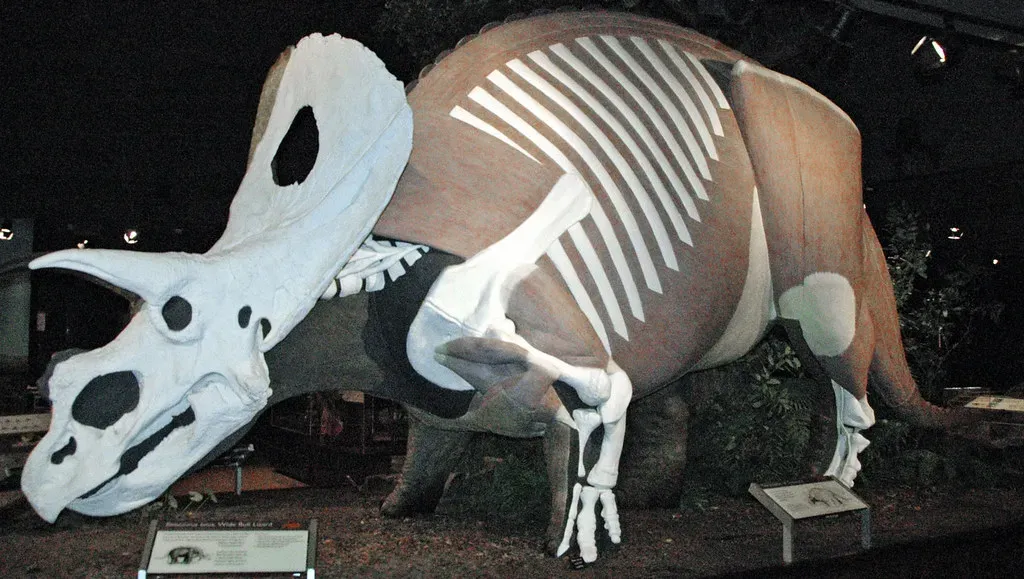
Triceratops is one of the most recognizable dinosaurs on Earth. Torosaurus, a similar horned dinosaur with a longer frill, is far less famous – and might not exist as a separate animal at all.
A controversial 2010 study argued that Torosaurus specimens are simply fully mature Triceratops individuals, whose frills developed thin, distinctive holes only late in life. If true, decades of museum labels describing two separate genera would technically be describing one animal at different ages. The debate isn’t fully settled, but the fact it exists at all shows how fragile species boundaries can be when they rest on a limited number of skulls. Next up: an arm mystery that outlasted entire scientific careers.
Quick Compare
- Dracorex vs. Pachycephalosaurus: possibly just a juvenile growth stage, not its own species.
- Nanotyrannus vs. T. rex: possibly a young Tyrannosaurus before its skull fully fused.
- Torosaurus vs. Triceratops: possibly a fully mature Triceratops with a longer frill.
- All three debates rest on a small handful of skulls, not a large fossil sample.
#10 – Deinocheirus Was Just Giant Arms for 50 Years
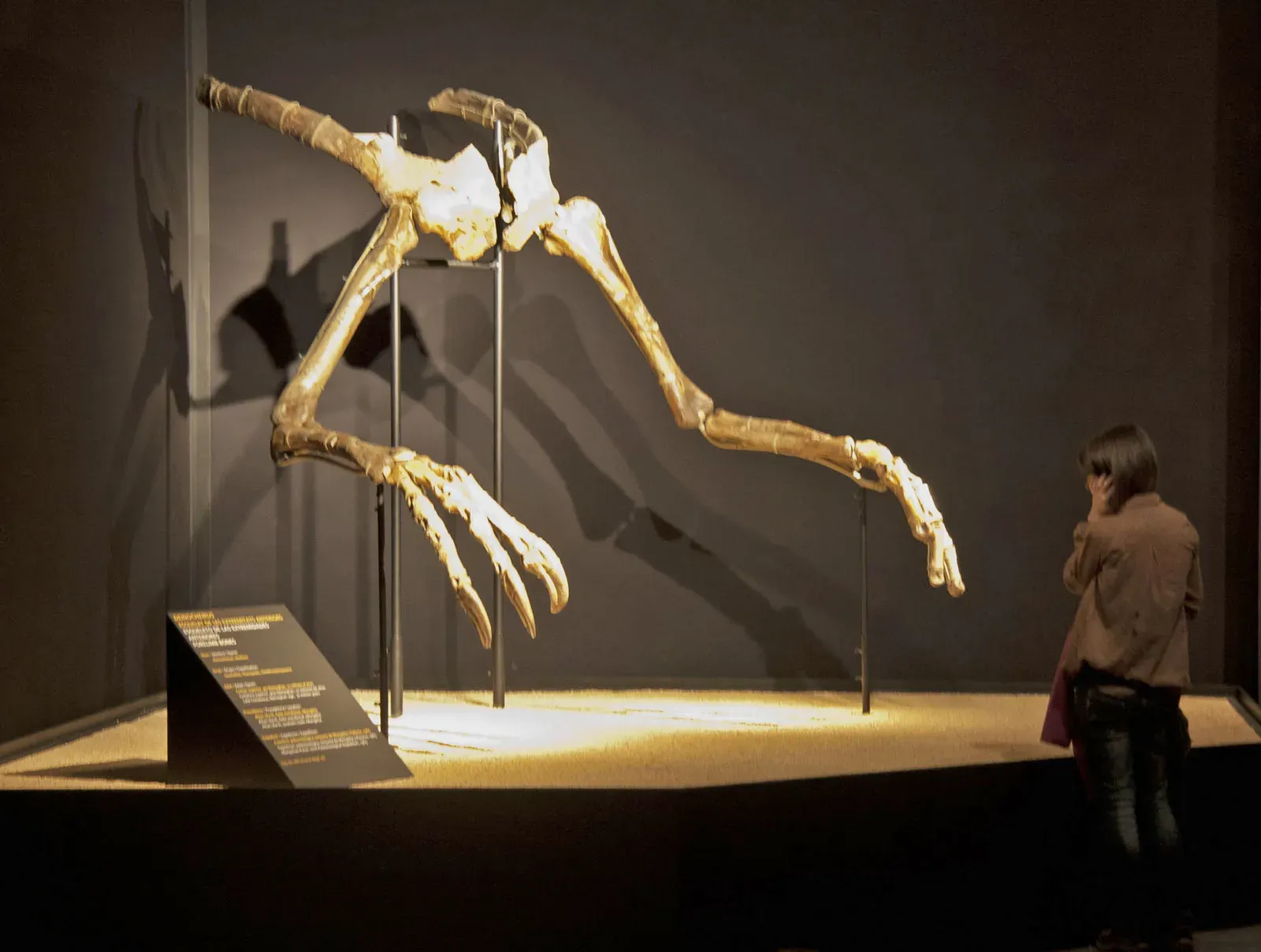
In 1965, paleontologists in Mongolia uncovered a pair of enormous, eight-foot-long arms ending in claws – and nothing else usable. No skull. No legs. No body.
For nearly five decades, Deinocheirus existed in the public imagination purely as a mystery monster built from two arms, inspiring wild speculation about a terrifying predator lurking behind those claws. Then, in 2014, more complete skeletons finally surfaced, and the reveal stunned everyone: Deinocheirus was actually a bizarre, humpbacked, duck-billed omnivore, nothing like the horror fifty years of speculation had built. Coming up: a dinosaur that’s been rebuilt from scratch more than once.
#9 – Spinosaurus Has Been Rebuilt From Scratch Multiple Times
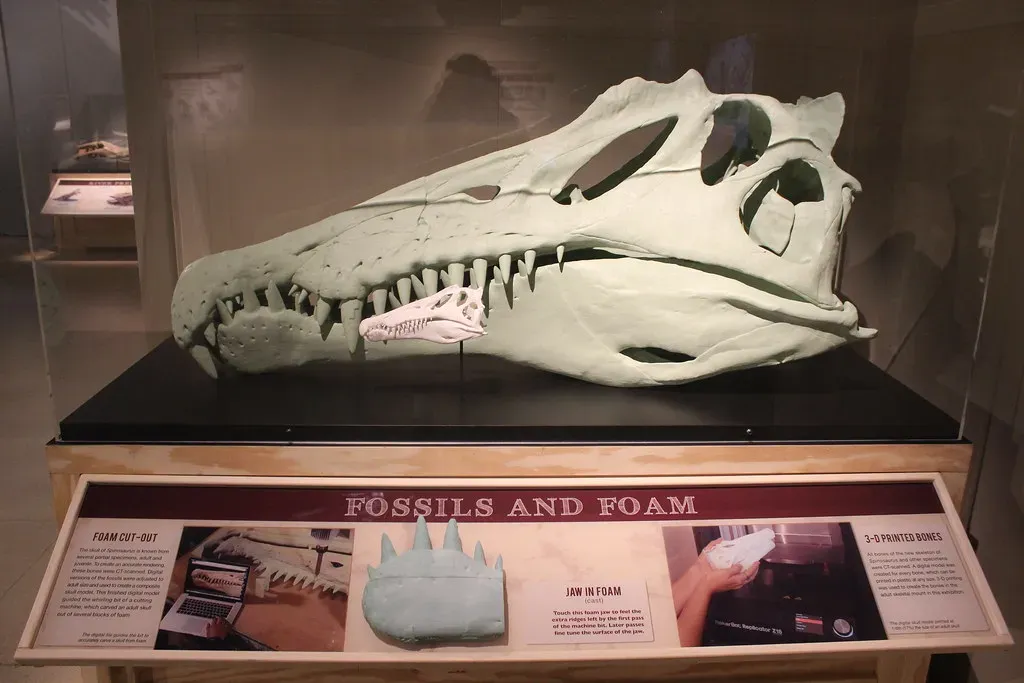
Spinosaurus is famous for having a sail on its back and jaws built for fishing, but here’s what doesn’t get mentioned enough: the original specimen was destroyed in a WWII bombing raid in 1944.
Everything scientists know about Spinosaurus since then comes from later, incomplete discoveries, forcing researchers to essentially reconstruct the animal’s body plan from scratch using partial skeletons found decades apart. A 2020 study proposed it had a paddle-like tail built for swimming, based on a partial skeleton found in Morocco – and even that faced pushback from researchers questioning how representative one specimen can be of an entire species. This is a dinosaur that has been “figured out” and un-figured-out more times than almost any other. Next up: the very first dinosaur ever named.
At a Glance
- 1915: The original Spinosaurus specimen is described from partial remains in Egypt.
- 1944: That original specimen is destroyed during a WWII bombing raid.
- 2014: New, more complete skeletal material resurfaces, reshaping the whole animal.
- 2020: A partial tail fossil from Morocco suggests a paddle-like, swimming tail.
#8 – The First Dinosaur Ever Named Came From a Jawbone and Some Loose Bones
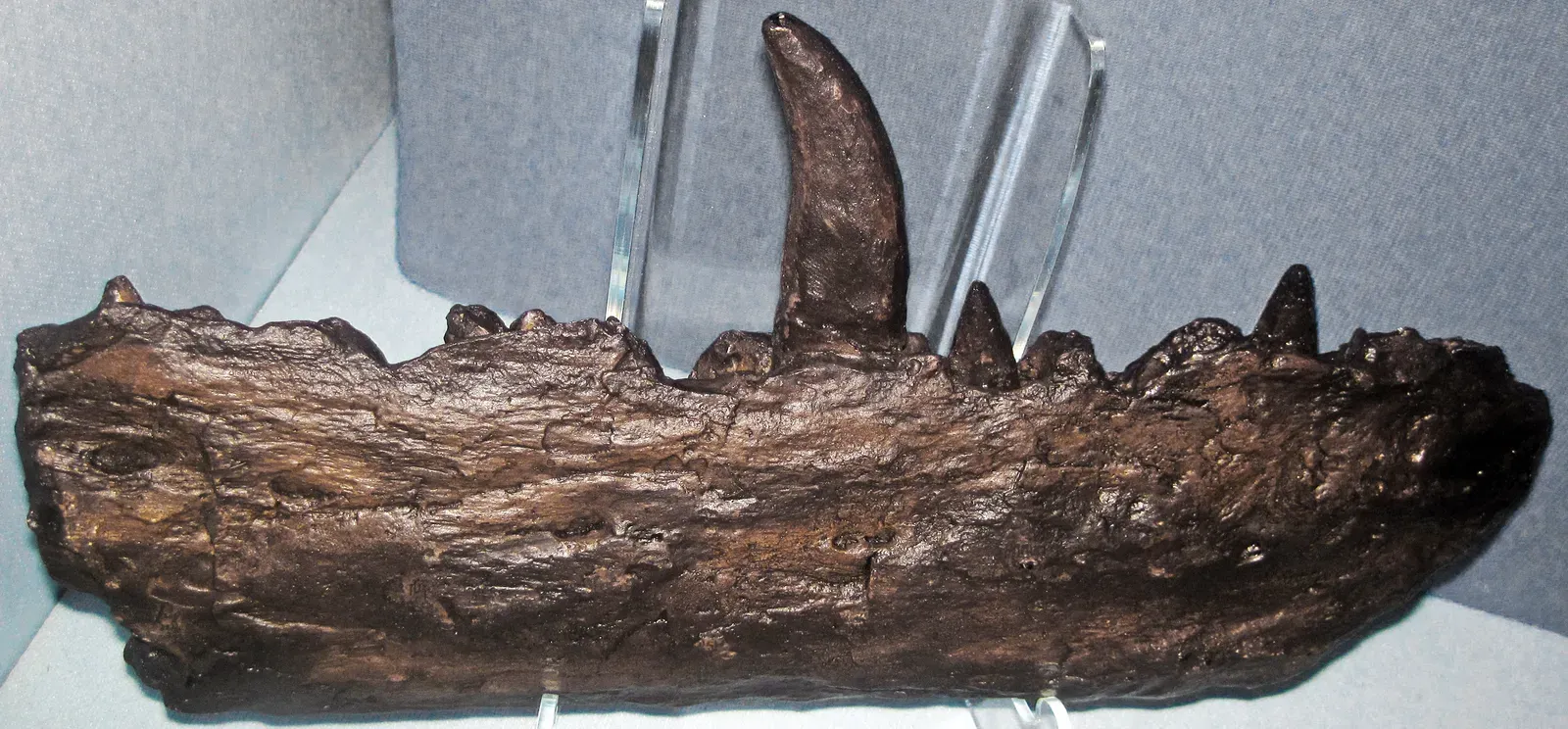
Before “dinosaur” was even a word, scientists in 1824 named Megalosaurus using a partial lower jaw, some vertebrae, and a handful of limb bones. With so little to go on, early reconstructions got creative.
The famous Crystal Palace sculptures built in the 1850s show Megalosaurus as a hulking, four-legged, dragon-like beast – an image based almost entirely on guesswork stitched around those original fragments. It stood as the public’s mental image of a dinosaur for generations. Modern paleontologists now understand it as a bipedal predator built more like other theropods, nothing like the lumbering quadruped Victorian sculptors imagined. Next: a Canadian “dinosaur” that turned out to be something else entirely.
#7 – Canada’s “First Dinosaur” Wasn’t a Dinosaur at All
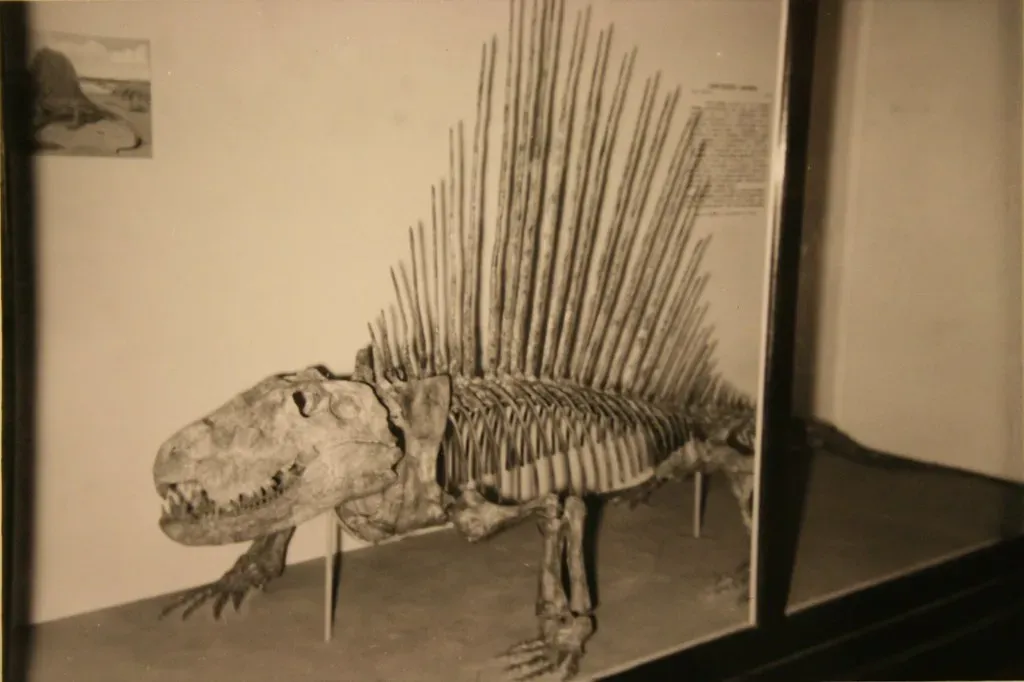
In 1845, a landowner in Prince Edward Island found a fossilized jaw fragment that would be named Bathygnathus borealis and celebrated as an early Canadian dinosaur. There was just one issue: it wasn’t a dinosaur.
Decades of re-examination followed, and researchers eventually determined the fossil belonged to a completely different branch of vertebrates – a synapsid, the group that eventually gave rise to mammals. In 2015, a team of Canadian paleontologists went even further, renaming it Dimetrodon borealis after CT scans and eight preserved teeth confirmed it belonged to the same group as the famous sail-backed Dimetrodon. A single jaw fragment misled science for over 160 years. Next up is a mistake that’s arguably even more embarrassing.
#6 – Elasmosaurus Had Its Head Glued to the Wrong End
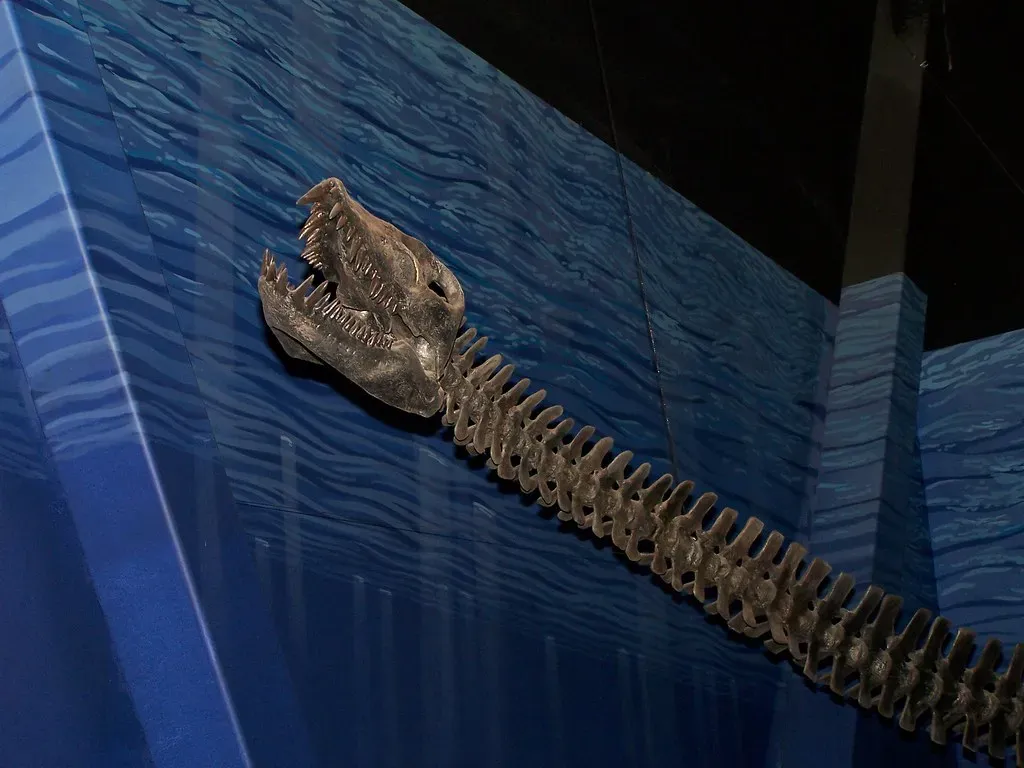
In 1868, famed paleontologist Edward Drinker Cope reconstructed the long-necked marine reptile Elasmosaurus from an incomplete skeleton – and put the skull on the tail end instead of the neck. The mistake made a strange kind of sense: nobody had ever seen anything with a neck that impossibly long, so Cope assumed the shorter end must be the neck.
Rival paleontologist Othniel Charles Marsh publicly corrected the error, kicking off one of the most personal and vicious feuds in scientific history, later nicknamed the “Bone Wars.” Cope reportedly tried to buy back every copy of his erroneous paper once the mistake became public. It didn’t work. Coming up: a “biggest dinosaur ever” claim based on a bone that no longer exists.
#5 – The Largest Dinosaur Ever Might Be Based on One Lost Bone
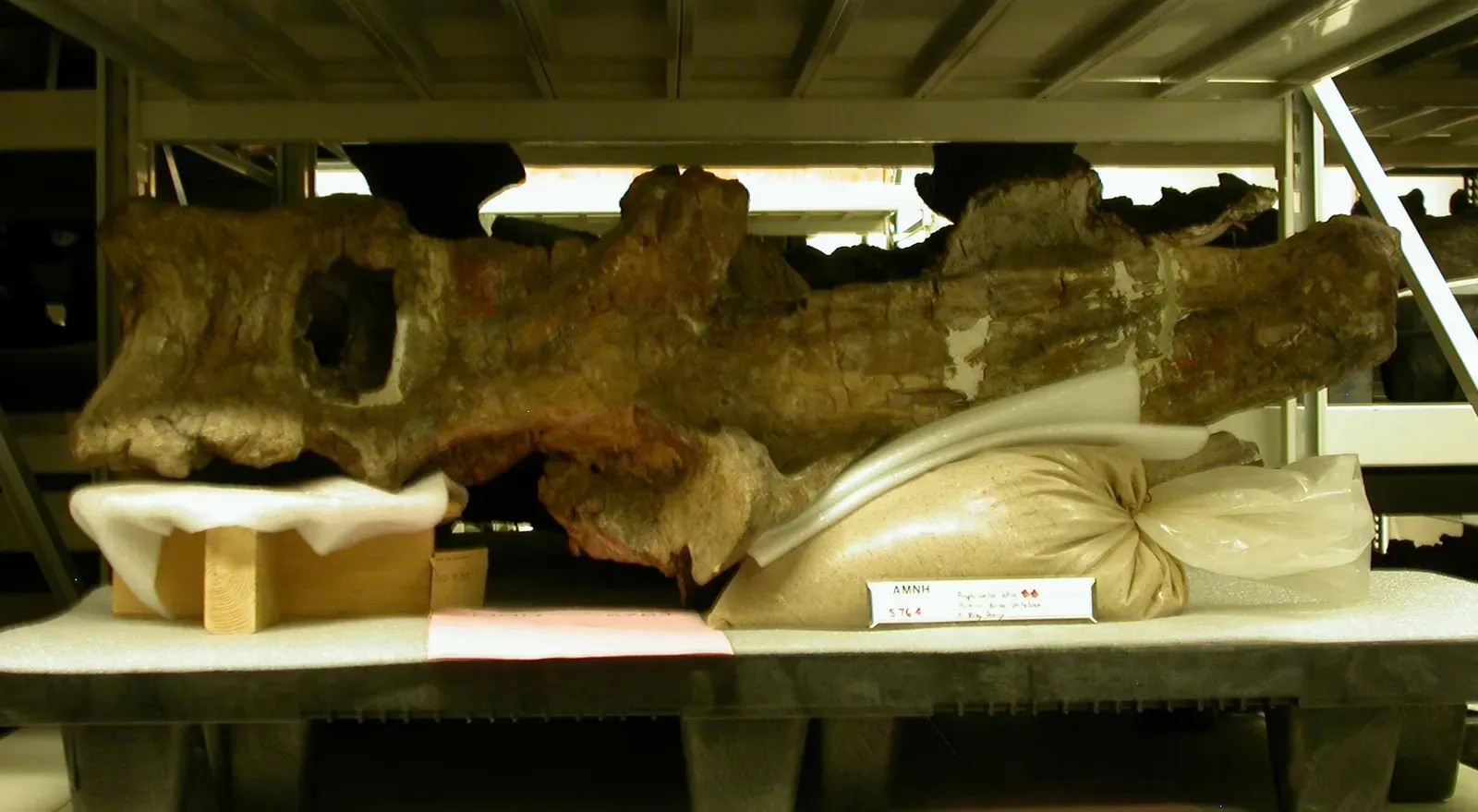
Amphicoelias fragillimus was described in 1878 as a sauropod so massive it would dwarf every other dinosaur ever found – potentially the largest land animal in Earth’s history. Here’s the problem: the only fossil remains were lost sometime after being studied in the 1870s, meaning evidence survives only in drawings and field notes.
No physical specimen has ever been re-examined by modern scientists. The entire “biggest dinosaur ever” claim rests on 19th-century notes about a bone nobody alive today has ever touched. One analysis concluded the super-gigantic version is a “highly unlikely” creature, and some researchers have even suggested a simple typo in the original measurements could explain the impossible numbers. Next up is a hoax that fooled scientists for decades using literally one tooth.
#4 – “Nebraska Man” Was Built From a Single Tooth That Wasn’t Even Human
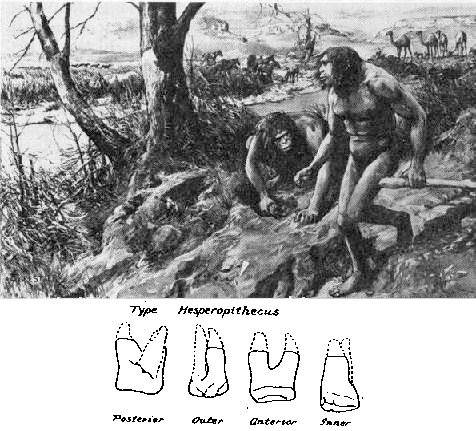
In 1917, a single fossilized tooth found in Nebraska was presented as evidence of an early human ancestor in North America, dubbed Hesperopithecus haroldcookii, or “Nebraska Man.” Illustrations soon followed showing an entire reconstructed family, complete with facial features, posture, and even a domestic scene – all extrapolated from one tooth.
The tooth was later identified as belonging to an extinct species of peccary, essentially a wild pig relative, not a primate at all. The case became a cautionary tale taught for generations, precisely because of how far a single fragment traveled before anyone checked it properly. It remains one of the clearest examples of a claim built entirely on a fragment too small to support it. Next up is a mix-up so famous it changed how we picture an entire dinosaur.
#3 – Iguanodon’s “Nose Horn” Was Actually a Thumb
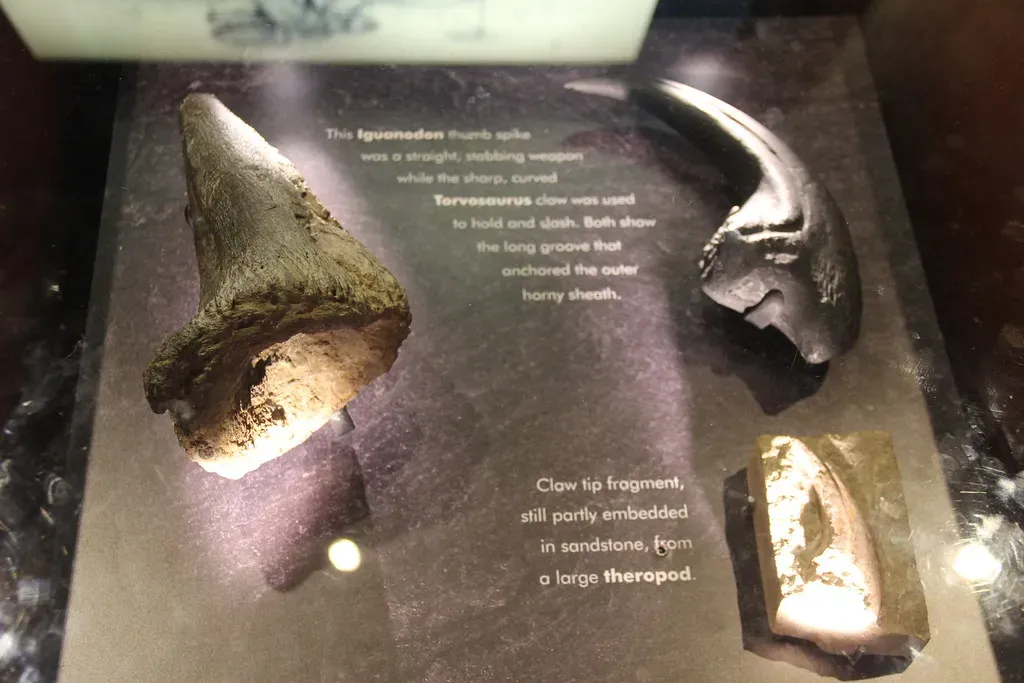
When Iguanodon was reconstructed in the early 1800s, scientists placed a large spike bone right on the tip of its snout, giving it a rhino-like horned nose. The reconstruction stood for decades, based on isolated bones without a complete skeleton to check the placement against.
It wasn’t until more complete skeletons were discovered in Belgium in 1878 that scientists realized the “nose horn” was actually a thumb spike, positioned on the hand the entire time. This wasn’t a fringe error – it was the accepted scientific consensus for the better part of half a century, taught confidently to students and displayed in major museums. It’s a strong reminder that “settled science” in paleontology has been wrong before, sometimes for generations at a time. Next up is a name so recognizable that most people don’t even know it’s technically based on a mistake.
#2 – Brontosaurus Was Built With the Wrong Head
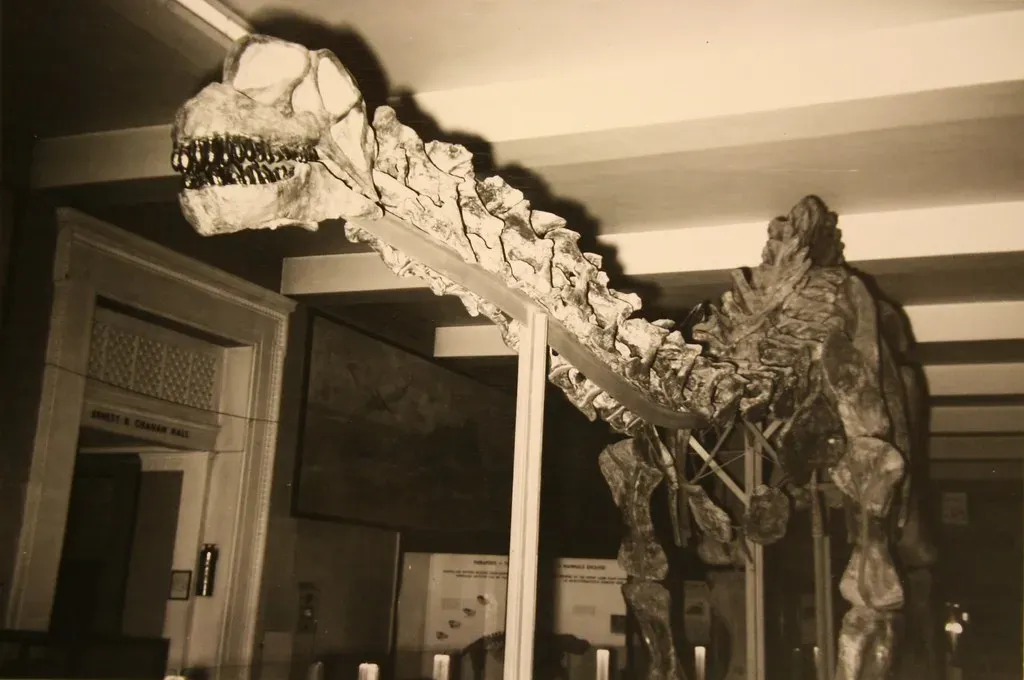
Brontosaurus might be the most famous dinosaur name in the world, immortalized in toys, cartoons, and museum halls for well over a century. It was also based on an incomplete skeleton missing its skull.
When paleontologist Othniel Charles Marsh described the specimen in 1879, he didn’t have the actual head – so he used a skull from a completely different dinosaur, Camarasaurus, assuming it was a reasonable stand-in. That assumption stuck in museum displays for generations. In 1903, scientists determined the skeleton was so similar to the already-named Apatosaurus that Brontosaurus was dropped entirely, treated as a duplicate name for the same animal. The story took another twist in 2015, when a large-scale anatomical study argued Brontosaurus showed enough real skeletal differences to be reinstated as its own valid genus. Either way, the skull glued onto those original mounts never belonged to the animal at all. None of this compares to the most embarrassing single-find scandal in modern paleontology.
#1 – Archaeoraptor Was a Fake “Missing Link” Glued Together From 88 Fossil Pieces
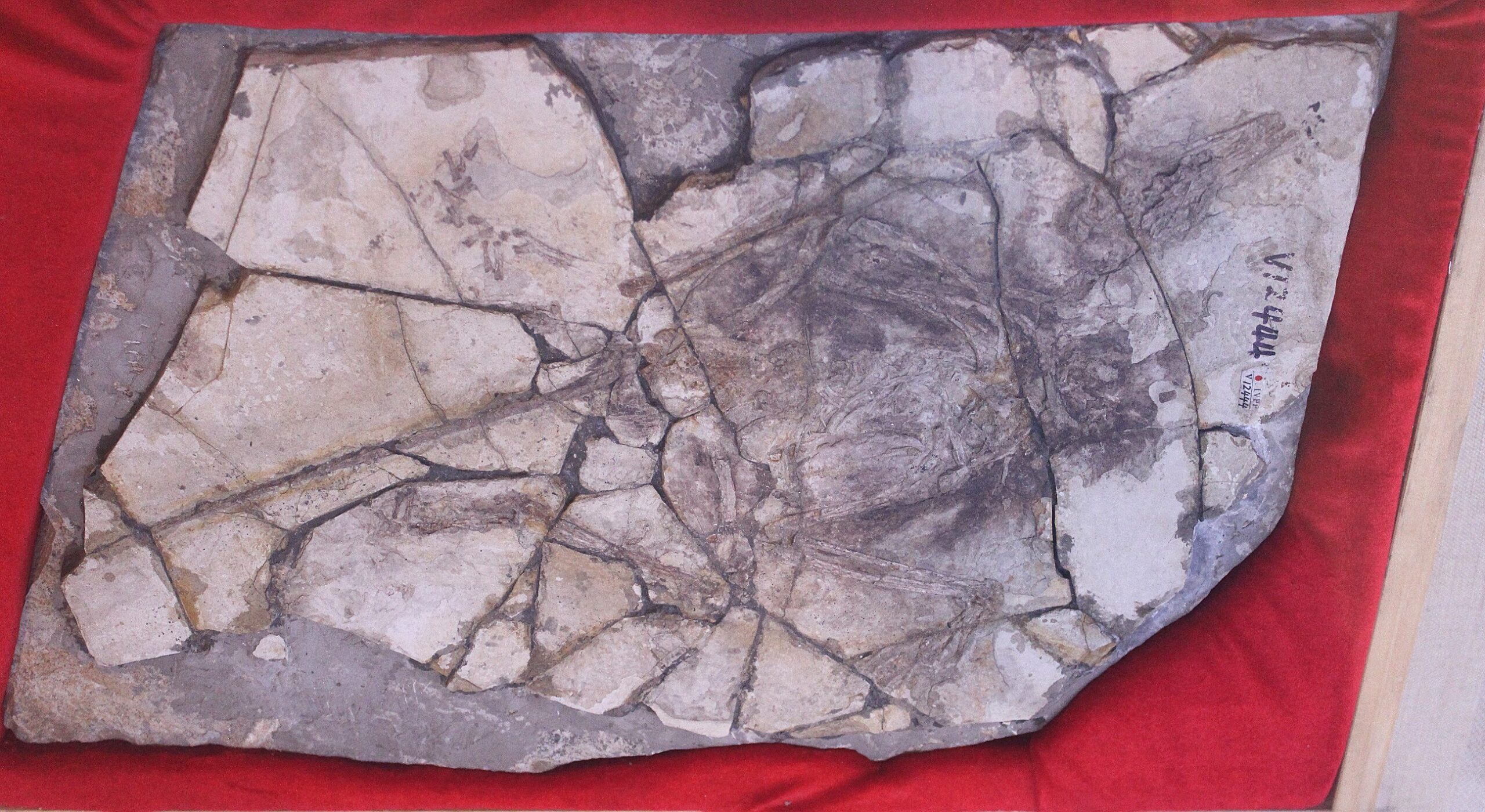
In 1999, National Geographic unveiled what it called definitive proof that birds evolved from dinosaurs: a stunning fossil named Archaeoraptor, smuggled out of China and purchased for $80,000. The magazine hailed it as “a true missing link in the complex chain that connects dinosaurs to birds.”
There was one catastrophic problem: it wasn’t real. Using high-powered X-ray scans, researchers discovered the “missing link” was artfully created from 88 fragments of rock and fossil arranged in three layers. The tail belonged to one dinosaur species, and the body belonged to an entirely different primitive bird, glued together by a fossil dealer to create a more sellable, sensational specimen.
Greatest mistake of my life.
Phil Currie, paleontologist, on his involvement with Archaeoraptor
The fallout was brutal. National Geographic issued an extremely embarrassing retraction and launched an inquiry. Ironically, the individual fossil pieces used to build the fake turned out to include two genuinely new species, including what was then the smallest known dinosaur. The “missing link” never existed – but the scandal became one of the most infamous cautionary tales in the history of fossil science.
Worth Knowing
- The fossil was smuggled out of China and purchased for $80,000 before its unveiling.
- X-ray scans revealed it was assembled from 88 separate fragments of rock and fossil.
- The tail and the body were later traced to two completely different ancient animals.
- Pieces used in the fraud ironically included two genuinely new species, one a record-setter for size.
The Bottom Line
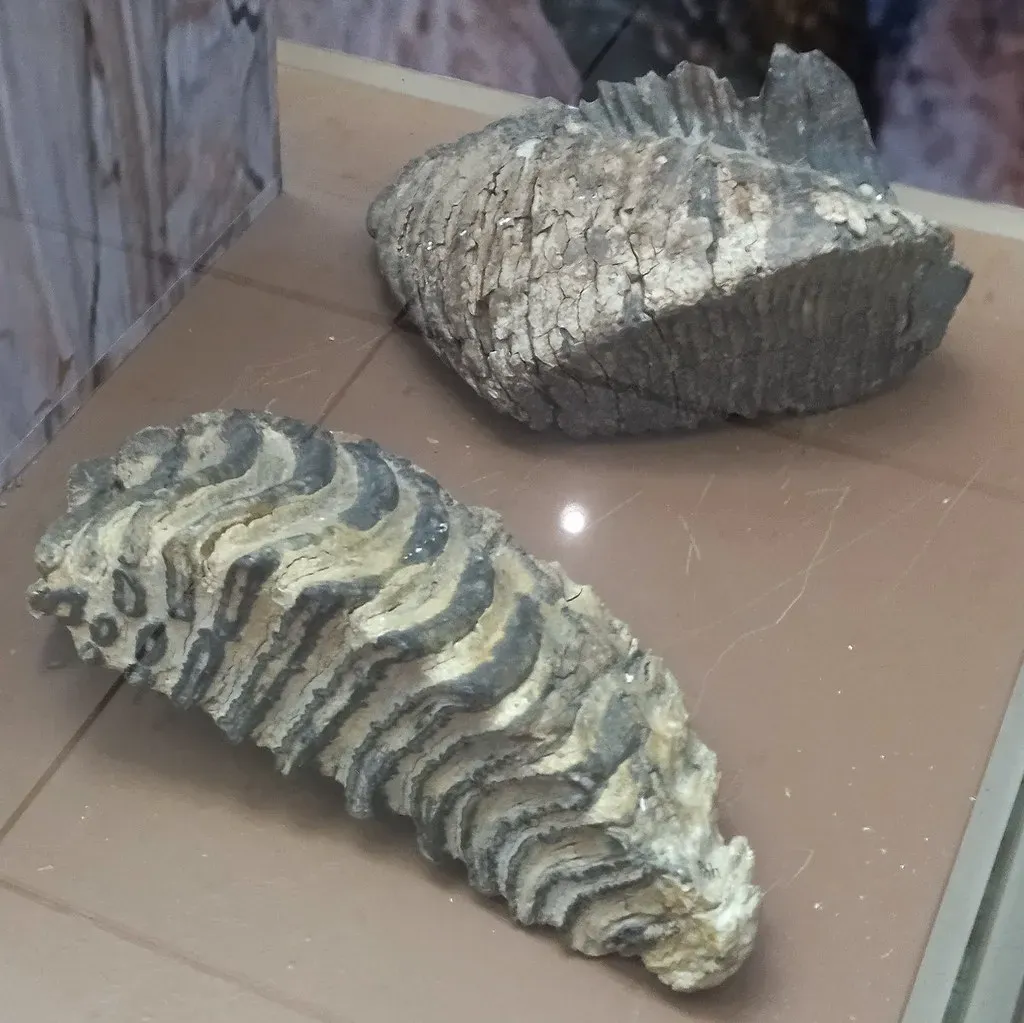
Here’s the uncomfortable truth this list keeps proving: paleontology runs on incomplete evidence far more often than museum plaques let on. A missing skull got glued on with the wrong one. A thumb spike became a nose horn. A pig tooth became a human ancestor. A shark’s entire size gets guessed from teeth alone.
Some of these were honest mistakes corrected by careful science doing exactly what it’s supposed to do. Others, like Archaeoraptor, were outright fraud dressed up as discovery. Either way, the next time a headline claims a “groundbreaking prehistoric find,” it’s worth asking how many bones actually back it up – because history says the answer is often “not many.” Which of these surprised you the most? Drop your pick in the comments.