
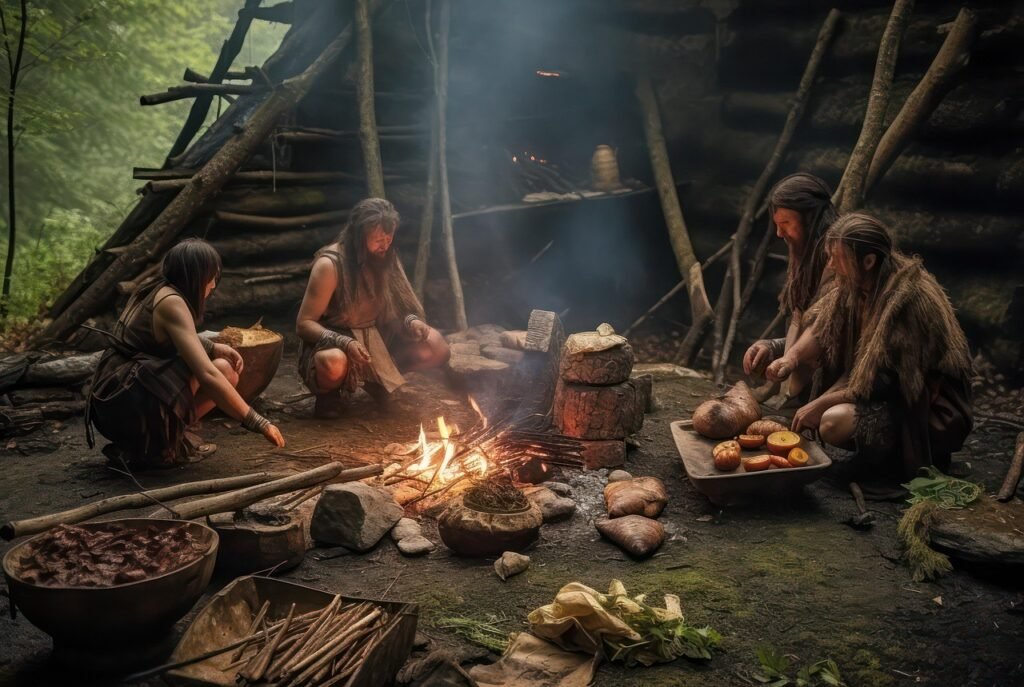
Picture the classic caveman scene: a hairy guy hunched over a fire, tearing into a mammoth steak the size of a car door. That image has been sold to us by cartoons and museum dioramas for so long that most people assume it’s basically accurate.
It isn’t. The real evidence – fossilized poop, scorched crumbs stuck to ancient hearths, and plaque scraped off 100,000-year-old teeth – tells a story that’s weirder, riskier, and honestly more impressive than any Hollywood caveman scene. We’re talking about foods that could poison you if you got the recipe wrong, foods stored like prehistoric leftovers for weeks, and foods most modern people wouldn’t touch with a ten-foot spear. Here’s what our ancestors actually survived on.
#1 – Termites and Ants: A Protein Grab That Predates Fire Itself
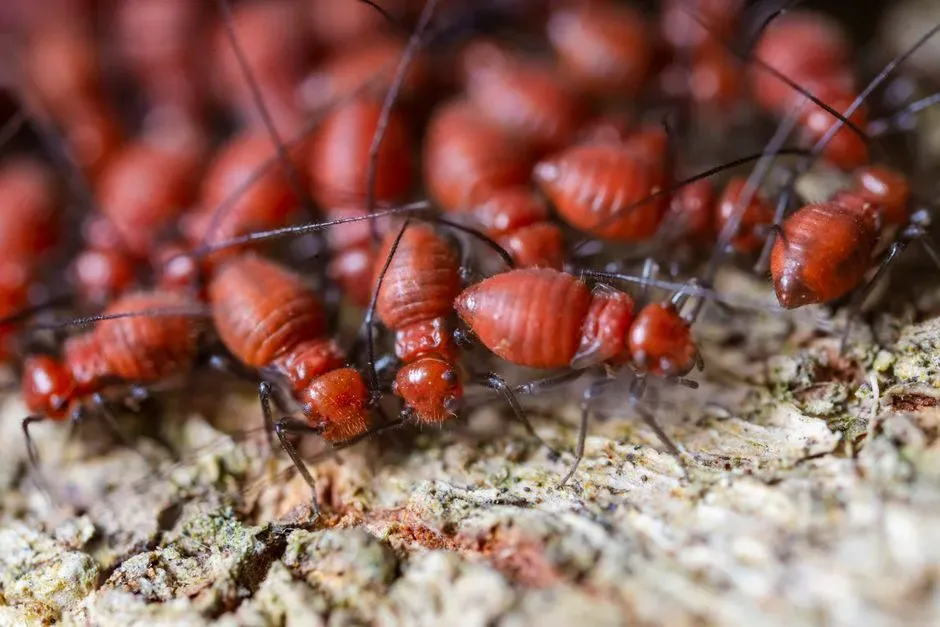
Long before anyone learned to control flame, early hominins were already raiding termite mounds with sharpened bone tools. Researchers examining more than 100 polished bone fragments from Swartkrans, South Africa, found that these tools – some over a million years old – carried wear patterns that matched digging into termite mounds, not scraping hides or any other task.
That’s not a one-off snack. It’s a dietary strategy that lasted for hundreds of thousands of years, passed down long before anyone thought to write anything down.
What makes this genuinely shocking is the nutritional math. Termites weren’t just filler food; they were calorically superior to meat. A 100-gram serving of these insects provides 75 percent more calories than an equivalent amount of rump steak. Scientists matched the microscopic scratch patterns on the tools to lab experiments simulating termite-mound digging, and the match was undeniable.
- Chimpanzees do the exact same thing today with sticks, hinting this behavior is millions of years older than tool-making itself.
- The isotopic signature in some hominin fossils looks eerily similar to that of the modern termite-eating aardvark.
#2 – Bone Marrow Stored Like Prehistoric “Canned Soup”
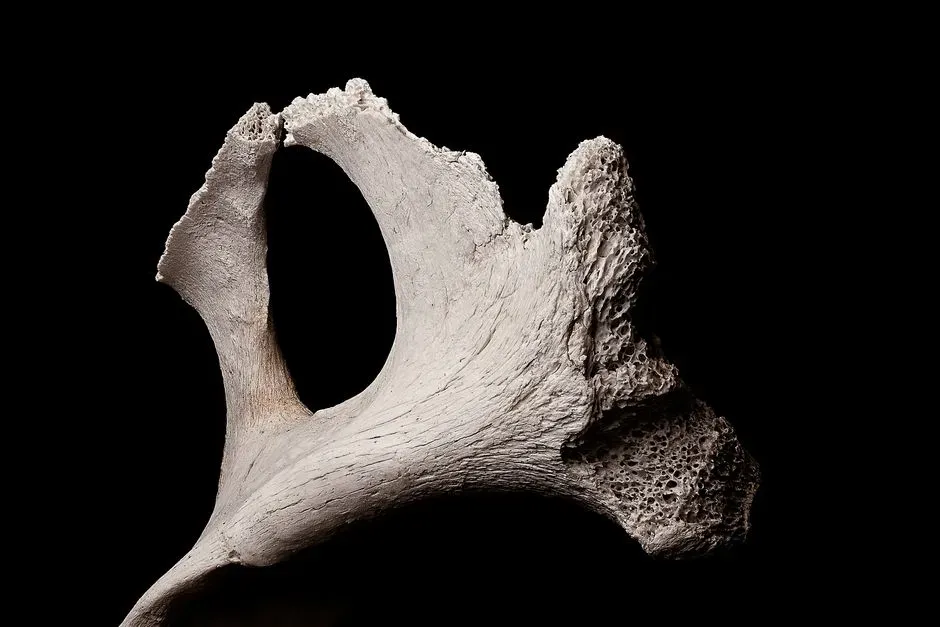
Forget the idea that early humans devoured everything the second they killed it. At Qesem Cave near Tel Aviv, archaeologists found something that upends the “hand-to-mouth” hunter-gatherer stereotype entirely.
Researchers discovered that early Paleolithic people saved animal bones for up to nine weeks before finally cracking them open inside Qesem Cave, roughly 400,000 years ago. They weren’t tossing bones aside after butchering – they were planning ahead. The skin was deliberately left on the bone shafts because it acted as a natural preservative wrapper.
“Bone marrow constitutes a significant source of nutrition and as such was long featured in the prehistoric diet.”
Professor Ran Barkai
Until this discovery, evidence had pointed to marrow being eaten immediately after a kill, not saved. Essentially, our ancestors turned deer leg bones into the world’s first canned food, using the bone as the container and skin as the lid. This single discovery pushed back the timeline for delayed-gratification food storage by hundreds of thousands of years.
#3 – Ground Wild Seeds Turned Into Primitive Flour
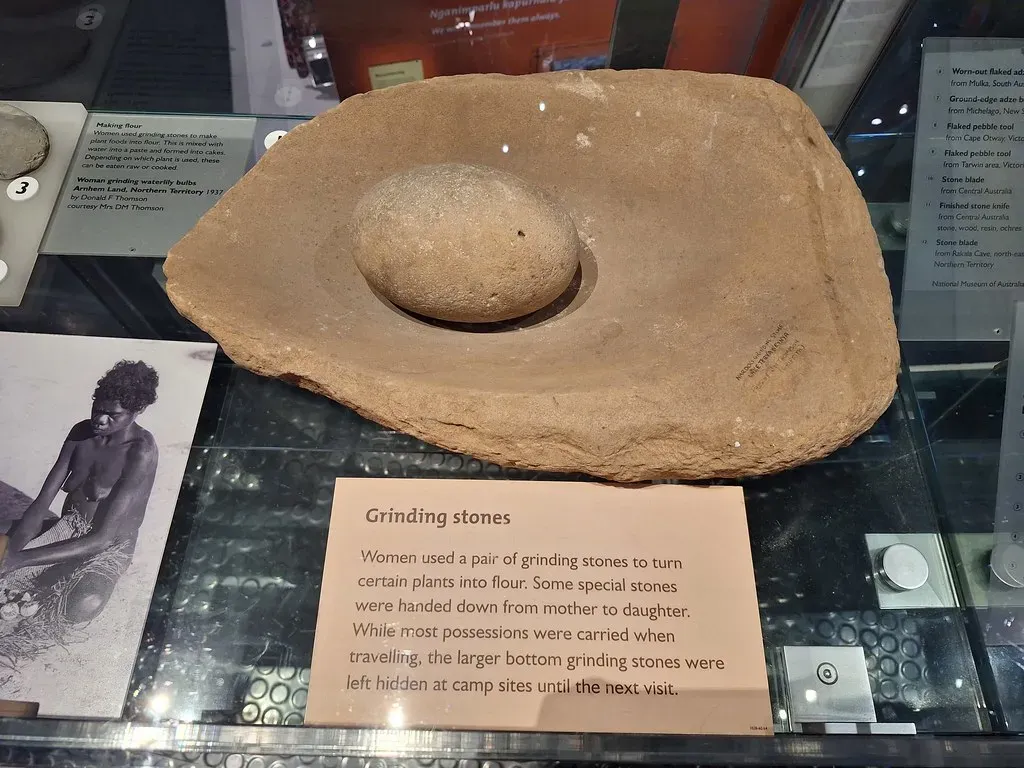
Here’s a myth that needs to die immediately: the idea that carbs are a modern invention agriculture forced onto humanity. Grinding stones tell a completely different story.
Archaeological evidence from South Africa dating back roughly 100,000 years shows Homo sapiens crushing wild grass seeds. That’s not a rounding error – that’s tens of thousands of years before the first farm ever existed. Researchers studying dental plaque on fossilized teeth found something even stranger hiding in the residue.
Preserved evidence shows early humans eating large amounts of starchy vegetable foods, including a primitive flourlike substance made from ground grains. Our ancestors were essentially baking prehistoric flatbread tens of millennia before Egypt existed. They crushed the seeds between stones, mixed them with water, and either ate the paste raw or cooked it over open flame – a process eerily similar to how flatbreads are still made in parts of the world today.
Fast Facts
- Site: South Africa’s grinding-stone evidence dates back roughly 100,000 years
- Method: wild grass seeds crushed between two stones, then mixed with water
- Result: a paste eaten raw or cooked over open flame – essentially the first flatbread
- Timeline: predates the first known farms by tens of thousands of years
#4 – Cooked Starchy Tubers Dug From the Dirt
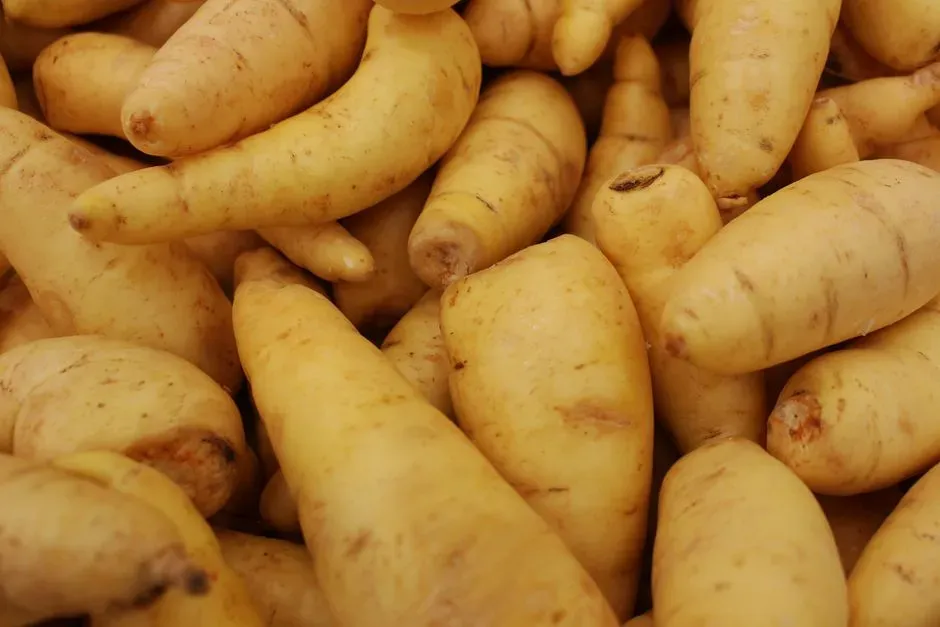
If you think root vegetables are a boring, modern side dish, early humans would disagree. Tubers were a survival staple long before anyone thought to plant a seed on purpose.
A sweeping review of global archaeological sites found that early humans regularly ate a diverse mix of plant and animal foods, including ground seeds and cooked tubers – proof they were far from the meat-obsessed cavemen pop culture loves to portray. This wasn’t a rare emergency food. It was a consistent, reliable calorie source.
In East Asia, scientists studying calculus stuck to fossilized teeth found the earliest direct evidence of a hominin diet built on acorns, roots, tubers, and grass seeds between 120,000 and 80,000 years ago. These starchy roots may have been the secret fuel behind our unusually large, glucose-hungry brains. Unlike lean meat, tubers deliver dense carbohydrates – exactly the steady energy source a growing human brain craves.
#5 – Acorns: The Bitter Nut That Became a Dietary Backbone
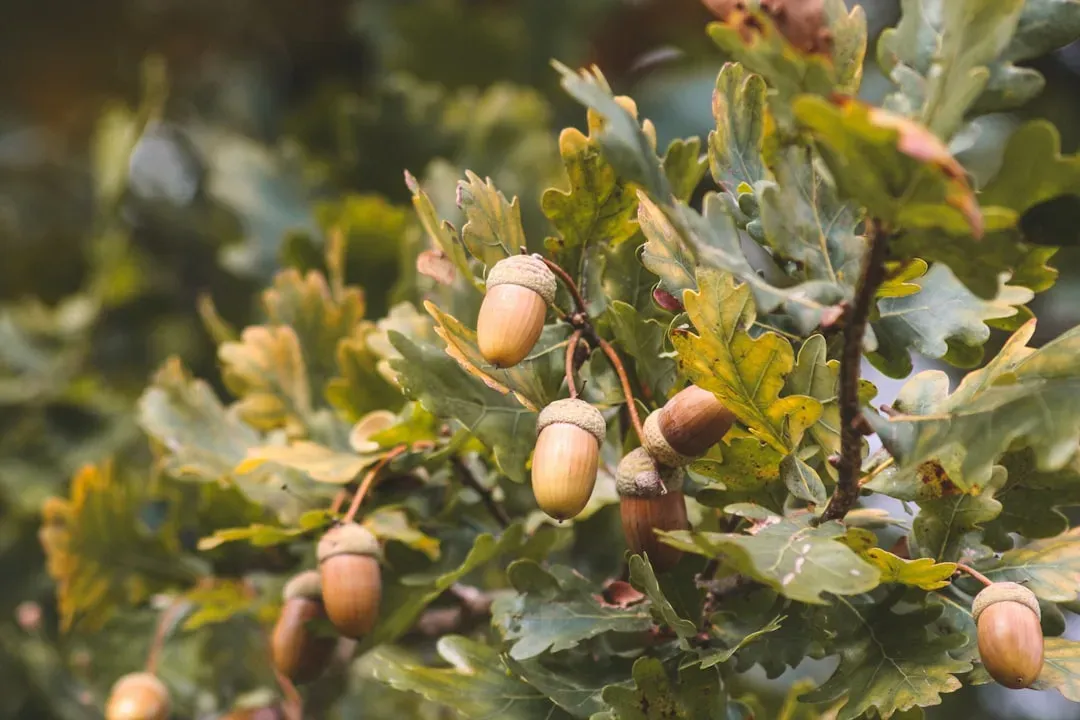
Modern humans mostly ignore acorns unless they’re feeding squirrels. Ancient humans treated them like a pantry staple, and the evidence is startlingly consistent across continents.
In China, researchers analyzing ancient dental calculus concluded that acorns played an important role in subsistence strategies, with a long-lasting tradition of using them during the Late Pleistocene. Thousands of miles away in Morocco, the pattern repeats almost identically.
At Taforalt Cave, scientists found evidence that the Iberomaurusians consumed fermentable starchy plants such as wild cereals or acorns, backed up by charred remains of sweet acorns, pistachio, pine nuts, wild oats, and pulses. The catch? Raw acorns are loaded with bitter tannins that early humans had to painstakingly leach out with water before eating them. That’s a multi-step processing job most modern people wouldn’t have the patience for – yet it became routine survival behavior across two separate continents.
#6 – Wild Mustard and Bitter Greens Used as Seasoning

Here’s where things get genuinely controversial among archaeologists: early humans weren’t just eating to survive – they were seasoning their food on purpose, thousands of years before anyone assumes “flavor” mattered to a hungry hunter-gatherer.
At Shanidar Cave in Iraqi Kurdistan, researchers uncovered charred food remains linked to both early modern humans around 40,000 years ago and Neanderthals around 70,000 years ago, including wild mustard and terebinth mixed into meals. Mustard seeds are sharp and pungent – nobody accidentally eats them for calories alone.
Many researchers now argue this proves flavor preference is far older than civilization itself, which challenges the popular idea that “cuisine” only began with settled societies. Plenty of textbooks still frame seasoning as a byproduct of agriculture and trade routes. The Shanidar evidence suggests otherwise: deliberate flavor combinations existed among people who had never seen a farm.
#7 – Terebinth (Wild Pistachio): An Oily, Tannic Staple
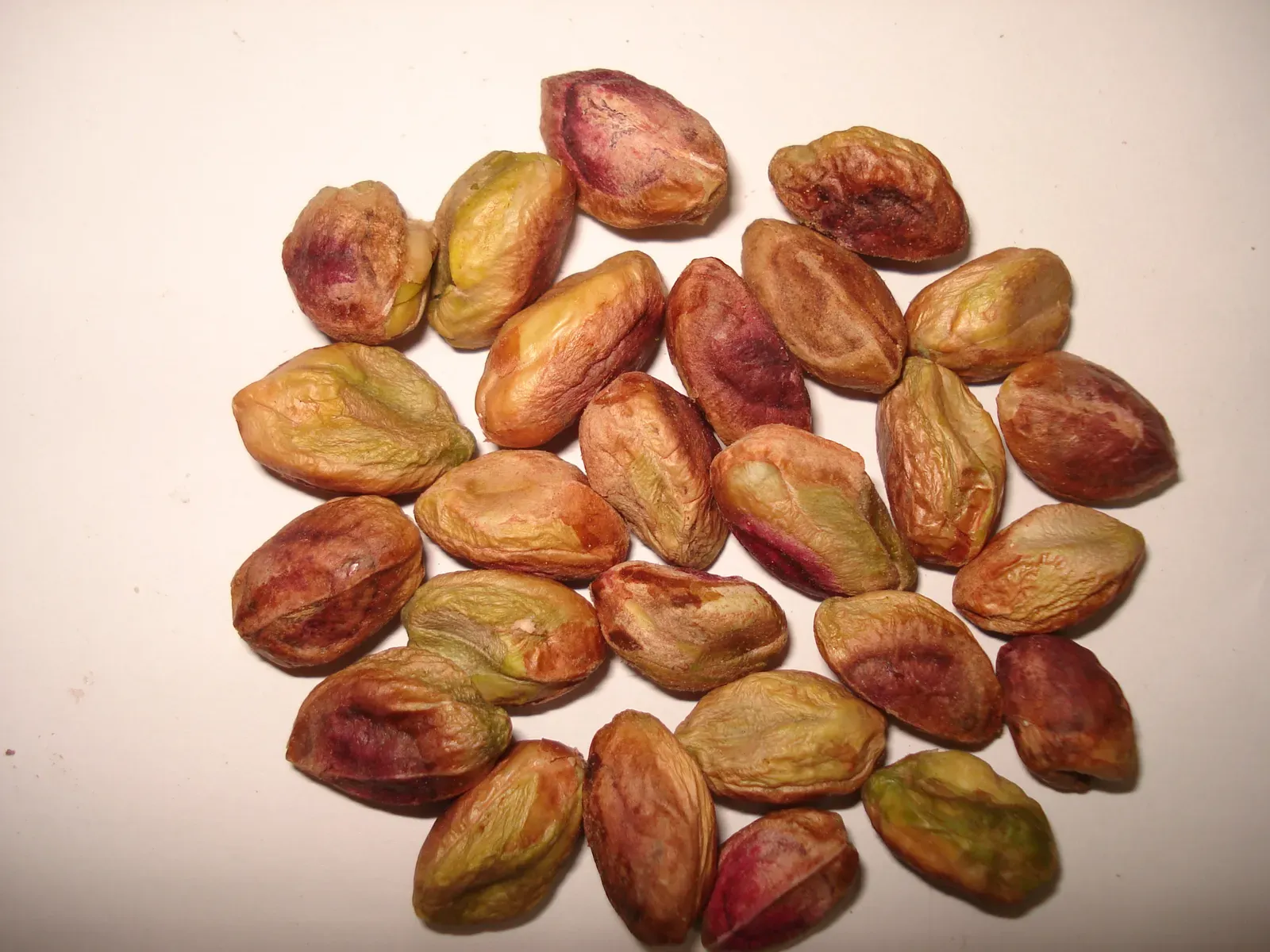
Terebinth doesn’t sound like a food most people would recognize, let alone crave, yet it shows up again and again in Paleolithic food remains across Southwest Asia and Europe.
Scientists describe terebinth, also known as wild pistachio, as tannin-rich and oily, appearing alongside wild almonds and wild fruits in plant remains from the later Paleolithic period, roughly 40,000 to 10,000 years ago. This wasn’t a rare delicacy – it was a recurring ingredient, mixed intentionally with other dishes.
Combined with grasses, tubers, meat, and fish, terebinth would have added a distinct hit of flavor and nutrition to otherwise plain staples. The oil content made it a legitimate fat source in a diet that otherwise ran lean for much of the year. Its tannic bite likely worked as both a natural preservative and a flavor enhancer – an ancient multitasking pantry item long before olive oil or butter existed in most regions.
At a Glance
- Time span: roughly 40,000 to 10,000 years ago
- Region: Southwest Asia and Europe
- Texture: oily and tannin-rich, often paired with wild almonds and fruit
- Role: doubled as flavoring and natural preservative
#8 – Charred Bread, Patties, and Porridge Made From Grass Seeds
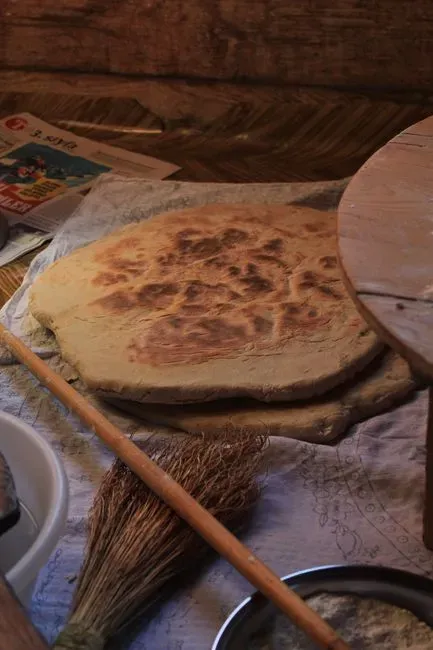
If someone told you Neanderthals were baking bread, you’d probably assume they were joking. The archaeological record says otherwise, and the details are almost unsettling in how familiar they sound.
At two Paleolithic sites spanning nearly 60,000 years, researchers found fragments of prepared plant foods – think burnt bread, patties, and porridge lumps – preserved in two caves. Under magnification, these looked like ordinary carbonized crumbs, but chemical analysis proved they were deliberately prepared meals.
Wild grass seeds were found mixed with pulses in charred remains from the Neanderthal layers themselves, meaning this wasn’t unique to modern Homo sapiens – Neanderthals were baking multi-ingredient recipes too. This single discovery quietly demolished decades of assumptions that Neanderthals were simple, opportunistic meat scavengers incapable of complex food prep.
#9 – Mammoth Meat and Fat: The Ultimate Ice Age Power Meal
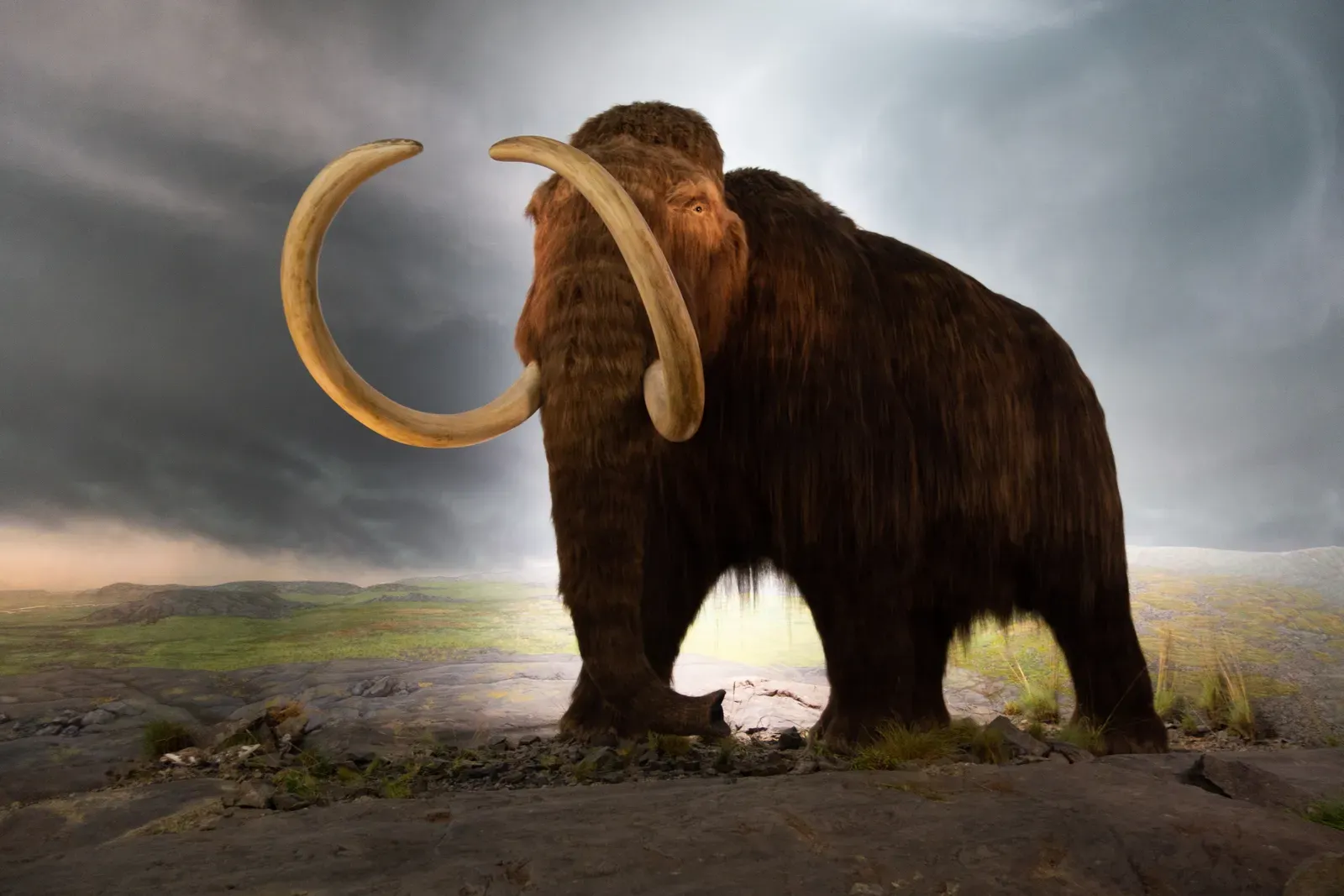
When people imagine “caveman food,” this is usually the only image that comes to mind – and for once, the stereotype has real teeth behind it, though not in the way most assume.
Isotopic analysis of some of Europe’s earliest modern human remains revealed a very high proportion of the nitrogen isotope 15N, consistent with heavy mammoth and plant consumption among the oldest anatomically modern humans in far southeast Europe. Mammoth wasn’t prized for meat alone – it was calorie-dense fat, which mattered enormously in freezing climates where starvation from fat deficiency, not just hunger, was a genuine threat.
Thousands of years later and an ocean away, the Clovis people of Ice Age North America showed the same pattern. Chemical analysis of a rare Clovis child’s remains gave researchers new insight into a culture of skilled big-game hunters who roamed North America 13,000 years ago. Mammoth fat, not lean muscle, was likely the real prize – pound for pound, fat delivers more than double the calories of protein.
#10 – Fish and Shellfish: The Coastal Superfood Advantage
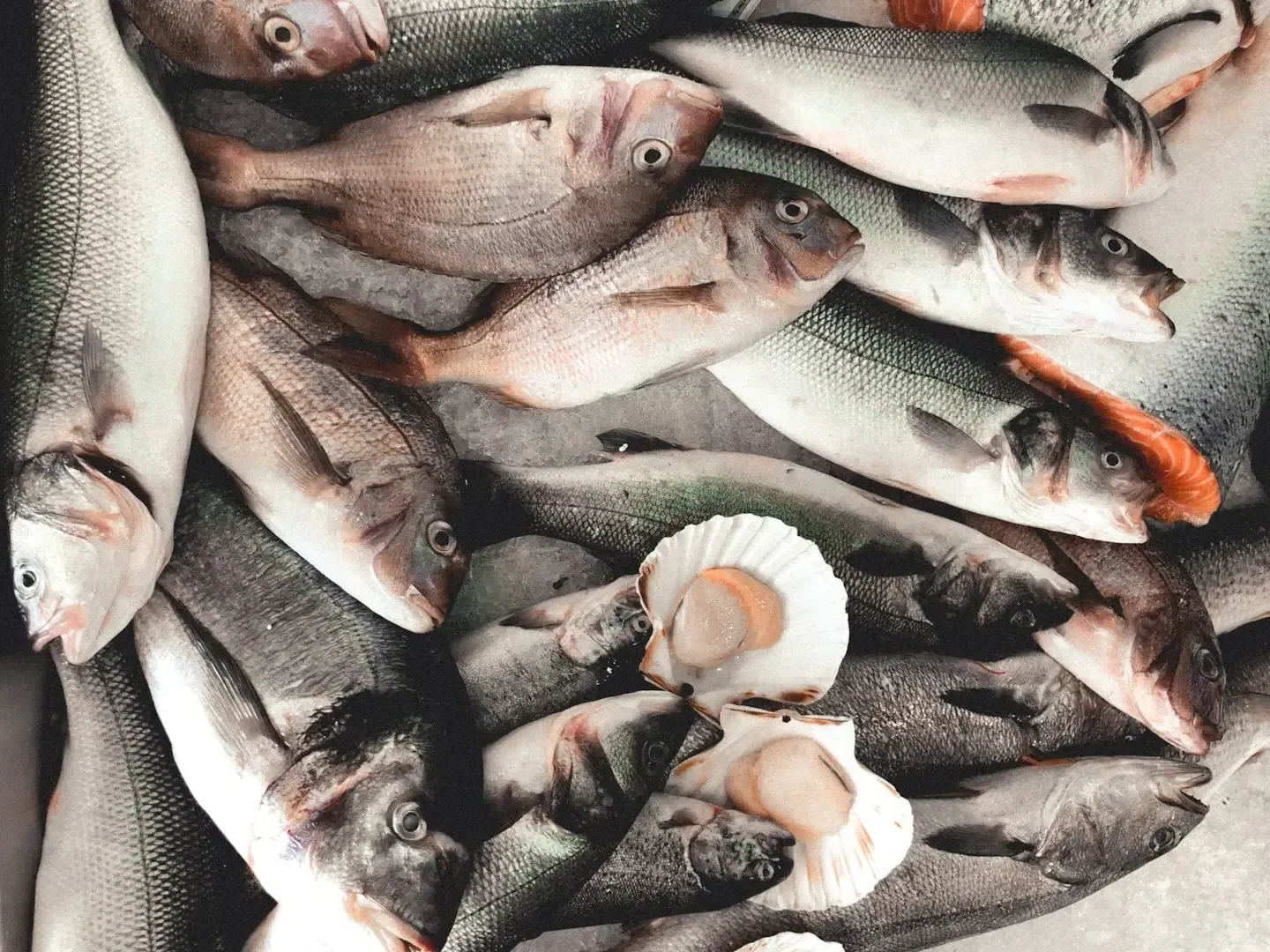
Inland hunter-gatherers may have struggled through lean seasons, but coastal populations had a nutritional cheat code most people don’t associate with “primitive” diets at all.
Reconstructions built from archaeological remains and modern hunter-gatherer studies show fresh and saltwater fish and shellfish were a primary food source in coastal and river communities. This wasn’t an occasional treat – for groups settled near reliable water, seafood was a dependable, year-round protein source that didn’t require dangerous big-game hunts.
Fish and shellfish also deliver omega-3 fatty acids that many researchers believe were critical fuel for early brain development – a theory that’s still debated but gaining ground in paleoanthropology circles. While inland groups gambled on unpredictable hunts, coastal communities enjoyed comparatively stable, low-risk food access. Some anthropologists now argue coastal diets may have given certain early human populations a genuine survival edge over inland rivals.
#11 – Honey and Honeycomb: Prehistoric Humanity’s Only Sweetener
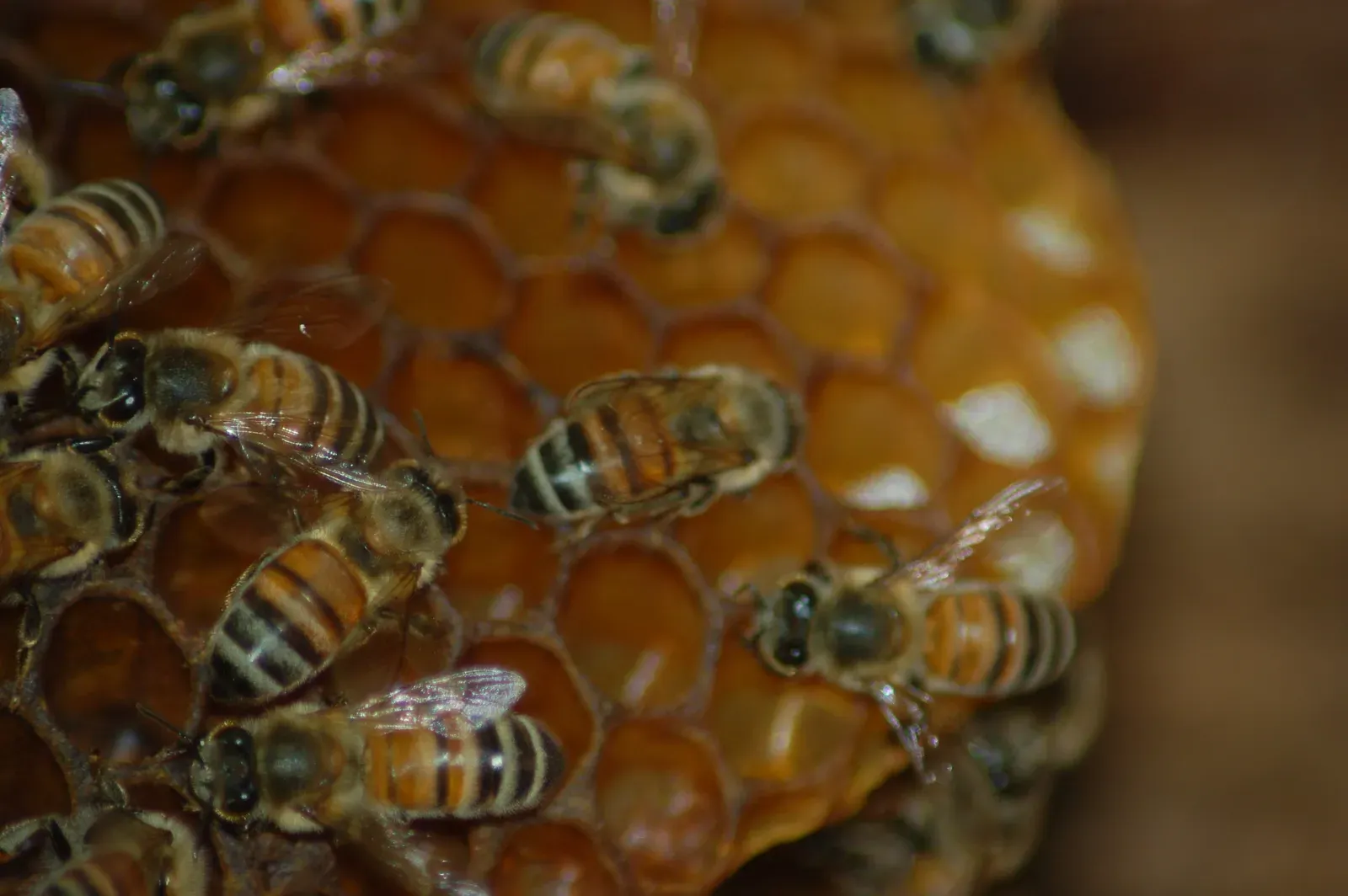
Long before sugar cane or refined sugar existed anywhere on Earth, early humans had exactly one reliable source of pure, concentrated sweetness – and getting it was genuinely dangerous.
Reconstructions of the Paleolithic diet confirm that early humans mainly ate uncultivated fruits, roots, tubers, and vegetables, with honey, fish, and meat rounding things out. Honey wasn’t a daily staple like tubers or seeds – it was closer to a rare, high-value jackpot food, the prehistoric equivalent of stumbling onto free dessert.
Raiding a wild hive meant facing swarms of defensive bees with zero protective equipment, making honey one of the riskiest calories our ancestors ever pursued. Unlike termite mounds or grinding stones, there was no tool that made this safer – just speed, a high tolerance for pain, and probably a willingness to run. The payoff, though, was pure glucose in a diet otherwise built on fiber-heavy starches and lean protein, which likely made honey feel almost intoxicatingly good by comparison.
Worth Knowing
- No protective gear existed – foragers faced angry swarms bare-handed
- Honey was rare enough to function as a “jackpot” food, not a daily staple
- It offered the only concentrated dose of pure glucose in an otherwise fiber-and-protein-heavy diet
#12 – Grasshoppers and Locusts: A Crunchy Staple, Not a Last Resort
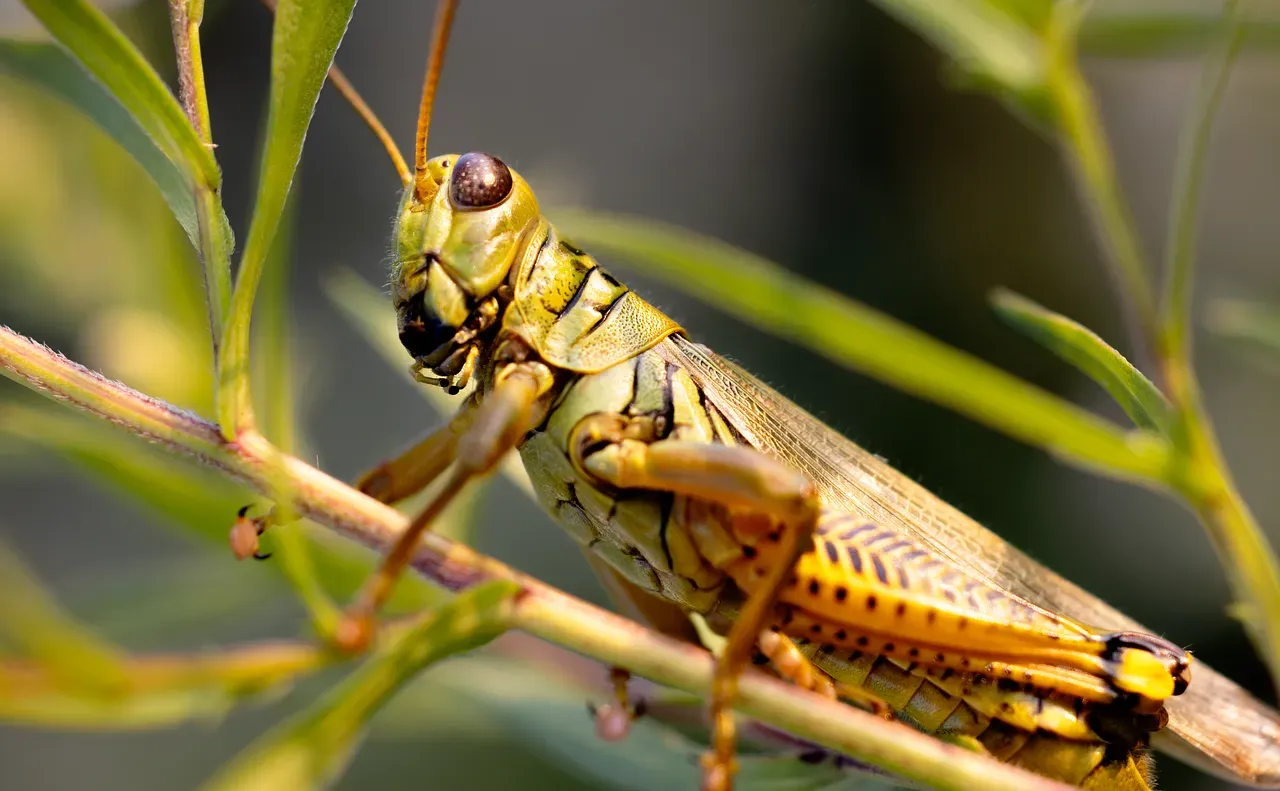
Modern diners treat insects as a novelty food or a survival-show gimmick. Early humans treated them as a completely normal menu item, and the physical evidence backs this up in an unusually direct way.
Reconstructions of ancestral eating patterns list grasshoppers, beetles, locusts, and ants alongside honey and honeycombs as standard menu items, not emergency fallback food. This lines up with hard physical evidence found thousands of years later in North America.
Researchers examining ancient coprolites – essentially fossilized feces – from Lakeside Cave in the Great Basin found that 4,500 years ago, Melanoplus sanguinipes grasshoppers were collected on the beach and winnowed in the cave before being eaten. This means insect-eating wasn’t just a distant, million-year-old behavior confined to early hominins – it persisted as a normal food strategy well into recent human history. The idea that eating bugs is somehow “primitive” ignores how consistently useful they were across nearly every era of human existence.
#13 – Wild Almonds: A Nut That Could Actually Kill You
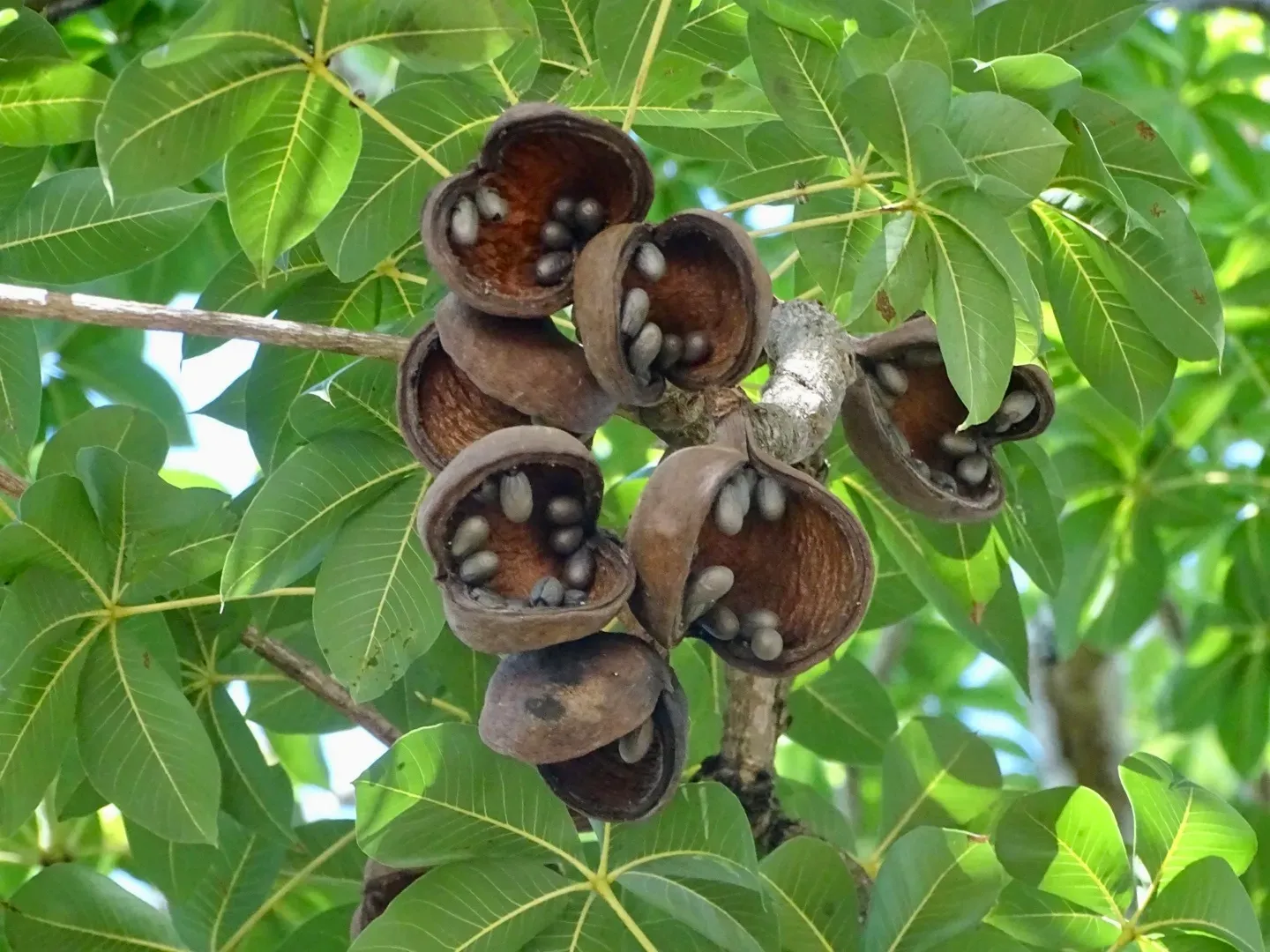
This one genuinely sounds made up, but it isn’t. Wild almonds, unlike the sweet variety sold in stores today, naturally contain compounds that release cyanide when improperly processed.
Archaeological reviews of Paleolithic plant remains describe wild almonds as bitter, appearing alongside terebinth and wild fruits across Southwest Asia and Europe. Eating a handful of untreated wild almonds in large enough quantities can genuinely poison a person, yet they show up repeatedly in ancient food remains.
This means early humans had figured out detoxification techniques for genuinely dangerous plants long before anyone wrote down a single recipe or warning label. That level of empirical, trial-and-error food science – passed down without writing, purely through observation and survival – is more impressive than most people give prehistoric humans credit for. Getting it wrong wasn’t just unpleasant; it could be fatal, which makes the fact that this food stayed popular for millennia even more remarkable.
#14 – Wild Sour Fruits That Taste Nothing Like Today’s Produce
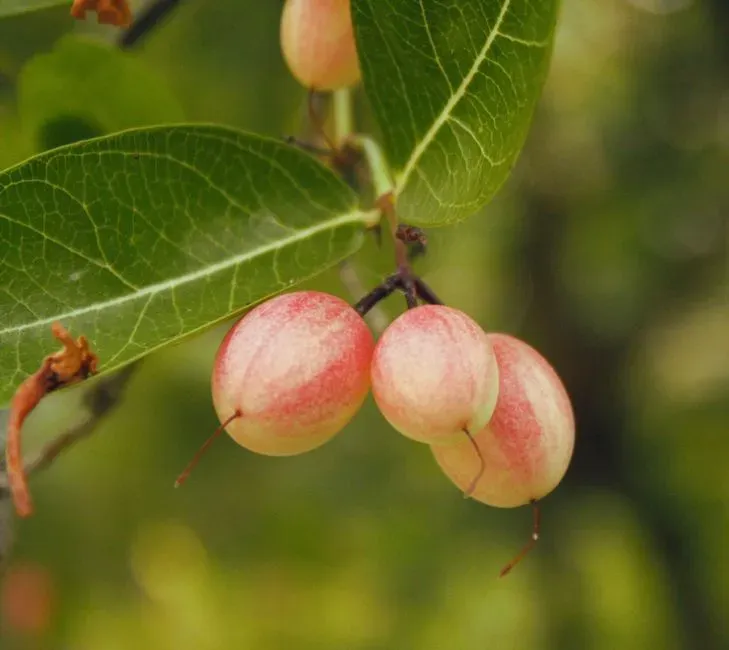
Modern fruit has been bred for centuries to be as sweet and palatable as possible. What early humans actually ate looked, and tasted, like a completely different category of food.
Archaeological plant residue studies describe wild fruits as sharp, sometimes sour, sometimes tannin-rich, appearing consistently in Paleolithic plant remains across Southwest Asia and Europe. These weren’t the plump, sugary apples and berries found in a modern grocery store – they were closer to intensely tart, astringent, mouth-puckering versions that most people today would immediately spit out.
A modern taste test of true wild Paleolithic fruit would probably shock most people into thinking something had gone rotten. Yet these fruits provided essential vitamins and fiber that helped balance a diet otherwise heavy in fat, starch, and protein. Combined into dishes with grains, tubers, and meat, sour wild fruit likely served the same purpose as mustard and terebinth – cutting richness and adding complexity to otherwise simple meals.
Why It Stands Out
- Sharp, sour, and tannin-rich – nothing like today’s bred-for-sweetness produce
- Delivered vital vitamins and fiber missing from fat- and protein-heavy meals
- Often combined with grains, tubers, and meat to balance flavor and nutrition
The Bottom Line
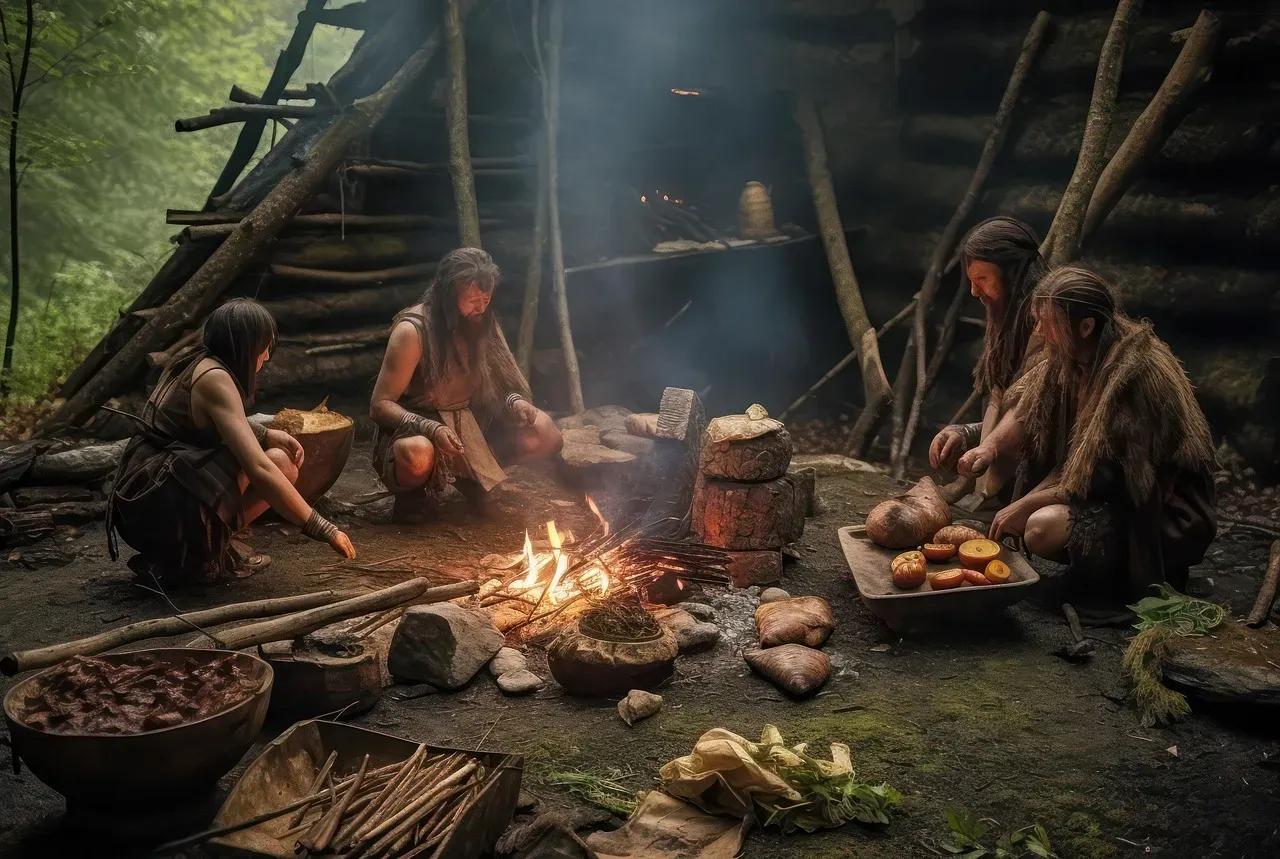
The evidence is clear: early humans were not the single-minded meat-obsessed hunters pop culture loves to imagine. They were opportunistic, resourceful, and often surprisingly sophisticated food scientists who detoxified poisonous almonds, stored bone marrow for weeks like canned soup, ground flour from wild seeds, and raided termite mounds for protein that beat steak calorie-for-calorie.
Their diet was messier, weirder, and far more diverse than any modern “paleo” trend admits. If anything, the real myth was never that ancient humans ate strange things – it’s that we ever assumed their diet was simple in the first place. Which one of these 14 shocked you the most? Drop it in the comments.