
Time travel isn’t real – but if it were, stepping into a Carboniferous forest 300 million years ago would feel less like visiting Earth’s past and more like landing on an alien planet. Most people picture “prehistoric forest” and imagine something like the Amazon with dinosaurs, but that’s completely wrong – dinosaurs wouldn’t exist for another 70 million years. What actually waited in those swampy, oxygen-drunk woodlands was stranger, more dangerous, and more genuinely bizarre than anything Hollywood has ever put on screen. Insects the size of house cats, trees that weren’t really trees, and an atmosphere so thick it would change how your own lungs worked within minutes. Here’s what paleontologists and geologists actually say would happen.
#1 – Your First Breath Would Feel Almost Intoxicating
The moment you inhaled, your body would notice something was wrong – in a good way. Atmospheric oxygen levels peaked around 35 percent, compared with 21 percent today. That’s not a small bump. It’s the difference between the air you breathe on a normal day and air that’s been artificially enriched in a hospital oxygen tent.
Scientists studying this era have noted something else, too: the actual air pressure is presumed to have been higher too. That combination – more oxygen, more pressure – means every breath you took would deliver far more usable air to your bloodstream than you’re used to. You’d likely feel a rush, almost giddy, within your first few minutes standing in that forest.
The catch is that this same oxygen surplus is exactly why everything else on this list gets so much scarier. High oxygen doesn’t just make humans feel good; it changes what’s biologically possible for every creature sharing that air with you. But that’s nothing compared to what we found about #2…
#2 – You’d Be Standing in a Furnace of Humidity
Long before you saw a single tree, the heat and moisture would hit your skin like a wall. Average temperatures were higher in the early Carboniferous but dropped over time, and the tropical belt where these coal forests grew was consistently sweltering and saturated with water vapor.
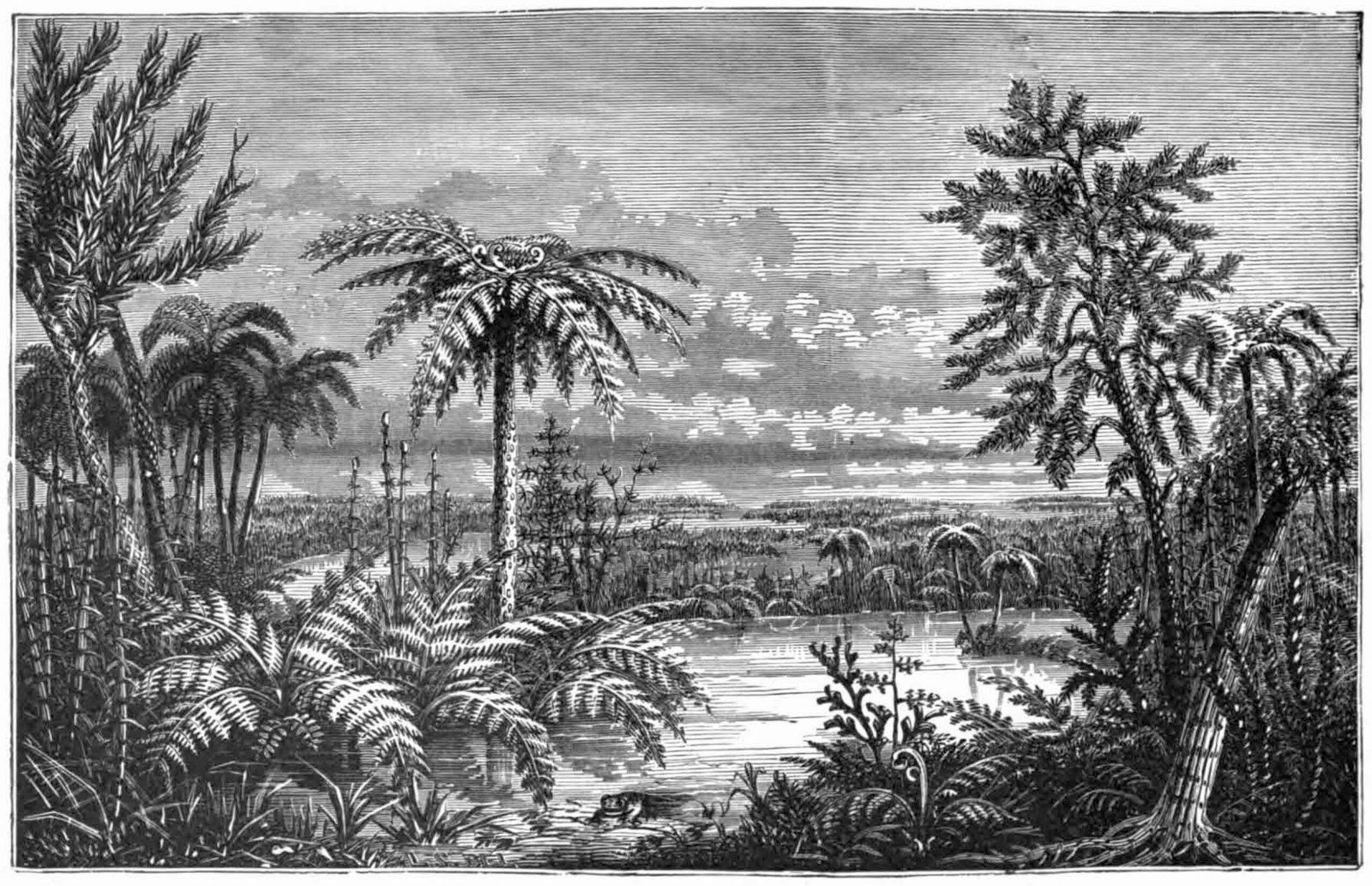
This wasn’t a dry heat. Characteristic of the Carboniferous period were its dense and swampy forests, which gave rise to large deposits of peat. Standing in one of these forests meant standing in standing water, mud, and decaying vegetation almost everywhere you looked. Your boots – if you had any – would sink.
Fast Facts
- Tropical zones stayed hot and consistently humid for millions of years
- Dense, swampy forests generated thick, ever-growing layers of peat
- Standing water covered much of the forest floor at any given time
- Decaying vegetation piled up faster than it could break down
Most people assume ancient forests looked lush and inviting; the truth is they’d smell like a stagnant bog crossed with a greenhouse. The rot, the algae, the sheer density of dying plant matter piling up faster than anything could break it down – it would be overwhelming to modern noses. And the ground itself hides an even bigger secret waiting in #3.
#3 – There Would Be Zero Grass Under Your Feet
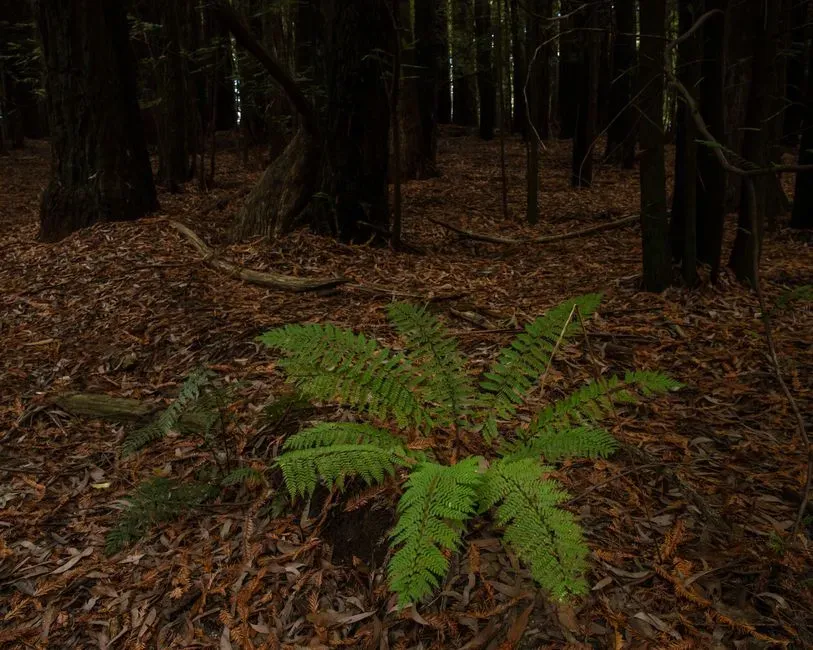
Look down. There’s nothing green and soft cushioning your steps – because grass simply didn’t exist yet. Not a single blade, anywhere on the planet. Instead, the forest floor was a chaotic tangle of spore-producing plants, fallen fronds, and standing water pooling around roots.
This absence changes everything about how the ecosystem worked. The ground cover you’d expect from any modern forest – grasses, small flowering shrubs, wildflowers – simply hadn’t evolved. Flowering plants, or angiosperms, wouldn’t appear for another 150 million years or more.
What filled that ecological gap instead were lycopsids and ferns spreading low mats of vegetation, plus decaying trunks constantly falling and rotting into the peat. The forest floor would look less like a park and more like a half-flooded junkyard of plant debris, some of it still growing, most of it slowly sinking into muck that would one day become coal. That transformation into coal is a story for later – but first, look up, because #4 is where things get truly strange.
#4 – The “Trees” Towering Over You Weren’t Really Trees
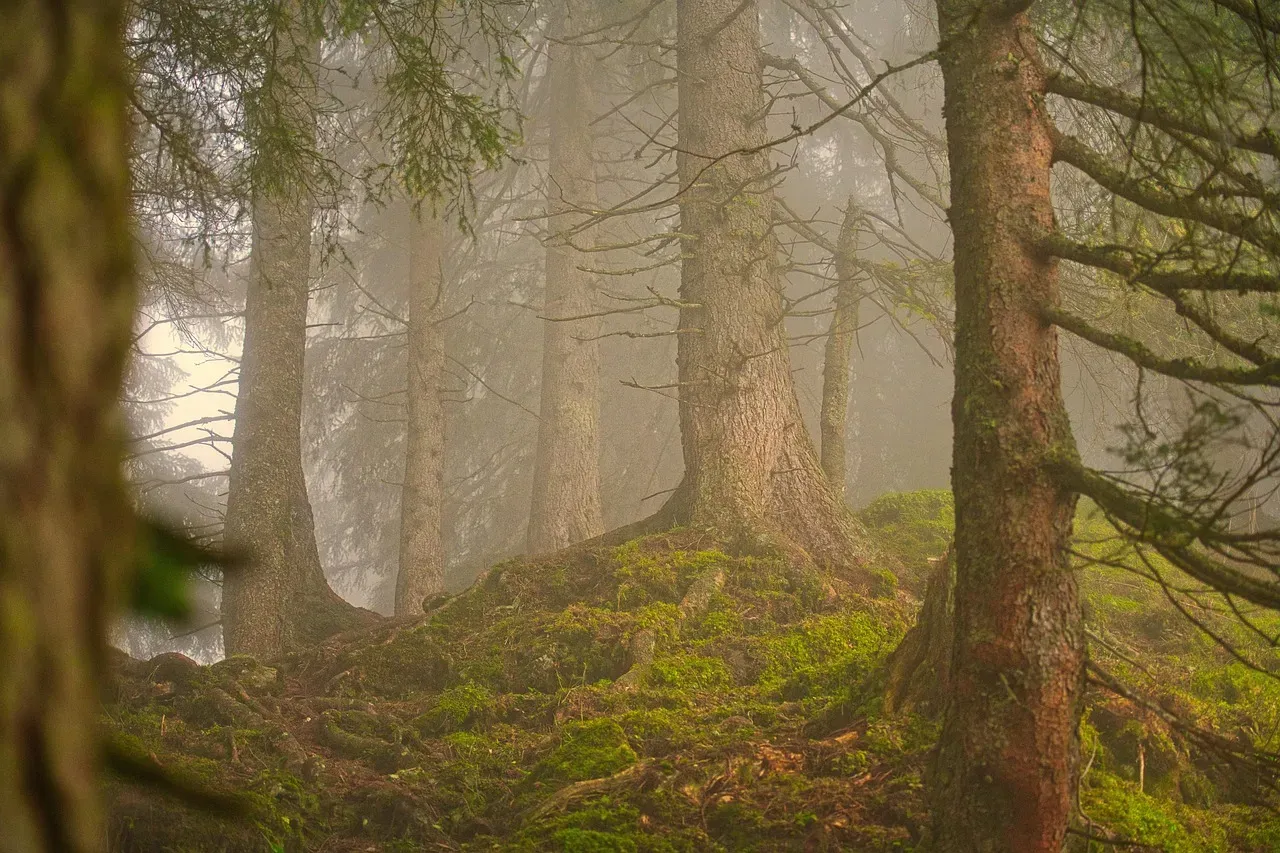
Craning your neck upward, you’d see trunks stretching impossibly high – but here’s the twist: they weren’t wood in the way you understand wood. The dominant giants of this forest, called lycopsids, were more closely related to modern club mosses than to any tree alive today.
While all living lycophytes are small herbaceous plants, extinct members from the Carboniferous Period included large trees that formed extensive coal-forming swamp forests. These lycopsids had a tall, single or occasionally forked trunk that lacked wood.
That’s the shocking part – these towering plants had almost no structural wood at all. They grew fast, reproduced once, and often died shortly after, relying on bark-like tissue for support instead of the dense wood that keeps oak and pine trees standing for centuries. Somehow, this flimsier construction still let them reach staggering heights, which is exactly what #5 gets into.
#5 – Two Specific Giants Would Dwarf Anything You’ve Ever Climbed
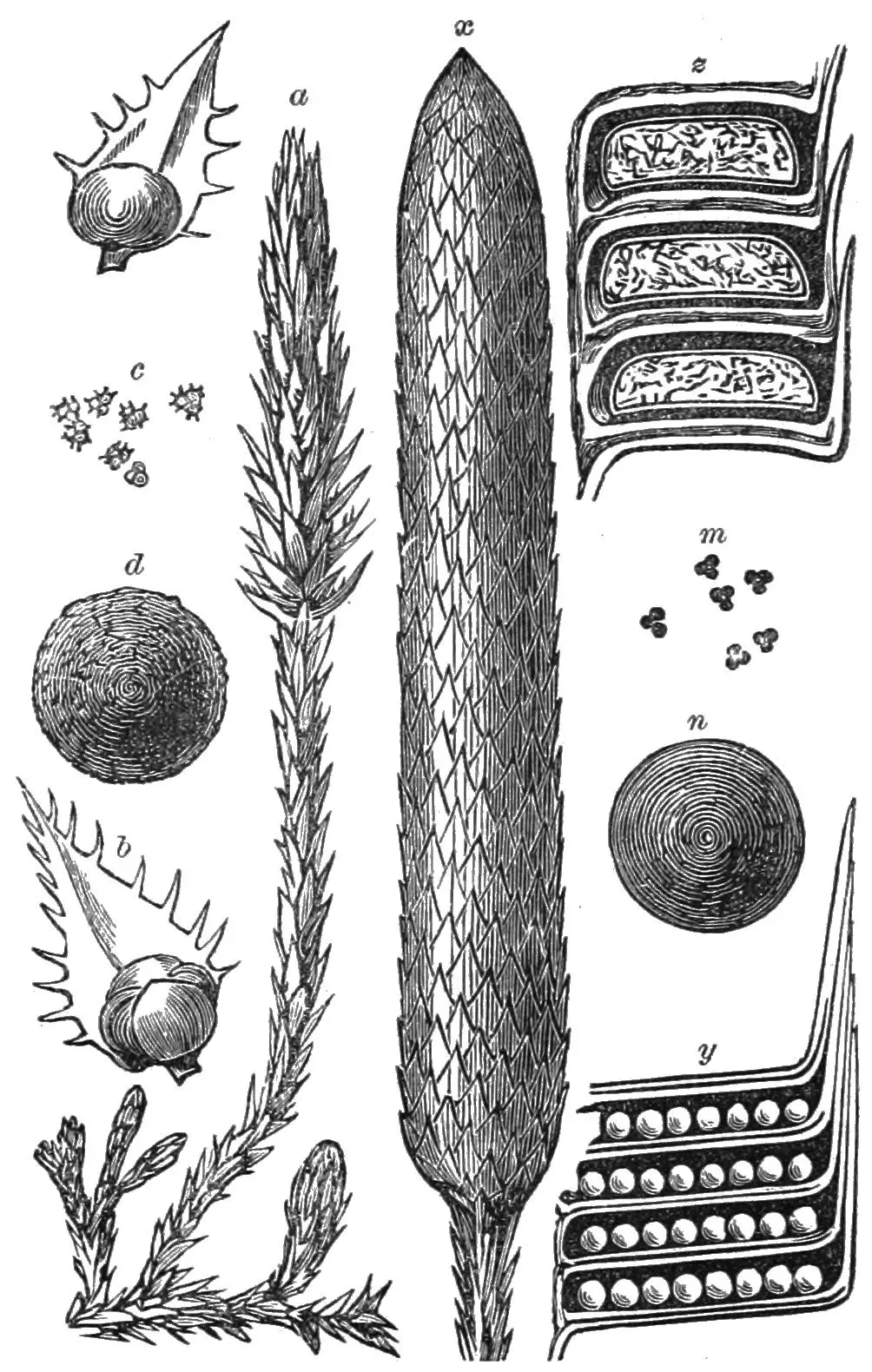
Among these strange non-wood trees, two names dominate the fossil record: Lepidodendron and Sigillaria. Both were true giants, and both would make you feel microscopic standing beneath them.
Lepidodendron had tapering trunks as wide as 2 meters at their base that rose to about 40 meters and even 50 meters, arising from an underground system of horizontally spreading branches covered with many rootlets. That’s a 160-foot-tall plant – taller than most modern office buildings – built from tissue softer than an oak’s.
Sigillaria wasn’t far behind. Sigillaria was a tree-like plant reaching a height up to 30 meters, and lycopsids were capable of reaching a height of up to 50 meters.
Quick Compare
- Lepidodendron: trunk up to 2 meters wide at the base, height up to roughly 50 meters
- Sigillaria: height up to about 30 meters
- Growth pattern: both grew in dense, packed stands rather than as isolated specimens
- Support structure: neither relied on true wood – bark-like tissue held them up
These weren’t scattered specimens either – they grew in dense, packed stands, meaning you’d be surrounded by hundreds of these towering columns, their bark covered in distinctive diamond-shaped scars where leaves once attached. Look closer at that bark pattern, because #6 explains why it exists.
#6 – The Bark Pattern You’re Staring At Is Actually Scar Tissue
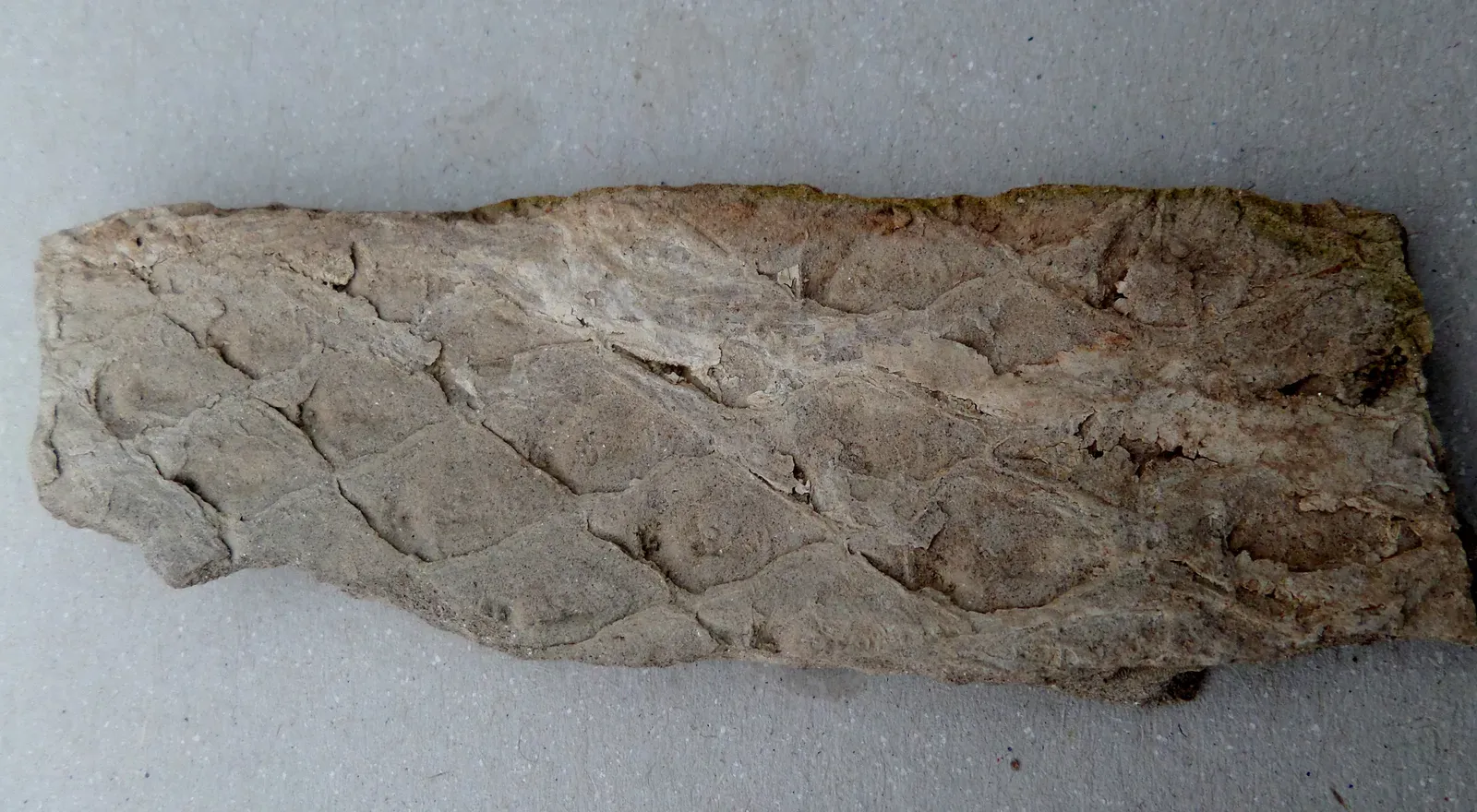
Run your hand along one of these trunks and you’d feel a strange, almost reptilian texture – rows of diamond or scale-shaped markings covering the entire surface. This is why Lepidodendron earned the nickname “scale tree.”
This soft-trunked tree is often called “the scale tree” because its fossilized bark resembles reptile scales. The pattern wasn’t decorative – it was a record of the plant’s growth, with each scar marking a spot where a spiraling leaf had once grown directly from the trunk before dropping away as the tree aged.
Here’s the detail that surprised even 19th-century scientists: in the 1800s, fossilized trunks were admired as giant reptile remains on display in traveling shows. People genuinely mistook these tree fossils for the skin of some enormous extinct lizard. Standing there in person, you’d understand the confusion immediately – it really does look like scaled hide stretched over a trunk. But the plants weren’t the only towering thing sharing this canopy space, which brings us to #7.
#7 – Giant Horsetails Would Fill Every Gap Between the Lycopsid Giants
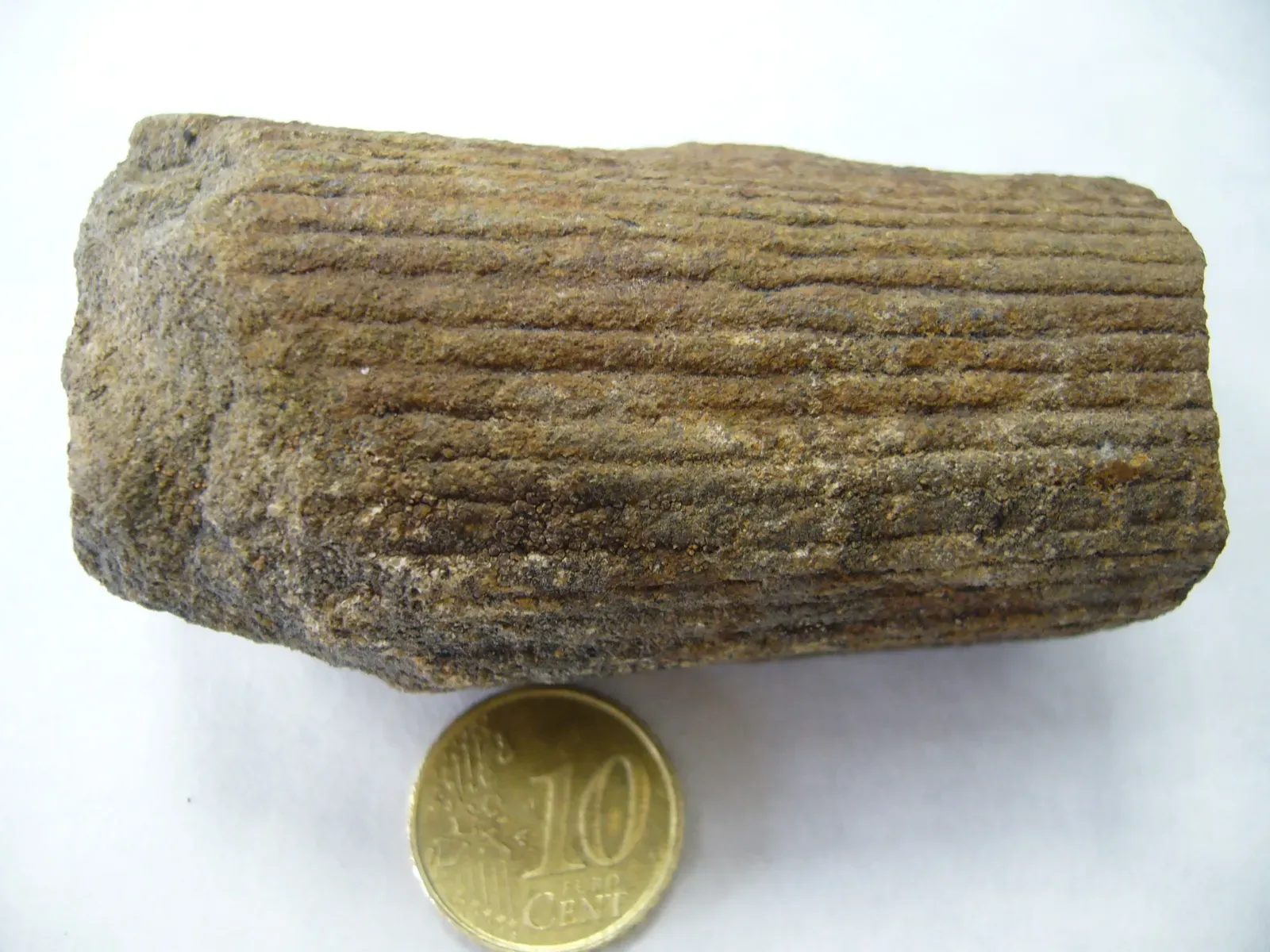
Between the lycopsid columns, you’d spot something equally strange – tall, jointed, bamboo-like stalks growing in dense thickets. These were Calamites, ancient relatives of the small horsetail plants you might see growing along modern riverbanks.
The sphenopsid Calamites grew as trees in swamps, with long, jointed stems with sparse foliage. Unlike the lycopsids’ scaled trunks, Calamites had a segmented, almost mechanical appearance, growing in clumps around wetter patches of the forest.
Most people have never heard of Calamites, but they were everywhere in this landscape, sometimes reaching heights that rivaled small trees despite being closer relatives to a fern than to any modern hardwood. Combined with actual tree ferns unfurling their fronds overhead, the canopy above you would form a strange three-layered mess of scaled trunks, jointed stalks, and feathery fern crowns – nothing like the uniform canopy of a modern forest. And that visual weirdness pales next to what you’d start hearing next, covered in #8.
#8 – The Silence Would Be Broken by an Enormous Buzzing
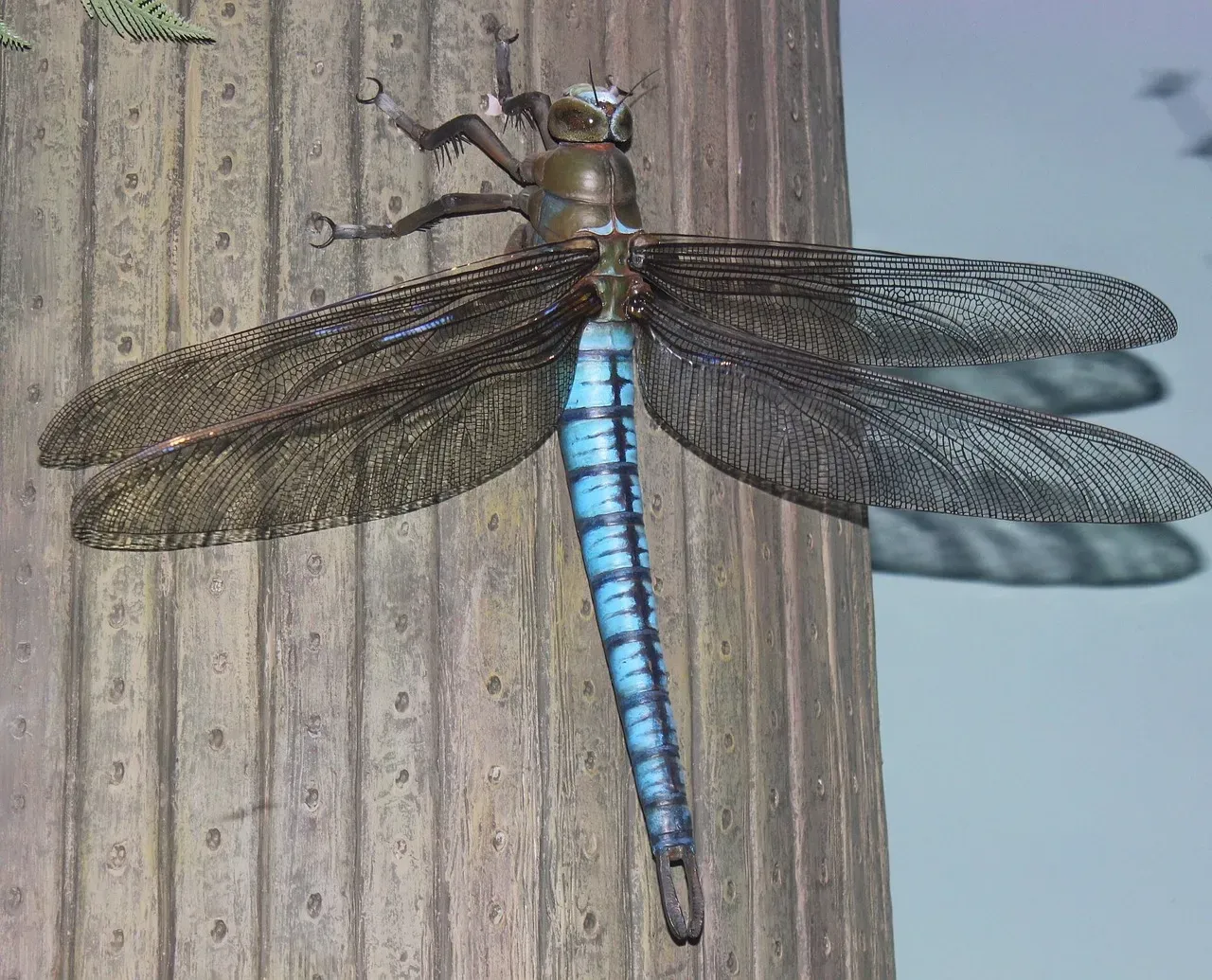
Listen carefully and you’d hear it before you saw it: a deep, mechanical hum growing louder, coming from something with a wingspan wider than a dinner plate. This was Meganeura, and it was hunting.
Meganeura is one of the largest known flying insect species, with a wingspan of 25.6 inches to more than 28 inches. That’s over two feet across – comparable to a hawk, except this was an insect with a rigid, veined wing structure and a predatory instinct aimed squarely at anything smaller than itself.
These weren’t gentle pollinators drifting between flowers – there were no flowers yet, remember. They were predatory, like modern dragonflies and damselflies, and their primary prey were other insects. Watching one snatch a smaller insect out of midair would look less like nature documentary footage and more like a hawk taking down a sparrow. But the flying giants weren’t even the most unsettling thing crawling through this forest – #9 lives on the ground.
#9 – Something the Length of a Small Car Would Be Crawling Past Your Feet
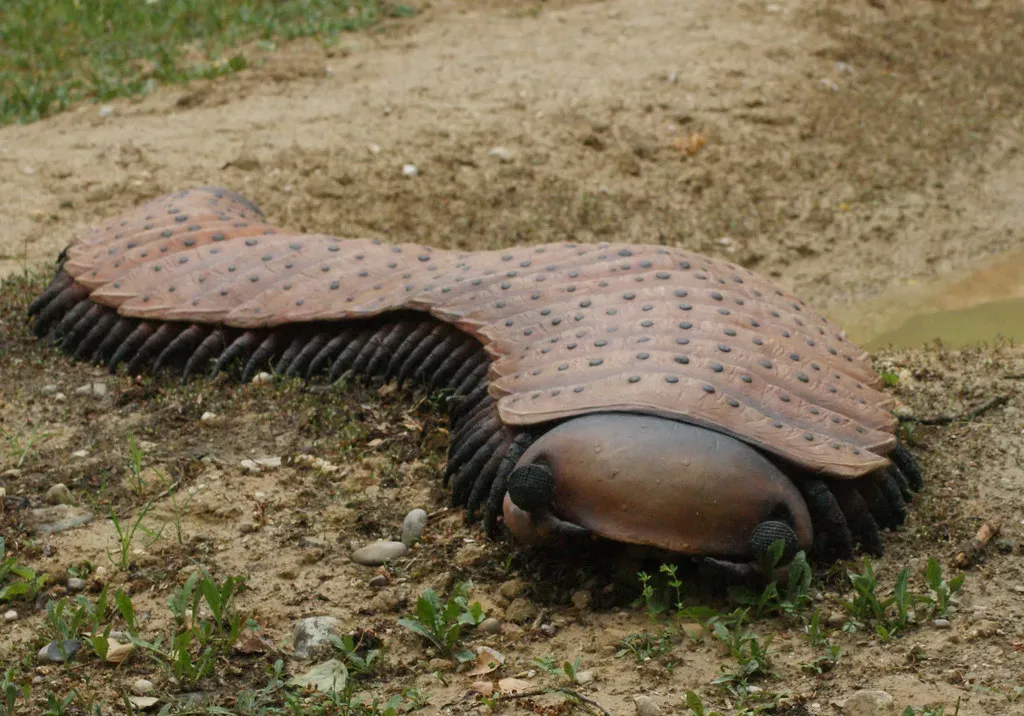
If you thought the dragonfly was disturbing, don’t look down too quickly, because something far larger might be moving through the leaf litter near your ankles. Arthropleura holds the record as the largest land invertebrate to ever exist.
It grew to lengths of up to eight feet and a width of about 20 inches, and scientists consider this animal the largest invertebrate of all time. Picture a millipede roughly the length of a canoe, its armored segments rippling as dozens of legs propelled it across the forest floor.
At a Glance
- Length: up to 8 feet nose to tail
- Width: roughly 20 inches across the body
- Diet: decaying plant matter and forest detritus, not predatory
- Record held: largest land invertebrate known to have existed
Here’s the one piece of good news in this entire list: Arthropleura was a vegetarian, though it still would have made quite the surprise encounter. It wasn’t hunting you – it was after decaying plant matter and detritus. Still, encountering an eight-foot armored creature emerging from the undergrowth would test anyone’s nerve, and it wouldn’t be the last oversized arthropod you’d meet, because #10 is even more likely to make your skin crawl.
#10 – Scorpions Bigger Than Dinner Plates Would Be Stalking the Shadows
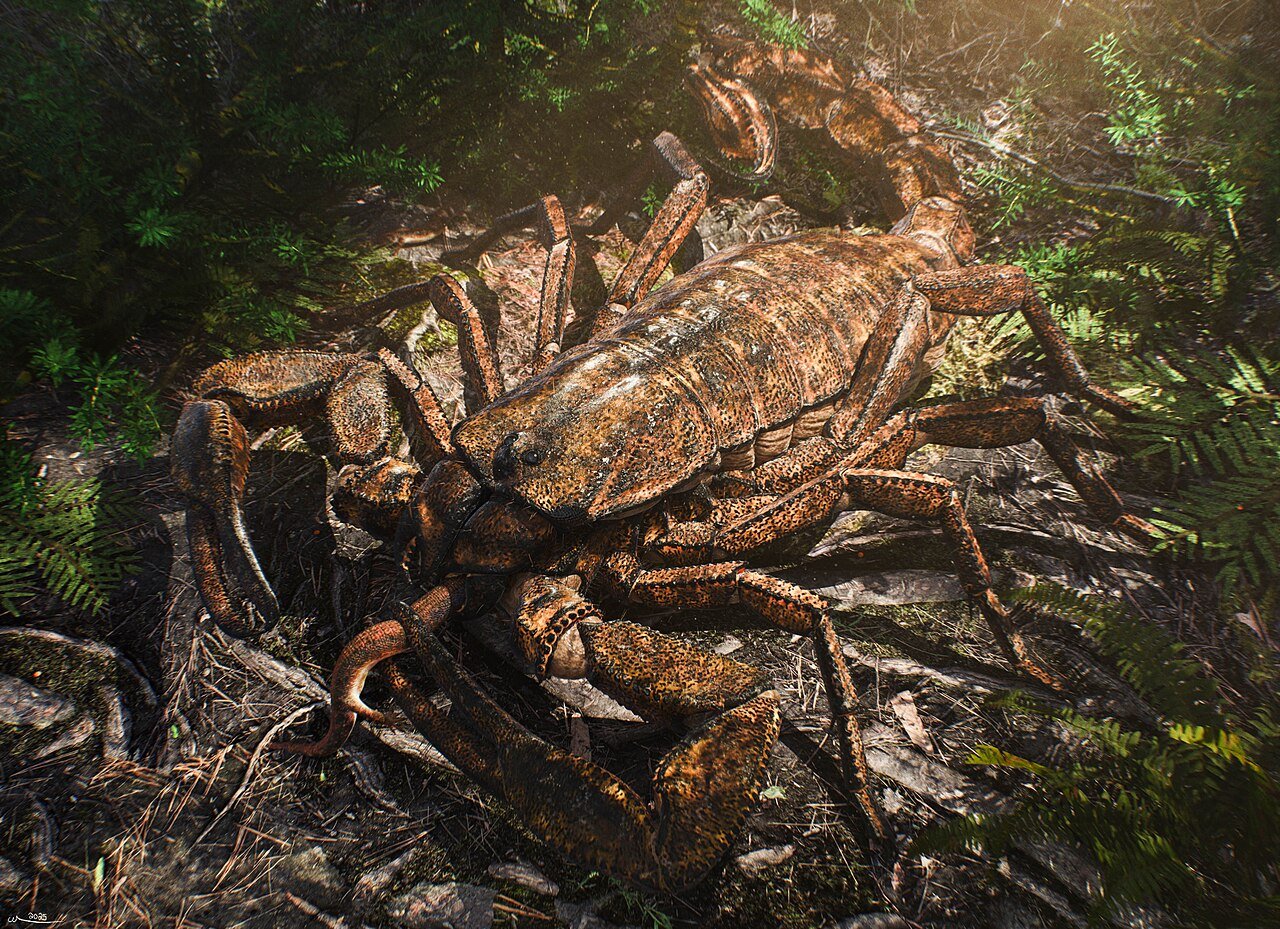
Somewhere in the shadowed leaf litter, something with pincers and a curved stinger tail would be lurking, and it wouldn’t be the small scorpion you’re picturing. Carboniferous scorpions grew to sizes that dwarf every modern species.
These arachnids reached roughly three times the size of their largest living relatives, with some specimens stretching to nearly 70 centimeters in length. Combined with equally oversized spider relatives crawling through the same undergrowth, the forest floor would feel less like a hiking trail and more like a horror movie set designed by someone obsessed with arthropods.
Part of the reason these creatures could grow so large ties directly back to that oxygen-rich air from #1 – but researchers now suggest it wasn’t the whole story. A newer theory points to something simpler: there was almost nothing around to eat them. With no birds, no mammals, and few large land predators yet evolved, insects and arachnids had the ecological freedom to grow to nightmare-inducing proportions without fear of being hunted from above. That freedom from predation set the stage for the strange creatures covered in #11.
#11 – The “Dominant” Animals Weren’t Reptiles or Mammals – They Were Amphibians
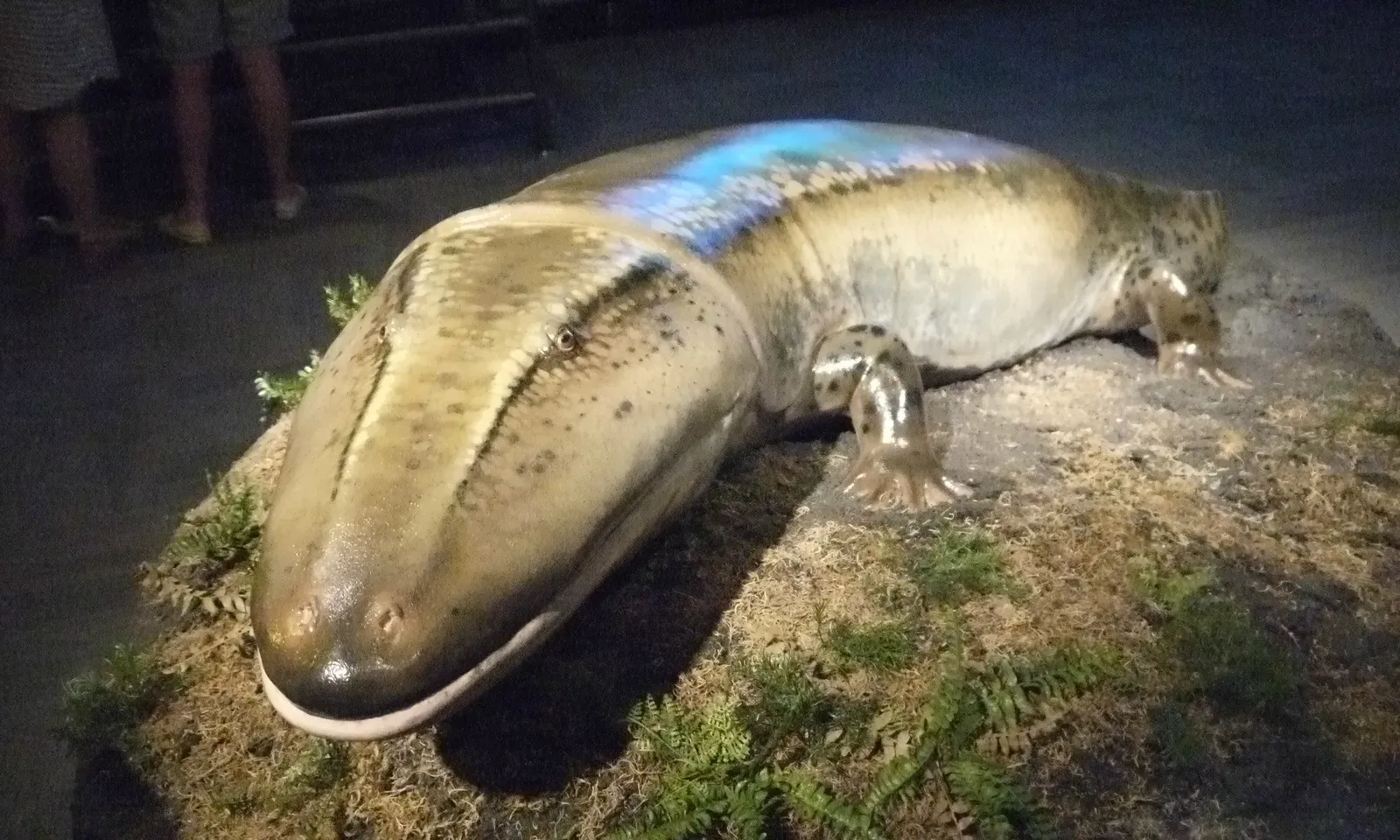
If you were looking for the apex predator of this ecosystem, you wouldn’t find a reptile or a mammal. You’d find something wetter, scalier, and far more crocodile-shaped than any frog or salamander alive today.
Amphibians became the dominant animals at this time, and thus the Carboniferous is also called the “Age of Amphibians.” These weren’t the small, delicate amphibians of the modern world – some grew into genuine ambush predators lurking at the water’s edge.
There were predatory species that resembled modern-day crocodiles, armed with vicious teeth, reaching lengths of almost 20 feet. A 20-foot amphibian is almost impossible to picture until you’re standing three feet away from one basking at the edge of a swamp. Most of these predators, though, were still tied to water – which meant the true frontier of the forest belonged to something smaller and drier, detailed next in #12.
#12 – You’d Be Watching the Birth of Reptiles in Real Time
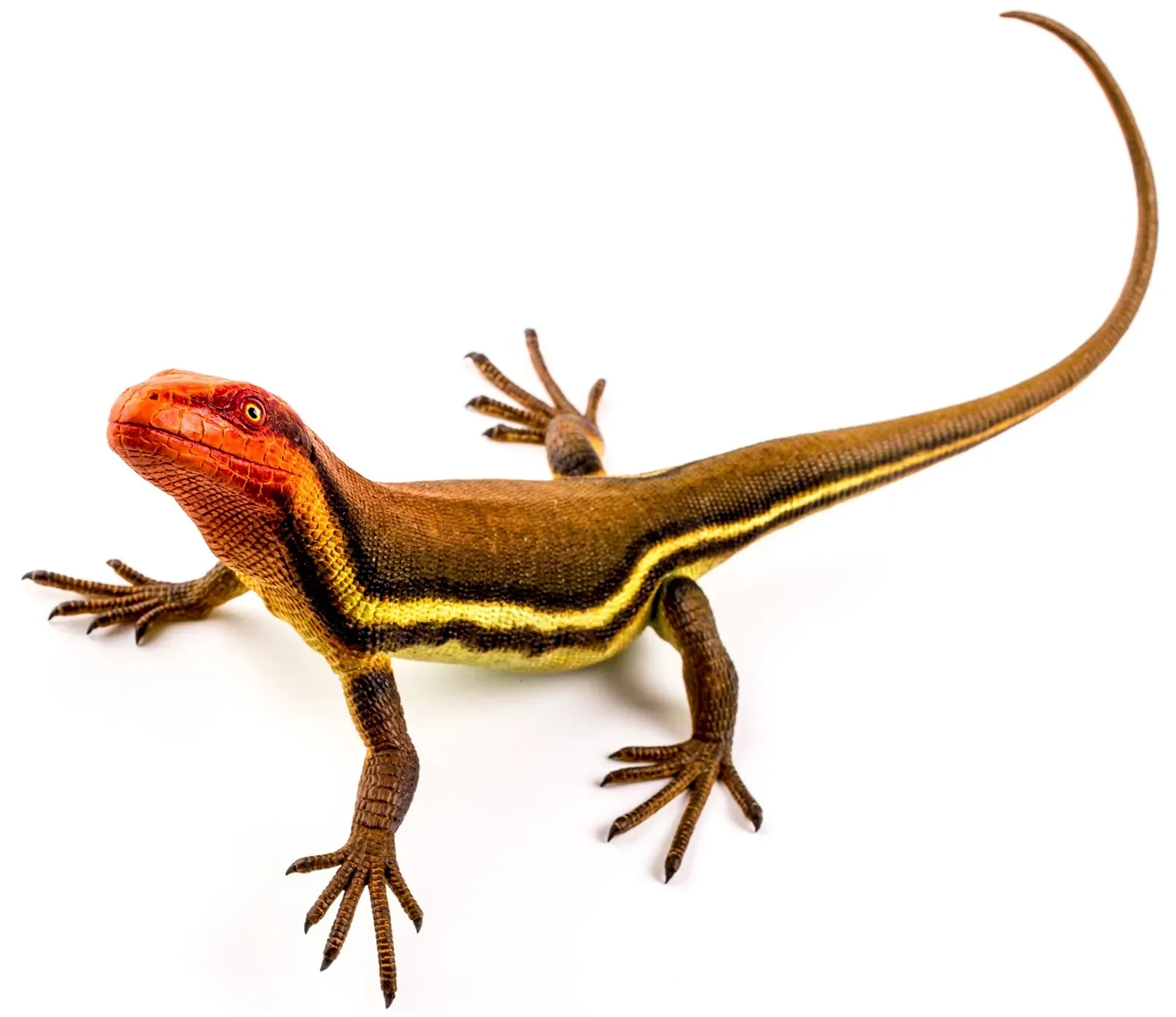
Somewhere near a rotting lycopsid stump, a tiny lizard-like creature no longer than your hand might be scurrying past, and if you knew what you were looking at, you’d realize you were witnessing something genuinely historic.
The earliest reptiles, the captorhinid Hylonomus, were recovered from Lower Pennsylvanian lycopod tree stumps in Nova Scotia. This wasn’t a coincidence of geography – it directly ties reptile origins to the very forests you’d be standing in.
What made these early reptiles revolutionary wasn’t their size, but their eggs. They reduced their reliance on wetland habitats through the amniote egg, which protected the embryo inside with a fluid-retaining membrane while still allowing in air. This single evolutionary trick – a self-contained egg that didn’t need to be laid in water – would eventually let vertebrates conquer dry land entirely, paving the way for everything from dinosaurs to humans. But before any of that could happen, the forest itself was quietly building something that would outlast every creature in it, which is where #13 comes in.
#13 – You’d Be Standing on the Raw Material for Every Coal Deposit on Earth
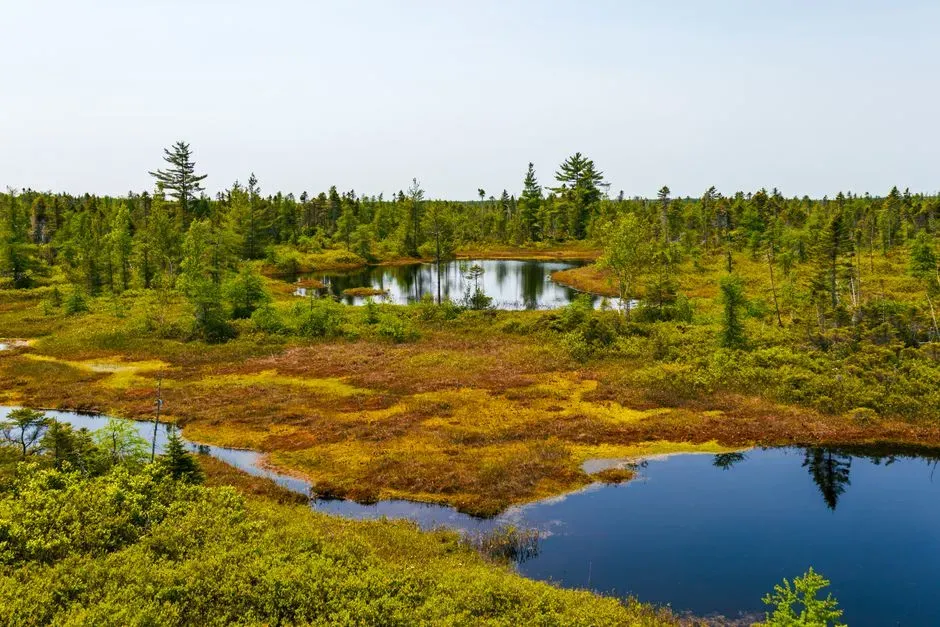
Every step you took through that squishy, waterlogged ground was a step through the future. Literally. The peat accumulating beneath your feet was the exact material that, over millions of years and immense geological pressure, would become the coal seams still being mined today.
The growth of these forests removed huge amounts of carbon dioxide from the atmosphere, leading to a surplus of oxygen. This wasn’t a minor side effect – it fundamentally altered Earth’s atmosphere for tens of millions of years.
Worth Knowing
- Carboniferous peat deposits eventually became the coal seams still mined today
- Efficient wood-decomposing fungi hadn’t fully evolved yet
- Undecayed plant matter piled up layer by layer instead of breaking down
- Massive carbon burial helped push atmospheric oxygen toward its historic peak
The reason this plant matter piled up instead of rotting away is almost as strange as the trees themselves. These forests, devoid of any substantial decomposing fungus, allowed plant matter to accumulate and over time, form the vast coal reserves we have today. Fungi capable of efficiently breaking down lignin and tough plant fibers hadn’t fully evolved yet, so dead trees simply piled up instead of decomposing – layer after layer, century after century, quietly compressing into the fuel that would power the Industrial Revolution 300 million years later. And that leads to the single strangest realization about the entire experience, covered in the final entry, #14.
#14 – You Would Be Utterly, Completely Alone as a Mammal
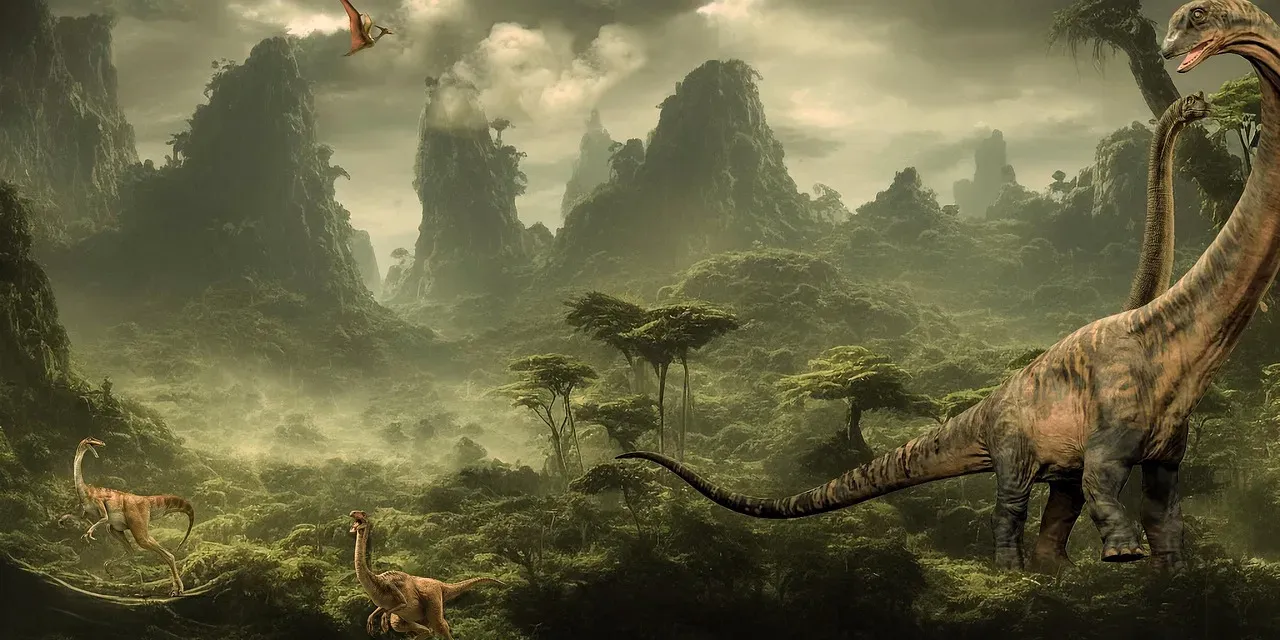
This is the detail that would hit hardest once the initial shock wore off: nothing in that entire forest would recognize you as anything familiar. There were no mammals. None. Not a single warm-blooded, fur-covered creature existed anywhere on the planet yet.
There were no birds circling overhead, no flowering plants scenting the air, and no dinosaurs stalking through the underbrush – all of those would arrive tens of millions of years later. You would be the single most advanced organism in that entire ecosystem, and also the most biologically out of place.
Every creature around you – the giant amphibians, the early reptiles, the oversized arthropods – represented an evolutionary lineage that either went extinct or transformed almost beyond recognition before anything resembling a human ancestor appeared. Standing there, you wouldn’t just be witnessing prehistory. You’d be witnessing a version of Earth so fundamentally different in its rules of biology that almost nothing you instinctively understood about nature would actually apply.
The Bottom Line
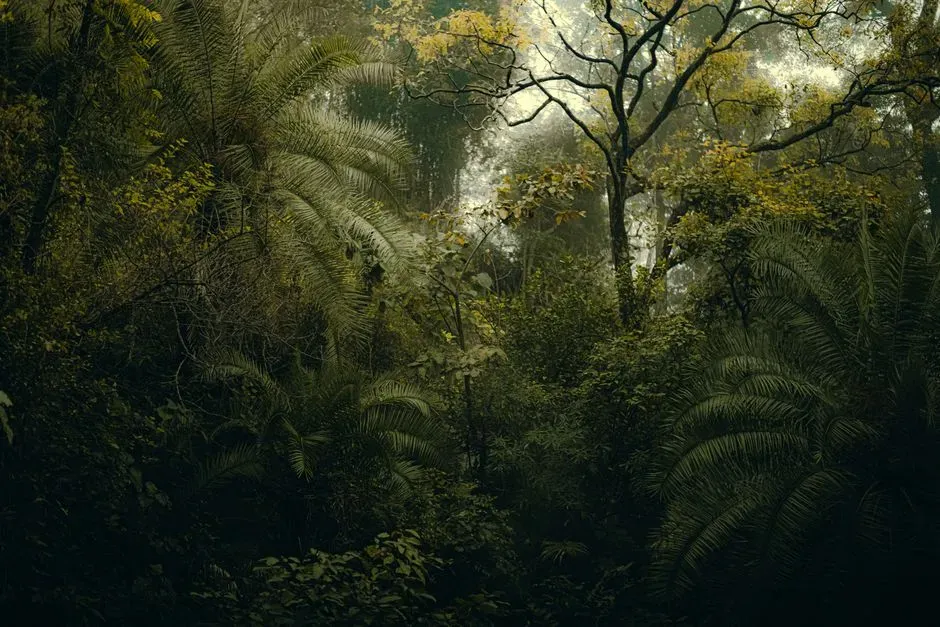
Standing in a Carboniferous forest wouldn’t feel like nature – it would feel like science fiction. The air alone would intoxicate you with oxygen, the “trees” weren’t wood at all, and the ground hid the literal raw material for modern coal power plants. Giant dragonflies, eight-foot millipedes, and crocodile-sized amphibians ruled an ecosystem with zero mammals, zero birds, and zero flowers.
What strikes us most isn’t the size of the creatures – it’s how alien the rules of that ecosystem were compared to anything alive today. Every ounce of oxygen, every rotting trunk, every armored millipede was part of a world running on a completely different biological logic than the one that eventually produced us. That’s the part worth sitting with: we didn’t inherit that world. We replaced it, piece by piece, over 300 million years, until almost nothing of it remained except the coal still burning in our power plants.