
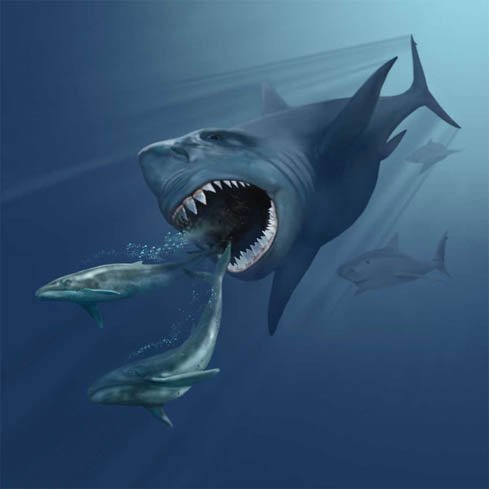
Most people think the megalodon was just a school-bus-sized great white shark that vanished for no clear reason. That version of the story is mostly wrong. In the last two years alone, paleontologists have quietly rewritten the shark’s body shape, its family tree, and even its bite mechanics – and much of what still shows up in kids’ books and museum placards has been walked back by the very researchers who once taught it.
Fossil hunters who’ve spent decades digging up its teeth are now the first to admit the old picture doesn’t hold up anymore. Here’s what the data actually says – and it’s stranger, and far more contested, than any documentary ever let on.
#1 – Megalodon Was Never a Giant Great White
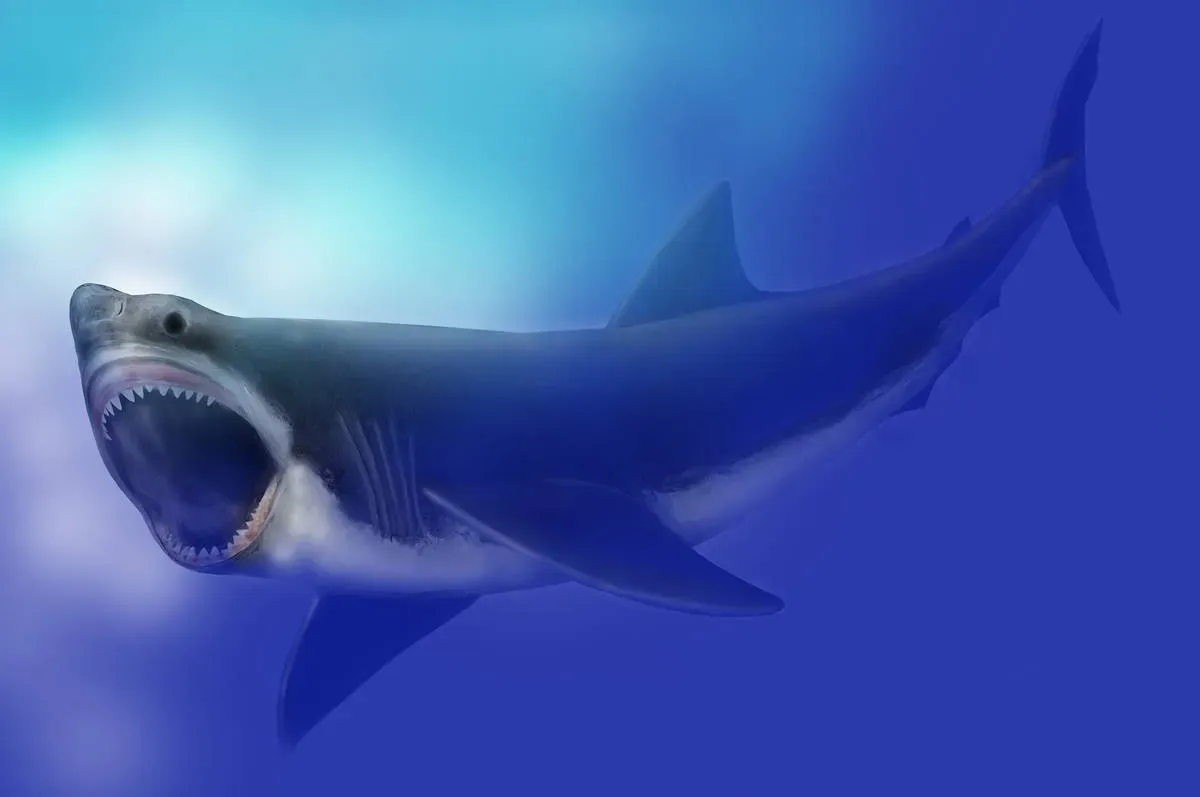
For decades, every reconstruction – museum models, documentaries, movie posters – used the great white shark as a body template and simply scaled it up. That assumption has now collapsed.
A 2024–2025 research effort led by paleobiologist Kenshu Shimada and shark biologist Phillip Sternes re-examined a partial megalodon backbone, and the numbers didn’t add up under the old model. When the team scaled a great white shark to match the vertebrae’s diameter, it only reached 30 feet. But the actual backbone measured 36 feet – a gap too big to ignore.
That six-foot discrepancy told researchers something important: megalodon’s body wasn’t built like a great white’s at all. It was longer and leaner for its width, which meant the classic “scaled-up shark” model had been wrong from the very start.
Shimada put it bluntly: “Previous studies simply assumed that megalodon must have looked like a gigantic version of the modern great white shark without any evidence.” The team now compares it to something far less menacing-looking – a lemon shark.
Fast Facts
- Great-white-scaled model predicted just 30 feet for the recovered vertebrae
- Actual backbone measured a full 36 feet – a six-foot gap the old model couldn’t explain
- Research led by Kenshu Shimada and Phillip Sternes, published 2024–2025
- Result: the decades-old “supersized great white” template was formally abandoned
#2 – It Probably Looked More Like an Enormous Lemon Shark
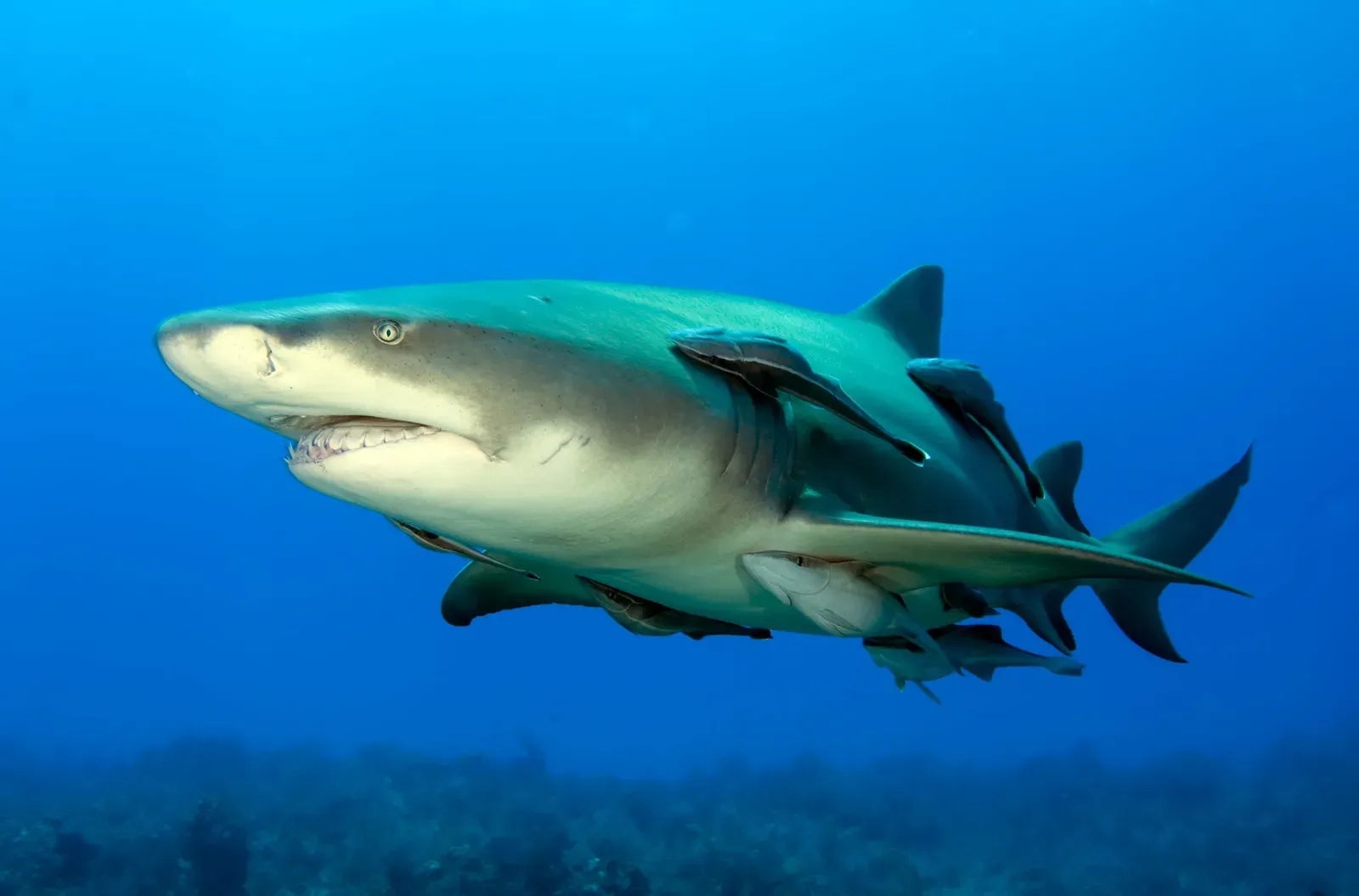
If the “giant great white” image is dead, what replaced it? Something stranger, and honestly less cinematic.
Co-author Phillip Sternes described the new silhouette directly, and it’s not what fans of the movie franchise want to hear.
It was actually more like an enormous lemon shark, with a more slender, elongated body. That shape makes a lot more sense for moving efficiently through water.
Phillip Sternes
This isn’t a fringe guess. It came from a team of over two dozen shark experts cross-referencing vertebral proportions against more than 100 living and fossil shark species.
The elongated shape also changes what scientists think megalodon’s insides looked like. A slimmer, longer body suggests a longer digestive canal too – meaning the shark may have absorbed nutrients more efficiently and gone longer between meals. A leaner gut, not a bulkier one, may have fueled its record-setting size.
#3 – Not Every Expert Agrees – And That’s the Point
Here’s the part fossil hunters don’t advertise: the “slender body” theory is still contested inside the field.
Researchers behind the earlier 2022 reconstruction pushed back hard. Paleontologist Jack Cooper argued the new proposal suffers from circular logic, and even outlets covering the story admitted the debate is far from settled.
What everyone does agree on is more interesting than either camp’s specific model. Every researcher involved now agrees megalodon was not simply a supersized great white – they just disagree on exactly what replaced that image.
Translation: the textbook silhouette is officially retired, even if its replacement isn’t finalized. Science rarely gets to announce a tidy final answer, and this is exactly what that messiness looks like in real time.
#4 – Megalodon Isn’t the Great White’s Ancestor
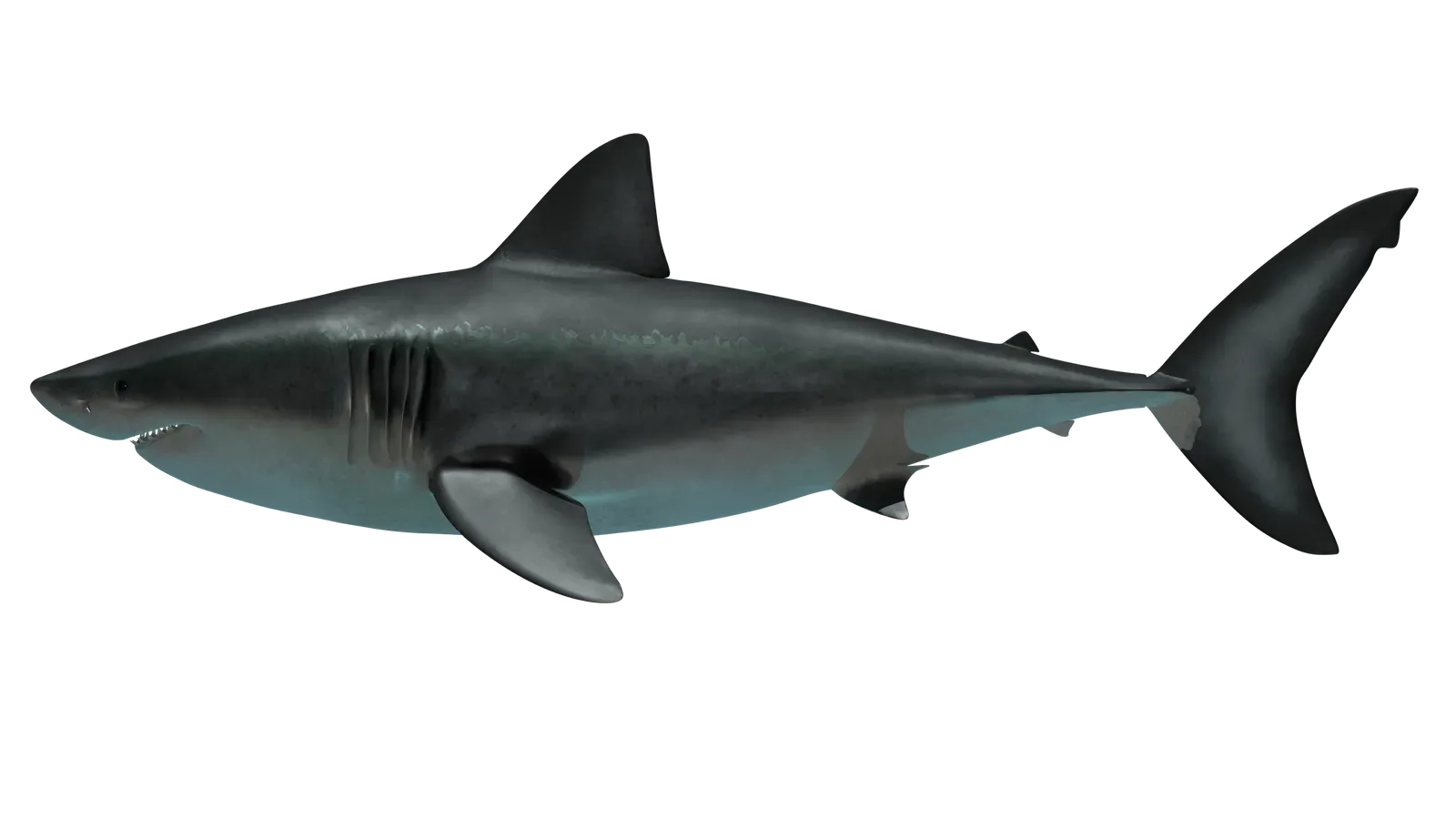
Nearly every old museum chart drew a straight evolutionary line from megalodon to the modern great white. That line has been erased.
Fossil hunters and biologists now place the two sharks on completely separate branches. While white sharks were once thought to descend directly from megalodon, genetic and dental studies dating back to 2020 point somewhere else entirely: megalodon likely shares closer ancestry with modern mako sharks through a common lamnoid ancestor. Both fall under the order Lamniformes, just on very different branches.
This matters for more than trivia. If great whites aren’t shrunken descendants of megalodon, then comparing their hunting style, metabolism, or even skin texture to the ancient giant becomes far shakier ground. Every “meg was basically a 60-foot great white” claim rests on a family tree scientists no longer accept.
#5 – The Size Numbers You’ve Heard Are Rough Guesses
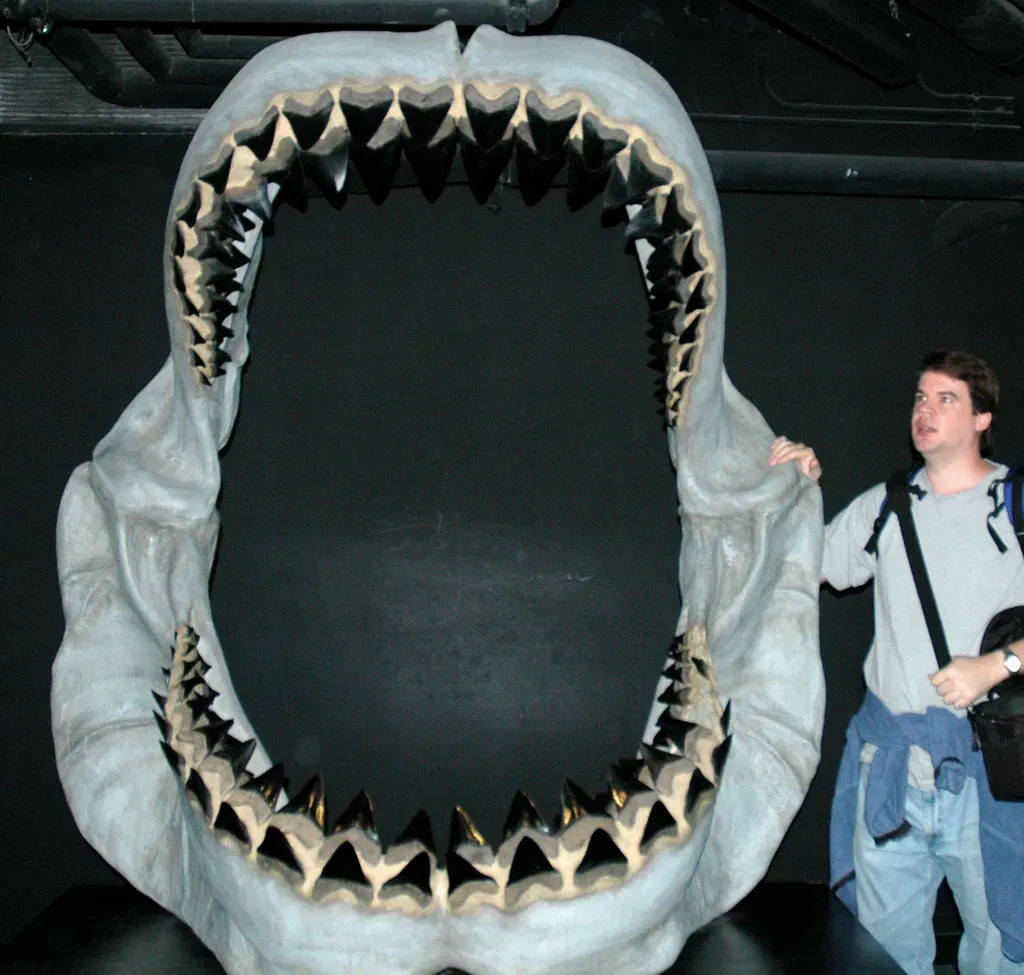
Ask ten sources how big megalodon really was, and you’ll get ten different answers. That’s not sloppy reporting – it’s the honest state of the science.
The core problem is simple: there’s almost nothing to measure. No complete megalodon skeleton has ever been found, so length estimates are built almost entirely on tooth size. Depending on which teeth and which formula researchers use, estimates swing wildly, from roughly 14 to 20 meters, with many published reconstructions clustering around 15 to 18 meters for the largest individuals.
The newest vertebrae-based model pushes the number even higher still. Based on the 2025 backbone reconstruction, megalodon may have reached 24.3 meters and weighed up to 94 tonnes.
That’s a 10-meter swing between competing studies – hardly the “settled fact” most articles present as gospel.
At a Glance
- Tooth-based estimates: roughly 14 to 20 meters (46–66 feet)
- Most commonly cited range: 15 to 18 meters for the largest individuals
- 2025 vertebrae-based estimate: up to 24.3 meters (about 80 feet)
- Estimated maximum weight: up to 94 tonnes
#6 – There’s Only One Semi-Complete Backbone Ever Found
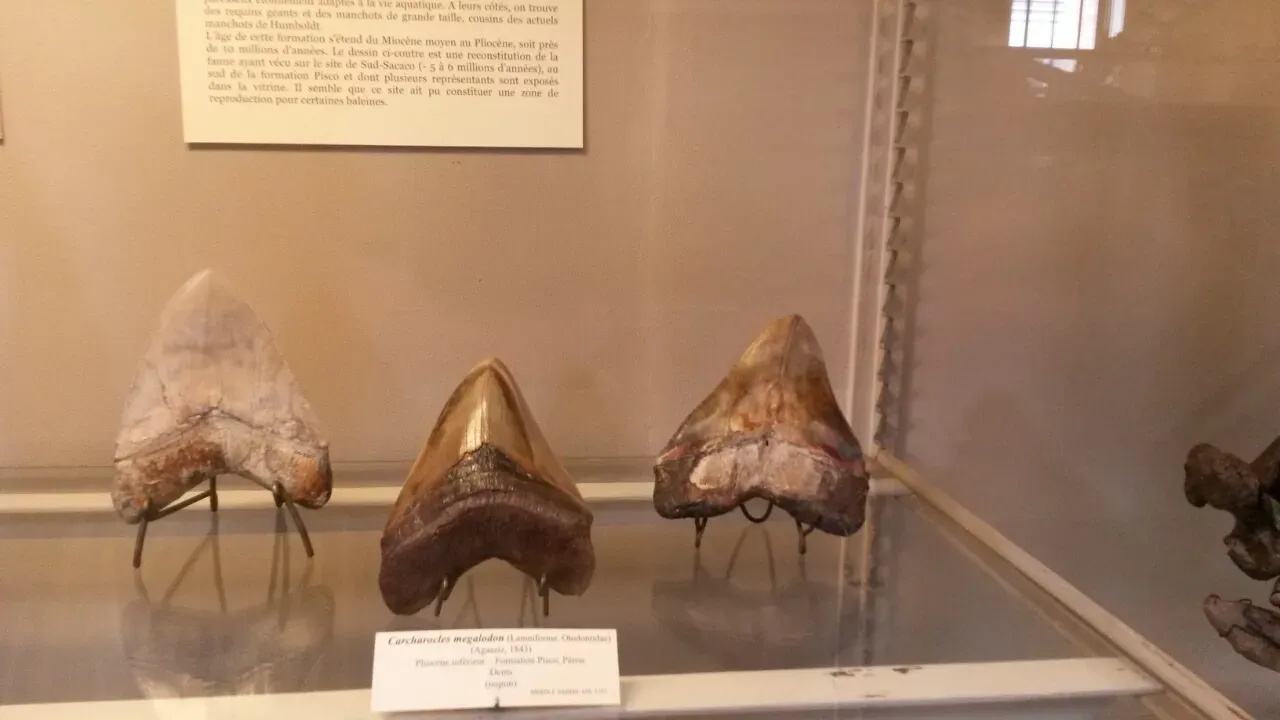
Nearly every megalodon fact you’ve ever read traces back to a single fossil discovery, and most fossil hunters don’t mention how thin that evidence really is.
The specimen behind the recent body-shape revolution came from Belgium – an incomplete set of fossil vertebrae that remains remarkably rare. Just one reasonably preserved megalodon vertebral column exists anywhere in the world, and pieces of it are roughly the size of a dinner plate.
Why so little skeletal material survives comes down to biology. Like all sharks, megalodon’s skeleton was made of cartilage, not bone, and cartilage simply doesn’t fossilize well. Unlike dinosaurs, its fossil record is mostly teeth.
Every dramatic size chart, every “bigger than a school bus” headline, ultimately traces back to extrapolating from that one dinner-plate-sized clue and thousands of scattered teeth.
#7 – The “Strongest Bite Ever” Claim Comes With an Asterisk
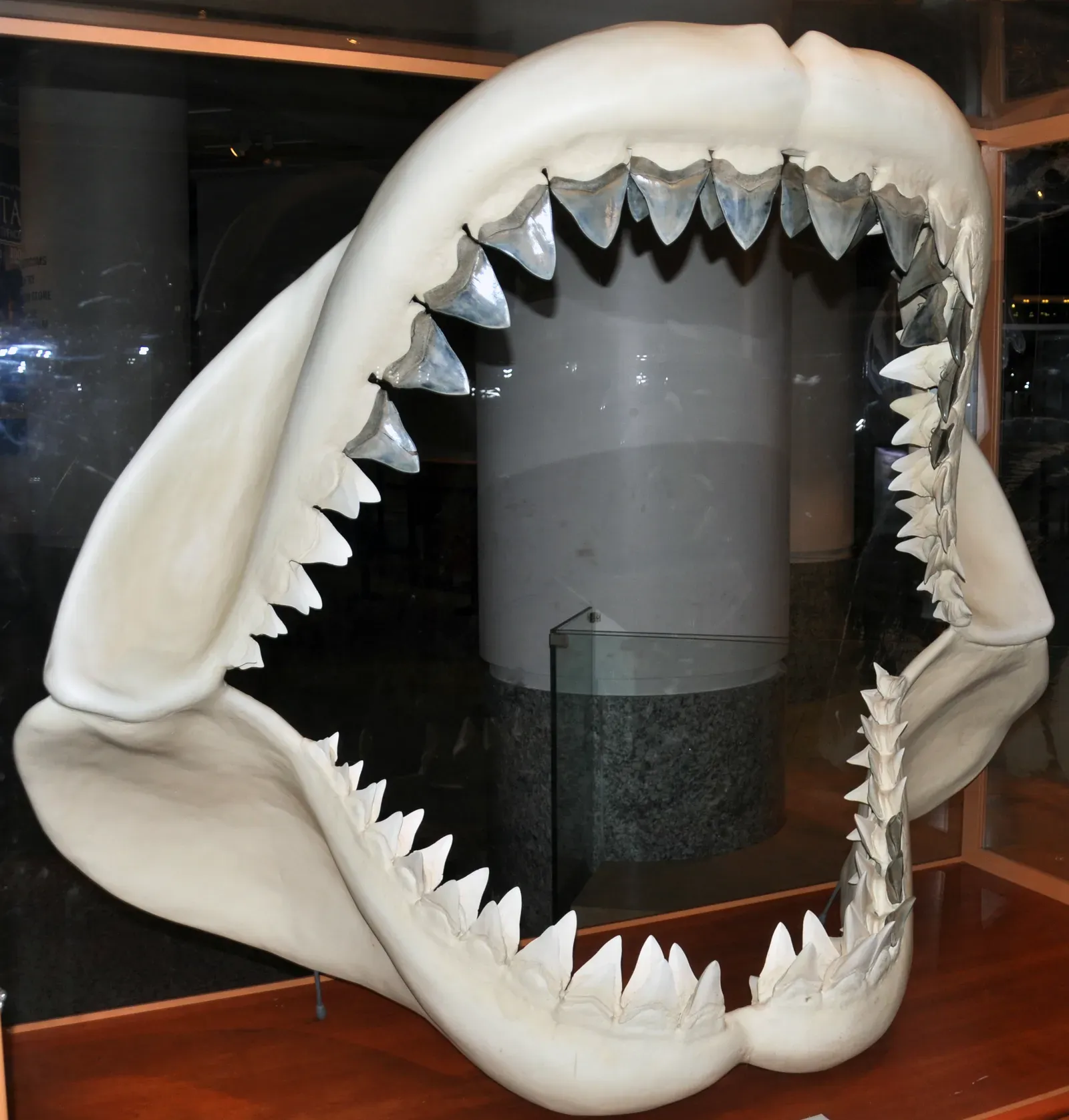
Fossil hunters love quoting the bite-force number because it sounds unbeatable. It’s real – but it’s also a computer estimate, not a measured fact.
The most-cited figures come from biomechanical modeling of the jaw and teeth. Scientists estimate megalodon’s bite force at somewhere between 108,514 and 182,201 newtons – about three times stronger than a T-Rex, and roughly ten times a great white’s. For comparison, a great white’s bite lands around 18,000 newtons, and a lion’s is closer to 4,000.
But no scientist has ever measured a live bite. These numbers come from tooth size, jaw reconstruction, and comparisons with living sharks – an educated calculation stacked on assumptions about muscle mass that no fossil can confirm. That’s exactly why the number occasionally shifts between studies.
Quick Compare
- Megalodon (estimated): 108,514–182,201 newtons
- Modern great white shark: around 18,000 newtons
- African lion: around 4,000 newtons
- Result: roughly three times a T-Rex’s bite, and about ten times a great white’s
#8 – Megalodon Was Likely Warm-Blooded – And That May Have Doomed It
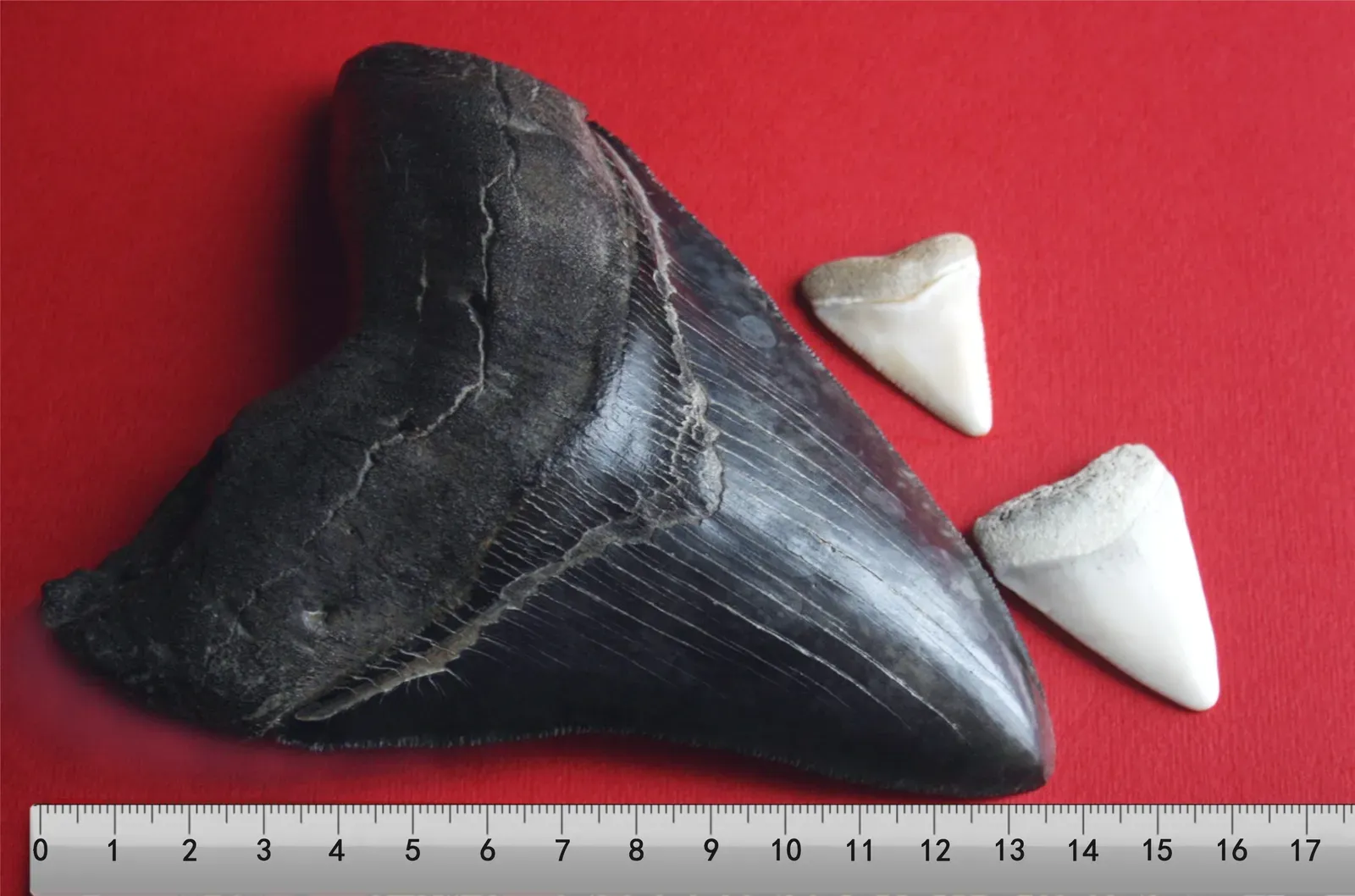
This one flips the old “cold-blooded sea monster” image completely on its head.
A 2024 study analyzing tooth chemistry produced a startling result: megalodon was very likely warm-blooded. That’s unusual for a fish – most are exclusively cold-blooded – but megalodon may have been like today’s great whites, which generate and retain some of their own body heat while swimming.
Here’s the controversial twist fossil hunters rarely bring up: that same trait may have helped kill it off. Maintaining a heated body at that scale burns enormous energy. Its massive size combined with the metabolic cost of staying warm may have made Otodus species especially vulnerable once food supplies thinned out.
The very adaptation that made megalodon a fearsome hunter in cool water became a liability the moment its prey started disappearing.
#9 – The “Nursery Grounds” Story Is Now in Doubt
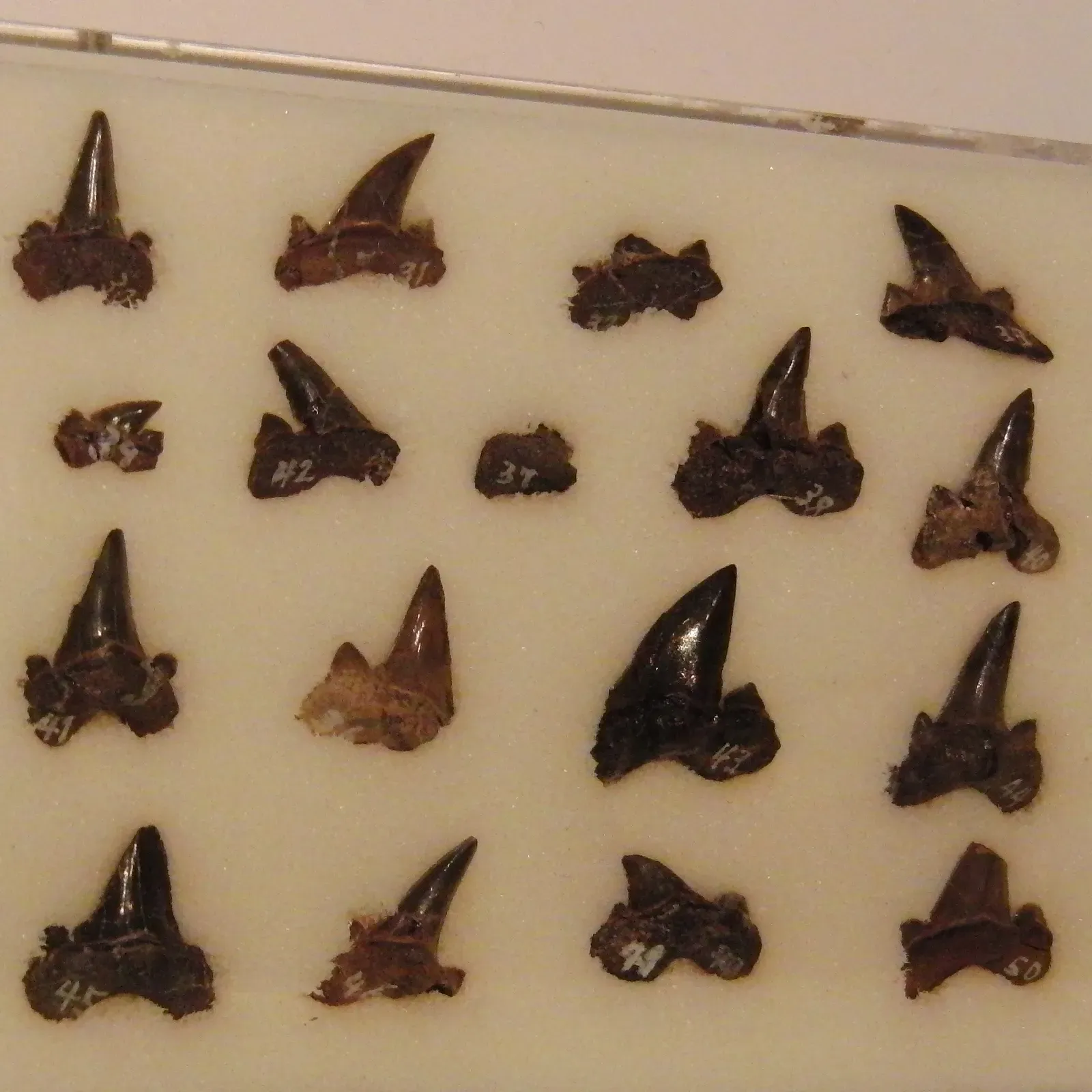
For years, fossil hunters pointed to clusters of small teeth as proof of shark daycare zones. New research says that story may be an illusion of water temperature, not baby sharks.
The classic version sounded tidy: juvenile teeth clustering at sites like Panama’s Gatun Formation implied protected pupping grounds, and megalodon may have had the largest neonate size of any shark species, up to two meters at birth.
But a competing analysis complicates that picture. Earlier studies pointed to sites like Yorktown as nursery evidence, but newer research suggests the real driver might just be temperature – smaller teeth may simply mean individual sharks grew to smaller overall sizes in warmer water, not that juveniles were clustering there.
One of the field’s most repeated “facts” might just be a heat-driven size pattern mistaken for a nursery.
#10 – Its Extinction Wasn’t One Dramatic Event
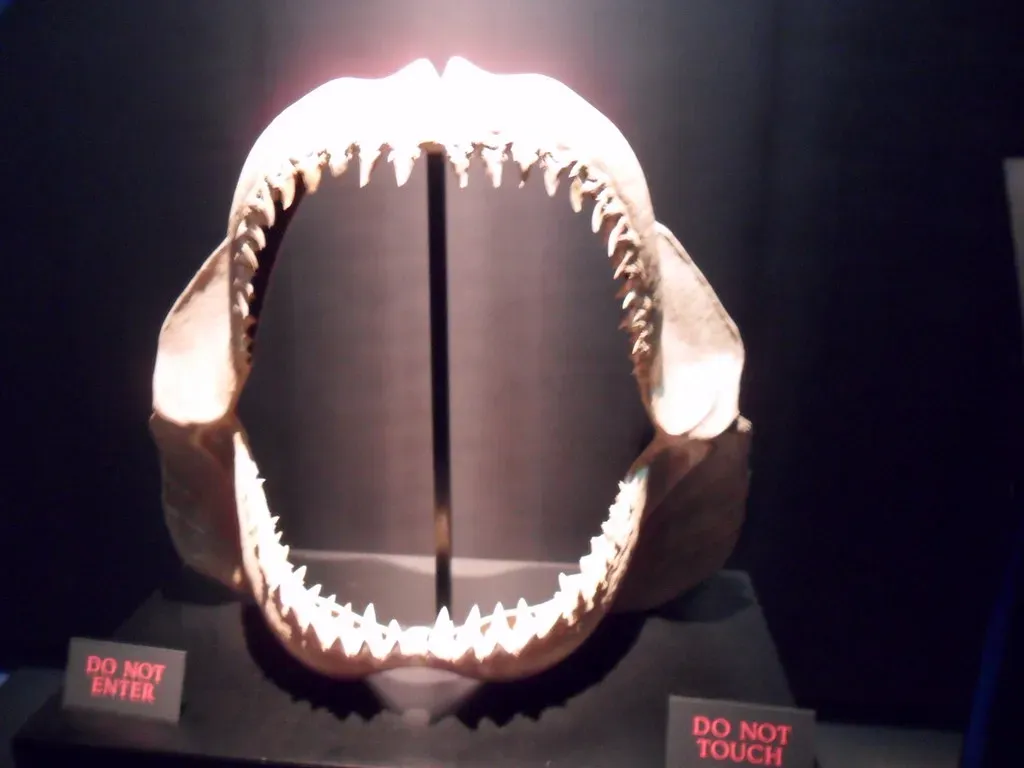
No asteroid, no single catastrophe – the real extinction story is slower and, honestly, less thrilling than the documentaries suggest.
Researchers now describe a pile-up of pressures rather than one killer blow: changing climate, declining prey, and rising competition all arriving at once. By around 3.6 million years ago, the planet entered a period of rapid cooling. Oceanic prey declined and nursery habitats vanished as sea levels dropped.
At the same time, a new predator emerged: the great white shark – smaller, more agile, and able to hunt in groups.
That’s the controversial opinion many fossil hunters won’t say out loud: a smaller, less powerful shark may have out-competed the ocean’s greatest predator simply by being more efficient, not more dangerous.
Worth Knowing
- Rapid ocean cooling intensified beginning around 3.6 million years ago
- Prey populations declined as sea levels dropped and habitats shifted
- Great white sharks emerged as smaller, faster, group-hunting competitors
- A warm-blooded metabolism made megalodon’s energy needs harder to sustain once food thinned out
#11 – It Is Definitely, Provably Extinct – No Exceptions
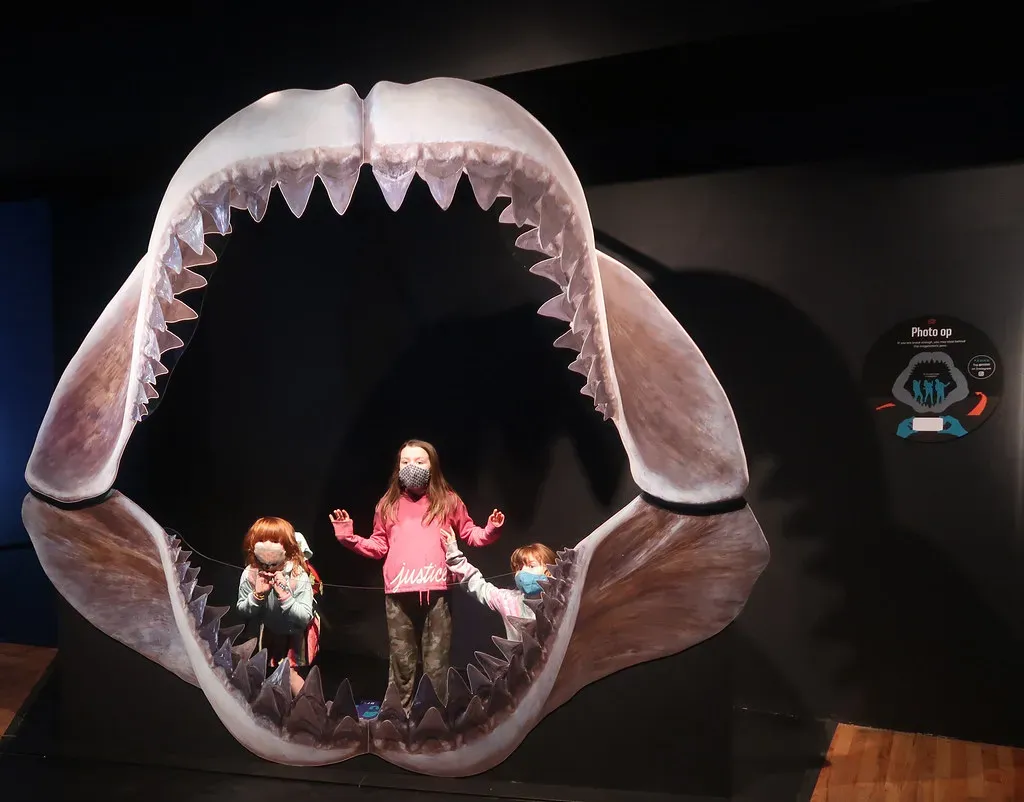
Every few years a blurry photo resurfaces claiming megalodon survives in the deep ocean. Fossil hunters are tired of correcting it, but the evidence against it is airtight.
The fossil record simply stops. No confirmed megalodon fossil is younger than 2.6 million years old, and a rigorous statistical analysis of dated fossils puts the probability of extinction by 3.2 million years ago at effectively 100 percent.
Deep-sea hideout theories don’t hold up biologically either. There’s no evidence of a deep-ocean survivor, and a megalodon-scale predator couldn’t stay hidden anywhere on Earth without leaving an unmistakable mark on marine ecosystems. As one shark researcher put it, “any suggestion that megalodon potentially still exists in unexplored ocean regions is complete nonsense based on not a shred of credible evidence.”
#12 – Fossil Hunters Mostly Find Teeth Because Nothing Else Survives
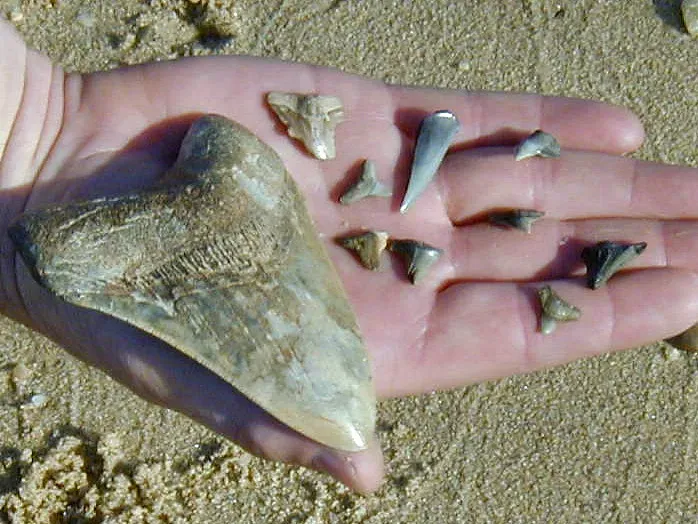
This is the fact that explains almost every other item on this list – and the one museum gift shops rarely spell out clearly.
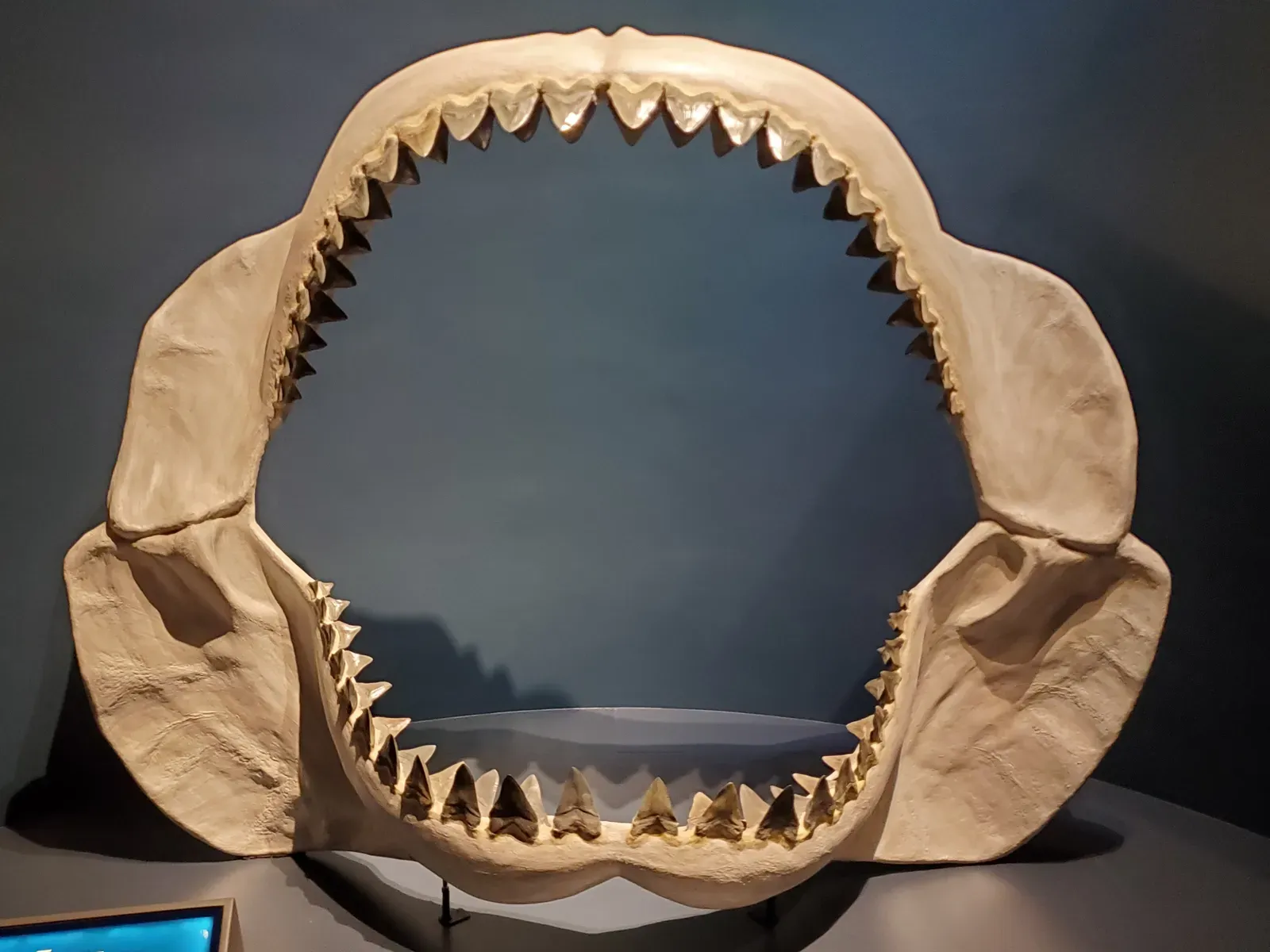
Sharks replace their teeth continuously throughout life, shedding thousands over a lifetime. Those shed teeth accumulated on seafloors for millions of years, producing an abundant fossil record despite almost no surviving skeletal material. That’s why megalodon teeth turn up on every continent except Antarctica, while a complete skeleton has never once been recovered.
This single fact is the reason so many “facts” on this list had to be revised. Every body-shape model, every size estimate, every bite-force calculation is built almost entirely on teeth and, occasionally, a fragment of spine.
Fossil hunters aren’t hiding new evidence – they’re constantly re-reading old teeth with better tools, and each re-read has quietly rewritten what we thought we knew.
The Bottom Line
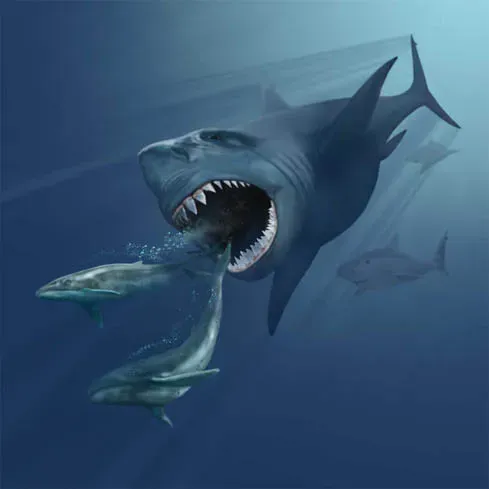
The megalodon fossil hunters describe today barely resembles the oversized great white from decades of documentaries. It was likely slender and lemon-shark-shaped, warm-blooded, unrelated to today’s great whites, and driven extinct by a slow squeeze of cooling oceans and smarter competitors – not one dramatic event.
Even its most famous stats, the bite force and body length, are still educated estimates built from a fossil record that’s almost entirely teeth. Science hasn’t gotten megalodon “wrong” so much as it’s finally catching up to how little direct evidence ever existed.
Honestly, that’s the more impressive story. An animal that vanished 3.6 million years ago is still forcing scientists to argue, revise, and admit what they don’t know – and that’s a far more interesting legacy than any movie monster could give it. Which of these surprised you the most: the lemon-shark body, or the warm-blooded twist? Drop your take in the comments.