
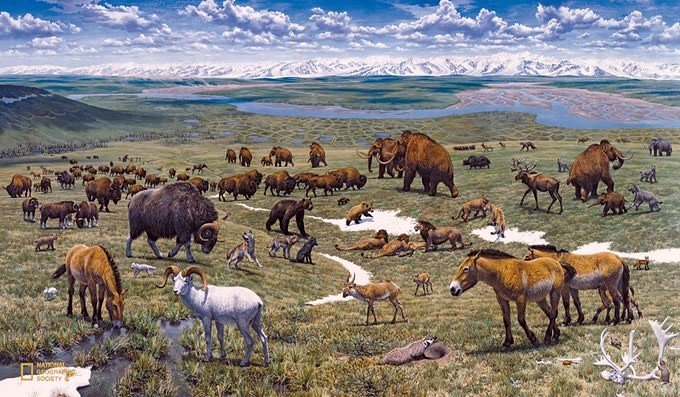
Most people picture Ice Age animals as simple, doomed giants – big, dumb, and destined to freeze the moment the world thawed. That picture just got wrecked. Scientists have now sequenced RNA from a mammoth’s flash-frozen final moments, performed an actual autopsy on a 44,000-year-old wolf, and discovered that an “extinct” species of lion was quietly breeding into today’s lion population long after we buried it in the textbooks.
Every one of the 13 discoveries below overturns something a museum plaque probably still tells you. Some are unsettling, some are just plain strange, and at least one sounds like a bad joke until you check where it was published. Here’s what the fossils, the genomes, and one very unlucky wolf are actually telling us.
#1 – Scientists Just Sequenced a Mammoth’s RNA for the First Time Ever
For decades, DNA was the gold standard for studying extinct animals. RNA – the molecule that actually tells cells what to do in real time – was considered too fragile to survive tens of thousands of years. That assumption just got destroyed.
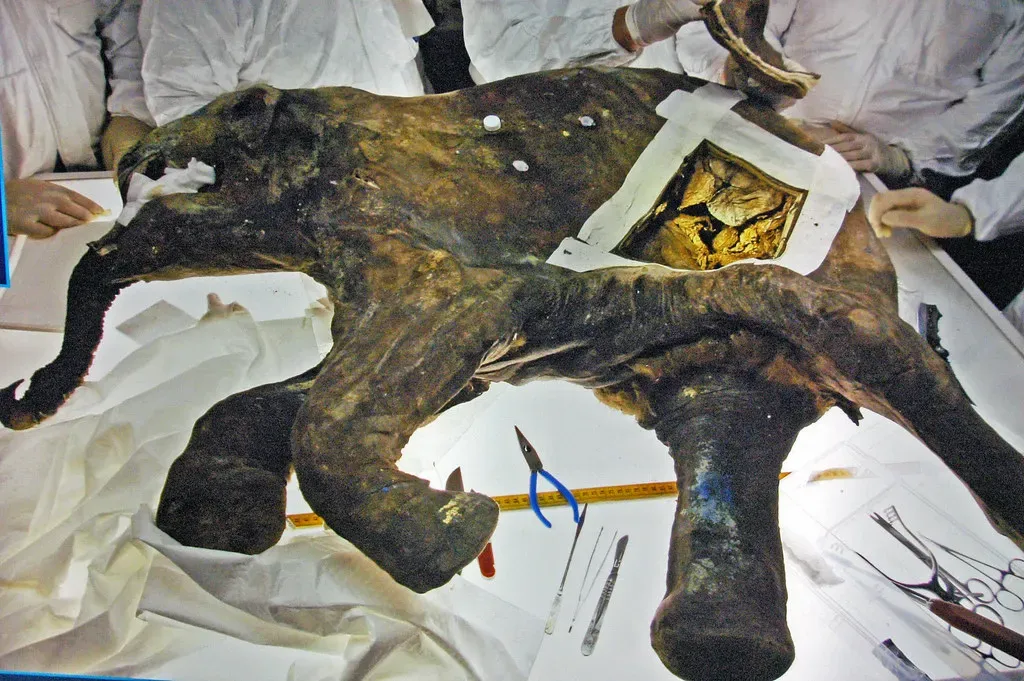
A team of researchers from Stockholm University and the Swedish Museum of Natural History successfully isolated and sequenced RNA molecules from a juvenile woolly mammoth that lived in the frozen wilderness of Siberia roughly 40,000 years ago. This matters because RNA can reveal what genes were actively switched on the moment an animal died, not just what its genome was theoretically capable of.
Even more startling: the RNA didn’t just prove preservation was possible. Analysis of the RNA supports suggestions that this particular mammoth was attacked by cave lions shortly before it died.
A molecule scientists assumed couldn’t survive an Ice Age has now provided a literal crime-scene report from 40,000 years ago.
- RNA preservation was previously thought biologically implausible past a few thousand years.
- This opens the door to studying real-time gene activity in other frozen specimens.
But that’s nothing compared to what we found about #2…
#2 – Mammoths May Have Been Killed by Rain, Not Spears
The “humans hunted mammoths to death” story has dominated pop science for a century. New genetic evidence tells a messier story – one where water, not weapons, did the real damage.
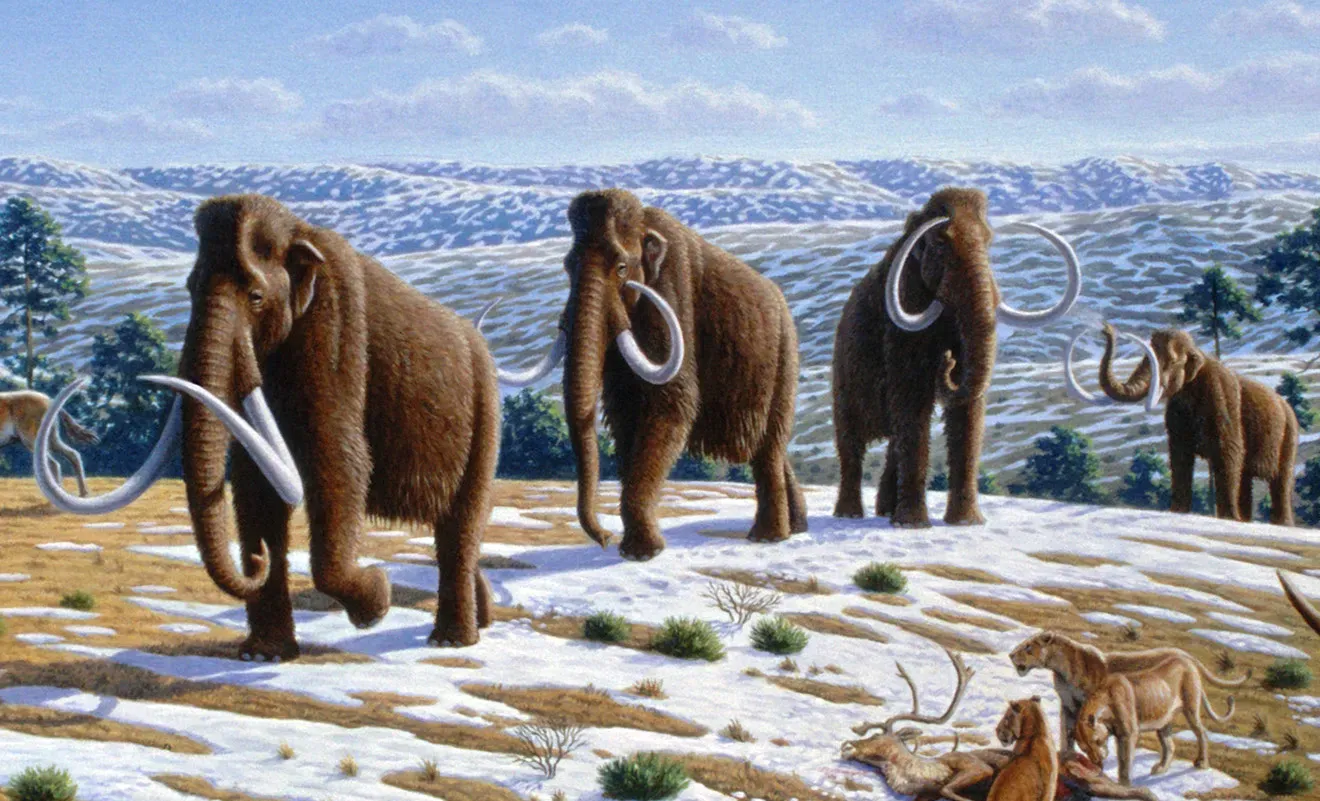
Geneticists studying ancient environmental DNA now argue the real killer was moisture. As the ice sheets melted, the landscape simply got too wet for the giant animals to survive, and their food source – dry grassland vegetation – was wiped out as it turned into soggy wetland. Mammoths were built to eat one kind of world, and that world drowned.
Here’s where it gets controversial: a competing research team disagrees entirely. Newer work shows humans played a significant role in wiping out woolly mammoths in Eurasia, and did so thousands of years later than previously thought. Signatures of past population changes found in fossils and ancient DNA suggest people hastened mammoth extinction by up to 4,000 years in some regions.
Quick Compare
- Climate theory: Melting ice turned dry grassland into wetland, wiping out the mammoth food supply.
- Human theory: Hunting pressure hastened extinction by up to 4,000 years in some regions.
- Current consensus: Most researchers now lean toward a combination of both forces.
So which is it – rain or spears? Most experts now argue it was both, working together, but the pure-climate camp is gaining serious ground. Wait until you see #3.
#3 – Mammoths May Have Sneezed Themselves Into Extinction
This one sounds like a joke until you read the actual research. As the Ice Age ended and the globe warmed, new vegetation spread across mammoth territory – and with it came a wave of pollen no mammoth had ever dealt with before.
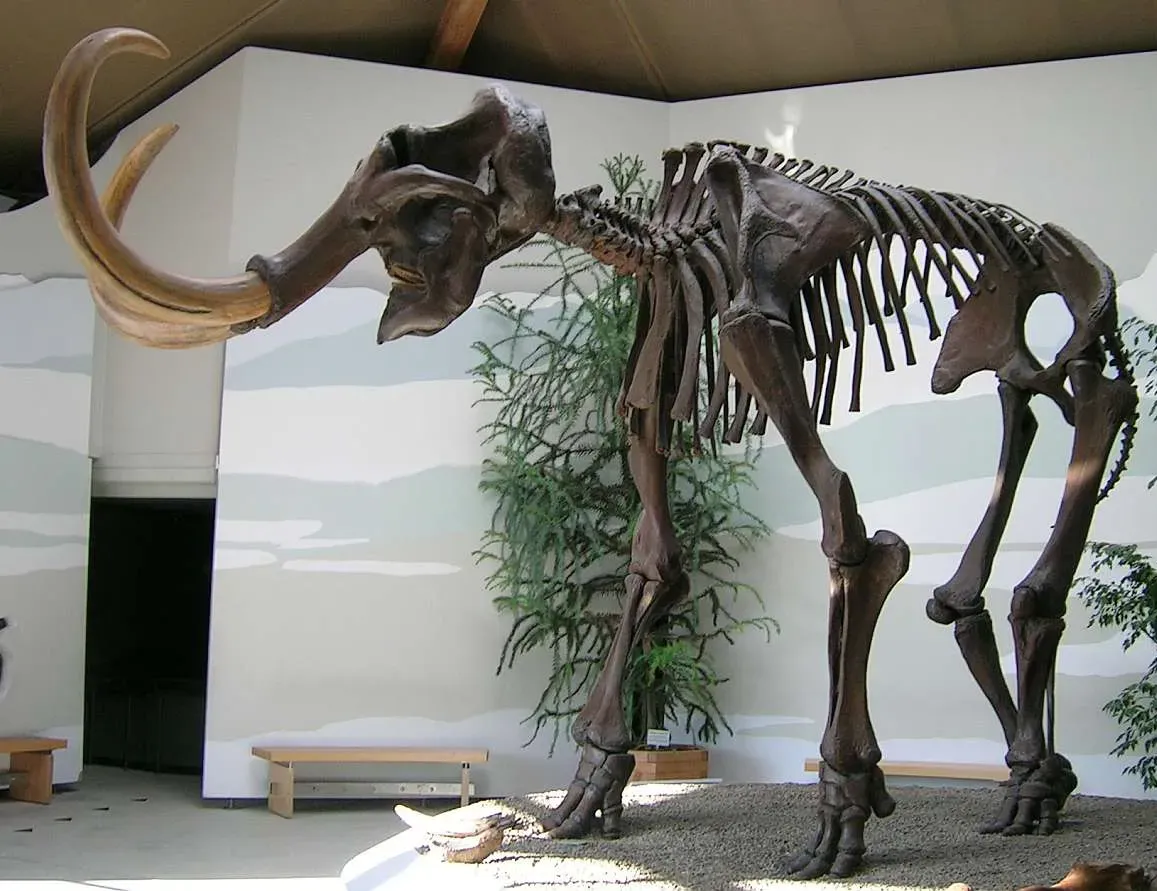
Scientists propose that this pollen may have triggered allergic reactions in woolly mammoths, impairing their sense of smell. That’s a bigger deal than it sounds. A mammoth’s nose wasn’t decorative – it was essential survival hardware for locating food, sensing predators, and finding mates.
To be clear, this idea is still on shaky ground. It remains speculative, and scientists are calling for further studies before anyone treats it as settled. Still, the idea that pollen allergies helped end an Ice Age giant is exactly the kind of overlooked variable that keeps surfacing once researchers stop assuming “climate” means only temperature.
- Loss of smell would hurt mate-finding, food-finding, and predator-detection simultaneously.
- Researchers are now testing mammoth remains for pollen-plant residue and immune markers.
But #4 completely upends the most famous mammoth extinction story of all.
#4 – The “Doomed by Inbreeding” Mammoths Weren’t Actually Doomed
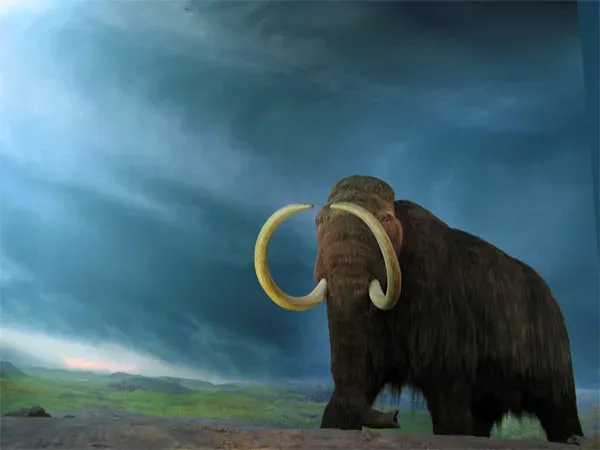
Every mammoth documentary loves the Wrangel Island story: a tiny, isolated population inbreeding itself into oblivion 4,000 years ago. Turns out that narrative is outdated.
Scientists confirmed the isolated Wrangel Island mammoths, compared to mainland Siberian animals, were indeed inbred with low genetic diversity. But despite descending from just a handful of individuals, the population didn’t collapse. It stabilized – and survived on the island for another 6,000 years.
So if genetics wasn’t the killer, what was? New research suggests some sudden catastrophic event – a natural disaster, or possibly a virus – wiped out the world’s last known mammoths on Wrangel Island in one stroke.
A population everyone assumed was slowly dying actually held on for six millennia before something sudden finished it off. That reframes the entire “doomed by biology” narrative – and #5 reframes the entire mammoth map.
#5 – Mammoths Roamed Hundreds of Miles Farther East Than We Thought
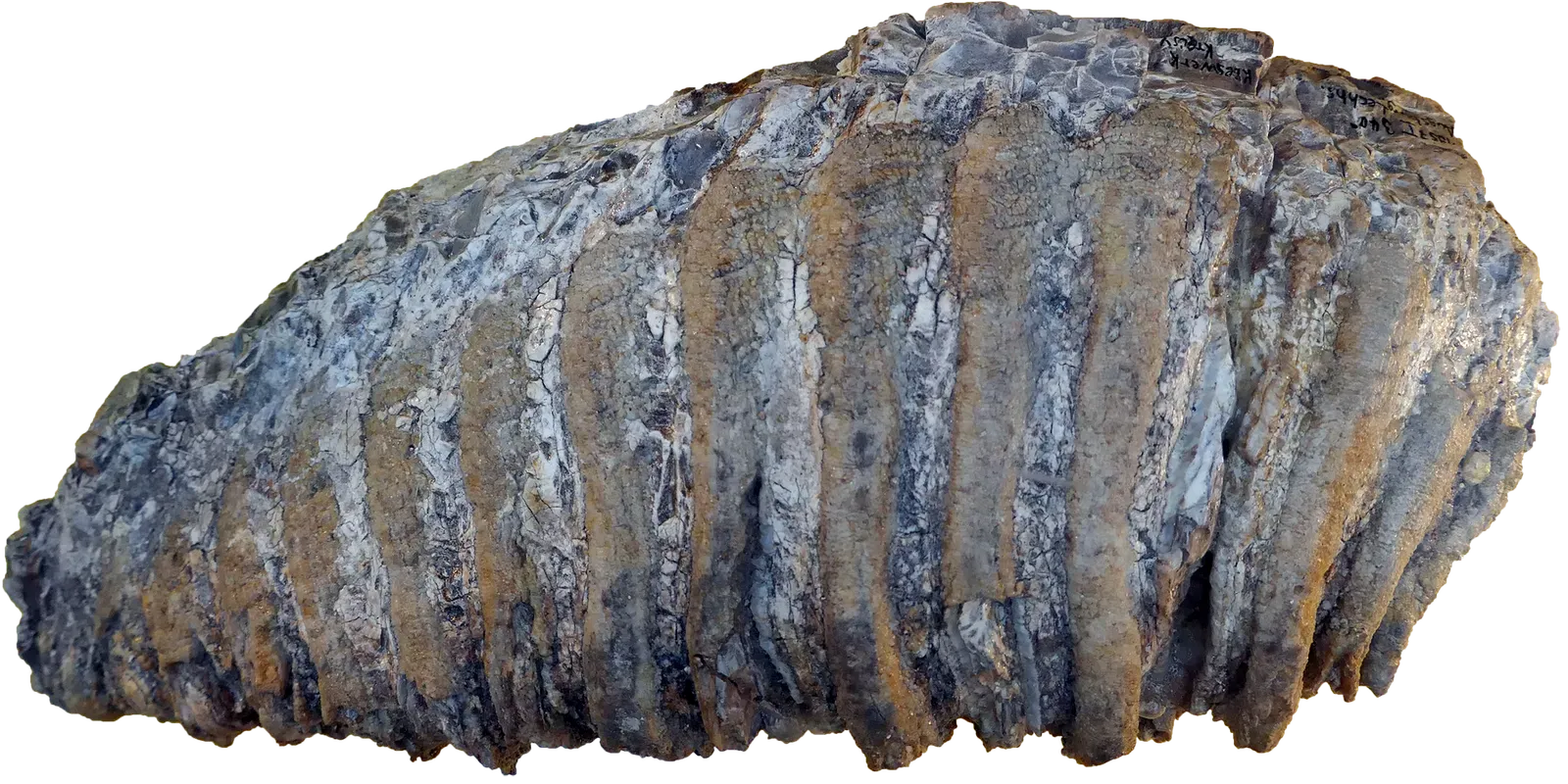
A tooth sitting in a collection for nearly 150 years just rewrote mammoth geography. A McGill-led study reclassified an 1878 find – originally thought to be a Columbian mammoth – as an older, cold-adapted woolly mammoth (Mammuthus primigenius). That makes it the most northeasterly woolly mammoth find ever recorded in North America.
The tooth, unearthed on Long Island, Nunavut near the junction of Hudson and James bays, was first described in 1898 by Geological Survey of Canada director Robert Bell. It sat misclassified in a drawer for over a century before anyone looked at it twice.
One overlooked museum specimen just pushed the entire known woolly mammoth range hundreds of miles in a direction nobody expected. It’s a pattern worth watching – old fossils in old drawers, misfiled by 19th-century scientists, are quietly rewriting Ice Age maps.
Now let’s talk about the predator everyone thinks they understand – because #6 proves they don’t.
#6 – Saber-Tooth Cats Weren’t Plains Hunters. They Were Forest Ambushers.
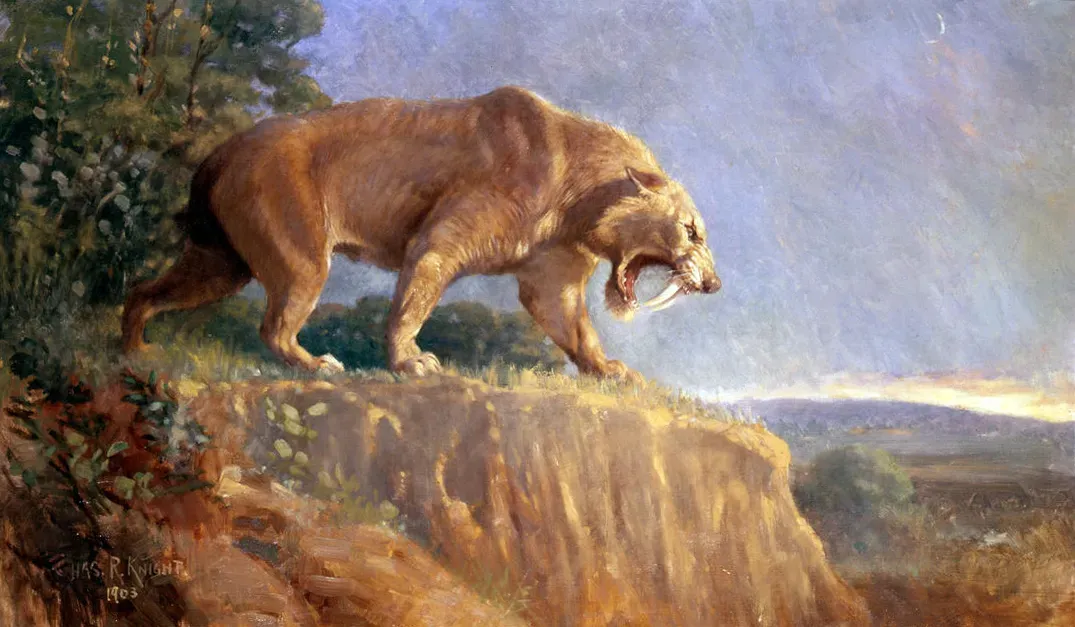
Every documentary shows Smilodon sprinting across open grassland. New tooth analysis says that’s almost entirely wrong.
When researchers examined tooth enamel instead of relying on older collagen data, the picture flipped. Saber-tooth cats, American lions, and cougars turn out to have been doing what cats usually do – hunting from cover inside forested ecosystems, not chasing prey across open ground.
This directly contradicts decades of assumption. Earlier studies looked at carbon and nitrogen isotopes in fossilized collagen from La Brea predators and concluded that the biggest hunters – Smilodon, dire wolves, American lions – all preferred open environments.
Two different chemical methods gave scientists two completely different pictures of the same animal. That’s a genuinely controversial split worth debating: which dataset do you trust – bone collagen or tooth enamel?
But #7 might be even harder to accept.
#7 – Saber-Tooth Cats Might Have Lived in Family Groups, Not Alone
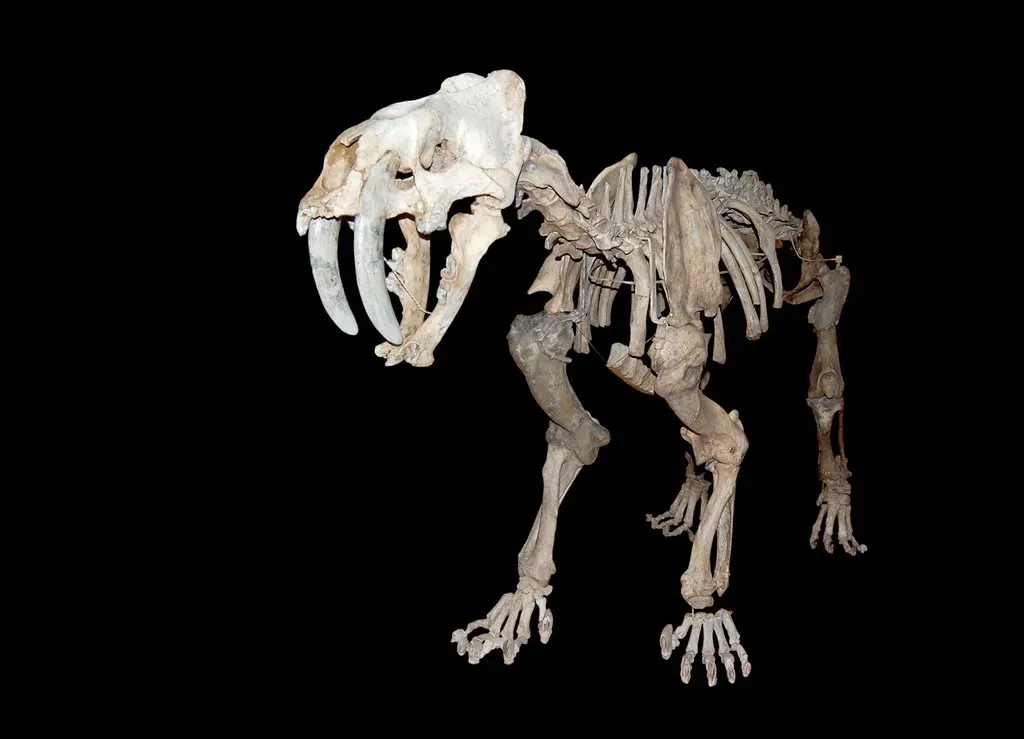
The lone-predator image of Smilodon is being challenged by injury patterns nobody expected to find in the tar.
Fossils of dire wolves and saber-tooth cats together outnumber herbivores about 9-to-1 at La Brea. That ratio doesn’t make sense for solitary hunters showing up one at a time to scavenge – it suggests both predators may have lived in prides or packs, similar to modern lions and wolves.
The real clincher is healed trauma. Researchers keep finding Smilodon skeletons with brutal injuries that healed anyway – injuries that shouldn’t have been survivable for an animal hunting alone. It raises an uncomfortable, almost tender question: were injured pack members being fed by the others?
A supposedly solitary killer may have actually nursed its wounded family members back to health. Not everyone agrees, though – a minority of researchers still argue against cooperative behavior in Smilodon. That skepticism gets a lot more interesting once you read #8.
#8 – Ice Age Super-Predators Were Secretly Falling Apart Internally
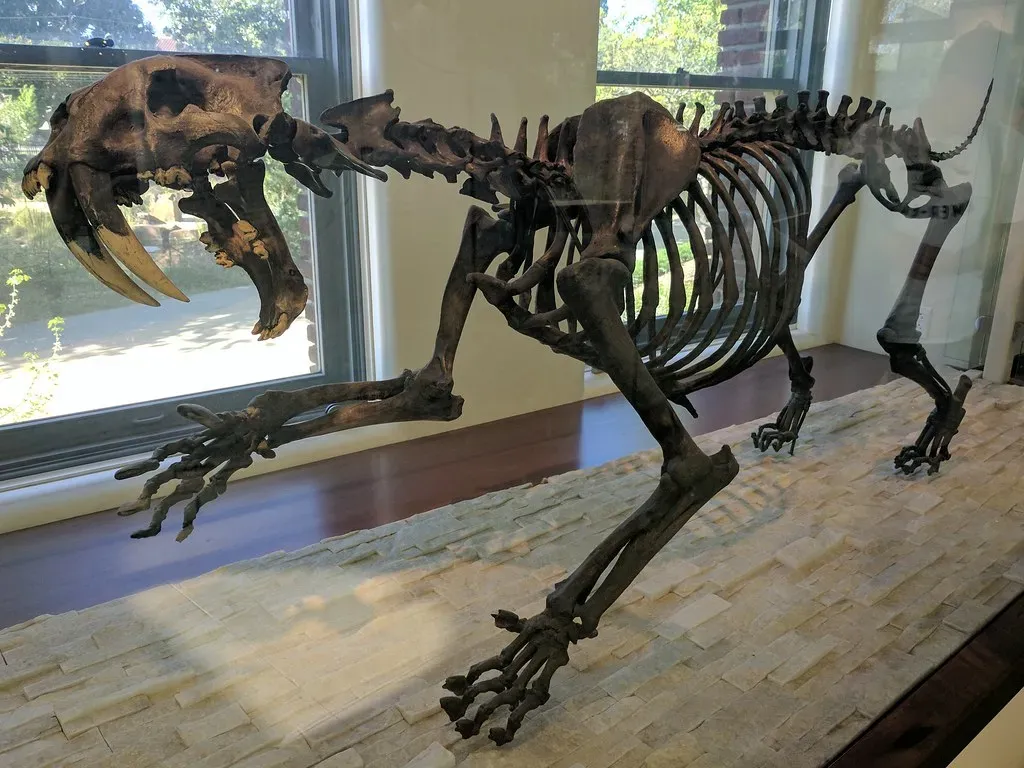
Saber-tooth cats and dire wolves look terrifying in museum displays. Their skeletons tell a very different story: chronic, grinding pain.
A new study found that saber-tooth cats and dire wolves alive as the planet warmed may have faced an internal foe called osteochondrosis dissecans – painful divots in the joints, most often the knees. About 6 percent of saber-tooth cat femurs and 2.6 percent of dire-wolf femurs in the study showed visible defects, along with 4.5 percent of dire-wolf shoulder specimens.
Fast Facts
- Roughly 6% of saber-tooth cat femurs studied showed joint damage from osteochondrosis dissecans.
- 2.6% of dire-wolf femurs and 4.5% of dire-wolf shoulder specimens showed the same defects.
- These rates are notably higher than in modern animals, including humans.
That prevalence is notably higher than in modern animals, including humans. Researchers now suspect this points to genetic stress from shrinking, inbreeding populations right before extinction took hold.
Apex predators everyone imagined as invincible were quietly limping around with the Ice Age equivalent of arthritis. Now compare that to how differently these two species actually hunted in #9.
#9 – Dire Wolves and Saber-Tooth Cats Hunted in Totally Different Styles
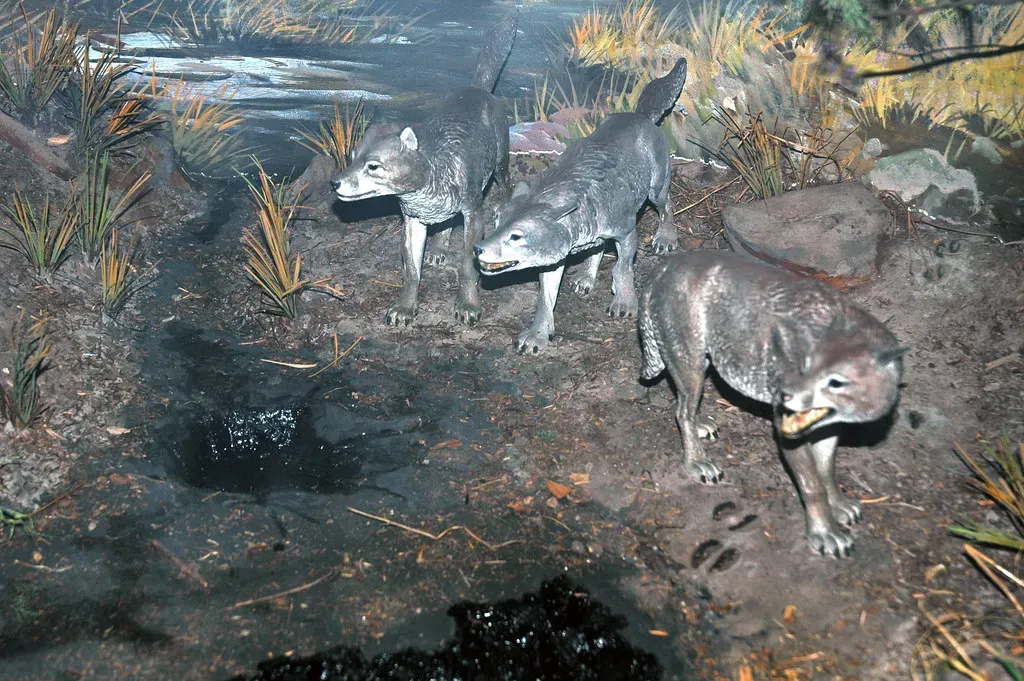
These two predators shared the same tar-pit graveyard but not the same hunting playbook, according to skeletal trauma studies.
Smilodon fatalis and the dire wolf represent ambush and pursuit predators, respectively, and the frequency of trauma in the saber-tooth cat exceeds that of the dire wolf – 4.3 percent compared to 2.8 percent. That gap implies Smilodon’s killing style carried a much higher risk of injury.
The location of the injuries backs this up. Smilodon, the ambush hunter, was injured more often across the lumbar vertebrae and shoulders – consistent with grappling large prey at close range. Dire wolves, the pursuit hunters, showed more injuries in the limbs and neck, consistent with a long chase.
One predator gambled everything on a single violent ambush; the other ground its prey down over a chase. That’s nothing compared to the identity crisis hiding inside #10.
#10 – Cave Lions Never Fully Went Extinct
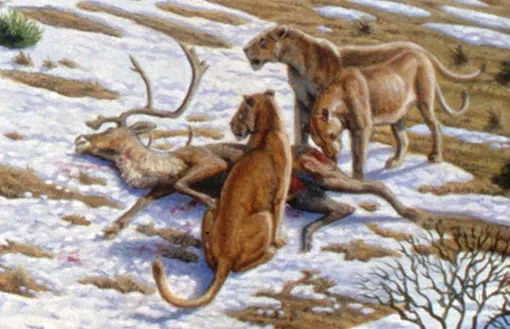
This is the wildest reversal on this entire list. The cave lion, long filed under “extinct,” is genetically still walking around today – or was, very recently.
A study published in Cell by researchers at the Centre for Palaeogenetics revealed that cave lions were interbreeding with modern lions for millennia, blurring the line between the two supposedly separate species. The cave lions themselves went extinct around 13,000 years ago, likely from a combination of rapidly shifting climate hitting their prey base and expanding human populations hunting what was left. Their menu included woolly mammoths – usually young or elderly individuals – along with woolly rhinos, antelope, reindeer, horses, and bison.
At a Glance
- Cave lions went extinct roughly 13,000 years ago.
- They interbred with modern lions for millennia before disappearing.
- Their prey included woolly mammoths, woolly rhinos, antelope, reindeer, horses, and bison.
- The last lion lineage carrying cave lion ancestry was hunted out in the early 20th century.
A modern lion in Southwest Asia may have carried genetic traces of a species we call extinct – until humans hunted that specific lineage out too, in the early 20th century. It’s almost poetic, and almost never mentioned outside academic papers.
Get ready, because #11 flips a 15-year-old assumption upside down.
#11 – Cave Bears Were Probably Killed by Humans, Not the Cold
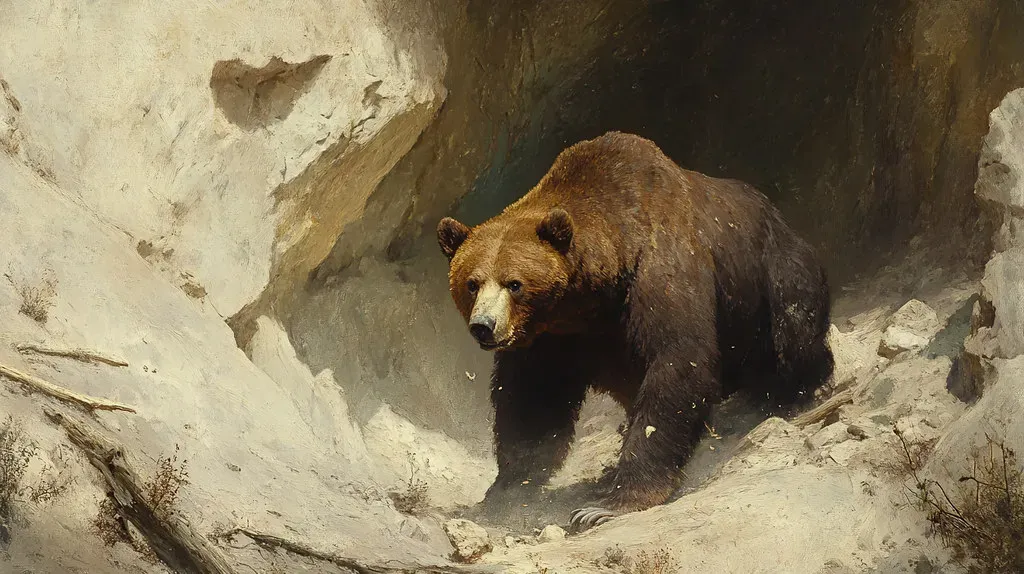
For years, the go-to explanation for cave bear extinction was simple: the Ice Age got too cold, plants died, and a strictly vegetarian bear starved. Genetic evidence now complicates that tidy story.
Researchers led by the University of Zurich’s Verena Schünemann used mitochondrial DNA from 59 cave bear remains to date the start of the species’ decline to roughly 40,000 years ago – long before the last true ice age but right around the time modern humans began settling in Europe. That timing is the entire argument.
If not for our arrival in Europe, I don’t see any reason why cave bears should not be around today.
Hervé Bocherens, study co-author
Older research disagrees. A 2008 study pinned the extinction on deteriorating food supply and found no convincing evidence of human involvement at all. Two well-cited studies, two completely opposite culprits, one extinct bear. This is a genuine, unresolved fight in paleontology – feel free to pick a side in the comments.
But nothing on this list is as visceral as #12.
#12 – A 44,000-Year-Old Wolf Was Found With Its Organs Still Intact
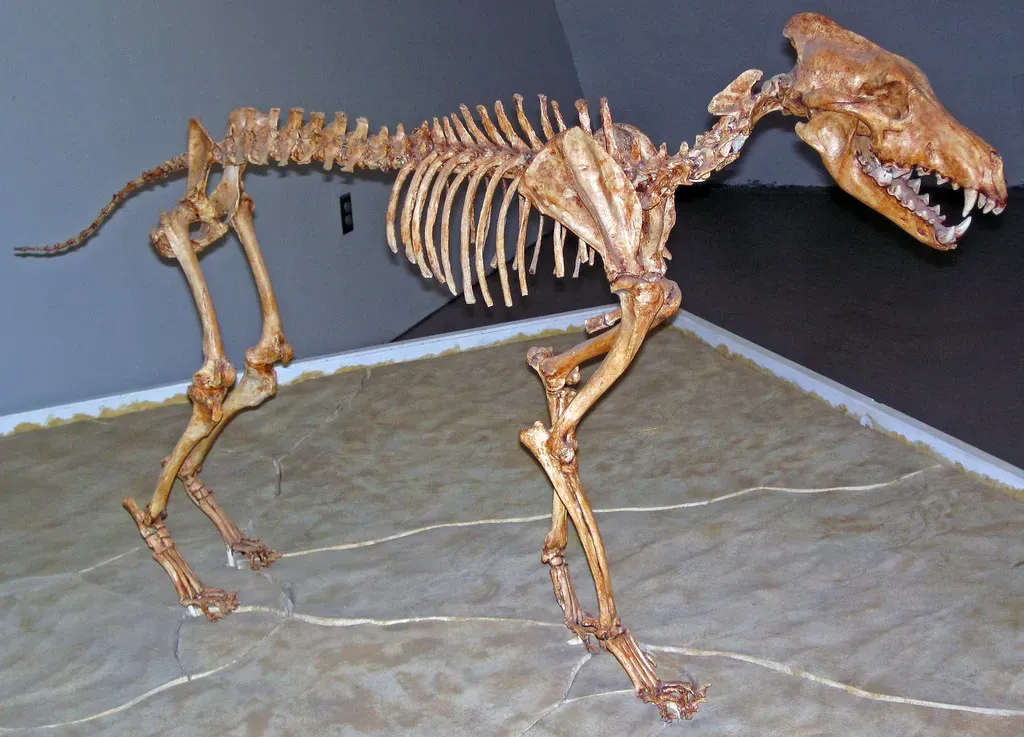
In a first for paleontology, researchers didn’t just find wolf bones – they found a wolf.
Its skin, fur, and even internal organs had survived tens of thousands of years of natural cold storage. Early analysis suggests it was an adult male that lived roughly 44,000 years ago, during the late Pleistocene. In June 2024, researchers in Yakutsk completed a full necropsy – an animal autopsy – on the specimen, sampling tissue like it had died the week before.
Worth Knowing
- The wolf lived roughly 44,000 years ago, during the late Pleistocene.
- Its skin, fur, and internal organs remained intact enough for a full necropsy.
- The examination took place in Yakutsk in June 2024.
- Most permafrost carnivore finds are fragmentary – a fully intact predator like this was unprecedented.
This isn’t a routine fossil find, and lead researcher Protopopov said as much: it’s the world’s first discovery of a late Pleistocene predator preserved this completely. Usually it’s herbivores that die in swamps, freeze, and reach us intact – a large carnivore surviving whole, organs and all, had never happened before.
Scientists ran an actual autopsy on an animal that died before the pyramids existed, before the wheel was invented, before agriculture began. That’s not an exaggeration – that’s the current, genuinely strange state of Ice Age science.
Which brings us to the final, biggest revision of all in #13.
#13 – Cold-Weather Survival Evolved a Million Years Earlier Than Scientists Assumed
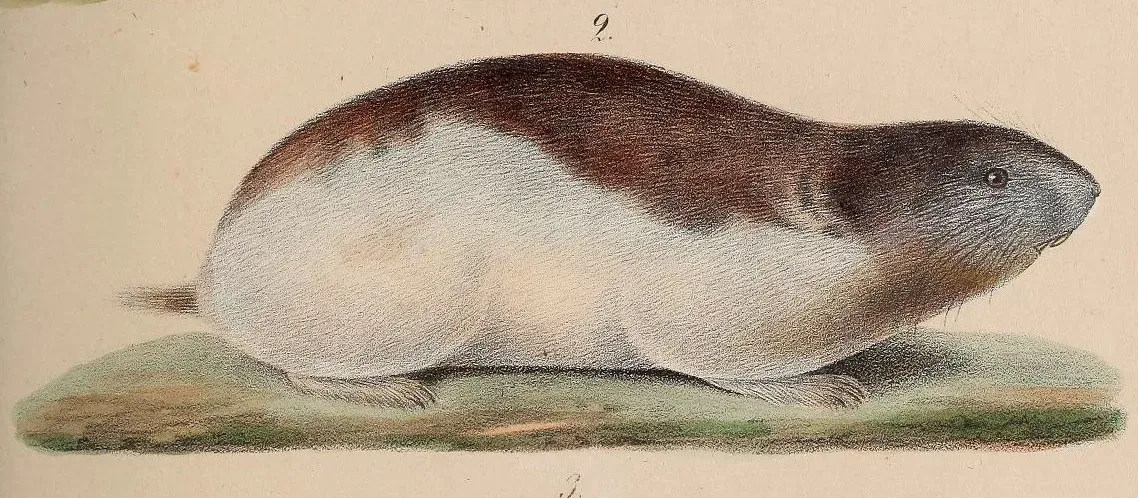
The last big shake-up isn’t about one animal – it’s about the entire timeline of Arctic evolution.
A new study found evidence of true lemmings and reindeer in the Arctic far earlier than expected, possibly evolving as climates cooled during the early Pleistocene, between one and two million years ago. That pushes cold adaptation back much further than the “recent Ice Age only” model most of us learned in school.
The Arctic keeps surprising researchers in other ways, too. A newly identified species of rhinoceros in the Canadian High Arctic – dated to 23 million years ago – shows rhinos once lived far farther north than anyone expected, reshaping ideas about how megafauna migrated between continents. Separately, a rare cave discovery in northern Norway turned up a species never before found in Scandinavia: the collared lemming, a cold-adapted rodent that vanished from Europe around 11,000 years ago, right at the end of the last Ice Age.
- Cold adaptation traits may predate the “Ice Age” label by over a million years.
- Entire species, like Arctic rhinos, lived in regions never previously connected to megafauna migration maps.
The most surprising Ice Age discovery isn’t a single animal – it’s how wrong our timeline was.
The Bottom Line
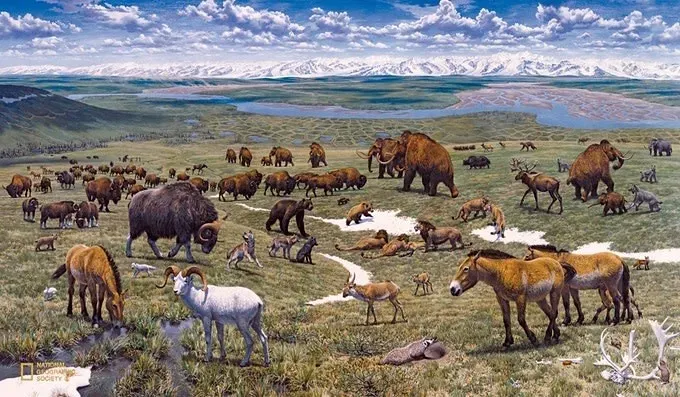
The last few years of paleogenetics, tooth-enamel chemistry, and literal frozen autopsies have quietly demolished the tidy Ice Age story most of us grew up with. Mammoths may have drowned in mud, not fallen to spears. Saber-tooth cats hid in forests and possibly nursed their wounded. Cave lions technically never fully died out. Cave bears might owe their extinction to us, not the cold.
None of this is settled science, and it shouldn’t be treated that way – researchers are still arguing over almost every point on this list, and that’s exactly what makes it worth following. The Ice Age wasn’t one simple die-off. It was dozens of overlapping, messy, species-specific collapses that scientists are only now able to untangle with DNA that was never supposed to survive this long. If you had to bet, the next “impossible” discovery is probably already sitting in some museum drawer, mislabeled since the 1800s, waiting for the right person to look twice.
Which of these findings surprised you the most – the cave lion genetics, or the wolf autopsy? Drop your take in the comments.