
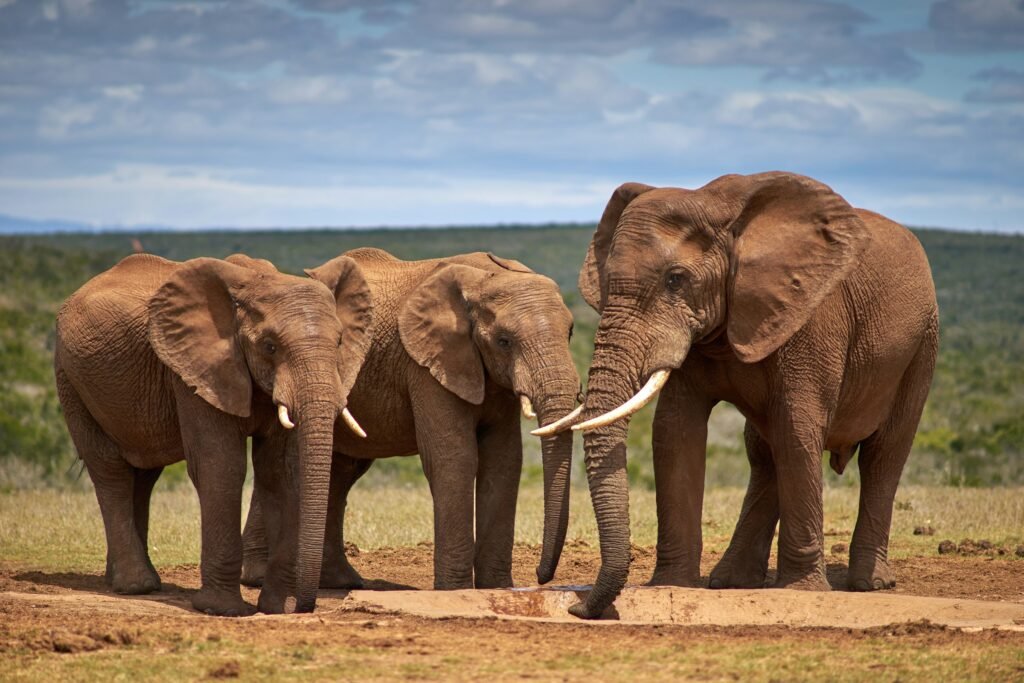
Most people assume we’ve mapped every mystery of the animal kingdom’s biggest land mammal, but elephants are quietly humiliating modern science. Despite decades of genome sequencing, GPS collars, and acoustic monitoring, researchers keep running into walls when they try to explain basic elephant behavior.
A 2016 sleep study on wild African matriarchs left scientists stunned when the data contradicted textbook theories about memory and dreaming. From cancer-proof cells to grief rituals that look eerily human, elephants keep breaking the rules biologists thought were settled. Here’s what the actual researchers, not internet folklore, say about the 15 elephant mysteries still unsolved.
#1 – Nobody Fully Understands How Elephants Make Their Secret Infrasound Calls
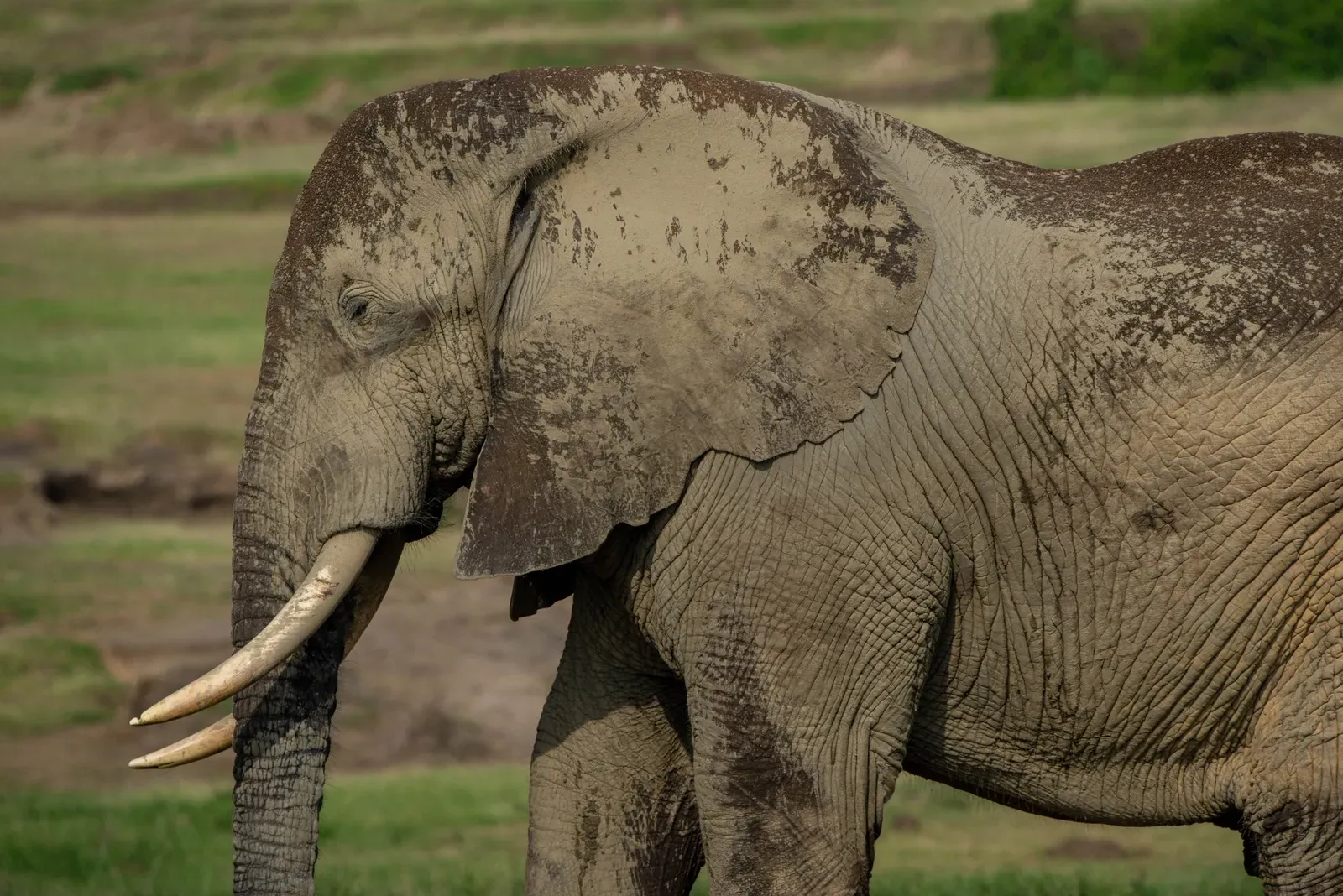
For decades, scientists knew elephants could “talk” below the range of human hearing, but the how remained a genuine puzzle. Two competing theories dominated the field: either elephants tense and relax laryngeal muscles like a cat purring, or they use passive airflow the same way humans hum or sing, just at a scale eight times larger.
In 2012, researchers at the University of Vienna finally got a partial answer by removing the larynx of a deceased zoo elephant and blowing air through it in a lab. The research showed that the physical principles underlying the human voice extend over a remarkable range, from a bat’s incredibly high vocalizations all the way down to elephants’ subaudible infrasounds. The experiment proved passive airflow alone could generate the rumble, undercutting the purring hypothesis entirely.
But here’s the twist most articles leave out: that lab test doesn’t mean the mystery is closed. As one Cornell bioacoustics researcher who studies forest elephants put it, “We really do not know that much about the specific characteristics of elephant sound production.” These calls travel several kilometers and give elephants a “private” communication channel that plays a major role in their complex social lives, yet how individual elephants modulate pitch, tone, and meaning in real time in the wild is still guesswork. But that’s nothing compared to what we found about #2…
#2 – Their Feet Might Be Secret Ears, and Scientists Still Argue About How
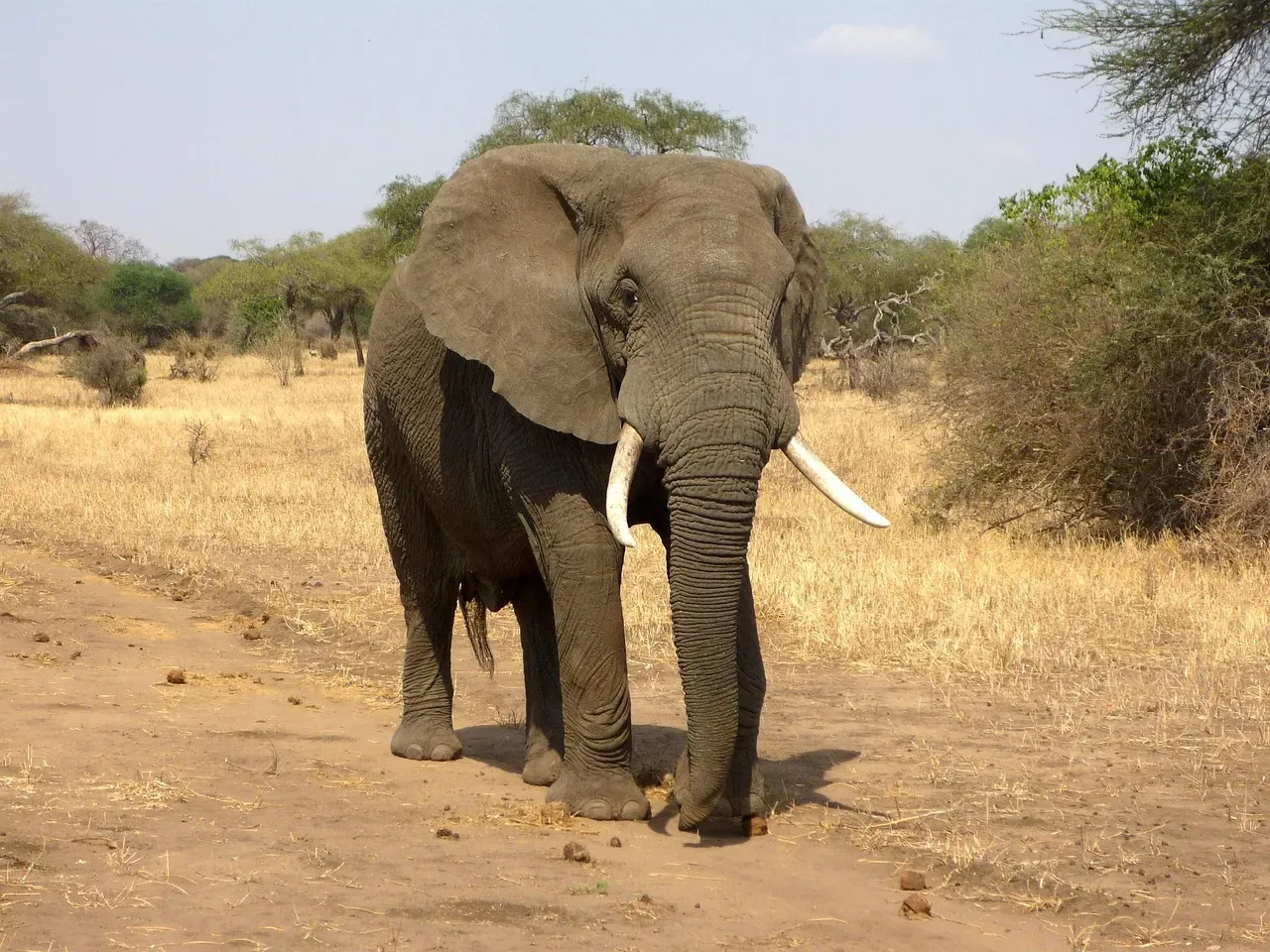
Here’s something that sounds like science fiction but isn’t: elephants appear to “hear” through the ground. Their feet contain vibration-sensitive mechanoreceptors, including Pacinian corpuscles, that respond to mechanical disturbances. When a distant herd rumbles, part of that energy travels through soil as seismic waves, and elephants seem to pick it up.
The behavioral evidence is striking. They stand completely still, often with one foot raised, leaning forward to channel vibrations through their leg and shoulder bones directly to their middle ear. During the transmission, a unique muscle around the ear canal constricts, dampening airborne sounds and letting the elephant focus exclusively on seismic signals.
Yet the actual transmission pathway is still contested. Researchers have proposed two principal transmission paths, and the precise contribution of each remains an active subject of research. It’s more accurate to say elephants detect seismic signals through a combination of sensitive foot structures and bone-conducted vibration than to say their feet simply are ears. Most people assume this is settled science – it isn’t. And human noise pollution is now actively drowning out this ability before we’ve even confirmed exactly how it works.
#3 – Why Elephants Almost Never Get Cancer Despite Having Trillions of Cells
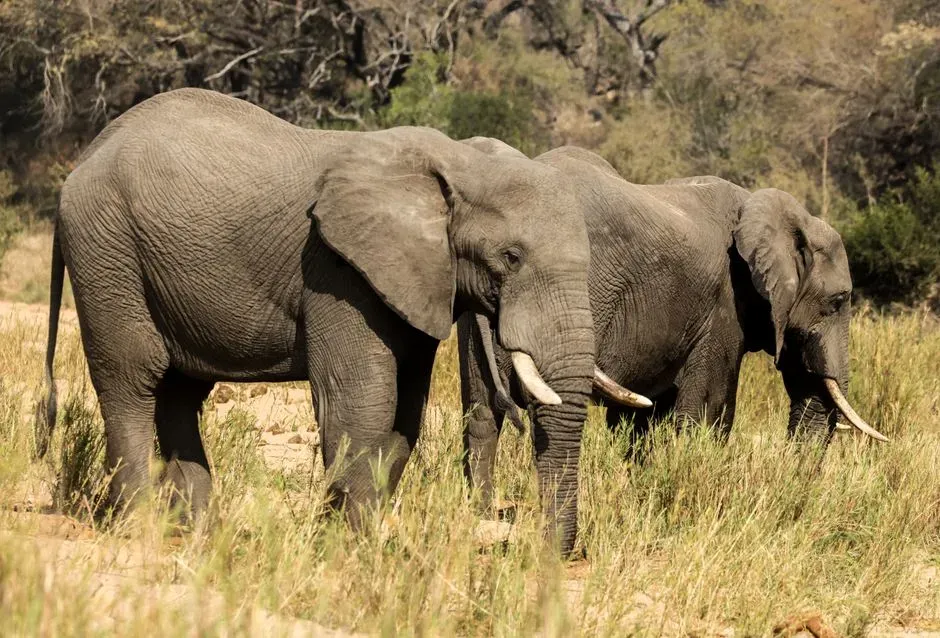
By the raw math of biology, elephants should be walking cancer factories. More cells dividing over a longer lifespan should mean more chances for a cancerous mutation to slip through. Instead, elephants get cancer at strikingly low rates, a contradiction epidemiologists call Peto’s Paradox.
The leading explanation involves a gene called TP53, often nicknamed the genome’s guardian because it triggers cell repair or forces damaged cells to self-destruct before they turn cancerous. Despite their size and lifespan, elephants seem to stave off cancer by carrying 20 copies of the tumor suppressor gene TP53 and 11 extra copies of a gene called LIF. Humans, by comparison, only carry a single copy per parent.
Quick Compare
- Humans: 1 copy of TP53 per parent (2 total)
- Elephants: roughly 20 copies of TP53
- Elephants also carry 11 extra copies of the LIF gene
- Estimated elephant cancer mortality: around 5%
- Estimated human cancer mortality: 11% to 25%
Here’s where it gets genuinely controversial: one study found elephant cells were “twice as sensitive to DNA damage-induced apoptosis as human cells,” meaning they’re more likely to trigger their own cellular kill-switch when DNA is damaged, sacrificing themselves before cancer can spread. But a 2024 genetic re-analysis pushed back hard, concluding there was no compelling evidence of selection acting on these gene copies at all, and that the pattern fits a neutral model of duplication and drift rather than adaptive design. Even the experts studying this can’t agree on whether elephant cancer resistance is a designed evolutionary shield or a happy genetic accident. But that’s nothing compared to what we found about #4…
#4 – Elephants Function Perfectly on Roughly Two Hours of Sleep a Night
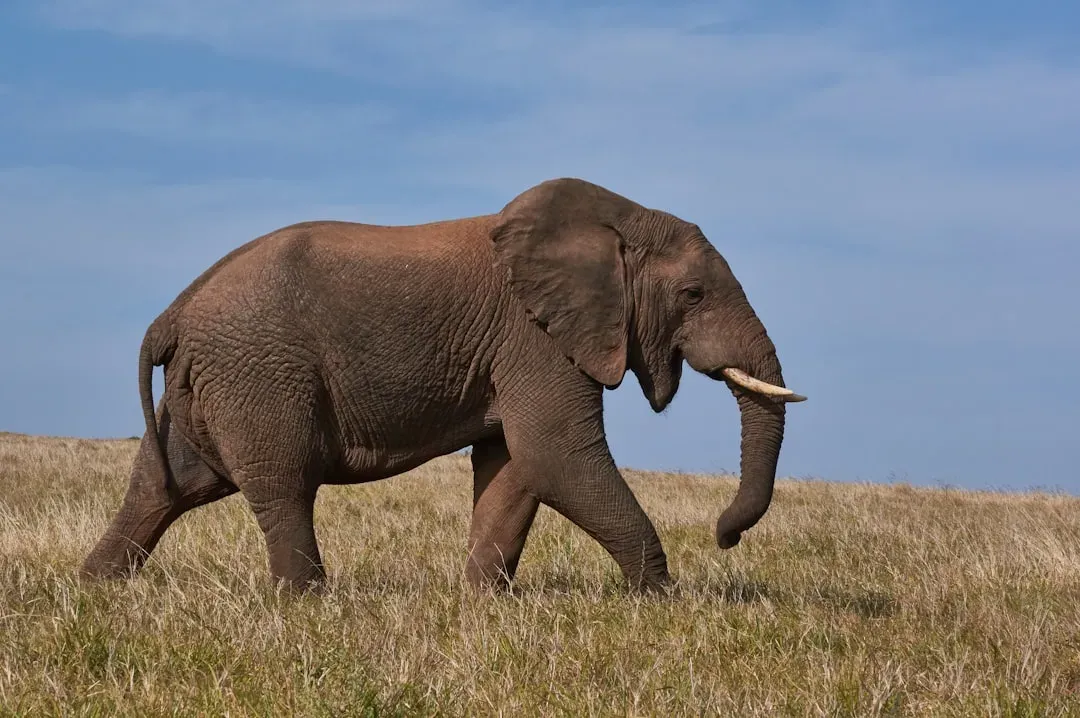
If you think you’re sleep-deprived, consider the African elephant matriarch. Researchers using GPS trackers and implanted activity monitors found the venerable pachyderms slept an average of just two hours per night, according to a study published in PLOS One. Some nights, they didn’t sleep at all.
The elephants once went 46 hours without resting, and instead of collapsing afterward, they kept moving, roaming as far as 19 miles during those sleepless stretches, probably to escape predators or other disturbances. Lead researcher Paul Manger admitted the underlying biology is still murky: “Why this occurs, we’re not really sure,” he said, adding that sleep remains one of biology’s genuine mysteries alongside eating and reproduction.
The really controversial part is what this does to a core assumption in neuroscience. “Our findings are not consistent with the hypothesis of the function of REM sleep, as the elephant has well-documented long-term memories, but does not need REM sleep every day to form these memories,” Manger says. If an animal famous for never forgetting barely dreams, the textbook link between REM sleep and memory consolidation might be flatly wrong for large mammals.
#5 – Elephants Grieve Their Dead in Ways Scientists Can’t Explain Away as Instinct
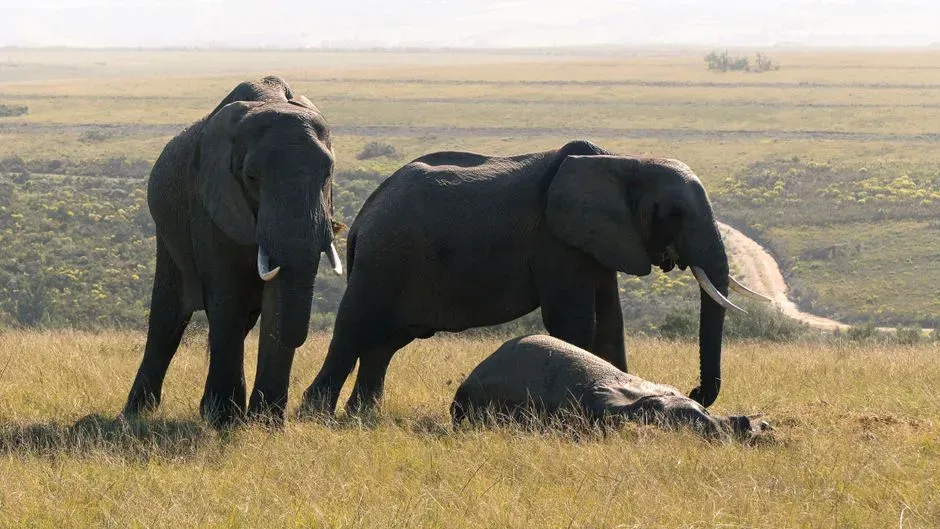
Elephant researchers have documented something disturbing to skeptics of animal emotion: herds returning to the bones of dead relatives, standing vigil for hours, and behaving in ways that look unmistakably like mourning. Conservation biologist George Wittemyer, who has studied elephants at Kenya’s Samburu Reserve since 1997, doesn’t mince words about it. “Elephants have respect for their dead, but their interaction with their dead is not something we fully understand,” says Wittemyer, who also heads Save the Elephants’ scientific board.
The evidence goes beyond casual sniffing. In controlled experiments, elephants distinguish between elephant remains and other large mammals – in tests measuring their interest, they chose the skull of an elephant over the skulls of a buffalo and a rhinoceros. That’s not random curiosity; that’s species-specific recognition of their own dead.
Even more striking, researchers studying Asian elephants have documented burial behavior. One study in India revealed that elephants not only grieved for dead calves but buried them, with scientists witnessing the herd trumpeting and roaring loudly over the grave before departing after about 40 minutes and never returning.
The fact that they interact and have behavioral interactions with their dead in a form that is not explainable in any simple, evolutionary context speaks to the deeper emotional lives of elephants.
George Wittemyer, Conservation Biologist
While many scientists remain cautious about calling this human-style grief, the selectivity is hard to dismiss – this mourning behavior has only ever been documented toward other elephants and, occasionally, humans they were bonded to. But that’s nothing compared to what we found about #6…
#6 – Some Elephants Can Recognize Themselves in a Mirror, and Nobody’s Sure Why
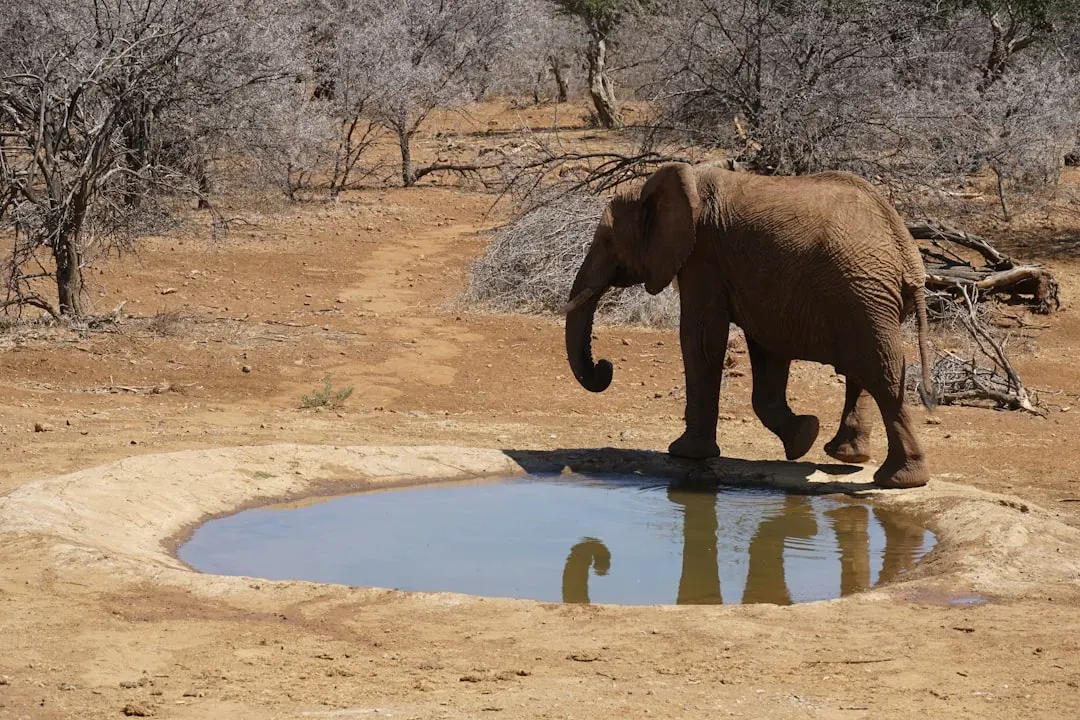
Self-recognition in a mirror is considered one of the gold-standard tests for advanced cognition, and almost no animals pass it. Human toddlers typically fail until around 18 months old. Yet in a landmark study, Asian elephants marked with a visible dot on their forehead touched the mark after seeing their reflection, a behavior interpreted as genuine self-awareness rather than random curiosity.
This puts elephants in an extremely small club that includes great apes, dolphins, and magpies. The unsettling part is that scientists have no unified theory for why self-recognition evolved in such an eclectic, unrelated group of species. Elephants didn’t inherit it from a shared ancestor with apes or dolphins; it appears to have evolved completely independently, multiple separate times, in animals with wildly different brain structures.
That independent evolution raises an uncomfortable question researchers still debate: is self-awareness a rare cognitive fluke, or is it a far more common trait among large-brained social animals than we’ve ever had the tools to detect? Not every elephant tested passes, and researchers don’t fully agree on what failure means, whether it’s a limitation of the test itself or genuine variation in individual cognitive ability.
#7 – Nobody Knows Exactly How an Elephant’s Brain Controls a 40,000-Muscle Trunk
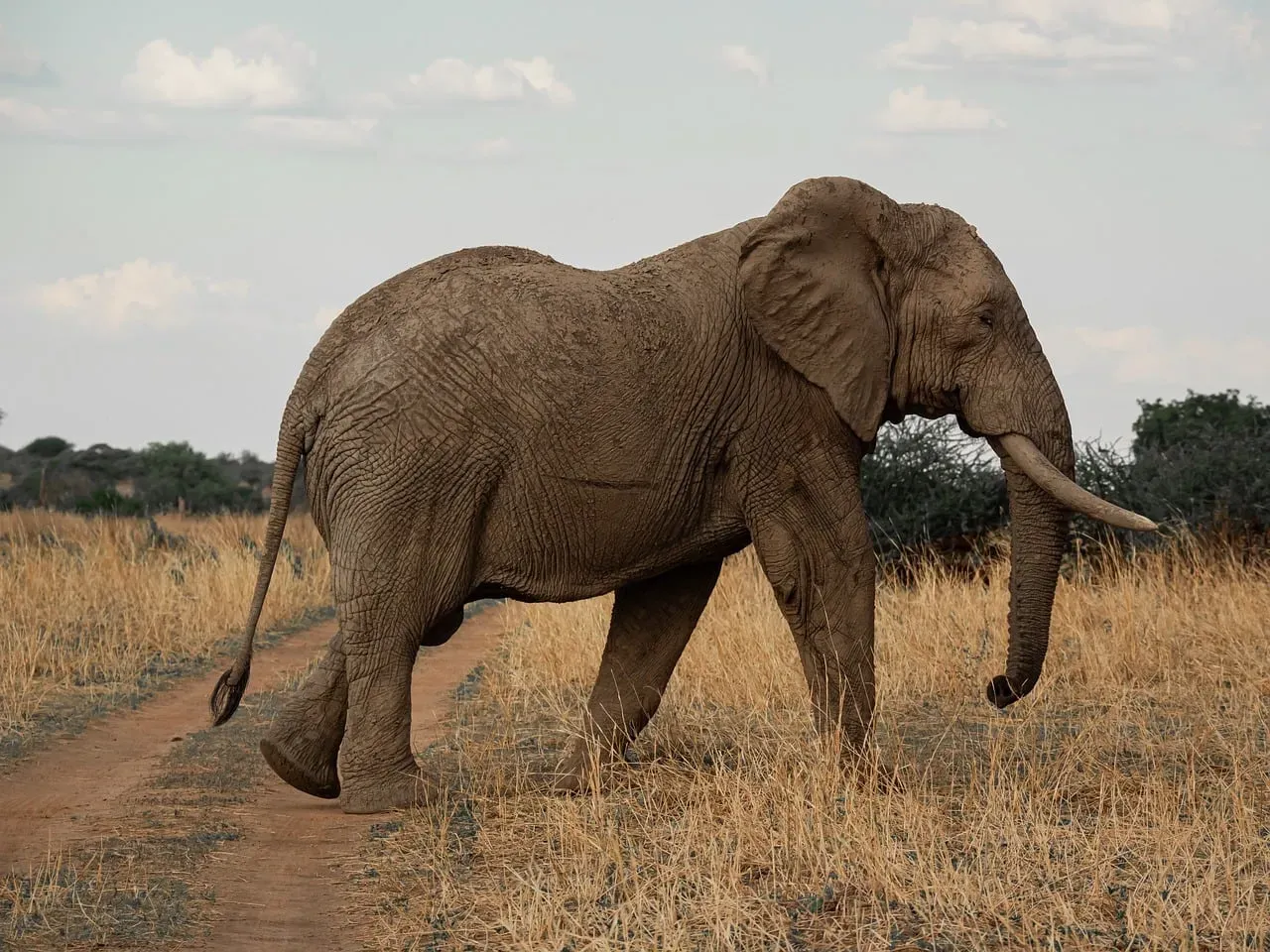
The elephant trunk is arguably the most dexterous appendage in the animal kingdom. It can uproot a tree and, moments later, pluck a single blade of grass or pick a coin up off the ground. This is possible because the trunk contains an estimated 40,000 individual muscle units, compared to roughly 600 muscles in the entire human body.
Fast Facts
- Around 40,000 muscle units packed into a single trunk
- The entire human body has roughly 600 muscles total
- No bone or cartilage runs through the trunk
- Movement relies on muscular hydrostat mechanics, the same principle behind an octopus arm
Most people assume more muscles simply means more strength, but the real mystery is coordination. There’s no bone or cartilage running through the trunk to provide structural leverage, so every single movement, whether it’s a delicate pinch or a bone-crushing grip, relies entirely on muscular hydrostat mechanics, the same basic principle that lets an octopus arm bend anywhere along its length.
What scientists genuinely cannot fully explain is how an elephant’s brain manages the sheer computational load of controlling that many independent muscle fibers in real time. The motor cortex mapping required would dwarf anything seen in primates, and researchers studying elephant neuroanatomy still haven’t produced a complete map of how signals travel from brain to trunk tip with the speed and precision elephants display in the wild. But that’s nothing compared to what we found about #8…
#8 – Matriarchs Seem to Carry Decades of “Institutional Memory,” and We Don’t Know Its Limits
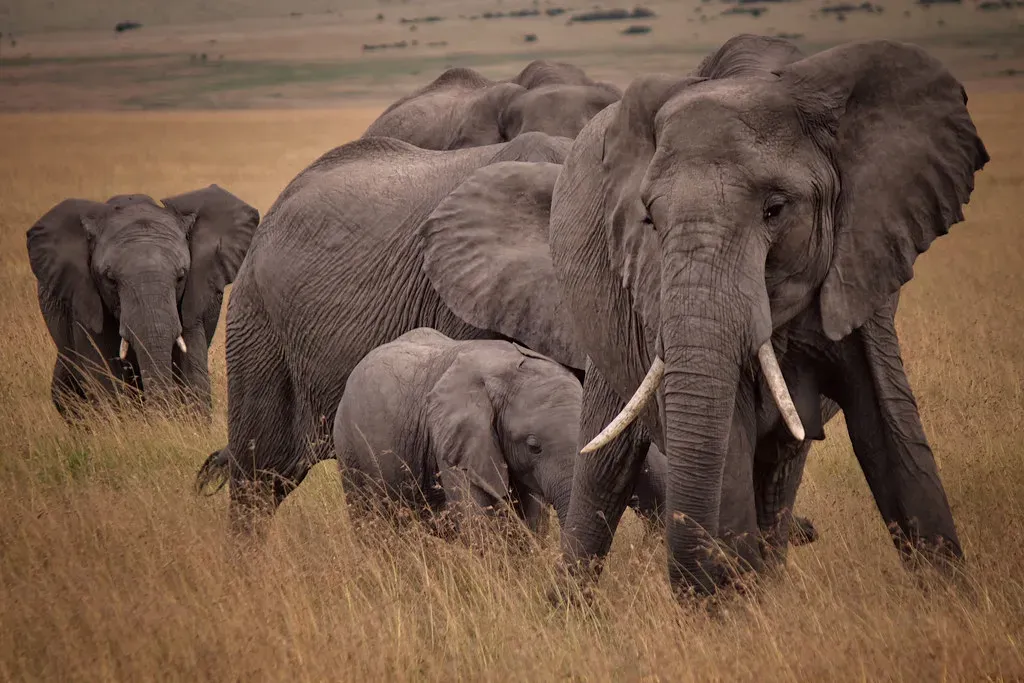
Elephant herds are run by the oldest female, and her age isn’t just a status symbol, it’s a survival tool. Research on wild African elephant populations has shown that herds led by older matriarchs respond more effectively to threats like lion roars, apparently because these matriarchs have accumulated decades of experience distinguishing real danger from noise.
Here’s the controversial opinion inside conservation circles: poaching that targets older, larger-tusked elephants may be quietly destroying irreplaceable ecological knowledge. When a 50-year-old matriarch who remembers the location of a drought-era water source dies, that specific memory doesn’t get passed down through DNA. It’s simply gone, and the herd may make worse decisions during the next crisis because of it.
What scientists haven’t pinned down is exactly how this knowledge transfer works day to day, whether it’s primarily observational learning by younger females, vocal transmission through specific rumble patterns, or something else entirely. The mechanism behind elephant “cultural memory” remains one of the field’s most active and unresolved research questions, especially as herds shrink and fewer elephants live long enough to become the kind of matriarch these studies describe.
#9 – Musth Turns Calm Bulls Aggressive, and the Trigger Is Still Debated
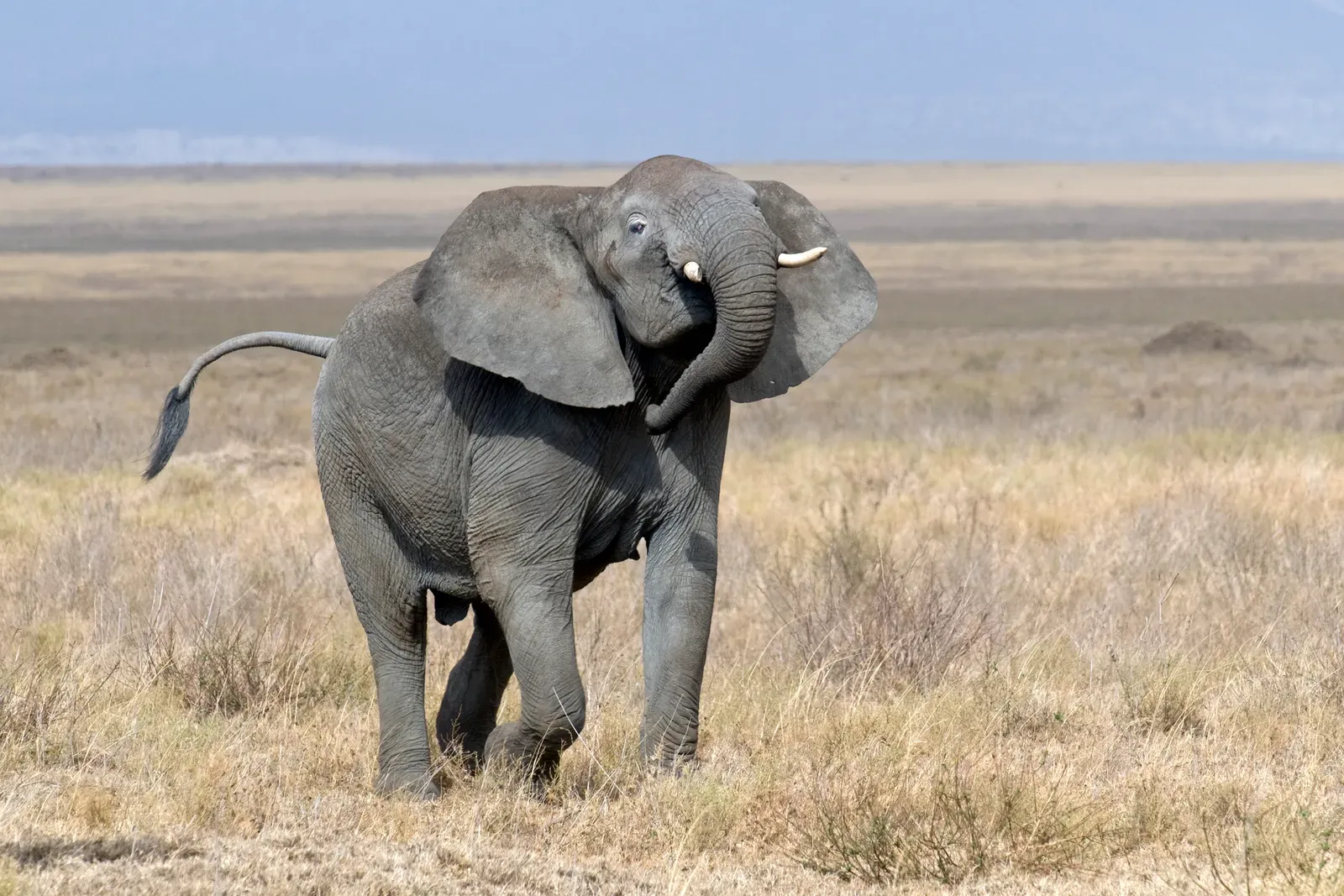
Once a year, adult male elephants enter a state called musth, marked by a massive surge in testosterone, streaming temporal glands, and a noticeable spike in aggression and unpredictability. Bulls in musth have been known to challenge much larger males, ignore normal social hierarchies, and become dangerous even to humans who’ve handled them for years without incident.
At a Glance: Signs of Musth
- Visible dark secretion streaking down from the temporal glands
- Testosterone levels that can spike far above baseline
- Constant dribbling of strong-smelling urine
- Sudden aggression and unpredictable behavior
- Can last anywhere from a few days to several months per bull
What makes this genuinely strange is the timing. Musth doesn’t hit every bull at the same time of year, and it isn’t strictly tied to breeding season the way rut is in deer. Two bulls in the same herd, same age, same environment, can enter musth months apart, and researchers still don’t have a definitive answer for what internally triggers the onset in one individual and not another nearby.
There’s also a lingering question about function versus side effect. Some researchers argue musth exists purely to maximize breeding success by signaling dominance, while others suspect it may serve additional social or physiological purposes that haven’t been identified yet. Until someone cracks the precise hormonal and environmental trigger, musth remains one of elephant biology’s most studied yet least explained phenomena.
#10 – How Elephants Navigate Hundreds of Miles to Water Sources Nobody Showed Them
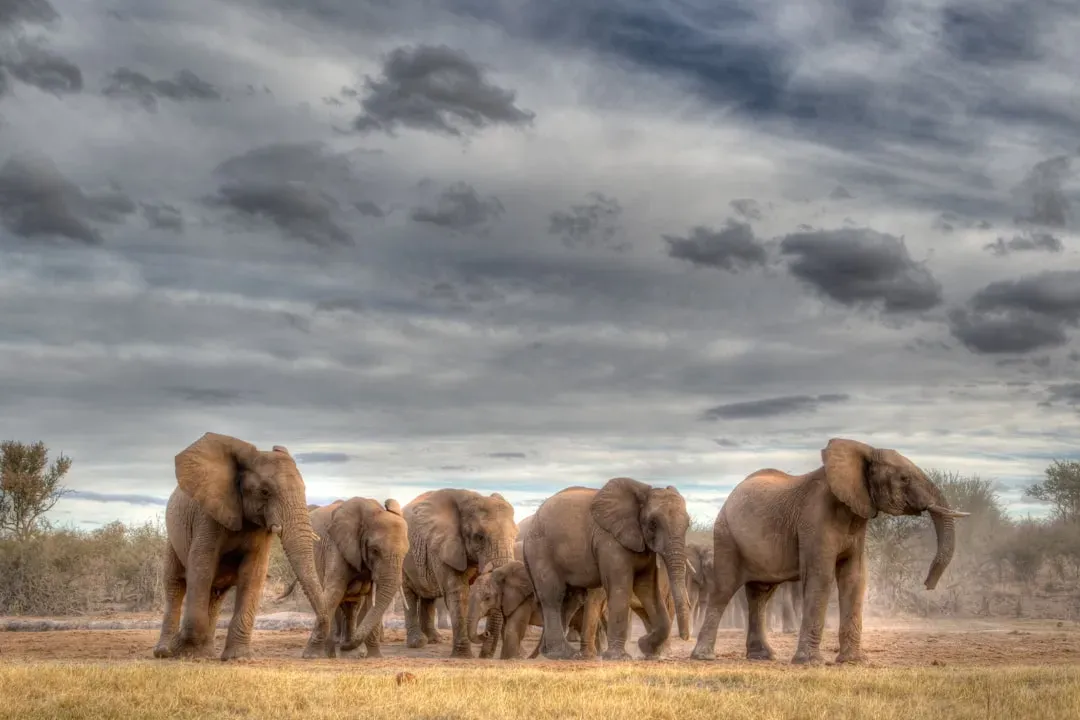
Elephant migration routes can stretch across international borders, guided with a level of precision that implies detailed geographic memory spanning decades. Herds have been documented traveling directly toward specific water sources during drought, arriving with a confidence that suggests they knew exactly where they were headed before they left.
One theory researchers have floated is that elephants may detect distant thunderstorms through infrasound, essentially “hearing” rainfall from dozens of miles away and adjusting their route accordingly. It’s a compelling idea, but it doesn’t fully explain how younger elephants without personal experience of a drought decades earlier still end up following the correct route when an experienced matriarch leads them there.
This is where the science gets genuinely humbling. We don’t have a confirmed mechanism for how this route knowledge gets transmitted or how much of it is instinct versus learned behavior passed down generation to generation. Given how fragmented elephant habitats have become due to human development, understanding this navigation system isn’t just academically interesting, it’s arguably urgent for conservation planning.
#11 – Some Elephants Can Imitate Sounds They Were Never Taught, Including Human Speech
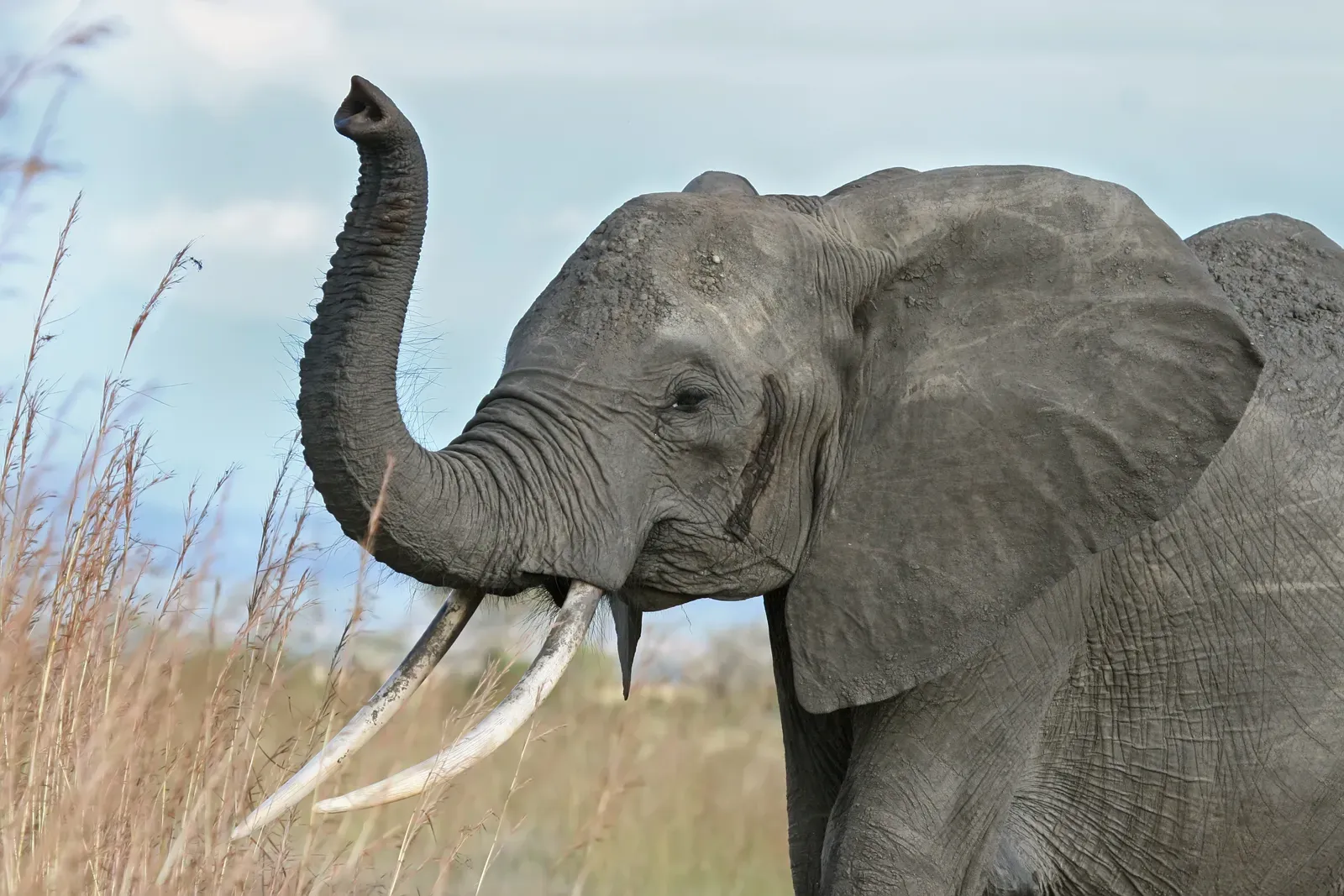
Vocal mimicry, the ability to learn and reproduce sounds outside your species’ natural repertoire, is exceptionally rare in mammals. Most animals are born with a fixed vocal range they can’t meaningfully expand. Yet there have been documented cases of individual elephants imitating specific human words and even the sound of passing trucks with startling accuracy.
This shouldn’t really be possible based on what we know about elephant vocal anatomy, which isn’t specialized for the kind of fine motor control that vocal learning typically requires in species like parrots or dolphins. Elephants apparently use their trunks in unusual ways to modify airflow and produce these mimicked sounds, but researchers still don’t have a clear model for how the neural wiring supports this kind of flexible vocal learning.
What’s especially puzzling is that this ability seems to appear in isolated individuals rather than being a species-wide trait. Some captive elephants raised in unusual social circumstances, often without other elephants of the same species nearby, appear to have developed this mimicry almost as compensation. Whether it reflects genuine vocal learning capacity present in all elephants, just rarely triggered, or something unique to specific individuals, remains an open and fairly contentious question among bioacoustics researchers.
#12 – Elephants May Call Each Other by Individual Names, and We Just Found Out
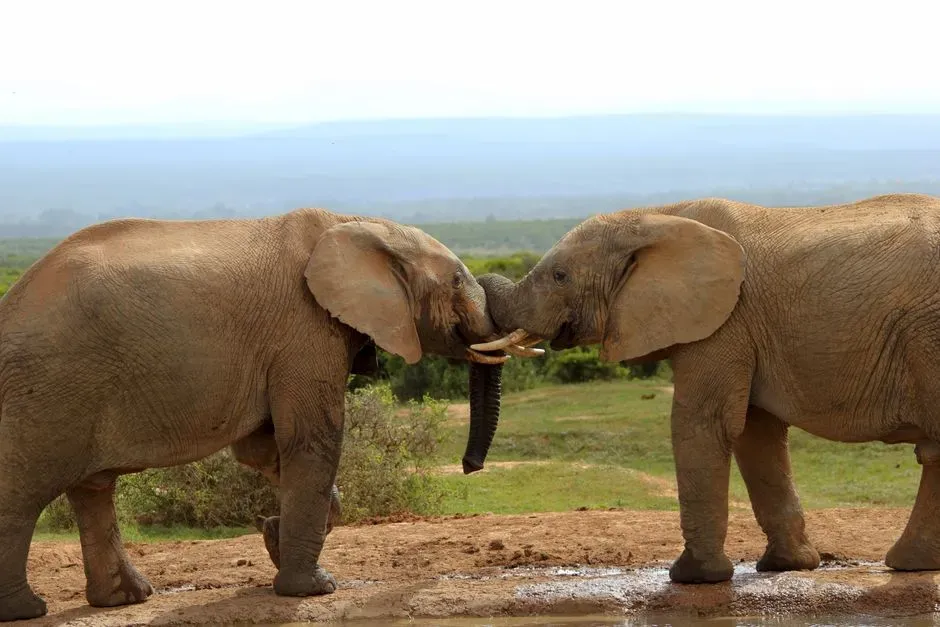
For years, most scientists assumed only humans used arbitrary labels, essentially names, to address specific individuals. Dolphins were known to use signature whistles, but those function more like self-identification than someone calling out to a specific friend. Recent acoustic analysis of wild elephant rumbles has challenged this entirely.
Researchers found that elephants respond more strongly to playback recordings of calls that were originally directed at them specifically, compared to calls originally directed at a different elephant, even when the caller’s voice was identical in both recordings. That’s a strong signal the calls contain something like a name embedded in the acoustic structure, not just tone or emotional context.
This discovery, still relatively fresh in elephant research, upends decades of assumptions about how rare true naming behavior is in the animal kingdom. What nobody has fully cracked yet is how these name-like components are structured acoustically, how consistent they are across different elephant populations, or whether calves learn their “name” the way human infants learn to respond to their own. It’s a genuinely new frontier, and the questions currently outnumber the answers.
#13 – Elephants Show Empathy Toward Species That Aren’t Even Remotely Related to Them
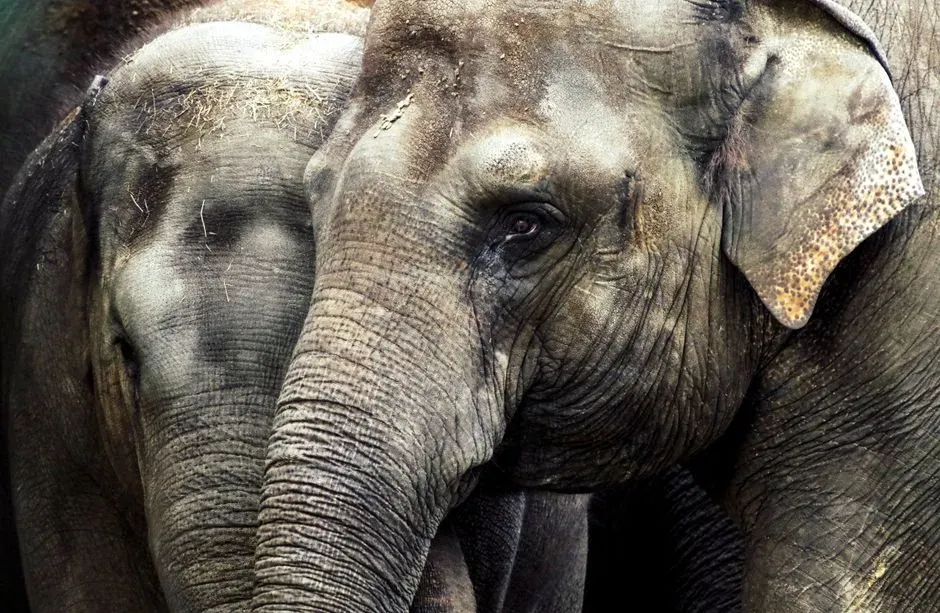
Beyond grieving their own kind, elephants have been repeatedly observed going out of their way to help completely unrelated animals in distress. There are documented accounts of elephants using their trunks to lift stuck calves of other species out of mud, gently moving obstacles for injured animals, and displaying unmistakable caution around vulnerable creatures like human infants or small dogs.
This is where opinions in the research community genuinely diverge. Some scientists argue this behavior is simply an extension of the elephant’s highly social, protective instincts misfiring toward the wrong species, essentially an evolutionary accident. Others insist the consistency and deliberateness of these actions suggest a form of genuine empathy or theory of mind that isn’t limited to elephants recognizing only their own kind.
The honest scientific answer is that this behavior hasn’t been rigorously tested in controlled conditions nearly enough to settle the debate. Most of the evidence remains observational and anecdotal, gathered from field researchers and wildlife rangers rather than structured experiments. Until someone designs a study that can isolate genuine empathy from simple protective instinct, this remains one of elephant behavior’s most emotionally compelling but scientifically unresolved questions.
#14 – Elephants Don’t Go Through Menopause, and Evolutionary Biologists Still Debate Why
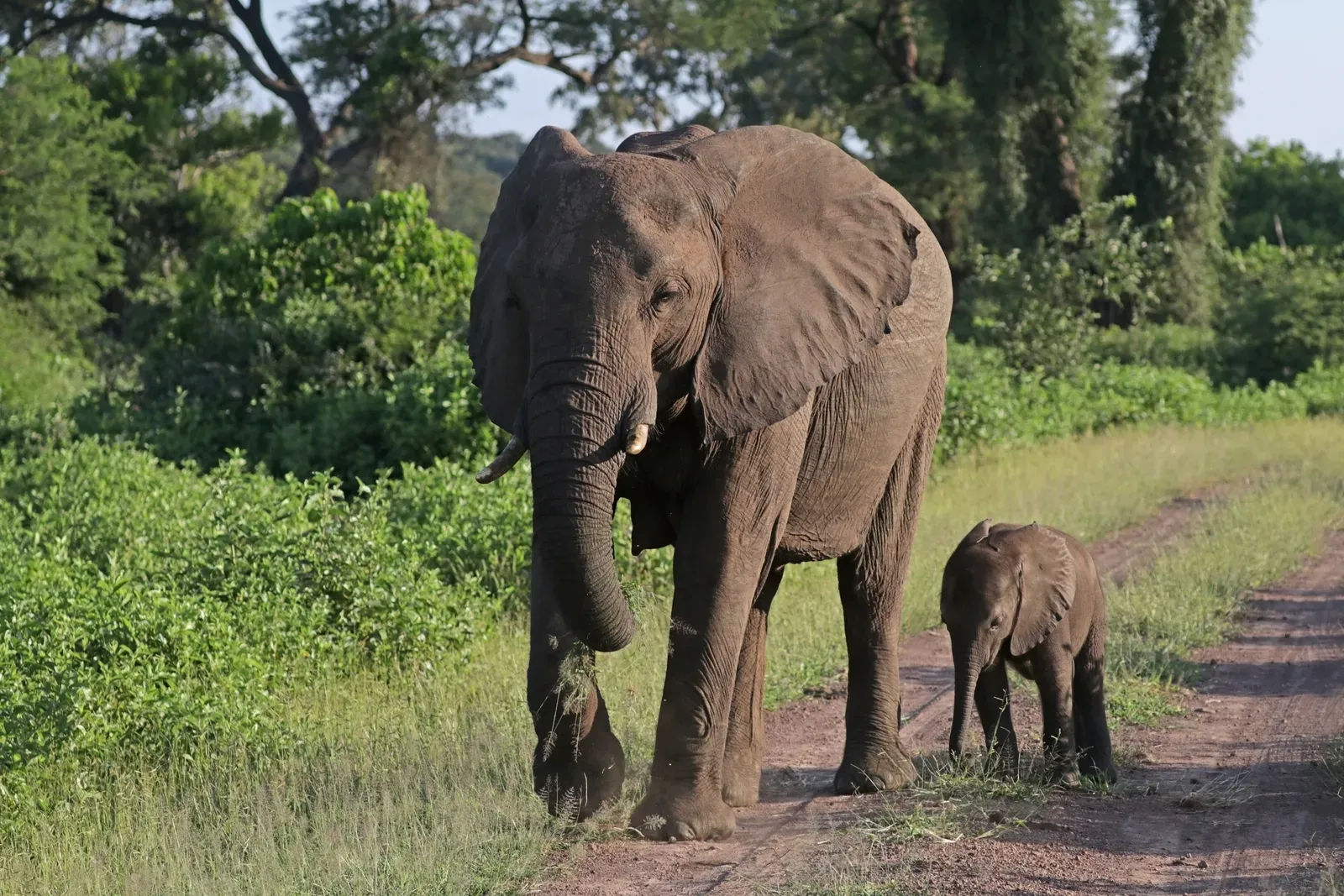
Female elephants remain fertile essentially their entire adult lives, continuing to reproduce well into old age unlike species such as humans and orcas, where females experience a distinct reproductive shutdown decades before death. This puts elephants at odds with the “grandmother hypothesis,” a popular evolutionary theory suggesting older females stop reproducing so they can instead help raise grandchildren, improving the survival odds of their genetic line.
Worth Knowing
- Elephants: remain fertile into their 60s, no menopause
- Humans: menopause typically arrives around age 50, decades before death
- Orcas: menopause typically arrives around age 40
- Elephant gestation lasts about 22 months, the longest of any mammal
Here’s the twist that complicates that tidy theory: elephant matriarchs already provide enormous grandmother-style benefits through decades of accumulated ecological knowledge, leadership, and protection, all while continuing to reproduce themselves. If the grandmother hypothesis were universally true, elephants would seem like prime candidates for evolving menopause too, yet they never did.
Evolutionary biologists remain split on why. Some argue it comes down to differences in social structure or predation pressure between elephants and menopause-having species like orcas. Others suggest it’s simply a matter of elephants not needing to trade off reproduction for grandmothering because their long gestation and calving intervals already limit how often they can reproduce regardless of age. Nobody has produced a fully satisfying answer, making this one of the more stubborn open questions in evolutionary biology.
#15 – Elephants Show a “Handedness” With Their Tusks, and No One Knows What Decides It
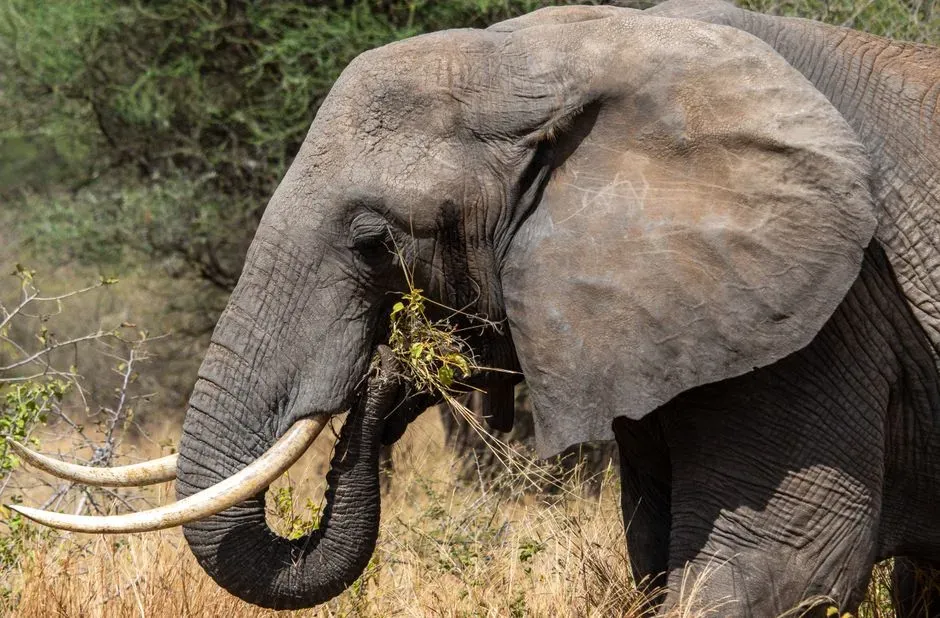
Just like humans favor a dominant hand, individual elephants consistently favor one tusk over the other for everyday tasks like digging, stripping bark, or fighting. This preference is visible over time because the favored tusk wears down more, becomes shorter, and develops a rounder tip compared to its less-used counterpart.
What makes this such a persistent puzzle is that the preference appears completely individual, not tied to any obvious pattern like sex, herd position, or age. Unlike human handedness, which shows a strong population-wide bias toward right-handedness linked to brain lateralization, elephant tusk preference seems to be split close to evenly across individuals, without a clear species-wide dominant side.
Researchers studying lateralization across the animal kingdom see this as a meaningful clue about how brain hemispheres control behavior in non-primate species, but they haven’t identified what specifically determines which tusk an individual elephant favors from a young age. Is it random developmental variation, early-life experience, or some subtler genetic factor nobody has isolated yet? For now, tusk-handedness sits quietly as one more reminder that even the most physically obvious elephant traits can hide genuinely unanswered biological questions.
The Bottom Line
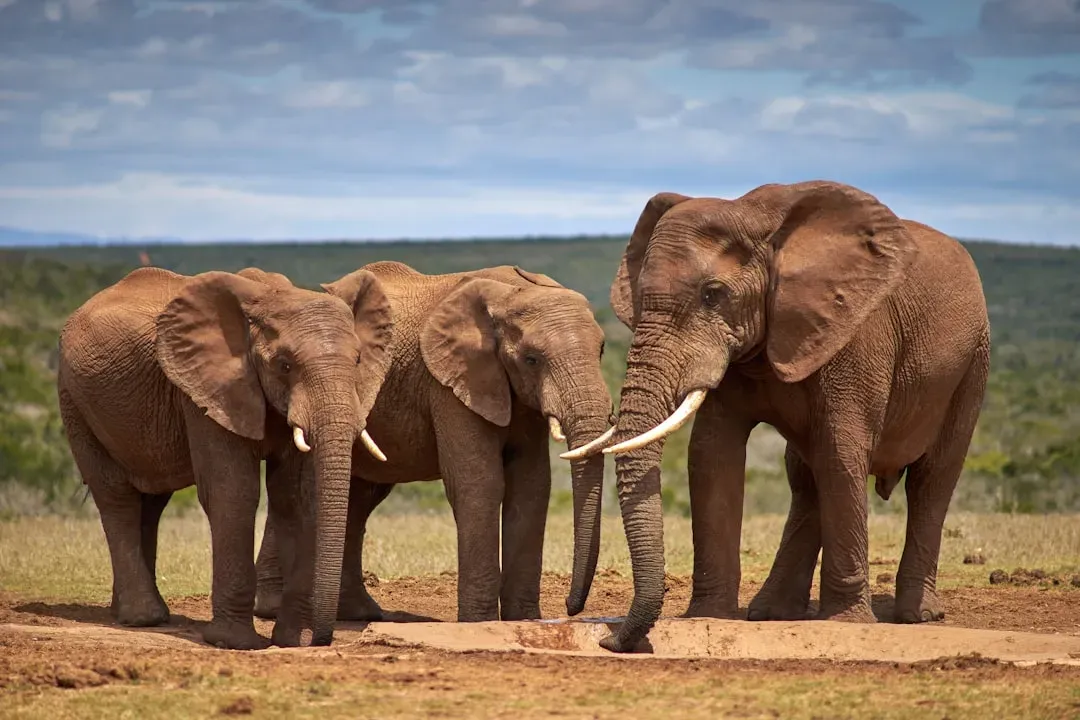
Elephants aren’t just impressive, they’re scientifically inconvenient. They sleep two hours a night without falling apart, resist cancer despite carrying trillions of cells, and appear to call each other by name, mourn their dead, and recognize their own reflection. Every one of these findings should have a tidy explanation by now, and none of them fully do.
If you ask us, the real story here isn’t that elephants are mysterious, it’s that human science has consistently underestimated non-human cognition, and elephants keep forcing researchers to admit it. Which of these 15 mysteries genuinely surprised you the most? Drop your pick in the comments.