
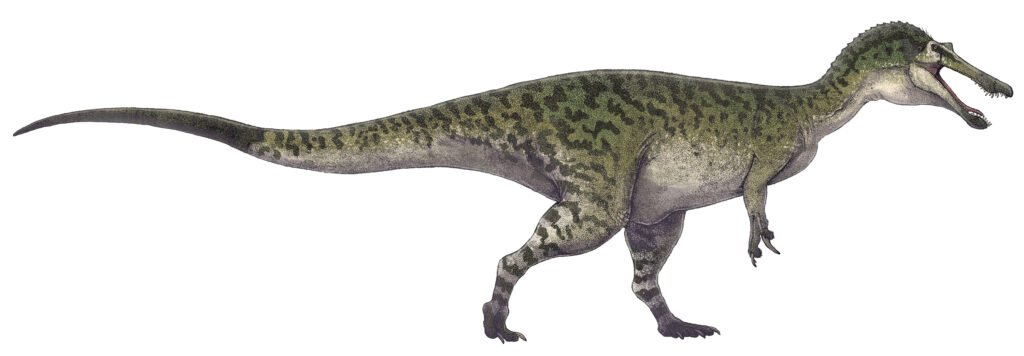
Picture a dinosaur standing knee‑deep in a river, jaws hovering over the water like a gigantic heron, waiting for the perfect moment to snap up a struggling fish. That was Baryonyx, a predator that feels oddly familiar and totally alien at the same time. It did not just hunt; it specialized, carving out a lifestyle that looked more like a mash‑up of crocodile, stork, and theropod dinosaur.
When I first learned about Baryonyx, it instantly broke the cookie‑cutter image I had of dinosaurs as either giant land lizards or towering bone‑crushers chasing herds across dry plains. The more scientists uncover about this animal, the more it seems like a rebellious cousin in the dinosaur family, ignoring the usual rules and heading straight for the water. Let’s dive into five surprising truths about this fish‑hunting dinosaur that most people have never heard of.
1. It Had A Giant Hooked Thumb Claw Built For Grabbing, Not Just Slashing
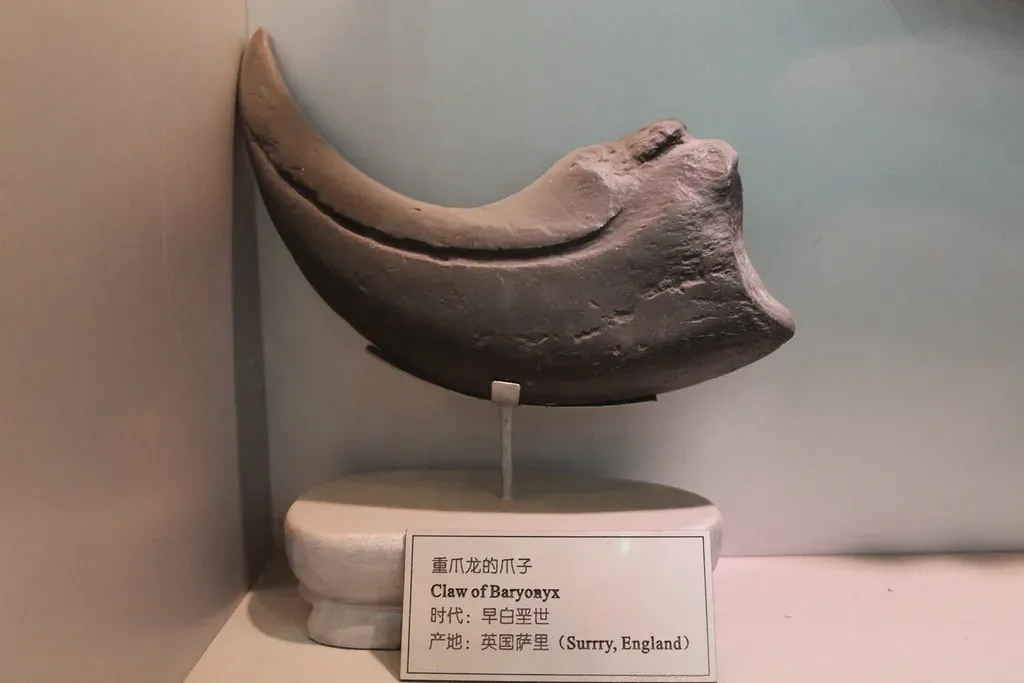
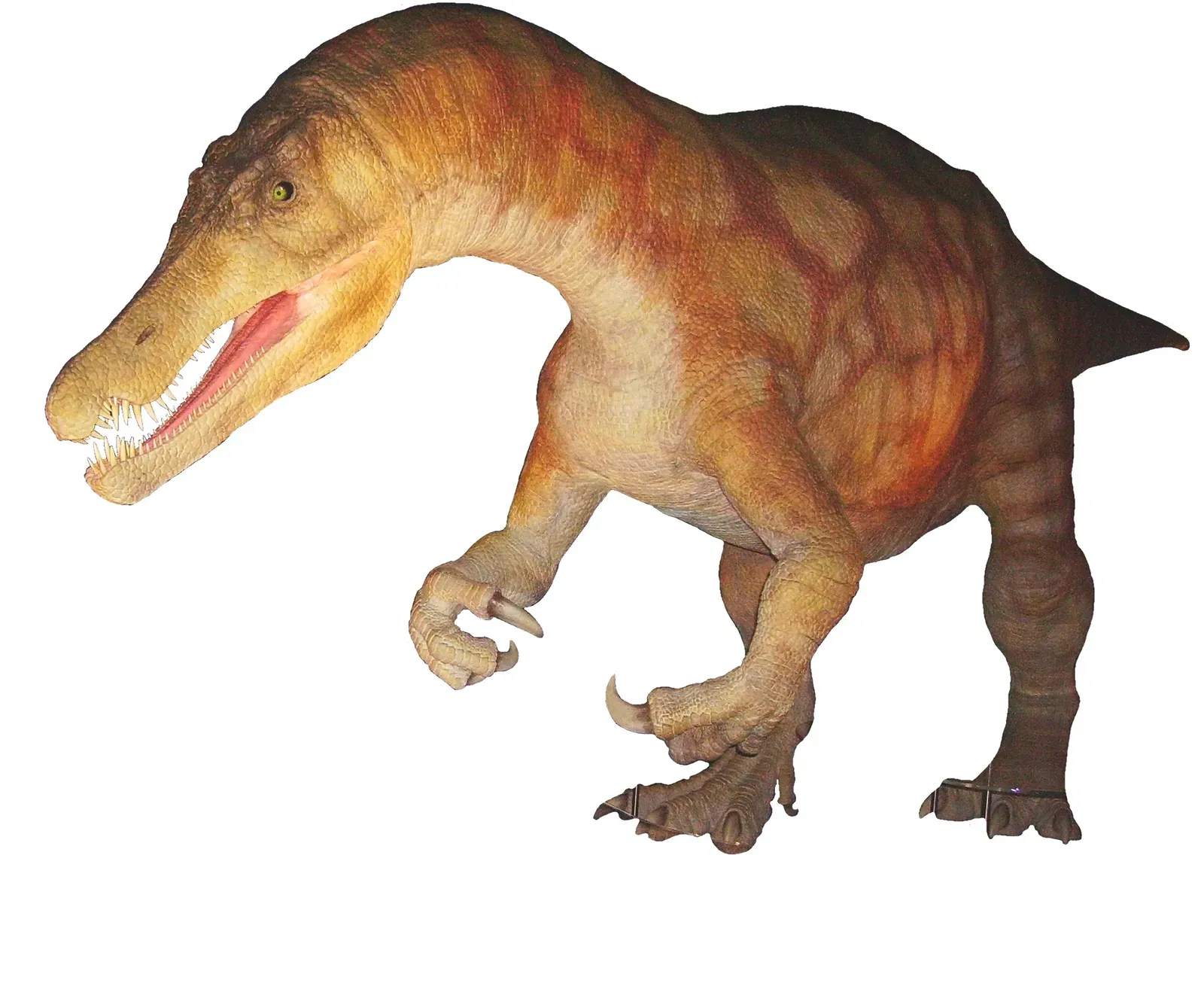
One of the most shocking things about Baryonyx is that its most dramatic weapon was not its teeth, but the absurdly oversized claw on its first finger. This claw could reach roughly the length of a large kitchen knife, strongly curved and laterally compressed, like a meat hook built into its hand. At first glance it looks like something designed purely for slashing and tearing, but its shape and strength suggest it was also perfect for snagging slippery prey.
When you imagine that claw swinging into a river full of thrashing fish, things start to click into place. Instead of chasing big plant‑eating dinosaurs all the time, Baryonyx may have used that hook like a gaff to pin or scoop fish out of the shallows. It is a bit like watching a bear swipe at salmon, only here the bear is a several‑ton theropod leaning into the water with a built‑in fishing tool. The claw probably helped it handle struggling prey on land too, but in the context of a semi‑aquatic hunter, it turns from simple weapon into specialized gear.
2. Its Skull Looked More Like A Crocodile’s Than A Classic Meat‑Eating Dinosaur
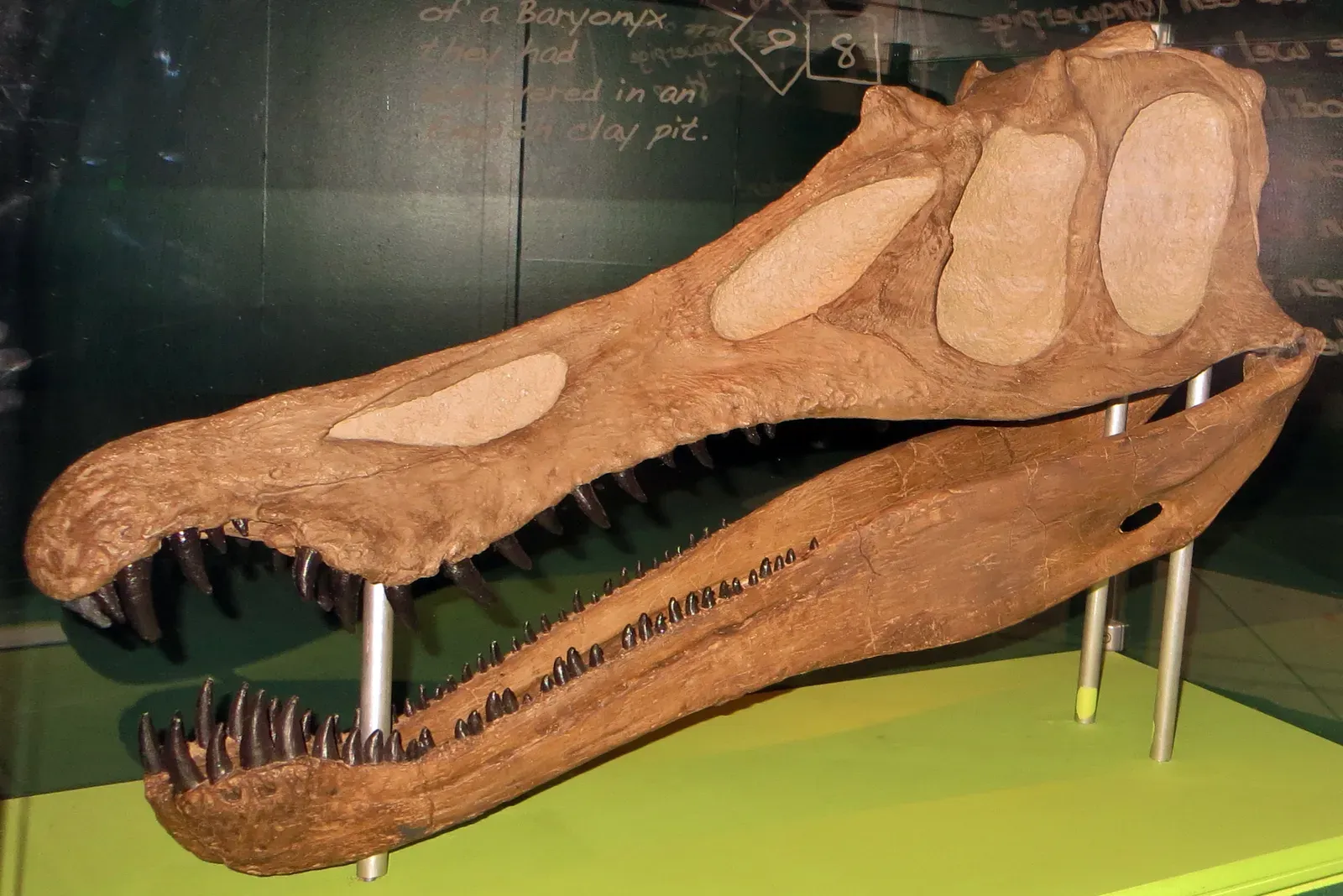
If you are used to thinking of carnivorous dinosaurs as having deep, blocky skulls like Tyrannosaurus, Baryonyx is going to feel like a plot twist. Its skull was long, narrow, and low, with a distinctly crocodile‑like profile and a kink or notch near the front of the snout. That notch, along with the tightly packed, conical teeth, looks remarkably well suited for gripping slippery, wriggling prey instead of tearing off huge chunks of flesh.
In other words, this was not an animal built to crush bone; it was built to hold on. The teeth were straight and somewhat similar in form to those of modern crocodiles and some big fish‑eating reptiles, which are great at piercing and clamping rather than slicing. Combined with the elongated jaws, Baryonyx would have been able to snap its mouth shut quickly over prey in the water, reducing drag and increasing accuracy. You could almost think of its head as a biological fishing tool, an evolutionary nod toward life at the river’s edge.
3. Fossil Evidence Shows It Really Did Eat Fish (And Not Just Occasionally)
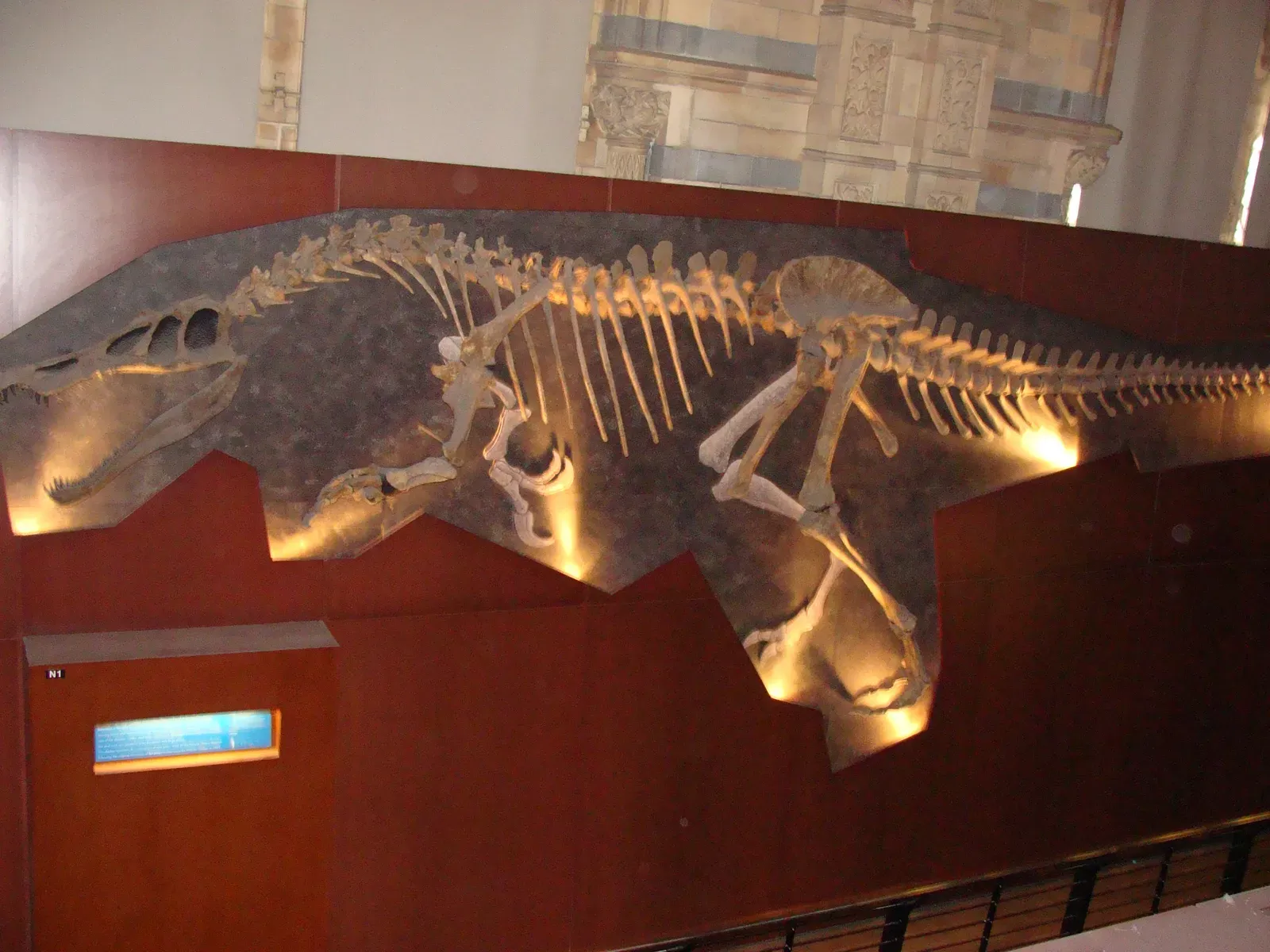
One of the coolest, almost cinematic discoveries tied to Baryonyx is what was found inside its ribcage. In at least one well‑preserved specimen, paleontologists uncovered fossilized fish scales and bones in the area where the stomach would have been. That is not just a hint; that is a smoking gun for a fish‑heavy diet. This kind of evidence shifts the idea of Baryonyx from “maybe it ate fish sometimes” to “it was strongly adapted to, and clearly engaged in, fishing.”
There were also bones from a young plant‑eating dinosaur in the same body cavity, which tells us something even more interesting: Baryonyx was not a picky eater locked into only one type of prey. It seems to have combined a fish‑focused lifestyle with opportunistic feeding on other animals when the chance arose. To me, that makes it feel much more real and animal‑like, closer to how a modern crocodile will happily hunt fish yet grab a mammal if it wanders too close to the water. It was a specialist, but not an inflexible one.
4. It Lived A Semi‑Aquatic Lifestyle Without Being Fully “Aquatic”
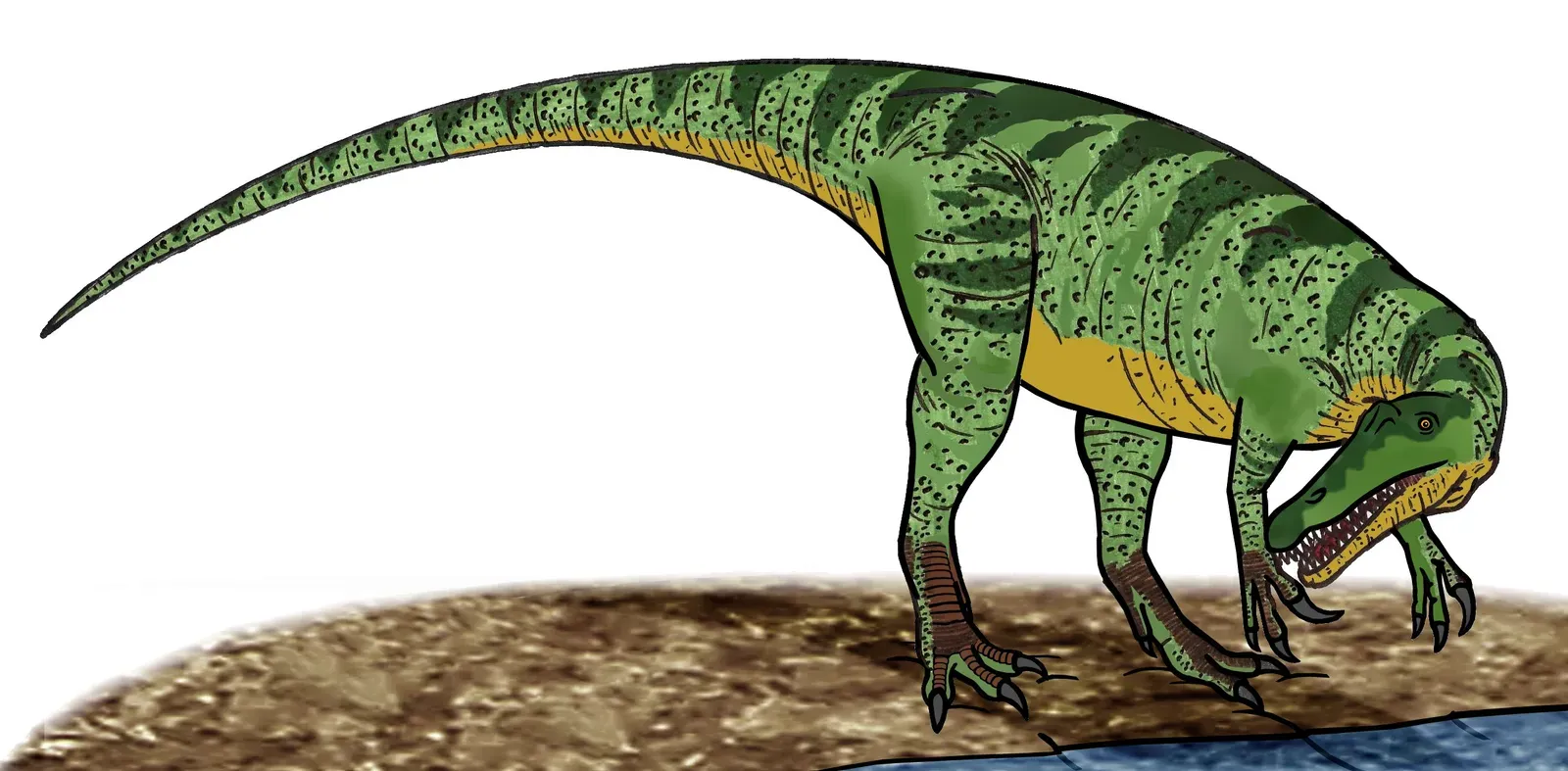
There is a temptation to imagine Baryonyx as a dinosaur version of a crocodile permanently bobbing in the water, but that likely overshoots the mark. Its body still carried many hallmarks of a land‑based theropod: powerful hind limbs for walking on land, a long tail for balance, and a torso not radically modified into a swimming machine. It probably spent a lot of time near rivers, lakes, and floodplains, wading and hunting in shallow water rather than living fully submerged.
Think of it more like a heron crossed with a bear than a purely aquatic crocodile. It could stalk muddy banks, stride into the shallows, and pivot between water and land as needed. Its long tail and body might have helped it maneuver in water to some degree, but everything about it still says “walker first, swimmer second.” That middle‑ground existence is what makes Baryonyx so fascinating to me: it represents an evolutionary experiment in pushing a typical land predator into a watery niche without completely transforming its basic body plan.
5. It Helped Redefine How We Imagine Carnivorous Dinosaurs
Before finds like Baryonyx and its close relatives, the public picture of meat‑eating dinosaurs was pretty one‑dimensional: big land hunters chasing big land prey. The discovery of a large theropod clearly adapted to catching fish forced scientists and dinosaur fans alike to expand their thinking. Suddenly, the idea that big carnivorous dinosaurs could specialize in riverine or coastal ecosystems, just like modern birds and mammals do, felt not just plausible but obvious.
In my opinion, Baryonyx is one of those dinosaurs that quietly rewires your brain once you get to know it. It proves that even among the so‑called “classic” predators, evolution was experimenting with all kinds of weird and wonderful lifestyles. Instead of a world ruled only by bone‑crushing terrors, we start to see a richer tapestry: fishers, scavengers, shoreline stalkers, and niche‑fillers of every sort. It is a reminder that our old dinosaur stereotypes were as shallow as a puddle compared to the deep, complex ecosystems these animals actually lived in.
Conclusion: The River Hunter That Refuses To Fit The Mold
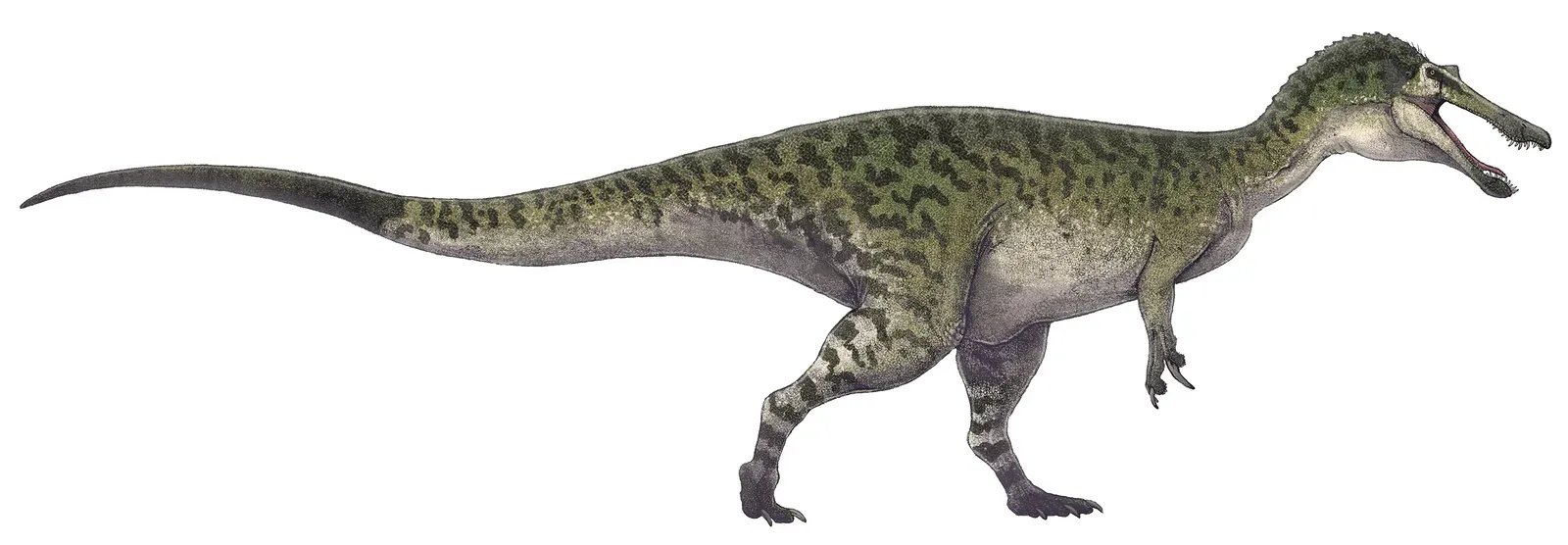
The more you look at Baryonyx, the harder it is to keep it inside any neat mental box. It walked like a typical theropod but hunted like a crocodile, wielded a massive killing claw yet focused on fish, and straddled land and water in a way that feels surprisingly modern. To me, that makes it one of the most underrated dinosaurs out there, a quiet rule‑breaker that challenges our default image of what a prehistoric predator was supposed to be.
I think we still underestimate just how diverse dinosaur lifestyles really were, and Baryonyx is a pointed reminder that nature rarely sticks to simple categories. It was not just a dinosaur that fished; it was a symbol of evolutionary creativity at work along ancient riverbanks. Next time you picture the age of dinosaurs, are you still imagining only dry plains and roaring giants, or can you see this long‑snouted hunter, standing in the shallows, waiting for the water to ripple?