
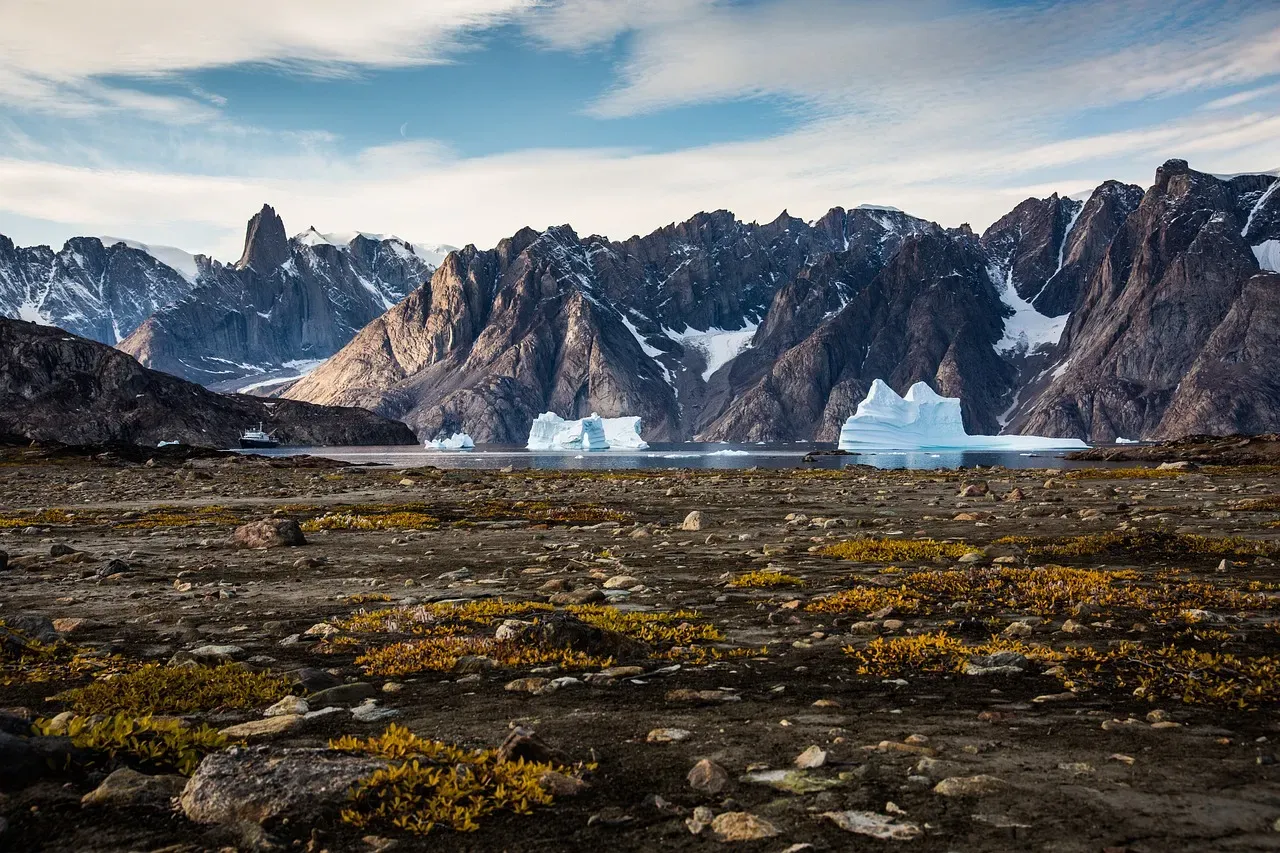
Picture standing on top of the Greenland ice sheet today. Nothing but white in every direction, ice more than a mile thick in places, and cold that can freeze exposed skin in minutes. Now picture the same spot with pine needles crunching underfoot and insects buzzing past your ear. That second scene sounds impossible, yet a growing body of research says it happened, and not just once.
Frozen soil that sat in a freezer for decades
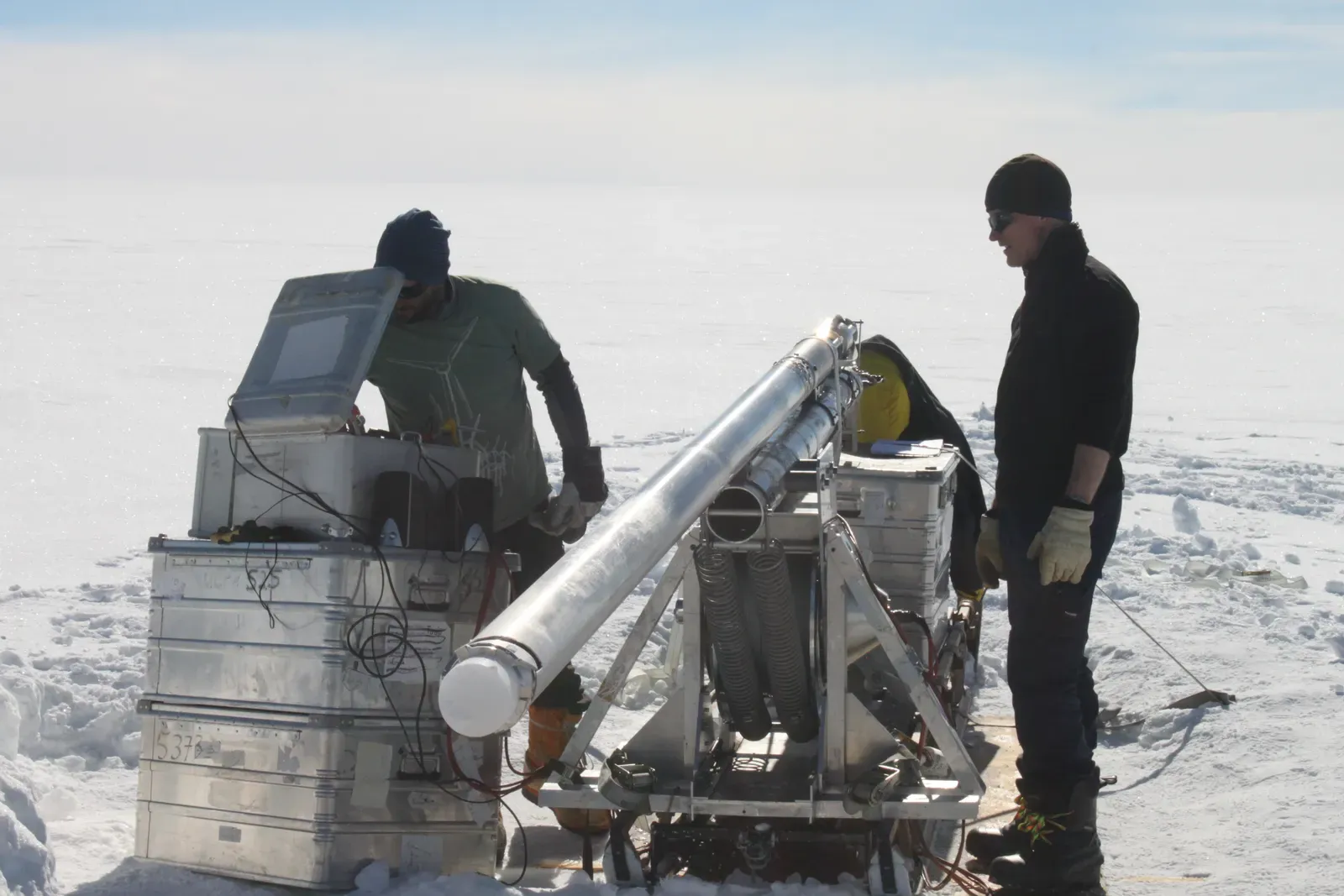
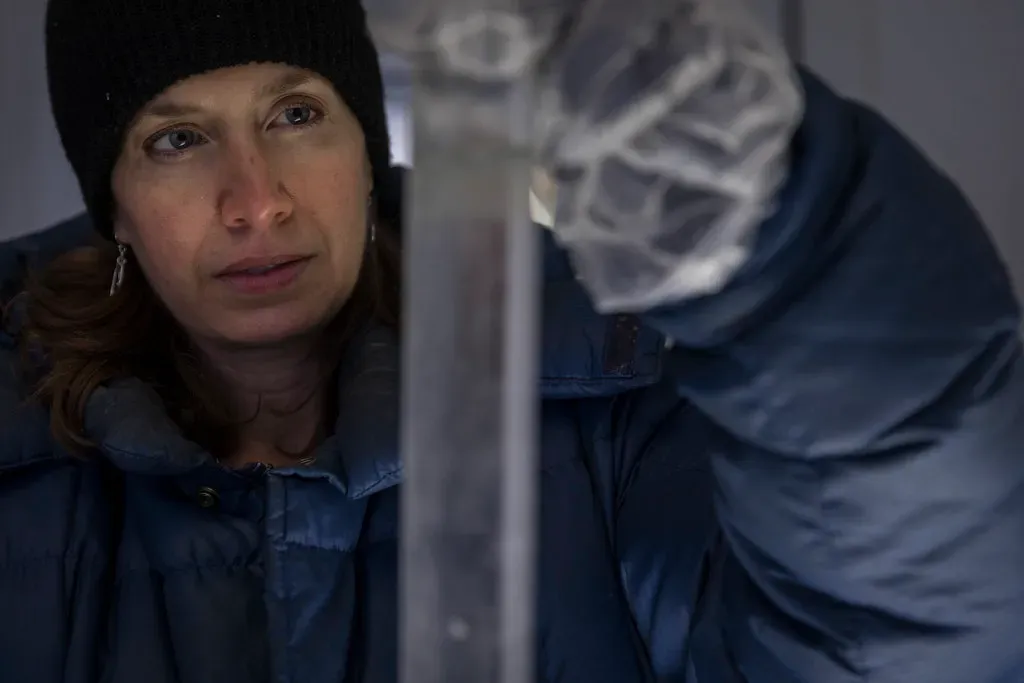
The story behind one of the most important discoveries about Greenland’s past almost never got told. During the Cold War, the US Army drilled through more than four thousand feet of ice at a site called Camp Century in northwestern Greenland and pulled up a twelve foot tube of soil and rock from below. During the Cold War, a secret U.S. Army mission, at Camp Century in northwestern Greenland, drilled down through 4560 feet of ice on the frozen island, and then kept drilling to pull out a twelve-foot-long tube of soil and rock from below the ice. Then this icy sediment was lost in a freezer for decades.
Nobody paid much attention to it at the time. One study analyzed the pebbles to understand the bedrock beneath the ice sheet, and another suggested intriguingly that the frozen soil preserved evidence of a time warmer than today, but with no way to date the material, few people paid attention to these studies. The sample was eventually misplaced entirely, only to turn up years later in an unlikely place.
A lost sample turns up in Copenhagen
![A lost sample turns up in Copenhagen (The History Trust of South Australian, South Australian Government Photo [1] Object record [2], CC0)](https://nvmwebsites-budwg5g9avh3epea.z03.azurefd.net/dinoworld/c7d7d1376d04fa3d58b95d70a1595bfd.webp)
By the 1990s, researchers had lost track of the core completely. By the 1990s, the frozen soil core had vanished, and several years ago, Danish colleagues found the lost soil buried deep in a Copenhagen freezer, prompting an international team to form and analyze this unique frozen climate archive. What they found under the microscope changed how scientists think about the stability of Greenland’s ice.
In the uppermost sample, researchers found perfectly preserved fossil plants, proof positive that the land far below Camp Century had been ice-free some time in the past. The question that remained was simple but crucial: when exactly had this happened, and how long had the ice stayed away?
Dating a landscape that no longer exists
Using techniques that did not exist when the core was first drilled, scientists were able to pin down a date. An international team of scientists was amazed to discover that Greenland was a green land only 416,000 years ago, with an error margin of about 38,000 years, in a study published in the journal Science on July 21, 2023. That is a blink of an eye in geological terms.
The ice free period was not brief either. The timing, about 416,000 years ago, with largely ice-free conditions lasting for as much as 14,000 years, is important. Fourteen thousand years is roughly the same span separating us from the end of the last ice age, which puts the scale of that ancient thaw into perspective.
What kind of landscape replaced the ice
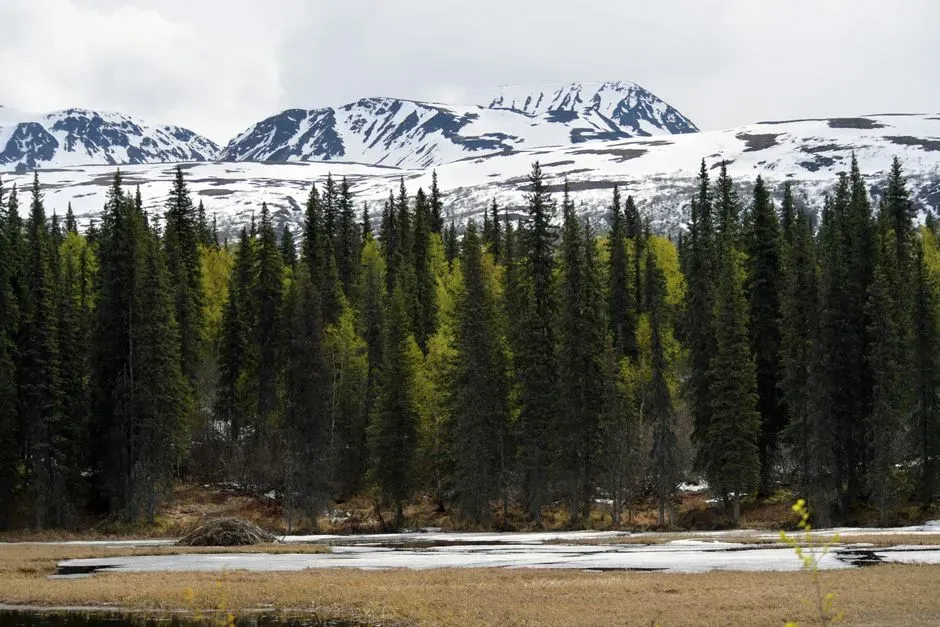
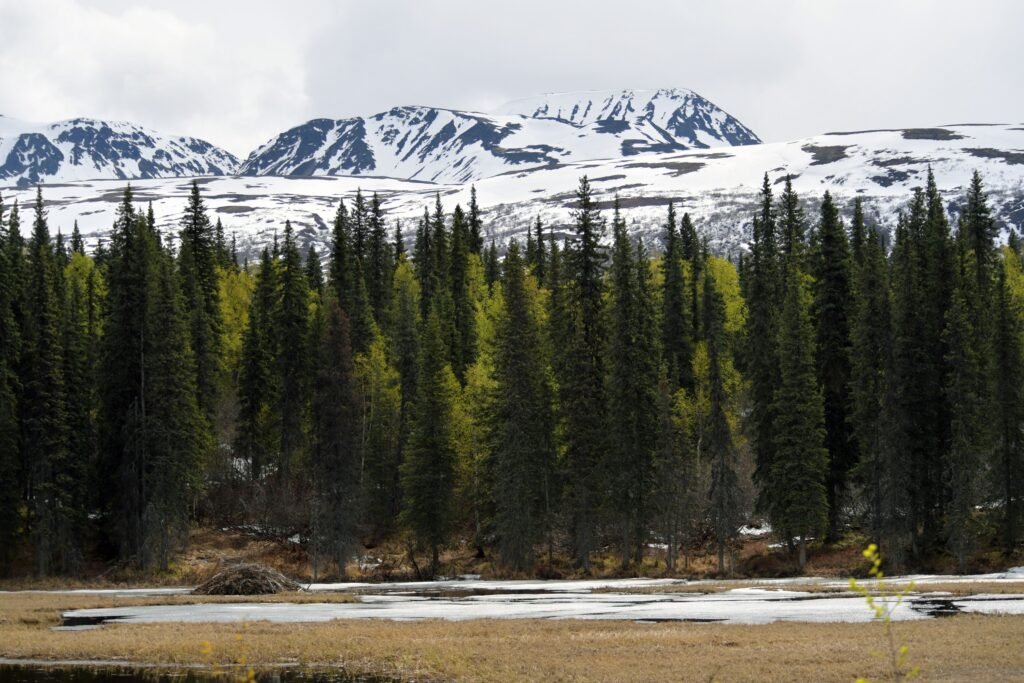
The vegetation that colonized this newly bare terrain was not a scattering of hardy weeds clinging to survival. About 400,000 years ago, large parts of Greenland were ice-free, scrubby tundra basked in the Sun’s rays on the island’s northwest highlands, and evidence suggests that a forest of spruce trees, buzzing with insects, covered the southern part of Greenland. This was a living, breathing ecosystem, not a barren rock.
Researchers at Camp Century found direct physical proof of this in the core itself. It was accidentally rediscovered in 2017 and shown to hold not just sediment but also leaves and moss, remnants of an ice-free landscape, perhaps a boreal forest. Small fragments of plant matter, preserved by cold and darkness for hundreds of thousands of years, became the physical evidence that rewrote assumptions about the island’s history.
DNA adds a second, independent line of evidence

Camp Century was not the only site to yield surprises. In 2007, a separate team led by Eske Willerslev at the University of Copenhagen extracted genetic material from ice core mud drilled at a location called Dye 3 in south central Greenland. An international team of researchers recovered ancient DNA from the bottom of an ice core that indicates the presence of pine, yew and alder trees as well as insects, showing that ice covered Greenland really was green a half million or so years ago, covered with forests in a climate much like that of Sweden and eastern Canada today.
The insect life recovered alongside the plant DNA gave the picture even more texture. Included were genetic traces of butterflies, moths, flies and beetles, reported in the journal Science. Two entirely different research methods, one relying on physical fossils and one on genetic traces, pointed toward the same conclusion: this was once a living forest landscape, not a footnote in Greenland’s icy history.
An even older world, two million years back
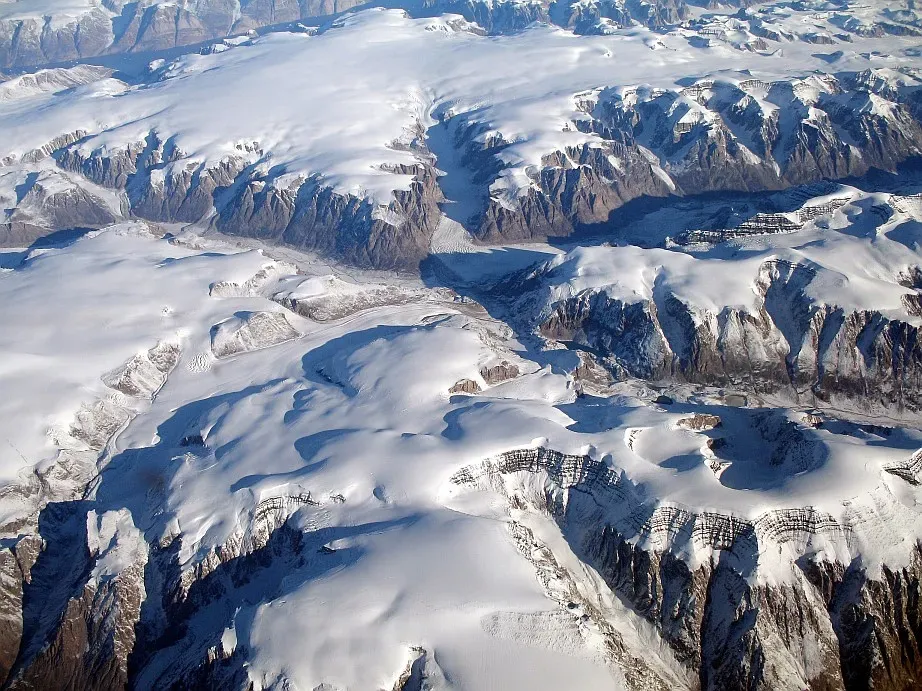
If four hundred thousand years sounds distant, consider what turned up in sediments from northern Greenland dated far earlier. In a bleak valley not far from Greenland’s massive ice sheet, scientists reconstructed a rich ancient ecosystem, down to its roving mastodons and smooth barked birch trees, using the oldest DNA ever recovered, snippets of genetic material from more than 100 kinds of animals and plants extracted from buried sediments dating back two million years. This was not simply a stunted tundra scraping by at the edge of survival.
The climate data attached to this discovery is striking. Researchers reconstructed summer and winter average minimum temperatures of 10 degrees Celsius and negative 17 degrees Celsius respectively, more than 10 degrees Celsius warmer than the present, conditions that must have driven substantial melting of the Greenland Ice Sheet, possibly producing one of the last ice free intervals in the last 2.4 million years. A landscape now defined by permanent ice was, for a meaningful stretch of time, warm enough to host large grazing mammals and mixed forest.
Why sea levels are the real headline here
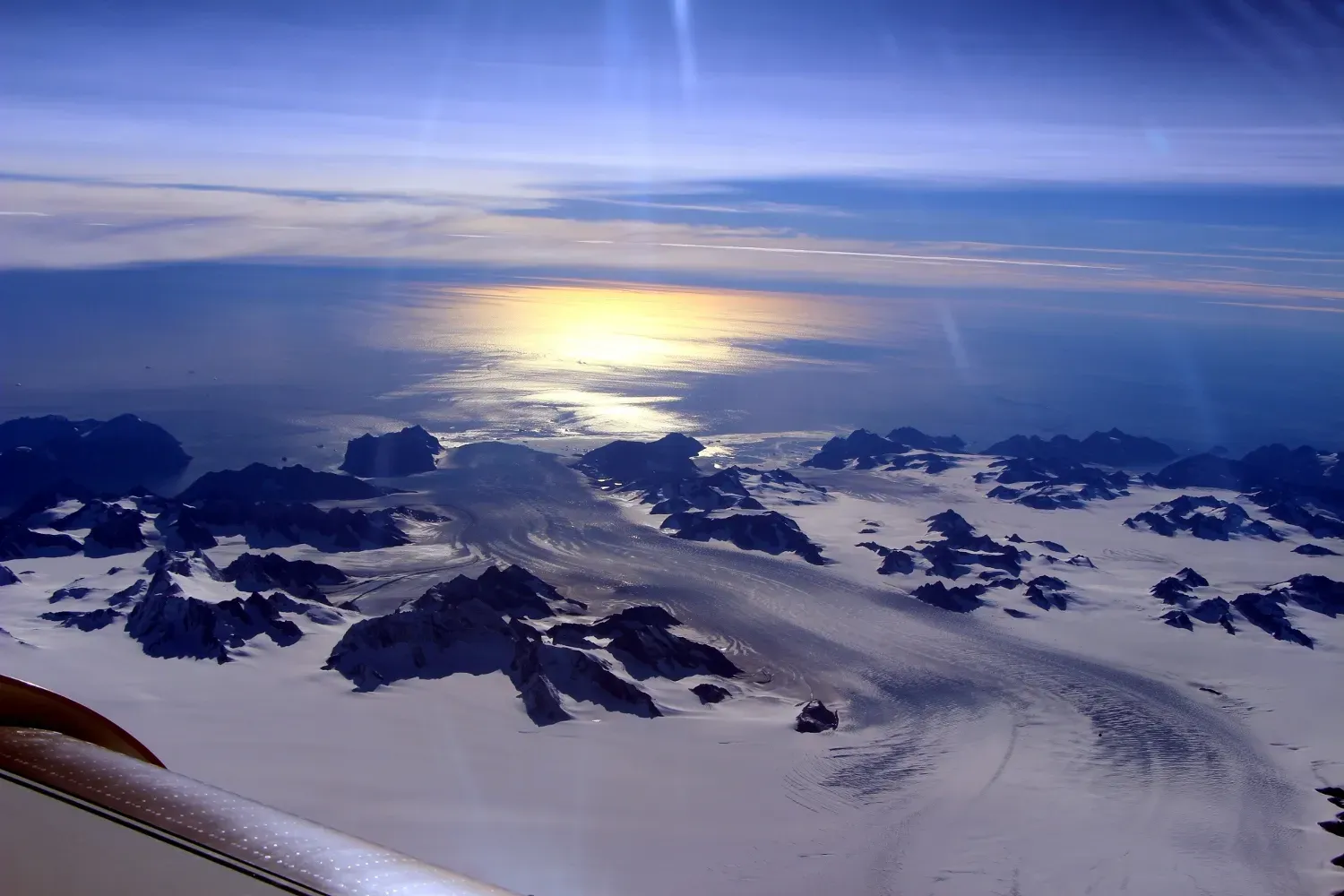
None of this is simply a curiosity about ancient trees. The reason scientists study these ice free periods so intensely comes down to water. The team’s models show that, during that 416,000 year old period, the ice sheet melted enough to cause at least five feet, and perhaps as much as twenty feet, of sea level rise. That is enough to redraw coastlines that today hold major cities.
The stakes of losing that ice today are laid out plainly by the same research groups studying its past. Losing the Greenland ice sheet would be catastrophic to humanity today, since the melted ice would raise sea level by more than 20 feet, and that would redraw coastlines worldwide. A huge share of the world’s population lives close enough to the coast to feel the effects directly, and about 40% of the global population lives within 60 miles of a coast, and 600 million people live within 30 feet of sea level.
The takeaway worth sitting with
What strikes me most about all of this is not that Greenland was once green. It is how casually the planet seems to have arranged and then undone that arrangement, more than once, over spans of time that are almost impossible for a human mind to hold onto. Four hundred thousand years, two million years, these numbers slide past easily on a page, but they represent real, physical transformations of an entire landmass from forest to permanent ice and back again.
The comparison researchers keep making, that current atmospheric carbon dioxide levels now exceed those of the periods when Greenland’s ice last vanished, deserves to be taken seriously rather than treated as background noise. The combination of these earlier cores with the new insight from Camp Century reveal the fragile nature of the entire Greenland ice sheet, in the past at 280 parts per million of atmospheric CO2 or less, and today at 422ppm and rising. I do not think this history is meant to be read as a prediction of imminent catastrophe, and honestly, the science itself is careful not to claim that. But it is a genuinely useful corrective to the idea that ice sheets are permanent fixtures of the map. They are not. They are responses to conditions, and conditions change. Greenland’s buried forests are less a warning shout than a quiet, patient reminder, written in soil and DNA, that the planet has done this before and kept careful records of exactly how.