
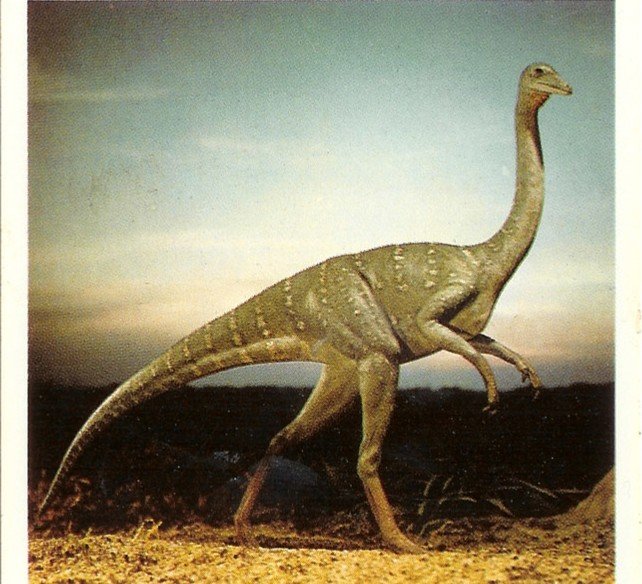
You probably grew up thinking of dinosaurs as massive, lumbering beasts. But if you could step into the Late Jurassic or Cretaceous for even a minute, what would shock you most is not just their size, but their speed. Some dinosaurs were built like biological race cars: long legs, lightweight frames, and tails that worked almost like tightropes to keep them balanced at a sprint. In this article, you’re going to walk through eight of the fastest dinosaurs that scientists know about so far. You’ll see how experts estimate their top speeds, where the evidence is strong, and where it is more tentative. Along the way, you’ll start to notice patterns: certain body shapes, limb proportions, and lifestyles that consistently show up whenever evolution wants something to move fast.
1. Velociraptor – The Small, Wire‑Taut Sprinter
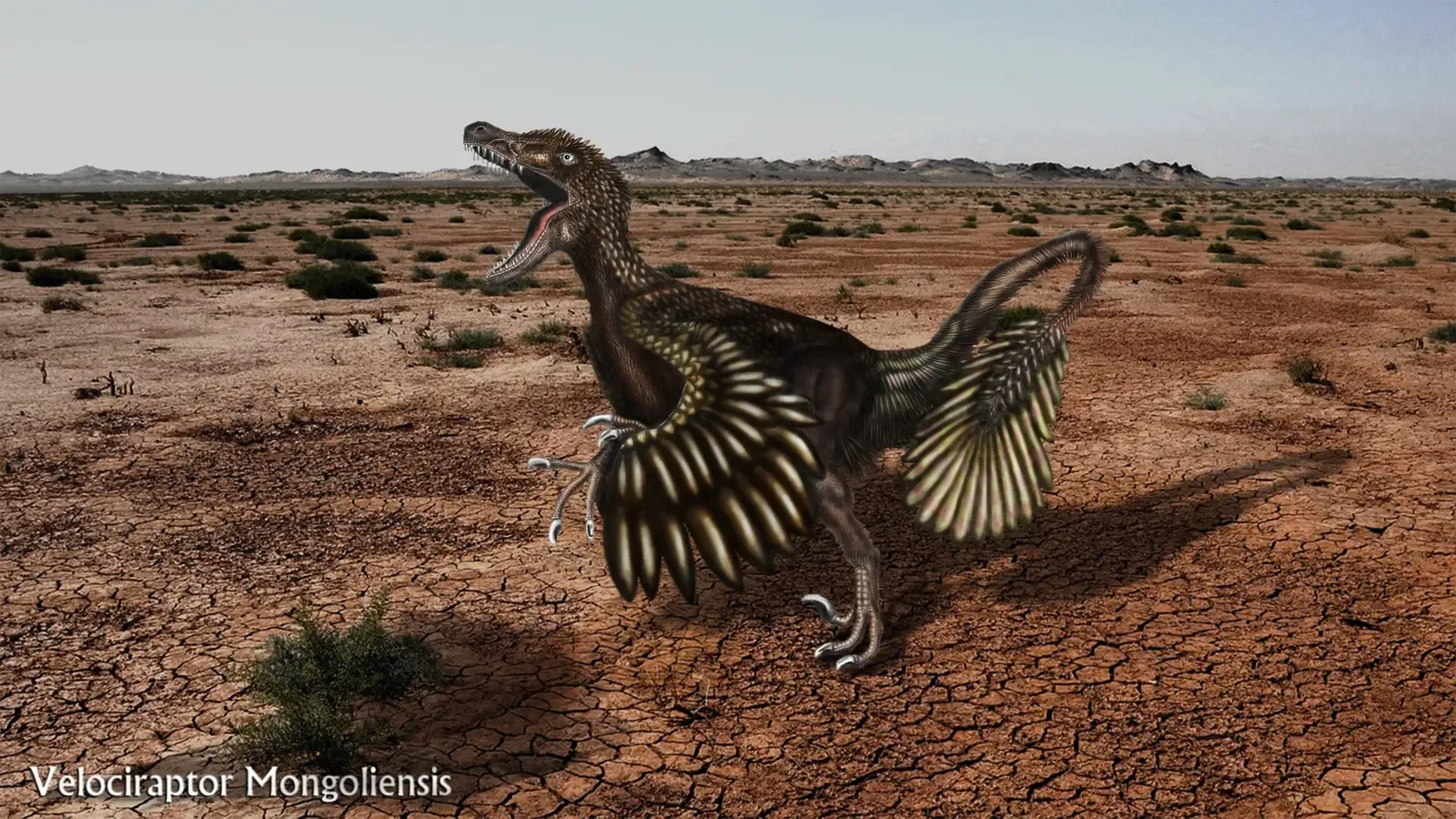
If you only know Velociraptor from movies, you’ve got the wrong picture in your head. In reality, you’d be looking at something closer to a large, feathered turkey with a long tail and razor claws, not a scaly giant. Its whole body was tuned for agility rather than sheer power: slender legs, light bones, and a low, balanced posture that would help you accelerate quickly and pivot on a dime. When paleontologists model Velociraptor’s leg lengths and muscle attachments, they estimate it could probably run at roughly the speed of a fast human sprinter or a bit more, with bursts that might have pushed well beyond that for short chases. You can think of it like a cheetah’s smaller, scrappier cousin in dinosaur form: not the absolute fastest thing that ever lived, but dangerous because of how quickly it could lunge, zigzag, and close a short distance before its prey had time to react.
2. Deinonychus – A Raptor Built Like a Middle‑Distance Runner
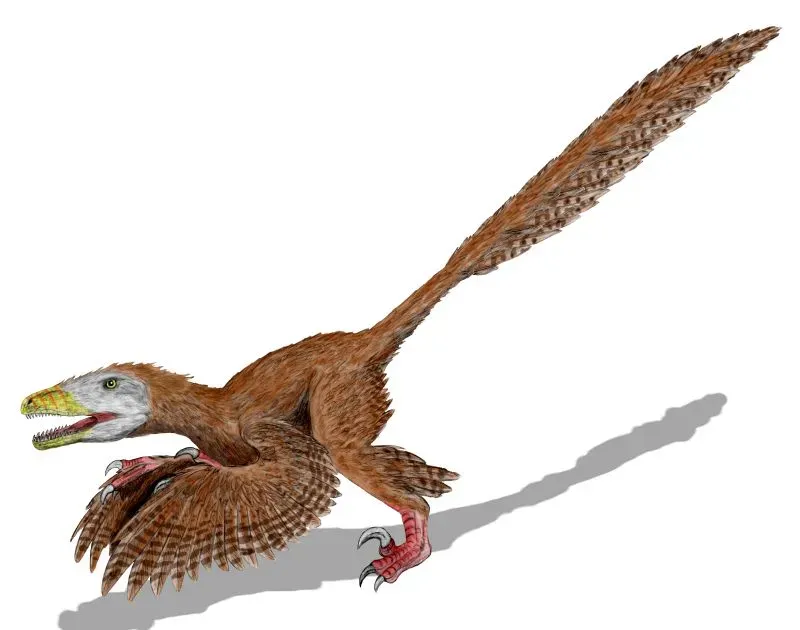
Deinonychus is the raptor you’d least want to see if you were out for a walk in the Cretaceous. It was larger than Velociraptor, with powerful legs and that signature sickle claw on each foot, but still relatively lightweight for its size. If you imagine a cross between an ostrich and a panther, you’re surprisingly close to the vibe this animal gives off: lean, predatory, and very comfortable moving at speed. Because it was bigger and heavier, Deinonychus probably wasn’t as quick off the line as the tiniest speed demons, but its limb proportions suggest it was no slouch. You’re looking at an animal that could likely run at speeds comparable to some modern ostriches, at least in short bursts, with enough endurance to track prey over a distance. That mix of speed, intelligence, and killing tools is exactly why this dinosaur helped change scientists’ view of dinosaurs from sluggish to athletic.
3. Ornithomimus – The “Ostrich Mimic” That Really Earned Its Name
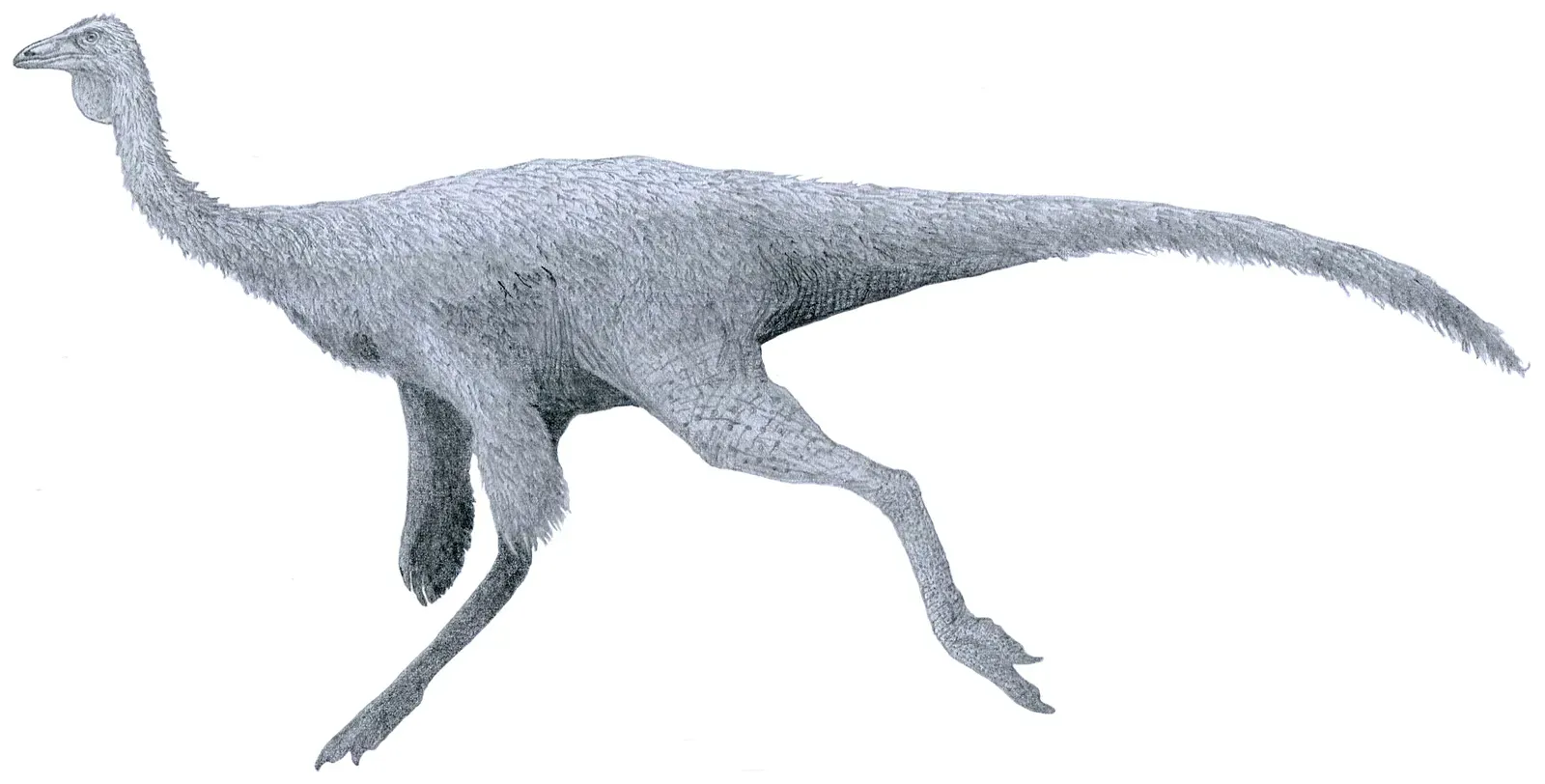
When you picture one of the fastest dinosaurs, Ornithomimus is exactly the kind of body plan you should expect. Long, slender legs, a small head, a toothless beak, and a long tail for balance make it look uncannily like an overgrown, scaly‑feathered ostrich. If someone dropped you into its habitat, you’d probably pick it out as a runner just by instinct, the same way you can tell a greyhound from a bulldog at a glance. Researchers have used its limb proportions and comparisons with modern birds and mammals to suggest it could have hit very high running speeds, easily outrunning most predators of its size and probably many larger ones too. You can imagine it using pure speed as its main defense strategy: spot danger early, wheel around, and vanish across open ground before teeth ever get close. Instead of fighting, you’d be living life as a constant sprint‑ready athlete.
4. Gallimimus – A Cretaceous Speed Crowd Favorite
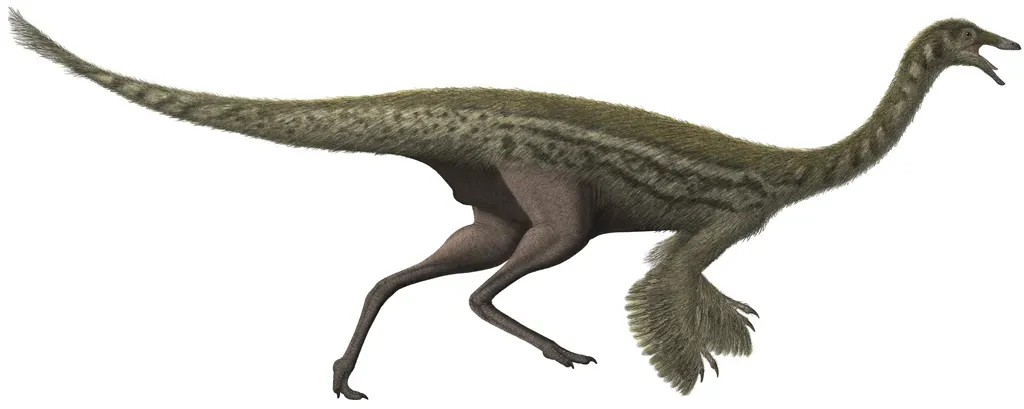
If you’ve ever seen a herd of Gallimimus imagined on screen, racing across a wide plain, that’s actually not a bad mental picture for how this dinosaur might have used its speed. Like Ornithomimus, it was part of the “ostrich mimic” group, with very long legs, a narrow body, and a tail that kept it steady when moving fast. You’d recognize it as a runner instantly, even if you knew nothing about dinosaurs. What makes Gallimimus especially interesting is its size: it was larger than many similar forms, which means you’re dealing with a relatively big animal that was still built like a racer. Analyses of its limb bones suggest it was probably among the fastest of the larger dinosaurs, capable of bursts that might rival some of the quickest land animals today. In a stampede, you would not want to be the predator trying to single one out; they likely relied on a mix of group behavior and raw speed to stay alive.
5. Struthiomimus – The “Ostrich Dinosaur” That Took Lightness Seriously
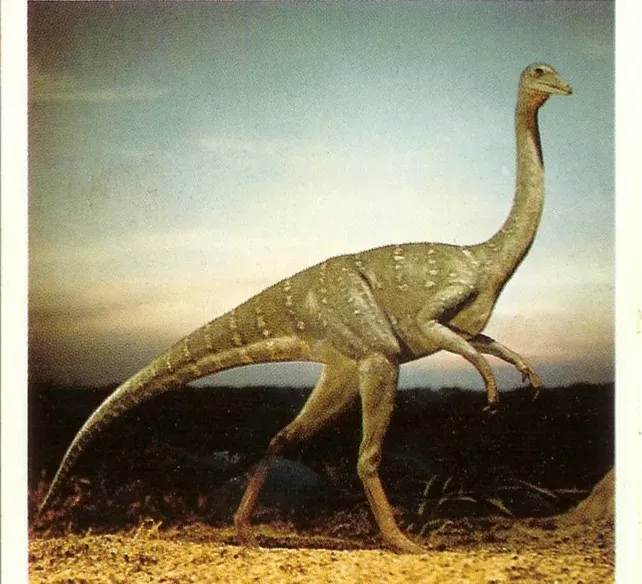
Struthiomimus literally means “ostrich mimic,” and in this case the name is almost boringly accurate. If you saw one from a distance, you’d notice the long neck, small head, and stilt‑like legs and think you were looking at some strange, prehistoric bird. The skeleton shows extremely lightweight bones and elongated lower legs, classic markers that you’re dealing with an animal optimized for running. When scientists plug those limb measurements into biomechanical models, they get speed estimates that put Struthiomimus near the top tier of dinosaur sprinters. You can imagine it darting after small prey or quickly crossing open areas to reach safer ground. Its likely omnivorous diet, taking in plants, insects, and maybe small animals, would have been easier to maintain when you could just move, constantly and quickly, between food sources.
6. Dromiceiomimus – The Blur You’d Only See Out of the Corner of Your Eye
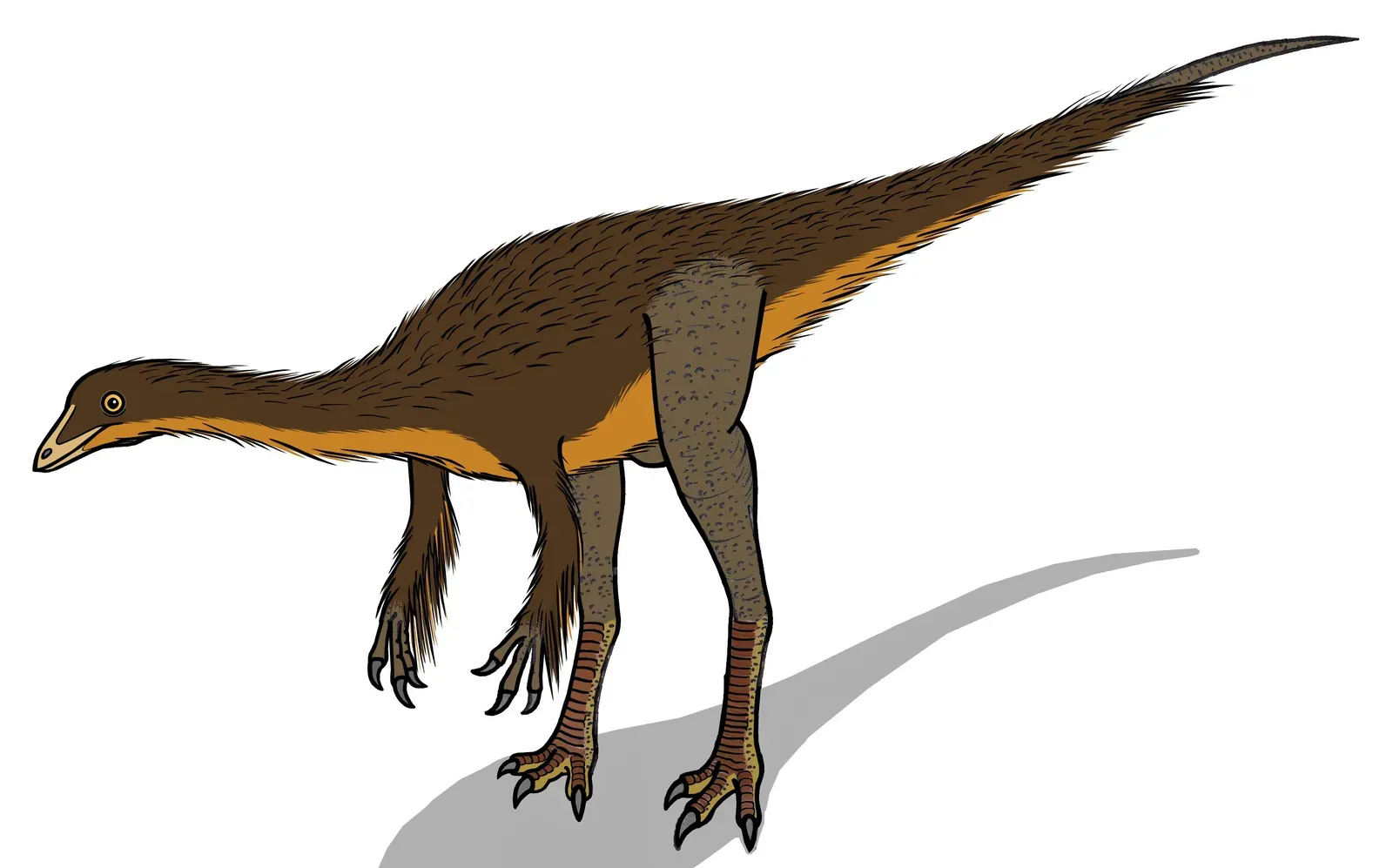
Dromiceiomimus is one of those dinosaurs whose very name hints at speed; it references emus, another fast‑running bird. If you could walk around its bones in a museum, what would strike you is how much of its height comes from its legs. The lower leg and foot bones are especially elongated, a configuration that, in modern animals, usually screams “runner.” Because we’re dealing with incomplete fossils and reconstructions, any speed figure for Dromiceiomimus is an educated estimate, not a stopwatch reading. But when you compare it to living birds that share a similar build, you’re looking at a dinosaur very likely capable of serious sprints. In your mind’s eye, it works best if you think of it less as a stealth hunter and more as a nervous, high‑strung athlete that survives by seeing danger first and being somewhere else a moment later.
7. Troodon – The Smart, Slender Night Runner
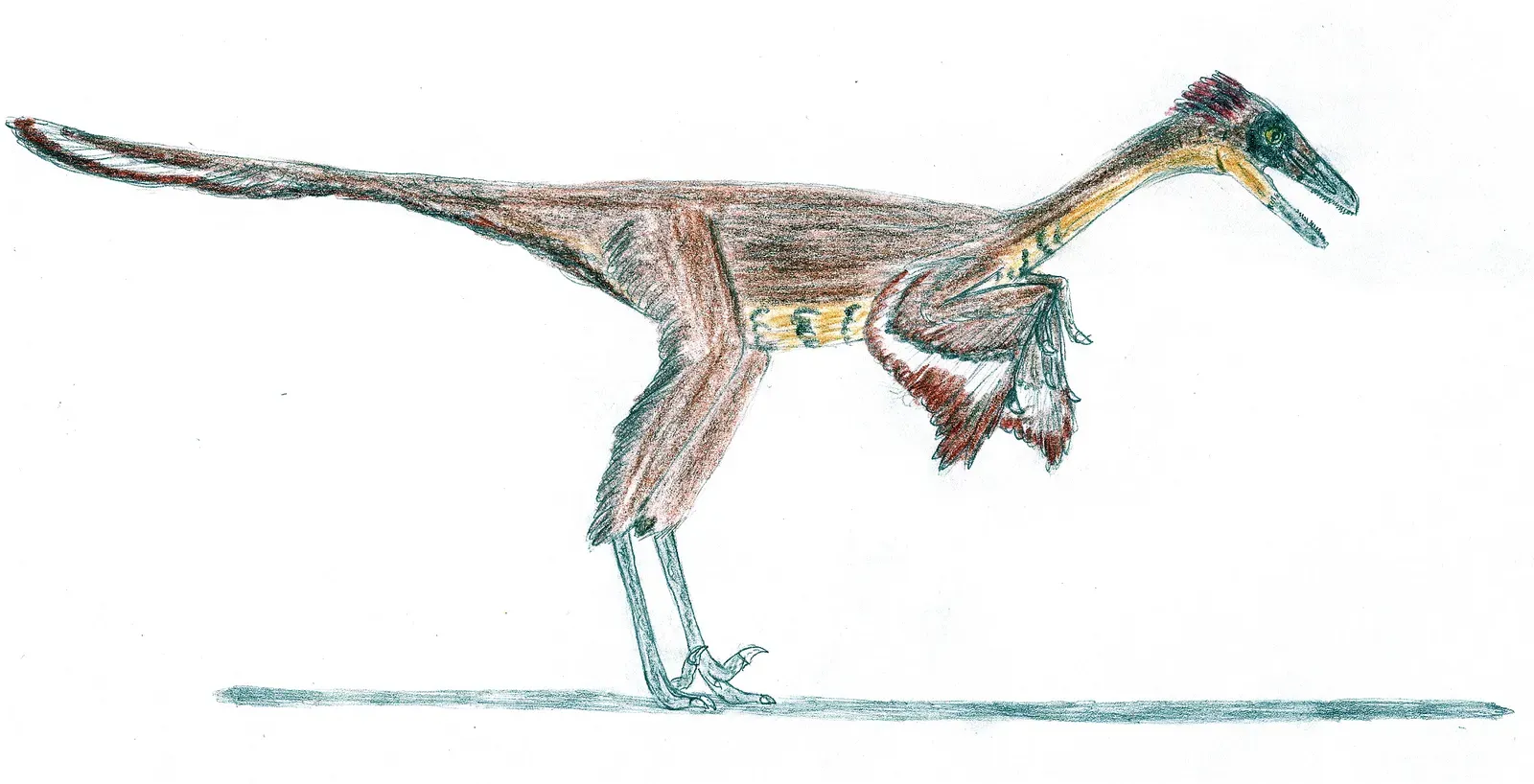
Troodon is often discussed for its relatively large brain, but if you look past that, you’ll see another important trait: it was built for speed. It had long, narrow legs, a lightweight body, and a flexible tail, all features that would let you move quickly and precisely in complex environments. Its teeth and eyes suggest it might have been active at dawn, dusk, or night, using both brains and legs to find food and avoid ending up as someone else’s meal. Its speed probably wasn’t in the absolute topmost tier compared with the pure ostrich mimics, but combined with good vision and agility, it would still have felt fast if you were standing next to it. Picture yourself in a dim prehistoric forest, catching a fleeting glimpse of something darting between the trees, gone before you can really focus on it. That sudden, ghostlike motion is the kind of speed Troodon’s body plan hints at.
8. Coelophysis – An Early Dinosaur Already Built for Speed
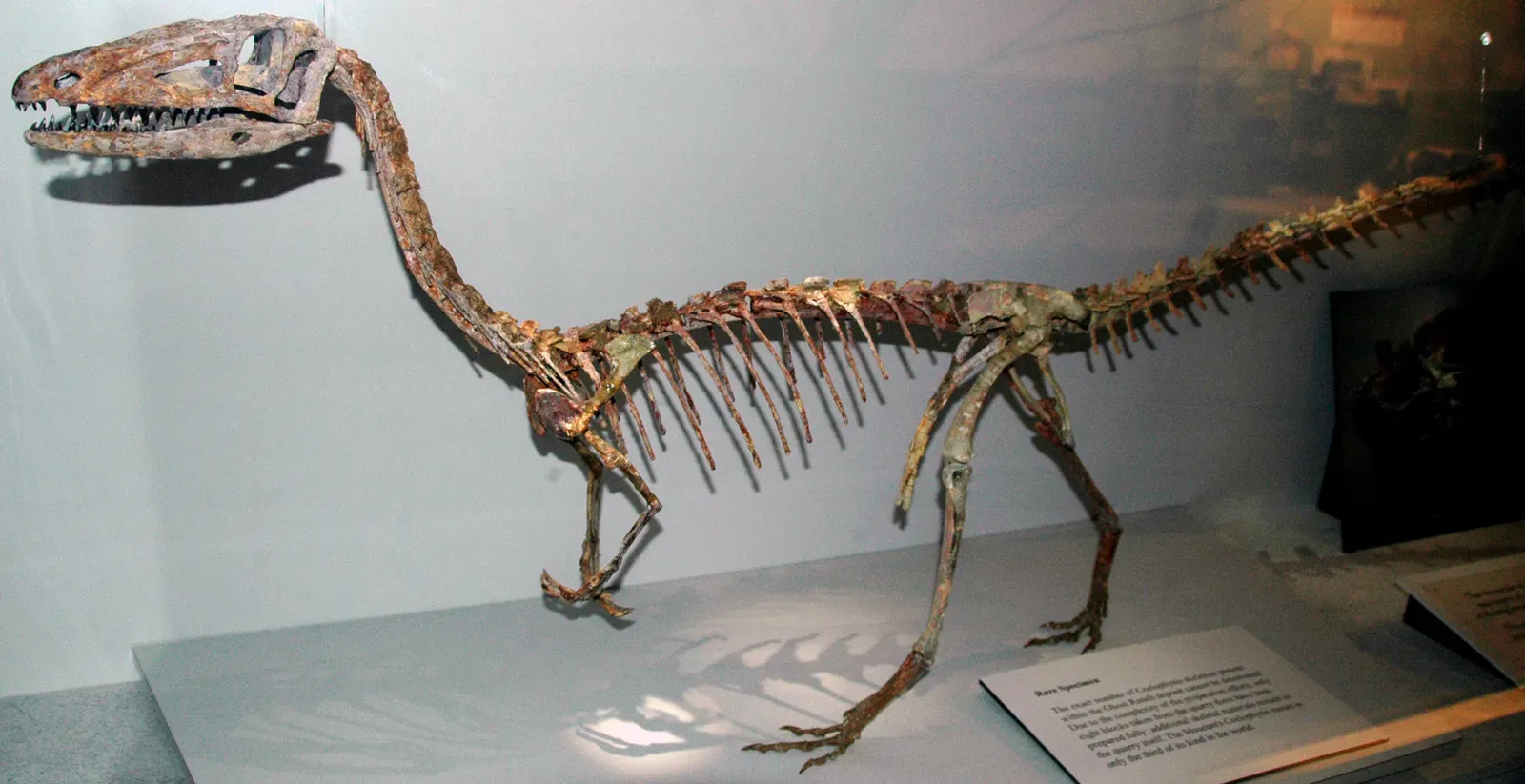
Coelophysis goes way back in dinosaur history, appearing long before many of the later sprint specialists on this list. Even so, if you were able to watch a live one, you’d see that speed was already part of the dinosaur playbook from early on. It was slender, lightly built, and long‑legged, looking more like a greyhound with a tail than the bulky dinosaurs people usually imagine. Fossil evidence shows that it could reach substantial lengths without ever becoming heavy, which is a perfect recipe for making you fast over open ground. In an ecosystem filled with other small, quick animals, Coelophysis likely survived by being just a little speedier or a little more agile than its competitors and predators. That combination of early appearance and runner’s build makes it a kind of prototype for many fast‑moving theropods that came later.
Conclusion – What Dinosaur Speed Really Teaches You
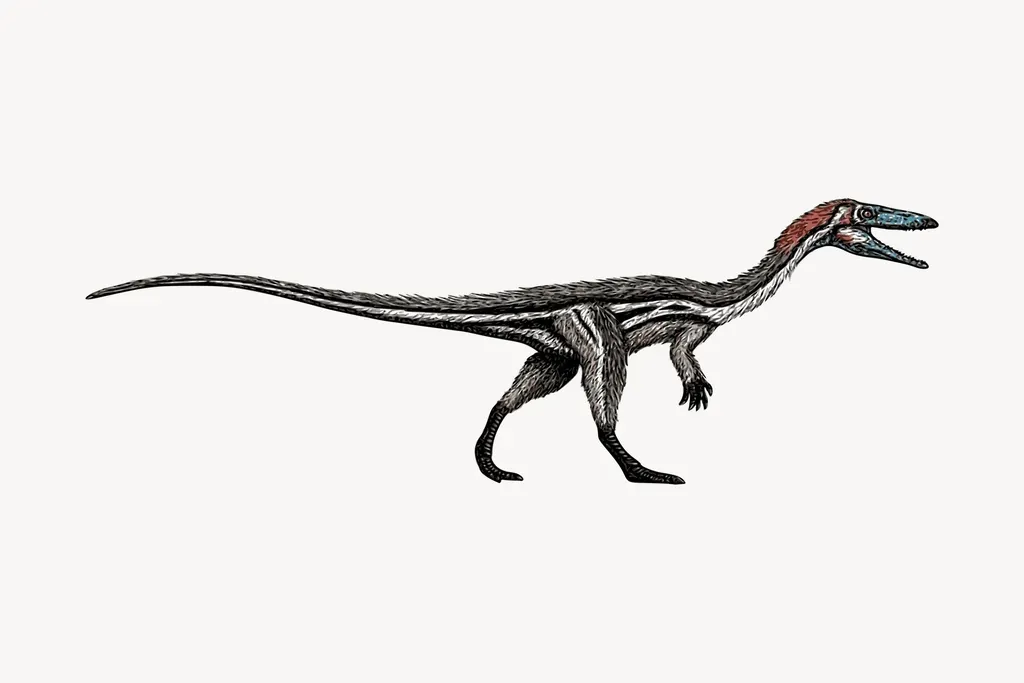
When you step back and look at these eight dinosaurs together, a clear pattern jumps out at you: speed is not an accident, it is a body plan. Long, lightweight legs, narrow torsos, and balancing tails show up again and again, whether you’re looking at a small early hunter like Coelophysis or a larger Cretaceous runner like Gallimimus. You’re essentially seeing evolution run the same experiment multiple times and land on similar solutions whenever moving fast becomes a survival advantage. You also notice something humbling: you can only ever estimate how fast these animals really were. Scientists use limb proportions, muscle attachment marks, trackways, and comparisons with modern animals to get reasonable ranges, but there is no way to get exact figures. Instead of treating dinosaur speed as a set of rigid numbers, you’re better off seeing it as a spectrum of lifestyles, from powerful sprinters to nimble dodgers. The next time you picture dinosaurs, will you still see them as slow giants, or will you imagine a world where the ground itself seemed to flicker with running feet?