
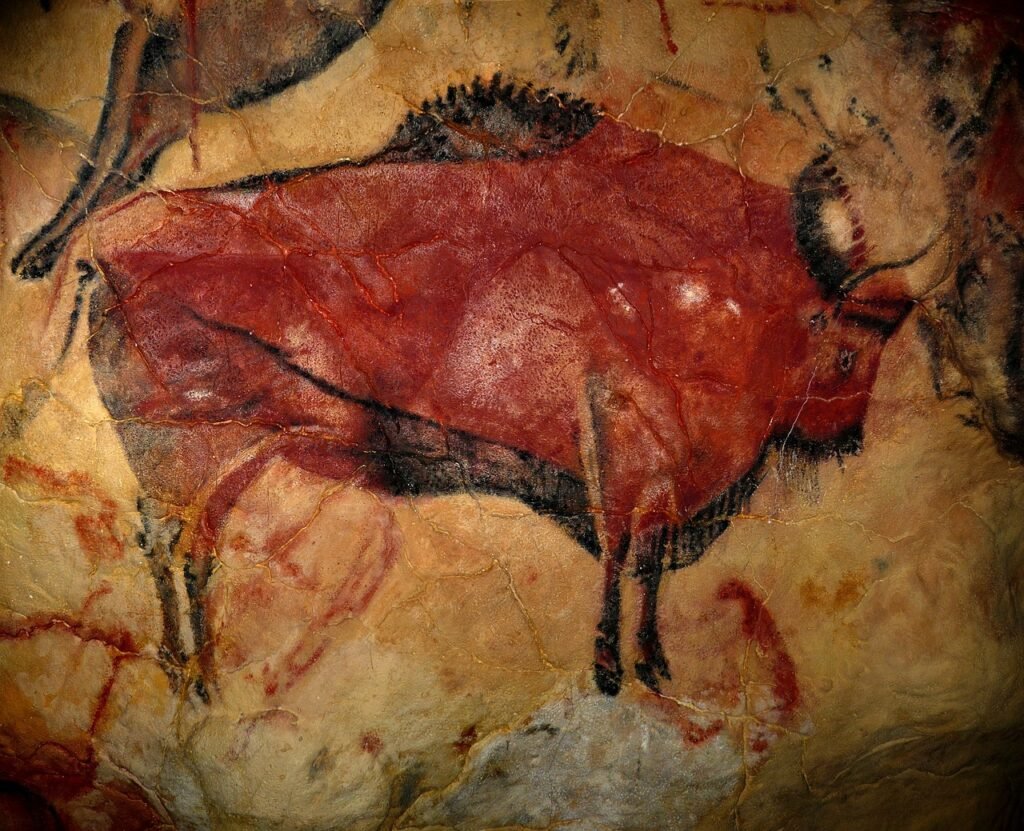
Imagine walking into a cave expecting bare rock and instead finding faint traces of color laid down hundreds of thousands of years ago, long before the famous horses of Lascaux or the hand stencils of Indonesia. That is essentially what recent discoveries about early humans and natural pigments are telling us: our species, and even our close cousins, may have been playing with color long before anything we would comfortably call “art” appears in the archaeological record. It is a bit like realizing your grandparents had secret sketchbooks hidden away long before anyone knew they could draw.
This changes the story we usually tell about ourselves. For years, schoolbook history suggested that symbolic thinking and art erupted suddenly in a kind of “creative big bang” around forty thousand years ago. But pigment-stained stones, shells, and bones from much older sites hint at a slower, stranger build-up. The more archaeologists dig, the more it looks like symbolic thought did not appear overnight, but simmered quietly for a very long time before it boiled over into spectacular cave paintings. That quiet simmer is where things get really interesting.
The Surprising Age of Humanity’s Love Affair With Color
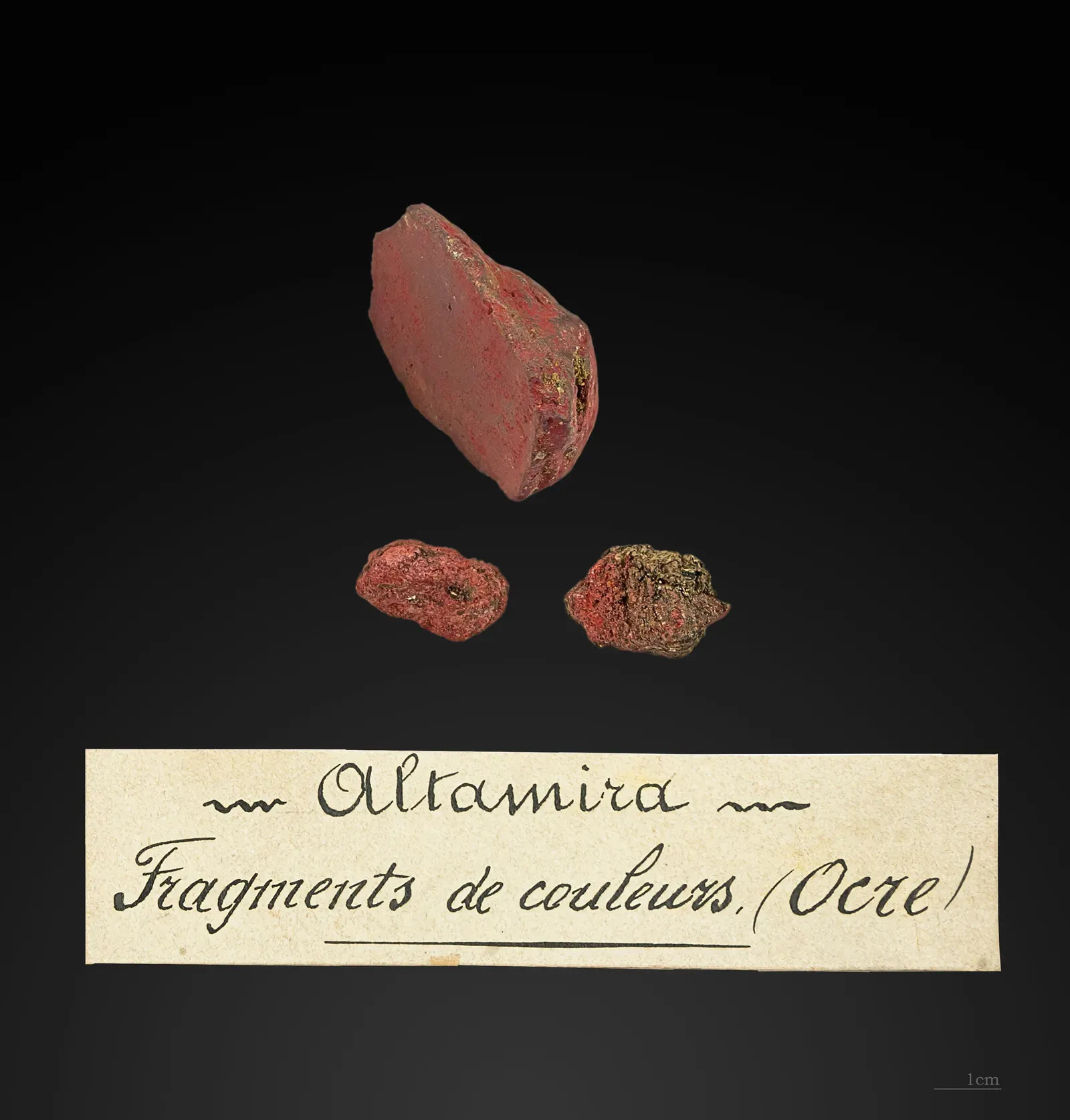
It might be shocking to realize that the story of humans using color stretches back far beyond the famous caves of Europe. Archaeologists have found pieces of red ochre and other iron-rich minerals at sites that are two or even three times older than the earliest known figurative paintings. Some of these finds date back more than two hundred thousand years, into periods when our ancestors were still sharing the planet with other human species and when no grand murals have yet been identified.
What stands out is not just the presence of these pigments, but how consistently they show up in early human sites across different regions. We are not looking at a one-off accident or a strange local custom. When you keep finding blocks of ochre that have been scraped, ground, or carefully transported, it starts to look less like simple survival behavior and more like the early stages of a cultural habit. Color, it seems, has been threaded through human life for a very long time.
What Exactly Counts as “Symbolic Thinking” Anyway?
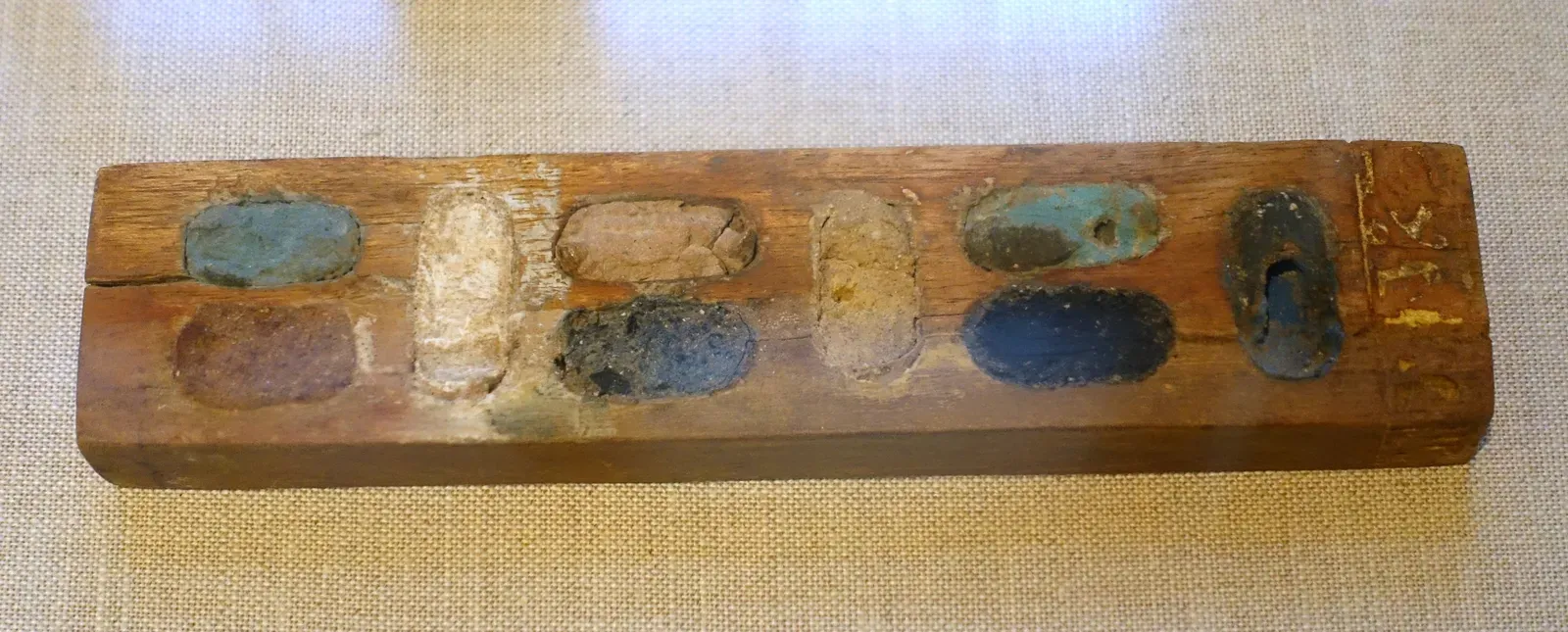
Before we decide that every crumb of red powder means deep spiritual symbolism, we have to ask: what do scientists really mean by symbolic thinking? At its core, it is about using one thing to stand for another: a mark meaning “this is mine,” a color meaning “I belong to this group,” a pattern meaning “this animal is sacred.” Symbolic thinking is what lets us decorate, tell stories, and eventually build complex cultures and religions.
The tricky part is that stones and bones do not come with instruction manuals. When archaeologists find pigment traces, they have to infer meaning from patterns: are these marks repeated across time and space, are they clearly intentional, do they appear in contexts like burials or special gathering places? There is always a risk of reading too much into the evidence, almost like seeing shapes in clouds. Careful researchers walk a tightrope between being open to early symbolism and not turning every stain into a prehistoric masterpiece.
Natural Pigments: From Simple Resource to Possible Symbol
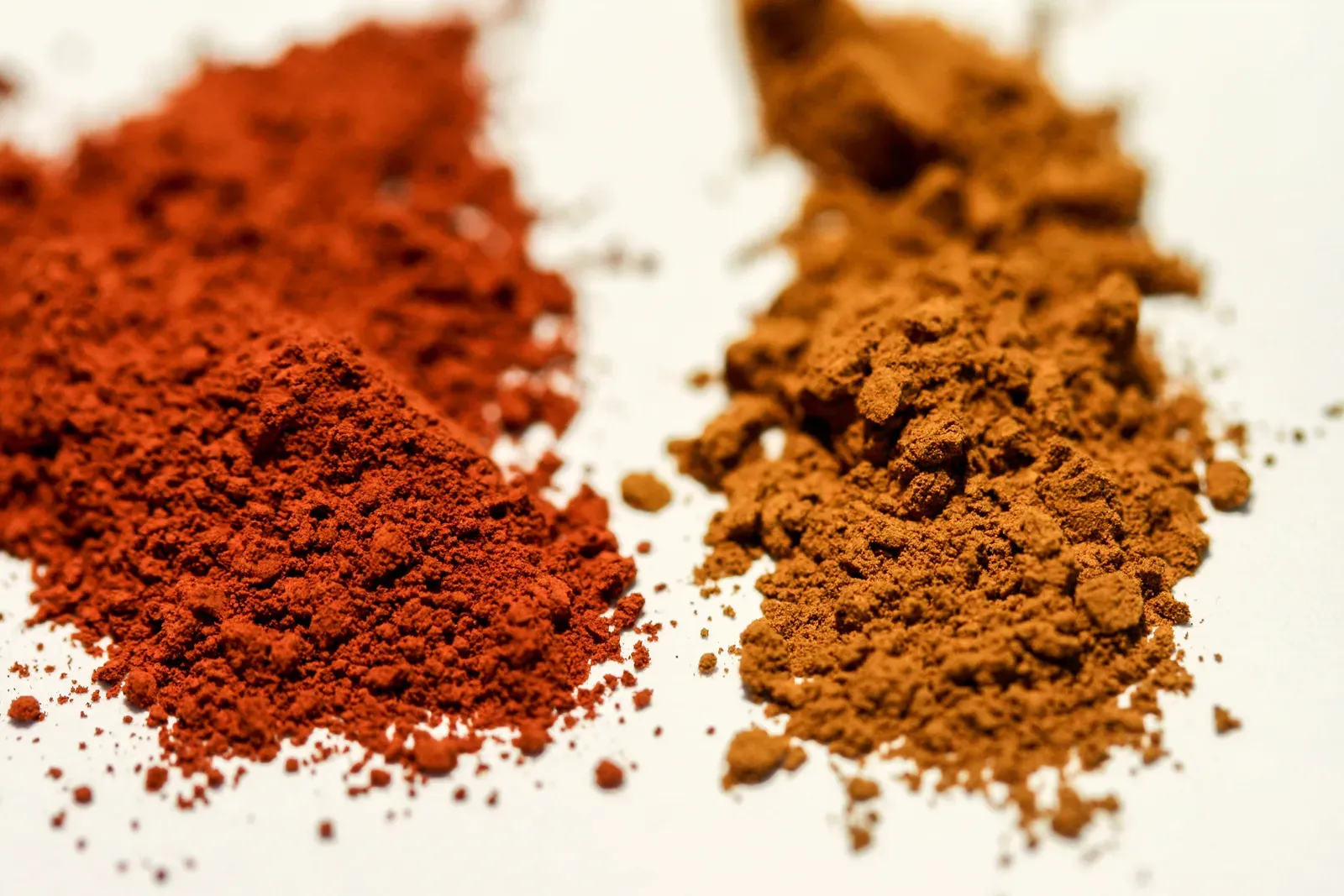
Natural pigments like ochre start their lives as very practical materials. They can be used in hide tanning, as a kind of sunscreen, to help clean animal skins, or even as functional components in adhesives. Early humans were resourceful experimenters, and it is perfectly reasonable to think that their first encounters with these colorful minerals were about solving everyday problems rather than producing art for art’s sake. Color could have been an accidental bonus, noticed but not yet celebrated.
Over time, though, the line between practical and symbolic use can blur. Once people are familiar with a material and enjoy the way it looks on skin, tools, or shelter walls, it is a small step toward deliberately marking bodies or objects for identity, status, or ritual. Think of how modern work gear sometimes becomes fashion: something useful first, then meaningful. Many archaeologists suspect that pigments followed a similar path, slowly drifting from utility to symbolism long before paintings exploded across cave walls.
Early Pigment Finds That Push the Timeline Back
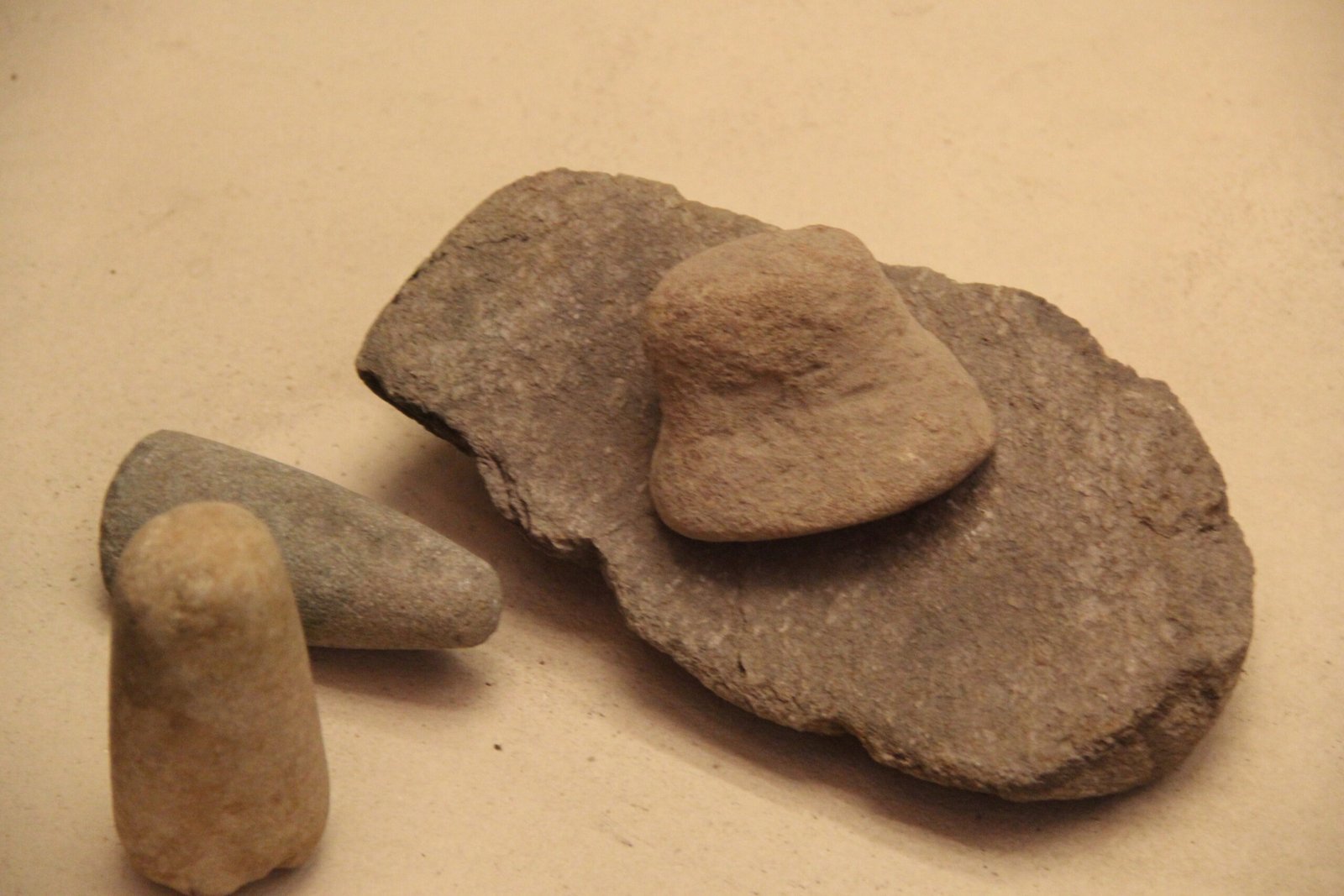
Some of the most intriguing discoveries involve pigment-processing tools and pigment-bearing objects that are far older than well-known Ice Age art. Researchers have uncovered grinding stones stained red, nodules of ochre with clear scraping marks, and even shell fragments or artifacts that seem to have been intentionally colored. When you see repetitive patterns of grinding and transport, it suggests that people were not just stumbling across pigments, but actively collecting and modifying them.
At a few sites, pigment appears alongside objects that hint at social or symbolic behavior, such as personal ornaments or carefully arranged remains. While these associations are not as visually dramatic as painted bison or lions, they quietly nudge the timeline of symbolic practices back into much deeper prehistory. As each new site is analyzed and dated, the old story of a sudden symbolic “revolution” looks less convincing, replaced by a picture of gradual experimentation spread over many tens of thousands of years.
Were Neanderthals Also Playing With Color?
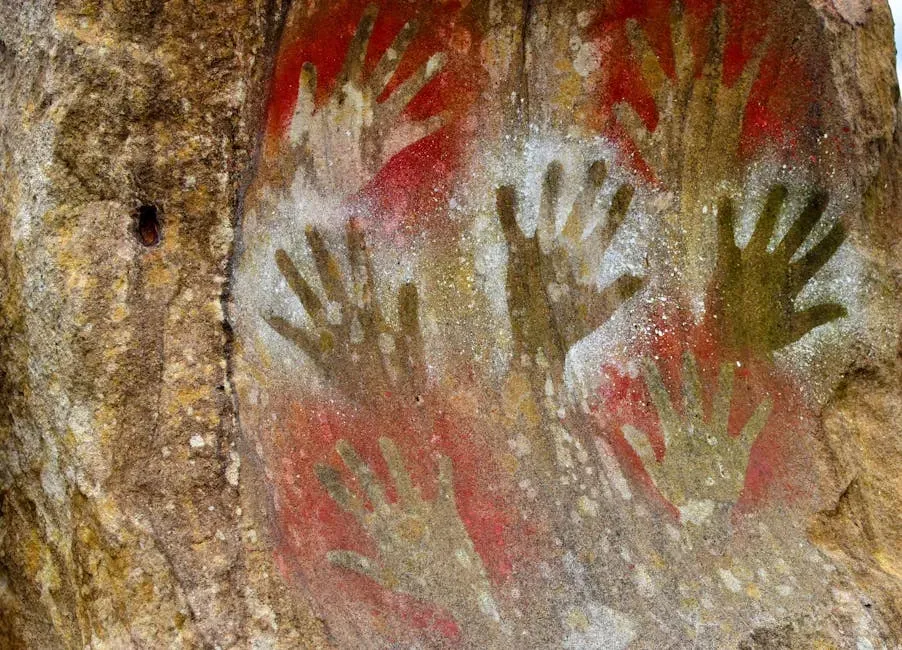
The idea that only modern humans developed symbolism has been crumbling for years, and pigments are a big part of that shift. At sites associated with Neanderthals, archaeologists have found evidence of pigment use, including ochre fragments and stained objects that indicate intentional handling of color. This suggests that our close evolutionary cousins were not just rugged survivors in cold climates, but also individuals with an eye for visually striking materials.
If Neanderthals used pigments in ways that went beyond simple utility, it forces us to question long-held assumptions about what makes our species cognitively unique. Perhaps symbolic thinking was not a sudden gift bestowed on one lineage, but a deeper capacity shared by several human groups and developed to different degrees. Personally, I find this possibility oddly comforting: it frames symbolism not as a magical leap, but as a shared, messy, and gradual family trait among humans.
The Long, Slow Build-Up to Recognizable Art

One of the most fascinating possibilities raised by these pigment finds is that there might have been a long prehistory of visual culture that simply did not leave dramatic, easily preserved images. Body painting, temporary markings on the ground, decorated wooden objects, or dyed fabrics would vanish quickly, leaving only faint clues behind. A world full of colored skin, braided hair, and decorated tools would be essentially invisible to us hundreds of thousands of years later.
In that sense, the earliest surviving cave paintings might be more like the tip of an iceberg than the starting point of art. By the time people were painting animals on stone walls, they may have already spent countless generations experimenting with color in more fragile forms. Pigment traces on rocks and artifacts become like the ghost footprints of those lost traditions, hinting at visual cultures that once thrived and then disappeared without a clear record.
Why These Discoveries Matter for Understanding Ourselves
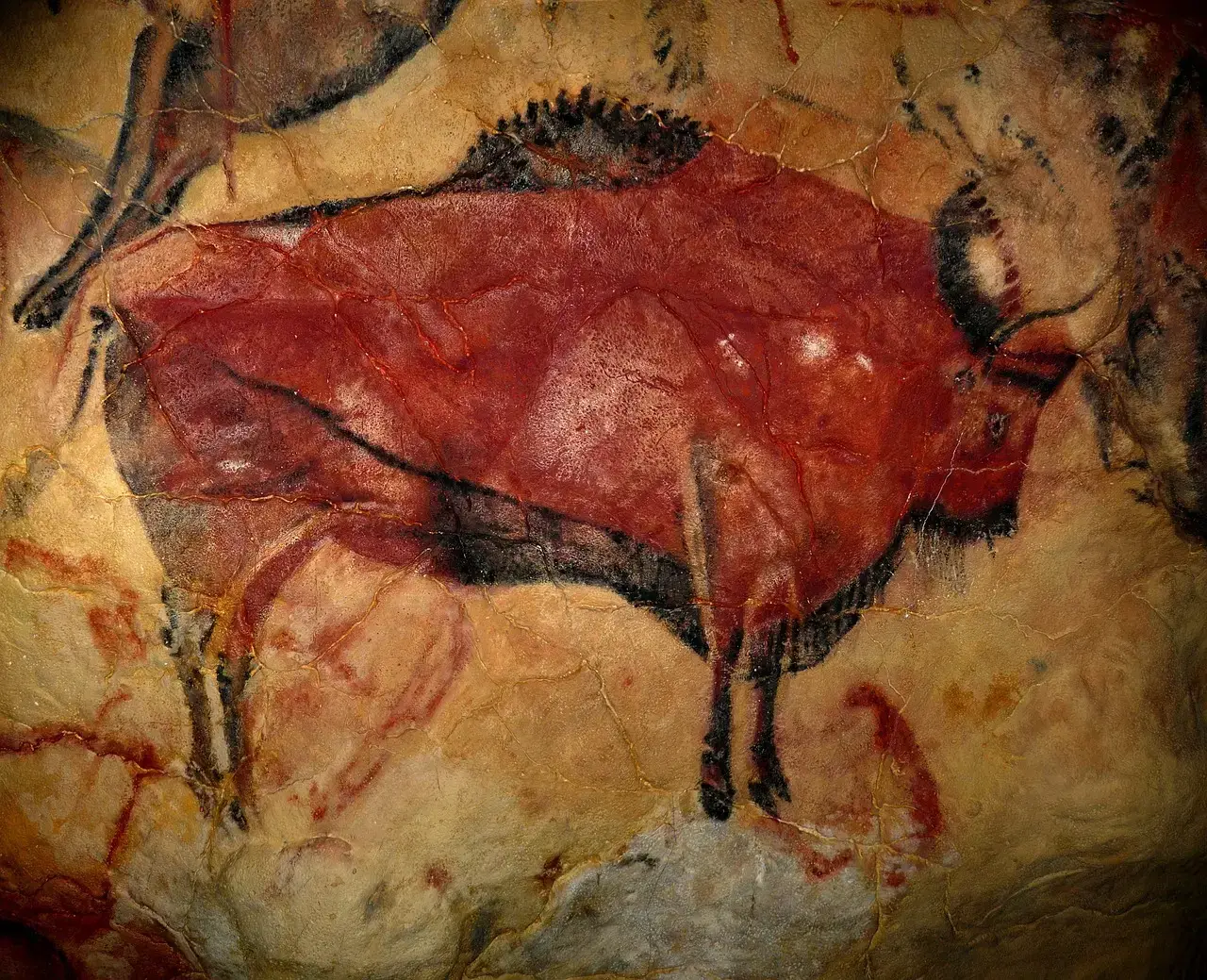
All of this might sound like an obscure academic debate, but it actually cuts to the heart of what we think being human means. If symbolic thinking emerged slowly and shows up in different human species, then art, ritual, and identity are not late luxuries, but deep parts of our shared heritage. Color, pattern, and meaning would have been woven into human life almost as soon as we began to look and wonder at the world, not tacked on at the end once survival was assured.
On a more personal level, I find it powerful to imagine an early human carefully grinding a red stone, perhaps without any clear plan, just drawn to the intensity of the color. That small, almost childlike curiosity feels familiar: the same impulse that makes us doodle in margins, pick out clothes in favorite shades, or stop to photograph a sunset. In a way, the story of ancient pigments is a reminder that our distant ancestors were not so different from us. They noticed beauty, they played with it, and little by little, they turned it into something meaningful.
Conclusion: A Quiet Revolution in How We Think About the Human Mind
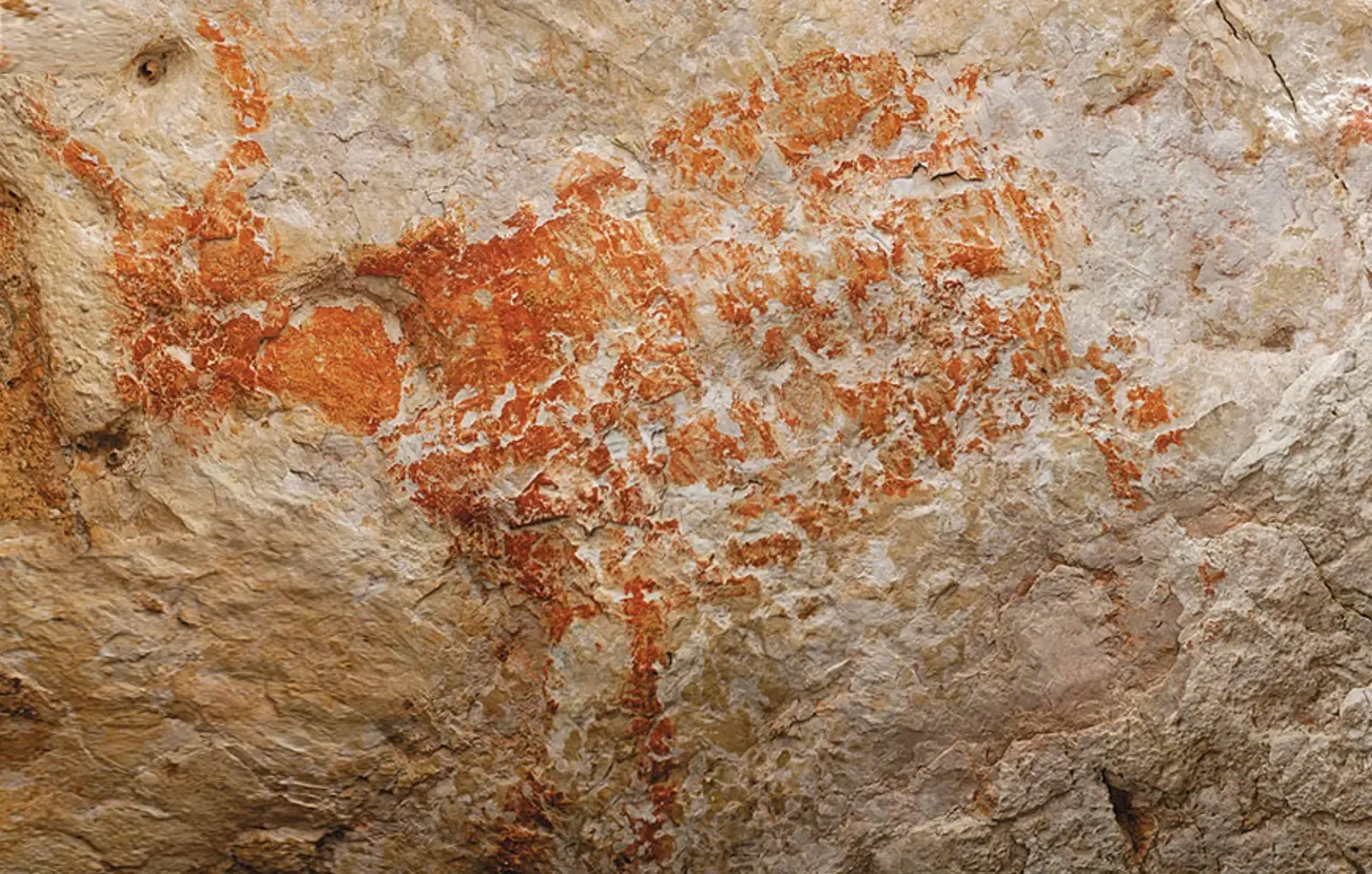
Putting all this together, the growing evidence for early pigment use suggests that symbolic thinking did not burst onto the scene with a single masterpiece; it crept in slowly, through repeated, curious encounters with color and material. The fact that some of these encounters reach back far beyond recorded art, and may include other human species, challenges the old idea that our minds changed in one dramatic leap. Instead, it points to a quiet, drawn-out revolution in how humans saw themselves and their world, a revolution that likely started with simple touches of red and yellow on skin, stone, and bone.
My opinion is that we should stop looking for a single moment when symbolic thought “began” and start appreciating a long spectrum of emerging behaviors, from practical pigment use to fully fledged art. That shift in perspective makes our deep past feel less like a clean timeline and more like a tangled, creative experiment that unfolded over immense stretches of time. It also leaves us with a question that is both humbling and exciting: if a few scratched stones and pigment stains can rewrite so much of what we thought we knew, what other quiet traces of ancient minds are still waiting in the ground, just beyond our current imagination?