
Imagine walking along a prehistoric shoreline and suddenly realizing that the creature scuttling past your feet looks… strangely familiar. Not like a dinosaur, not like some alien monster, but like something you might see today on a beach, in a river, or even on your dinner plate. It is one of the most mind-bending truths of evolution: some animal lineages change dramatically over time, while others keep a body plan that works so well it barely needs an upgrade.
In a world where we are obsessed with what is new, ancient animals and their modern relatives are a quiet reminder that sometimes nature gets it right early and sticks with the design. Looking at these living echoes of the past is like scrolling back through Earth’s history and realizing the interface barely changed. The seven examples below do not just look familiar; they force us to rethink what we mean by “ancient” and “modern” altogether.
1. Horseshoe Crabs and Their Deep-Time Ancestors
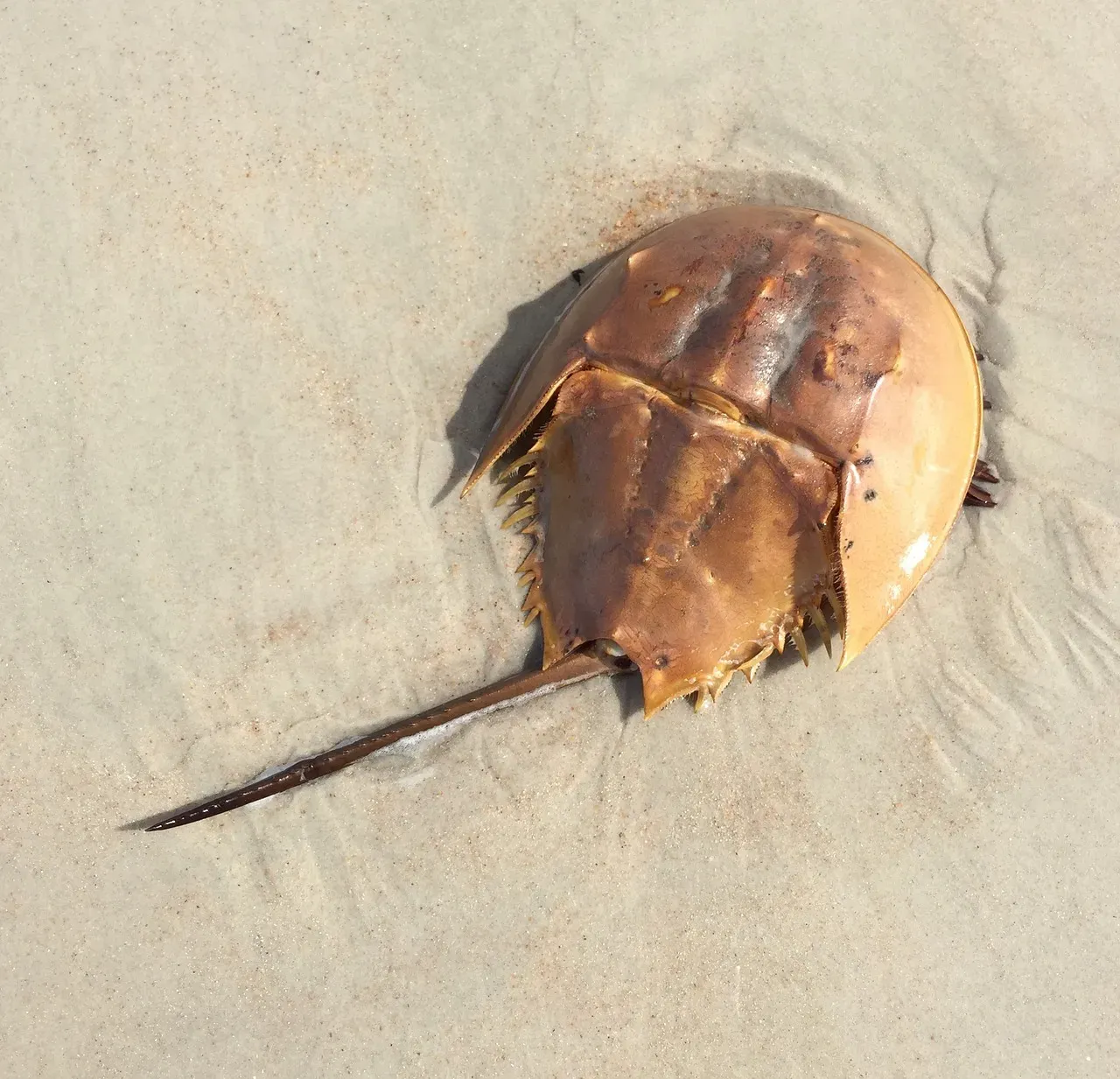
If any animal deserves the title of “Earth’s stubborn classic,” it is the horseshoe crab. Modern horseshoe crabs, especially the Atlantic species often seen along the U.S. East Coast, look strikingly like fossil forms that scuttled around hundreds of millions of years ago. Their domed shell, long rigid tail spine, and book-like gills underneath are all features you can see mirrored in ancient relatives from the Paleozoic era.
What is wild is how familiar they feel when you see one up close today: the same shield-like carapace, the same cluster of legs tucked underneath, the same almost robotic glide over sand and mud. While the exact fossil species differ from today’s living ones, the overall body plan has been so conservative that paleontologists often call them “living fossils,” even though that phrase can be a bit oversimplified. It is less that they never changed and more that their general blueprint just kept working across mass extinctions and climate swings.
2. Crocodiles and the Ancient Croc-Line Raulers
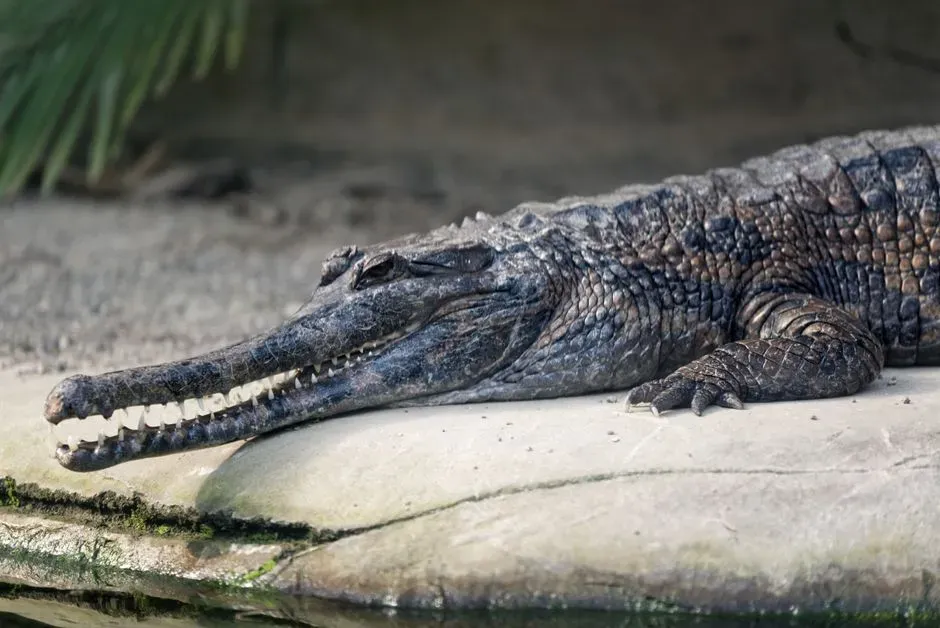
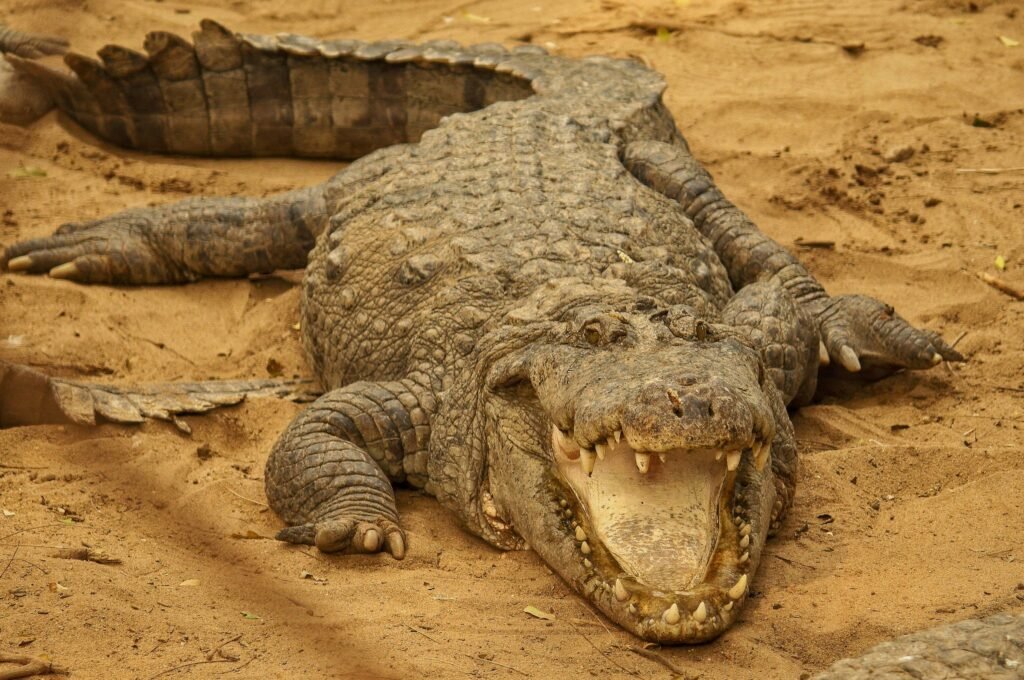
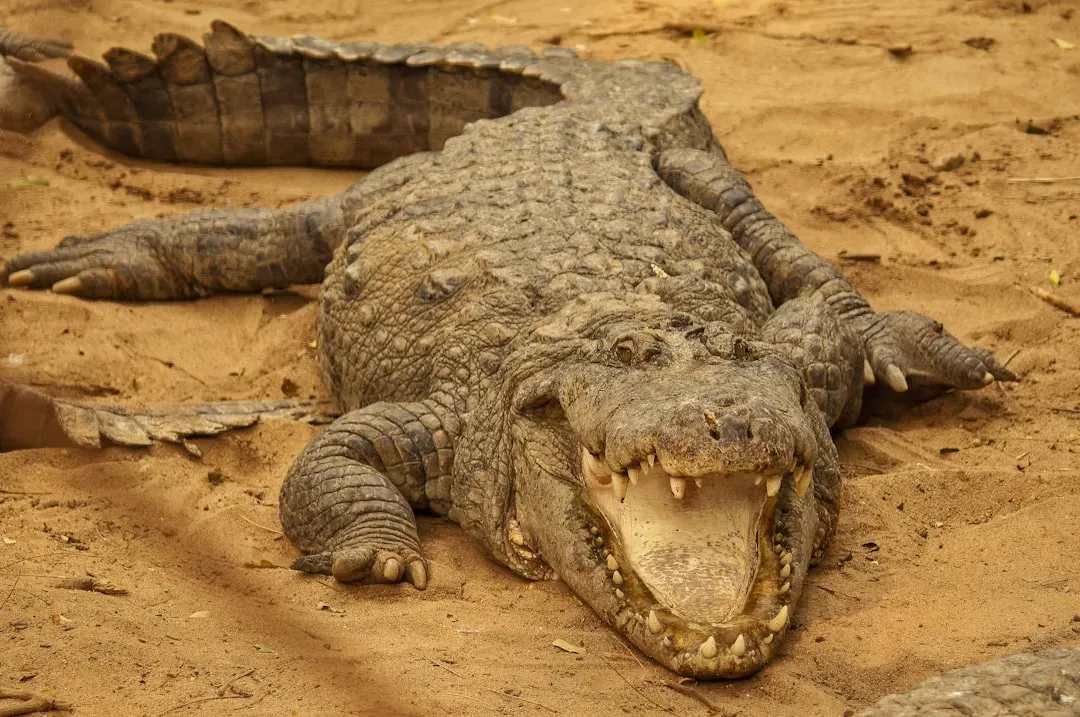
Stand by the water in a warm swamp and watch a big crocodile barely break the surface, and you are seeing a silhouette that would have made sense to a dinosaur. Today’s crocodiles and alligators belong to a group whose ancestors go back to the Triassic period, and if you look at many fossil croc-line species, the resemblance is uncanny: elongated snout, powerful tail, armor-like back plates, and that low, semi-aquatic posture.
Of course, ancient croc relatives were more diverse than the ambush predators we know now. Some ran on long legs and chased prey on land, others looked almost like weird croc-dolphin hybrids in the oceans. But there is a core “croc” pattern that keeps returning in the fossil record and carries straight into the modern Nile crocodile or American alligator. When you see one today, motionless at the river’s edge, you are basically watching a design so effective it outlived the dinosaurs and still has not gone out of style.
3. Nautiluses and Their Coiled-Shell Cousins
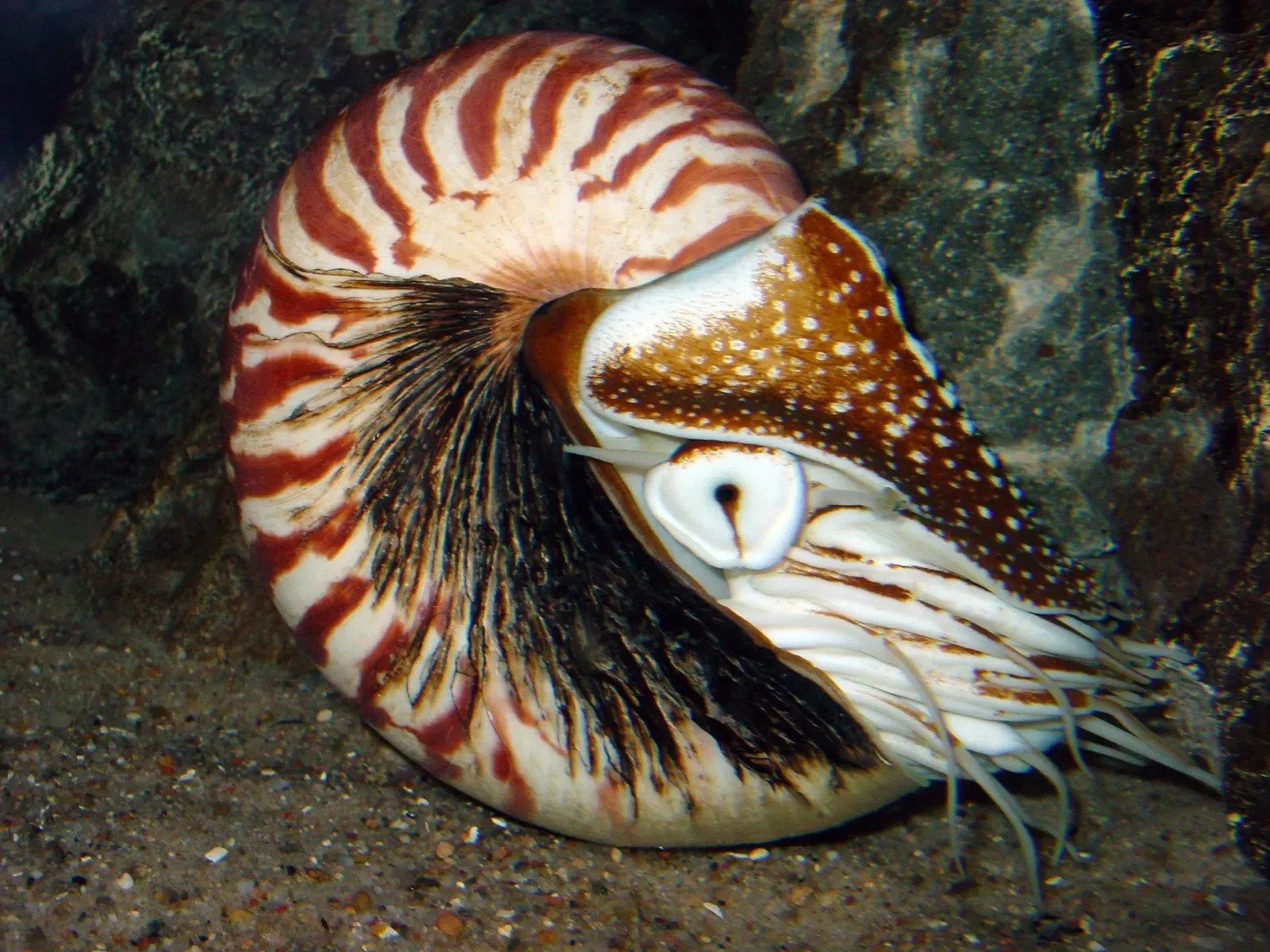
Most of the shelled cephalopods that once dominated Earth’s seas are gone, but the nautilus hangs on like a relic from an underwater museum. Modern nautiluses have that iconic coiled, chambered shell and a crown of tentacles peeking out from the opening. Fossil relatives, including ancient nautiloids, show very similar shells: smooth or gently ornamented coils divided into internal gas-filled chambers used for buoyancy.
When you compare the elegant spiral of a nautilus shell you might see in a seaside shop with fossil specimens from long-extinct species, the continuity is striking. Yes, there were many other shell shapes and wild body forms in the cephalopod family tree, but the overall “nautilus look” is familiar across deep time. The real difference is not immediately visible: many of the ancient shelled cephalopods were ecological giants and top predators, while modern nautiluses live a quieter life in deep, dim waters, carrying a very old blueprint into a very modern ocean.
4. Sturgeons and Their Armored Fish Forebears
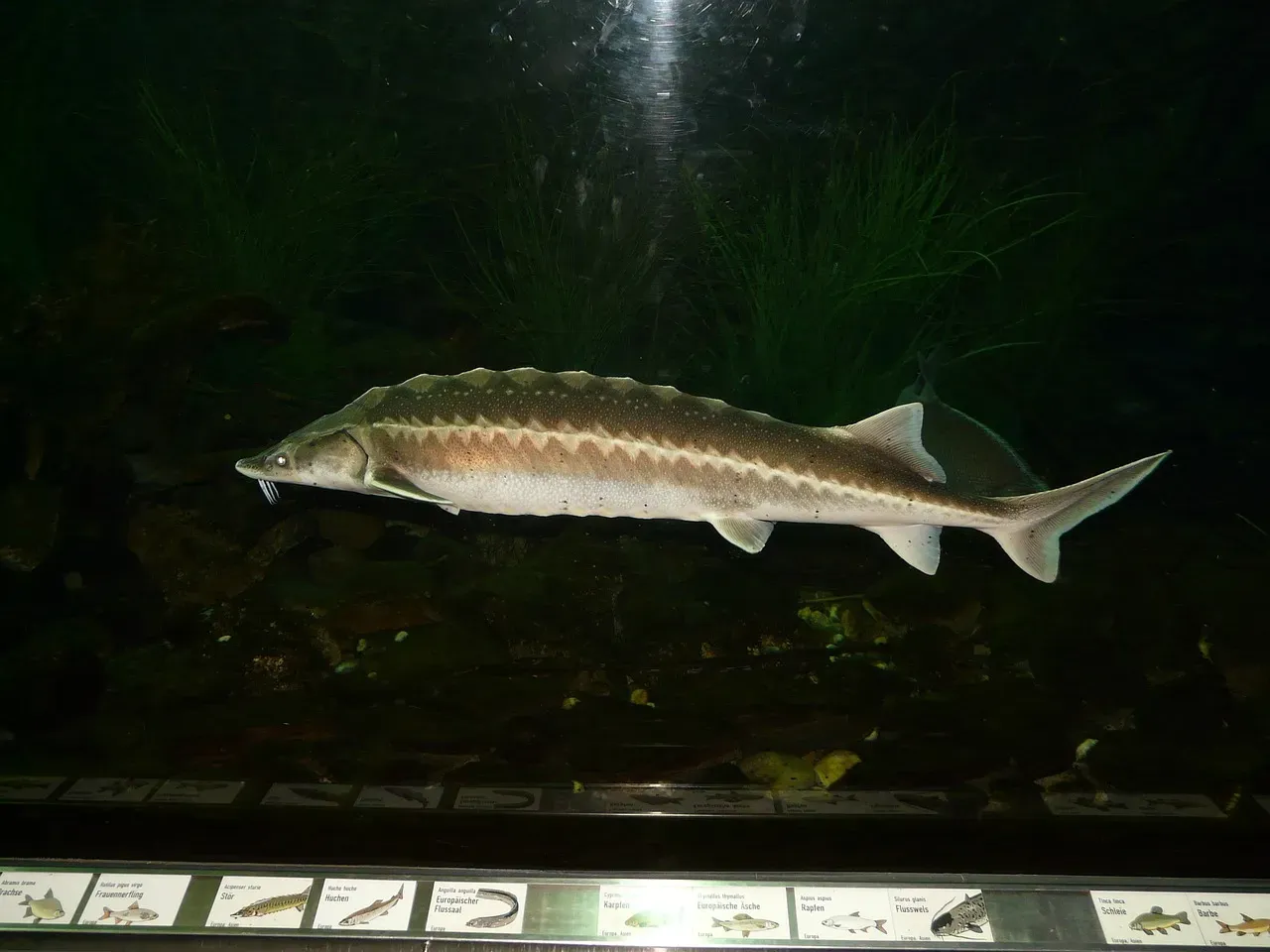
Sturgeons look like the fish version of a time traveler. Long snout, rows of bony plates along the body, and a tail that looks part shark, part something older. When you put sturgeon fossils and the fossils of their close relatives next to living species, you see the same armored, torpedo-like outline repeating again and again, especially from the late Paleozoic and early Mesozoic eras.
These fish have skeletons that are partly cartilaginous, like sharks, and partly bony, putting them in a somewhat unusual position in fish evolution. Their overall look has stayed so consistent that seeing a large sturgeon today leaping out of a river can feel like a glitch in the timeline. Despite that, modern sturgeons face a barrage of entirely modern threats, from dams to overfishing, proving that even a battle-tested ancient body plan is no match for rapid human-driven change unless we decide it is worth protecting.
5. Coelacanths and the Lobe-Finned Legacy
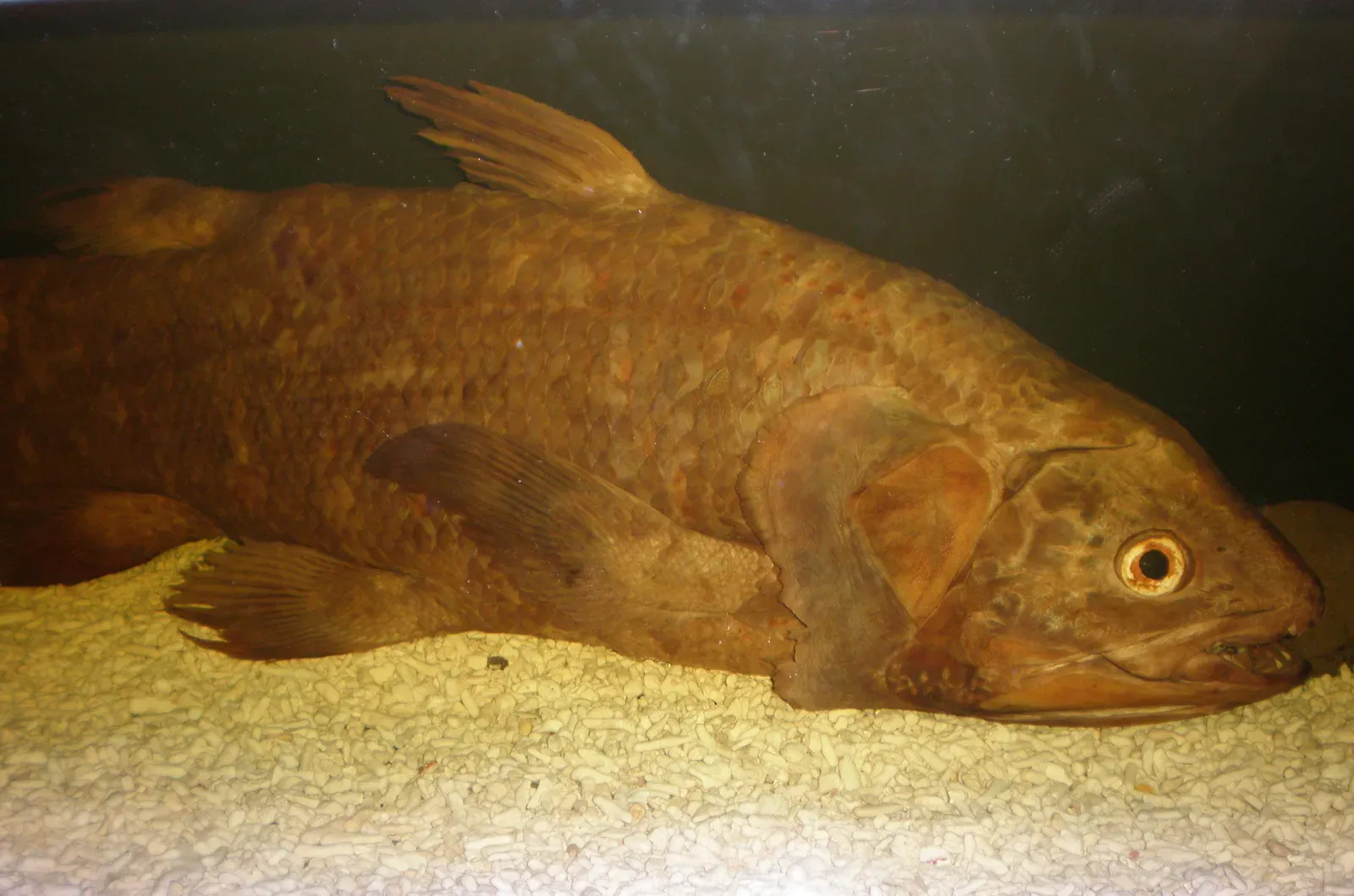
For decades, coelacanths were the poster child for a tragic ending: a successful group of ancient lobe-finned fishes that vanished from the fossil record about the time dinosaurs were taking off. Then a living specimen turned up in the twentieth century, forcing everyone to rewrite that story. When scientists compared the living fish to ancient coelacanth fossils, the resemblance was eerie: the same lobed fins supported by sturdy bones, the same thick, scaly body, the same distinctive tail.
Look at a modern coelacanth photo and a well-preserved fossil, and you do not need much imagination to recognize them as kin. They are not exact clones of their ancient relatives, but the overall geometry is so close that it feels like the rock specimens just woke up and started swimming again. You can think of coelacanths as a living footnote in the story of how vertebrates experimented with limb-like fins, a reminder that some evolutionary experiments never fully ended; they just moved into quieter corners of the world and kept going.
6. Sharks and Their Early Cartilaginous Kin
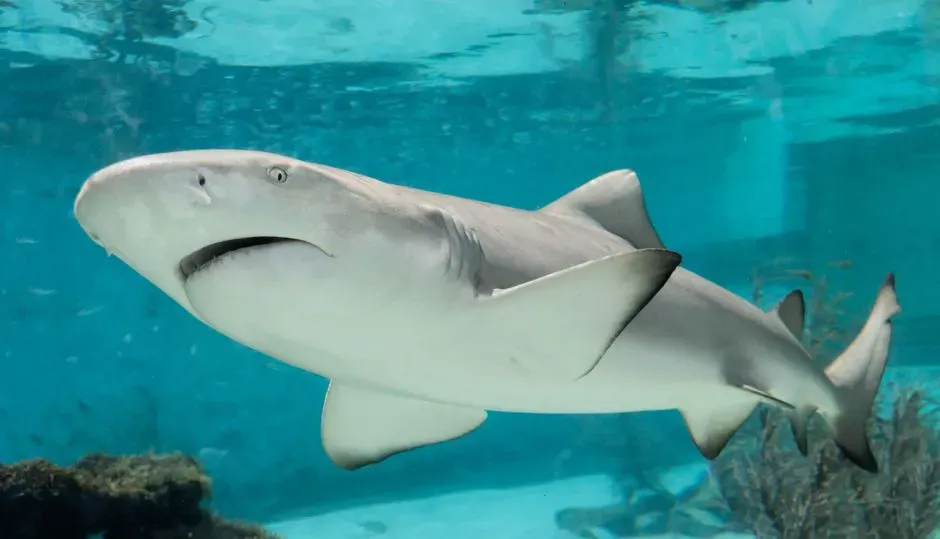
Sharks are often sold to us as pure, modern killing machines, but their basic plan is ancient: a cartilaginous skeleton, multiple rows of replaceable teeth, and a sleek, streamlined body. While many early shark relatives in the fossil record had strange fin shapes and bizarre tooth arrangements, quite a few already looked remarkably similar to modern species. The classic torpedo body and crescent tail that you see in a modern mako or great white echo forms that have been recognizable for hundreds of millions of years.
In many fossil deposits, teeth are the main clues, and those teeth can be shockingly familiar. Large, triangular, serrated teeth from extinct mega-sharks share a structural logic with modern ones, scaled up but clearly part of the same engineering approach. Sharks have diversified and changed, of course, but if you transported a modern mid-sized shark back to certain ancient seas, it would not look out of place. In a sense, sharks show how evolution can fine-tune a concept without abandoning the original sketch.
7. Turtles and Their Shell-Bearing Ancestors
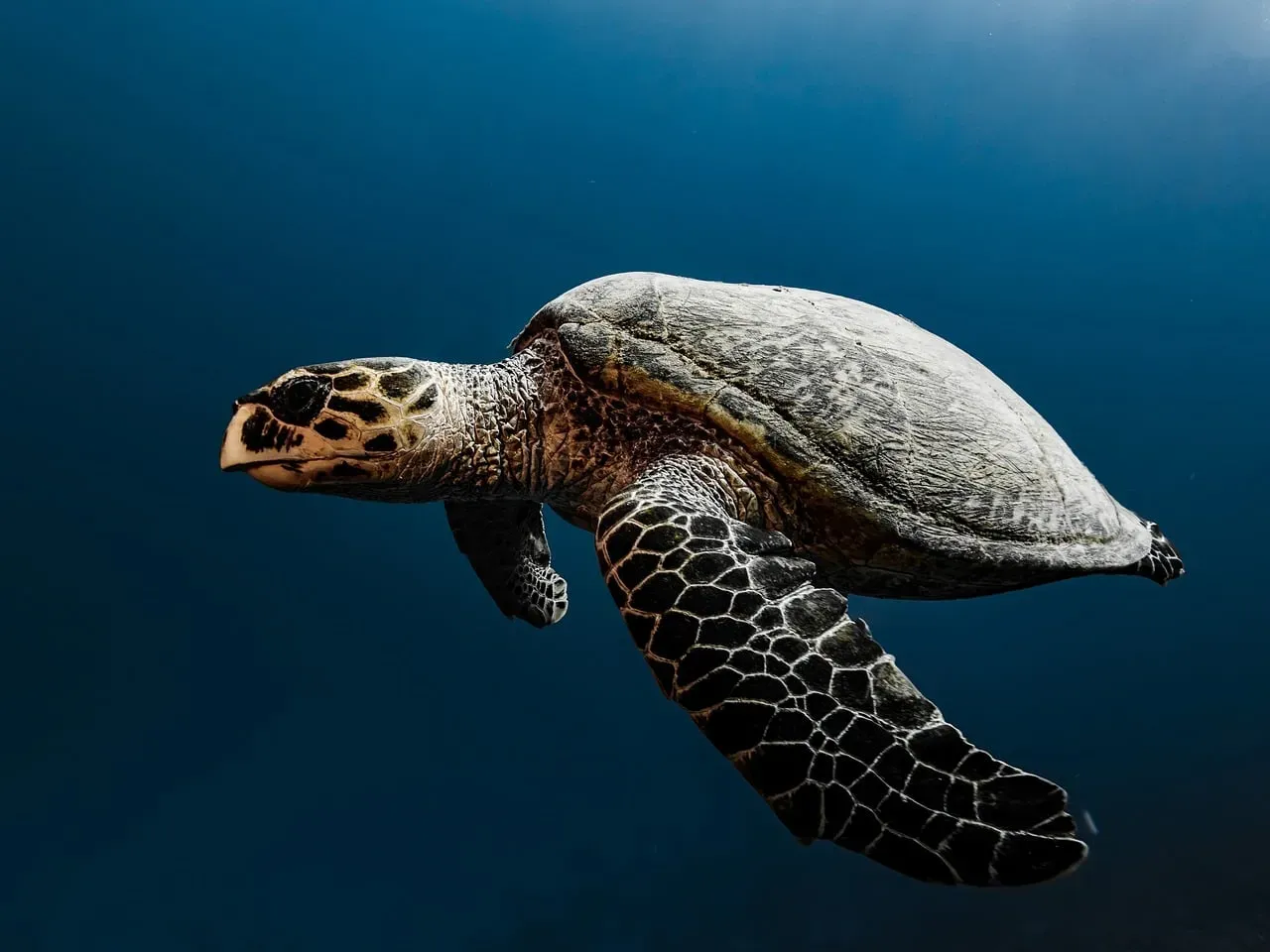
Turtles are another group where the past and present rhyme in a very obvious way: the shell. Ancient turtle relatives already had a recognizable shell structure, even in transitional forms where the ribs were just starting to broaden and fuse. By the time you get to fully shelled turtles in the fossil record, the resemblance to modern species is almost disarming: dome-shaped or flatter shells, a beaked head, and limbs adapted to either land, fresh water, or the sea.
While modern turtles range from tiny box turtles to massive leatherbacks, the essential idea of “vertebrate inside a bony shell” has been stable for a staggeringly long time. See a fossil turtle slab and a present-day turtle crossing a road, and the continuity is impossible to miss. This is one of those cases where evolution seems to have stumbled onto a protective strategy so effective that everything afterward is just variations on a hard-shelled theme, even as the world around them changed almost beyond recognition.
Conclusion: Familiar Faces in an Alien Past
What strikes me most about these ancient animals and their modern relatives is how they mess with our sense of time. We tend to imagine prehistory as a gallery of creatures that look nothing like what we see today, but the truth is much more tangled. Some lineages reinvented themselves over and over, while others kept refining a winning blueprint, like a classic car model that just gets minor tweaks each decade instead of a complete redesign.
To me, these seven examples are a quiet argument against the idea that “old” means obsolete. Horseshoe crabs, crocodiles, nautiluses, sturgeons, coelacanths, sharks, and turtles are not outdated leftovers; they are survivors whose bodies worked across cataclysms that wiped out flashier species. That should make us a bit humbler about what we call progress and a lot more protective of the ancient designs still living alongside us. Next time you see a turtle in a pond or a shark on a nature documentary, will you still think of it as modern, or as a familiar face from a story that started long before humans ever arrived?