
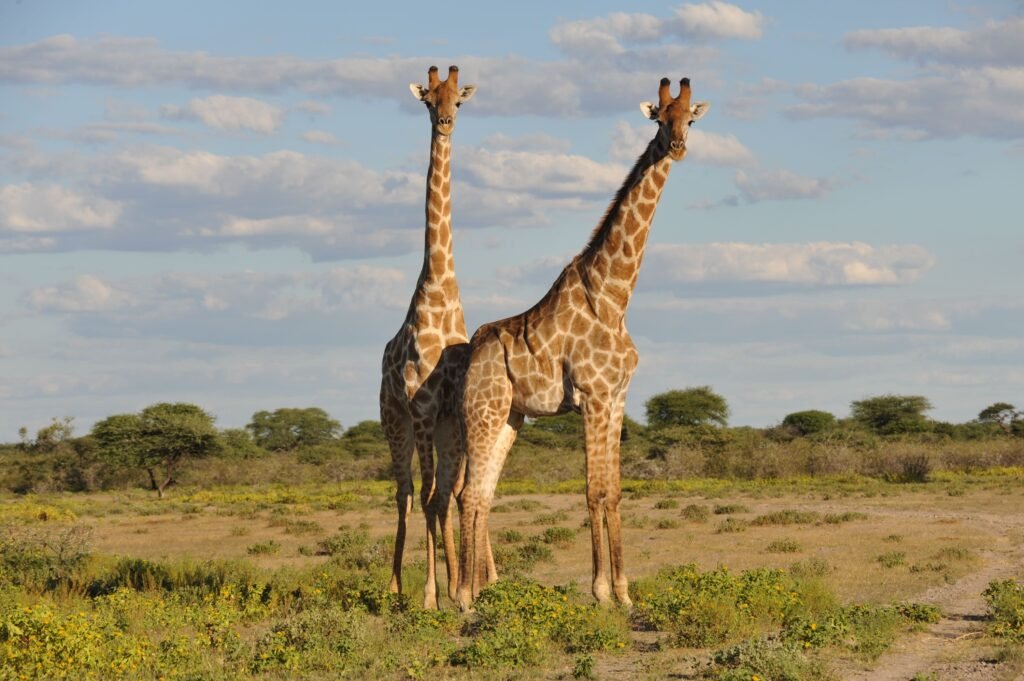
Ask someone why giraffes have long necks and you’ll usually get a simple answer: so they can reach tall trees. It sounds neat and logical, but it leaves out most of the real story. When you zoom in on what that extreme neck actually does to a body, you start to realize evolution did not just add a few extra vertebrae; it rewired almost everything.
In truth, the giraffe’s neck is like a master key that forced changes in bones, blood, nerves, behavior, even sleep. The animal standing under an acacia tree today is the end result of millions of years of anatomical trade‑offs and clever biological hacks. Once you see how deep those changes go, the long neck stops being a quirky feature and starts looking like one of nature’s most radical full‑body renovations.
From Modest Browsers To High-Rise Specialists

It’s easy to imagine that ancient giraffe relatives were just slightly taller antelope who slowly stretched upward, but the fossil record shows a much more dramatic shift. Early giraffids were shorter, stockier animals with more typical herbivore proportions, better suited to mixed browsing and grazing. As some lineages pushed upward, they did not simply extend the neck; their whole body plan began to pivot around height as a survival strategy.
Over time, this meant longer legs, deeper chests, reinforced spine segments, and skulls shaped to balance a top‑heavy frame. It’s similar to turning a one‑story house into a skyscraper: you can’t just keep stacking floors, you need new foundations, stronger beams, improved elevators. Evolution answered the “reach higher” problem by upgrading far more than neck length, turning giraffes into vertical specialists that occupy a space in the landscape nobody else really does.
The High-Pressure Plumbing That Keeps Them Conscious
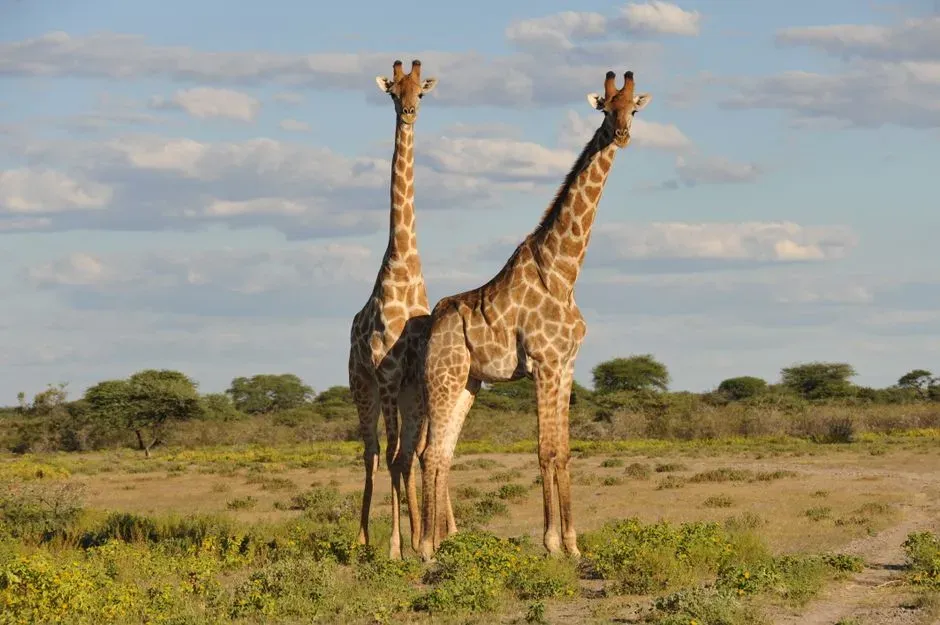
Stretching the head nearly six meters above the ground creates a brutal engineering issue: how do you get enough blood to the brain without blowing out the pipes? Giraffes evolved an unusually powerful heart, with thick muscular walls and high blood pressure that would be dangerously extreme in a human. This cardiac engine has to push blood up a long vertical column of arteries against gravity, every second of the animal’s life.
But that same pressure would be disastrous when a giraffe lowers its head to drink if there were no safeguards. To avoid brain damage or bursting vessels, giraffes have tight, elastic blood vessels, special valves, and a network of small veins and arteries in the head that act like a natural pressure regulator. The neck, in other words, forced the evolution of a custom hydraulic system, turning their circulation into something closer to a carefully tuned industrial pump than a standard mammal setup.
Seven Vertebrae, Completely Reimagined
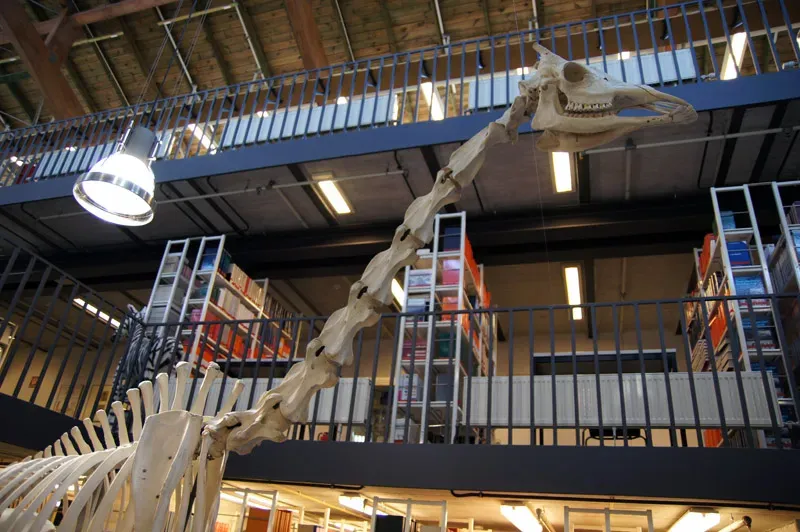
Most mammals, from mice to humans to whales, have exactly seven neck vertebrae. Giraffes did not evolve “extra” ones; they stretched and reshaped the same seven into long, robust segments. Each vertebra is elongated and heavily sculpted with ridges and surfaces where powerful muscles and ligaments attach, giving the neck both flexibility and surprising strength.
This redesign changes more than length. The way the vertebrae lock together affects how a giraffe moves its head in combat, how it bends to drink, and how it holds a steady gaze while walking. It’s a bit like swapping out short, chunky building blocks for long girders: the structure can span far greater distances, but it also demands smarter bracing, better joints, and constant adjustments to stay stable under stress.
Necking Battles: When Height Becomes A Weapon
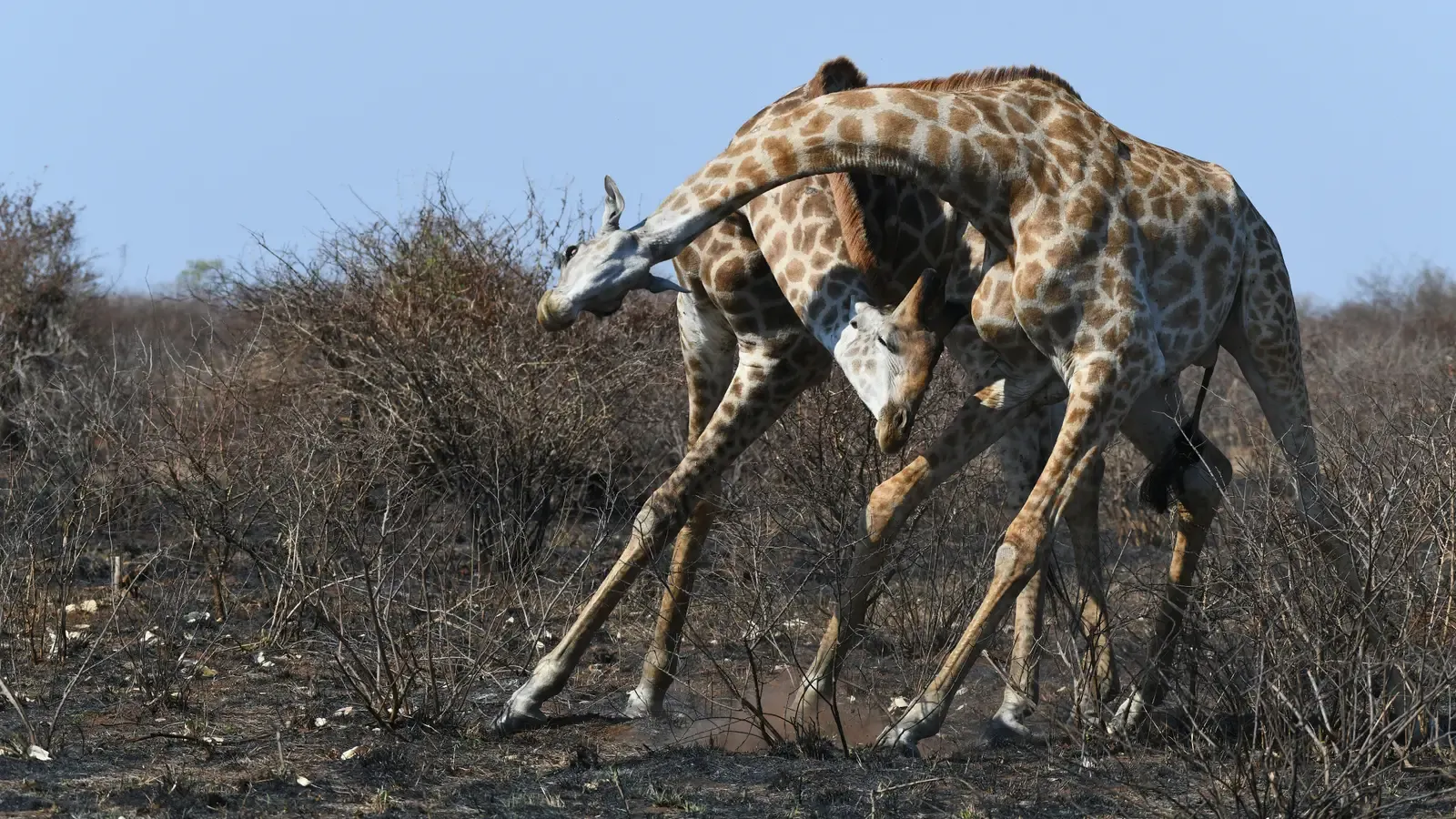
The long neck is not just about food; it’s also a weapon in one of the more dramatic behaviors in the animal world. Male giraffes engage in “necking,” swinging their heads like sledgehammers to slam rivals in the ribs or flanks. This turns the neck into both a lever and a whip, and the skull into a heavy striking tool. Evolution has thickened certain parts of the skull and reinforced neck muscles to withstand and deliver these blows.
These battles are not just rough displays; they help determine which males get to mate. That means sexual selection is an extra evolutionary pressure on neck traits, not just survival or feeding. A longer, stronger neck can become an advantage in combat, and over generations, that may have helped exaggerate neck length and musculature even further. The long neck here is as much about winning reproductive contests as it is about reaching leaves.
Balancing Acts: Legs, Posture, And Movement
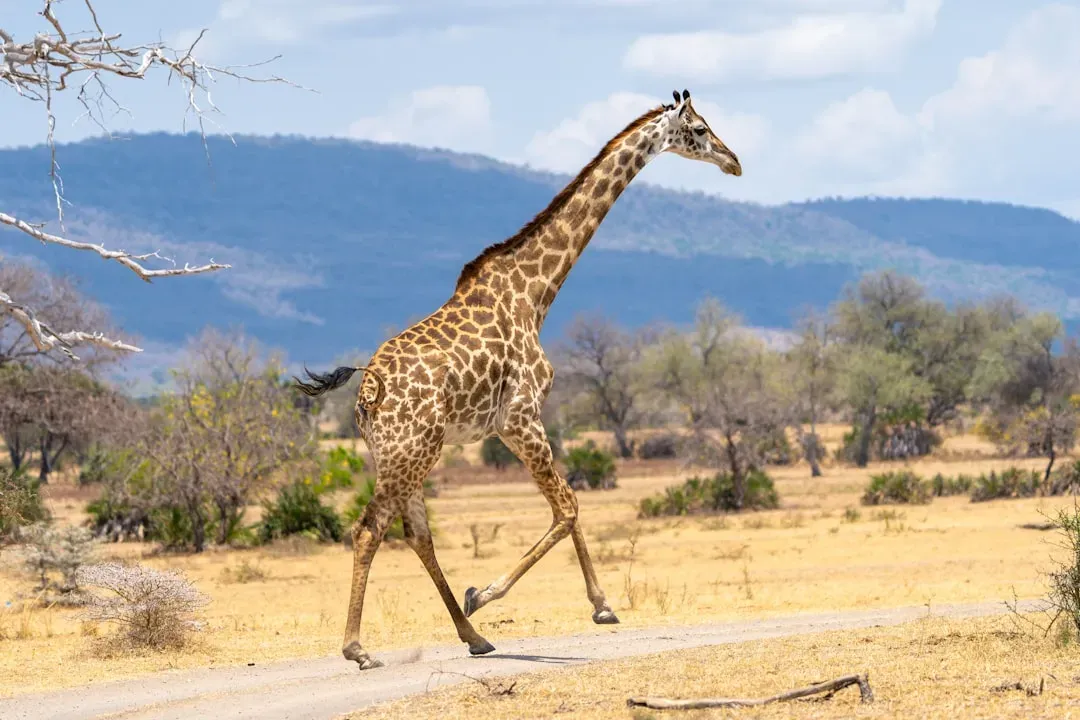
Once your head is perched that high, every step becomes a physics problem. Giraffes have long, stilt‑like legs that complement the neck, but that also makes balance and coordination crucial. Their spine, shoulders, and hips have had to evolve to manage a high center of gravity, so they do not topple while accelerating, stopping, or turning. Muscles and ligaments along the back act like suspension cables, stabilizing the neck as the animal walks or runs.
This architecture affects their entire gait. Giraffes move the legs on one side of the body almost together, giving them that smooth, gliding stride people often describe as oddly calming to watch. At high speed, the neck works like a counterweight, swinging subtly to keep the body stable. It’s more like watching a crane on wheels than a typical four‑legged runner, with every part of the frame contributing to control a tall, narrow tower of bone and muscle.
Breathing, Heat, And The Long Airway Problem

A neck that long also means a very long airway, which might sound trivial until you realize that every extra centimeter is “dead space” where air does not exchange oxygen efficiently. To cope, giraffes have relatively large lungs and powerful breathing muscles that can push fresh air all the way down and back again. Their breathing rhythm and volume are tuned to overcome the extra distance, so they still get enough oxygen even while exerting themselves.
The neck doubles as a heat management system as well. Blood flowing through that elongated region can shed heat over a large surface area, and the skin, fur, and circulation patterns together help keep the brain and body from overheating in the sun. In a way, the neck is part chimney, part radiator: it carries air, moves heat, and ties the respiratory and circulatory systems into one long, adaptive column.
Vision, Vigilance, And A Different Way Of Seeing The World

With a head that high, giraffes live in a visual world few other animals experience. Their long neck lifts their eyes above most predators, giving them a sweeping view of the savanna. This elevated vantage point likely influenced how their eyesight, eye placement, and even behavior evolved. They can spot danger far off and may serve as early warning systems for other animals sharing their habitat.
But there is a trade‑off: scanning the ground right below them, especially when they are drinking or reaching down, is more awkward. The neck has to bend, twist, and lower the head, temporarily sacrificing that wide view. You can almost think of them as living watchtowers that become vulnerable when they have to “climb down” to access water. Their behavior – drinking quickly, lifting the head to scan, staying in groups – reflects that tension between the benefits and costs of being so tall.
Growing Up Giraffe: Developmental Costs Of A Long Neck
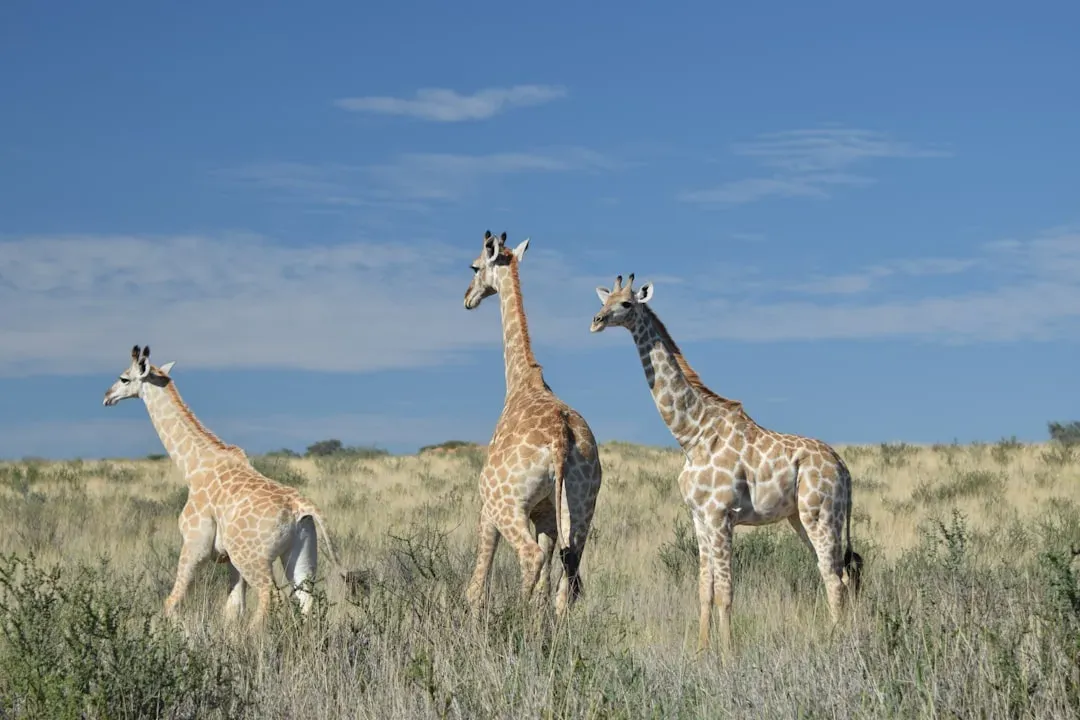
Building an extreme body plan starts early. Giraffe calves are already tall at birth, and that means pregnancy, birth, and early growth place heavy demands on the mother and the young. Gestation lasts many months, and the fetus must develop specialized bones, vessels, and organs that will function in a tall frame from day one. That is a lot of biological energy spent just getting a baby giraffe to the point where it can stand and walk within hours of birth.
After birth, growth continues at a rapid pace, with neck and leg bones lengthening while still supporting the calf’s weight. Any developmental mistake – bones too weak, joints poorly aligned, vessels not scaled correctly – could be catastrophic. So the long neck is not a free bonus; it’s a long‑term investment spread across generations, locking giraffes into a life history where survival depends on growing into a very specific, highly tuned shape.
Beyond The Myth: Why The Long Neck Really Matters

Reducing the giraffe’s neck to a simple step ladder for tree leaves sells evolution short. The evidence points to a far richer picture where feeding, fighting, seeing, pumping blood, regulating heat, and even growing up are all reshaped by the decision, in evolutionary terms, to go tall. In my view, the classic textbook explanation is like describing a smartphone as “a device to make phone calls” – technically true, but wildly incomplete.
When you look at the giraffe as a complete package, the neck becomes the organizing principle around which almost everything else has been re‑engineered. That is the deeper story: not a single trait magically stretched, but an entire body transformed by the demands and opportunities of height. To me, that makes giraffes less like gentle oddities and more like proof that evolution is willing to redesign an organism from top to bottom when the stakes are high enough. Did you expect one long neck to rewrite so much of an animal’s biology?