
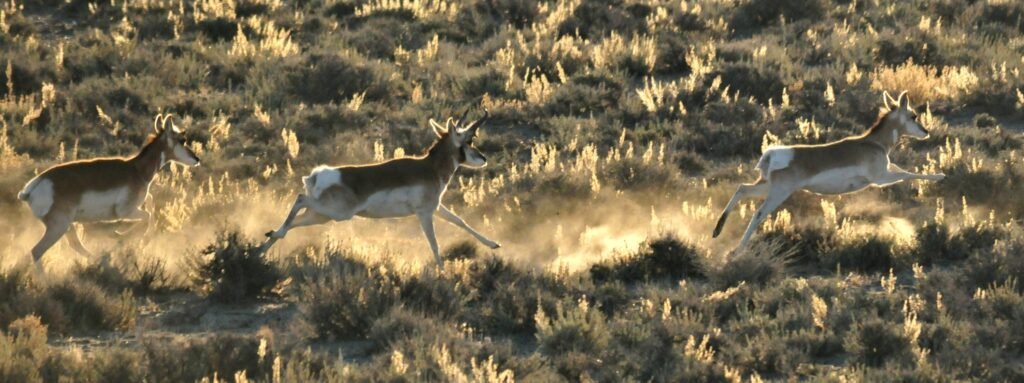
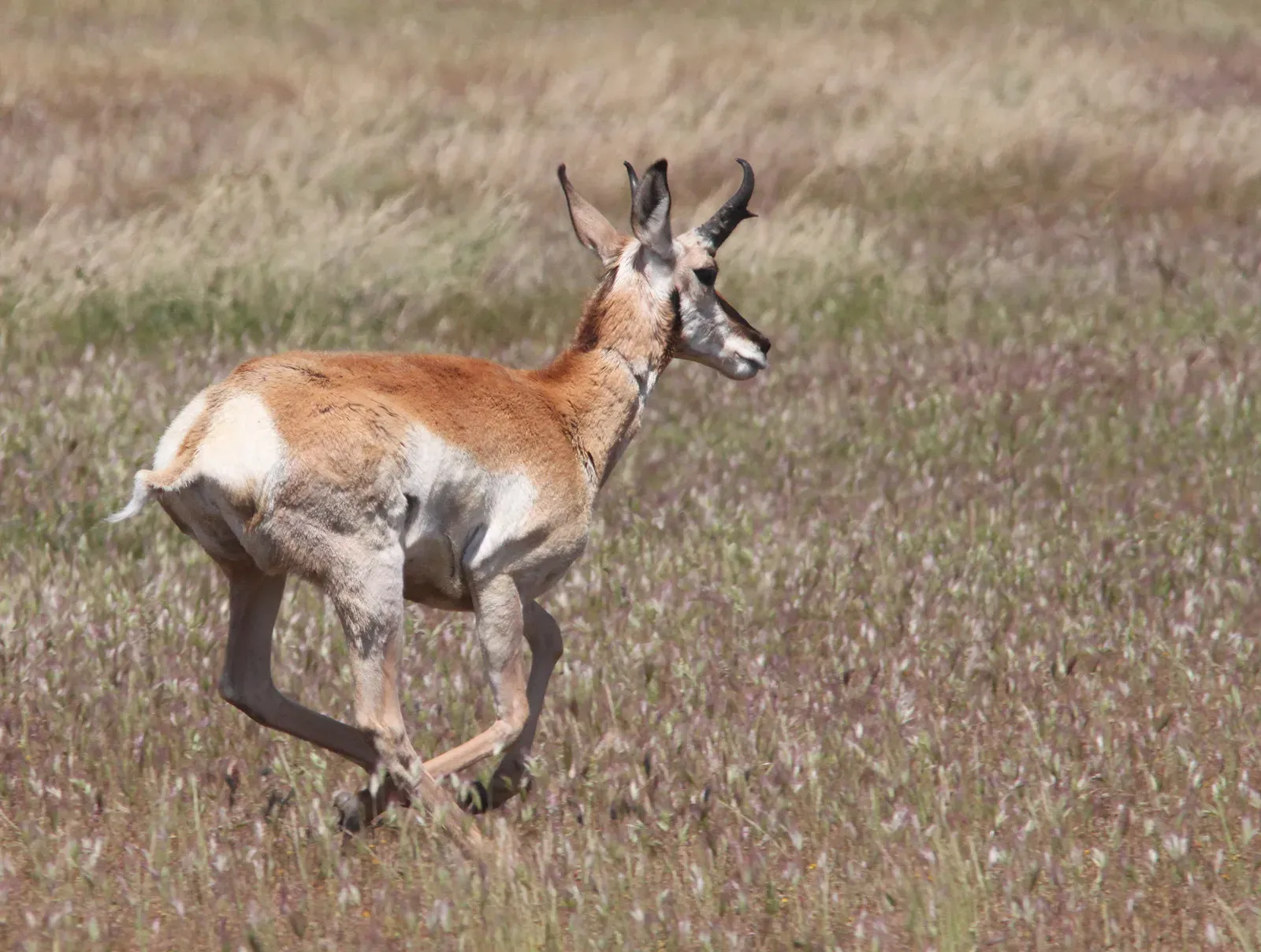
Look at a pronghorn sprinting across the plains today and something feels off. It can run faster than nearly any predator that lives alongside it, like a sports car trapped in a neighborhood of bicycles. That mismatch has puzzled biologists, ranchers, and anyone who has watched these animals blur across the sagebrush and wondered why on earth they need to be that fast.
The answer pulls us backward in time, into a North America that looked more like an African savanna than the modern Great Plains. When you line up the fossil evidence and what we know about evolution, a shocking picture emerges: the pronghorn is still racing ghosts, built to outrun predators that vanished thousands of years ago. Once you meet those long‑extinct hunters, the pronghorn’s absurd speed suddenly stops being absurd at all.
The Strange Mystery of an Overbuilt Runner
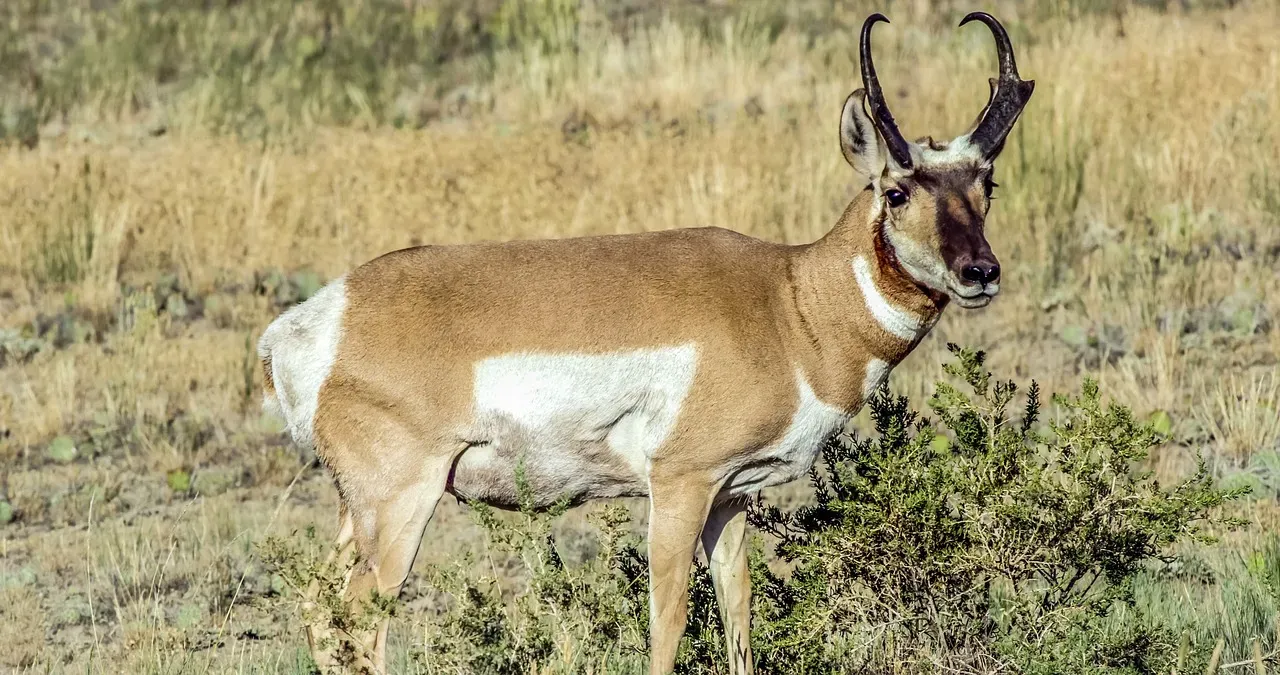
If evolution is supposed to fine‑tune animals to their environment, the pronghorn feels like an overachiever that missed the memo. It can reach speeds around those of a cheetah and hold a high pace for a surprisingly long time, even though today’s main predators, like coyotes, are nowhere close to that fast. From a modern perspective, it looks like someone gave a family sedan the engine of a race car for no obvious reason.
This mismatch has led to all sorts of speculation, from claims that the pronghorn is simply an evolutionary glitch to the idea that we must be missing a key part of its history. That second option turns out to be right. When you start digging into the fossil record and the lineup of Ice Age predators that once roamed North America, the pronghorn changes from a puzzle into a very logical survivor.
Welcome to Pleistocene North America: A Lost Serengeti
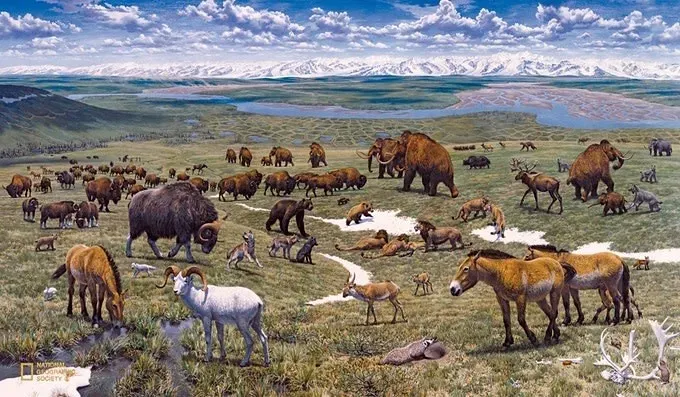
During the Pleistocene, before roughly the end of the last Ice Age, North America was packed with big animals. There were horses, camels, giant ground sloths, mammoths, mastodons, and multiple kinds of large cat. In other words, the open country where pronghorn ancestors lived was not some quiet prairie; it was more like a crowded wild savanna buzzing with danger, speed, and teeth.
In a world like that, being slightly faster than your neighbor could mean the difference between passing your genes on or becoming someone’s meal. Natural selection tends to push traits like speed, endurance, and awareness to extremes when predators are relentless and the landscape is open. The pronghorn’s home range – big stretches of open grassland and sagebrush – was the perfect stage for intense evolutionary arms races between hunters and the hunted.
Ghost Hunters: The American Cheetah and Other Vanished Predators
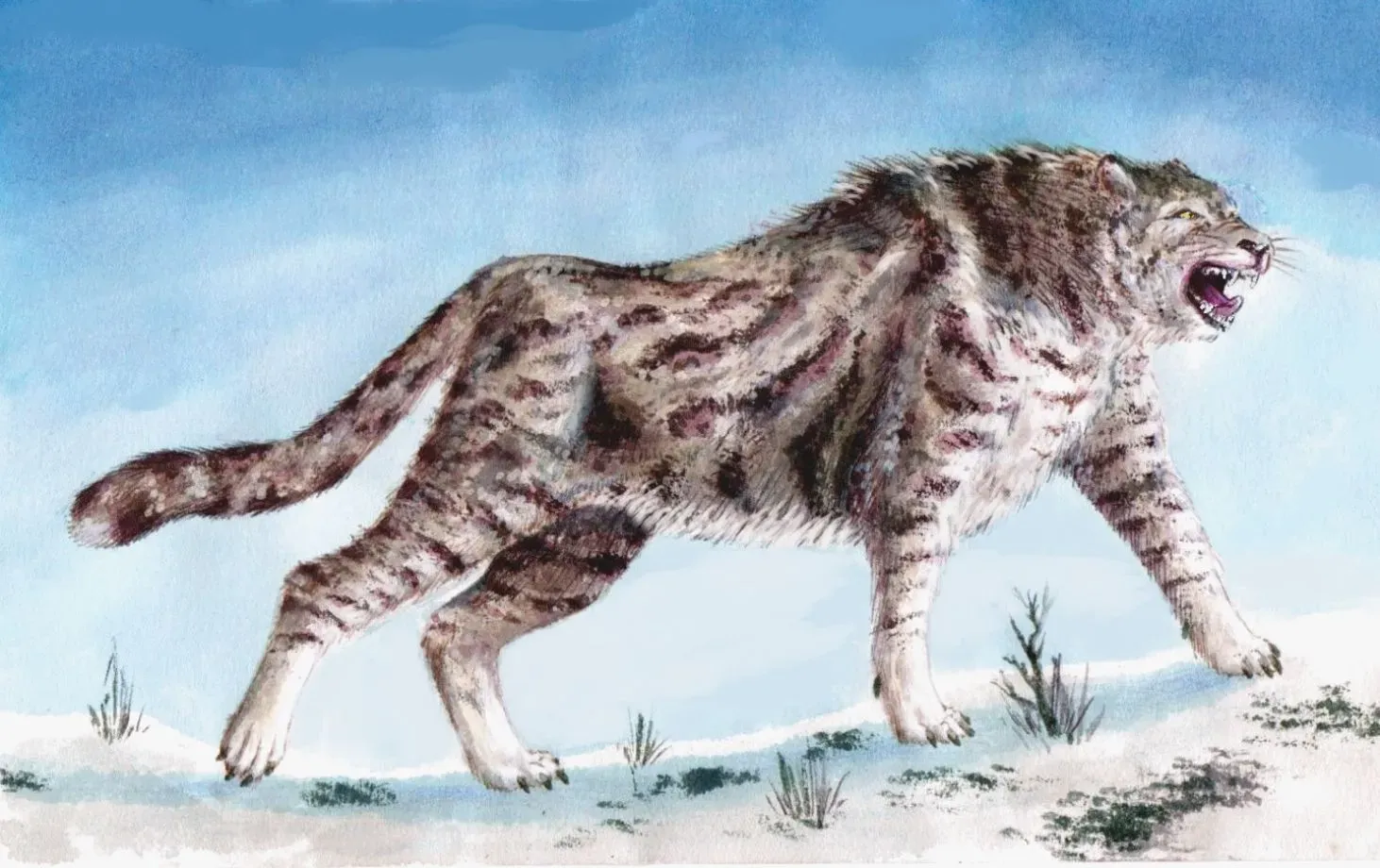
The most famous suspect behind the pronghorn’s speed is often called the “American cheetah.” These cats, in the genus Miracinonyx, lived in North America and likely specialized in high‑speed chases across open terrain. Their body shape, based on fossils, shows a blend of cougar‑like features with adaptations that look geared toward faster running, making them strong candidates for sprint predators of swift herbivores like early pronghorn.
But they were not alone. There were also dire wolves, saber‑toothed cats such as Smilodon, and large, powerful cougars and other felids capable of ambush and pursuit. In an environment filled with multiple types of fast and dangerous carnivores, herbivores were under constant pressure from every angle. The pronghorn’s speed and endurance start to look less like overkill and more like the minimum ticket for survival in a neighborhood dominated by professional killers.
Why Evolution Leaves “Oversized” Traits Behind
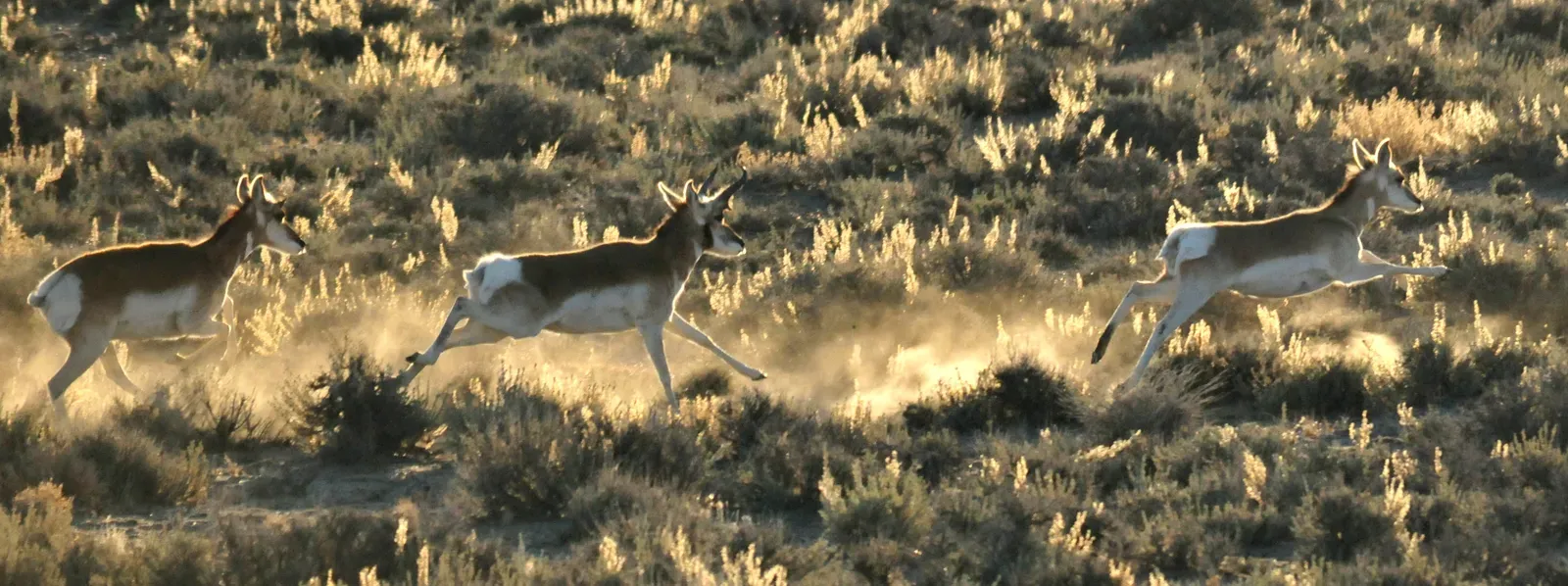
Here’s where the story gets even more interesting: evolution does not hit a reset button just because the predators disappear. Traits that once evolved under intense pressure can hang around long after the threat is gone, especially if they do not become hugely costly. The pronghorn’s extreme speed is like an old insurance policy kept active because canceling it never became urgent or beneficial enough.
From a biological standpoint, as long as maintaining that speed does not drastically harm survival or reproduction, there is no strong reason for evolution to strip it away. Muscles, lungs, and long legs that once helped escape Ice Age predators still help these animals cover vast distances, escape modern threats, and stay efficient on the move. So the pronghorn ends up as an evolutionary echo – still carrying the hardware from a more dangerous age, even though the original software (those predators) is gone.
Speed, Endurance, and the Pronghorn’s Engineered Body
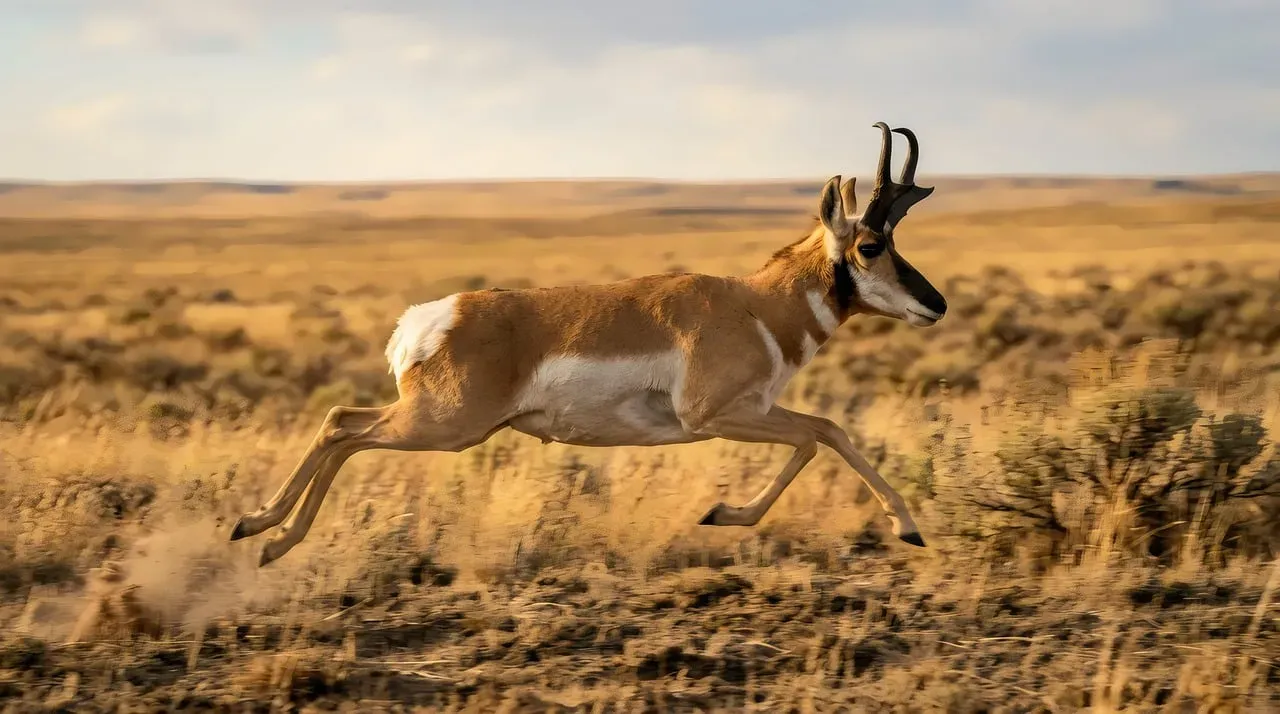
The pronghorn is not just fast; it is built like an endurance athlete shoved into a sprinter’s body. It has an unusually large windpipe, large lungs and heart for its size, and a blood and muscle system tuned for delivering lots of oxygen over long distances. It can keep up a high‑speed run far longer than most other hoofed animals, which would have been crucial if a predator could not be easily shaken off with a quick dash.
Their legs are lightweight, with long, slender bones and specialized hooves that minimize contact time with the ground. That design conserves energy and allows rapid stride turnover, the same way racing shoes and a refined running form help a human marathoner. Even today, those traits are not wasted: they help pronghorn migrate, escape human disturbance, and react quickly to unexpected dangers like off‑road vehicles or sudden movements in open country.
Living Among Modern, Slower Predators
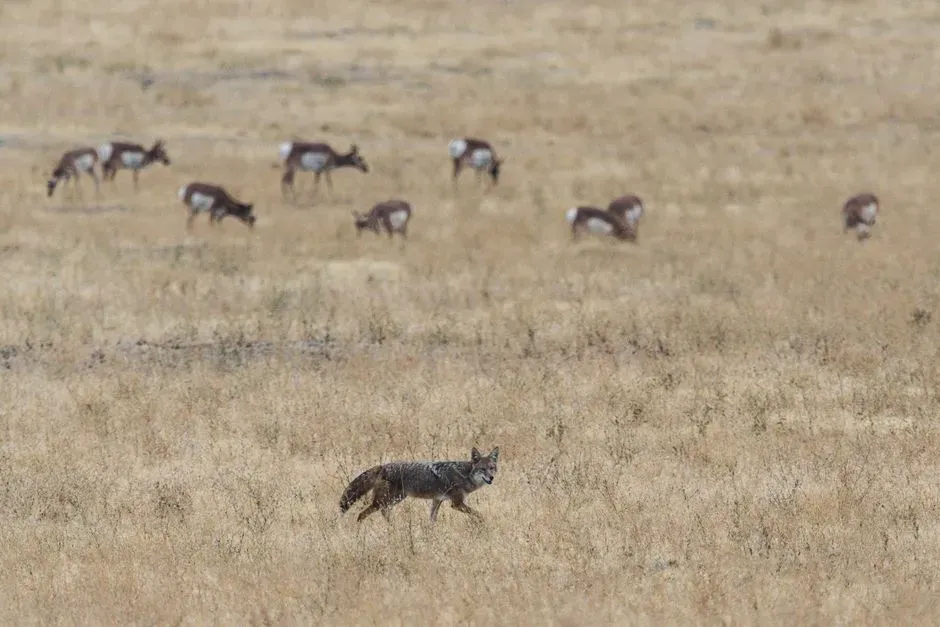
Today, the pronghorn shares its landscape mostly with coyotes, golden eagles, and occasionally mountain lions or wolves. These predators are dangerous but not built as specialized high‑speed sprinters in the way Ice Age cats likely were. In most cases, if a pronghorn gets a head start, nothing in its modern ecosystem can match it in a straight chase across open ground.
This creates the slightly surreal scene you might witness on a modern ranch road: a coyote half‑heartedly trying to close the gap as a pronghorn simply pours on the speed and glides away. The behavior – bolting at extreme velocity and keeping it up – only makes perfect sense when you realize the pronghorn’s nervous system is wired by millions of years of selection. It is still reacting to an ancient worst‑case scenario, even if that attacker is gone.
What the Pronghorn Teaches Us About Evolutionary “Memory”
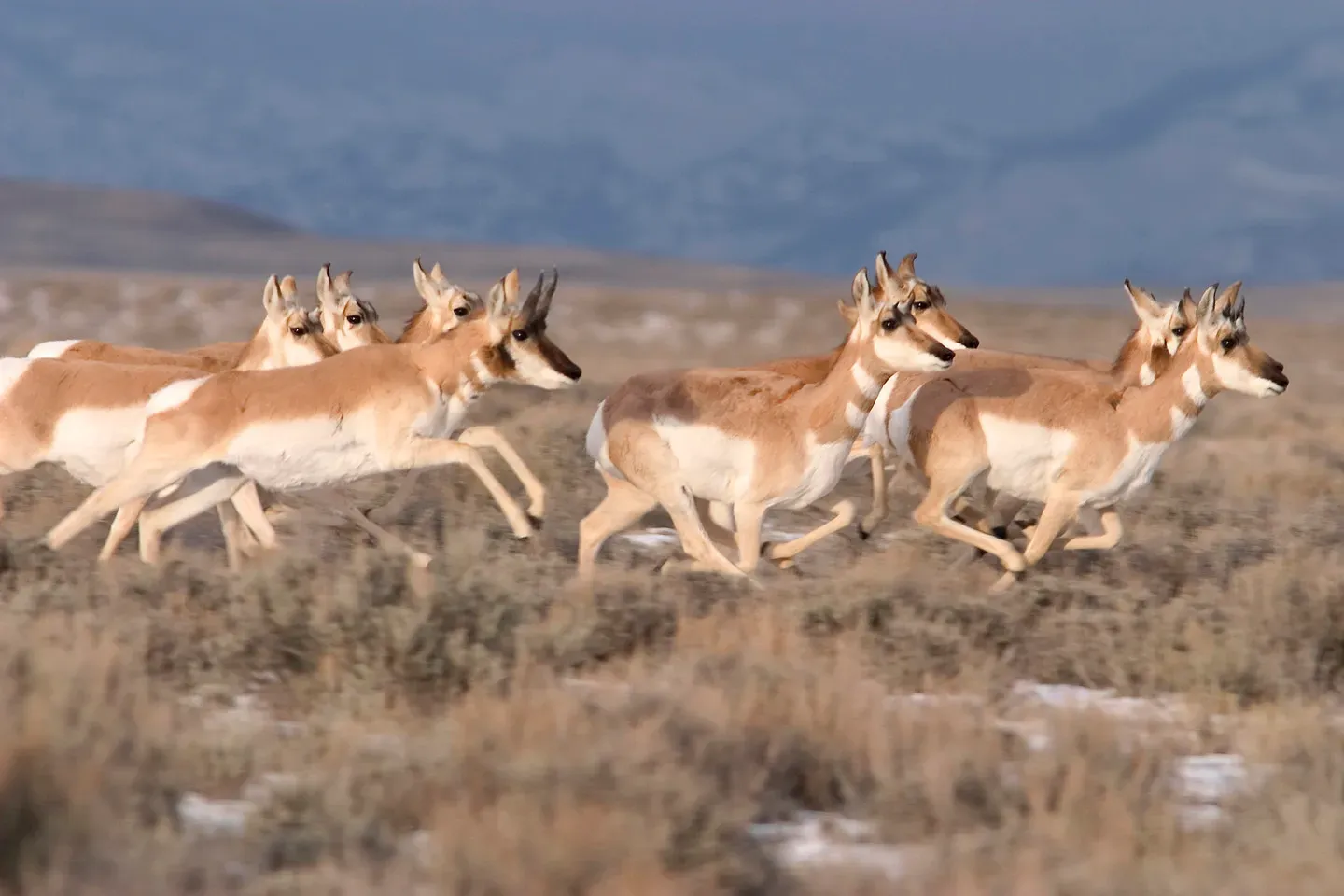
To me, the pronghorn is one of the most vivid reminders that evolution has a kind of memory. Not a conscious one, but a record written in bone, muscle, and behavior that reflects battles long over and enemies long gone. When you watch a herd of pronghorn suddenly explode into motion for what seems like no reason, you are really watching the legacy of predators that vanished before humans ever wrote a word about them.
This perspective also makes conservation feel a lot less abstract. We are not just protecting some random antelope‑like animal; we are protecting a living archive of Ice Age North America, a runner that still carries the speed of a lost world in its body. Ignoring that history flattens the story and makes the pronghorn seem odd or excessive, when in reality it is one of the most logically designed animals on the continent once you factor in the past.
Conclusion: The Pronghorn Is Not Overbuilt – We Are Underinformed
When you finally put the pronghorn back into its proper Ice Age context, its so‑called “extreme” speed stops being a biological riddle and becomes a brutally sensible adaptation. The problem is not that evolution overdid it; the problem is that we usually look at the pronghorn through the narrow keyhole of the present. From that angle, it seems overpowered, but widen the view to include American cheetah‑like cats and other vanished predators, and the whole picture snaps into focus.
My honest opinion is that calling the pronghorn “too fast” says more about our short memory than about nature’s design. The pronghorn is not a mistake; it is a survivor, still tuned to a world we have mostly forgotten. Next time you see one streaking across the plains, maybe ask yourself: is this animal overbuilt, or are we just late to the story?