The prehistoric world was a vastly different place than what we know today, filled with creatures both familiar and strange to modern eyes. Among the most iconic inhabitants were dinosaurs, dominating terrestrial ecosystems for over 165 million years. During this extensive reign, flowering plants began to evolve and diversify, bringing with them the need for pollination. This raises a fascinating question that bridges paleontology and evolutionary biology: did dinosaurs share their world with ancient pollinators, and if so, what was the relationship between these seemingly disparate organisms? The answer takes us on a journey through deep time, revealing surprising connections between the mighty dinosaurs and the small but ecologically crucial pollinators that buzzed, fluttered, and crawled through the same prehistoric landscapes.
The Timeline of Dinosaurs and Flowering Plants
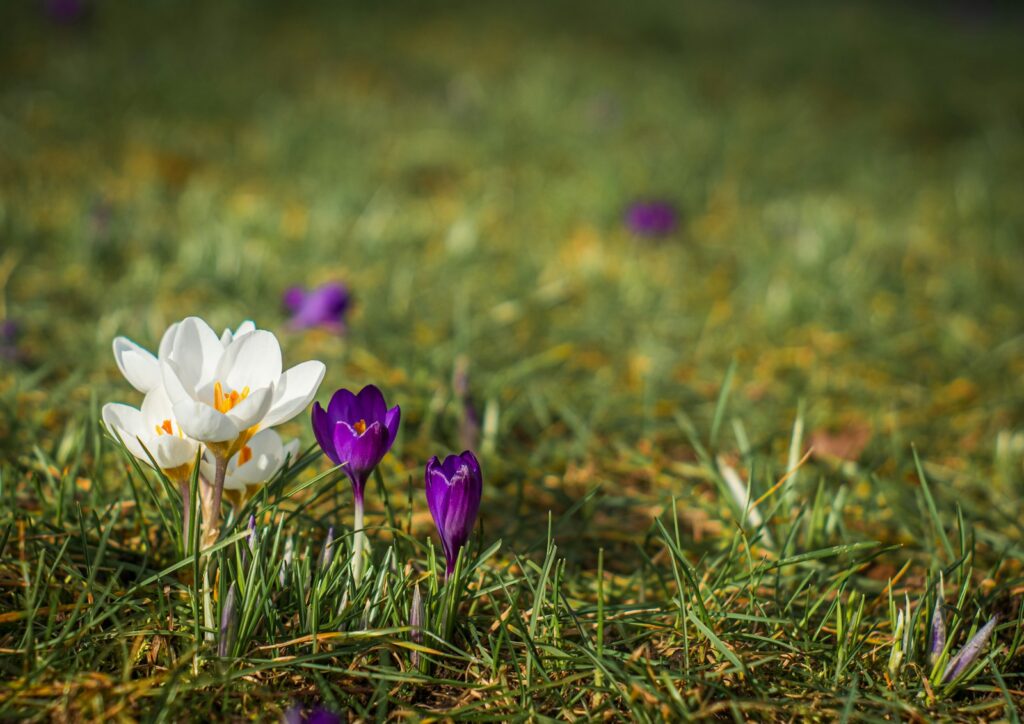
Dinosaurs first appeared during the Late Triassic period, approximately 230 million years ago, and dominated Earth until the end-Cretaceous extinction event 66 million years ago. Flowering plants (angiosperms), however, emerged significantly later in the fossil record, with the earliest definitive evidence dating to the Early Cretaceous period, roughly 125-130 million years ago. This means dinosaurs existed for well over 100 million years before encountering the first flowering plants.
When angiosperms did arrive on the scene, they underwent a remarkably rapid diversification, transforming from rare botanical oddities to dominant components of many ecosystems by the Late Cretaceous. This timeline confirms that dinosaurs did indeed coexist with flowering plants for at least 60 million years, creating the ecological foundation for specialized relationships with pollinators.
The Ancient Pollination Landscape
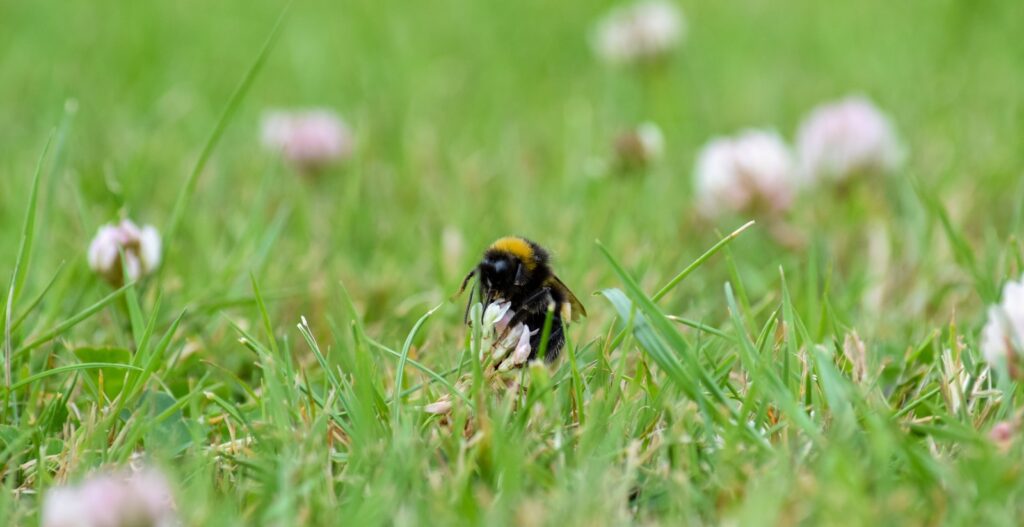
Before flowering plants evolved, the plant world was dominated by gymnosperms like conifers, cycads, and ginkgoes, which rely primarily on wind for pollination rather than animal vectors. The earliest terrestrial ecosystems that dinosaurs inhabited would have featured these wind-pollinated plants almost exclusively. As flowering plants began to emerge during the Early Cretaceous, they brought with them novel reproductive strategies that increasingly involved mutually beneficial relationships with animals.
This transformation represents one of the most significant ecological revolutions in Earth’s history. The co-evolution of flowering plants and their pollinators created new ecological niches, resource opportunities, and evolutionary pressures that would gradually reshape entire ecosystems during the latter part of the Age of Dinosaurs.
Insects: The Pioneering Pollinators
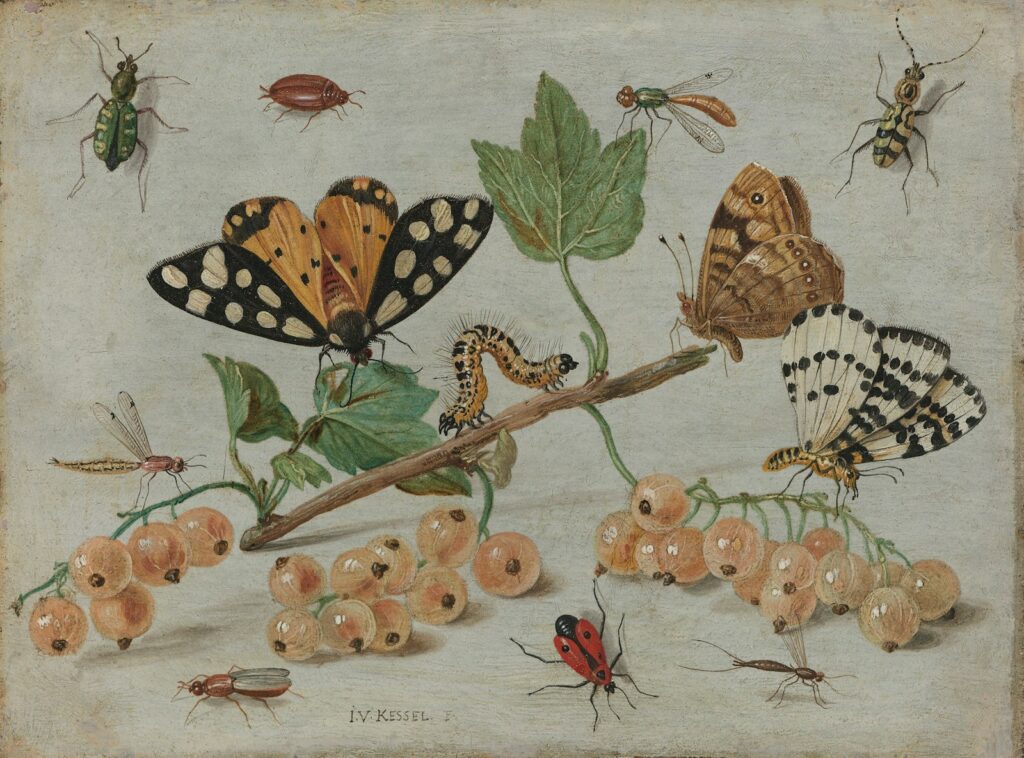
Insects evolved long before dinosaurs, with the earliest fossil evidence dating back approximately 400 million years. By the time dinosaurs appeared in the Late Triassic, insects had already diversified into numerous lineages. Some key insect orders that would eventually become important pollinators were already present, though not necessarily in their modern pollinating roles. The evolution of flowering plants in the Early Cretaceous provided new opportunities for insects, driving the diversification of groups specifically adapted for pollination.
Fossil evidence shows that beetles were likely among the earliest insect pollinators, with flies, thrips, and primitive moths also playing important roles. By the mid-Cretaceous, approximately 100 million years ago, many modern pollinating insect groups had begun to establish the specialized relationships with flowering plants that would become fundamental to terrestrial ecosystems.
Beetles: The Dinosaur-Era Pollinators

Beetles represent one of the oldest lineages of pollinating insects, often described by paleontologists as “mess and soil” pollinators due to their relatively unspecialized approach to visiting flowers. Fossil evidence confirms that beetles were interacting with early flowering plants during the Cretaceous period, contemporary with many famous dinosaur species. Unlike modern bees with their specialized pollen-collecting structures, Cretaceous beetles typically fed directly on flower parts and pollen, inadvertently transferring pollen between plants in the process.
Remarkably well-preserved fossils from Burmese amber dating to about 99 million years ago have revealed beetles dusted with pollen grains, providing direct evidence of their pollination activities during the dinosaur era. These ancient beetle pollinators would have buzzed through the same forests where dinosaurs roamed, representing an ecological link between the small and the gigantic inhabitants of the Mesozoic world.
The Rise of Bees Alongside Dinosaurs

Bees, arguably the most important modern pollinators, evolved from predatory wasp ancestors that gradually shifted to collecting pollen as a protein source for their offspring. The earliest definitive bee fossils date to the mid-Cretaceous period, approximately 100 million years ago, placing their origin firmly within the Age of Dinosaurs. These primitive bees coexisted with iconic dinosaurs like Tyrannosaurus rex, Triceratops, and Velociraptor during the late Cretaceous period.
Fossil evidence suggests that many foundational adaptations for pollination—including specialized hairs for pollen collection and modified mouthparts for nectar feeding—were already present in these Cretaceous bees. While not as diverse as modern bees, these ancient pollinators were already forming the specialized relationships with flowering plants that would eventually transform Earth’s terrestrial ecosystems.
Butterflies and Moths in the Age of Dinosaurs

The evolutionary history of Lepidoptera (butterflies and moths) traces back to the Jurassic period, though the earliest representatives bore little resemblance to modern forms. Primitive moths emerged first, with fossil evidence dating to approximately 190 million years ago, meaning they shared the planet with dinosaurs for most of their evolutionary history. True butterflies, however, appear to have evolved later, with the oldest definitive butterfly fossils dating to after the dinosaur extinction.
During the Cretaceous period, moths were already developing specialized relationships with flowering plants, evidenced by fossils showing elongated proboscises adapted for nectar feeding. Some exceptionally preserved specimens from Cretaceous amber reveal moths with scales containing pollen grains, confirming their role as pollinators in dinosaur-era ecosystems.
Did Dinosaurs Interact With Pollinators?
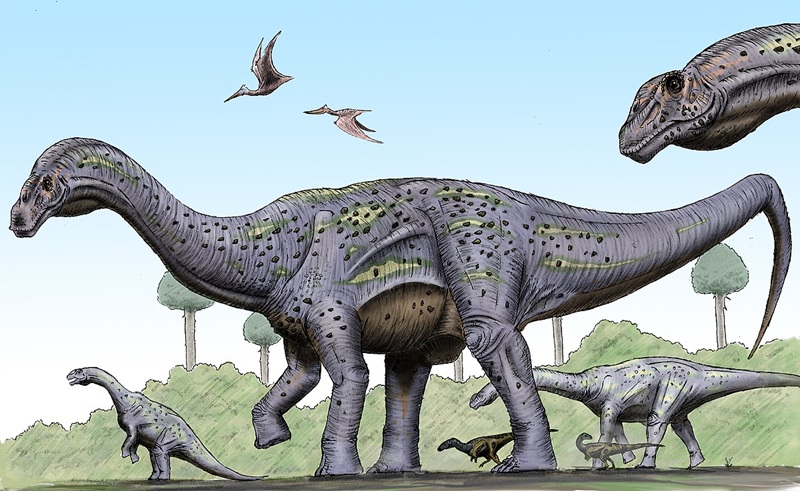
While dinosaurs and various pollinators undoubtedly shared the same environments, direct interaction between them remains speculative but plausible. The sheer size difference between most dinosaurs and insect pollinators means that direct predator-prey relationships were likely limited to smaller dinosaur species, particularly those specializing in insect consumption. Some small, agile theropod dinosaurs with bird-like characteristics might have supplemented their diets with insects, including pollinators.
More indirect ecological connections likely existed through habitat modification, as large dinosaurs could alter vegetation structure through feeding and movement, potentially affecting the floral resources available to pollinators. The most profound connection between dinosaurs and pollinators was likely their shared dependence on the increasingly flower-rich ecosystems of the Cretaceous period, representing parallel strands in the complex ecological web of Mesozoic environments.
Fossil Evidence of Ancient Pollination

The fossil record has yielded remarkable direct evidence of pollination occurring during the Age of Dinosaurs. Cretaceous amber deposits have preserved insects with pollen grains attached to their bodies, providing an extraordinary snapshot of ancient pollination in action. One particularly significant discovery from 99-million-year-old Burmese amber revealed a beetle covered in cycad pollen, demonstrating that pollination relationships existed even with non-flowering plants during the dinosaur era.
Fossil flowers with specialized structures for attracting specific pollinators have been discovered in Cretaceous deposits, suggesting that the co-evolutionary “arms race” between plants and pollinators was already well underway. Coprolites (fossil feces) from herbivorous dinosaurs sometimes contain pollen grains, indicating that dinosaurs may have indirectly assisted in plant reproduction by dispersing pollen ingested along with plant material.
The Evolutionary Impact of Pollination During the Dinosaur Era

The rise of pollination relationships during the Cretaceous period had profound evolutionary consequences for both plants and animals. For flowering plants, animal pollination drove the evolution of specialized floral structures, colors, scents, and rewards designed to attract specific pollinators, leading to the incredible floral diversity we see today. Insect groups that adapted to collect nectar and pollen experienced rapid diversification and developed specialized morphological features like pollen baskets, elongated mouthparts, and sensory adaptations for locating flowers.
This co-evolutionary process transformed terrestrial ecosystems during the latter part of the dinosaur reign, establishing foundational ecological relationships that persist to the present day. The increasing dominance of flowering plants likely influenced dinosaur evolution as well, particularly among herbivorous lineages that needed to adapt to changing plant communities with different nutritional profiles and defensive strategies.
Cretaceous Landscape: A World of Changing Plant-Animal Relationships

By the Late Cretaceous period, approximately 80-66 million years ago, terrestrial ecosystems had undergone a dramatic transformation from the earlier Mesozoic world. Flowering plants had risen to ecological prominence in many habitats, creating more diverse and structurally complex environments than the gymnosperm-dominated landscapes of the Jurassic. This changing botanical landscape supported increasingly diverse pollinator communities, with specialized relationships between certain plants and their pollinators becoming more common.
Herbivorous dinosaurs would have encountered a shifting menu of plant options, potentially influencing their feeding strategies and migratory patterns. The soundscape of the Late Cretaceous would have included the buzzing and fluttering of numerous insect pollinators among the flowers, adding another dimension to our understanding of dinosaur sensory experiences.
The K-Pg Extinction: Different Fates for Dinosaurs and Pollinators

The Cretaceous-Paleogene (K-Pg) extinction event, approximately 66 million years ago had drastically different impacts on dinosaurs and their pollinator contemporaries. This catastrophic event, triggered by an asteroid impact combined with massive volcanic activity, eliminated all non-avian dinosaurs while many pollinator groups survived, albeit with significant losses. The differential survival rates are likely explained by several factors, including the smaller body size of insects (requiring less food), their ability to shelter in protected microhabitats, and their typically shorter generation time,s allowing faster recovery of populations.
The survival of many pollinator lineages and flowering plants through this extinction boundary ensured the continuation of pollination relationships into the Cenozoic Era. This ecological continuity provided a foundation for the recovery and diversification of terrestrial ecosystems after the extinction of the dinosaurs, ultimately leading to the pollinator communities we recognize today.
Modern Descendants: Birds as Living Dinosaur Pollinators
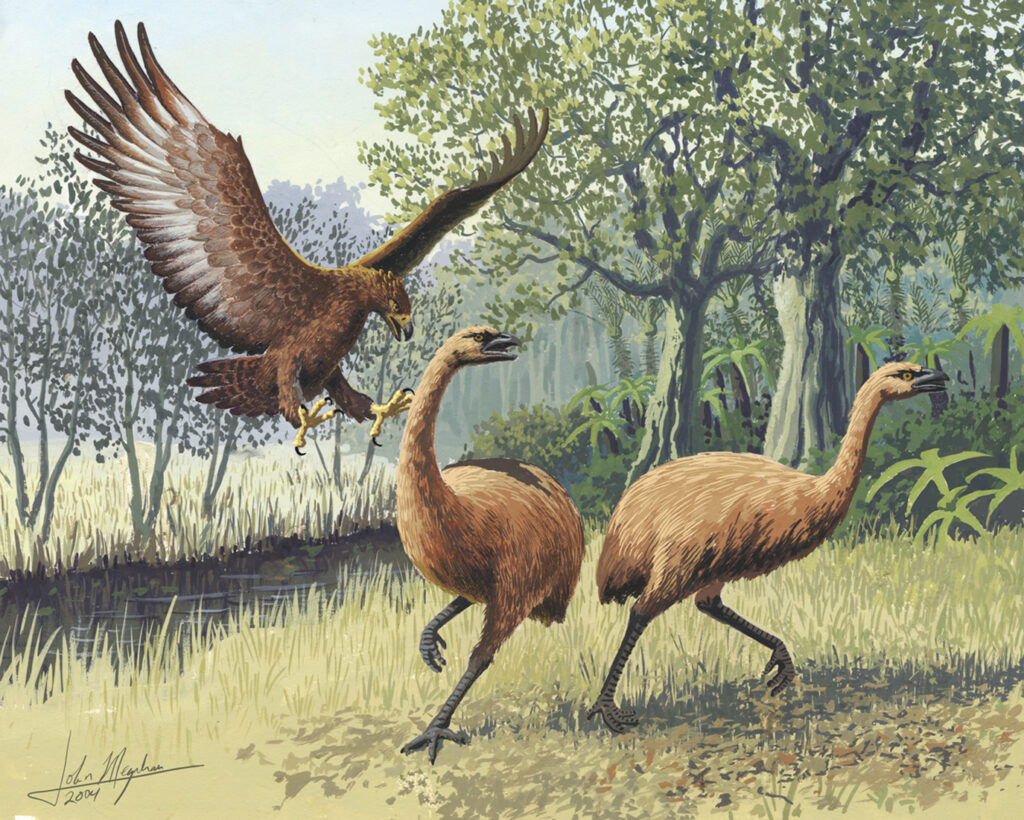
In a fascinating evolutionary twist, birds—the only surviving dinosaur lineage—have become important pollinators in many modern ecosystems. Hummingbirds, sunbirds, honeycreepers, and various other specialized nectarivorous birds now fulfill vital pollination roles for many flowering plants. This represents a remarkable continuity in Earth’s ecological history, with dinosaur descendants participating in the very pollination relationships that began during the Mesozoic Era.
The specialized adaptations seen in pollinating birds, including long bills, brush-tipped tongues, and hovering flight capabilities, evolved long after the extinction of non-avian dinosaurs but demonstrate the ongoing evolutionary potential of the dinosaur lineage. This connection provides a poignant reminder that dinosaurs not only lived alongside ancient pollinators but, through their avian descendants, continue to participate in the ancient ecological partnership between animals and flowering plants.
Lessons from Ancient Pollination for Modern Conservation
The deep history of pollination relationships spanning back to the Age of Dinosaurs offers valuable perspectives for modern conservation challenges. Understanding that these ecological partnerships have persisted through major extinction events and climate shifts highlights both their resilience and fundamental importance to terrestrial ecosystems. The co-evolutionary relationship between flowering plants and their pollinators that began during the dinosaur era has become even more vital in modern ecosystems, with approximately 75% of food crops and 90% of wild flowering plants depending on animal pollination.
Current pollinator declines represent a threat to relationships that have survived since the Cretaceous period, lending historical weight to conservation efforts. By recognizing the ancient origins and evolutionary significance of pollination, we gain a deeper appreciation for these ecological relationships that have shaped Earth’s environments since dinosaurs roamed the planet.
Conclusion
The fascinating overlap between the reign of dinosaurs and the early evolution of pollination relationships reveals a more complex Mesozoic world than popular imagination often portrays. Far from being solely the domain of giant reptiles, the landscapes of the Cretaceous period buzzed with the activity of diverse insect pollinators visiting the earliest flowering plants. While dinosaurs and ancient pollinators may not have interacted directly in significant ways, they shared and shaped the same environments during a critical transitional period in Earth’s ecological history.
This coexistence reminds us that even the most iconic and dominant species exist within intricate webs of ecological relationships, many involving organisms far smaller but no less important to the functioning of the natural world. The legacy of these ancient relationships continues today, with the descendants of both groups—birds and modern pollinators—still playing vital roles in maintaining the planet’s biodiversity.