
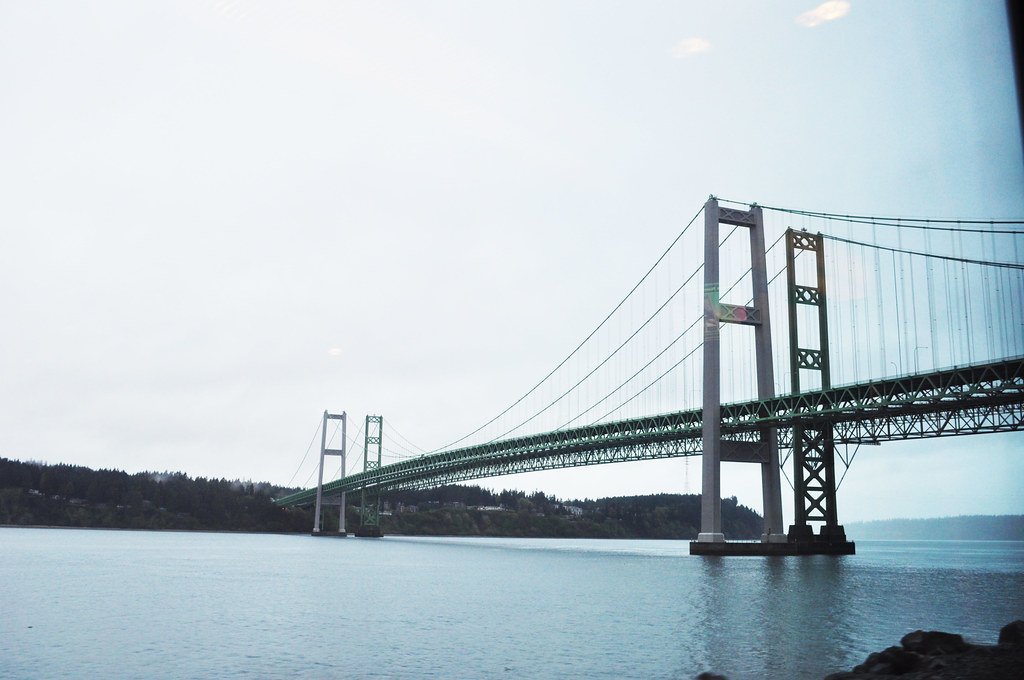
stood for exactly 129 days before it twisted itself apart and dropped into Puget Sound on live film. Most people assume the collapse was just bad luck – a freak windstorm nobody could have predicted.
But engineers who’ve studied the wreckage for eight decades tell a far more unsettling story. The bridge failed because of physics everyone thought they already understood, and the models everyone trusted turned out to be wrong. Fixing those mistakes reshaped every suspension bridge built since. Here’s what engineers actually learned from watching “Galloping Gertie” fall.
#1 – Wind Isn’t Just a Push, It’s a Dynamic Partner
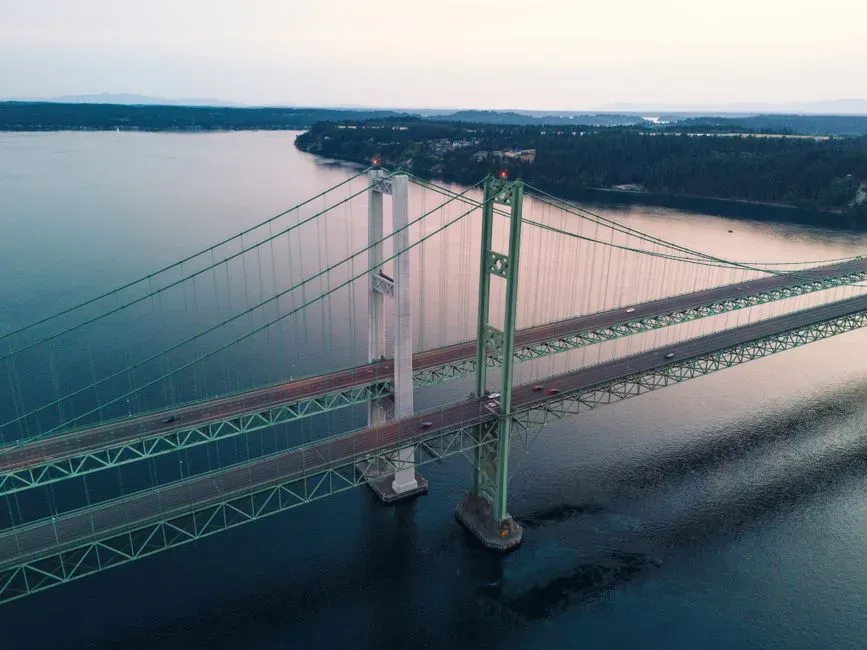
Before 1940, bridge designers treated wind like a static load – a steady sideways force you could calculate the same way you’d figure out how much snow weight a roof could hold. It was a number on a spec sheet, not something the structure actually talked back to.
That assumption turned out to be dangerously incomplete. Nobody had accounted for how a flexible structure interacts with moving air over time, and Tacoma Narrows proved that blind spot could be fatal. That single reframing is arguably the most important lesson of the entire disaster – every wind-related safety code written since traces back to this one realization. But it gets worse at #2.
Fast Facts
- Opened to traffic July 1, 1940; collapsed November 7, 1940 – a lifespan of exactly 129 days
- The bridge was designed by Leon Moisseiff and cost $6.4 million.
- Collapsed into Puget Sound during a windstorm that reached speeds of 42 mph (68 km/h).
- It was the world’s third-longest suspension bridge by main span, behind the Golden Gate Bridge and the George Washington Bridge.
#2 – Flexibility Has a Breaking Point Nobody Had Mapped
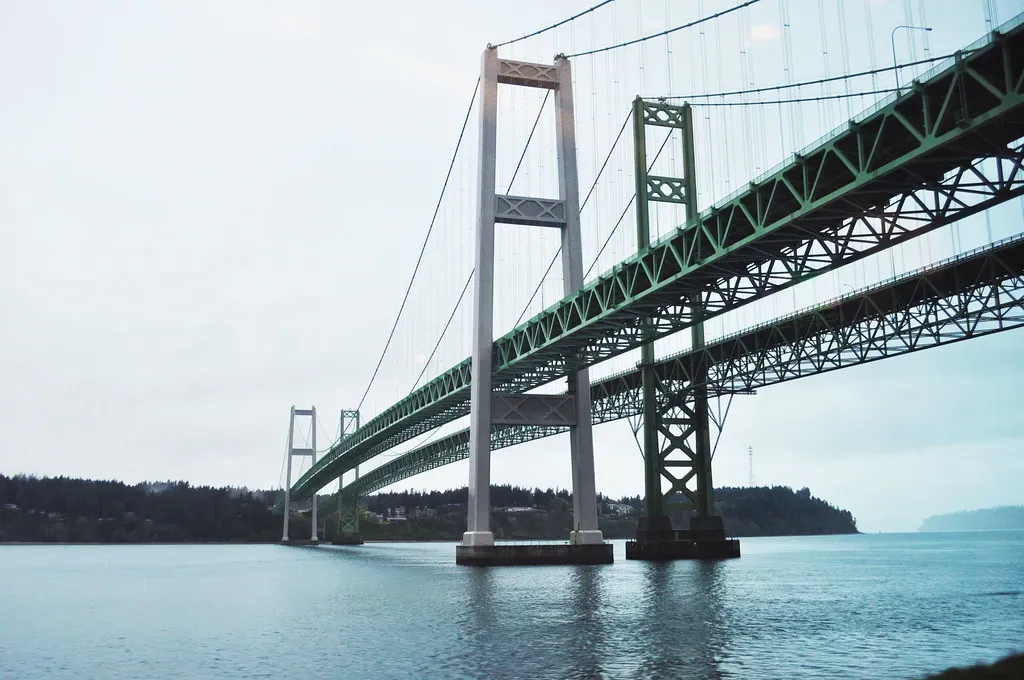
Engineers loved the 1940 bridge because it was elegant, slender, and cheap to build. Flexibility was treated as a selling point, not a warning sign.
The collapse exposed a real limitation in the design theory of the time, known as deflection theory. It correctly predicted how a bridge would sag under traffic, but said nothing about how the deck would behave once wind excited it into motion. Engineers had been solving half the equation for decades and didn’t even know it. Today, those same deflection principles live inside modern finite element software, but only alongside the dedicated aerodynamic modeling that Tacoma proved was missing. That wasn’t even the biggest miss.
#3 – Solid Girders Turned a Bridge Deck Into a Sail
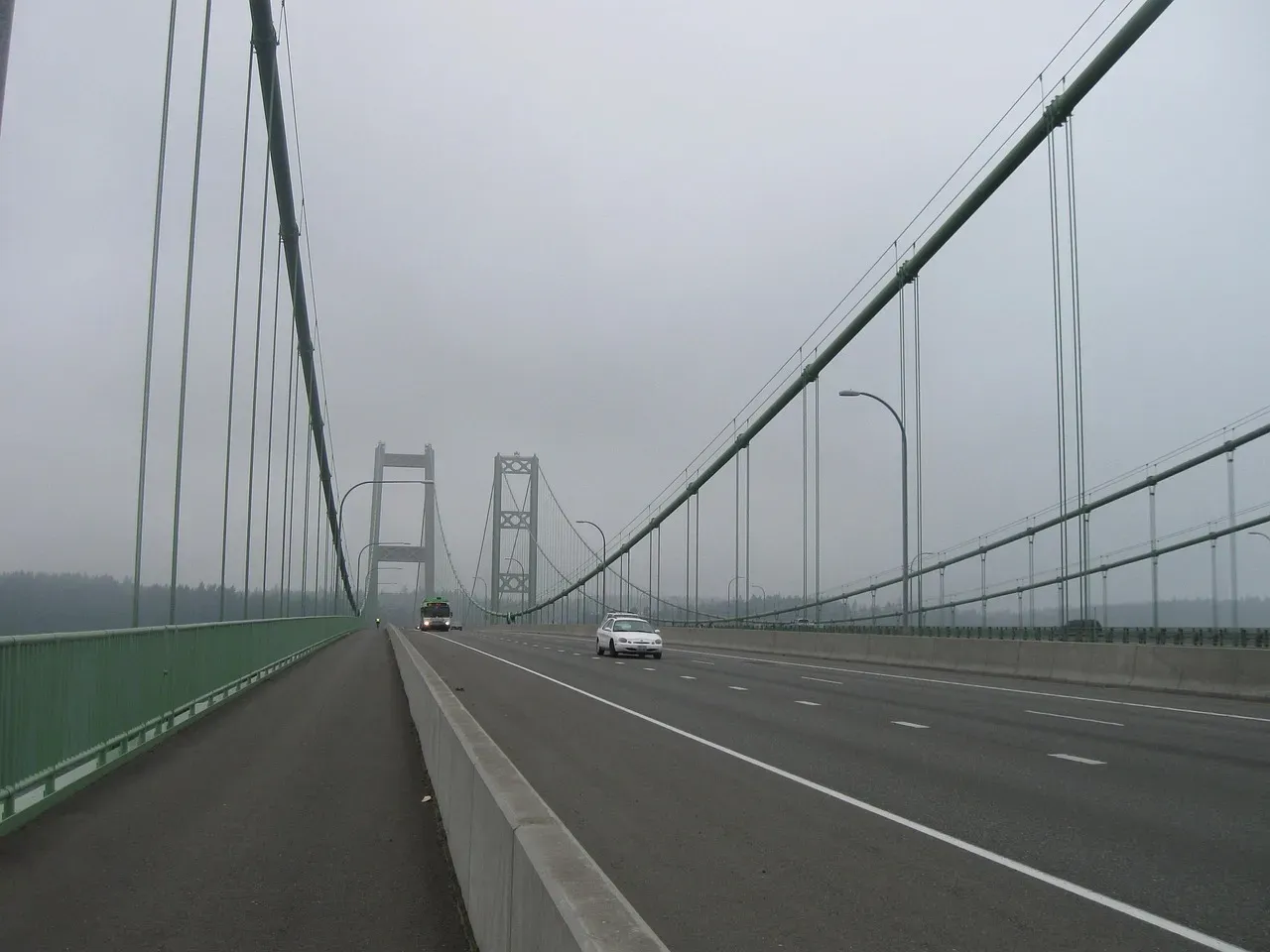
The 1940 bridge used deep, solid steel plate girders running the length of the deck. It looked strong on paper. In the wind, it behaved like an airplane wing.
In most bridge designs, wind can pass through open trusses. Here, it was forced to move above and below a solid wall of steel, creating the flow separation that generates lift and drag on an airfoil. The deck was accidentally functioning as a wing, not a road. The same flat steel surface that made the bridge look sleek and modern gave the wind nothing to pass through, turning a two-mile crossing into an accidental sail. Which brings us to something even stranger.
#4 – The “Resonance” Story Everyone Was Taught Is Wrong
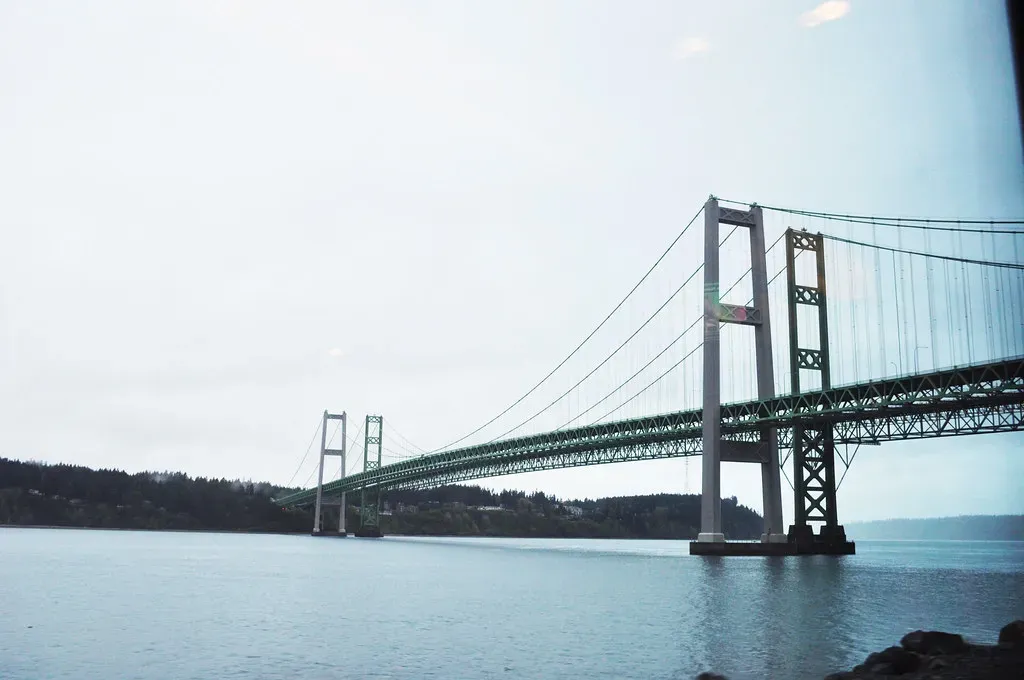
For generations, physics teachers explained the collapse using the wine-glass-shattering analogy of resonance – a matching frequency shaking the bridge apart. It’s a tidy story. It’s also wrong.
Almost every engineering student has been taught the resonance version, but the actual mechanism is called torsional flutter – a feedback loop where the bridge’s own twisting motion controls and reinforces the wind forces acting on it. Resonance requires a driving frequency to match the structure’s natural rhythm, but the wind that day was steady, not rhythmic. Instead, that constant wind fed energy directly into the bridge’s natural motion until it spiraled out of control. Most textbooks still get this wrong. Here’s where the story gets embarrassing for the textbooks.
#5 – A Single Ratio Predicted the Disaster
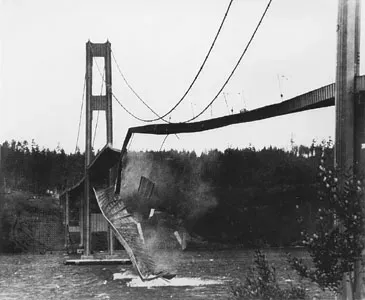
Buried in the bridge’s geometry was a number that, in hindsight, should have set off alarms during the design phase.
The Narrows deck had a depth-to-width ratio of roughly 1 to 72 – dramatically thinner relative to its span than earlier suspension bridges, which were built stockier and stiffer by comparison. A ratio that extreme meant the deck could barely resist twisting once the wind got it moving. Engineers today treat depth-to-width and span-to-width ratios as an early red flag during design review, specifically because Tacoma proved how catastrophic an overly slender profile can become once aerodynamic forces enter the picture. And that number wasn’t the only red flag.
#6 – Wind Tunnel Testing Went From Optional to Mandatory
Before 1940, nobody dreamed of testing a bridge design in a wind tunnel. It simply wasn’t part of the process – bridges were judged on strength, not airflow.
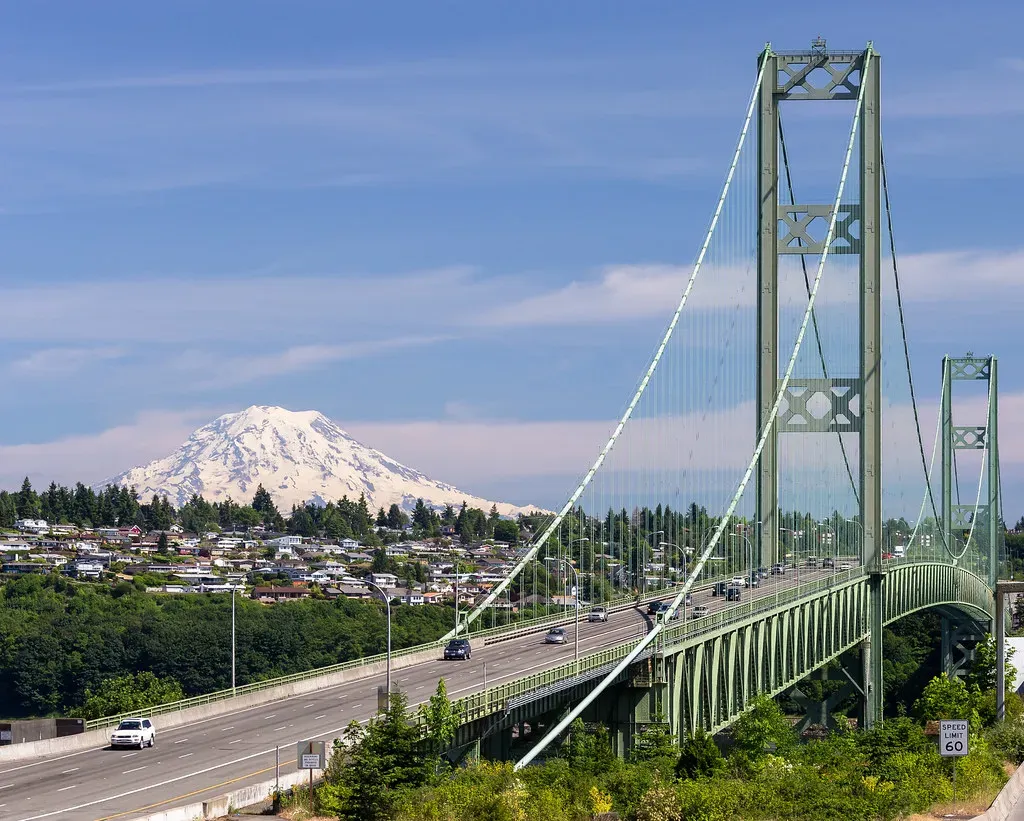
After Tacoma Narrows failed, wind tunnel testing became standard practice for long-span bridge design worldwide. An Advisory Board on the Investigation of Suspension Bridges convened from 1942 to 1954, running wind tunnel tests at the University of Washington to understand exactly why the bridge failed and how to design a safer replacement. That twelve-year research effort is longer than it took to design and build the original bridge. Every major suspension bridge proposal today still passes through a wind tunnel before a single cable gets strung. What happened next changed bridge-building forever.
#7 – The Panic Spread to Bridges That Never Failed
Tacoma Narrows wasn’t the only slender suspension bridge in America. Once engineers understood what had happened, they started looking nervously at every lookalike still standing.
The Bronx-Whitestone Bridge shared a similar design, so engineers added stiffening trusses to it in the early 1940s. Cable-stays went onto Deer Isle Bridge in Maine, and additional bracing reinforced the stiffening truss on the Golden Gate. The diagonal stays used on Deer Isle even inspired engineer Norman Sollenberger to design the San Marcos Bridge in El Salvador with inclined suspenders. Bridges that never came close to collapsing still got emergency retrofits out of pure caution. Tacoma didn’t just teach a lesson to future bridges – it triggered a nationwide audit of every existing slender suspension span, some of which had been standing safely for years. The fallout didn’t stop there.
Quick Compare: Bridges That Got Emergency Retrofits
- Bronx-Whitestone Bridge (NY): strengthened after the collapse, with steel structures added to its sides in 1943 to make it heavier and stiffer.
- Deer Isle Bridge (ME): diagonal cable stays added to resist twisting motion
- Golden Gate Bridge (CA): additional bracing reinforced the existing stiffening truss
- San Marcos Bridge (El Salvador): built new with inclined suspenders, borrowing directly from Deer Isle’s fix
#8 – The Replacement Bridge Rewrote the Design Playbook
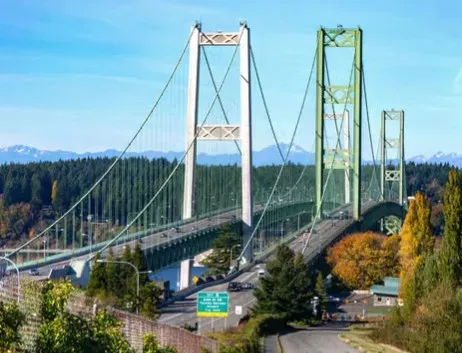
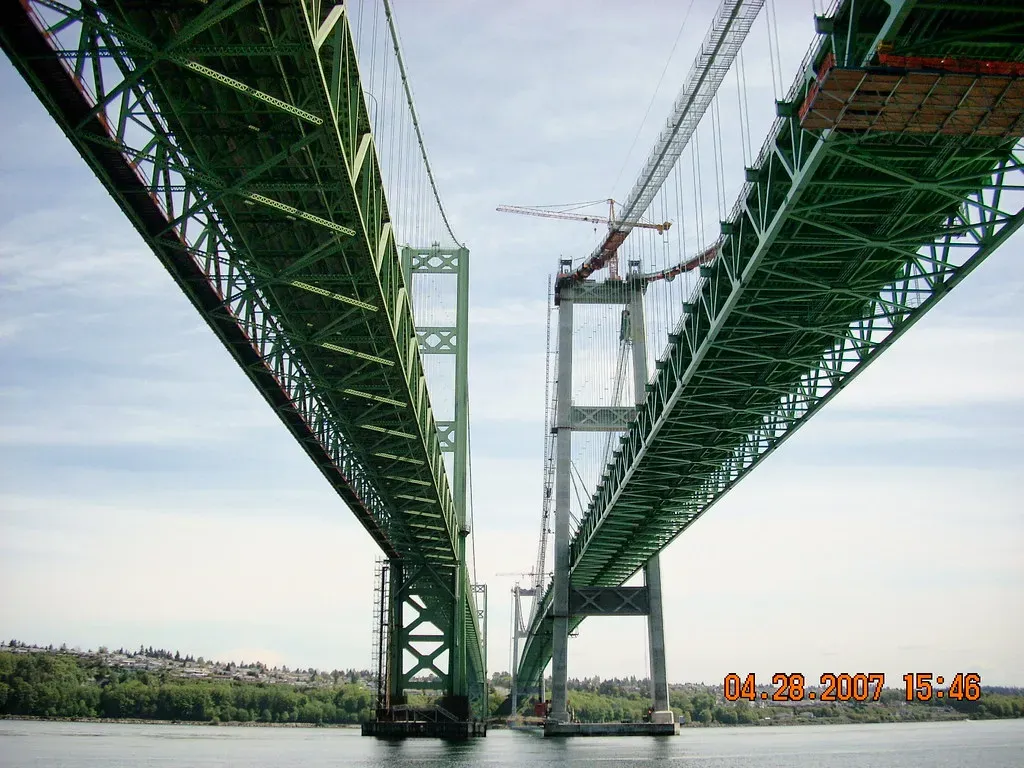
When engineers rebuilt the crossing in 1950, they didn’t patch the same design. They threw out the core concept entirely.
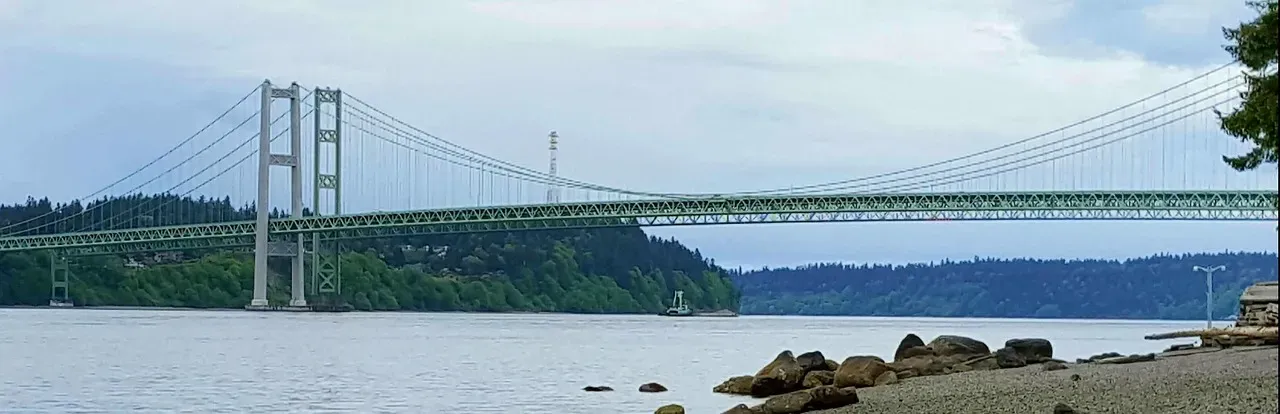
The most critical change replaced the solid 8-foot plate girders with a much deeper, wider, open stiffening truss – letting wind pass through the deck instead of pushing against a flat wall of steel, which eliminated the conditions that caused flutter. The new bridge also added wind fairings, aerodynamic features earlier designers hadn’t even considered necessary. The open-truss deck is the single most copied fix in modern bridge design. Instead of fighting the wind with mass and rigidity alone, engineers learned to let air flow through the structure – a philosophy shift as significant as the move from load-bearing walls to steel frames in skyscrapers. But the real redesign went even further.
#9 – Every Modern Mega-Bridge Owes Tacoma a Debt
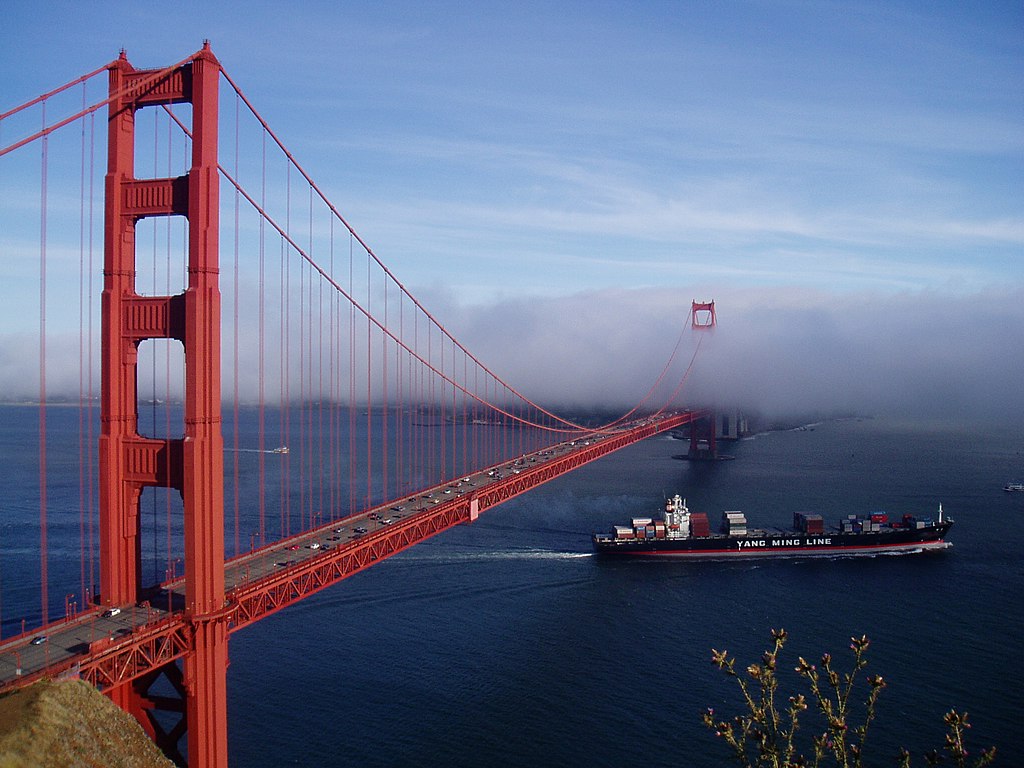
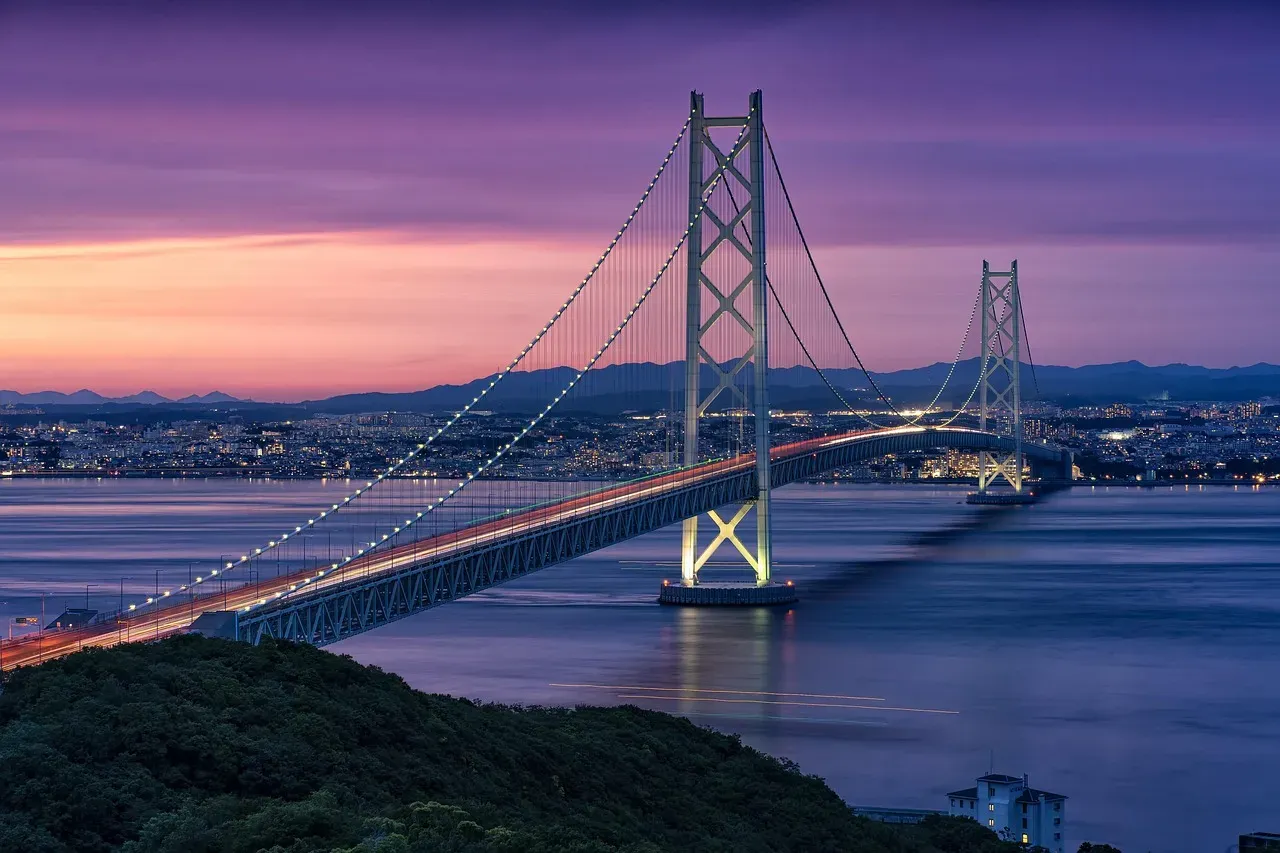
Look at any of the world’s iconic suspension bridges built after 1940, and you’ll find Tacoma’s fingerprints all over the engineering.
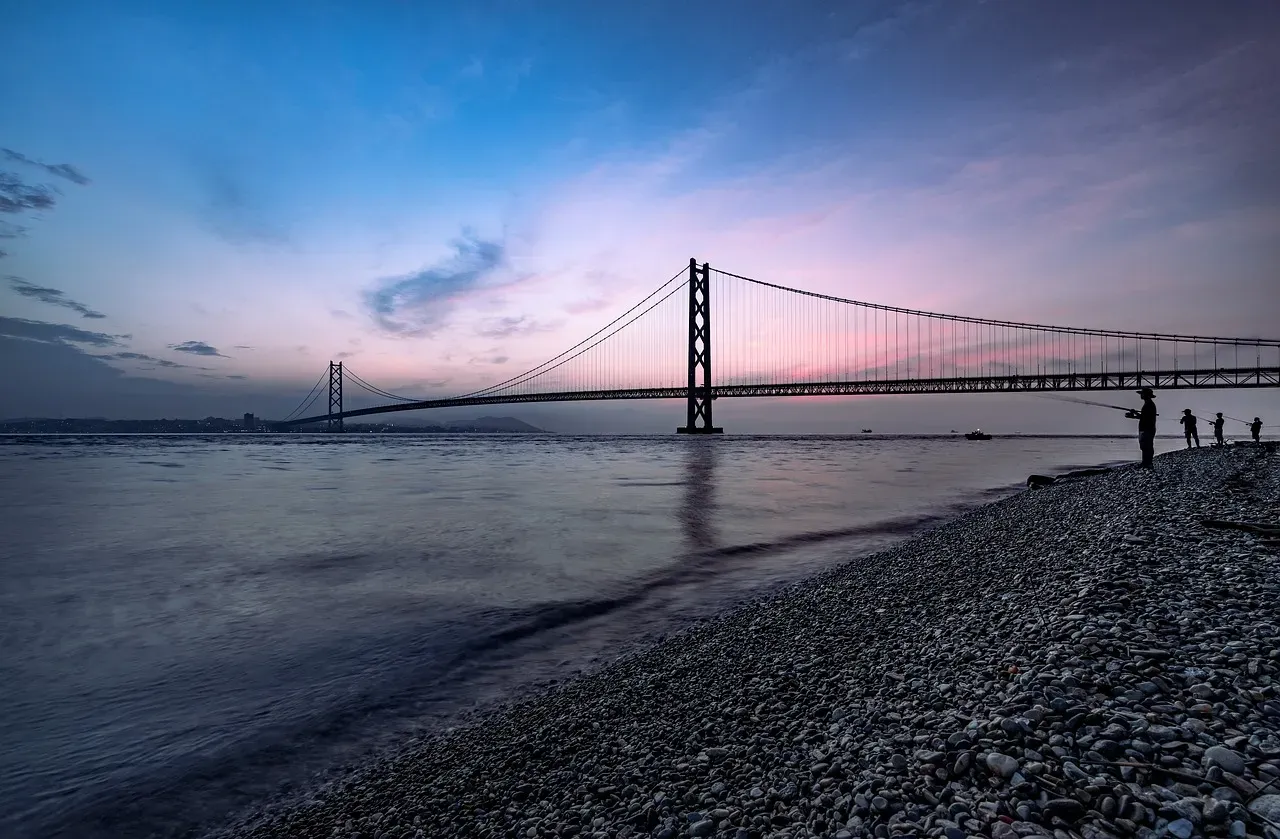
Every major suspension bridge built since – from the Verrazano-Narrows to Japan’s Akashi Kaikyo – has undergone extensive aerodynamic testing directly because of what happened on that November morning in Washington State. Wider, more rigid decks, open-grid roadway sections, and deeper aerodynamic understanding all trace back to the same failure. Some of the tallest, longest bridges on Earth exist in their current form because of a Washington State collapse. Most travelers see these bridges as feats of steel and concrete; engineers see living monuments to a single catastrophic afternoon in 1940. The list of bridges that owe their survival to Tacoma keeps growing.
#10 – Multi-Agency Investigation Became the New Standard
The scale of the post-collapse investigation set a new bar for how engineering failures get studied, and who gets a seat at the table.
The State of Washington, insurance companies, and the federal government each appointed boards of experts to investigate. The Federal Works Administration’s three-member panel of top-ranking engineers produced what became known as the Carmody Board report, released in March 1941, which named the bridge’s “excessive flexibility” as the principal cause of failure. A single collapse triggered simultaneous investigations from insurers, state government, and federal engineers – a level of scrutiny no bridge failure had received before. That multi-agency model of independent review became the template for investigating every major infrastructure failure since, from building collapses to dam breaches. The scrutiny didn’t end with engineers, either.
“They have given us invaluable information and have brought us closer to the safe and economical design.”
Othmar Ammann, Carmody Board engineer
#11 – Real-Time Monitoring Became Non-Negotiable
Here’s a detail most people never hear: researchers were already measuring the bridge’s movement in real time before it fell, and that data turned out to be priceless.
During its brief life, the bridge oscillated at low amplitude in several different modes, its low mechanical damping letting it vibrate for long periods, until violent torsional oscillations finally took over. At one point those twisting oscillations reached an amplitude of about 13 feet, just before the midspan deck broke and fell under the induced stress. Engineers had actual numbers on the bridge’s twisting motion in its final minutes, which is exactly why the failure could be reconstructed so precisely later. That precedent – instrumenting a structure and tracking its behavior continuously – is now standard on every major suspension bridge, with sensors constantly monitoring wind, vibration, and cable tension. There’s one more piece of the puzzle nobody talks about.
At a Glance: The Bridge’s Final Minutes
- Oscillated in multiple vibrational modes for months, aided by unusually low mechanical damping
- Torsional oscillations reached an amplitude of about 13 feet just before the deck failed
- Wind at the time of collapse was moderate – far below hurricane force
- Real-time observations of the motion let engineers reconstruct the exact failure sequence decades later
#12 – Ignoring Early Warning Signs Was the Costliest Mistake of All
The most human lesson from Tacoma Narrows has nothing to do with steel or wind tunnels. It’s about what happens when people dismiss a problem they can literally watch happening.
Construction workers nicknamed the bridge “Galloping Gertie” while it was still being built, because it swayed and rolled under even light winds. It kept moving for four months before it collapsed, entertaining thrill-seeking drivers who came just to feel the motion while engineers debated fixes instead of closing the span. A structure that visibly misbehaves for four straight months is not a quirky feature – it’s a countdown. The bridge’s only casualty was a dog named Tubby, left behind in a stalled car when physicist Burt Farquharson, who had spent weeks studying the bridge’s movements, went back to try to rescue him. The terrified dog bit Farquharson’s finger and refused to leave, forcing him to retreat moments before the girders buckled. It’s a haunting reminder that early warning signs, no matter how small or entertaining they seem, deserve immediate action – not months of study while the public treats a dying structure like a carnival ride.
Tacoma Narrows didn’t just teach engineers to build stronger bridges – it exposed how dangerously incomplete their understanding of physics actually was. The bridge wasn’t undone by bad luck or shoddy construction. It was undone by an entire profession’s blind spot around wind, flexibility, and feedback loops that nobody had bothered to test for. Every open-truss deck, every wind tunnel test, every sensor bolted to a modern suspension bridge exists because a slender steel structure in Washington State twisted itself apart in front of cameras.
The most controversial takeaway may not be the aerodynamics at all. Many engineers argue that four months of visible, ignored oscillation before the collapse was a bigger failure than any equation – a warning nobody wanted to act on until it was too late. Which lesson do you think mattered most? Drop your take in the comments.