
Most people assume asbestos was just something hiding in old attic insulation and crumbling pipe wrap. They’re wrong. For most of the 20th century – and even centuries before that – asbestos was marketed as a miracle material, stuffed into everything from toothpaste to Christmas trees to the shoes on your feet. Companies didn’t just tolerate it; they bragged about it in full-page ads.
Then the truth came out, the lawsuits started, and an entire chapter of consumer history got quietly erased. Here’s what medical records and product-liability history actually reveal about where this so-called “wonder mineral” really ended up – and just how ordinary its hiding places once were.
#1 – Christmas “Snow” That Almost Started House Fires

Before electric lights existed, Christmas trees were lit with actual open flames, and that combination of dry pine needles and candlelight was a disaster waiting to happen.
Manufacturers found what looked like the perfect fix: fluffy white asbestos fibers marketed as decorative snow. Starting in the 1930s, asbestos “snow” worked its way into countless American living rooms. The appeal made sense on paper – unlike other synthetic alternatives, this fluffy white substance simply wouldn’t catch fire. Families sprinkled it across branches, mantels, and nativity scenes without a second thought.
Hollywood loved it too. Many films from the late 1930s and early 1940s used asbestos snow because it wouldn’t melt or ignite under the blistering heat of studio lights. The most famous example is almost unbelievable: in the poppy field scene of The Wizard of Oz, the falling “snow” was actually chrysotile – one of the most dangerous forms of asbestos ever identified. The story waiting in #2 is even harder to believe.
#2 – The Cigarette Filter That Promised a Safer Smoke
As lung cancer research started making headlines in the early 1950s, tobacco companies scrambled to look responsible – and one brand’s “solution” is almost too ironic to believe.
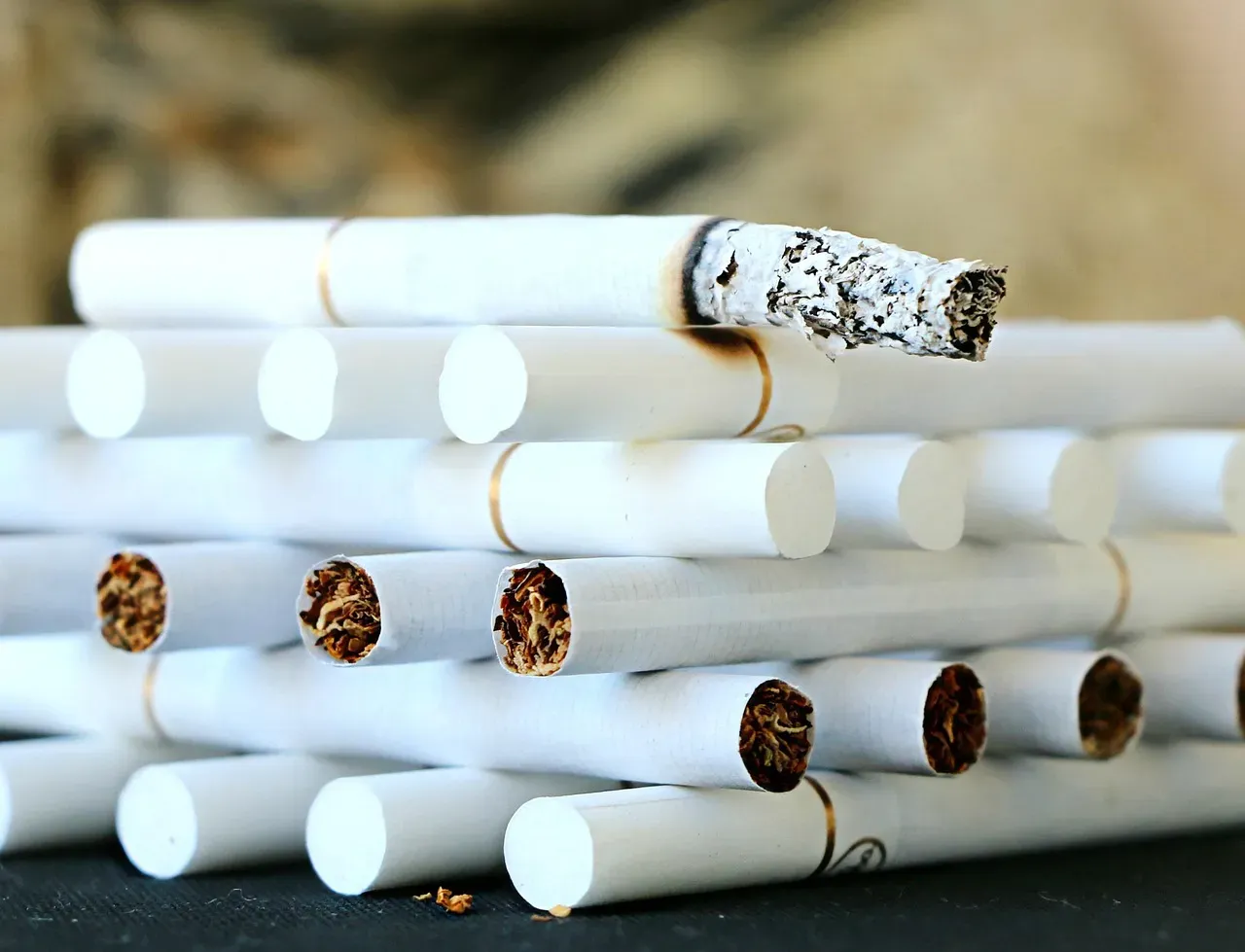
Kent cigarettes launched in 1952, promising a revolutionary filter technique. The trick was crimped crepe paper woven with asbestos – specifically crocidolite, or “blue asbestos,” chosen for its ultra-fine fibers and its already-established use in construction filters. Marketing leaned hard into the “positive health connotations” of this so-called micronite filter.
In just four years of production, nearly 13 billion of these cigarettes sold worldwide – even though Kent quietly abandoned crocidolite in its filters by 1956. Design records confirm this wasn’t some fringe experiment; asbestos-laced resins were a known standard in filter manufacturing at the time. Decades later, lawsuits are still being filed, not just by smokers but by the factory workers who made the filters. Yet what happened with #3 might be even more unsettling.
Fast Facts
- Launch year: 1952, at the height of postwar cigarette marketing wars
- Fiber used: crocidolite, or “blue asbestos,” one of the most hazardous forms known
- Sales volume: nearly 13 billion cigarettes sold before the fiber was quietly dropped
- Phase-out date: asbestos was pulled from the filter design by 1956
- Legal legacy: lawsuits from factory workers who made the filters are still active today
#3 – Toothpaste That Scrubbed With a Carcinogen
Imagine brushing your teeth every morning with a substance now classified as a known human carcinogen. For years, that was reality for millions of American households.
In the manufacturing boom following World War II, Bristol-Myers launched Ipana toothpaste, prized for its distinctive wintergreen flavor – and quietly loaded with asbestos fibers for their abrasive qualities. The logic seemed sound at the time: rougher fibers meant better stain removal, and they scrubbed teeth clean with real efficiency. Nobody questioned why a mineral fiber belonged in anyone’s mouth twice a day.
This wasn’t a fringe product, either – it was genuinely mainstream, becoming one of the most recognized toothpaste brands of the postwar era. As one industry historian put it, the risks simply weren’t understood at the time, which is exactly what makes stories like this so unsettling in hindsight. As strange as that sounds, #4 takes things to a stranger place.
#4 – “Miracle” Shoe Insoles for Happy Feet
Long before gel inserts and memory foam, one brand promised something far stranger: fireproof, odor-eating insoles laced with asbestos fiber.
Albert’s Asbestos Insoles claimed to “make your feet feel happy” – and the claims went well beyond simple comfort. According to the ads, callouses could be peeled right off, bunions reduced, inflammation drawn out, and even the smell of sweaty feet eliminated entirely. A footwear product promising to cure medical conditions using a known carcinogen sounds absurd today, but at the time it was framed as cutting-edge science.
The insoles weren’t even the strangest footwear application. Asbestos also found its way into the “moulder shoe,” marketed as a genuinely fireproof shoe option, using the same playbook of bold, sweeping health claims that defined the era’s advertising. Still, nothing compares to the discovery waiting in #5.
#5 – The WWII Gas Masks That Turned Protection Into Poison
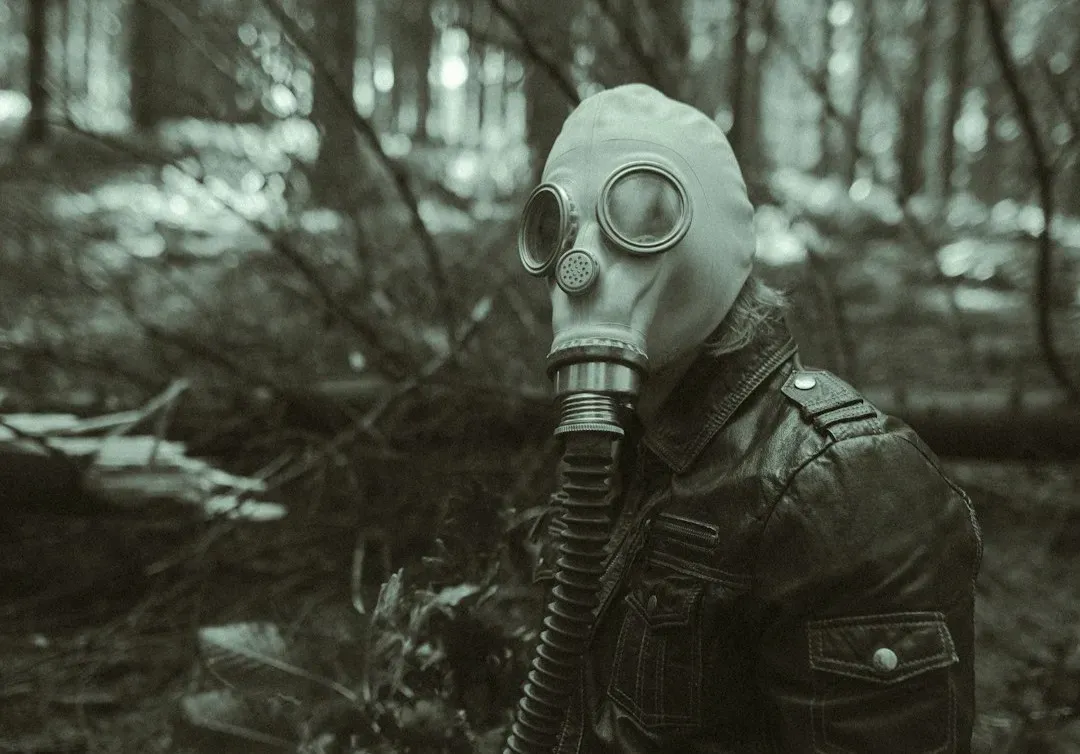
Millions of people wore this “protective” gear directly against their face, breathing through it during air raids – with a hidden danger baked into the design.
During World War II, more than 100 million civilian gas masks were manufactured containing chrysotile and, in some cases, crocidolite asbestos fibers in their filters. The choice wasn’t accidental – asbestos was cheap, readily available, and remarkably strong, making it the obvious practical option for wartime mass production.
The devices meant to save lives during bombing raids may have quietly caused harm decades later. The danger didn’t end with the war, either – many of these masks stayed on display in schools for history lessons, until UK safety committees eventually warned that they needed to be removed. Classrooms across the country had unknowingly displayed a hazardous artifact for decades. The next one, #6, hits even closer to home for millions of families.
#6 – Salon Hair Dryers and Curling Irons

The giant, hood-style hair dryers that once dominated every beauty salon weren’t just loud and clunky – they were lined with a fire-resistant mineral that’s now banned in most consumer goods.
In the 1950s and 1960s, salons across the country used hood-style dryers that women sat under for an hour at a time, and some of the earliest blow dryers and curling irons contained a layer of asbestos specifically as a burn-prevention feature. The reasoning made sense from an engineering standpoint – a device generating intense heat close to someone’s scalp needed serious heat-shielding material, and asbestos was the industry’s default answer.
Regulators eventually stepped in specifically because of appliances like these. The Consumer Product Safety Commission has noted that asbestos was historically used across a wide range of heat-producing consumer products before mounting safety concerns triggered recalls and manufacturing changes. Home appliances weren’t spared either – the same fiber turned up in ironing boards, ashtrays, and other heat-generating household goods. And #7 shows just how far this reached into your grandmother’s kitchen.
At a Glance
- Salon hood dryers ran for up to an hour at a time, right next to the scalp
- Asbestos was added as a heat shield inside dryers and curling irons
- The CPSC eventually flagged asbestos across multiple heat-producing consumer products
- The same fiber showed up in ironing boards, ashtrays, and other everyday appliances
#7 – Kitchen Appliances, Oven Mitts and Potholders

Your grandmother’s kitchen may have been quietly loaded with a carcinogen, tucked inside the very tools meant to keep her safe from burns.
Asbestos turned up inside older countertop appliances like toasters, waffle irons, slow cookers, and portable ovens, often hidden beneath metal panels or wrapped around internal wiring. The fiber wasn’t just inside the appliances, either – it was woven directly into the fabric people held in their hands.
Before the 1980s, many appliances were lined with asbestos insulation, and its fibrous texture made it easy to weave into oven mitts, dish towels, potholders, and placemats. This wasn’t a niche use – asbestos was treated as an all-purpose material for anything involving heat. Every time someone grabbed a hot pan with an “insulated” mitt, they may have been rubbing fibers loose without ever knowing it. Even so, #8 crosses a line most people never expected.
#8 – Surgical Thread Used to Stitch Patients

It sounds almost too dark to be true, but doctors once literally sewed patients closed using thread spun from asbestos fibers.
Asbestos thread was widely used in postoperative stitching, prized for its flexibility, strength, and resistance to heat sterilization. It checked every box surgeons wanted at the time. One of the most common surgeries where this thread appeared was lung surgery performed in the years following World War II.
The bitter irony is almost impossible to ignore. Patients undergoing lung surgery, some for asbestos-related disease, may have been stitched shut with the very fiber that caused their condition in the first place. Historical medical-safety reviews confirm this wasn’t an isolated rumor; asbestos genuinely found its way into surgical and hygiene products with what researchers now call “spurious benefits.” As dark as that is, #9 touches something almost every household used daily.
#9 – Talcum Powder and Everyday Cosmetics
Long before recent headline-making lawsuits, cosmetics companies were already facing scrutiny over a mineral that shares geological neighborhoods with talc.
Asbestos has also turned up in makeup manufacturing and talcum powder products. The issue often wasn’t intentional addition – talc and asbestos frequently form in the same rock deposits, making contamination genuinely difficult to prevent during mining and processing.
This wasn’t a one-brand problem, either. Traces of asbestos have surfaced in products from several major brands, with Johnson’s being the most widely known case. Health advocates now recommend that cautious consumers look for talc-free alternatives, especially given the direct, repeated skin contact involved – powder applied daily to babies and adults alike, with fibers small enough to become airborne with every use. But #10 proves this mineral was hiding in plain sight, too.
Worth Knowing
- Talc and asbestos often form in the same underground rock deposits
- Contamination during mining and processing is difficult to fully prevent
- Johnson’s remains the most widely cited brand in asbestos-talc litigation
- Fine powder particles can become airborne with routine, everyday application
#10 – Wallpaper and Decorative Paper Linings
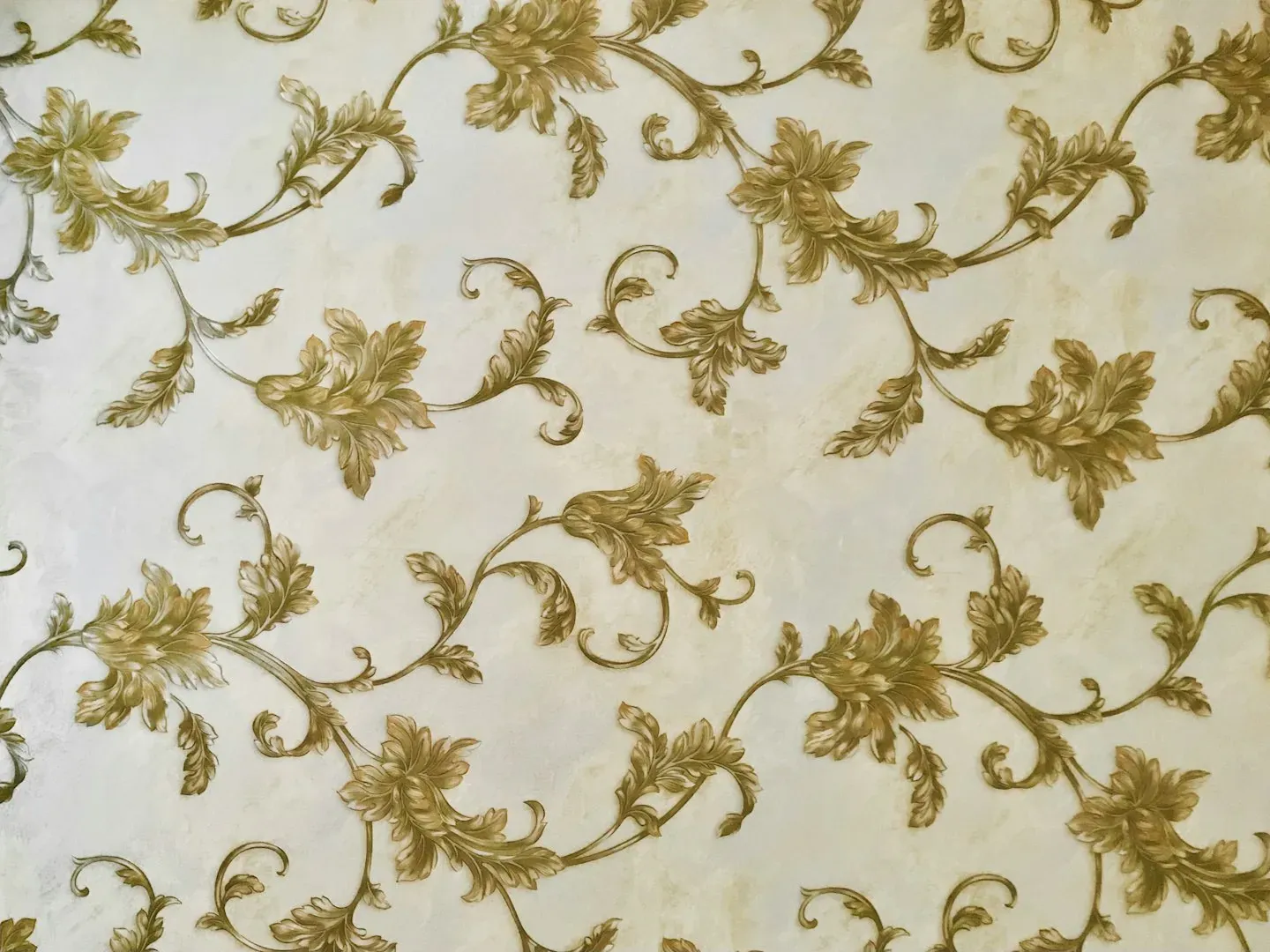
Even the walls of a “cozy” mid-century home might have been lined with a slow-burning health hazard disguised as home décor.
Thanks to its heat- and fire-resistant properties, asbestos was woven into wallpaper and decorative paper linings, alongside irons, telephones, toilet cisterns, and even components used to produce bleach and other cleaning products. The sheer range packed into that one list is staggering – wallpaper sitting inches from where families ate dinner and slept, conceptually sharing shelf space with cleaning products and household phones.
The logic behind wallpaper specifically was fire prevention: a paper-based product that wouldn’t easily ignite near open flames or heaters was seen as a genuine safety upgrade at the time. Combined with asbestos-lined cisterns and telephone components, it becomes clear that almost no corner of a mid-century home was untouched – this wasn’t confined to factories, it was baked directly into everyday living rooms. Meanwhile, #11 shows how mundane objects carried the same risk.
#11 – Ironing Boards, Ashtrays and Lab Gear

The small, overlooked objects scattered around a mid-century home or office were often just as saturated with asbestos as major construction materials.
Asbestos commonly turned up in hair dryers, ironing boards, car brake pads, laboratory equipment, and ashtrays. The presence in lab equipment is particularly striking – scientists working with Bunsen burners routinely handled asbestos mats and gloves without understanding the risk they carried home with them each day.
Ashtrays made sense functionally, since a fireproof material seemed like the obvious choice for something designed to hold smoldering cigarettes, and ironing boards needed heat-resistant covers that could withstand direct contact with hot iron plates for years. None of these were considered “industrial” products at the time – they were mundane objects sold in ordinary stores, which is exactly why so many people had no idea they were living alongside the material for decades. Long before any of this, though, #12 proves the fascination started nearly two thousand years earlier.
#12 – Ancient Rome’s “Living Linen” Napkins and Funeral Shrouds

This isn’t a 20th-century invention at all – asbestos fascinated civilizations two thousand years before OSHA ever existed.
In the 1st century AD, the Roman naturalist Pliny the Elder described a “live linen” made of asbestos, writing that he had witnessed asbestos napkins tossed into a blazing fire, only to emerge cleaner than before. The Romans didn’t stop at napkins – they used the fiber for the wicks in the lamps of the Vestal Virgins, allowing the flames to burn continuously as long as they were kept filled with oil.
The material was even considered fit for royalty and the dead. This same “live linen” was woven into funerary shrouds for monarchs, since it didn’t burn, keeping a ruler’s ashes separate from those of the pyre. Centuries later, Charlemagne reportedly owned a tablecloth woven from asbestos and loved astonishing dinner guests by cleaning it in a roaring fire. Even ancient historians noticed a pattern worth remembering – Roman writers documented that slaves working in asbestos mines were thought to die young, meaning the danger was recognized in some form nearly two millennia before modern regulation ever caught up. And finally, #13 brings the story to a place nobody would expect.
Why It Stands Out
- Pliny the Elder documented “living linen” nearly 2,000 years before OSHA existed
- Vestal Virgins reportedly used asbestos wicks for lamps meant to stay lit continuously
- Royal funeral shrouds used the fiber to keep a ruler’s ashes separate from the pyre
- Roman writers noted asbestos miners tended to die young – an early, informal warning sign
#13 – The Fireproof Purse That Impressed Benjamin Franklin
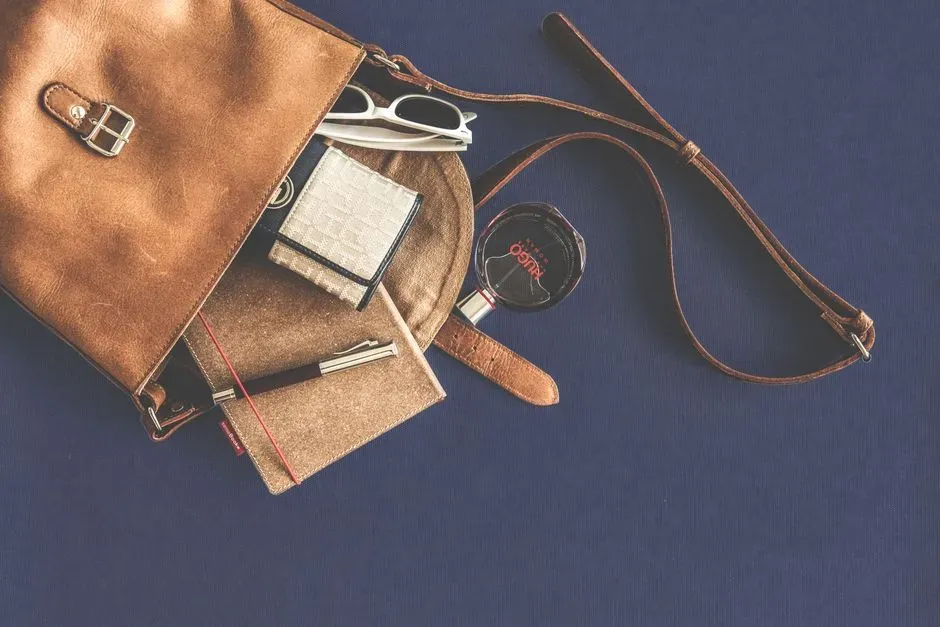
The strangest asbestos artifact in history isn’t a building material or a beauty product – it’s a novelty item that once charmed one of America’s founding fathers.
Among the odd curiosities collected centuries ago was an asbestos purse, seemingly impervious to fire – if it ever got dirty, tossing it into a fire would purify it instead of destroying it. This wasn’t a private curiosity; it became a genuine transatlantic transaction. Collector Hans Sloane reportedly invited Benjamin Franklin to his home and paid handsomely for the item, treating a fireproof purse as a rare and valuable scientific novelty worth owning.
The object didn’t disappear into obscurity after the sale, either. That very purse is now on display at the Natural History Museum in London, sealed inside a small clear case in an oak display cabinet. It stands today as physical proof that long before industrial mass production turned asbestos into a public-health crisis, it was already treated as something close to magic – a material so strange and fire-defying that collectors and scientists were willing to pay a premium just to own a piece of it.
The Bottom Line
Asbestos didn’t just hide in factories and attics. It was baked into toothpaste, cigarettes, Christmas trees, shoes, gas masks, and even ancient Roman dinner napkins – worn, eaten around, breathed through, and stitched into human skin for the better part of two thousand years.
The real scandal isn’t that asbestos was dangerous. It’s how long companies kept selling it as a “miracle material” after the warning signs were already sitting on the table. The toothpaste and cigarette filter cases are the most damning of all – those weren’t accidents or contamination. They were deliberate marketing decisions that prioritized novelty over the people using the product.
History has a habit of repeating this pattern with each new “wonder” ingredient that comes along, and that should worry all of us more than it currently does. Which of these thirteen surprised you the most? Drop your reaction in the comments.