
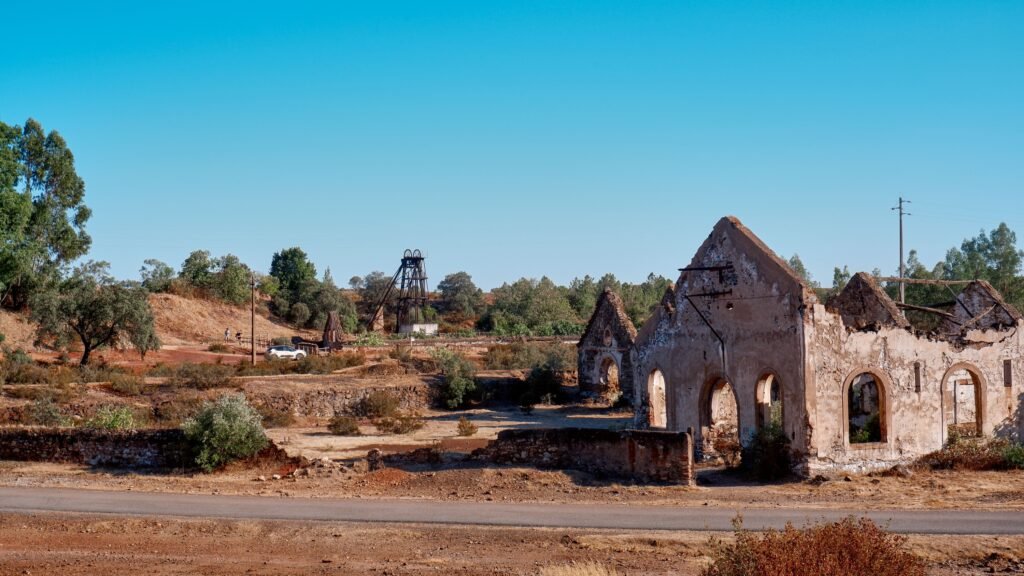
Most people assume ghost towns disappear slowly – a factory closes, folks move away, and weeds take over Main Street. That’s not what happened here. At least thirteen American towns didn’t fade away at all. The ground beneath them simply gave out.
Sinkholes swallowed swimming pools, coal fires turned neighborhoods into furnaces, and salt-mine caverns collapsed into 40-acre lakes overnight. Some of these places still show up on maps. Others were erased from them entirely. Here’s what geologists, EPA records, and the survivors themselves actually say happened when the earth stopped cooperating.
#1 – Love Canal, New York: The Neighborhood Built on a Chemical Time Bomb

A quiet residential street in Niagara Falls became the blueprint for every “toxic town” story that followed. In the 1940s and 50s, a chemical company used an old canal bed as a dump, then handed the land over for housing. Nearly 22,000 tons of chemical waste from the Hooker Chemicals and Plastics Corporation went into that pit before it was filled in and given to the growing city of Niagara Falls, which allowed homes to be built directly on top of it.
Families raised kids there for two decades without knowing what was underneath them. By 1978, the truth surfaced – literally. State officials detected toxic chemicals leaking up into basements across the neighborhood, and the resulting health crisis led to the evacuation of over 800 families. Chromosomal damage among residents was later confirmed by researchers, a fact that turned this ordinary suburban street into a national warning label. But that’s nothing compared to what happened when a Missouri town tried to fix a dust problem.
Fast Facts
- Location: Niagara Falls, New York
- Chemical waste buried on site: nearly 22,000 tons
- Crisis went public: 1978
- Families evacuated: more than 800
#2 – Times Beach, Missouri: The Town That Sprayed Itself Away
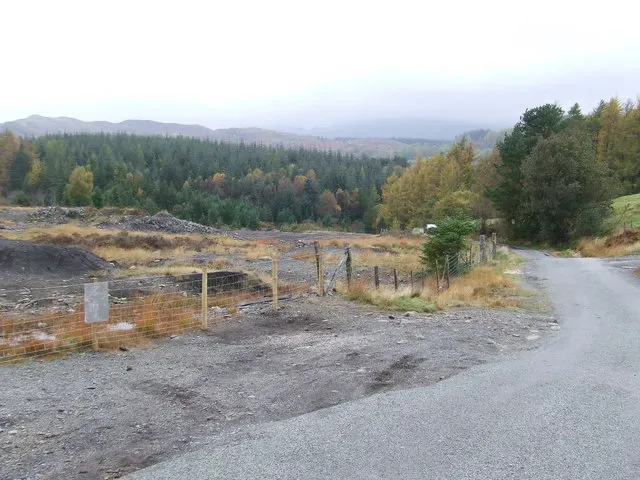
Times Beach didn’t get swallowed by a hole. It got poisoned from the roads up, and the government erased it anyway. In the 1970s, the town paid a hauler named Russell Bliss to spray waste oil on its dusty dirt roads to keep the dust down. That waste had actually come from a hexachlorophene facility partially used in producing Agent Orange, and it carried extremely high dioxin levels nobody bothered to check.
Nobody suspected a thing for years. Then, in December 1982, disaster and discovery collided when the Meramec River flooded 14 feet during heavy winter rains, spreading the contamination through every home and building in town. Shortly after Christmas, EPA officials in white body suits showed up on people’s lawns and told them to evacuate immediately. Residents were told not to take anything with them. An incinerator later burned the hazardous waste on-site for two years before the land became a state park. As unsettling as that is, what happened underneath a Houston suburb is arguably worse.
#3 – Brio, Texas: Houston’s Buried Chemical Legacy
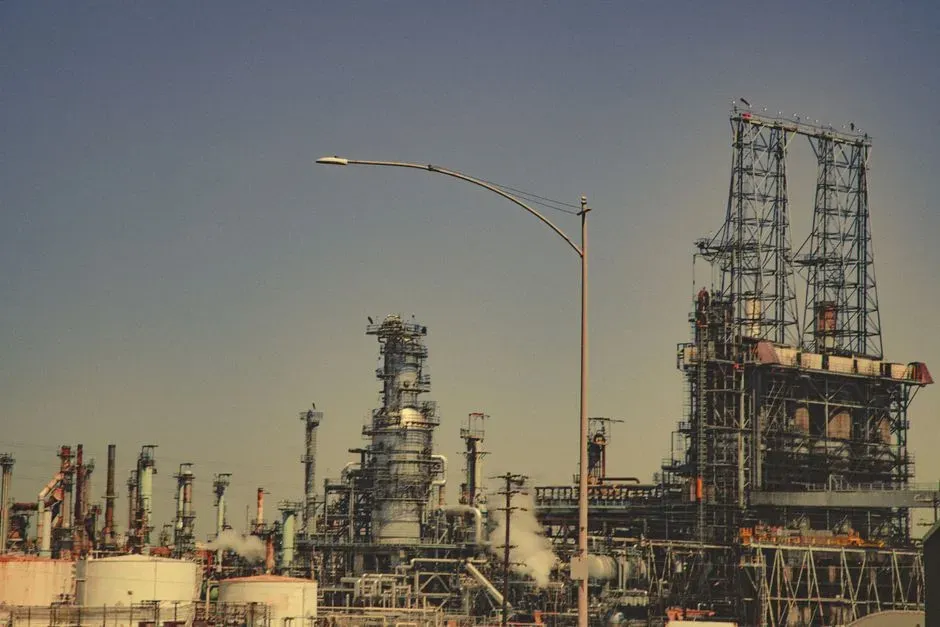
Most Houston commuters have no idea a subdivision once sat directly on top of an active poison pit. The Brio Refinery Site in Harris County housed numerous chemical companies until the refinery declared bankruptcy in 1982. Unprocessed petroleum and waste stored in earthen pits leaked straight water, seeping toward the neighborhood that would eventually be built beside it.
Families moved in and raised children just yards from those pits with zero warning about what was underground. The fallout was severe enough to reach a courtroom – exposure was linked to leukemia, birth defects, and rare illnesses. In 1992, six chemical companies and a real estate developer agreed to pay for the college educations of 700 affected children. That settlement remains one of the largest of its kind tied to underground contamination in Texas history. That case involved a known enemy. The next town’s tragedy came from a neighbor nobody remembers.
#4 – Cardin, Oklahoma: Picher’s Forgotten Twin
Everyone’s heard of Picher. Almost nobody remembers that its neighbor disappeared right alongside it. Cardin sat just down the road in the same lead-and-zinc mining district that helped fuel two world wars, and it sat atop the exact same honeycomb of abandoned tunnels.
When federal regulators finally moved to address the region’s poisoned ground, they folded both communities into the Tar Creek Superfund site in 1983. As buyouts rolled through the district, Cardin’s population evaporated right alongside Picher’s. Few outside Oklahoma have ever heard its name, yet it vanished by the same mechanism – mine-riddled ground that simply couldn’t hold weight anymore. It’s a stark reminder that when one mining town collapses, its neighbors are rarely far behind. If Cardin’s disappearance felt quiet, wait until you see how deliberately the next town erased itself.
#5 – Treece, Kansas: The Town That Voted Itself Out of Existence
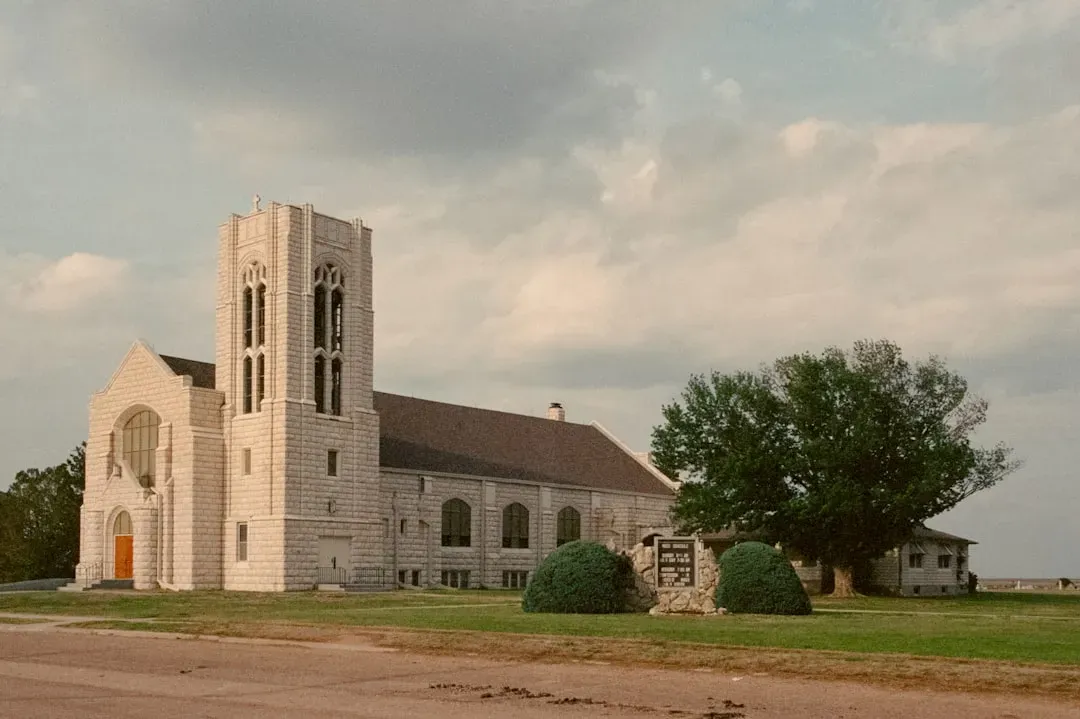
Treece didn’t wait for a sinkhole to swallow a house. Its residents saw the writing on the wall and left first. A mining company had set up shop in the Tri-State district decades earlier, bringing thousands of workers who built Picher, Oklahoma, and neighboring Treece, Kansas, right on top of the same chat piles and the same underground tunnels.
When Picher’s ground started failing, Treece was sitting on identical geology just across the state line. Federal and state buyout programs eventually extended into Kansas, and most remaining residents accepted relocation offers rather than gamble on ground riddled with the same collapsed shafts that doomed Picher. The town’s population dropped to nearly nothing, and Kansas officials eventually moved to formally dissolve it – a rare case of a town choosing to erase itself from the map before the ground could do it first. Every town so far is old news. The next one made headlines just last year.
#6 – Marguerite, Pennsylvania: The Sinkhole That Made National News in 2024
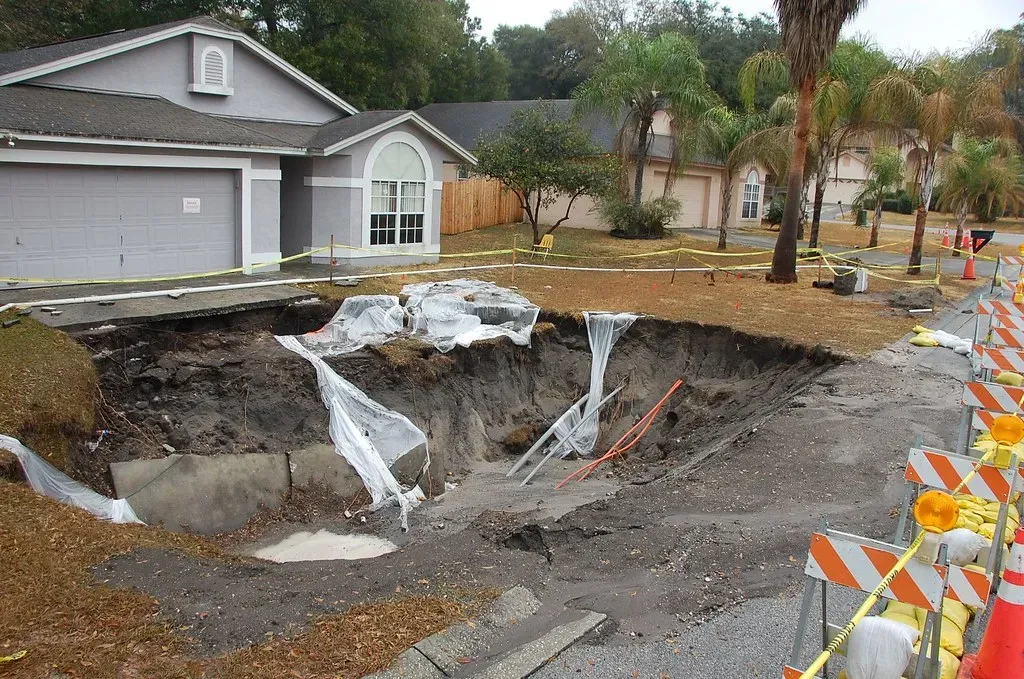
In late 2024, a quiet stretch of Westmoreland County reminded America that mine subsidence isn’t ancient history – it’s happening right now. Searchers feared a sinkhole had swallowed a 64-year-old woman who’d been out looking for a lost cat with her granddaughter, after a hole opened roughly 20 feet from where she’d parked her car, in an area sitting above an old coal mine. The granddaughter was found safe. The search for the woman herself turned tragic within days.
What makes this case so alarming is how common the underlying risk really is. Pennsylvania has mined coal in nearly half of its 67 counties, leaving behind at least 5,000 abandoned underground mines that officials say can produce hazards at any time. Geologists confirmed the hole formed a classic teardrop shape, consistent with a mine roof caving in decades after miners walked away. This wasn’t a ghost town from the history books – it was a 2024 backyard. That backyard collapse was terrifying. This next one opened under a place full of kids playing sports.
Worth Knowing
- Pennsylvania has mined coal in nearly half of its 67 counties
- At least 5,000 abandoned underground mines remain statewide
- Subsidence sinkholes often form in a distinctive “teardrop” shape
- Hazards can surface decades after a mine officially closes
#7 – Alton, Illinois: The Hole That Opened Under a Sports Complex
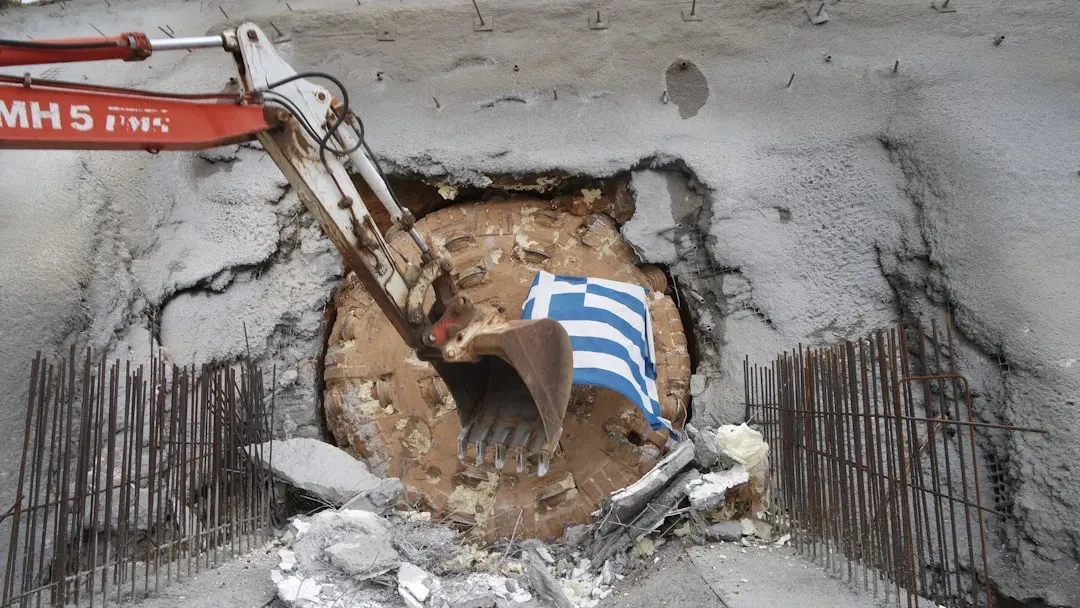
Nobody expects a soccer field to become a crime scene for geology, but that’s exactly what happened in Illinois. In 2024, a huge hole opened right in the center of a sports complex in Alton, and investigators quickly determined that part of an active underground aggregate mine below the park had collapsed, triggering the sinkhole. The park had hosted youth games for years, sitting directly above a working mine nobody on the surface thought twice about.
Engineers note that collapses like this tend to happen suddenly rather than gradually, especially when the void sits close to the surface. Unlike century-old mining disasters, Alton’s collapse is a live example of how modern infrastructure – parks, parking lots, even highways – can sit unknowingly on borrowed time. Many city planners now argue aggregate mining permits near populated areas should require far stricter subsidence monitoring than currently exists. Not every sinkhole story ends in abandonment, though – the next one turned into a tourist attraction.
#8 – Winter Park, Florida: The Hole That Ate a Car Dealership
In 1981, one of the most famous urban sinkholes in American history opened up in the middle of a Florida neighborhood – and it didn’t stop at just one house. The Winter Park sinkhole opened suddenly and consumed a residential neighborhood, a car dealership, and part of a public swimming pool. Cars vanished into the earth in real time as crowds gathered to watch the ground eat an entire block.
Florida’s porous limestone bedrock makes this kind of collapse uniquely common in the state, far more than almost anywhere else in the country. Instead of becoming an abandoned zone, the sinkhole turned into a strange local landmark – crowds came to see what some called “Florida’s largest urban sinkhole,” and over time it filled with water and was stabilized into a pond surrounded by homes. Unlike most towns on this list, Winter Park rebuilt around its wound instead of walking away from it. Winter Park at least stopped growing. The next set of holes hasn’t gotten that memo.
#9 – Wink, Texas: The Desert Sinkholes That Keep Growing
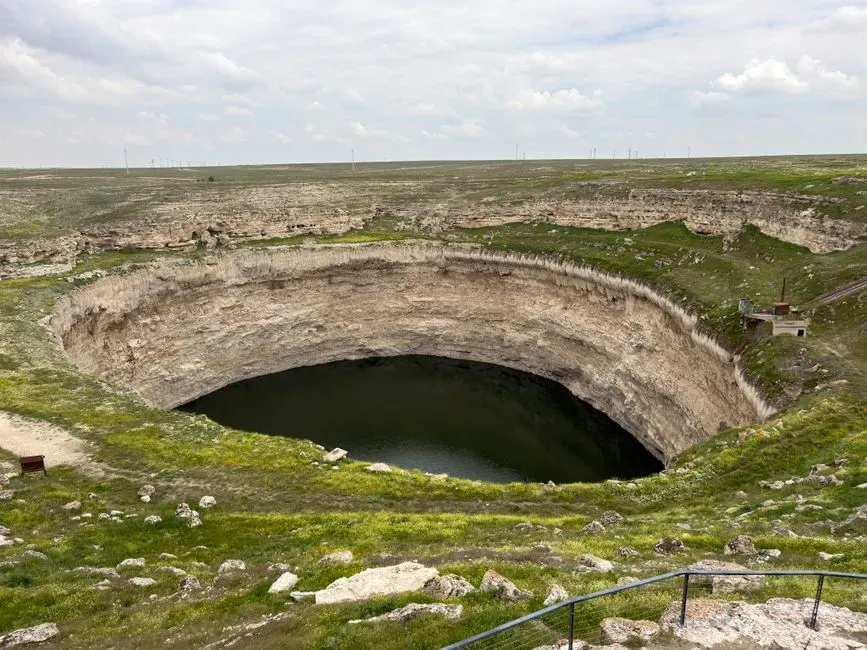
Out in the West Texas oil patch, two sinkholes have been slowly eating the ground for over 40 years, and researchers say they’re not finished. One opened in 1980 near an abandoned oil well about 230 miles east of El Paso, in a city called Wink. The other opened a mile away in 2002, both sitting atop decades of abandoned oil and gas infrastructure that quietly created underground voids nobody was tracking.
Geologists have flagged the “Wink Sinks” as an ongoing hazard rather than a settled disaster, warning that continued drilling and old well casings in the region could trigger further collapses. Unlike Winter Park’s contained pond, these craters sit in a landscape still actively used for oil production – meaning the ground beneath West Texas towns may still be quietly hollowing out today. Some geologists argue state regulators have been too slow to map every abandoned well shaft in the region, a claim that continues to spark debate among officials. Just when you think a sinkhole is done, one Texas town watched theirs wake back up after fifteen years.
Quick Compare
- Winter Park (1981): opened once, then stabilized into a permanent pond
- Wink Sinks (1980 & 2002): still active and expanding after four decades
- Daisetta (2008): looked stable for years, then reopened without warning
#10 – Daisetta, Texas: The Sinkhole That Woke Up After 15 Years
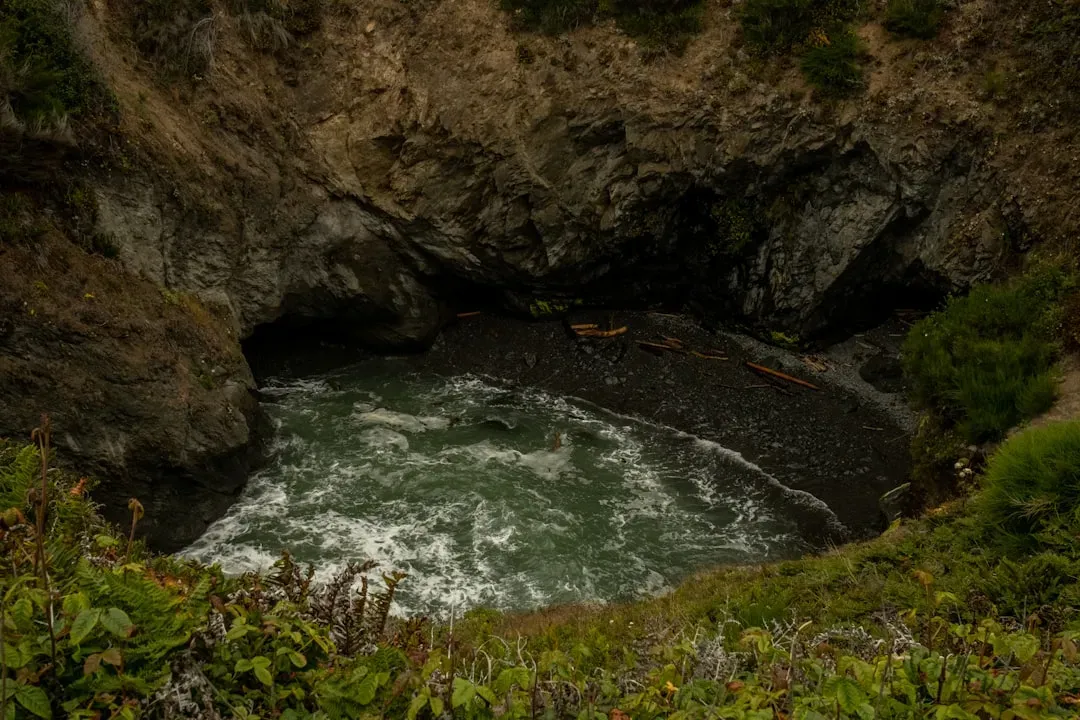
Just when everyone thought this town’s giant hole was history, it opened its jaws again. The sinkhole in Daisetta first opened in 2008, swallowing oil tanks, trees, telephone poles, and cars before finally stabilizing on the northwestern edge of the Hull salt dome, stretching roughly 328 feet across. For fifteen years, residents fished in it and treated it like a strange local pond.
Then in April 2023, the ground started talking again. A neighbor reported hearing popping noises like gunshots before buildings started falling in.
It was like a movie.
Tim Priessler, Daisetta resident
The crater gained roughly 150 feet in both width and depth within days. Daisetta sits in a part of Texas known for heavy drilling and fracking, and officials say saltwater injection likely contributed to the renewed instability. As dramatic as that sounds, nothing on this list compares to what a Louisiana bayou lost in a single month.
#11 – Bayou Corne, Louisiana: The Swamp That Swallowed a Neighborhood
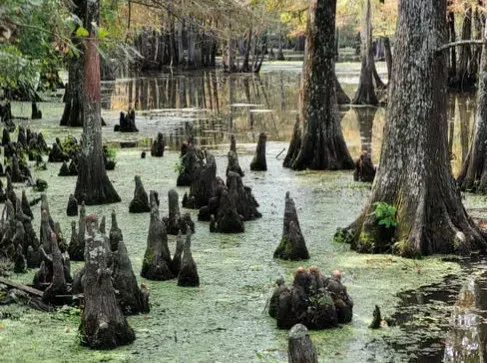
In August 2012, residents of this tiny Louisiana bayou community woke up to a smell of diesel – and within weeks, their town was gone. The sinkhole opened when the wall of a subterranean salt mine collapsed and the ground above it seemed to simply drop into the earth. A mile-deep cavern had given way after decades of industrial salt mining enlarged it past the point of structural integrity.
Hundreds of residents were forced into a mandatory evacuation that most never reversed. The hole didn’t stop growing quietly, either – over the following years it kept subsiding, belching oil and swallowing whole trees, eventually becoming a 40-acre expanse of polluted water big enough to fit the roof of the Superdome four times over. Most residents never returned, and the area today is largely abandoned, a watery void surrounded by remnants of a once tight-knit community. This wasn’t erosion. It was an entire underground salt cavern giving out beneath people’s homes. That was industrial. What’s still happening in Pennsylvania is something stranger – a fire that refuses to die.
#12 – Centralia, Pennsylvania: The Town Still Burning Underground
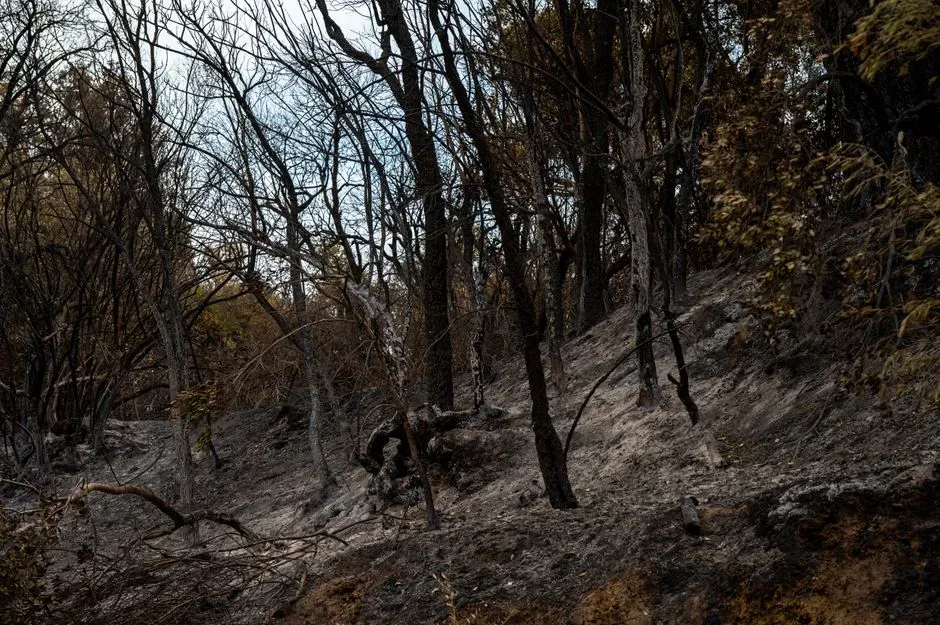
Centralia is the case everyone thinks they know, and the reality is even stranger than the legend. The fire started in an abandoned mine and spread through interconnected coal seams below the surface. Toxic gases seeped into homes, the ground became dangerously hot, and sinkholes opened without warning – and unlike a single collapse event, this disaster has unfolded in slow motion for over six decades and counting.
By the 1980s, the government finally acted, but the fire didn’t stop for anyone. Most residents took buyouts and left, though a handful refused to abandon their homes – today, fewer than ten people remain in a town that once housed over a thousand. Experts estimate the fire could keep burning for another 250 years. Graffiti-covered highways and crumbling foundations mark where neighborhoods stood, a haunting reminder of how quickly prosperity can vanish when disaster strikes underground. As haunting as Centralia is, one Oklahoma town holds the record for the worst of them all.
#13 – Picher, Oklahoma: America’s Most Toxic Ghost Town
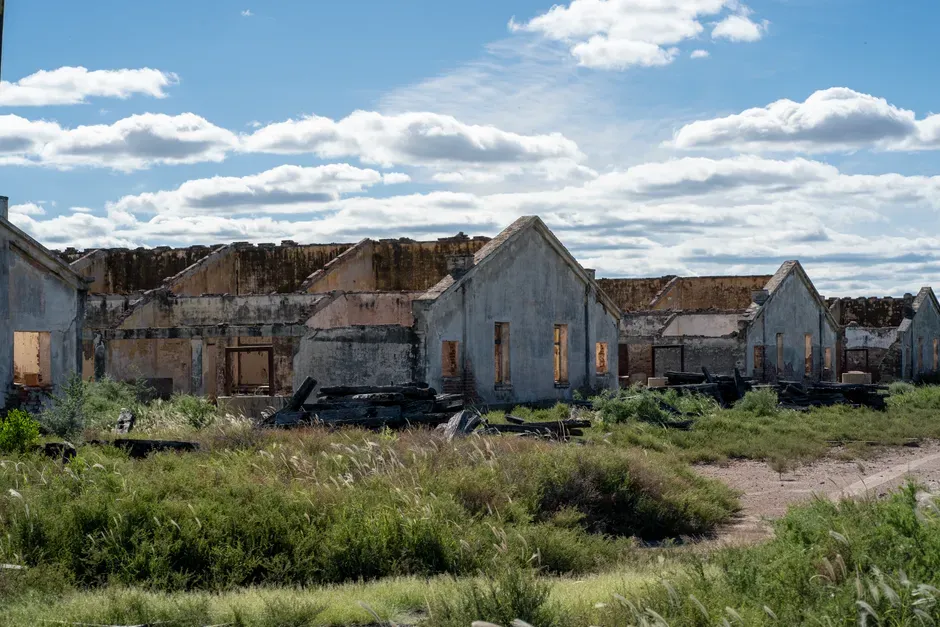
If one town defines what it means to be swallowed by the ground, it’s this one – and the numbers are staggering. Picher was once a booming mining community with a population of 20,000 and the world’s richest lead and zinc mining field, before fewer than 25 people remained in what the EPA called the most toxic place in the United States. A 2006 report by the Army Corps of Engineers revealed that much of the town was facing major sinkhole danger from mine subsidence, with entire streets sitting directly above collapsing tunnels nobody had mapped in decades.
The final blow came from the sky, not the ground. A 2008 EF4 tornado tore through town, killing six people and destroying over 100 homes – for most remaining residents, it was the final straw. When the EPA implemented a buyout, nearly everyone took it. The town officially dissolved in 2009, and its last resident died in 2015, leaving the population at zero. Today, toxic chat piles the size of small mountains still loom over empty streets where 14,000 people once lived.
At a Glance
- Peak population: roughly 20,000
- Army Corps subsidence warning: 2006
- EF4 tornado deaths: six, plus 100+ homes destroyed (2008)
- Town officially dissolved: 2009
- Last resident died: 2015
The Ground Doesn’t Forget
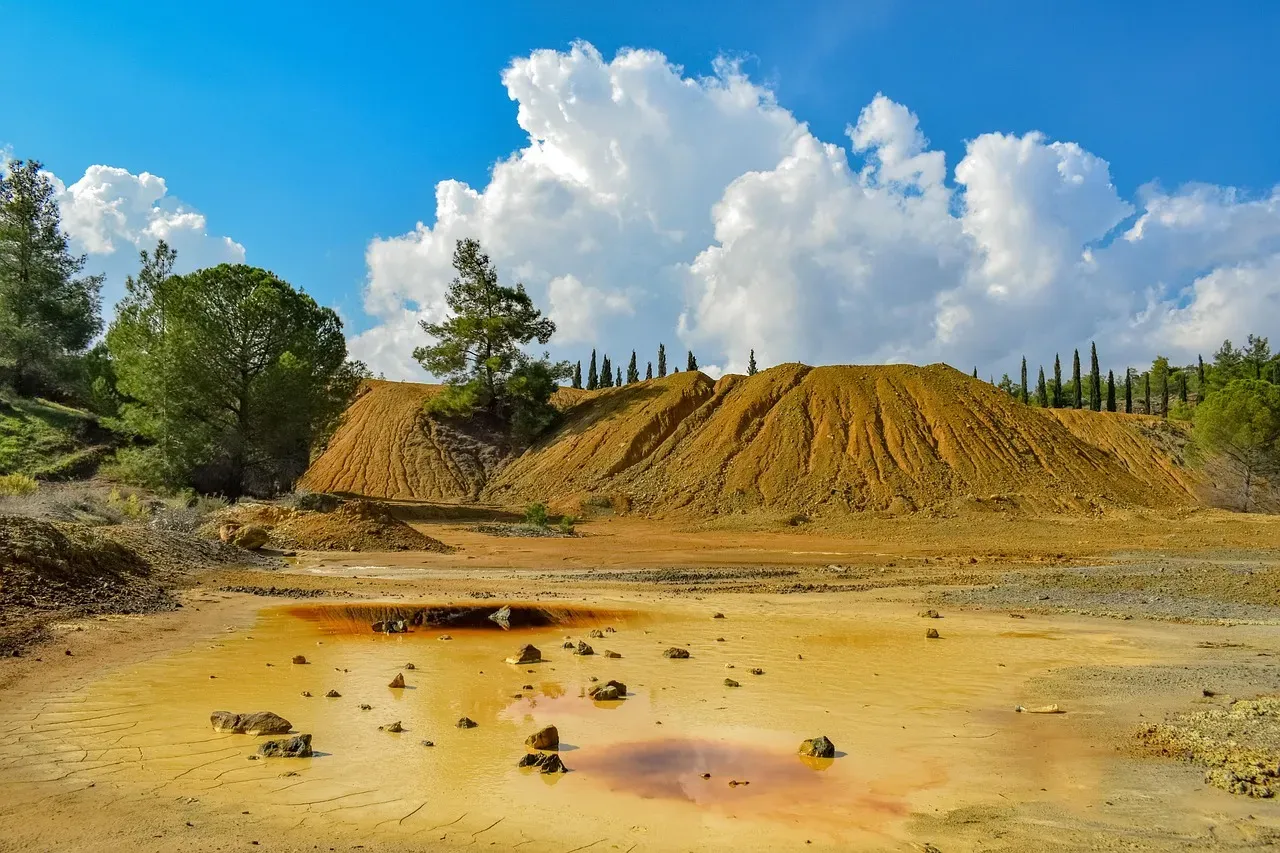
Thirteen towns. Three different killers – collapsing mines, buried chemicals, and underground fire – and one uncomfortable truth: America has more of these ticking time bombs than most people realize, with roughly 500,000 abandoned mines scattered across the country. Picher and Centralia get the headlines, but Cardin, Treece, and Marguerite prove this isn’t ancient history. It’s still unfolding under quiet neighborhoods right now.
Frankly, the scariest entry on this list isn’t the biggest hole or the deadliest chemical spill. It’s the 2024 Pennsylvania backyard, because it proves nobody needs to live near a mining boomtown to be at risk – just near ground that someone, decades ago, decided was hollow enough to ignore.