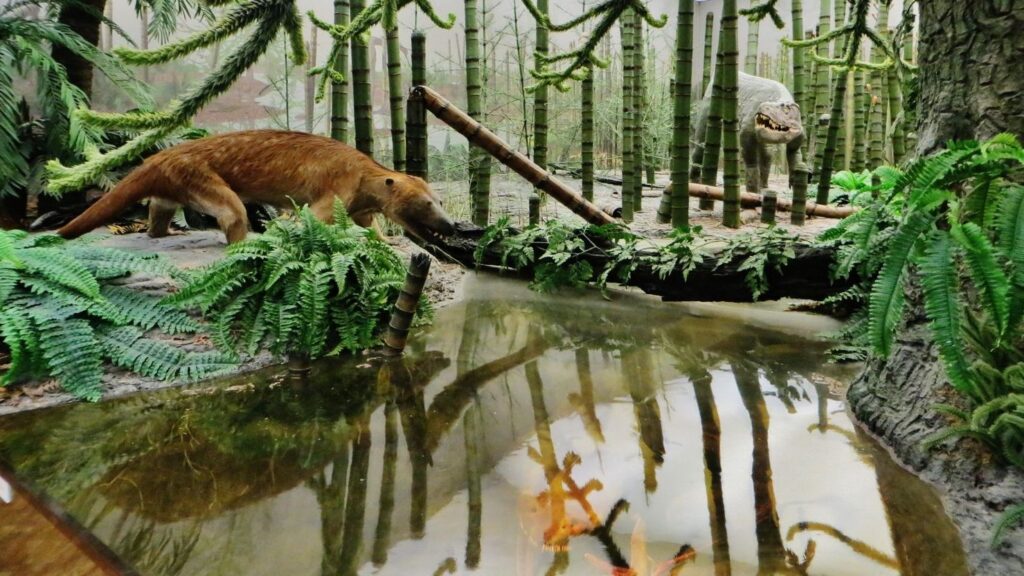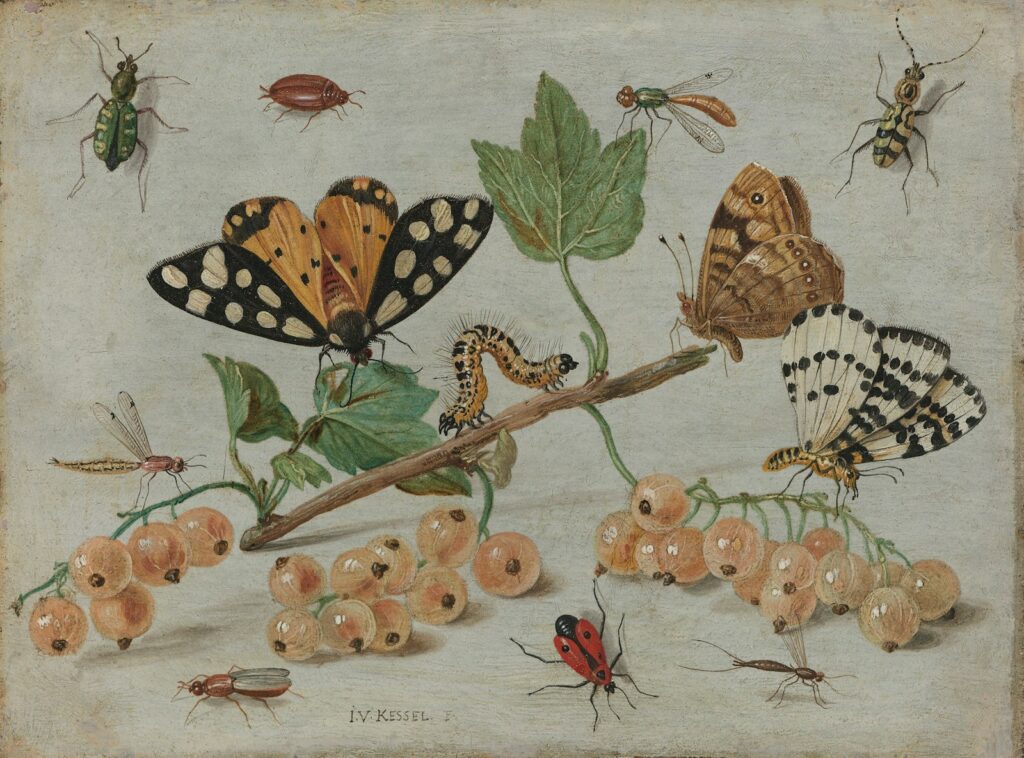
The Mesozoic Era, spanning from 252 to 66 million years ago, was a transformative period in Earth’s history marked by the dominance of dinosaurs, the emergence of mammals, and dramatic shifts in global ecosystems. While dinosaurs often steal the spotlight in our imaginations of this distant time, the insect world was experiencing its own remarkable evolution. These small but mighty creatures with their tiny wings played crucial roles in shaping and maintaining the complex ecosystems of the Triassic, Jurassic, and Cretaceous periods. From pollination to decomposition, from serving as food sources to influencing plant evolution, insects were silent powerhouses that helped define the Mesozoic world in ways we’re only beginning to fully understand.
The Dawn of Modern Insects

The Mesozoic Era witnessed the emergence and diversification of many insect groups that would become familiar to us today. While insects had already been present on Earth for over 100 million years before the Mesozoic began, this era saw remarkable evolutionary advancements. Many ancient insect orders like Odonata (dragonflies and damselflies) continued to thrive, while new groups evolved to fill emerging ecological niches. The Mesozoic saw significant diversification of Coleoptera (beetles), Diptera (flies), Hymenoptera (bees, wasps, and ants), and Lepidoptera (moths and butterflies). This explosive radiation was aided by concurrent plant evolution, particularly the rise of flowering plants in the Cretaceous period, creating new opportunities for insect specialization and coevolution. Fossil evidence reveals that by the end of the Mesozoic, insects had achieved a level of diversity comparable to modern forms, establishing many of the fundamental ecological relationships we observe in today’s world.
Flight Innovations and Adaptations
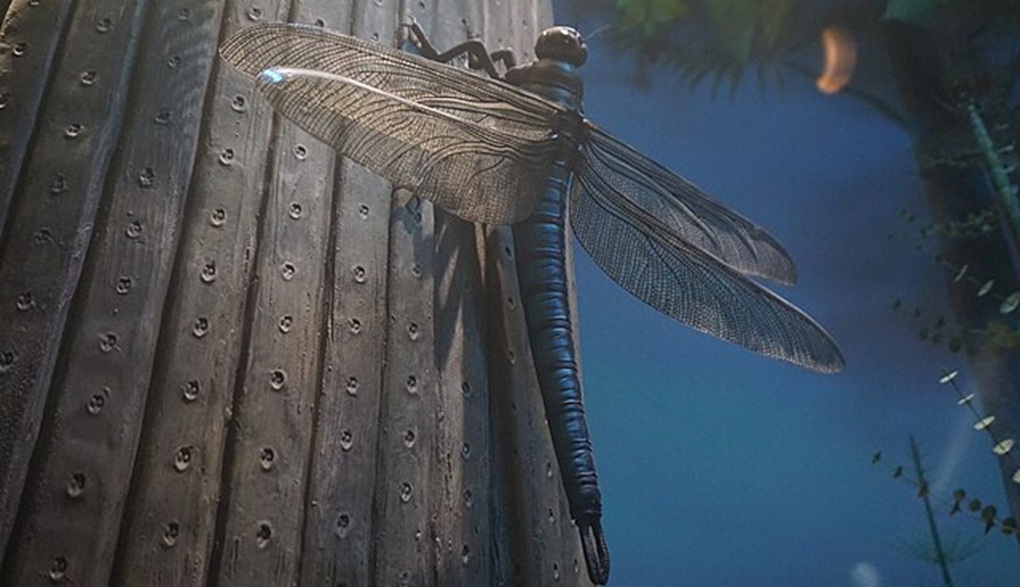
The Mesozoic Era was a time of significant refinement in insect flight capabilities, building upon the revolutionary adaptation that had evolved millions of years earlier. Fossil evidence shows remarkable specialization in wing structures across different insect groups during this time, with some developing the ability to fold their wings flat against their bodies when not in flight—a crucial adaptation still seen in many modern insects. Dragonflies during the Mesozoic already possessed the remarkable four-winged design that allowed for exceptional aerial maneuverability, enabling them to be effective predators. The development of various wing coupling mechanisms in Hymenoptera and other orders represented another significant innovation, effectively converting two pairs of wings into a single aerodynamic surface during flight. These flight adaptations opened up new ecological niches, allowing insects to exploit aerial environments for feeding, mating, migration, and predator avoidance in ways that fundamentally shaped their evolutionary trajectory and ecological significance throughout the Mesozoic ecosystem.
The Rise of Pollination Relationships
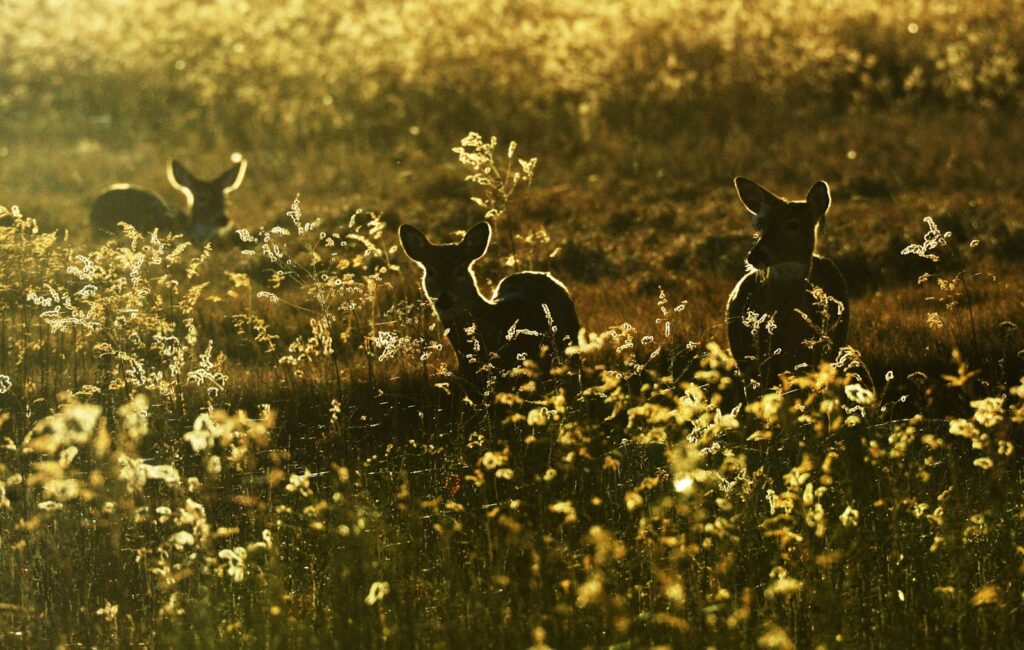
The Mesozoic Era marked a pivotal chapter in the evolution of plant-insect mutualisms, particularly with the rise of pollination relationships that would fundamentally reshape Earth’s ecosystems. Early insect pollination likely began with insects visiting gymnosperm plants (like conifers) to feed on pollen, inadvertently transferring pollen between plants. The true revolution, however, came with the emergence of flowering plants (angiosperms) during the Early Cretaceous period around 125 million years ago. This botanical innovation created new opportunities for specialized insect-plant interactions. Fossil evidence reveals early moths and beetles with adaptations suggesting they visited flowers, while primitive bees likely evolved during this period, beginning their long evolutionary journey as specialized pollinators. These relationships represented a remarkable example of coevolution, where plants developed attractive flowers, nectar, and scent to entice insect visitors, while insects evolved specialized body structures to collect pollen and nectar efficiently. This mutual dependency accelerated both angiosperm diversity and insect specialization, creating a powerful evolutionary feedback loop that continues to shape our modern world.
Insect Giants of the Mesozoic
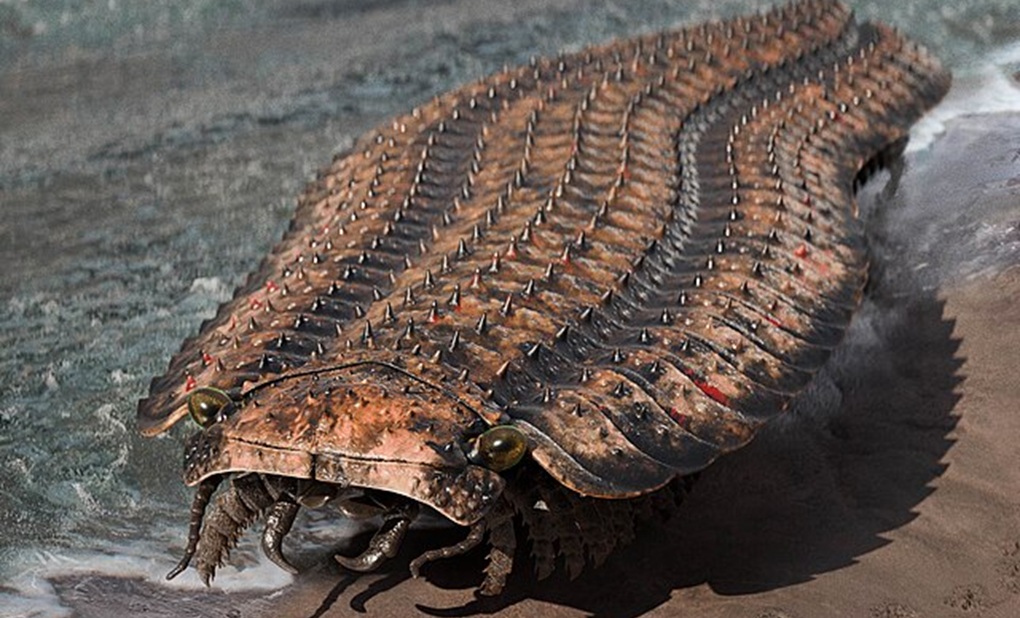
While the Paleozoic Era is best known for its truly gigantic insects, including the famous Meganeura with its 75-centimeter wingspan, some impressively large insects still thrived during parts of the Mesozoic. Fossil evidence reveals dragonfly species from the early Mesozoic with wingspans approaching 40 centimeters, significantly larger than most modern dragonflies. These Mesozoic giants represented the final chapter of insect gigantism, a phenomenon scientists believe was supported by higher atmospheric oxygen levels in earlier periods. As oxygen levels stabilized and new vertebrate predators emerged, selection pressure gradually favored smaller insect body sizes. Another factor in the decline of insect giants was the evolution of birds during the Jurassic period, introducing highly maneuverable aerial predators specialized in catching insects. Despite this general trend toward size reduction, the Mesozoic still supported some impressively large insects compared to modern standards, serving as an evolutionary bridge between the age of true arthropod giants and the more modestly-sized insects that would predominate after the Cretaceous-Paleogene extinction event.
Aquatic Insect Ecology
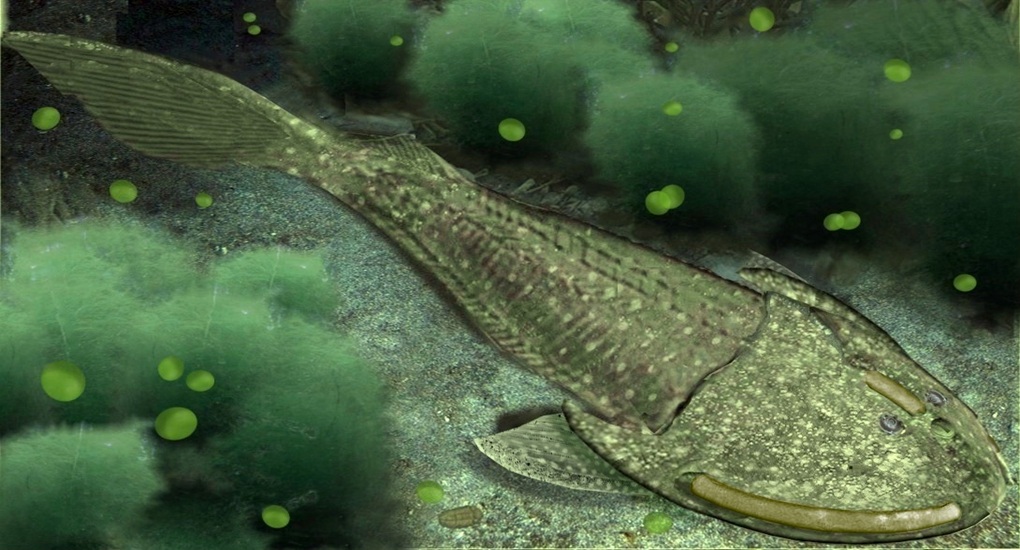
Mesozoic freshwater ecosystems were teeming with insect life that played crucial roles in nutrient cycling and food webs. Many modern aquatic insect orders had already established themselves, including mayflies, dragonflies, and various true bugs. These insects occupied various niches within aquatic systems, from predators like giant dragonfly nymphs that hunted other invertebrates and small vertebrates, to detritivores that processed decaying organic matter. Fossil evidence shows remarkable preservation of some aquatic insect larvae, revealing morphological adaptations similar to those seen in modern forms, including specialized breathing apparatus for extracting oxygen from water. The Mesozoic also saw the continued development of complex life cycles in these insects, with aquatic larval stages and terrestrial adult forms—a strategy that allowed them to exploit resources in multiple environments. This ecological versatility contributed to their survival through environmental changes and likely helped some lineages persist through the end-Cretaceous mass extinction. Mesozoic aquatic insects served as important links in food chains, connecting primary production to higher trophic levels and participating in the cycling of nutrients between aquatic and terrestrial realms.
Social Insects: Early Colonies
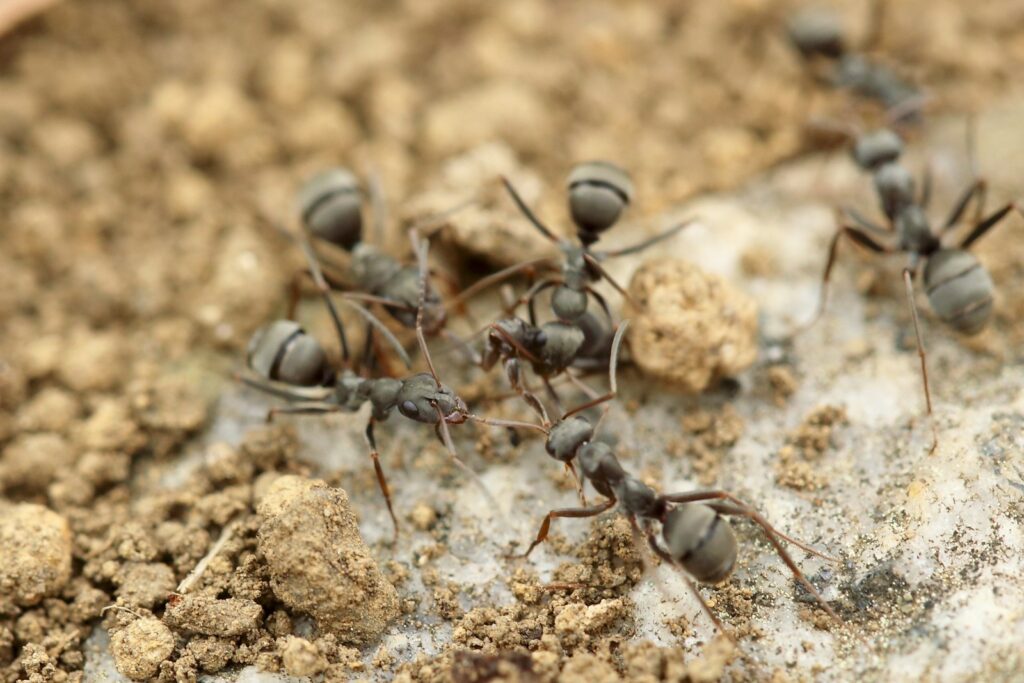
The Mesozoic Era witnessed a crucial chapter in the evolution of social insects, with evidence suggesting the earliest eusocial insect colonies were becoming established during this time. Recent fossil discoveries and molecular clock analyses indicate that primitive termites had evolved by the Early Cretaceous period, with some researchers suggesting they may have appeared even earlier in the Jurassic. These early termites likely developed from wood-eating cockroach ancestors, gradually evolving the complex social structures and symbiotic relationships with gut microorganisms that would become their hallmark. Similarly, the first social Hymenoptera (the order containing ants, bees, and wasps) were beginning to emerge during the Mesozoic. The oldest definitive ant fossils date to the mid-Cretaceous period, around 100 million years ago, though molecular evidence suggests their lineage may have originated earlier. These early social insects had not yet achieved the complex, populous colonies seen in modern species, but they had already begun developing the division of labor and cooperative brood care that defines eusociality. The evolution of these social structures represented a major ecological innovation that would eventually allow these insects to become extraordinarily successful and ecologically dominant in many terrestrial ecosystems.
Insects as Dinosaur Food
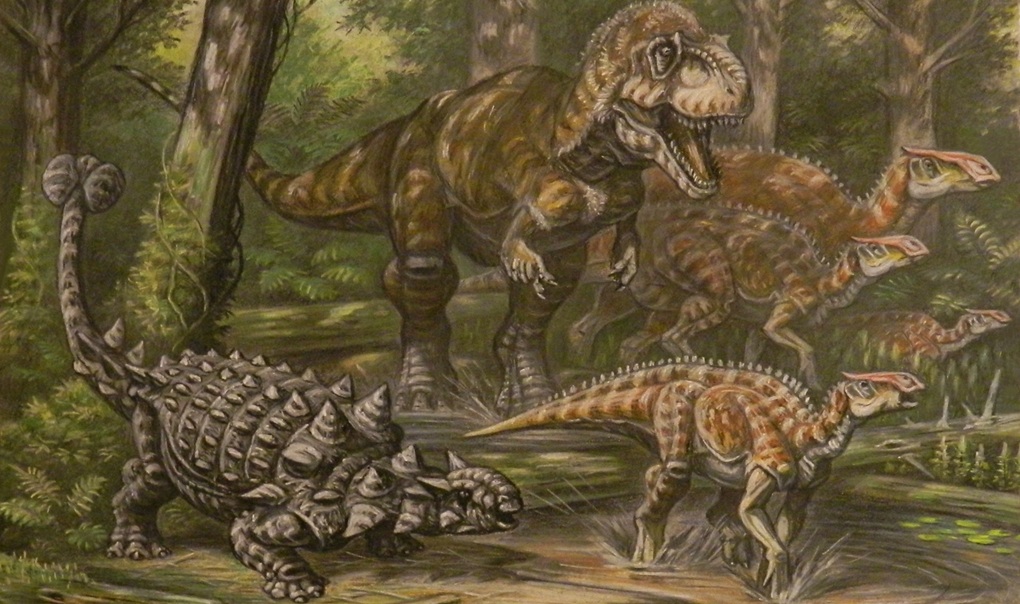
Insects served as a crucial protein source in the complex food webs of Mesozoic ecosystems, particularly for smaller vertebrates including many dinosaur species. Fossil evidence from exceptionally preserved specimens has revealed the stomach contents of several small theropod dinosaurs, confirming that insects were indeed part of their diet. The famous feathered dinosaur Microraptor, for instance, has been found with preserved remains of insects in its digestive tract. Many small, agile dinosaurs likely specialized in catching insects, using their sharp vision and quick reflexes to capture these nutritious morsels. The evolution of avian dinosaurs, which would eventually give rise to modern birds, was particularly intertwined with insect predation. Early birds like Archaeopteryx and Confuciusornis almost certainly included insects in their diet, establishing the insectivorous feeding patterns still observed in many bird lineages today. This predator-prey relationship created evolutionary pressure on insects, potentially driving the development of various defensive strategies including cryptic coloration, chemical defenses, and evasive flight patterns. The abundance of insects thus supported diverse vertebrate communities and influenced the evolution of feeding strategies and sensory capabilities in many dinosaur lineages throughout the Mesozoic Era.
Amber: Windows to the Mesozoic Insect World

Amber deposits from the Mesozoic Era provide unparalleled glimpses into the insect world of this distant time, preserving specimens with extraordinary fidelity that would otherwise be lost to decomposition. These golden time capsules form when tree resin traps insects and other small organisms before hardening into amber over millions of years, preserving even the most delicate structures in three-dimensional detail. Cretaceous amber deposits from locations like Myanmar (Burma), Lebanon, Spain, and New Jersey have yielded thousands of insect specimens, some belonging to extinct lineages while others appear remarkably similar to their modern descendants. These fossils reveal not just morphological details but also behaviors and ecological relationships frozen in time—insects caught in the act of pollinating flowers, carrying prey, or even mating. Perhaps most remarkably, amber has preserved genetic material and cellular structures in some specimens, allowing scientists to study the molecular biology of insects that lived alongside dinosaurs. In recent years, advanced imaging techniques like micro-CT scanning have enabled researchers to examine amber-encased insects in unprecedented detail without damaging these precious specimens, continuing to reveal new insights about Mesozoic insect diversity, anatomy, and evolution.
Insect Defenses in a Dinosaur World

Surviving in a world dominated by dinosaurs and other predators required Mesozoic insects to evolve sophisticated defensive strategies that many of their descendants still employ today. Chemical defenses were likely well-established during this era, with insects producing toxic or distasteful compounds to deter predators. Fossil evidence from amber occasionally preserves defensive postures, suggesting that behaviors like thanatosis (playing dead) and startle displays were already part of the insect defensive repertoire. Mesozoic insects also employed physical defenses, including tough exoskeletons, spines, and mimicry of inedible objects like plant parts. The evolution of warning coloration (aposematism) probably emerged during this time as well, with brightly colored insects advertising their toxicity to potential predators. Flight itself remained one of the most effective defensive adaptations, allowing insects to quickly escape danger, while some ground-dwelling species developed impressive jumping abilities. Nocturnal activity patterns likely evolved in many insect lineages as a means to avoid daytime predators, particularly visually-oriented dinosaurs and early birds. These diverse defensive strategies contributed significantly to insect survival through the Mesozoic, allowing them to persist and diversify despite sharing their world with formidable predators ranging from small insectivorous mammals to specialized dinosaur insectivores.
Bloodsuckers and Parasites
The Mesozoic Era saw the evolution and diversification of blood-feeding and parasitic insects that may have targeted dinosaurs and other vertebrates of the time. Fossil evidence from Cretaceous amber has revealed primitive mosquitoes and biting midges that possess specialized mouthparts designed for piercing skin and extracting blood, suggesting these hematophagous lifestyles were already well-established. Some researchers have even proposed that certain blood-feeding insects might have played roles similar to modern mosquitoes as disease vectors in Mesozoic ecosystems, potentially transmitting blood-borne pathogens between dinosaur hosts. Beyond blood-feeders, true parasitic relationships had also evolved, with evidence of early fleas found in Jurassic and Cretaceous deposits showing adaptations for attaching to hosts and feeding on their blood. These ancient fleas differed from modern forms, generally being larger and possessing longer, saw-like mouthparts rather than the specialized jumping legs seen in present-day species. Similarly, lice-like insects likely evolved during this period, though their delicate bodies rarely fossilize well. The evolution of these parasitic relationships would have created new selective pressures on host animals, potentially driving behavioral adaptations like grooming and bathing activities in various dinosaur lineages, demonstrating the ecological ripple effects that even tiny insects could have in Mesozoic food webs.
Insect Survival Through Mass Extinctions

Insects demonstrated remarkable resilience through the mass extinction events that punctuated the Mesozoic Era, particularly the end-Cretaceous (K-Pg) extinction that claimed the non-avian dinosaurs 66 million years ago. While this catastrophic event caused significant insect extinctions, with some estimates suggesting 40% of insect families disappeared, their overall survival rate far exceeded that of larger animals. Several biological and ecological factors contributed to insect resilience. Their small body size allowed them to utilize microhabitats like soil, leaf litter, and burrows that offered protection from extreme environmental conditions. Many insects possessed life cycles with resistant dormant stages—eggs or pupae that could weather hostile periods. Dietary flexibility also proved advantageous, with omnivorous insects able to switch food sources when certain plants disappeared. Additionally, their short generation times allowed for rapid population recovery and adaptive evolution in response to changed conditions. Evidence suggests that insect groups closely tied to extinct plant species suffered most severely, while generalists and detritivores fared better. Freshwater insect communities showed particularly strong survival, with aquatic habitats seemingly buffered from some extinction pressures. This differential survival through extinction events shaped the composition of post-Mesozoic insect communities and influenced the evolutionary trajectory of surviving lineages, establishing patterns of insect dominance that would characterize the Cenozoic Era.
The Legacy of Mesozoic Insects
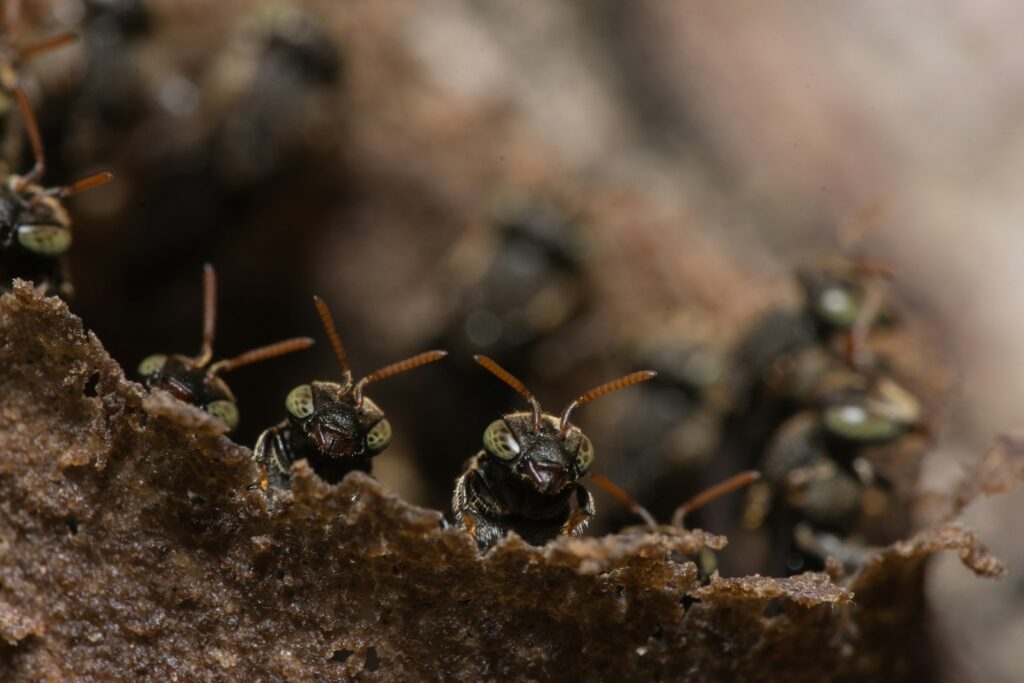
The evolutionary innovations of Mesozoic insects laid the groundwork for the insect-dominated world we inhabit today, establishing ecological relationships and biological adaptations that continue to shape Earth’s ecosystems. The coevolution between insects and flowering plants that accelerated during the Cretaceous created interdependencies that remain fundamental to terrestrial food webs and agricultural systems worldwide. Many insect families and genera that first appeared during the Mesozoic survive with relatively little morphological change, representing evolutionary success stories that have withstood the test of time across millions of years. The social systems pioneered by early ants and termites in the Mesozoic eventually developed into the complex superorganisms that now dominate many ecosystems and represent some of the most successful life strategies on the planet. Pollination relationships established during this era underpin global biodiversity and agricultural productivity, with approximately 75% of modern crop species depending to some degree on insect pollination. Modern research on Mesozoic insects continues to yield insights relevant to contemporary challenges, from understanding evolutionary responses to climate change to discovering novel biochemical compounds with potential applications in medicine and industry. By studying these ancient insects, scientists gain perspective on the remarkable adaptability that has allowed these tiny creatures to persist through planetary catastrophes and continue their outsized ecological influence over hundreds of millions of years.
Conclusion
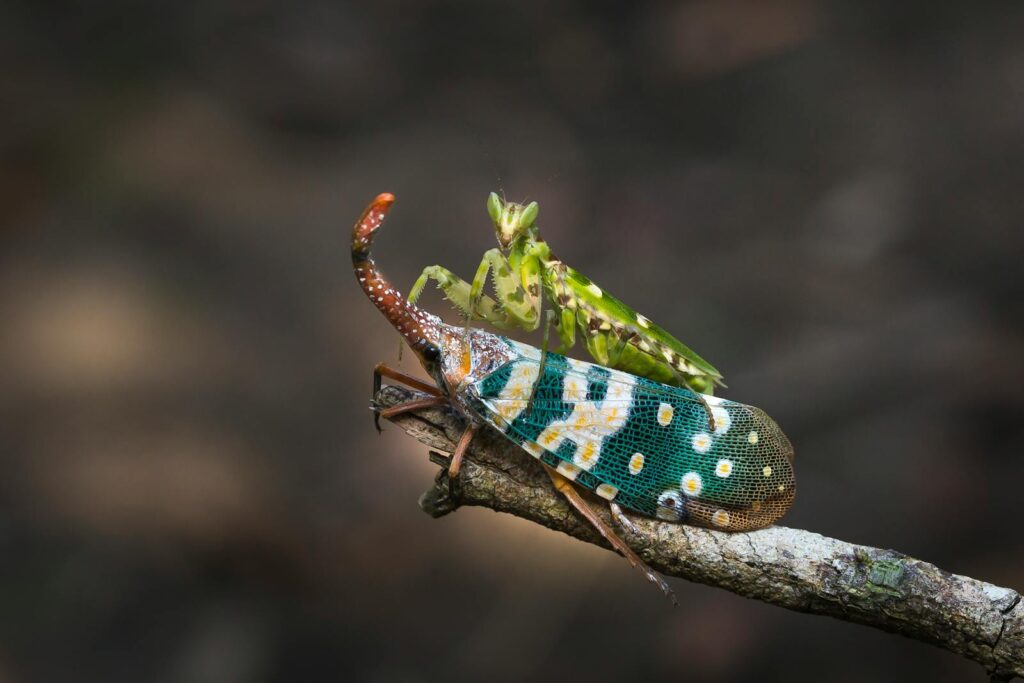
The story of Mesozoic insects reminds us that ecological significance is not always proportional to size. Though often overshadowed by their charismatic dinosaur contemporaries, insects were evolutionary innovators whose activities helped shape the world of the Mesozoic and beyond. Their tiny wings carried them through mass extinctions that claimed much larger creatures, and the ecological roles they pioneered continue to sustain Earth’s ecosystems today. As we face modern environmental challenges, the resilience and adaptability demonstrated by insects throughout deep time may offer valuable lessons and inspiration. The legacy of these small but mighty Mesozoic creatures lives on in every garden, forest, and field where insects continue their essential work as pollinators, decomposers, predators, and prey—tiny wings still playing outsized roles in the functioning of our living planet.