
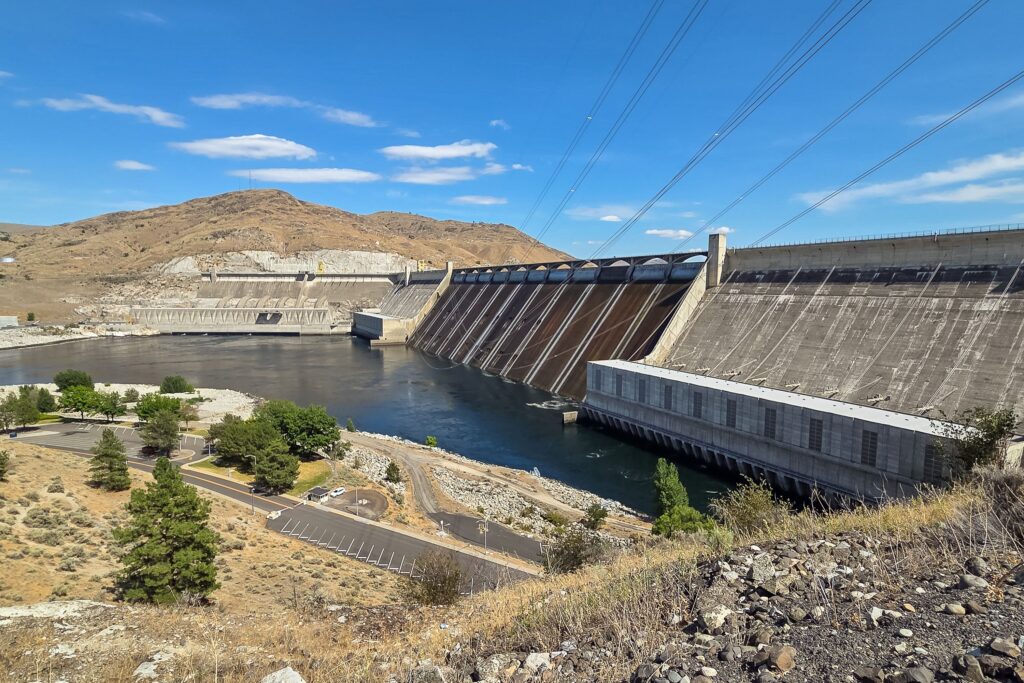
Somewhere in your state, right now, there’s a wall of concrete or packed earth standing between a lake and a town – and federal inspectors have already decided that if it breaks, people could die.
That’s not fear-mongering. That’s the literal definition of “high hazard potential,” and more than 2,500 dams across the country carry that label while also being rated “poor” or “unsatisfactory” in condition. Most drivers pass within a mile of one every week without knowing it’s there.
Engineers write the reports. States keep the files. And still, almost nothing changes until water starts pouring where it shouldn’t. Here are 12 dams that show exactly how this quiet crisis plays out – and what happens when the warnings get ignored.
#1 – Rapidan Dam, Minnesota
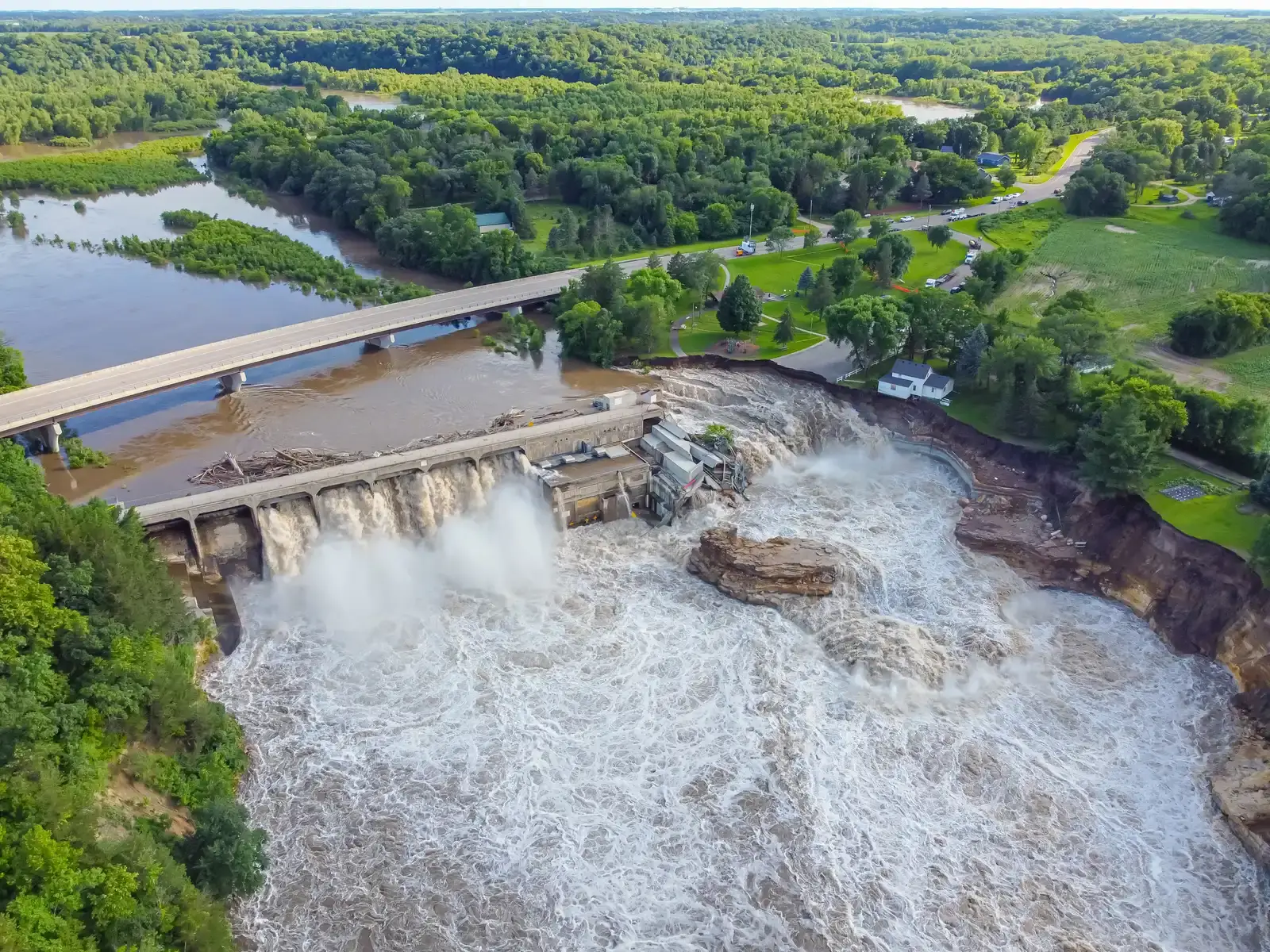
A century-old dam that engineers flagged for repair years before it finally gave way. The Rapidan Dam has become the poster child for America’s crumbling dam infrastructure, and its story shows exactly how slowly the system moves even after problems are identified.
Built in 1910, Rapidan went through repeated rounds of repairs starting in 2002 and wasn’t formally downgraded to “poor condition” until 2023 – more than two decades after engineers first started patching it. In 2021, a report estimated repairs would cost more than $15 million, on top of the $6 million already spent since 2002.
That’s over $21 million poured into a dam that was still rated poor. It’s the uncomfortable truth about dam repair in America: money gets spent, but it rarely catches up to the deterioration underneath.
Worth Knowing
- Built in 1910 – over a century of continuous use
- Repairs began in 2002, decades before the dam finally failed
- Downgraded to “poor condition” in 2023
- More than $21 million spent on repairs that still weren’t enough
#2 – Conowingo Dam, Maryland
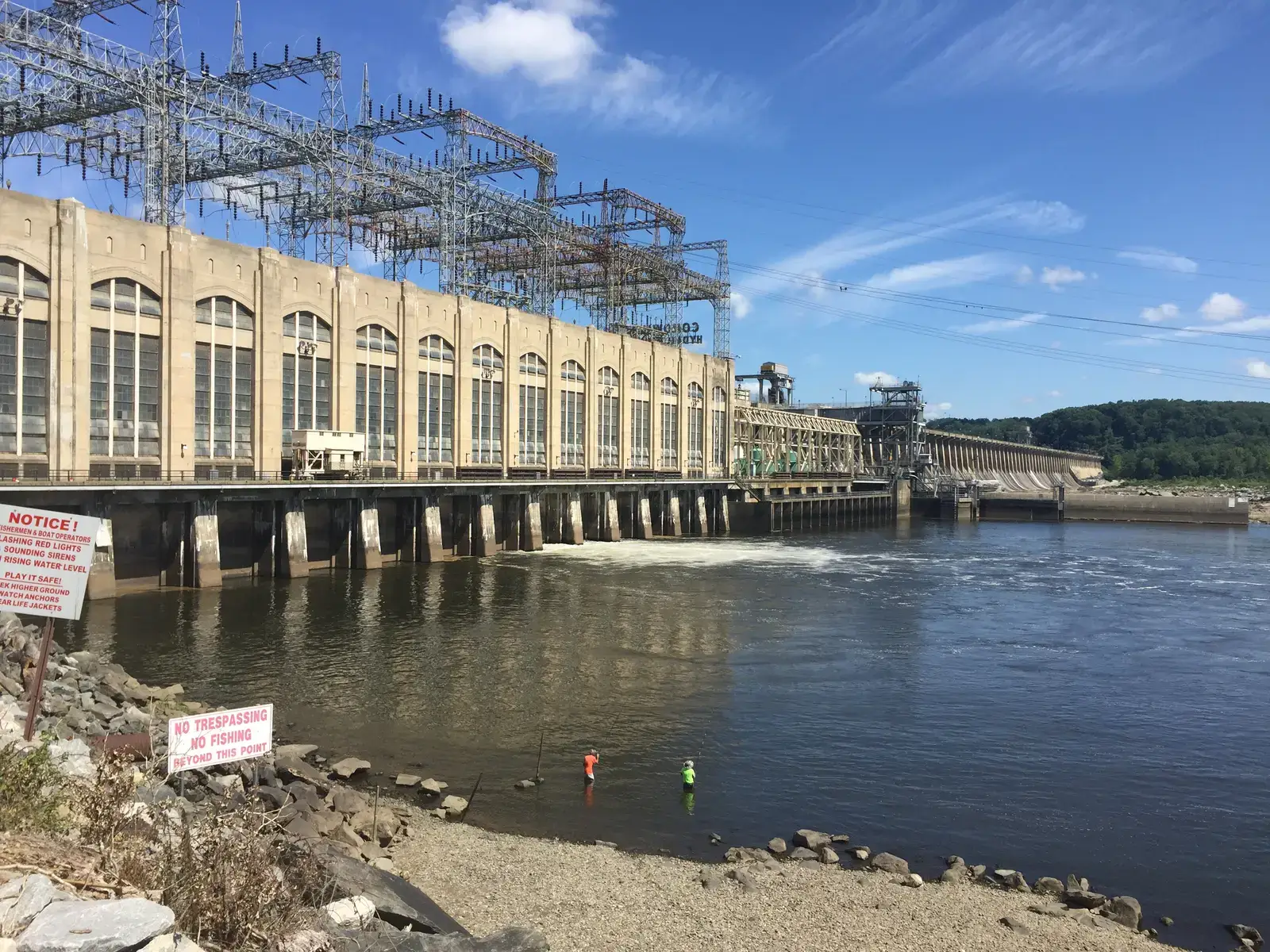
One of the largest hydropower dams on the East Coast is also officially classified as high-hazard. Most people assume a dam this massive, this visible, and this economically important would be in flawless shape. It isn’t.
Nearly 17,000 U.S. dams carry a high-hazard classification, including Conowingo, built on Maryland’s Lower Susquehanna River in 1928. It can generate up to 572 megawatts of electricity and remains the state’s largest source of renewable power.
That number makes Conowingo one of the most important energy assets in the region – and it means a huge downstream population depends on a nearly century-old structure holding steady. High-hazard doesn’t automatically mean broken, but it does mean regulators have concluded a failure here would cost lives. Some of the country’s most critical energy infrastructure is running on engineering decisions made before the Great Depression.
#3 – Edenville Dam, Michigan
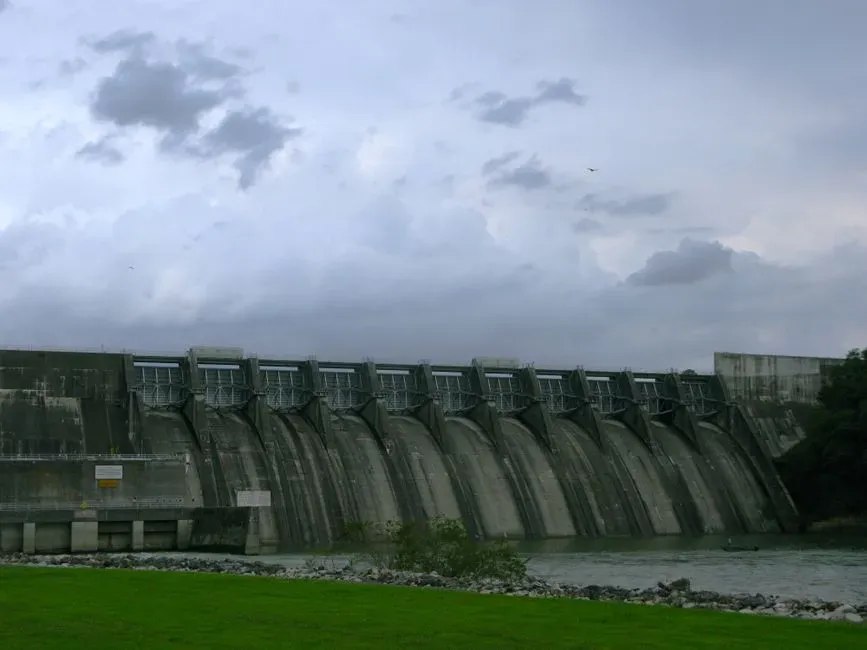
This dam had already been rated unsatisfactory two years before it actually collapsed. If you want the clearest example of what happens when warnings get ignored, this is it.
Built in 1924, Edenville was rated unsatisfactory in 2018 and lost its federal hydropower license over several issues, including a spillway that couldn’t handle a severe flood. Two years later, the warning came true.
In 2020, heavy rainfall pushed the Tittabawassee River past its limits. Edenville failed, sent a wall of water downstream, and triggered the failure of Sanford Dam, damaging two other dams and forcing more than 10,000 people to evacuate.
A structure known to be unsatisfactory sat there for two more years before nature made the decision regulators wouldn’t. It’s the exact pattern dam safety experts fear most: known problems, slow funding, and a flood that exposes everything nobody fixed in time.
#4 – Sanford Dam, Michigan
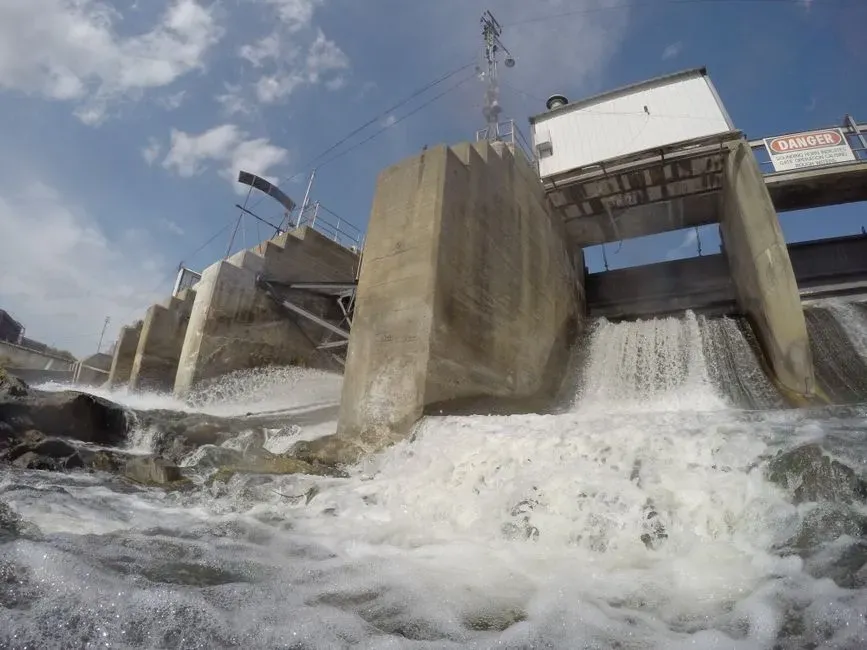
A dam with a decent safety record failed simply because the dam upstream gave out first. This is the part of the Michigan disaster most people miss.
Sanford wasn’t the worst-rated dam in the state. Its collapse came as a direct consequence of Edenville’s rupture, which sent a torrent down the Tittabawassee River that Sanford was never built to absorb in one surge.
Most people assume every dam stands alone as its own risk category. Many engineers now argue the bigger, underappreciated threat is the domino effect – one failure overwhelming the next dam in line, especially on rivers where multiple aging structures sit stacked one after another. Michigan’s response included a massive funding push, but the damage – and the lesson – was already done.
#5 – Van Stone Pit Lake Dam, Washington
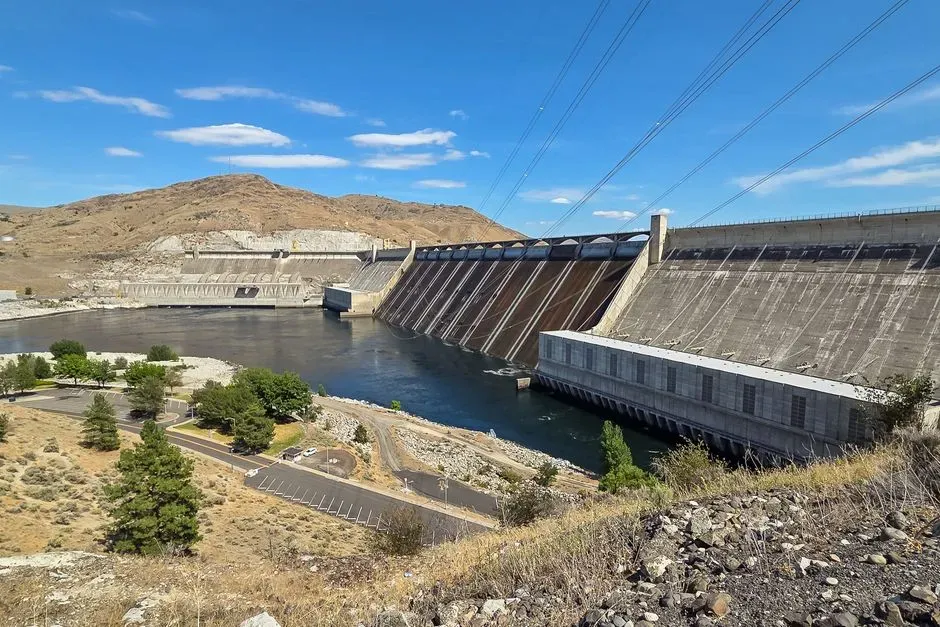
A small earthen dam quietly became one of the worst-rated structures in the entire state. Nobody expects a former timber company property to end up on a federal danger list, but that’s exactly what happened here.
When inspected in 2016, Van Stone Pit Lake Dam was the only high-hazard dam in Washington rated unsatisfactory and in need of immediate repair – the worst category on the books. The land beneath it used to belong to a timber company before the county foreclosed on it for unpaid taxes.
That means nobody with deep enough pockets to fund real repairs actually owns it anymore. It’s now listed among 50 high-hazard dams in the state rated poor condition – a slight improvement on paper, but still deeply concerning. Ownership disputes like this are far more common than people realize, and they’re often the actual reason a dangerous dam never gets fixed.
#6 – Spencer Dam, Nebraska
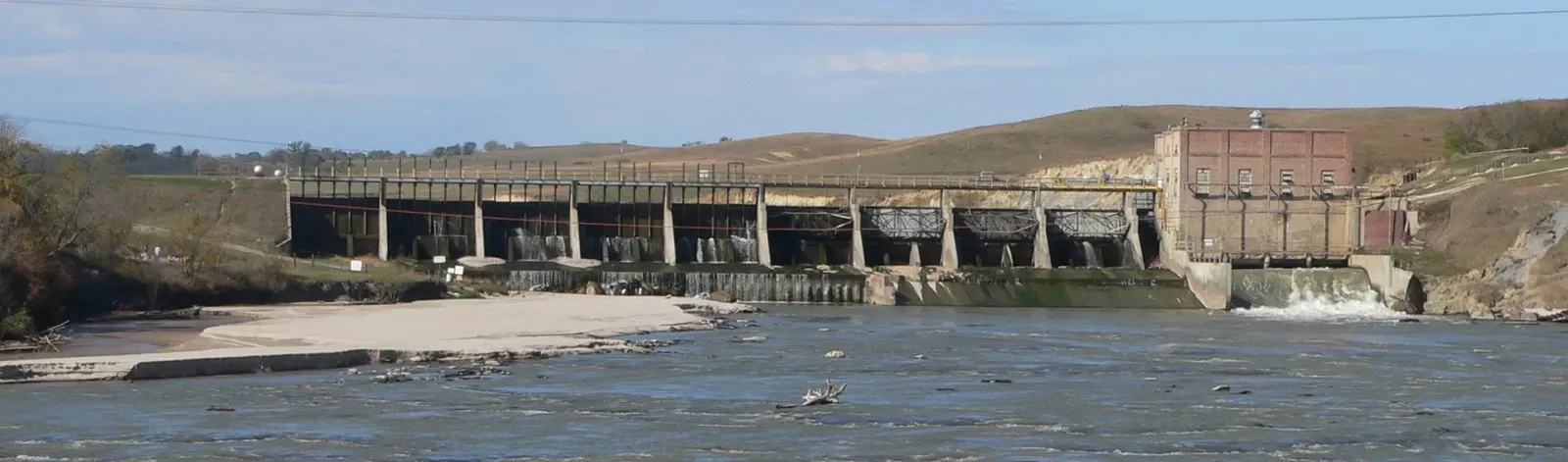
Inspectors rated this dam “good” or “fair” less than a year before it killed someone. This case terrifies dam safety officials more than almost any other on this list, because the paperwork looked fine right up until it didn’t.
The 92-year-old Spencer Dam gave way after an unusually intense snow and rainstorm. Two electric utility workers tried and failed to free the frozen wooden spillway gates before warning a nearby resident to flee. He didn’t make it out in time.
Both aging dams involved had been described by state inspectors as “good” or “fair” less than a year earlier. That’s the mistake nobody talks about: a condition rating is a snapshot, not a guarantee. A dam rated fine today can be overwhelmed by one extreme storm tomorrow, especially when spillway gates freeze under pressure they were never designed to handle.
#7 – Oroville Dam, California
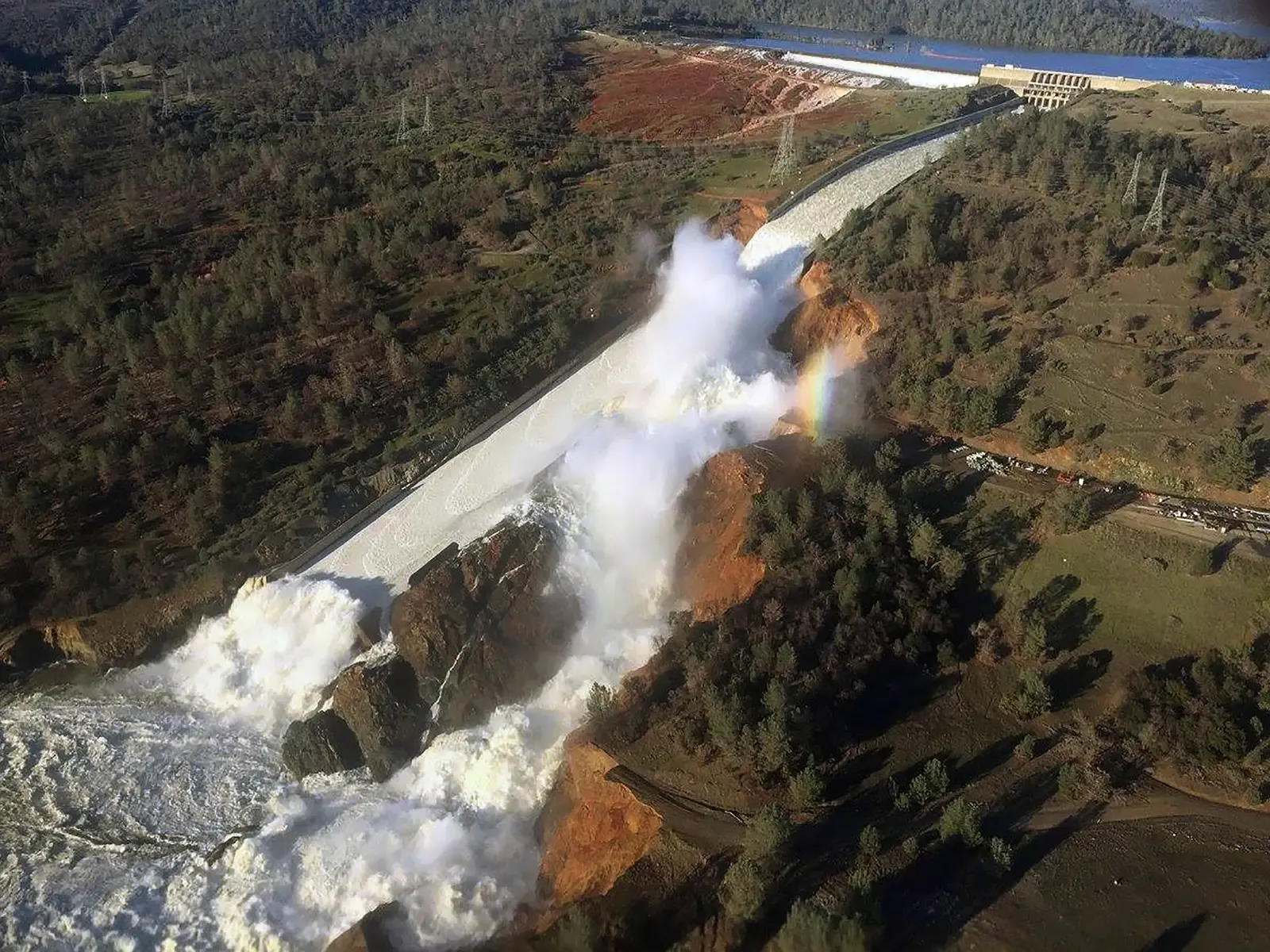
The tallest dam in America nearly failed at its spillway, forcing 188,000 people to flee overnight. If Rapidan is the slow-motion warning story, Oroville is the fast-moving nightmare.
The 2017 failure of Oroville’s spillway made national headlines and exposed just how fragile even America’s most famous dams can be. This wasn’t some obscure rural structure – Oroville is one of the tallest dams in the country, feeding water to millions of Californians.
The spillway failure revealed erosion problems that had gone unnoticed for years. The emergency evacuation that followed became a national wake-up call, and it took a near-catastrophe at one of the country’s most iconic dams to finally justify billions in infrastructure spending that engineers had been requesting for years.
At a Glance
- Spillway failure occurred in 2017
- About 188,000 residents were ordered to evacuate
- Oroville stands among the tallest dams in the United States
- Erosion beneath the spillway had gone undetected for years
#8 – Harrower Pond Dam, New York
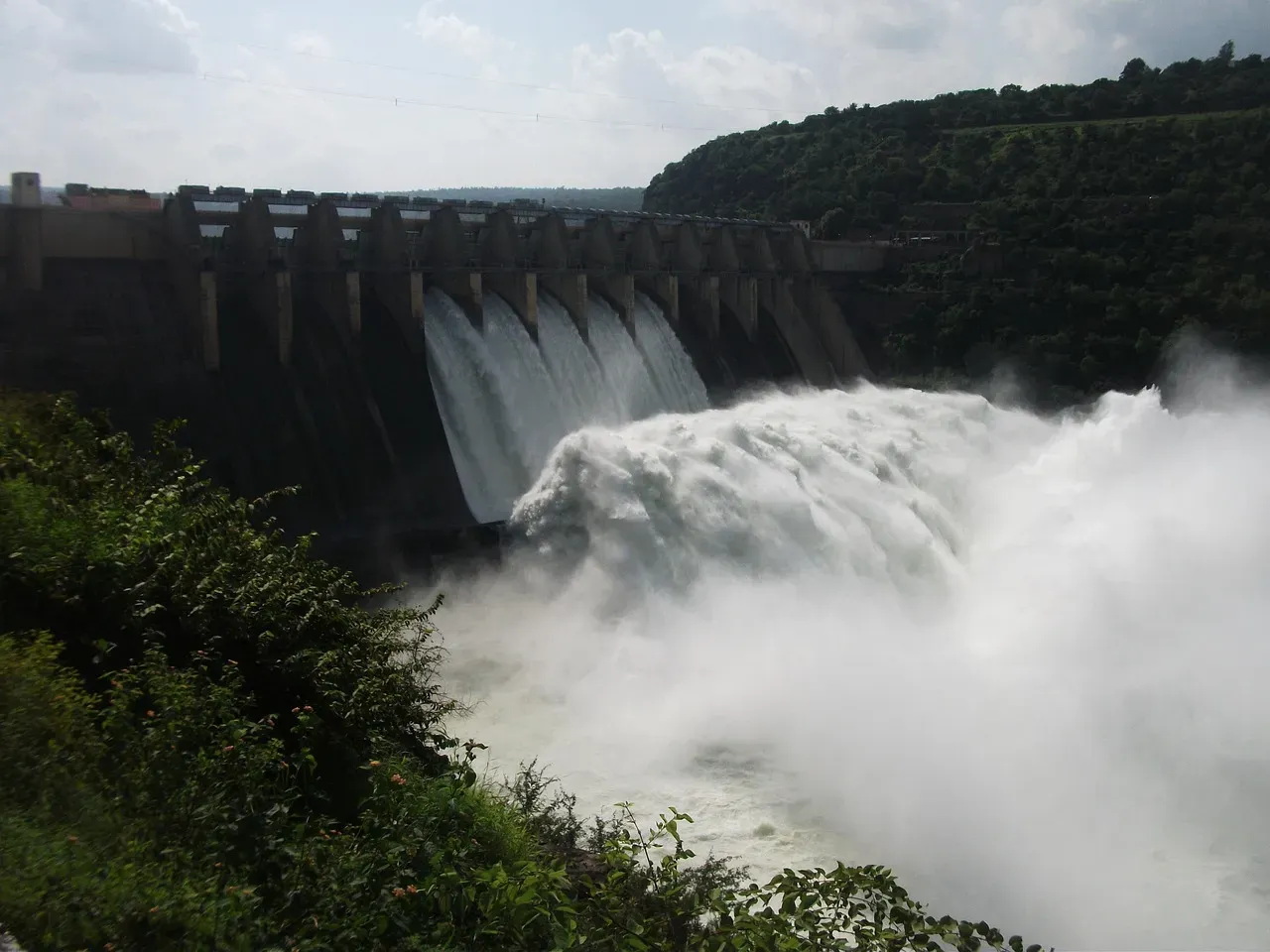
A small pond dam in upstate New York made it into a national federal review of troubled dams. This one matters not because it’s massive, but because of what it represents – thousands of small, overlooked structures just like it.
A federal review of inspection reports from 44 states found 1,688 high-hazard dams rated poor or unsatisfactory as of 2018. Harrower Pond Dam in Amsterdam, New York was among the structures flagged.
One of the most common failure points for aging dams is a spillway that can’t handle extreme rainfall – water that can’t escape fast enough simply flows over the top, accelerating erosion until the structure gives way. Harrower Pond isn’t a household name, and that’s exactly the point. Most of the country’s 2,500 high-hazard, poor-condition dams are small, local, and completely unknown to the people living nearby.
#9 – Rocky Fork Lake Dam, Ohio
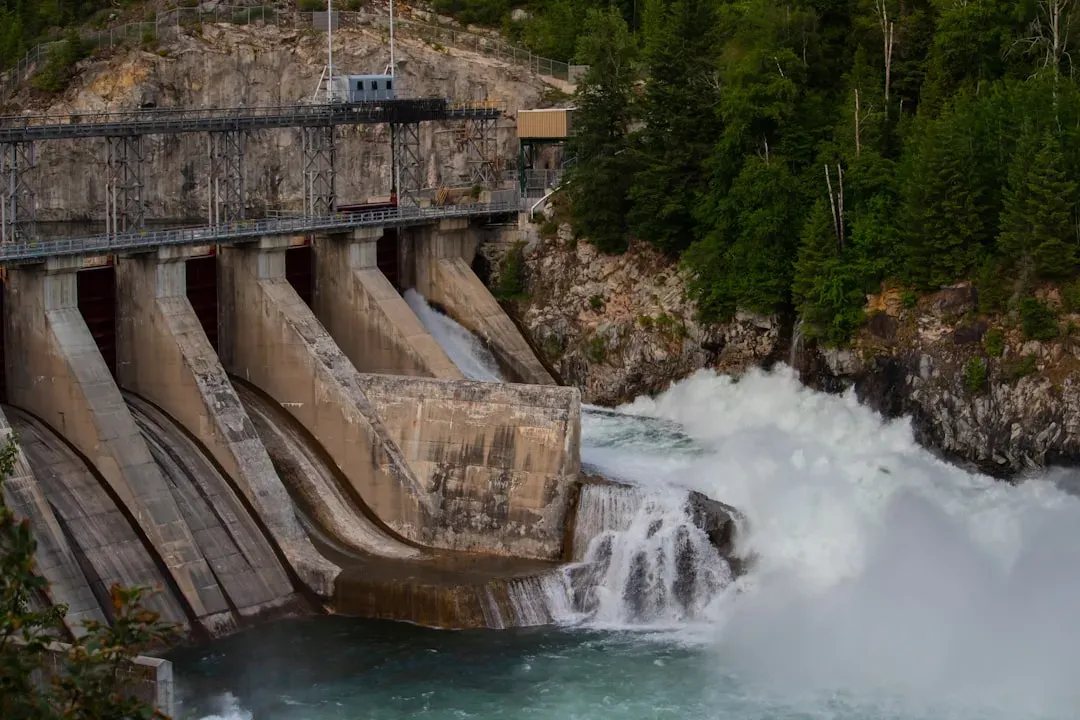
Ohio has more high-hazard dams than almost any other state in the Midwest, and this one made the poor-condition list. Ohio’s numbers alone should raise eyebrows.
The state has 425 high-hazard dams, and among those rated poor are Marge Schott Lake Dam, Apple Valley Lake Dam, Barnesville Reservoir No. 3, and Rocky Fork Lake Dam. Rocky Fork happens to be one of Ohio’s most popular recreational lakes.
That means this rating isn’t just an abstract engineering concern – it’s a lake full of boaters, anglers, and lakeside homeowners sitting downstream of a structure with documented deficiencies. Most people assume poor-condition dams are remote and forgotten. Plenty of them sit directly beneath thriving communities and tourist destinations instead.
#10 – West Fork Kickapoo Dam #1, Wisconsin
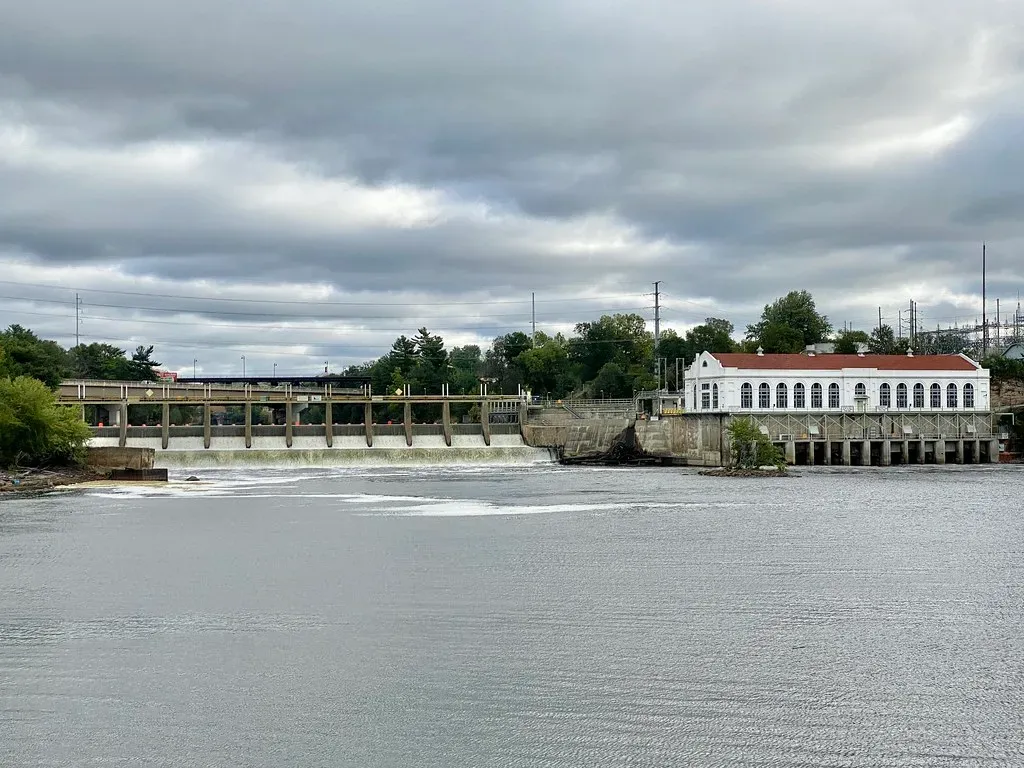
This dam sits on a list of structures assessed as an “immediate threat” – a category even more serious than poor condition. Wisconsin’s dam safety data reveals a tier most people don’t even know exists.
The state’s inventory lists West Fork Kickapoo Dam #1, Mlsna, and Radigan as immediate threats, with Rock Falls and Rice listed separately as poor condition. Immediate threat sits one rung above poor condition, reserved for dams where regulators believe failure could happen with little to no warning.
Most media coverage lumps every troubled dam into a single bucket, but state inspectors actually use tiered severity levels for a reason. The dams sitting in that top “immediate threat” tier are the ones keeping state emergency managers up at night – far more than the broader poor-condition list that gets most of the public attention.
Quick Compare
- Immediate threat: West Fork Kickapoo Dam #1, Mlsna, Radigan – failure possible with little or no warning
- Poor condition: Rock Falls, Rice – serious deficiencies, but one tier below the top alarm level
#11 – Crystal Lake Dam, Connecticut
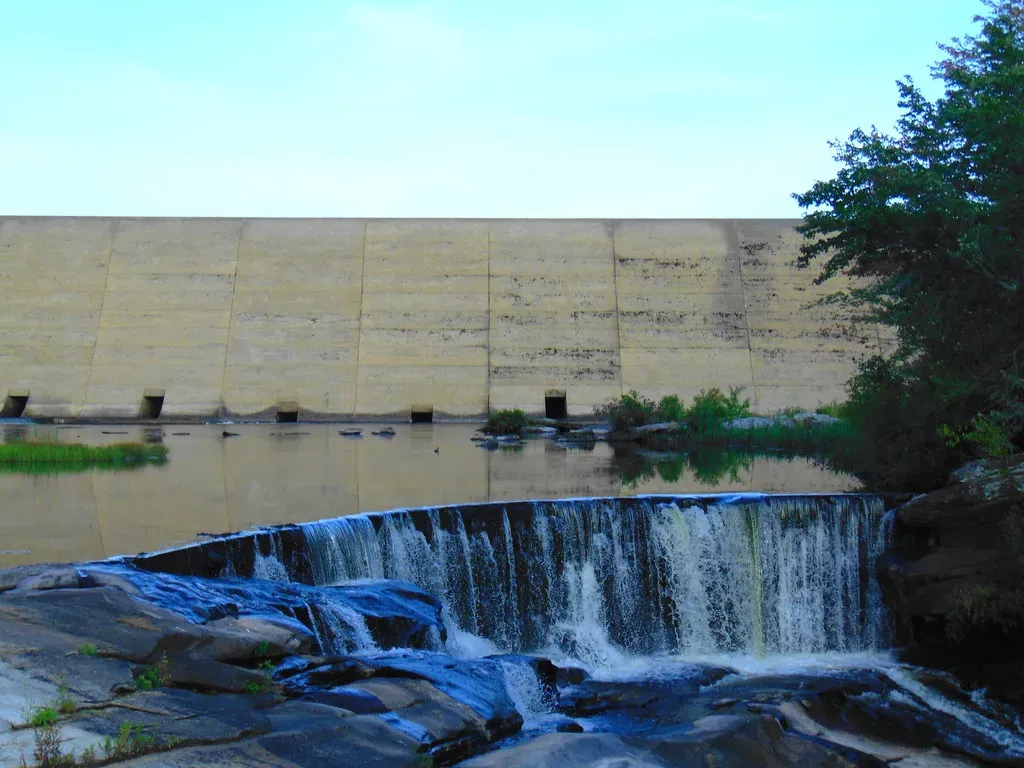
A New England state with a dense population downstream is juggling multiple poor-condition dams at once. Connecticut doesn’t have as many total dams as bigger states, but its risk density tells a different story.
Connecticut’s major poor-condition dams include Crystal Lake Dam, Hartford Reservoir #1, Peat Swamp Reservoir Dam, and Great Hill Reservoir Dam. A “poor” rating means inspectors found deficiencies that threaten the dam’s integrity even during normal operating conditions, not just during a flood.
In a compact, densely populated state, “downstream” often means someone’s backyard, not empty farmland. Some experts argue population density should weigh far more heavily in national funding formulas than it currently does, because the same rating means something entirely different next to a subdivision than it does in an unpopulated valley.
#12 – Lake Delhi Dam, Iowa
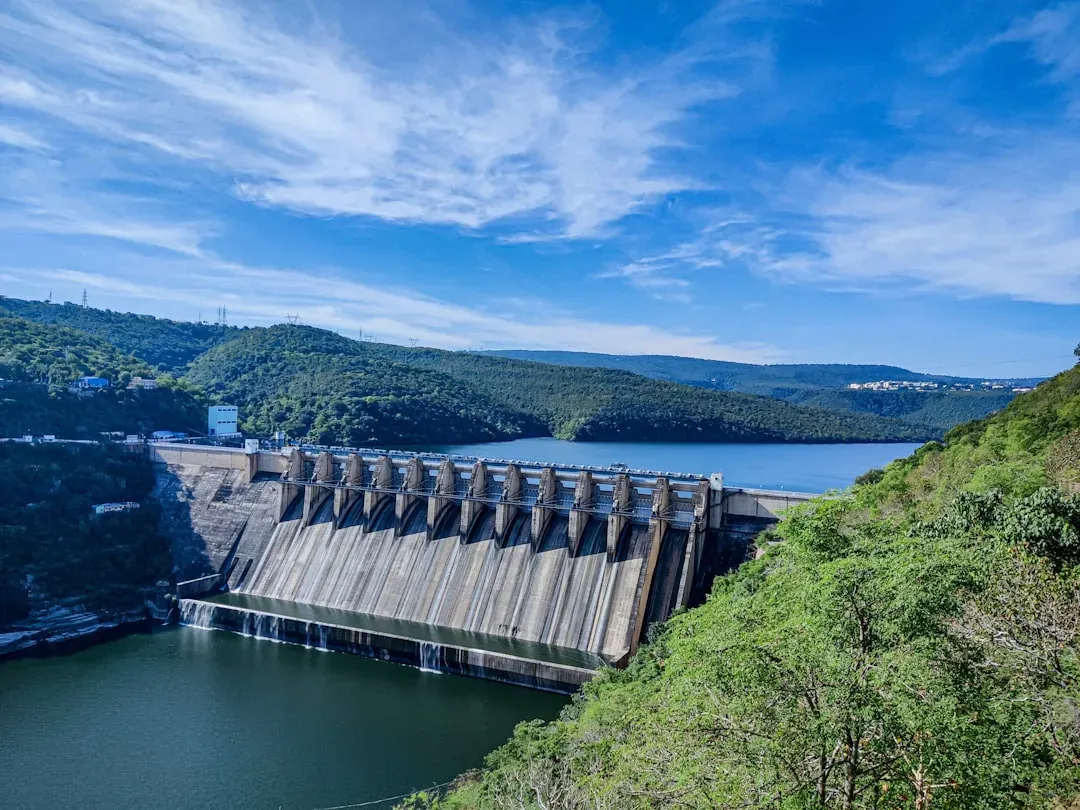
This dam actually failed in 2010, and its story still shapes how officials talk about dam risk today. Even rebuilt, Lake Delhi remains the cautionary tale every dam safety officer references.
Record rainfall overwhelmed the original structure, wiping out a beloved recreational lake community almost overnight. The rebuild took years and an enormous public investment before the reservoir could even refill.
Today, the reconstructed dam is rated “satisfactory” and sits one risk level below high-hazard, at “significant hazard.” But Lake Delhi proves something important: even a dam that gets fixed and re-rated leaves behind years of disruption, lost property value, and a community that never fully trusts the water again. That’s the part of dam failure that never shows up in a condition report.
Fast Facts
- Original dam failed in 2010 after record rainfall
- Rebuilding took years and required major public investment
- Today rated “satisfactory,” one level below high-hazard
- Current classification: “significant hazard”
The Bottom Line
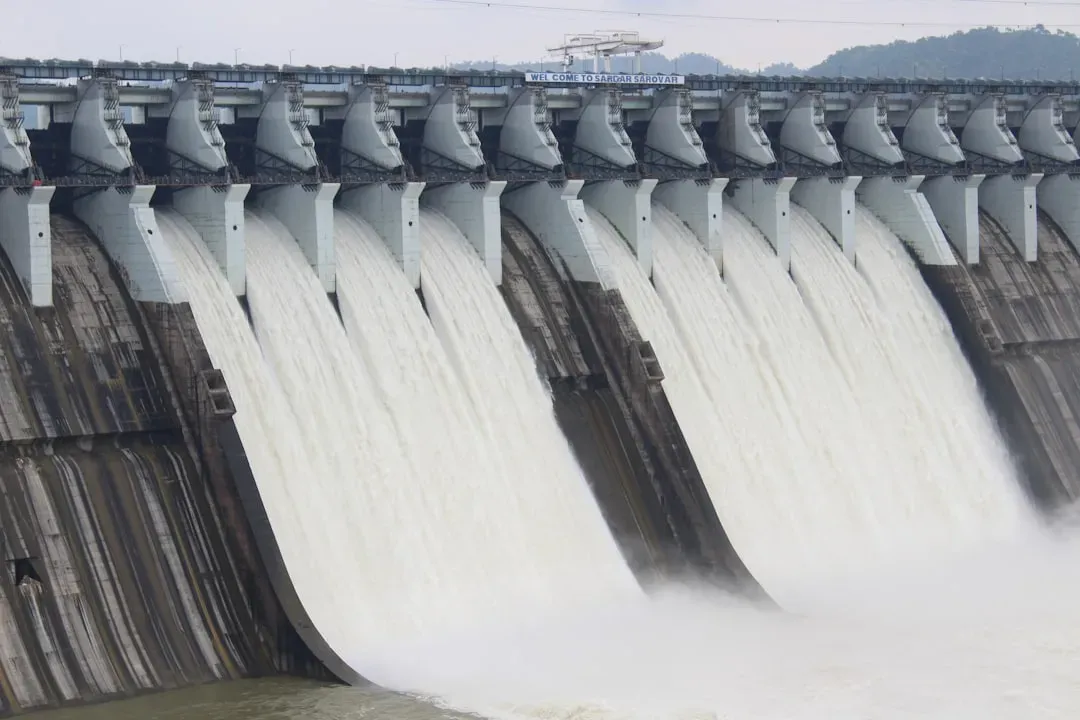
The pattern across all 12 of these dams is identical: the warnings came first, and real action came later – if it came at all. More than 2,500 high-hazard dams nationwide carry this same poor or unsatisfactory rating right now, and fixing them properly would cost tens of billions of dollars the country hasn’t fully committed to spending.
Michigan, Nebraska, California, and Iowa all learned this lesson the hard way – through evacuations, a death, and destroyed communities. Waiting for a catastrophe to unlock funding isn’t a safety strategy. It’s a failure of foresight, and it’s one we keep repeating state by state.
Do you live near one of these dams, or one just like it? Drop your state in the comments and let’s see how many of these hidden risks people actually recognize before it’s too late.