
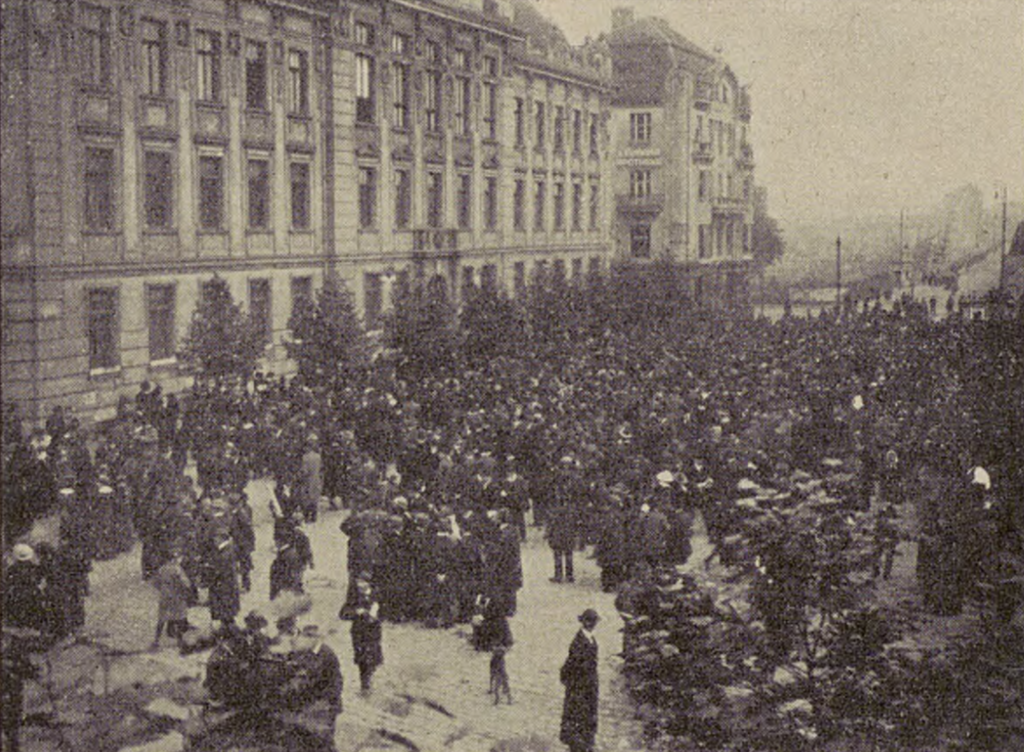
A single mountain most Americans have never heard of once reached across the planet and turned July into January. In 1815, a volcano in Indonesia erupted with such force that it dimmed the sun on the other side of the globe, froze rivers in the middle of summer, and quietly rewired the course of history in ways almost nobody connects to their real cause.
Historians call the year that followed “the last great subsistence crisis in the Western world.” Yet somehow, most people have never heard the full story – how one eruption managed to touch everything from a literary monster to a global drug trade to the bicycle sitting in your garage. Here’s what actually happened when the sky itself broke.
#1 – The Volcano That Silenced a Continent
![#1 - The Volcano That Silenced a Continent (The base map was taken from NASA picture Image:Indonesia_BMNG.png and the isopach maps were traced from Oppenheimer (2003).[1], CC BY-SA 3.0)](https://nvmwebsites-budwg5g9avh3epea.z03.azurefd.net/dinoworld/ca928bcffe20ca6bb91f721f73607751.webp)
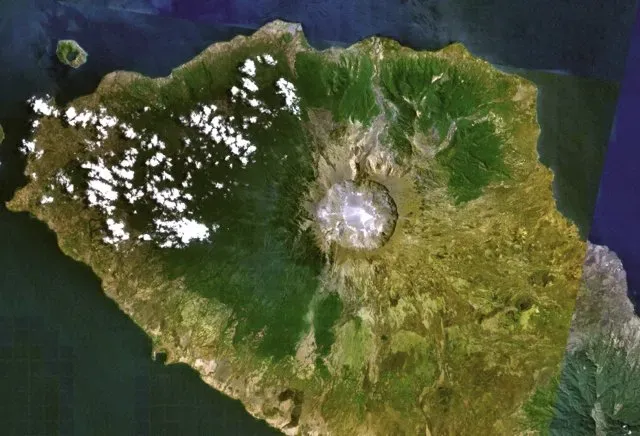
Everything traces back to a single catastrophic afternoon most people alive at the time never even felt directly. On April 10, 1815, Mount Tambora on the Indonesian island of Sumbawa exploded in what remains the most powerful volcanic eruption ever recorded in human history.
The scale is almost impossible to picture. Tambora hit a volcanic explosivity index of 7 – the second-highest category that exists, and the most recent VEI 7 event on record anywhere on Earth. The blast was loud enough that people over a thousand miles away heard it and assumed it was cannon fire from a naval battle.
It hadn’t erupted without warning. The mountain had been rumbling since 1812, building pressure for three straight years before it finally let go, hurling roughly 25 cubic miles of ash, pumice, and aerosols into the sky along with an estimated 60 megatons of sulfur.
The eruption itself killed roughly 10,000 people almost instantly. That was only the opening act – disease in the aftermath would go on to kill another 80,000. And the worst part is that the dying had barely started.
Fast Facts
- Eruption date: April 10, 1815, on Sumbawa, Indonesia
- Volcanic Explosivity Index: 7 – the most recent event of this scale on record
- Material ejected: roughly 25 cubic miles of ash, pumice, and aerosols
- Immediate death toll: ~10,000, with another ~80,000 lost to disease and famine afterward
#2 – A Global Thermostat Turned Down Overnight
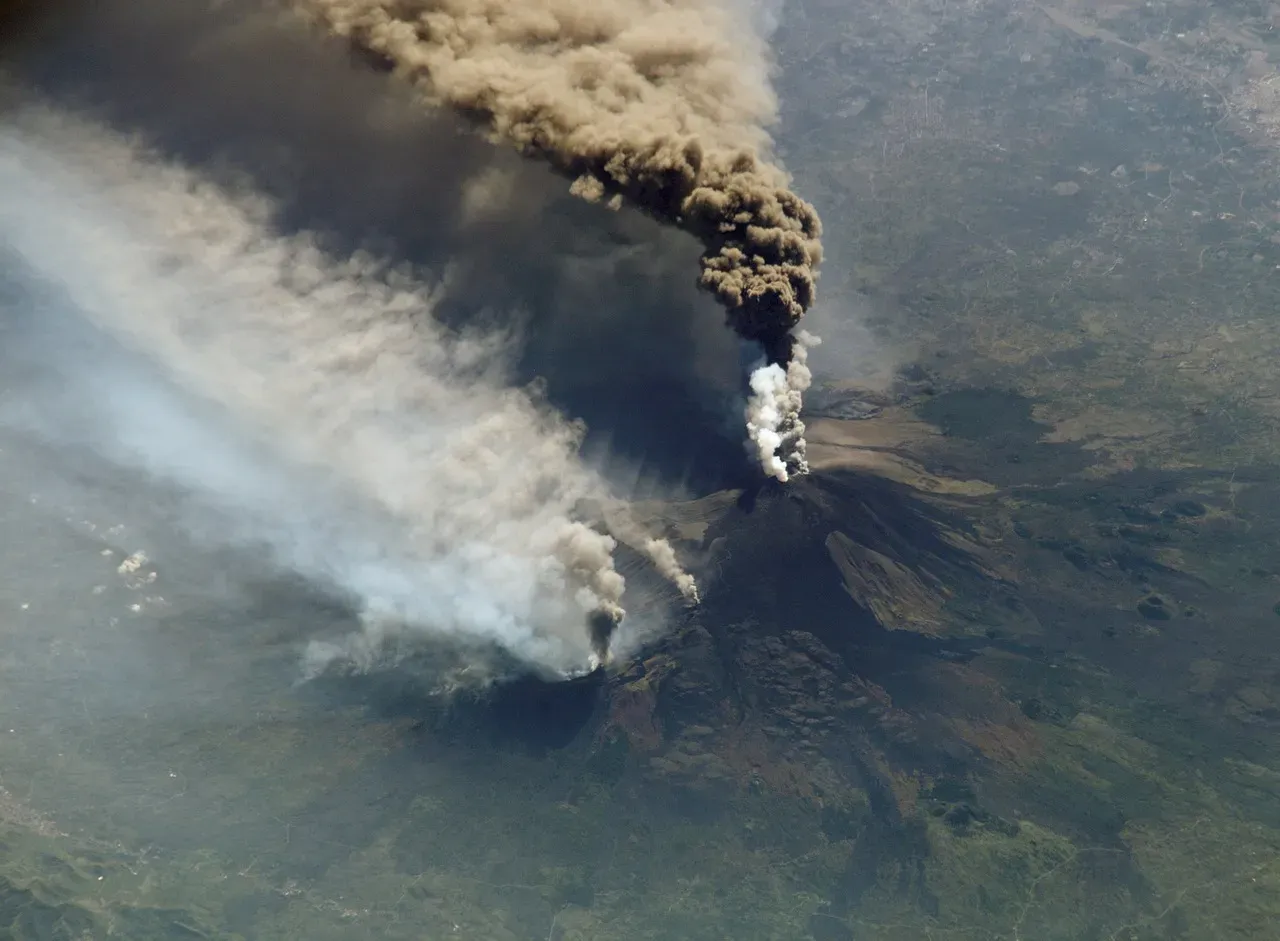
Most people assume a volcano on the other side of the world couldn’t possibly change the weather in New York or London. It absolutely could – and it did, almost immediately.
1816 became known as the Year Without a Summer because global temperatures dropped by roughly 0.4 to 0.7°C on average. That sounds small on paper, but localized swings were brutal, with some regions losing several degrees within a matter of hours.
The mechanism was almost elegant in its cruelty. Ash and sulfur dioxide shot straight into the stratosphere, spread out into a reflective haze roughly the size of Australia, and blocked enough sunlight to shift the global climate by 2 to 7 degrees Fahrenheit.
Tambora didn’t act alone, either. Earth was already limping through the tail end of the Little Ice Age, deep in a stretch of unusually low solar activity called the Dalton Minimum – May 1816 recorded the lowest sunspot activity since anyone had started keeping track. Two separate climate stressors collided at exactly the wrong moment, and the planet had no cushion left to absorb the hit.
#3 – New England’s Impossible Winter-Summer
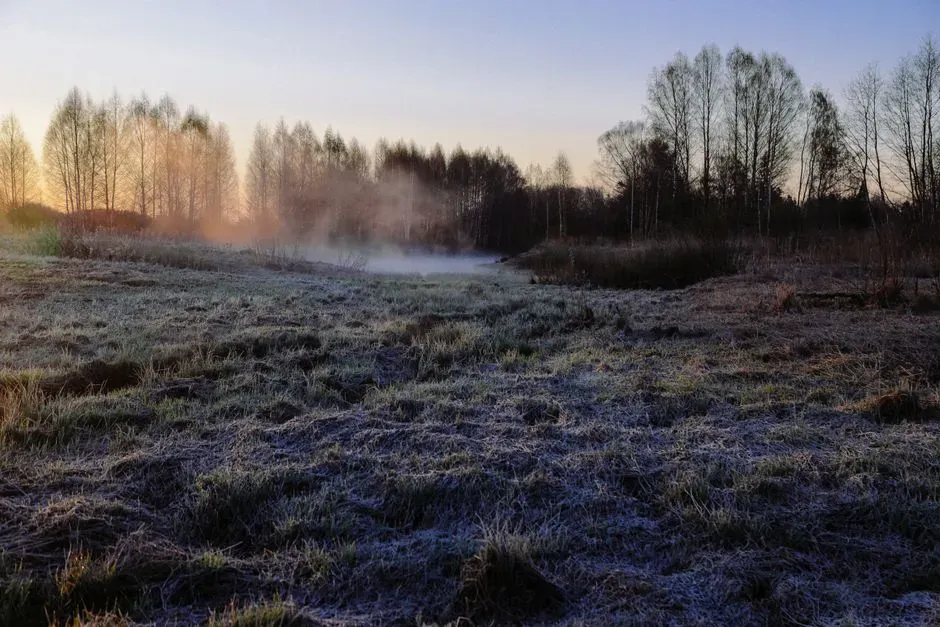
If you think a “cold summer” just means you needed a jacket in July, 1816 will change your mind completely. New England experienced something closer to full climatic whiplash.
Snow fell in June. Savannah, Georgia – a city famous for brutal heat – hit a high of just 46°F on the Fourth of July. Lakes in Pennsylvania were still frozen in the middle of summer.
Frost throughout May wiped out crops across the Northeast before summer even started. Snow fell again on June 6th in both New York and Maine, and heavy frosts and ice storms kept returning as late as July. One line from the historical record sums it up better than any statistic could: there were freezing temperatures recorded in New England in all twelve months of that year.
The cold didn’t politely end after one bad summer, either. It held through June, July, and August across most of the Northern Hemisphere, with smaller aftershocks stretching into 1817 and 1818. Farmers who bet everything on replanting after a June frost often watched a second or third freeze wipe out the same field all over again.
#4 – Europe’s Riots and Ireland’s Silent Killer
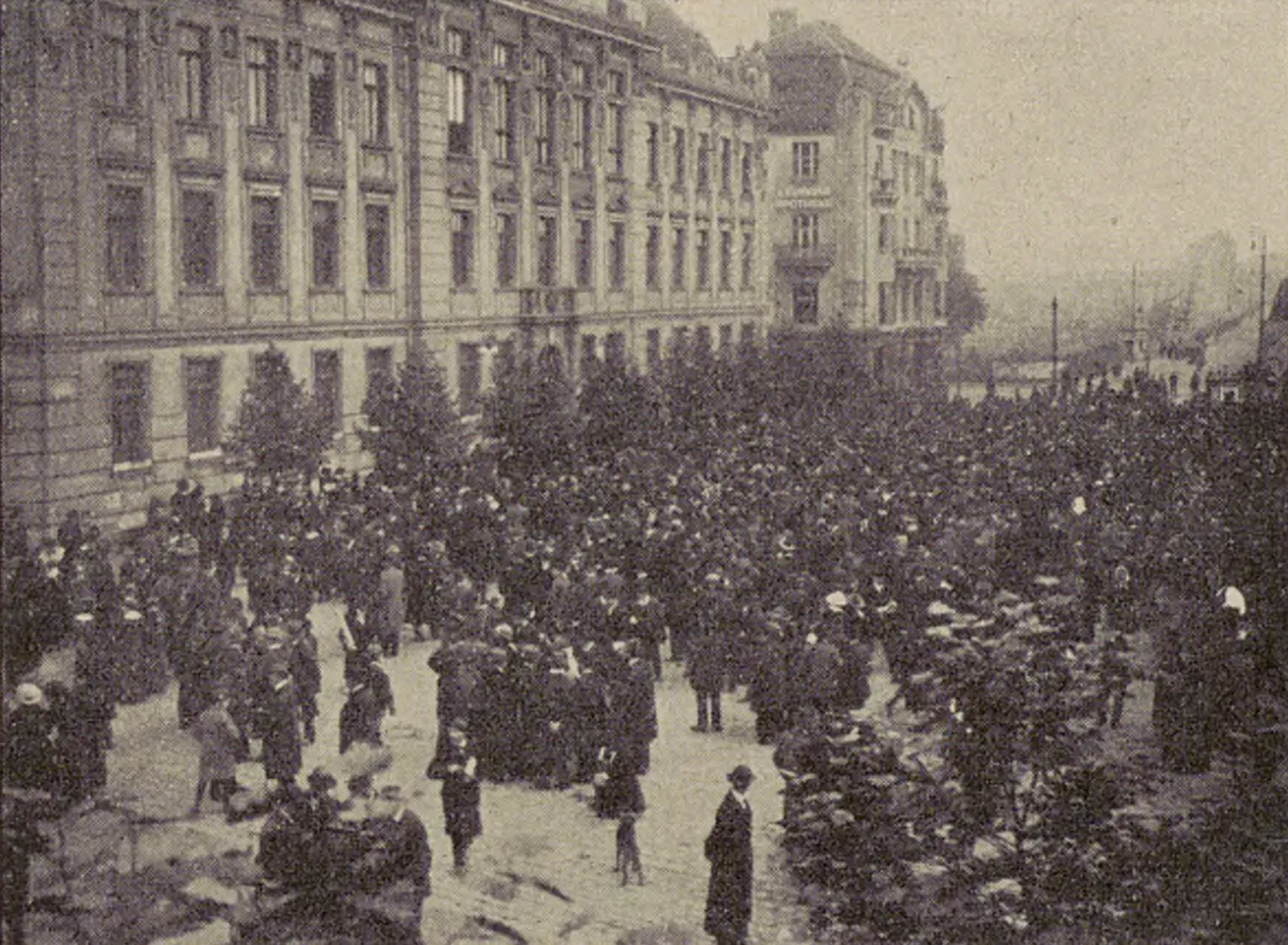
While Americans were watching their fields freeze, Europe was already staggering from war – and Tambora hit it while it was down. The eruption landed almost immediately after the end of the Napoleonic Wars, when the continent’s farmland, labor, and food reserves were already stripped bare.
Total crop collapse on top of that was more than the system could absorb. Historians describe it bluntly as the last great subsistence crisis in the Western world – not a metaphor, an actual famine event on European soil within living memory of the modern era.
Food shortages didn’t stay peaceful for long. Riots broke out across multiple countries as starving citizens raided grain stores, and prices spiked so violently that entire towns turned against merchants and landlords they suspected of hoarding.
Ireland got hit twice – first by hunger, then by disease. Failed wheat, oat, and potato harvests triggered a famine, and the same period saw a typhus outbreak that killed over 40,000 people. Typhus thrives on exactly the conditions a failed harvest guarantees: malnutrition, overcrowding, and desperation.
#5 – The Great American Exodus West
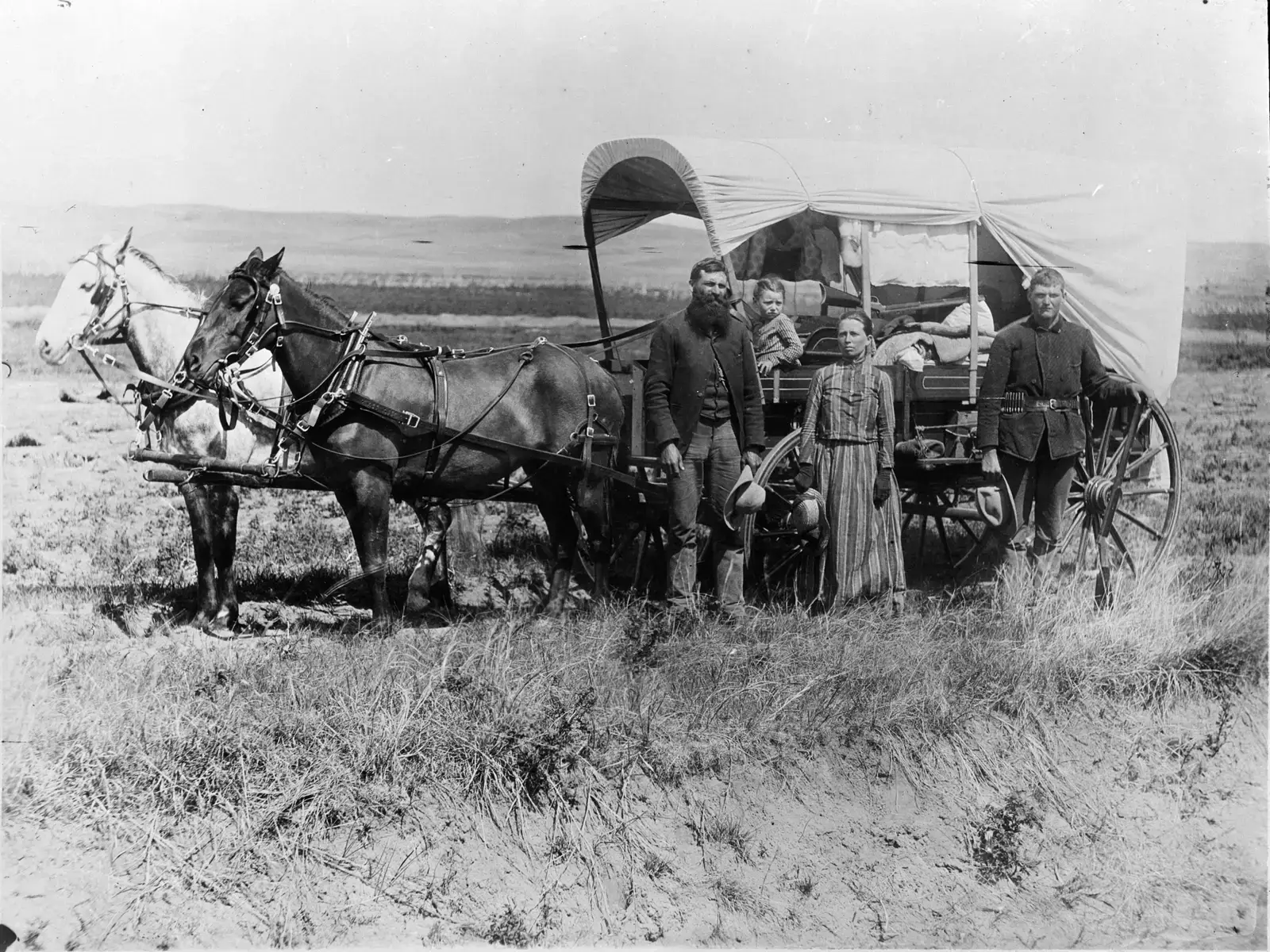
Here’s a detail most textbooks conveniently skip: the “westward expansion” era of American history didn’t start with pure ambition. A huge chunk of it started with people running out of options.
Food prices climbed so fast that entire families abandoned their land for Indiana and Illinois, where farming had been less devastated. This wasn’t a slow trickle of settlers chasing opportunity – it was a mass abandonment of ancestral New England farmland by people who had nothing left to lose.
The scale is staggering once you put a number on it. An estimated 15,000 people left Vermont alone, including the family of a young Joseph Smith – a relocation that may have indirectly made possible the publication of the Book of Mormon and the founding of what became the Latter-day Saint movement.
Historians describe it as more than a simple relocation. Entire communities packed wagons and walked away from generations of family land, chasing warmer ground in upstate New York, Ohio, and Indiana, because the sky itself had turned against them.
At a Glance
- Roughly 15,000 residents left Vermont alone in the exodus
- Prime destinations: Indiana, Illinois, Ohio, and upstate New York
- Among the migrants: young Joseph Smith’s family, later tied to the Latter-day Saint movement
- Driven by crop failure and food prices, not opportunity-seeking
#6 – The Rainy Night That Birthed Frankenstein
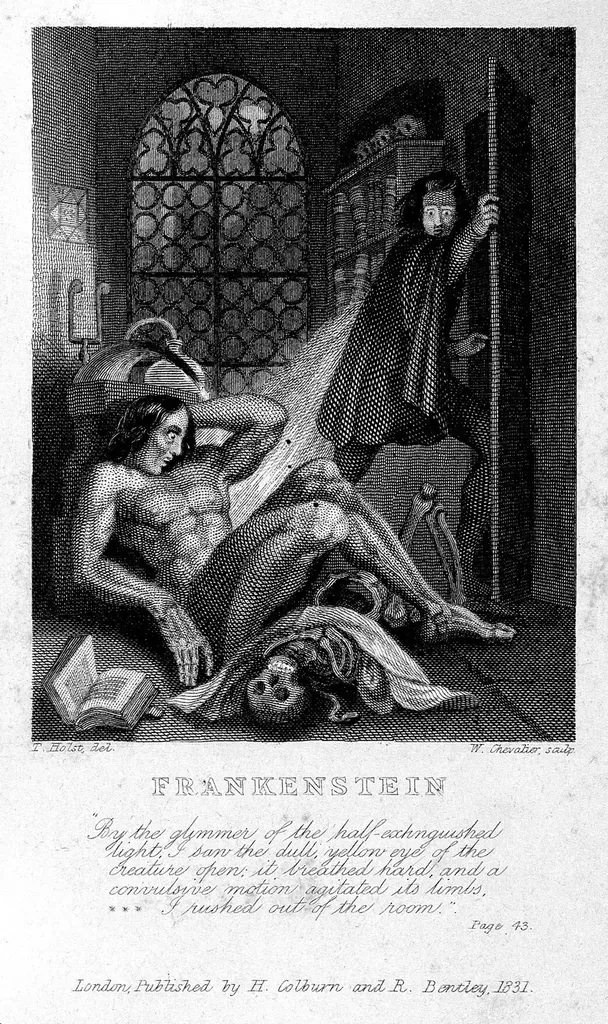
This is the fact everyone half-remembers but almost nobody understands the full context of – yes, the Year Without a Summer basically wrote Frankenstein into existence.
In May 1816, Lord Byron, Percy Bysshe Shelley, and Mary Wollstonecraft Godwin gathered at a villa on the shores of Lake Geneva in Switzerland. It wasn’t a cozy summer getaway. Violent storms lit up the sky for weeks straight in June and July, and the lake itself flooded the surrounding region.
Stuck indoors with nothing to do, the group turned to telling each other ghost stories to pass the endless, gloomy hours. Out of that boredom and darkness came the idea that would become Frankenstein.
But it proved a wet, ungenial summer, and incessant rain often confined us for days to the house.
Mary Shelley, 1831 introduction to Frankenstein
Frankenstein wasn’t the only monster born that summer, either. The same ghost-story challenge that produced Shelley’s novel also gave the world its first vampire story. It wasn’t a coincidence of talent in the room – it was dread and cabin fever, courtesy of a volcano nobody there had ever heard of.
#7 – How a Horse Shortage Invented the Bicycle
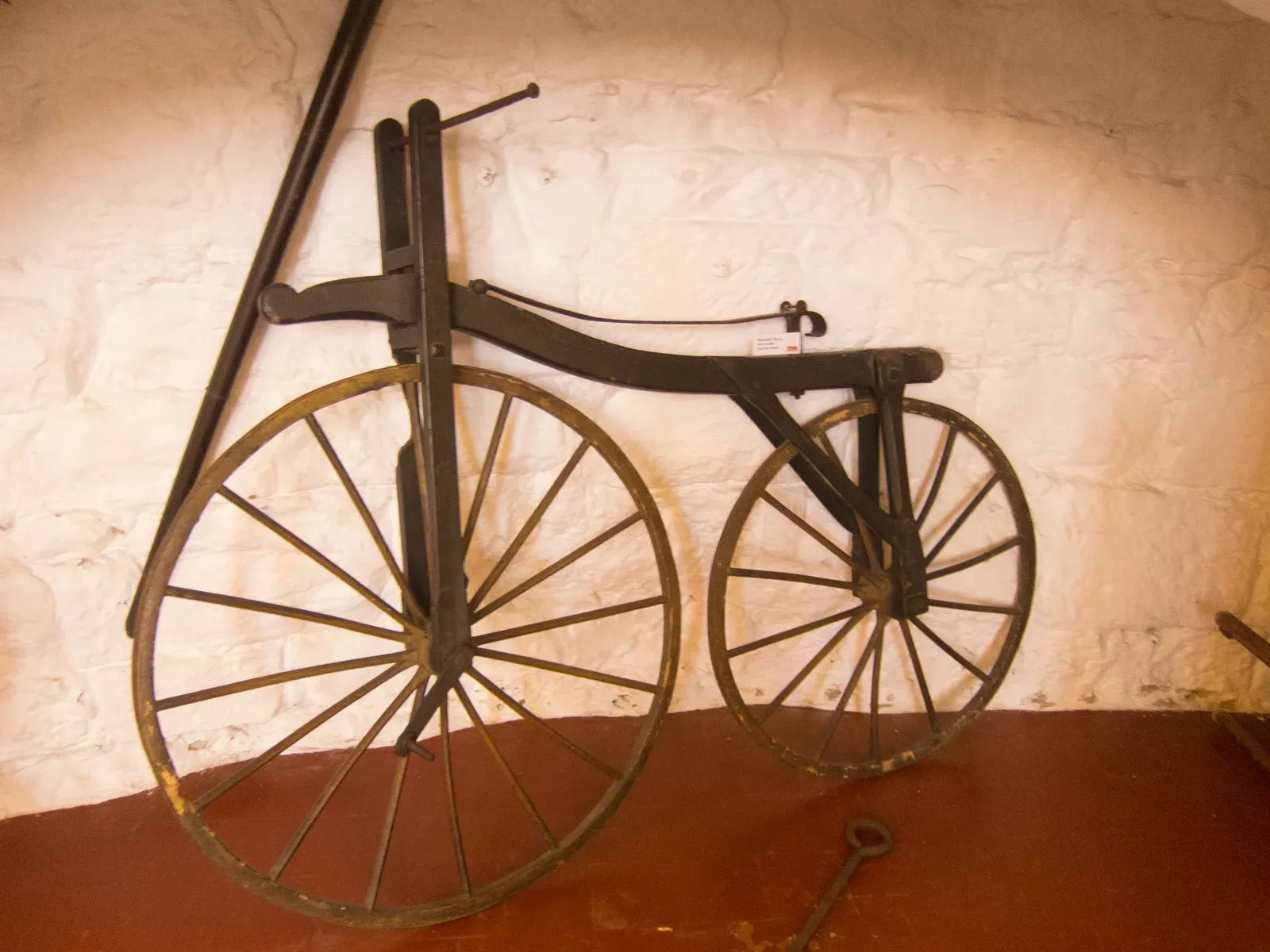
Most people assume the bicycle was a slow, inevitable invention. It was actually an emergency improvisation, born from starving horses.
When crops failed across Europe, oats – the primary horse feed – became scarce and expensive almost overnight. Karl Drais, a German inventor, went looking for a horseless alternative for transportation and personal mobility. What he came up with wasn’t a hobby project; it was a direct, practical answer to a transportation crisis nobody else was solving.
Tambora erupted in 1815. Summer never really showed up in 1816. Europe’s horses starved. What came out of that chain reaction had two wheels and no pedals – Drais’s “running machine,” or Laufmaschine, let a rider balance and glide using leg power alone.
This deserves far more credit than the quirky-footnote treatment it usually gets. Every bicycle on the planet today, from Tour de France racers to a kid’s first bike with training wheels, traces its lineage back to a German inventor solving a horse-feed crisis caused by a volcano 7,000 miles away.
#8 – The Volcano That Mutated a Disease

This is arguably the most disturbing entry on this entire list, and it rarely gets mentioned outside specialized medical history. Tambora may have helped trigger the first truly global pandemic.
The eruption disrupted rainfall patterns across the Bay of Bengal, and researchers believe those shifted conditions gave rise to a new, more virulent mutation of cholera. What had been a localized, endemic bacteria became a global killer because of weather changes thousands of miles from the volcano itself.
The mechanism traces directly back to a broken monsoon system. Tambora’s stratospheric aerosols disrupted the Asian monsoon, and in those abnormal conditions, a new strain of Vibrio cholerae emerged in the Bengal region. By 1817, it had exploded into a global outbreak, sweeping through Southeast Asia, the Middle East, eastern Africa, and eventually Europe.
This pandemic never fully ended, either. Cholera cases surged worldwide in the aftermath, and the disease remains pandemic across parts of Africa and Asia today thanks to how adaptable the bacteria turned out to be. A single volcanic eruption over two centuries ago may still be echoing through modern disease patterns.
#9 – China’s Famine That Created the Opium Trade
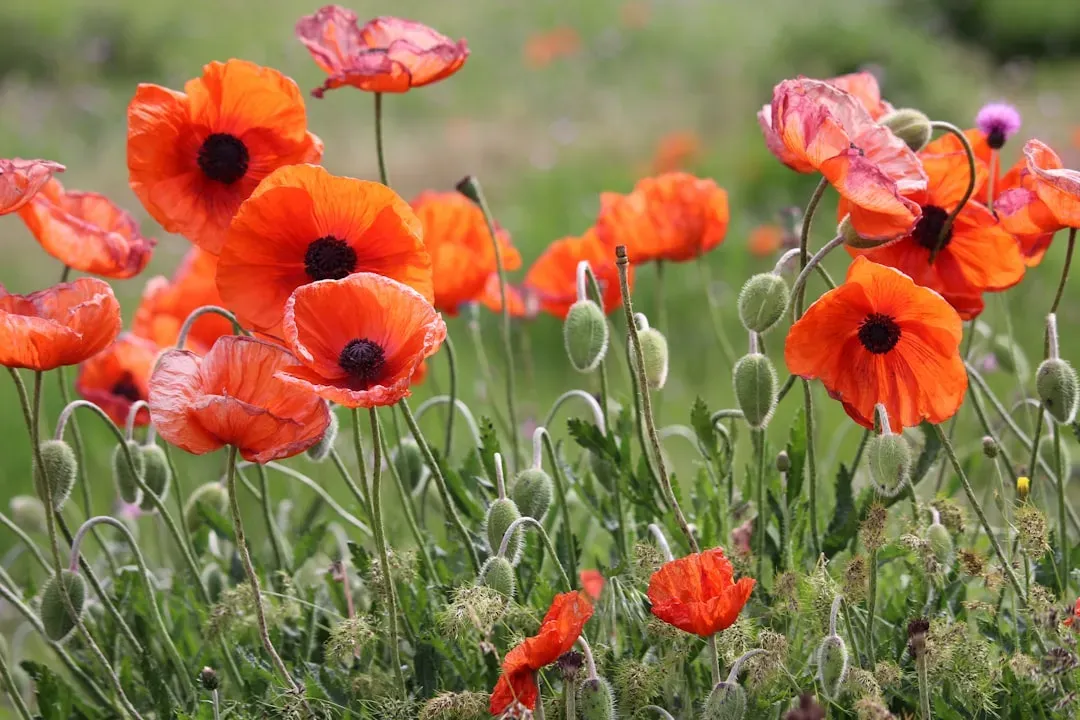
Here’s a genuinely uncomfortable connection historians rarely trace back to its root cause: the volcanic winter of 1816 helped lay the groundwork for one of the most destructive drug trades in history.
China’s Yunnan province endured a three-year famine, from 1815 to 1818, caused by flooding and cold weather throughout what should have been the growing season. Rice, the region’s staple crop, simply couldn’t survive years of disrupted seasons back to back.
Desperate farmers needed something that could survive the chaos, and poppies fit the bill. Unlike rice, poppies tolerated the erratic climate and commanded a reliable cash price regardless of what the weather did – so farmers across Yunnan began replacing failed food crops with them.
Most people picture opium’s spread as a purely 19th-century trade story, but the roots go back to plain agricultural survival. That early shift helped establish supply networks that fueled opium’s spread through China for the next century, tangled up eventually in the Opium Wars themselves.
#10 – The Blood-Red Skies That Changed Art Forever
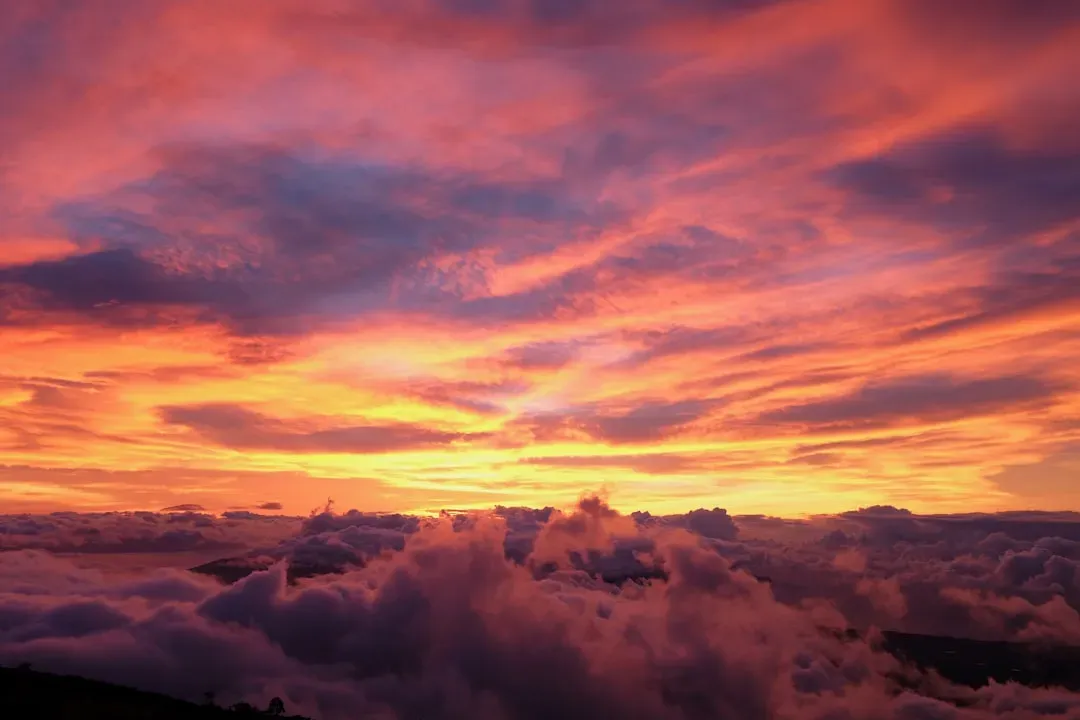
If you’ve ever looked at a moody 19th-century painting and wondered why the sunsets look almost radioactive, you’re not imagining it. Tambora painted the sky itself.
Volcanic sulfate particles scatter light in a way that intensifies reds and oranges at sunset. J. M. W. Turner painted several sunsets between 1815 and 1817 with orange and violet tones rarely seen anywhere in his earlier work – and those skies weren’t artistic exaggeration.
Contemporaries in real cities noticed the same thing. In the northeastern United States, sunlight was dimmed and reddened by strange fog throughout the spring and summer of 1815, and London experienced sunsets so spectacular that historians believe they directly influenced Turner’s paintings.
Scientists have since turned those paintings into actual climate data. Researchers have cross-referenced hundreds of historical sunset paintings, including work by Caspar David Friedrich, to measure atmospheric particle levels from centuries ago – turning 19th-century art into a genuine scientific archive. It’s a strange, oddly beautiful legacy for a global catastrophe.
#11 – The Economic Crash Nobody Blames on a Volcano
Most people think the Panic of 1819 – America’s first major economic depression – was a purely financial event caused by bad banking decisions. Its roots actually trace directly back to a volcanic winter three years earlier.
Even a former president wasn’t immune to the fallout. Thomas Jefferson kept meticulous rain gauge records that later provided crucial data about the climate shift after Tambora’s eruption, and he personally went into debt over crop failures likely caused by the same unusual weather. If the crisis could financially wound a founding father, ordinary farmers stood even less of a chance.
The chain reaction that followed is genuinely fascinating. Heavy investment poured into western U.S. agriculture during the Year Without a Summer, but once European harvests stabilized again, the continent’s reliance on American grain exports collapsed almost overnight.
The crisis essentially created its own bubble, then popped it. Farmers rushed west during the famine years, borrowed heavily to expand production, and then watched demand evaporate the moment Europe recovered – leaving thousands of American farmers bankrupt almost overnight.
#12 – The Warning Scientists Still Haven’t Stopped Studying
![#12 - The Warning Scientists Still Haven't Stopped Studying ([2], Public domain)](https://nvmwebsites-budwg5g9avh3epea.z03.azurefd.net/dinoworld/5db563f2a82b31d572cdbea653714ecc.webp)
Finally, the biggest reveal of all: Tambora isn’t just a 19th-century curiosity. It’s a live case study that modern climate scientists actively use to understand our own future.
Nothing on the scale of the Year Without a Summer has happened since, but researchers treat the event as an important warning sign for what climate disruption can actually do to global agriculture in real time. It remains the clearest real-world example of how quickly a single event can destabilize food systems across multiple continents at once.
Modern eruptions get measured against it directly. The 1991 eruption of Mount Pinatubo in the Philippines registered a VEI 6 and still dropped global temperatures by about 0.9°F for a full year – and scientists calculate that a VEI 7 eruption in the tropics during a low-solar-activity year would replicate 1816 almost exactly.
Quick Compare
- Tambora (1815): VEI 7, global cooling of 0.4-0.7°C, triggered the Year Without a Summer
- Pinatubo (1991): VEI 6, cooling of about 0.9°F worldwide for a single year
- Frequency: roughly one VEI 7 eruption occurs per millennium
- Risk today: low odds per decade, but never fully zero
Here’s the statistic that tends to unsettle people once they hear it: the geological record shows roughly one VEI 7 eruption per millennium, which makes the odds low in any given decade, but very much not zero. This isn’t safely locked away in the past. It’s a scenario climate scientists actively build contingency models for today.
The Bottom Line
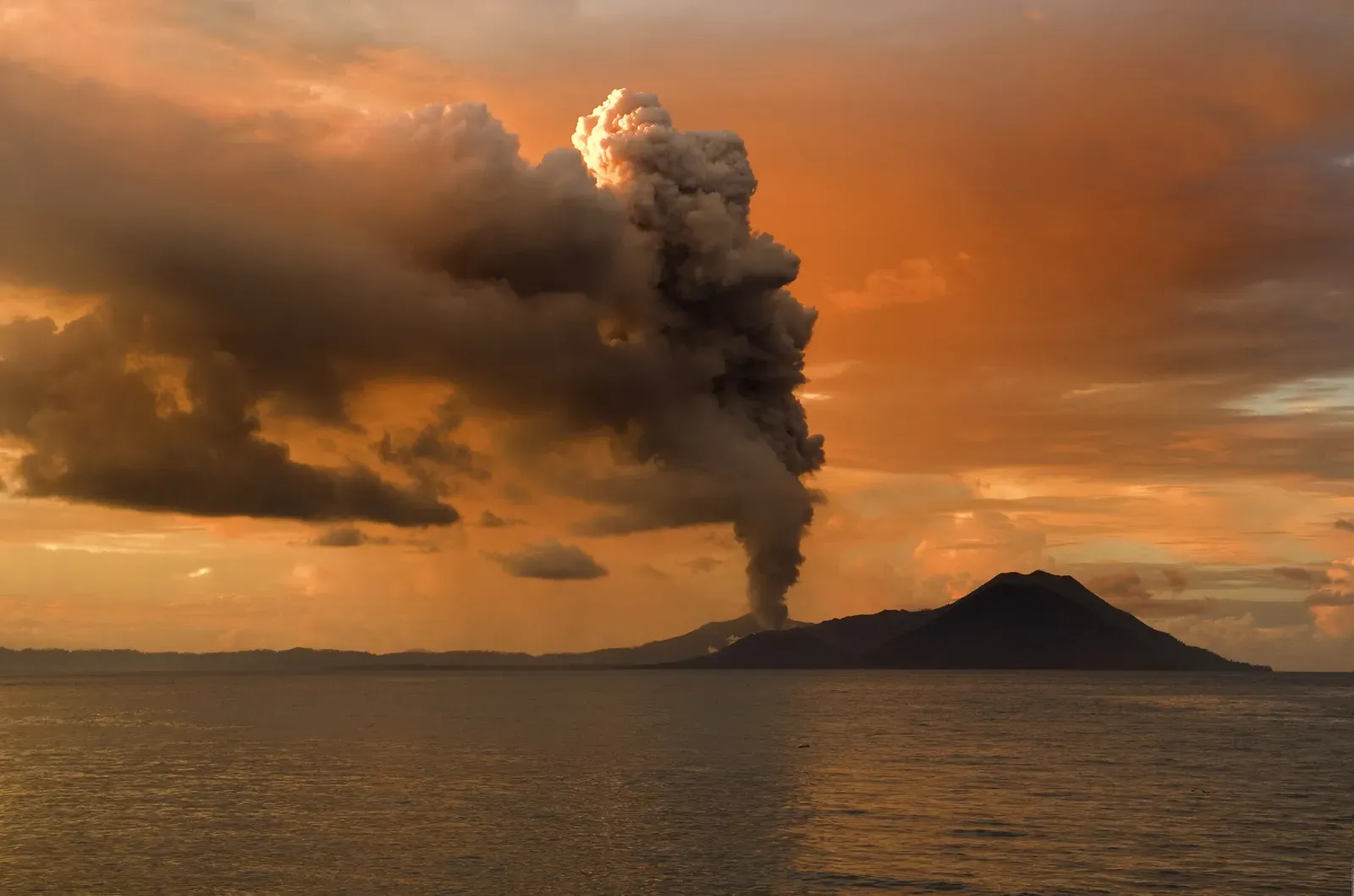
Tambora proved that a single eruption on one remote island can reroute human history on nearly every continent – from a mutated pandemic bacteria and a bankrupt American economy to a fictional monster still terrifying readers two centuries later.
The scariest part isn’t what happened in 1816. It’s that scientists confirm an eruption this size could happen again, and modern food supply chains – leaner, more interconnected, and more dependent on stable weather than anything that existed in 1815 – may be more fragile, not less.
We’ve built an entire global civilization on the assumption that the weather will behave every single growing season. 1816 is proof that assumption can collapse in a matter of weeks, and nobody gets a warning shot before it happens.