
You’ve stood beneath these buildings. Maybe you’ve photographed them, toured them, even bored your family with facts about them. But behind the marble, steel, and copper skin of the world’s most recognizable landmarks, architects and builders hid rooms, vaults, and objects nobody outside a small circle was ever supposed to find – some sealed away for a decade, some for well over a century.
A private apartment floats nearly a thousand feet above Paris. A jail cell waits quietly at the base of a bell tower everyone recognizes but almost nobody has actually stepped inside. Twelve buildings, twelve secrets – and by the time you finish this list, you’ll never look at a skyline the same way again.
#1 – The Eiffel Tower Hid Gustave Eiffel’s Private Apartment
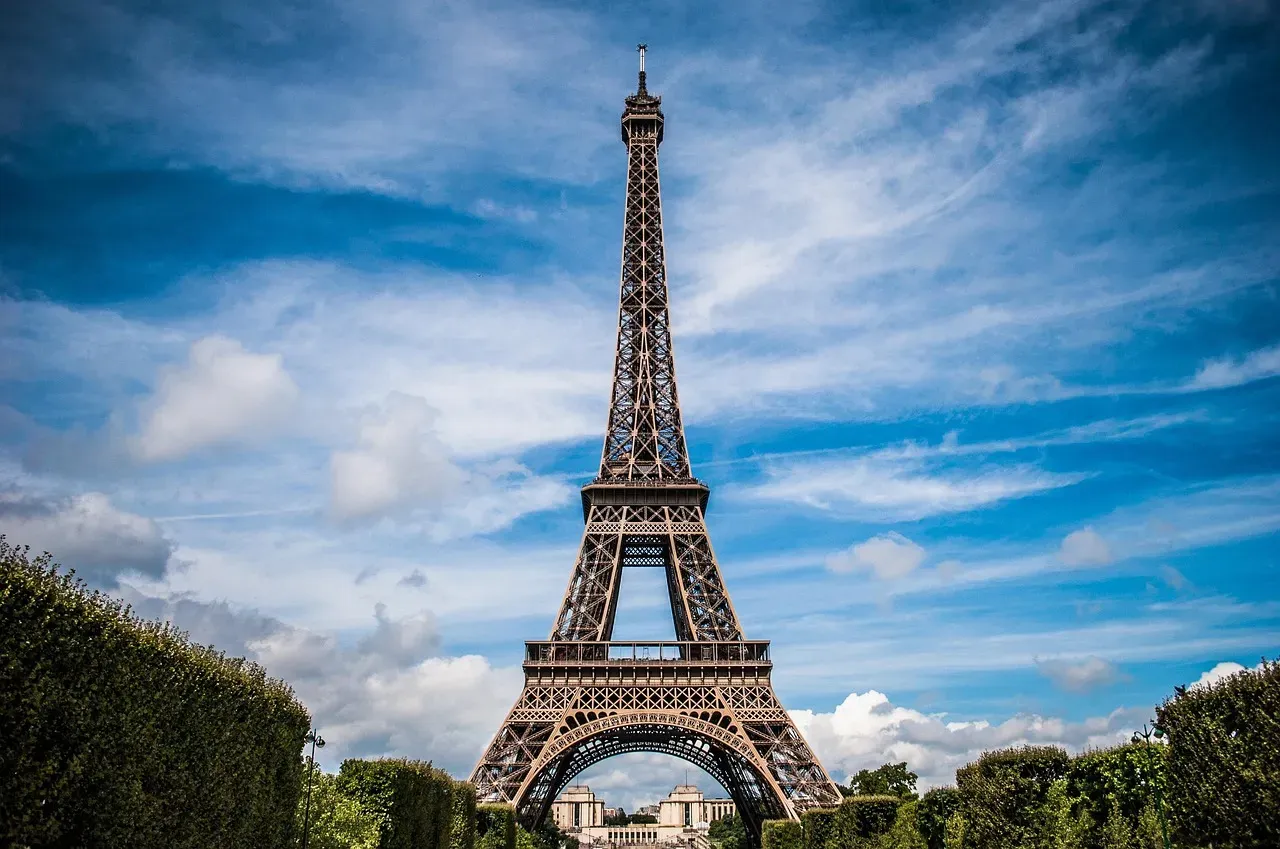
Nearly 1,000 feet above the streets of Paris, tucked into the very summit of the tower, Gustave Eiffel built himself a private hideaway almost nobody knew existed when the tower opened in 1889. The roughly 100-square-meter space included a workshop, a sitting room, a dining room, a kitchen, a bathroom – and, because Eiffel apparently believed in comfort, a piano.
The wealthiest people in Paris begged to rent it for a single night, and Eiffel turned down every one of them. He wasn’t interested in turning his crown jewel into a rental property. The apartment was his, and he kept it that way for the rest of his life.
Fast Facts
- Elevation: nearly 1,000 feet above street level
- Size: roughly 100 square meters, complete with a piano
- Rooms: workshop, sitting room, dining room, kitchen, and bathroom
- Famous guest: Thomas Edison visited in September 1889
Only a handful of guests were ever invited inside, and the most famous of them was an American inventor. Thomas Edison visited in September 1889 and gifted Eiffel one of his patented phonographs – a moment private enough that most Parisians walking beneath the tower had no idea it happened.
Eiffel wasn’t just relaxing up there, either. The apartment doubled as a laboratory for atmospheric measurements, astronomical observations, and physics experiments, and Captain Gustave Ferrié used the tower for wireless telegraphy tests in 1903. That decision to keep the tower “useful” is arguably the reason it’s still standing today instead of being torn down and sold for scrap. But that’s nothing compared to what was sealed beneath Lady Liberty’s feet.
#2 – Lady Liberty Has Been Hiding a Sealed Box Since 1886
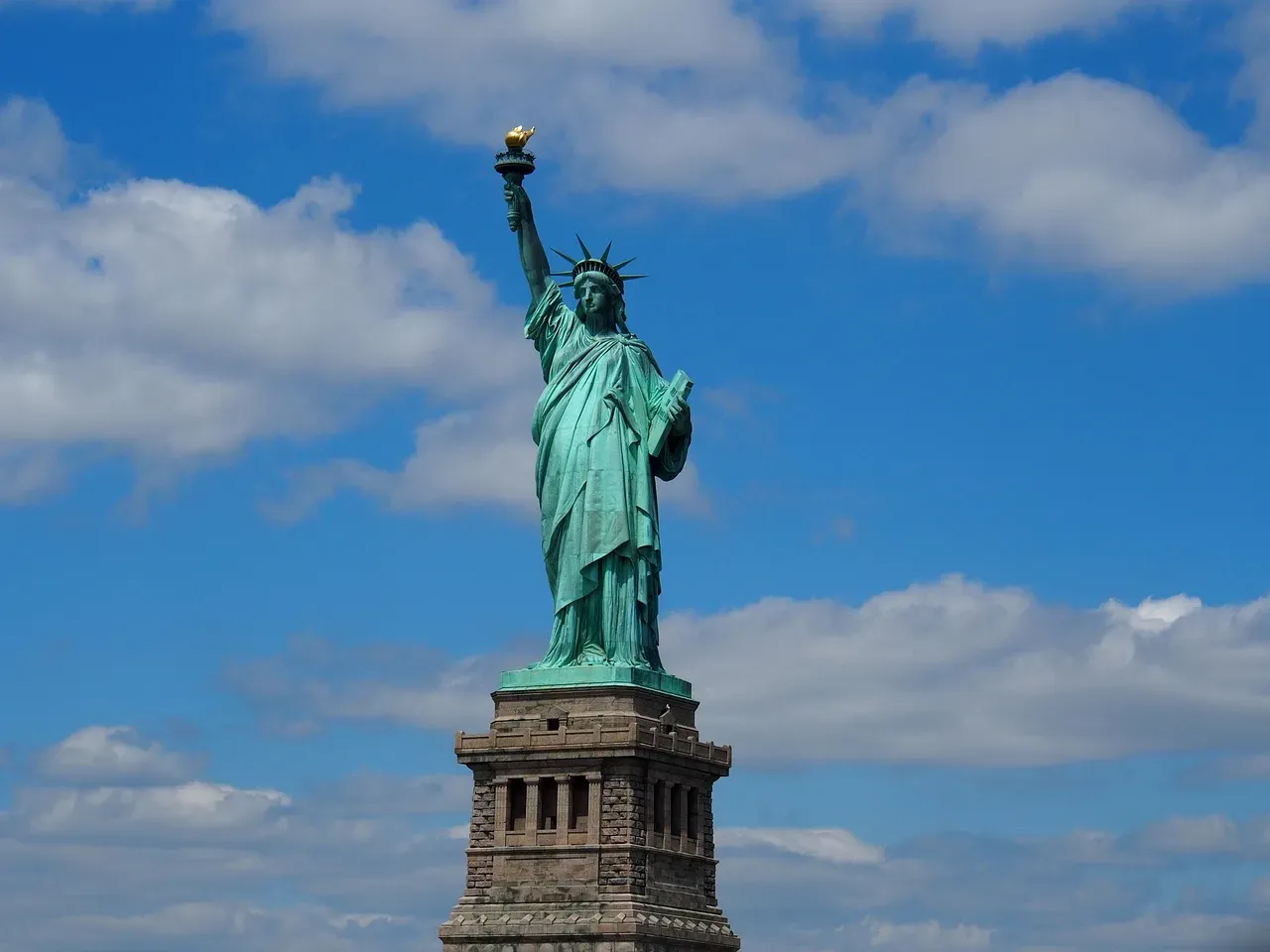
Beneath 225 tons of copper and iron sits a box almost nobody has ever seen opened. Sealed inside is a copy of the U.S. Constitution, a photograph of sculptor Frédéric Bartholdi, and 20 bronze medals.
Nobody actually knows why it’s there. The leading theory is that it functioned as a time capsule to commemorate the statue’s 1886 unveiling, but no official record explains the decision, so the exact purpose died with the people who sealed it.
That’s not the only secret compartment hiding in plain sight. For thirty years after the dedication, daring visitors could climb a narrow, winding ladder inside the torch arm to reach a tiny observation platform most tourists today don’t even know existed.
That access ended abruptly – and violently. On July 30, 1916, a sabotage explosion known as the Black Tom incident rocked New York Harbor, cracking the torch’s copper skin and damaging its structure beyond safe use. The chamber has sat empty and inaccessible ever since, a hidden room frozen in time by an act of wartime sabotage. Next, a Manhattan skyscraper hid an entire steel crown from the whole city until it was too late to stop.
#3 – The Chrysler Building Concealed Its Crown – And a Secret Speakeasy Club
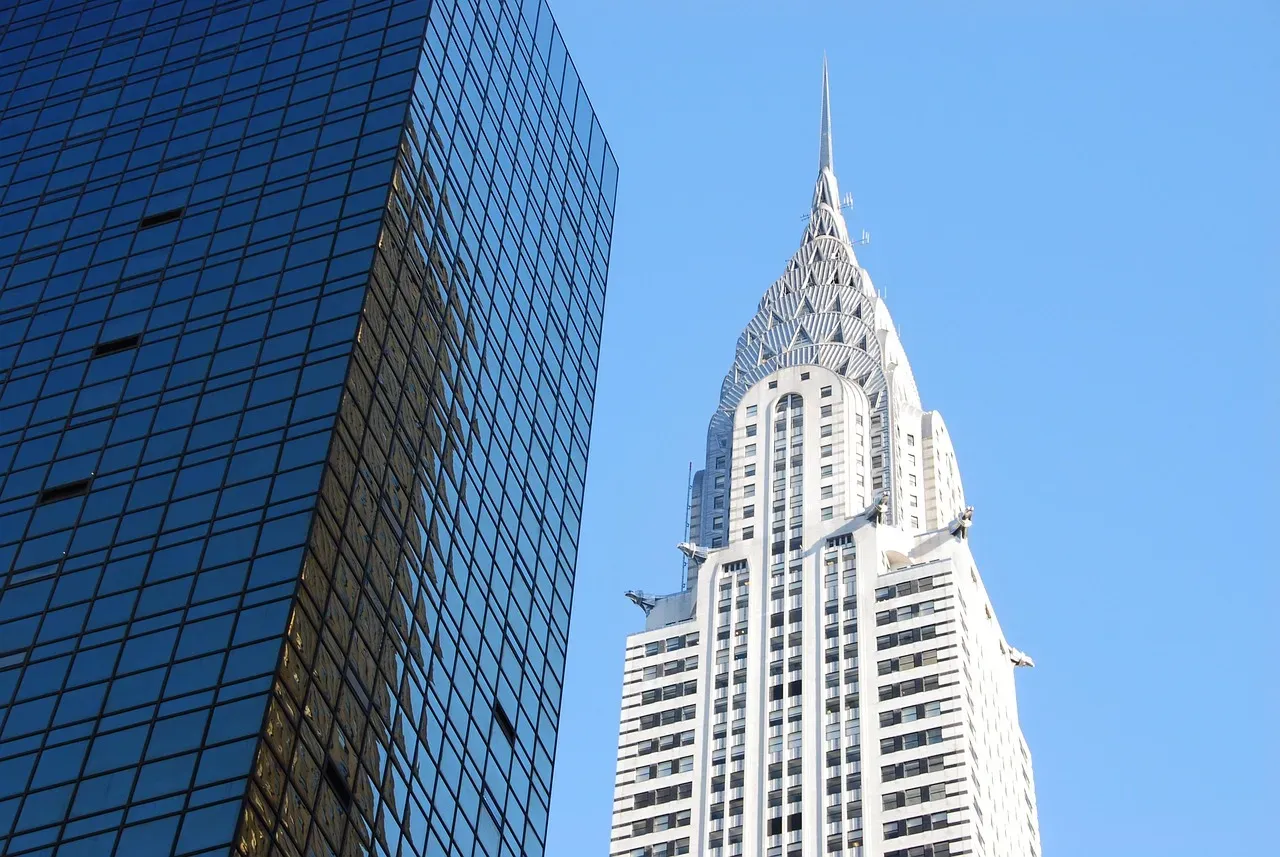
Architect William Van Alen pulled off one of the boldest hidden reveals in skyscraper history. In 1930, a 185-foot steel spire sat hidden inside the top floor of an unfinished building on Lexington Avenue, and nobody in New York knew it existed – except the man who ordered it built.
Then, in the span of about 90 minutes, workers hoisted the spire into place and changed the Manhattan skyline forever. That secret crown let the Chrysler Building snatch the title of world’s tallest building from a rival tower under construction at the very same time.
But the building hid something else for over forty years: a private club with a working speakeasy inside it. The Cloud Club, spread across three exclusive dining rooms on floors 66 through 68, came complete with a barber shop and locker rooms that doubled as hiding spots for alcohol during Prohibition. It stayed open until the late 1970s – decades longer than the celestial-themed observation deck on the 71st floor, which shut its doors back in 1945.
Even the eagle gargoyles jutting from the 61st floor weren’t just decoration. They were modeled after 1929 Chrysler hood ornaments, hiding automobile branding inside architecture disguised as art. Wait until you hear what’s sealed behind Lincoln’s stone head.
#4 – Mount Rushmore Hides a Vault Behind Lincoln’s Head
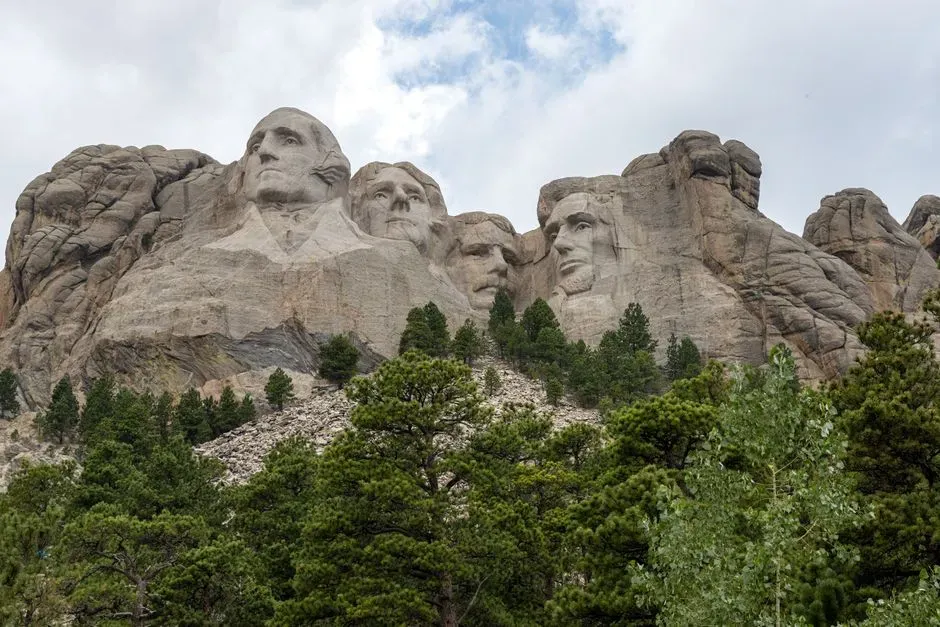
Most visitors staring up at four presidential faces have no idea there’s a sealed chamber right behind them. Behind Abraham Lincoln’s stone skull sits a hidden room holding a 1,200-pound granite capstone, which covers a titanium vault, which in turn holds a wooden box filled with 16 porcelain tablets etched with the Declaration of Independence, the Constitution, the Bill of Rights, and the Gettysburg Address.
This wasn’t an afterthought – sculptor Gutzon Borglum designed it as a message meant to survive for thousands of years. His original vision was staggering: an 80-foot-tall, 100-foot-long hall lined with brass cabinets holding copies of the founding documents, reachable by an 800-foot staircase carved into the mountain itself.
At a Glance
- Capstone: 1,200 pounds of granite sealing the chamber
- Vault material: titanium, holding a wooden box inside
- Contents: 16 porcelain tablets with America’s founding documents
- Sealed shut: August 9, 1998
Borglum never got to finish it. Construction began in 1938, but Congress halted the work in 1939 to focus every remaining dollar and hour on the faces, and Borglum’s death in 1941 quietly ended the project for good. The unfinished chamber sat empty for nearly six decades.
On August 9, 1998, workers finally placed the teakwood box inside its titanium vault and sealed it beneath the granite capstone. The chamber remains permanently closed to visitors today – a time capsule nobody alive will ever see opened. Next, a French cathedral hid sacred relics inside a rooster for over 160 years.
#5 – Notre-Dame’s Rooster Secretly Carried Sacred Relics for Over a Century
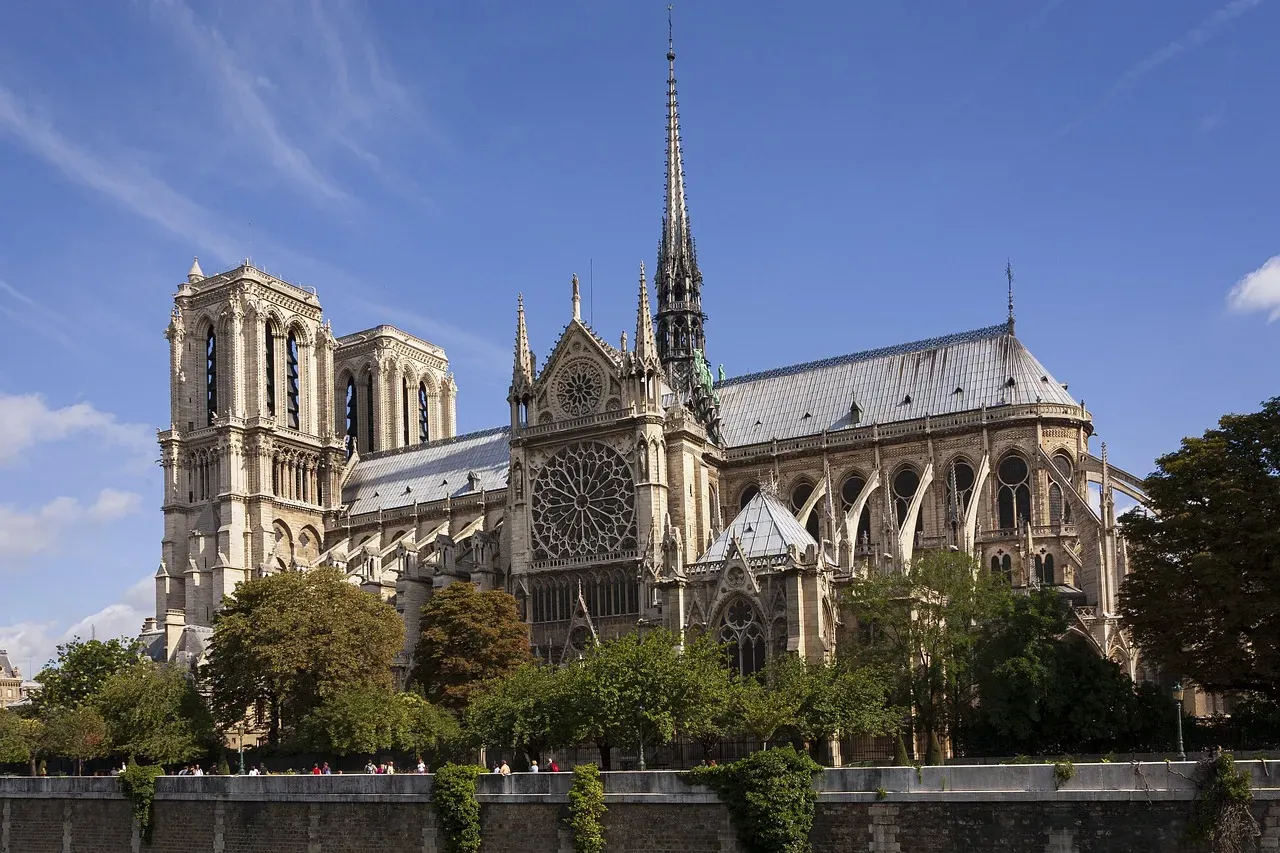
High above the cathedral, a bronze rooster weathervane wasn’t just decoration – it was a hiding place. Sealed inside its hollow body were relics believed to include a fragment associated with the Crown of Thorns, along with relics tied to Paris’s patron saints.
Most Parisians walked past the cathedral every single day without ever realizing sacred objects were hidden in plain sight above their heads.
When the devastating 2019 fire tore through Notre-Dame and collapsed the spire, the rooster fell with it. Restoration workers later pulled the battered bronze bird from the rubble, and remarkably, its hidden contents survived the fall and the flames almost completely intact.
That discovery turned a piece of architectural ornamentation into one of the most talked-about survivor stories of the entire restoration effort. It’s a reminder that hidden compartments in historic buildings aren’t always about money or vanity – sometimes they’re about faith, tucked away where nobody would think to look. Up next, London’s most famous clock tower has been hiding something far less peaceful.
#6 – Big Ben’s Tower Secretly Held a Prison Cell
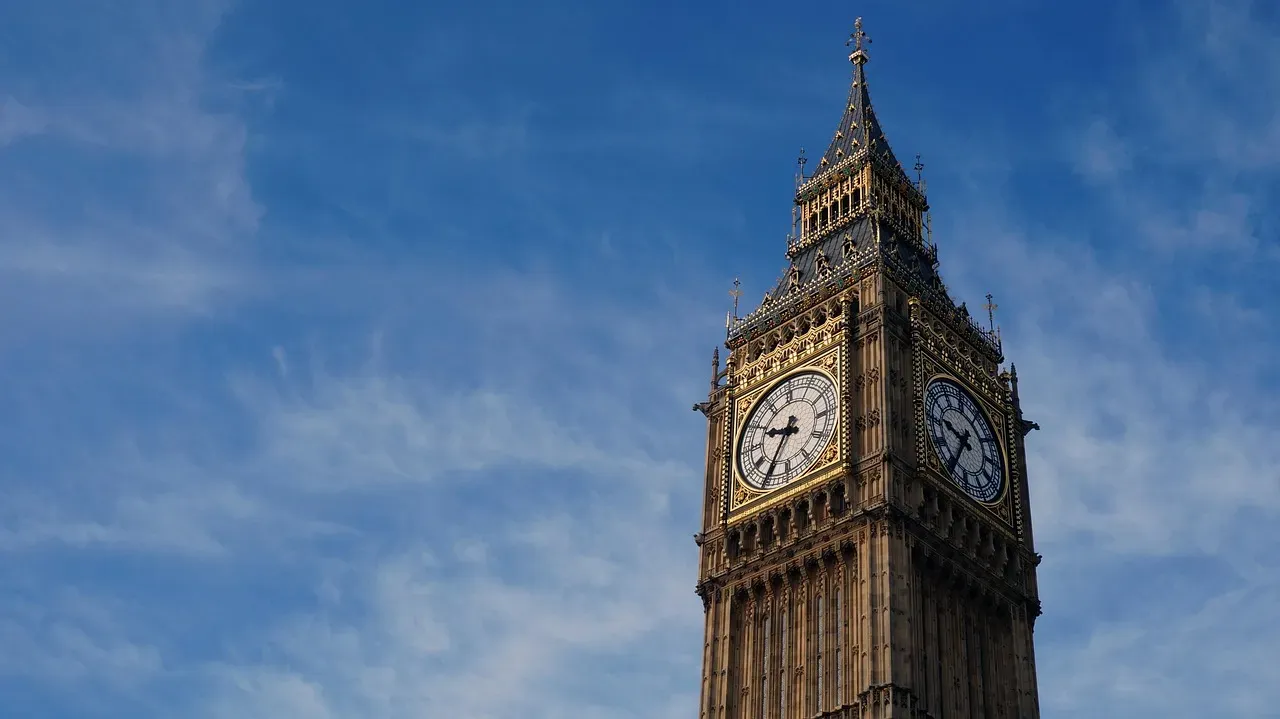
Tourists photographing the famous clock tower rarely realize it once doubled as a jail. Tucked inside the base of the Elizabeth Tower – the structure most people simply call Big Ben – sits a small holding cell historically used to detain members of Parliament who broke the chamber’s rules of conduct.
It’s one of the strangest hidden rooms in any government building on Earth – a literal jail cell built into one of the most photographed clock towers in the world.
The cell saw very limited use over the centuries, but it stayed part of the tower’s structure long after its original purpose faded from public memory. Most visitors gazing up at the famous clock face have no idea a tiny detention room sits just below, forgotten inside the same stonework.
It’s a small but telling detail about how differently 19th-century institutions handled internal discipline compared to today. Coming up next, the White House has been hiding a bowling alley of its own for decades.
#7 – The White House Secretly Hid a Bowling Alley and a Bunker
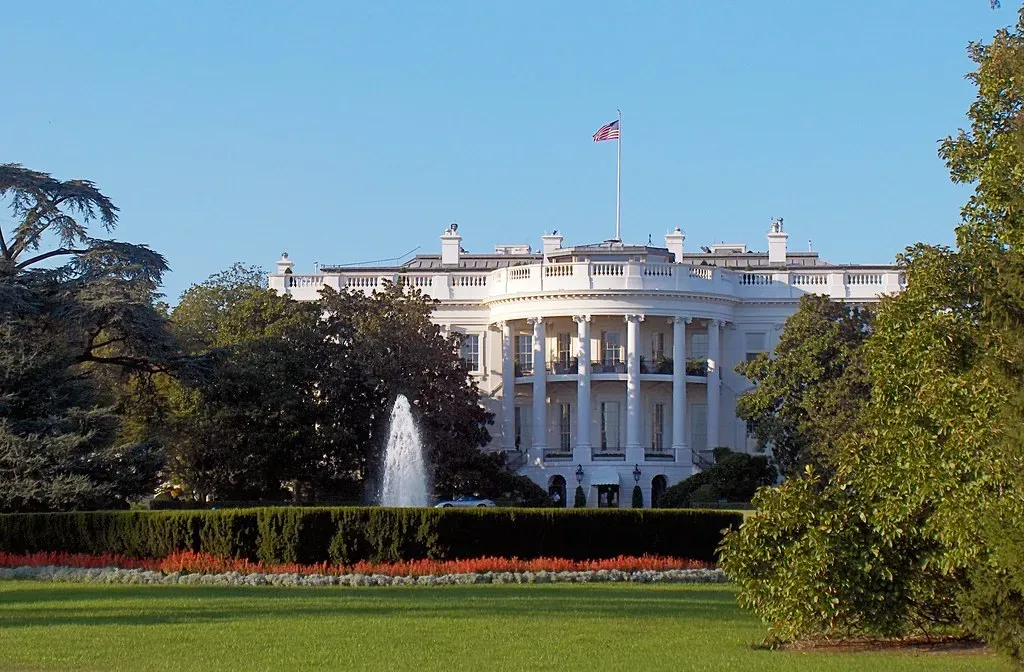
Underneath one of the most photographed buildings in the world sits a lane most Americans have never heard of. A private bowling alley was installed inside the White House as a gift for President Harry Truman, tucked into a section of the building most visitors never see.
It’s stayed there for decades, hidden from the millions of tourists who walk past the building every year.
Quick Compare
- Bowling alley: a private gift for Truman, tucked in a hidden section of the residence
- Emergency bunker: the Presidential Emergency Operations Center, buried beneath the East Wing
- Purpose: one built for leisure, the other built for crisis survival
- Visibility: both remain off-limits to public tours
The bowling alley isn’t the only hidden feature. Beneath the East Wing sits the Presidential Emergency Operations Center, a fortified bunker built for crisis situations, kept secret from the public for most of its existence and only acknowledged publicly during moments of national emergency.
Together, these hidden spaces reveal a version of the White House that has little to do with its ceremonial front rooms – part residence, part fortress, part recreation center, none of it visible from the North Lawn. Many assume public tours mean the White House is an open book, but the truth is most of the building stays permanently hidden. Next, the US Capitol has been hiding an empty tomb since the 1800s.
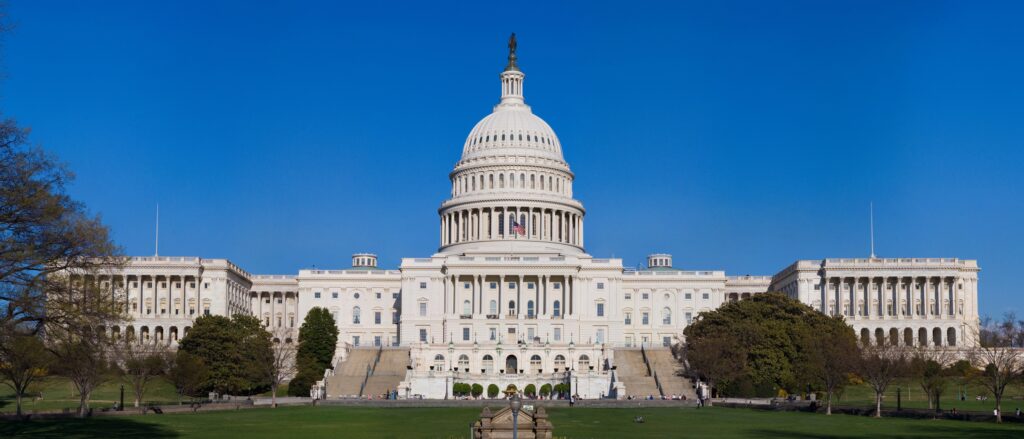
#8 – The US Capitol Hides an Empty Tomb Meant for George Washington
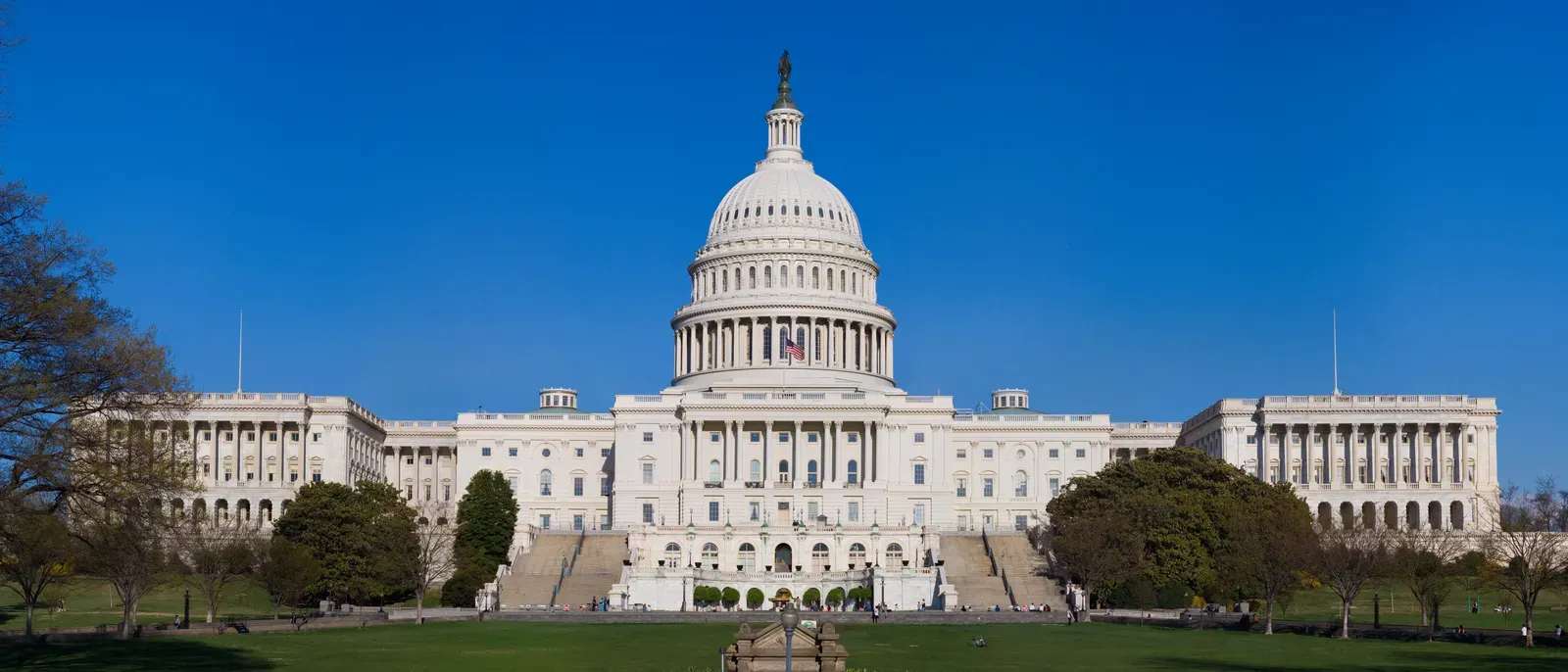
Beneath the Capitol Rotunda sits a room built for a body that was never placed there. The Capitol Crypt was constructed with a burial chamber intended to hold the remains of George Washington.
His family declined to move his body from Mount Vernon, leaving the chamber permanently empty – a room built to honor the nation’s first president that has stayed vacant since the day it was completed.
The Capitol also carries a tradition of sealed cornerstones. When the building’s cornerstone was laid, ceremonial coins and documents were placed inside and sealed away, following a practice common in major government buildings of the era, and many of those items remain undisturbed in the stonework to this day.
Few visitors touring the Rotunda realize they’re standing near an empty tomb and a sealed time capsule at the same time. It’s one of the odder contradictions in American architecture – a building designed to honor a leader who never actually occupies the space reserved for him. Up next, the Empire State Building was secretly designed with a very different purpose in mind.
#9 – The Empire State Building Was Secretly Built for Airships
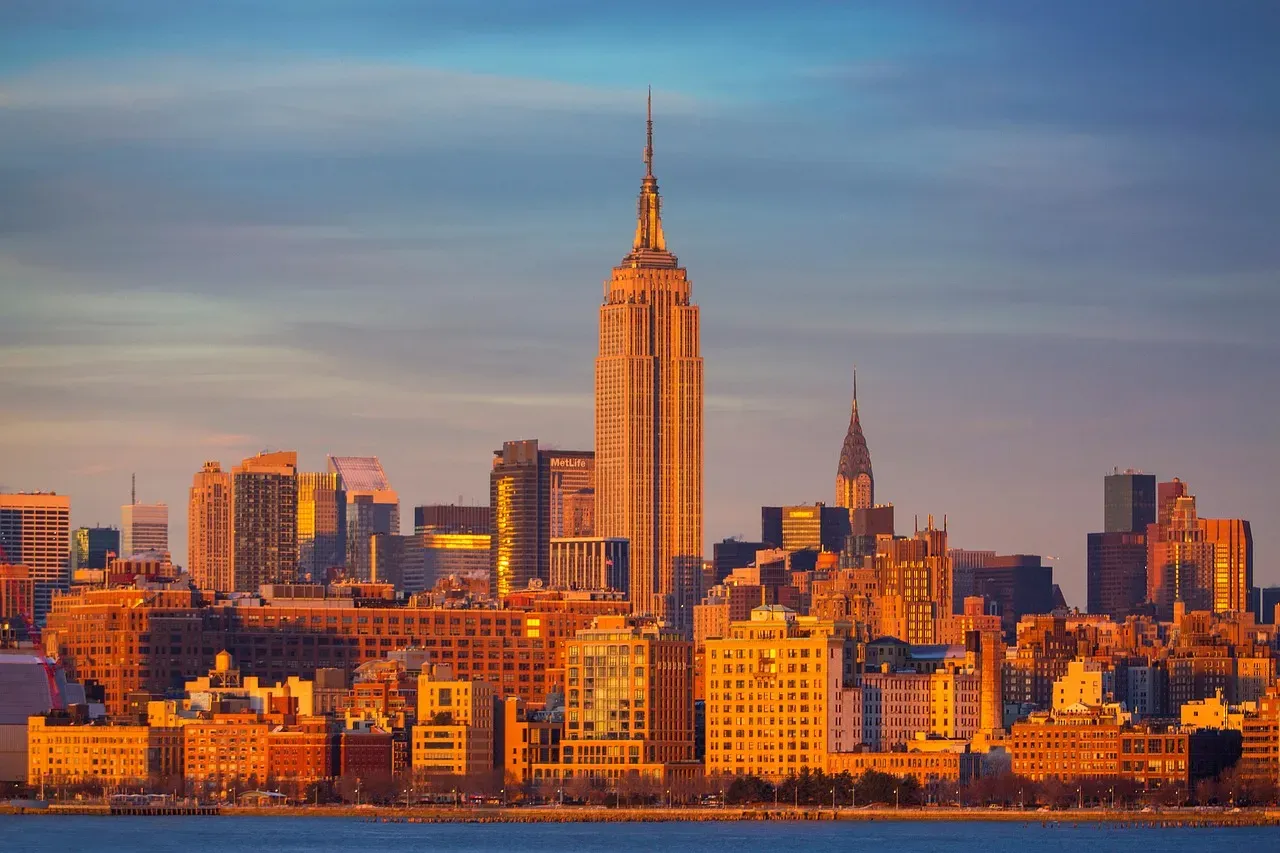
The tower’s spire wasn’t originally meant to be decorative – it had a job nobody expected. The building’s distinctive mast was designed and marketed as a mooring station for airships, meant to let dirigibles dock at the tower so passengers could disembark directly into Midtown Manhattan.
The plan never worked in practice. High winds around the tower made it far too dangerous for any airship to safely tie off, and the mooring mast idea was quietly abandoned before it ever got a real test.
That hidden failure sat in plain sight for decades, disguised as simply the building’s crown. Most people photographing the spire today have no idea it was once seriously proposed as an aerial bus terminal in the sky.
The building has also long carried whispers of unused floors and sealed mechanical spaces from its original construction – rooms closed off once elevator technology and building codes changed over the decades. It’s a reminder that even the most iconic skyline silhouettes sometimes hide abandoned engineering ambitions nobody talks about anymore. Next, a Disney castle has been quietly hiding a real apartment inside it.
#10 – Cinderella Castle Secretly Hides a Private Suite
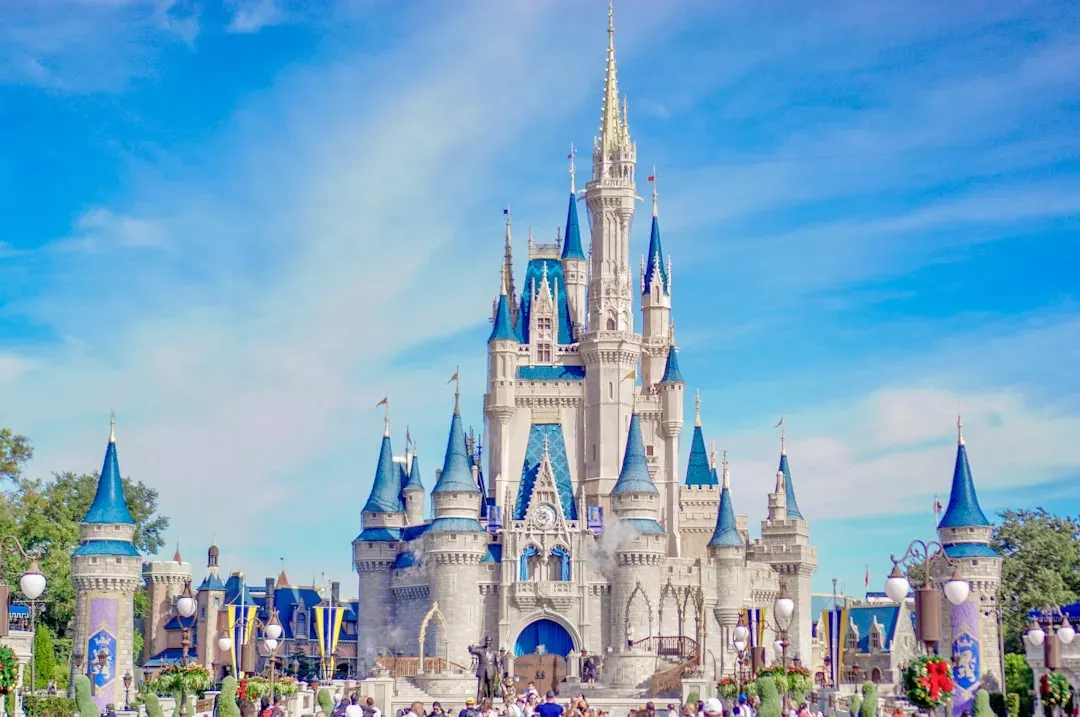
Millions of families walk past this castle every year with no idea a private apartment sits inside it. Disney built a hidden suite into Cinderella Castle, originally meant for the Disney family’s own use and later opened occasionally as a prize through select promotions.
It’s stayed tucked behind the castle’s public-facing facade for years, hidden above the walkways that thousands of visitors pass through daily without ever looking up.
The suite was designed with medieval-inspired décor, hidden staircases, and detailing meant to make it feel like a genuine royal chamber rather than a modern hotel room. Guests who have gotten access describe it as feeling worlds away from the theme park just outside its windows.
Most theme park fans consider a Disney vacation complete after riding the headline rides, but longtime park insiders will tell you the real hidden gem of the entire resort is a suite most guests will never even know exists, let alone step inside. It’s proof that even the most photographed structures can conceal something entirely private. Coming up, a massive dam has been hiding a time capsule of its own for nearly a century.
#11 – Hoover Dam Secretly Buried a Time Capsule and a Star Map
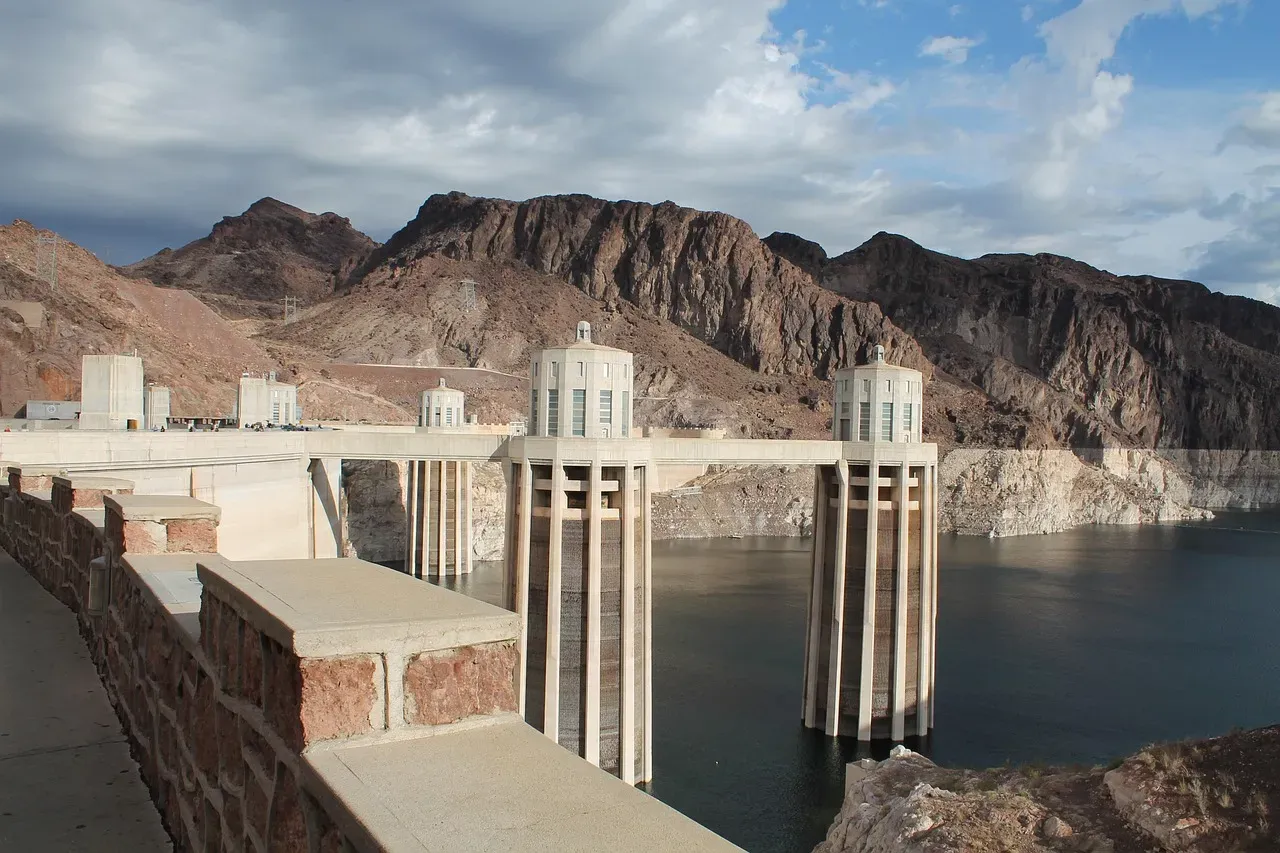
Carved into the dam’s dedication plaza is a hidden feature most visitors walk right over. Hoover Dam’s builders embedded a celestial map into the terrazzo floor near the dedication monument, designed to mark the exact position of the stars on the dam’s dedication date – so future generations could calculate the precise day it was completed even if every written record vanished.
It’s essentially a hidden clock disguised as decorative flooring.
Worth Knowing
- The star map is embedded directly into the terrazzo floor of the dedication plaza
- It was designed to encode the dam’s exact completion date in the position of the stars
- The idea: future generations could date the dam even without written records
- Most visitors walk directly over it while photographing the art deco towers
Alongside the star map, the dam’s dedication area was designed with commemorative elements meant to preserve the memory of the massive engineering project for centuries, reflecting the Depression-era optimism that surrounded its construction.
Most tourists snapping photos of the dam’s art deco towers never look down long enough to notice they’re standing on an astronomical message. It’s one of the more overlooked details in American infrastructure – a monument to human engineering that quietly encodes its own timestamp into the ground. Finally, a St. Louis monument has been hiding a sealed capsule inside its own leg.
#12 – The Gateway Arch Hid a Time Capsule Inside Its Own Leg
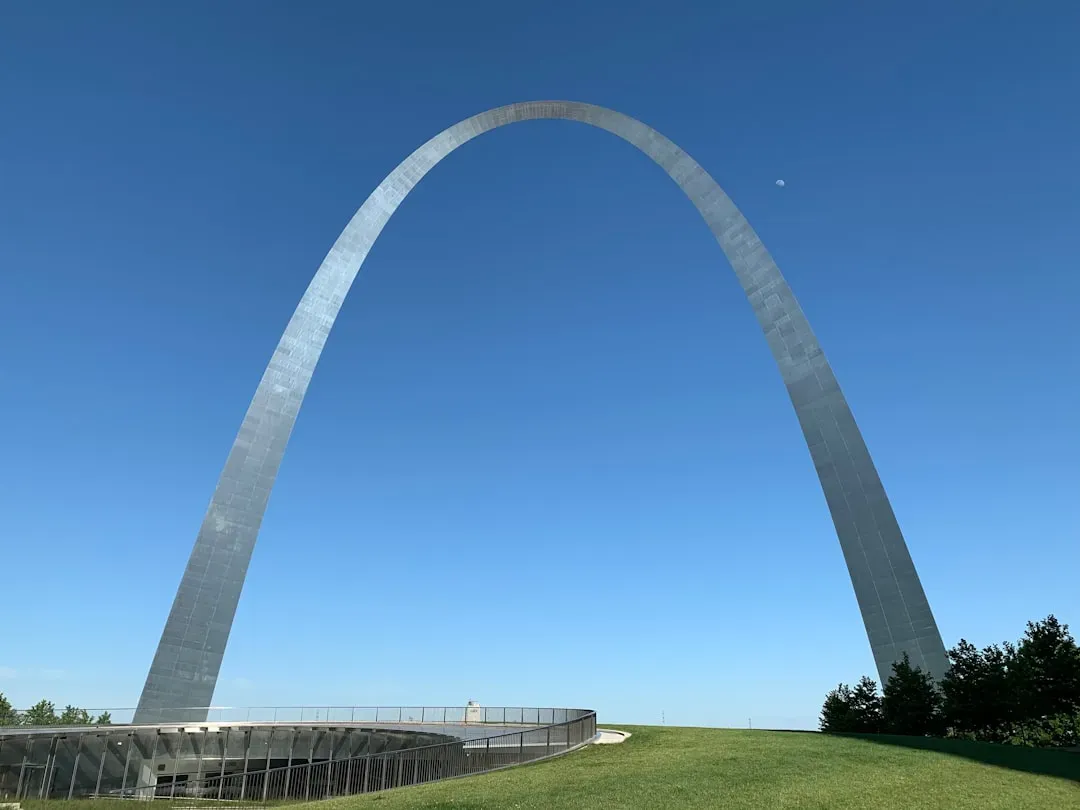
Inside one of America’s most recognizable monuments sits a sealed capsule most visitors never think to ask about. The Gateway Arch in St. Louis contains a hidden time capsule placed during construction in the 1960s and sealed within one of the monument’s legs.
It holds historical documents, memorabilia, and artifacts representing the era when the arch was built – a hidden piece of 1960s America sealed inside gleaming stainless steel.
The Gateway Arch stands as a symbol of westward expansion, and the capsule adds another layer to that symbolism, preserving objects meant to be rediscovered by people who weren’t even born when it was sealed shut.
Unlike most of the other hidden items on this list, the Gateway Arch’s capsule was never meant to stay secret forever. It was built with the explicit intention of eventually being opened and studied – a monument built to celebrate looking forward that secretly hid a message meant to be read by looking back.
The Bottom Line
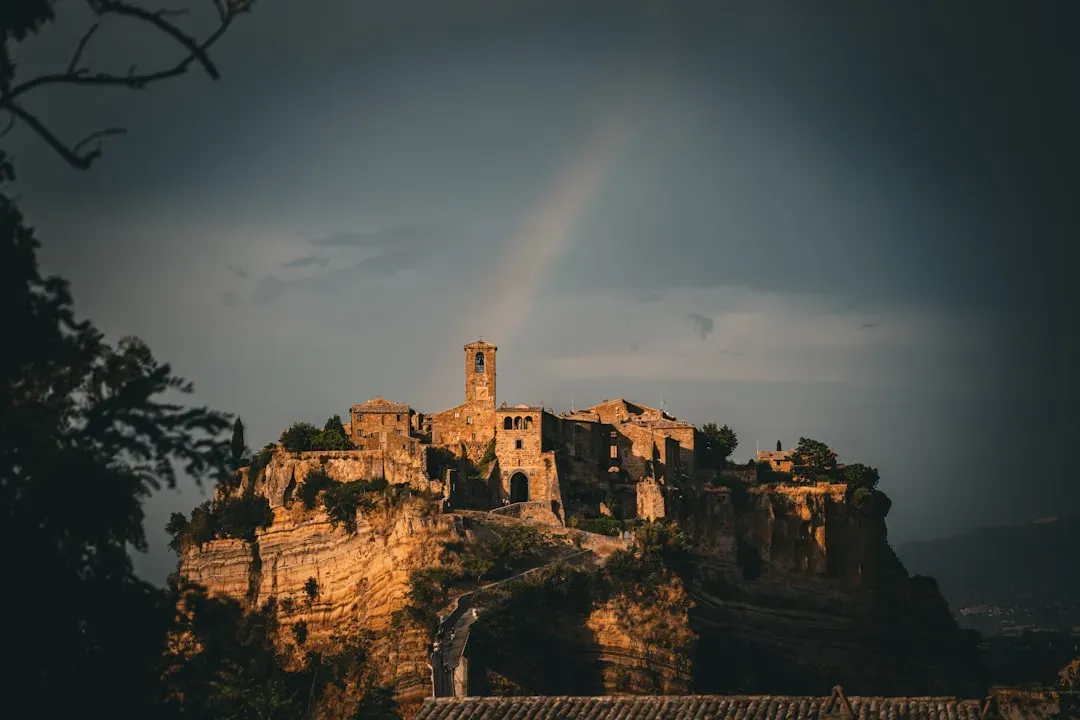
These twelve landmarks prove that famous buildings almost never reveal their full story on the surface. From Eiffel’s private laboratory in the sky to a jail cell hidden inside Big Ben, the most interesting parts of these structures were never meant for public eyes.
Some hidden spaces were built out of vanity, some out of necessity, and some purely to send a message to people who wouldn’t be born for generations. Rushmore’s sealed vault and the Gateway Arch’s time capsule were built for the same quiet reason – the people who built them understood something most tourists forget: buildings outlive the people who make them.
What’s most telling isn’t how well-guarded these secrets were. It’s that most of them stayed hidden simply because nobody thought to look up, look down, or look behind the obvious. The next time you stand under a famous landmark, remember – the best part of the story might be the part nobody bothered pointing out.