
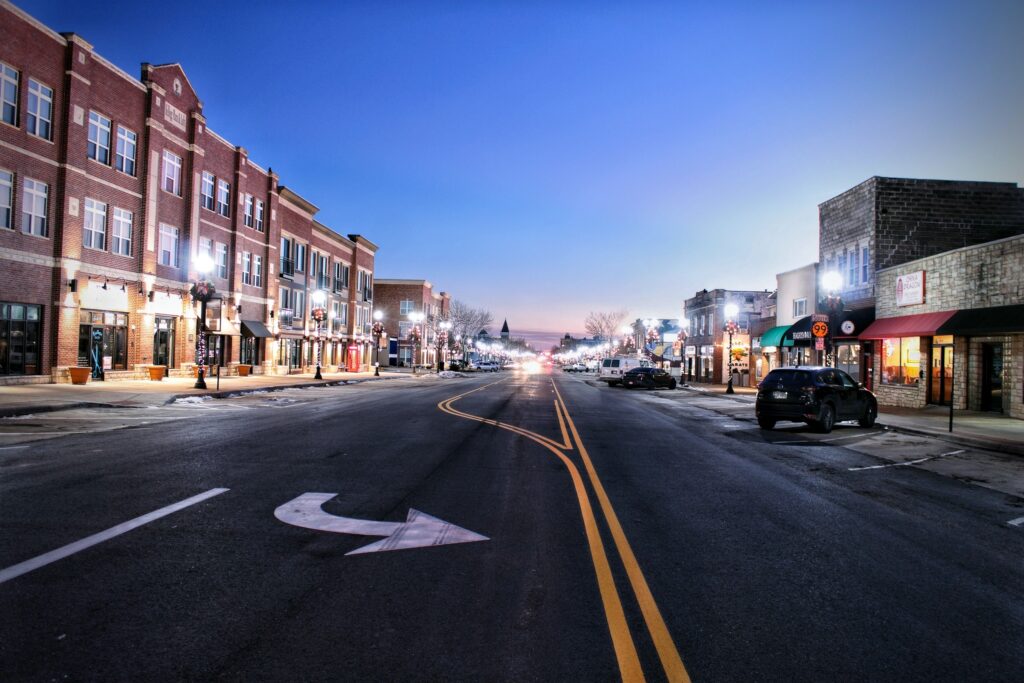
Coal country doesn’t always advertise itself. In dozens of American towns, city halls, elementary schools, and entire subdivisions sit just a few feet above a maze of tunnels, shafts, and man-made rooms carved out more than a century ago. Most people living in these towns have no idea the ground beneath their driveway was once a working mine.
Federal records show hundreds of people have been killed or injured at abandoned mine sites since 2000, and mine subsidence has quietly caused billions of dollars in property damage nationwide. Some towns didn’t just get damaged – they disappeared completely. Here’s what geologists, engineers, and mine-safety officials actually say about the American towns quietly built on top of their own history, and just how close some of them came to falling in.
#1 – St. Louis, Missouri: The City Built on Quarry Fill
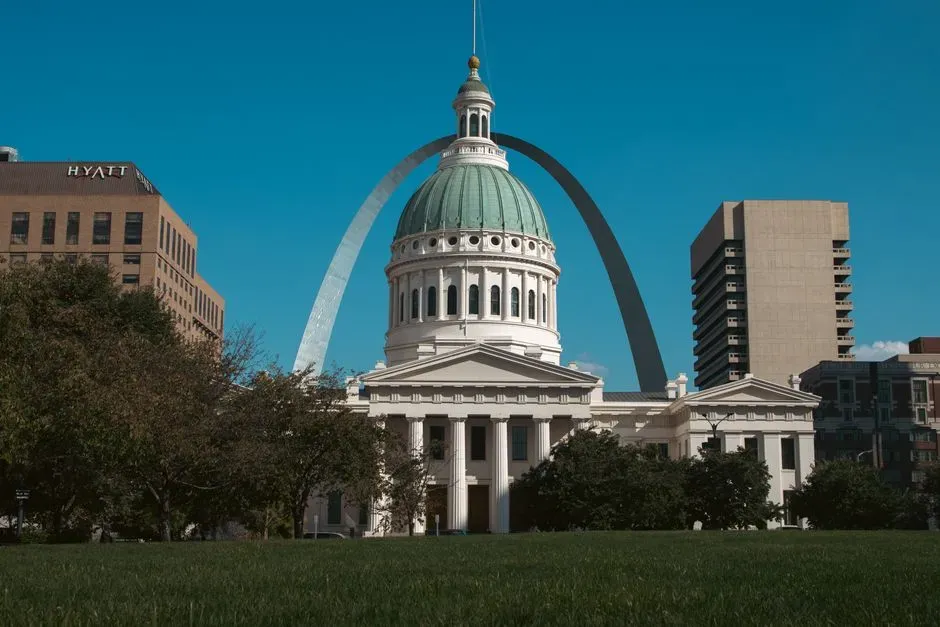
St. Louis isn’t coal country – its underground danger comes from something different: century-old limestone quarries that were mined out, abandoned, and then simply built over. When developers ran low on easy, flat land, they didn’t always fill those quarry pits with engineered material.
Often, they used whatever was on hand instead. That decision is still causing headaches today. Fill placed in these old quarry pits was frequently uncontrolled and of inconsistent depth, meaning it fell far below modern building-code standards and left behind compressible ground that shifts and settles under new construction.
Engineers now routinely have to hunt for these “ghost quarries” before approving new construction anywhere near St. Louis’s older industrial corridors. But that’s nothing compared to what we found about #2…
#2 – Joplin, Missouri: Ground Zero for a Century of Lead and Zinc
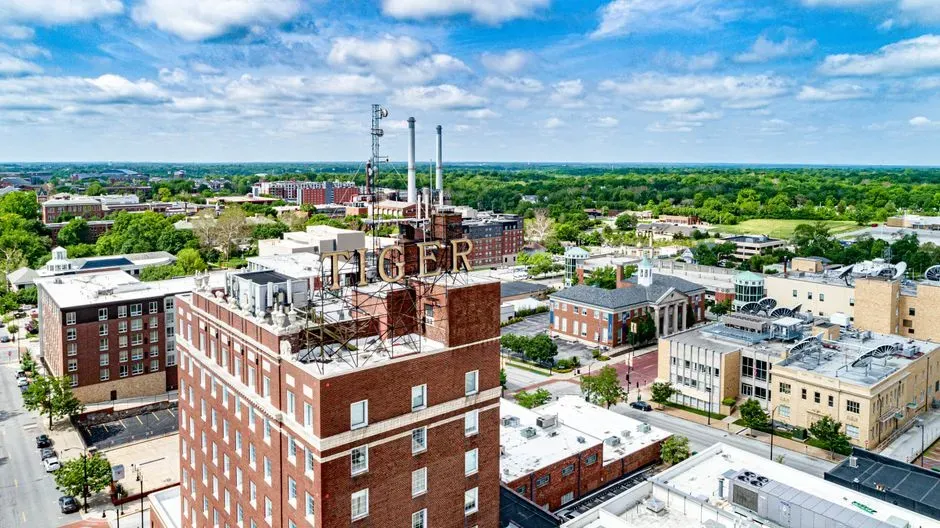
Joplin didn’t grow up near mining – mining built Joplin, brick by brick. The city became the commercial and financial center of an entire mining region because of what crews dug out from underneath and around it.
The Tri-State district was a historic lead-zinc mining region spanning southwest Missouri, southeast Kansas, and northeast Oklahoma, producing ore for more than a century, with digging beginning in the Joplin-Granby area back in the 1850s and 1860s. Decades of underground extraction left behind a honeycomb of old workings running beneath the city.
Most visitors have no idea Joplin’s downtown sits atop over a century of tunnel networks that helped finance America’s bullet and battery industries. Local geologists still map old shafts before major construction projects move forward. Next up is a Kansas town so undermined it barely qualifies as a town anymore.
#3 – Baxter Springs, Kansas: A Cowtown Riddled With Shafts
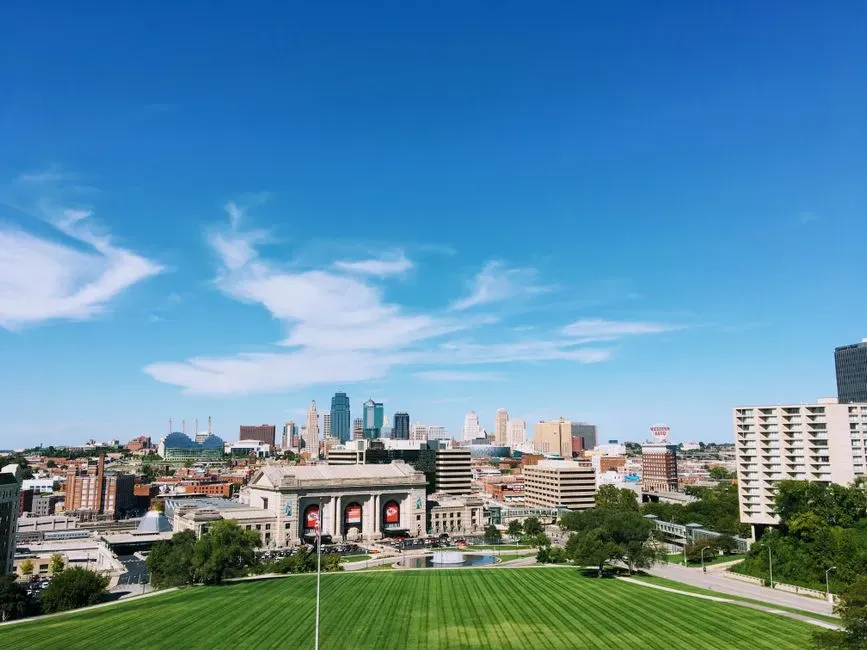
Baxter Springs likes to bill itself as the oldest cowtown in Kansas. But its second identity matters just as much: this was a working Tri-State mining outpost, and the landscape still shows it – open shafts, sunken ground, and collapse zones scattered throughout town.
Treece and Baxter Springs are treated as two separate, active federal cleanup units, part of a much larger area littered with mine waste, water-filled subsidence craters, and open mine shafts. That means federal crews still monitor and remediate ground conditions here, decades after the last ore came out of these hills.
Many longtime locals drive past collapsed shaft depressions every day without giving them a second thought. But the town right next door tells an even stranger story.
#4 – Galena, Kansas: Twenty-Five Square Miles of Underground Risk
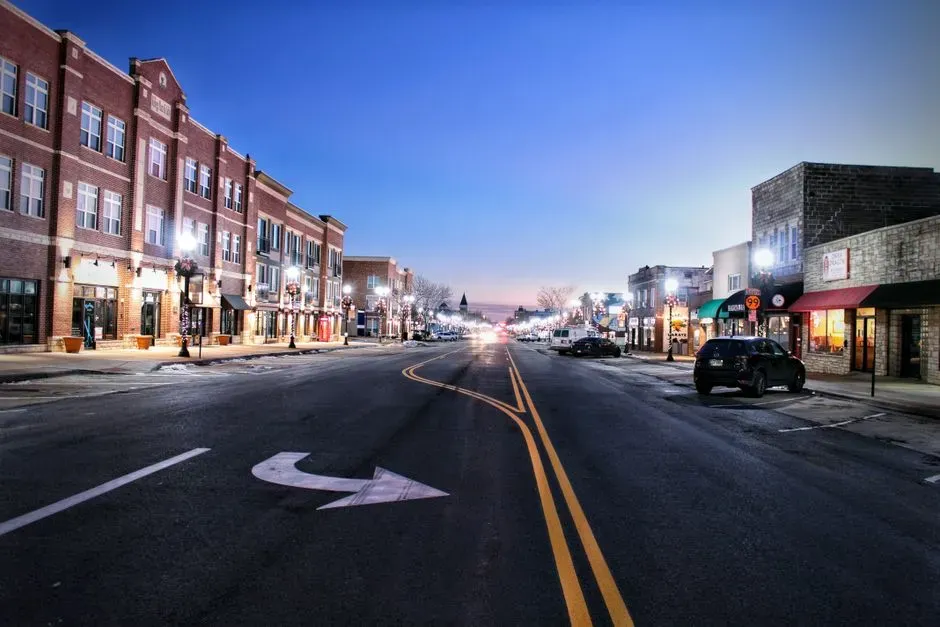
Galena looks like a small, sleepy Kansas town from the surface. Underground, it’s one of the most heavily undermined places in the entire country – a genuine maze beneath quiet streets.
The Galena site covers 25 square miles of mine wastes, water-filled subsidence craters, and open mine shafts, many of which connect directly to the shallow aquifer that supplies drinking water to roughly 1,050 residents outside city limits. That’s an entire municipal water supply running through the same holes that miners dug generations ago.
Cleanup crews have spent decades trying to permanently seal shafts tied directly into the groundwater locals still rely on for their tap water. It’s a sobering reminder that old mines don’t just threaten what’s above ground – they threaten what people drink.
Fast Facts: The Galena Mining Site
- Covers roughly 25 square miles of mine waste, subsidence craters, and open shafts
- Shallow aquifer beneath the site still supplies drinking water to about 1,050 residents
- Part of the larger Tri-State mining district spanning Missouri, Kansas, and Oklahoma
- Federal cleanup crews have worked here for decades trying to seal old shafts
Next on the list is the town that got so unstable it simply vanished from the map.
#5 – Treece, Kansas: The Town That Chose to Disappear
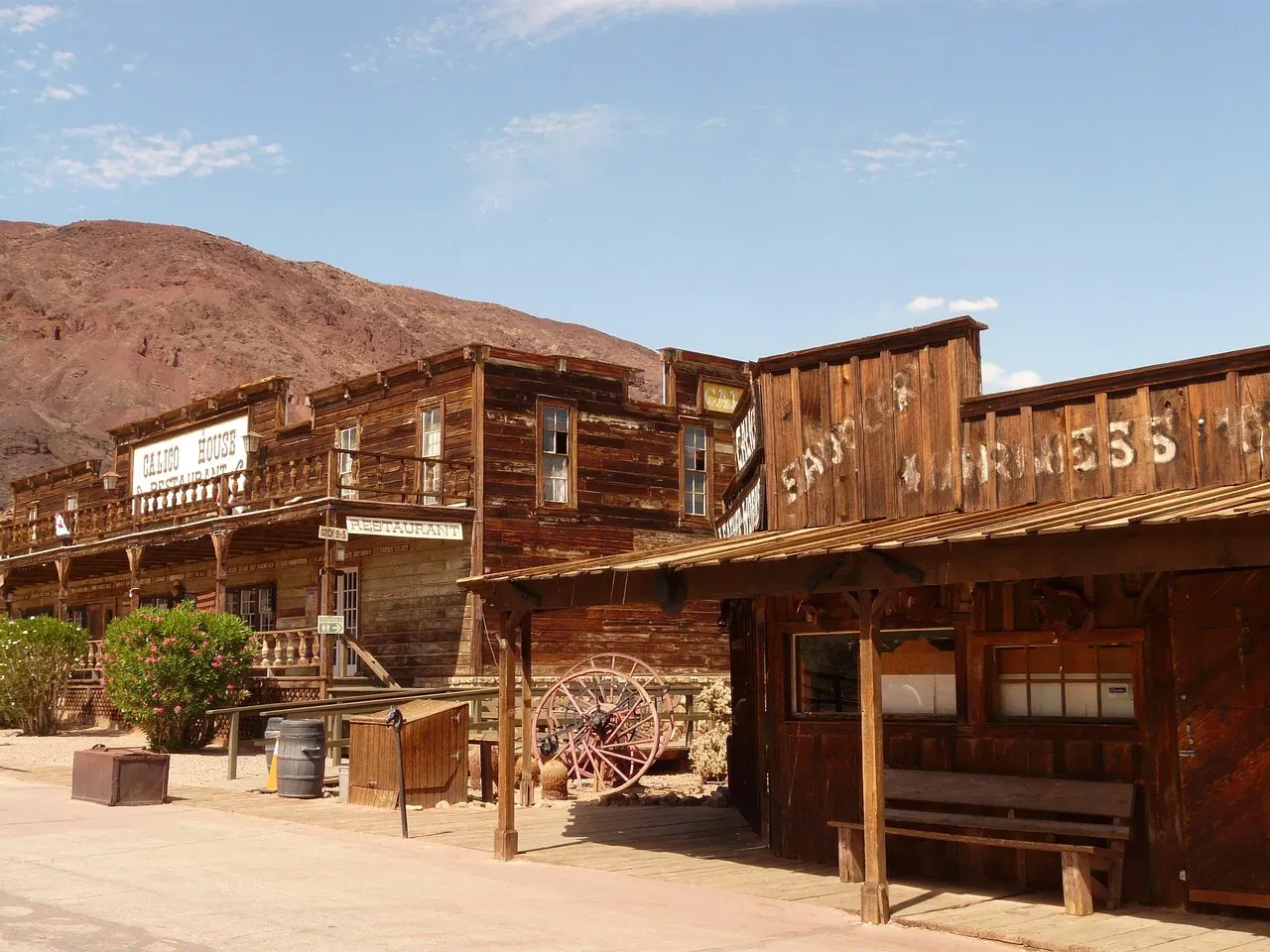
Treece never had a large population, but what it lacked in size it made up for in underground risk. This was one of the most heavily mined pockets of the entire Tri-State district.
With a population of just 194, Treece sat about six miles west-southwest of Baxter Springs on the Oklahoma state line, a former mining camp folded into the larger Picher field. Sitting inside the same collapse-riddled ground as its more famous Oklahoma neighbor, Treece eventually became part of a federal buyout effort, with residents relocated rather than risk another cave-in.
Most people have never heard of Treece – but it was essentially a preview of an even bigger ghost town still to come on this list. Let’s head north, where an entire Colorado suburb learned the hard way what happens when you build directly over old coal seams.
#6 – Firestone, Colorado: A Boomtown Built on Forgotten Coal Seams
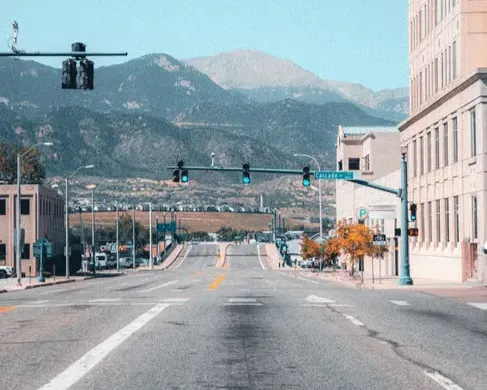
Firestone looks like a classic Colorado suburb – new subdivisions, quiet cul-de-sacs, big front lawns. Underneath much of it, though, sits a network of abandoned coal mine workings that predate every one of those houses by decades.
Homes across parts of Colorado’s Front Range face a hidden underground threat from old coal mines, with potential sinkholes tied to abandoned shafts spread across a four-county area that includes Boulder, Jefferson, Broomfield, and southern Weld counties. The Colorado Geological Survey specifically launched a study focused on three towns in southern Weld County – Firestone, Frederick, and Dacono – hoping longtime residents and former mine workers could help identify hazards nobody had mapped in decades.
Developers built entire neighborhoods here without fully knowing where the old tunnels ended. That’s an uncomfortable admission for a state known for careful zoning.
Quick Compare: Colorado’s Three Undermined Towns
- Firestone – New subdivisions sit atop coal tunnels that predate the houses by decades
- Frederick – Century-old shafts have collapsed within just the past ten years
- Dacono – A surprise cornfield collapse triggered the region-wide investigation
Its twin town next door has an even longer history with subsidence.
#7 – Frederick, Colorado: New Subdivisions, Century-Old Tunnels
Frederick sits just a few miles from Firestone and shares the exact same underground problem. This town grew fast during Colorado’s population boom, often without buyers ever realizing what sat beneath their new backyards.
For more than a century, coal was mined along the Front Range, much of it pulled from underground tunnels and caverns that can still collapse without warning, even 50 to 100 years later. One geologist involved in the Colorado Geological Survey study put it bluntly:
There are places up there that have subsided in the last decade that continually open up in places that surprise us when they do.
Colorado Geological Survey geologist
Even the experts studying these towns say the old maps aren’t reliable. That’s an uncomfortable truth for anyone shopping for a home in the area. Dacono rounds out this trio of undermined Colorado towns.
#8 – Dacono, Colorado: The Third Piece of a Hidden Puzzle
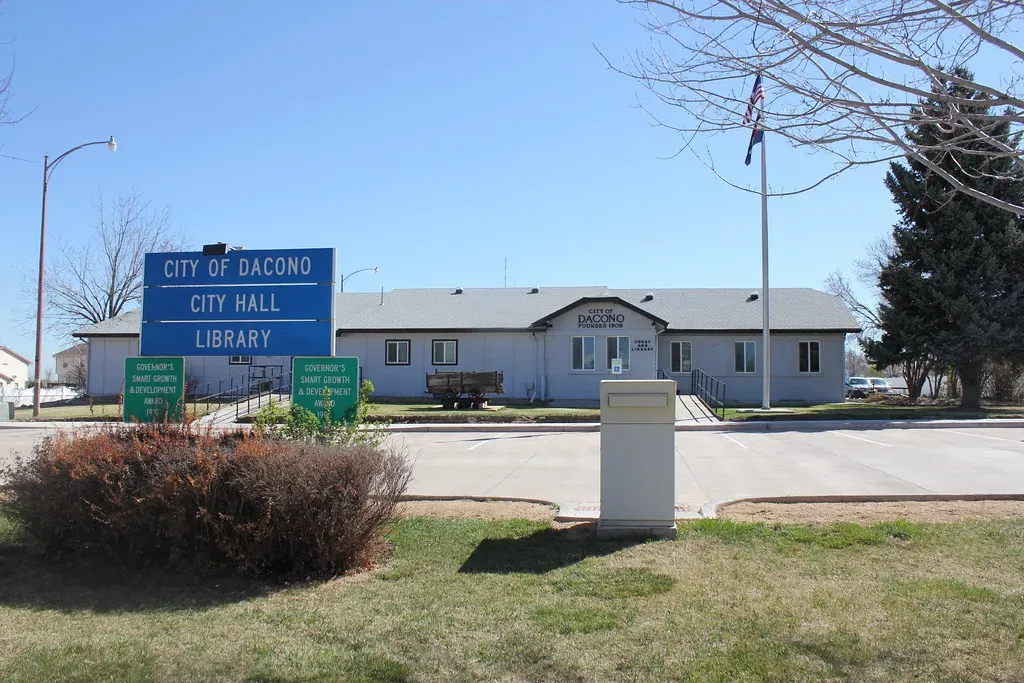
Dacono is the smallest of the three Weld County towns caught up in Colorado’s old coal mine problem, but its risk profile is no smaller. This is where a surprise subsidence event has already forced officials to rethink development rules.
One such collapse happened in a Weld County cornfield, catching developers off guard as they were actively planning to build new homes on the site. That single incident triggered the broader multi-town investigation now underway.
Most homebuyers in this corridor never get told their subdivision sits inside a former coal mining zone. Some real estate agents argue this should be mandatory disclosure – a controversial opinion that Colorado hasn’t fully adopted yet. Let’s head to a Wyoming city that’s spent over 50 years literally pumping concrete under its own streets.
#9 – Rock Springs, Wyoming: A City Rebuilt From the Ground Up
Rock Springs has one of the most extreme mine-subsidence stories in the country, because more than half the city sits over old coal workings. Officials here didn’t just react to sinkholes as they appeared; they built an entire ongoing infrastructure program around preventing them.
More than 50 years ago, residents of Rock Springs were shocked to learn that many of their houses, schools, and churches were in danger because the coal mines built underneath the town were beginning to collapse. More than 60% of Rock Springs is believed to be undermined, meaning the process of filling in all the potential problem areas never really stops.
That’s not a one-time repair – that’s a permanent municipal responsibility. Crews now proactively inject grout into old shafts before problems even start, rather than waiting for the ground to fail. Next, we head east to Pennsylvania’s coal country, where an entire region shares this same fate.
#10 – Hazleton, Pennsylvania: A Hidden Labyrinth Beneath the Streets
Hazleton was never accidentally built near coal – it was founded specifically because of it. That relationship with the ground below has never really gone away.
Hazleton became a prosperous mining town after the discovery of nearby anthracite coal deposits in 1818 and was laid out in 1836 by the Hazleton Coal Company. Decades later, a documentary crew discovered just how extensive that legacy still is: when heavy rains uncovered a long-forgotten mine shaft in Hazleton, it revealed a labyrinth of tunnels, workshops, and remnants of a bustling underground world beneath the city streets.
Most Hazleton residents drive over that labyrinth every single day without knowing it’s there. That’s a strange kind of normal for an entire region of Pennsylvania.
Worth Knowing: Hazleton’s Underground Timeline
- Anthracite coal discovered nearby in 1818
- Town formally laid out in 1836 by the Hazleton Coal Company
- Heavy rains later exposed a forgotten shaft revealing tunnels and old workshops beneath city streets
Just down the highway sits a city nicknamed after its own mining wealth.
#11 – Wilkes-Barre, Pennsylvania: The “Diamond City” Built on Coal
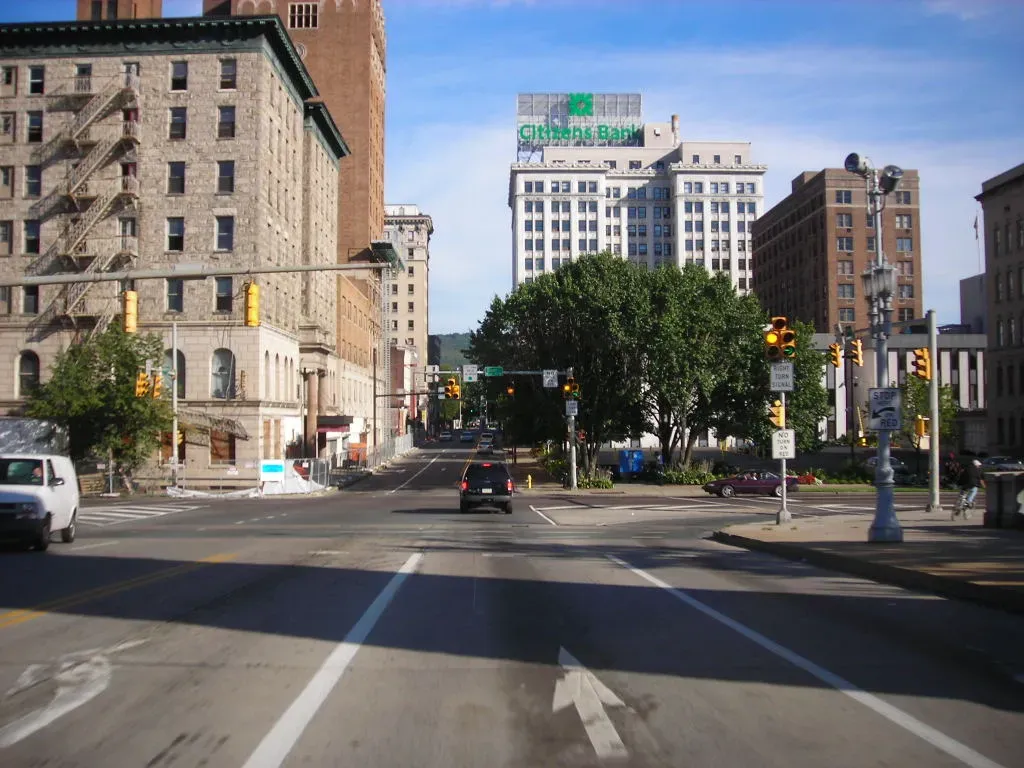
Wilkes-Barre earned a nickname that says everything about its relationship with the ground beneath it. This was one of the most productive anthracite centers in American history, and the tunnels underneath still prove it.
Wilkes-Barre’s population skyrocketed due to the discovery of anthracite coal in the 19th century, and the city was nicknamed “The Diamond City” due to its high productivity of mining coal. That boom eventually turned into a bust with real structural consequences: following World War II, the city’s economy declined as heavy industry collapsed, and the 1959 Knox Mine disaster rendered much of the region’s coal mining infrastructure unusable.
A single mine disaster in 1959 permanently altered what’s safe to build where in this entire valley. Even now, planners factor that collapsed infrastructure into major projects. But no Pennsylvania city wears its underground scars quite like the next one.
#12 – Scranton, Pennsylvania: “Built on Toothpicks”
Scranton’s relationship with its own underground is so notorious it earned a nickname from a national newspaper. This was the anthracite capital of the entire country, and the ground has never fully recovered.
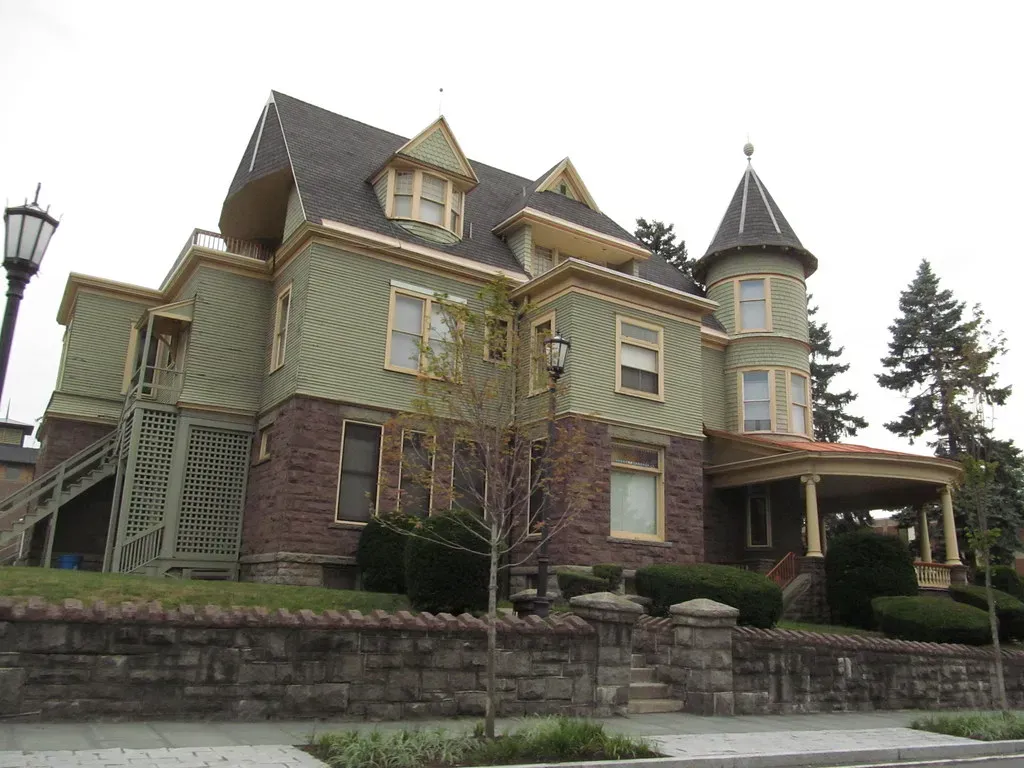
After the last mine finally shut down in 1966, sections of Scranton that had not already been exposed to subsidence began to settle, huge holes opened up unexpectedly, and whole neighborhoods became victims of large subsidences – Scranton even gained the reputation of “being built on toothpicks,” as quoted in a Wall Street Journal article.
A major U.S. newspaper compared the entire city’s foundation to breakable wood. That’s about as blunt as it gets. Pennsylvania eventually created a state-run mine subsidence insurance program specifically because of towns like this one, since subsidence has long menaced homeowners in the state’s historical coal regions – so much so that in 1961, Pennsylvania began offering mine subsidence insurance to cover damage to homes or buildings. Still, nothing on this list compares to the town that vanished entirely.
#13 – Picher, Oklahoma: The Town the Government Erased
Picher isn’t just built – Picher no longer exists because of them. This is the single most extreme example of a town’s fate being decided entirely by what’s underneath it.
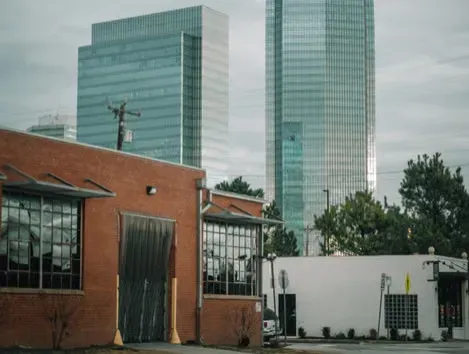
Continuous underground mining and tunneling activities gradually undermined the stability of the community itself, leading to subsidence and structural issues throughout the town. The scale of the danger was almost unbelievable: an Army Corps of Engineers study in 2006 showed that almost nine out of ten buildings in town were susceptible to sudden collapse.
Nine out of ten buildings – not damaged, but at active risk of caving in without warning. The federal government responded with a full buyout, the last inhabitants were relocated, and the town was disincorporated in 2013. Picher stands today as the clearest possible warning of what happens when a town’s foundation and its economy are the exact same hole in the ground.
Why It Stands Out
- A 2006 Army Corps of Engineers study found nearly 9 out of 10 buildings at risk of sudden collapse
- The federal government carried out a full buyout of remaining residents
- Picher was officially disincorporated in 2013
- Widely regarded as the most extreme mine-subsidence case in U.S. history
The Bottom Line
These 13 towns prove something uncomfortable: American cities were often built fast, profitably, and with almost no regard for what mining crews left behind in the ground.
Picher disappeared entirely. Scranton got compared to toothpicks. Colorado is still discovering hazards its own geologists can’t fully map. Frankly, it’s hard not to conclude that early 20th-century development prioritized speed over safety – and that modern buyers in places like Firestone and Frederick deserve far better disclosure than they’re currently getting.
Old mines don’t stay buried forever, and the towns on this list are living proof. Did we miss a town that deserves a spot on this list? Drop it in the comments.