
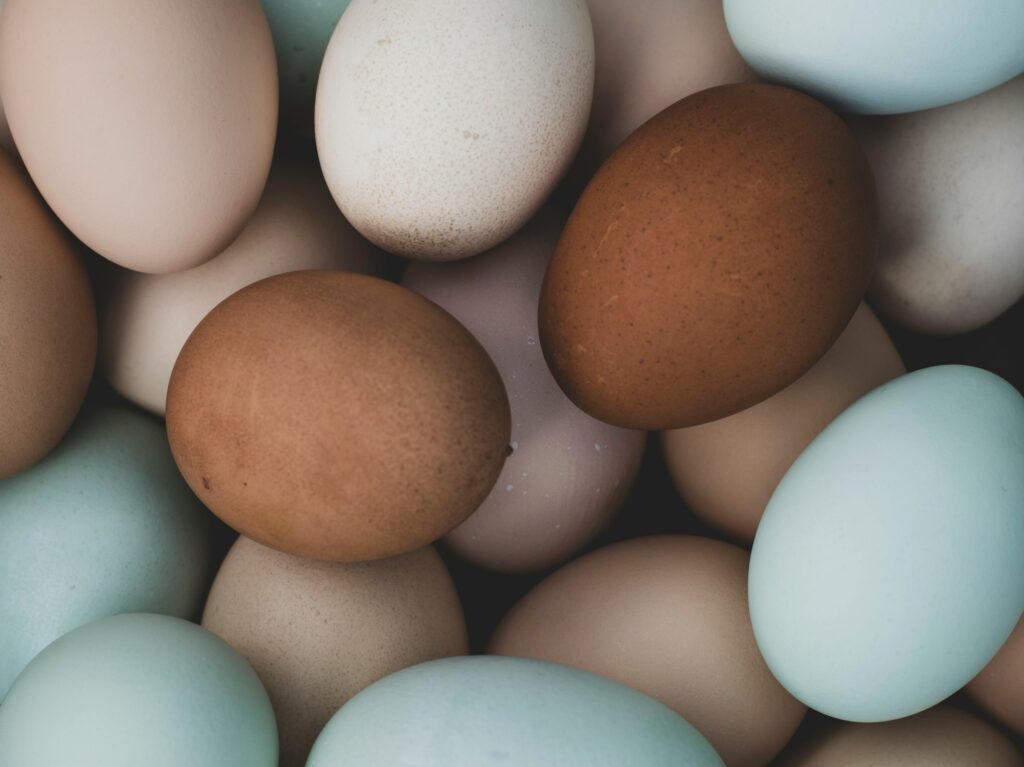
For a long time, bird eggs felt like the most straightforward part of nature: shells, yolk, chick, done. But as scientists started poking, scanning, and even sequencing these little capsules of life, a lot of what we thought we knew quietly crumbled. It turns out that eggs are not just tiny containers; they are living systems with their own chemistry, architecture, and strategies for survival.
I still remember cracking an egg for breakfast while reading about how shell color can predict predator risk and climate. It suddenly felt like holding a miniature data file in my hand instead of a simple piece of food. Since then, I’ve never looked at a robin’s blue egg or a speckled quail egg the same way again.
Below are 12 things about bird eggs that have forced biologists to rewrite old assumptions – about color, shape, size, and even what it means to be “alive” before hatching. Some of these details are wonderfully weird, some are quietly mind-blowing, and together they show that an egg is far from simple.
#1: Egg Shape Is Not Just About Rolling in a Circle
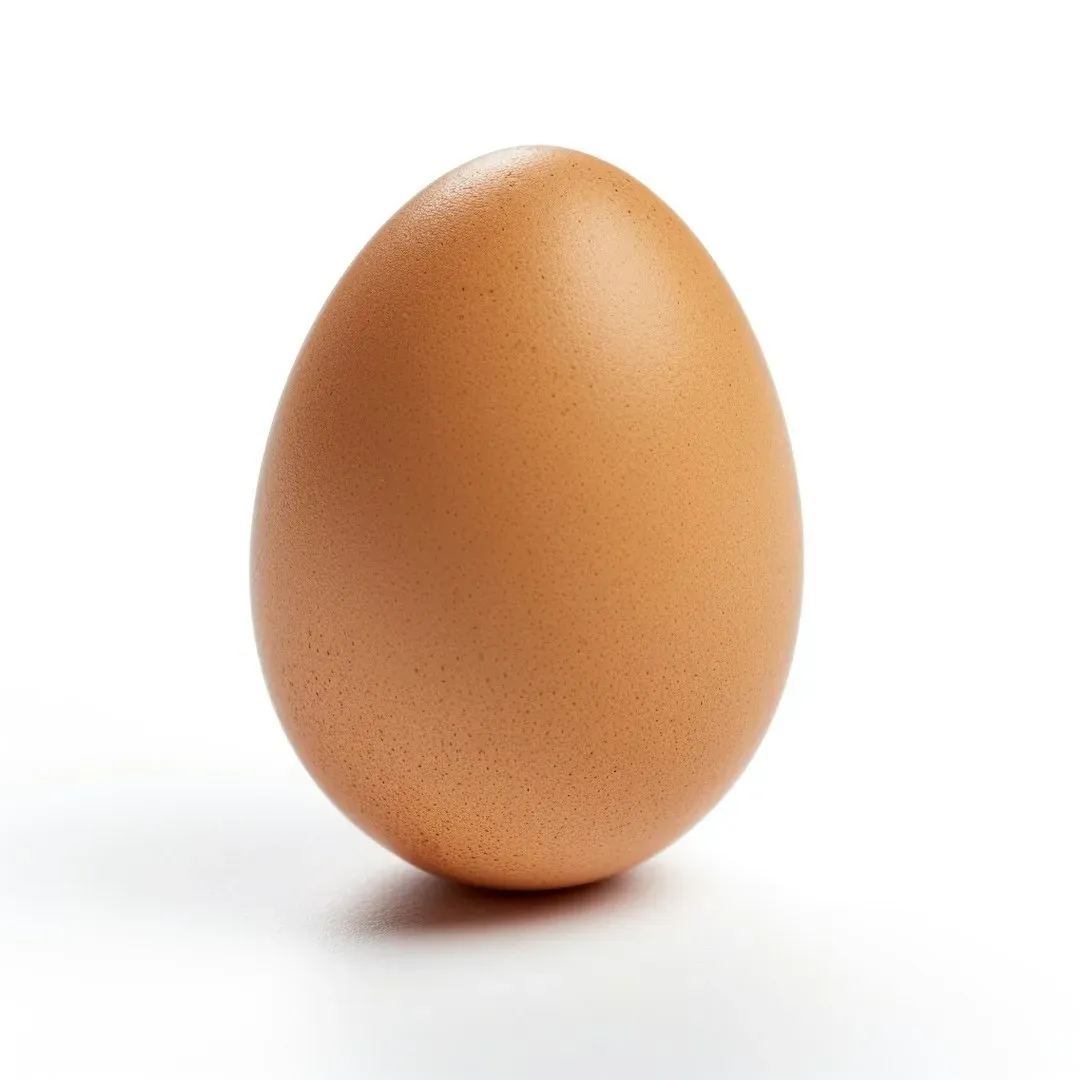
For decades, the classic explanation for pointed eggs – like those of murres or guillemots nesting on cliffs – was that their shape stopped them from rolling off the ledge. The story was that a conical egg rolls in a tight circle and therefore stays put. It sounded neat, tidy, and sensible, so it stuck around in textbooks and nature documentaries.
But comparative studies of thousands of species revealed that this story is, at best, incomplete. When researchers modeled egg rolling on different surfaces and compared egg shapes across evolutionary family trees, they found that cliff-nesting species do not always have the most pointed eggs, and that very pointed eggs can still roll a surprising distance. Shape, it turns out, is not a single-function trick.
What emerged instead is a more complex picture: egg shape is strongly tied to flight ability and body plan. Birds that are excellent fliers often have narrower, more elongated eggs, apparently because their streamlined bodies and reduced pelvic width constrain the shape of what can safely pass through the oviduct. The egg is partly a compromise between aerodynamics in the air and engineering in the pelvis, not only a solution to a cliff-top problem.
- Pointy eggs are not exclusively a cliff-nesting adaptation.
- Egg shape correlates with flight performance and body shape.
- The “rolls in a circle” story is only one small piece of a bigger puzzle.
#2: Egg Color Is Not Just Camouflage Paint
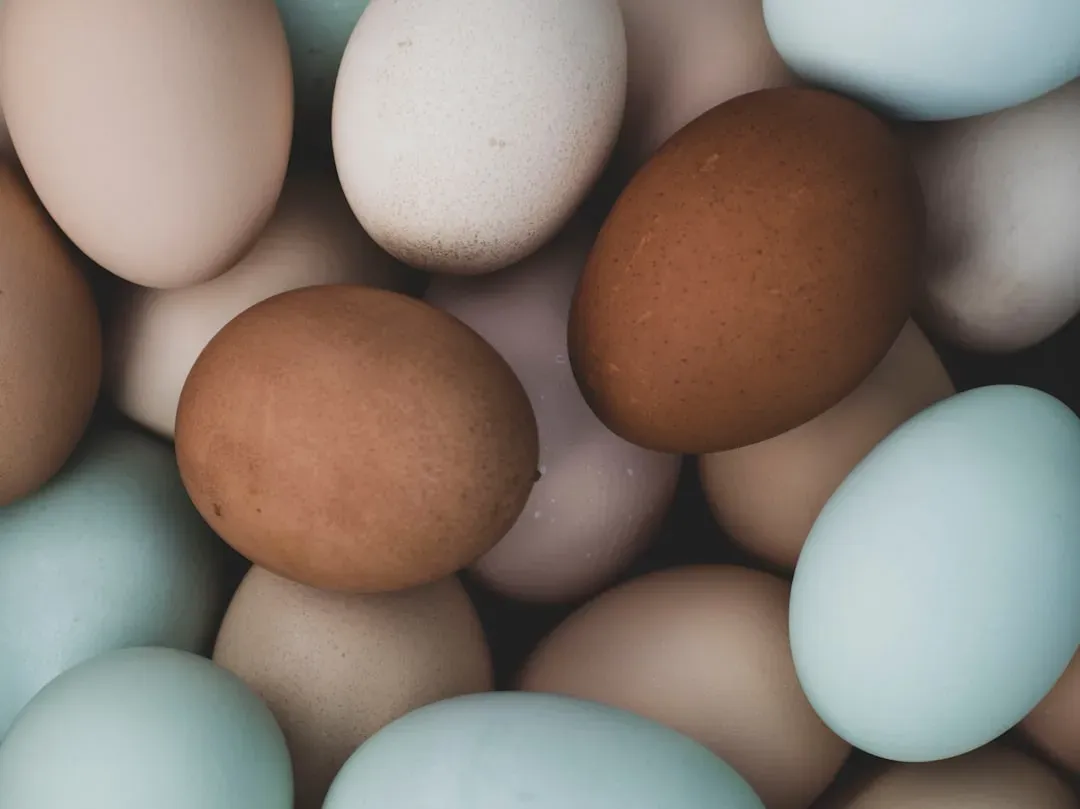
Many of us grew up being told that eggs are speckled and colored to hide them from predators. Camouflage definitely matters, especially for ground-nesting birds whose eggs sit in open scrapes. Speckles break up outlines, browns and greys blend into leaf litter, and a well-placed nest can be nearly invisible to a passing fox.
But that is only one layer of the story. Shell colors are created mainly by two pigments – biliverdin (blues and greens) and protoporphyrin (reds and browns) – and both have roles beyond visual disguise. In some species, biliverdin-rich blue or green eggshells are associated with higher-quality females or healthier embryos, suggesting that color can act as a signal between mates. In others, darker pigments strengthen thinner shells, acting like a natural reinforcing dye.
There is also a climate angle. Darker eggs can absorb more heat, which may help in cold, exposed environments but become risky in extremely hot ones. In hotter climates, paler eggs may reduce overheating when left briefly unattended. So a single shell color can be juggling multiple jobs at once: camouflage, structural support, temperature control, and even honest advertising within the family.
- Shell color can reflect female condition or egg quality.
- Pigments can reinforce weak shells, not just color them.
- Climate and temperature help shape the color palette of eggs.
#3: Speckles Are Not Random Decoration
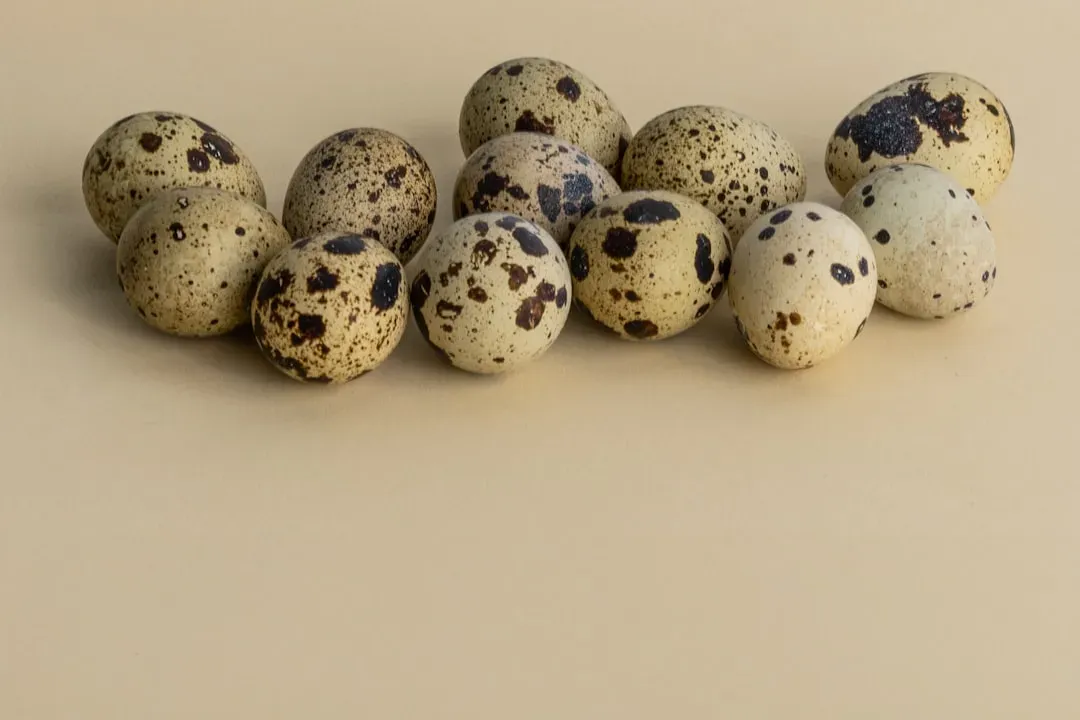
Spotted eggs look like someone flicked a paintbrush at them, but the patterning is not as random as it appears. The speckles are typically concentrations of pigment laid down as the egg rotates in the shell gland, influenced by the timing and speed of movement. In some species, these patterns are repeatable enough that individual females produce a kind of signature egg style, which can help researchers (and potentially birds) recognize who laid what.
There is also a structural side to speckles. In species with calcium-poor diets or thin shells, the dark spots often coincide with areas where the shell is slightly weaker or thinner. The pigment may act like a patch of extra reinforcement, shoring up vulnerable regions. Instead of being purely aesthetic, those freckles can be tiny “repair jobs” nature applies before the egg ever leaves the hen’s body.
In brood-parasitic systems, like cuckoos laying in other birds’ nests, speckle patterns become part of an evolutionary arms race. Host birds may learn to recognize the typical pattern of their own eggs, while parasites evolve increasingly close mimics. This turns the eggshell into the front line of a quiet, high-stakes forgery battle.
#4: The Shell Is a Living, Breathing Interface
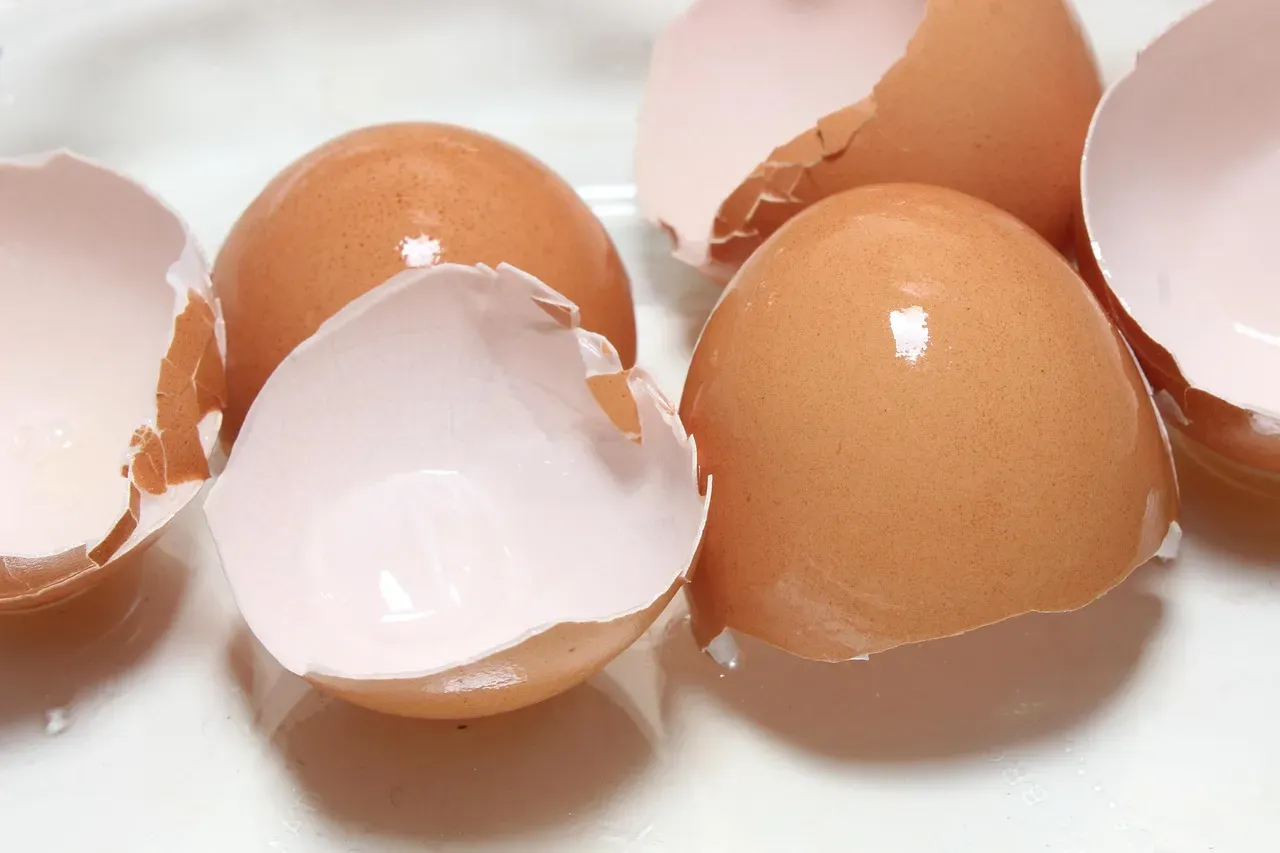
It is easy to think of the shell as dead armor, like a ceramic coating. In reality, an eggshell is more like a breathable, slowly changing exoskeleton. It is laced with thousands of microscopic pores that allow oxygen in and carbon dioxide out, while still limiting water loss and blocking most microbes. The balance of porosity and thickness is tuned to the nesting environment – buried nests, exposed cliffs, humid forests, and dry deserts all pose different challenges.
As the embryo grows, the shell is gradually dissolved from the inside. Specialized cells in the chorioallantoic membrane absorb calcium from the shell and shunt it into building the chick’s skeleton. By the time the chick is ready to hatch, the shell has often lost a noticeable fraction of its original mass. The egg is literally cannibalizing its own container to grow bones.
On top of that, the shell’s outer surface is covered by a thin organic layer called the cuticle. This coating can repel water, inhibit bacterial invasion, filter ultraviolet light, and subtly alter how the egg looks to predators and parents. Many washing and disinfection methods in industrial egg production strip or damage this layer, which is one reason wild and domestic eggs behave differently when stored or incubated.
- Eggshells exchange gases through thousands of tiny pores.
- Embryos mine the shell for calcium to build their skeleton.
- A delicate cuticle layer provides extra protection and UV filtering.
#5: Egg Size Is a High-Stakes Trade-Off, Not Just “Bigger Is Better”
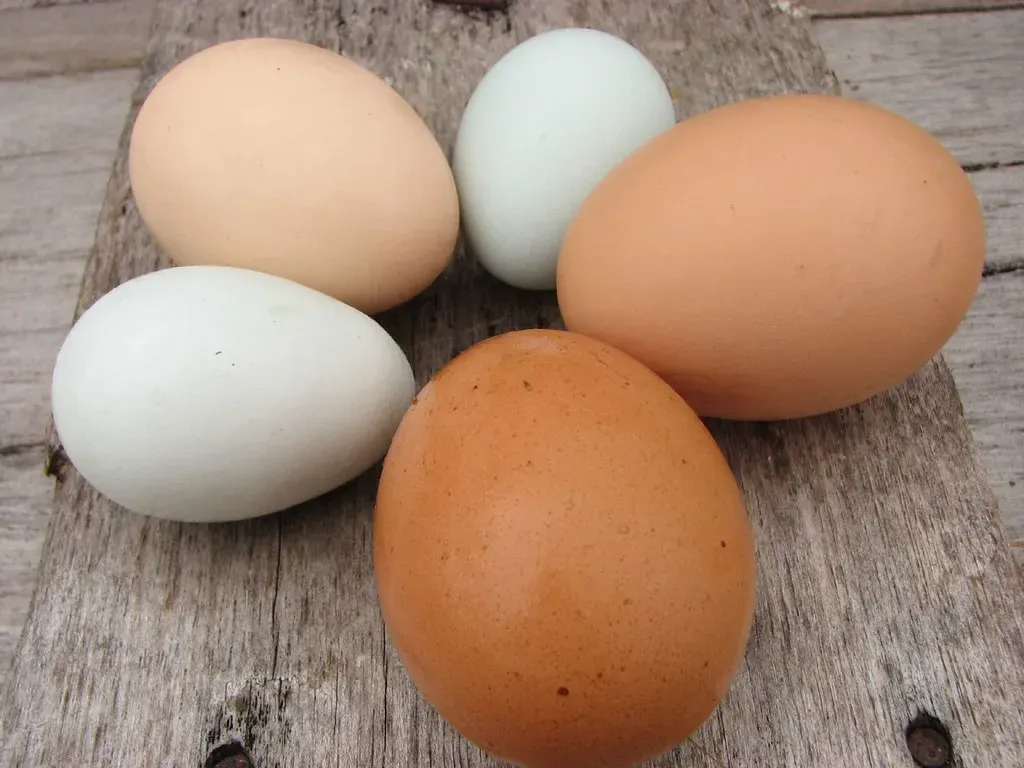
At first glance, a larger egg seems obviously superior – a bigger yolk, a bigger chick, a better head start in life. In some seabirds and raptors, larger eggs do tend to produce hardier chicks, especially in harsh environments where survival is tough. But across bird species, average egg size is the outcome of a balancing act between parental investment, predation risk, and physical constraints.
Producing a large egg demands a massive nutrient investment from the female in a short time, which can stress her body and limit how many eggs she can produce overall. In species with high predation pressure on nests, it may be safer to produce more, smaller eggs across multiple nesting attempts than to gamble everything on a few large, expensive ones. In others, adults are physically small or flight-constrained, so extremely large eggs would be risky to lay or carry.
Within a single clutch, egg size can vary for strategic reasons too. Some birds lay a slightly larger first egg, effectively giving the earliest chick an advantage if food becomes scarce. Others show the opposite pattern, with later eggs slightly boosted, perhaps as a buffer in case early eggs fail. Egg size is less a simple measure of species quality and more a snapshot of an evolutionary cost–benefit calculation.
#6: The Yolk Is an Immune Toolkit, Not Just a Fat Blob
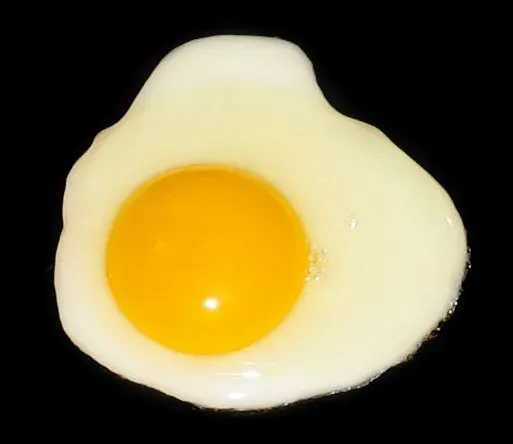
The traditional picture of the yolk is that it is basically a sack of fat and protein, fuel for the developing embryo. That part is true, but incomplete. The yolk also carries antibodies, hormones, and signaling molecules that can pre-program aspects of the chick’s early life, from growth rates to immune responses. Mothers are not just feeding their chicks; they are fine-tuning them biochemically.
In many species, females deposit antibodies acquired from their own immune encounters into the yolk. This gives the chick temporary protection against specific pathogens during the vulnerable period after hatching, before its own immune system is fully functional. It is a kind of pre-loaded vaccine, aimed at the particular disease risks the mother has experienced in her environment.
Meanwhile, hormones in the yolk can affect aggression, boldness, and even competitive behavior among siblings. For example, mothers in crowded or unpredictable environments may adjust hormone levels in the eggs to produce more competitive, fast-growing chicks. The yolk is not a passive pantry but an information-rich care package tailored to local conditions.
- Yolks store antibodies that protect chicks after hatching.
- Hormones in the yolk can shape behavior and growth.
- Mothers adjust yolk composition in response to their environment.
#7: Incubation Is a Precision Climate-Control Operation
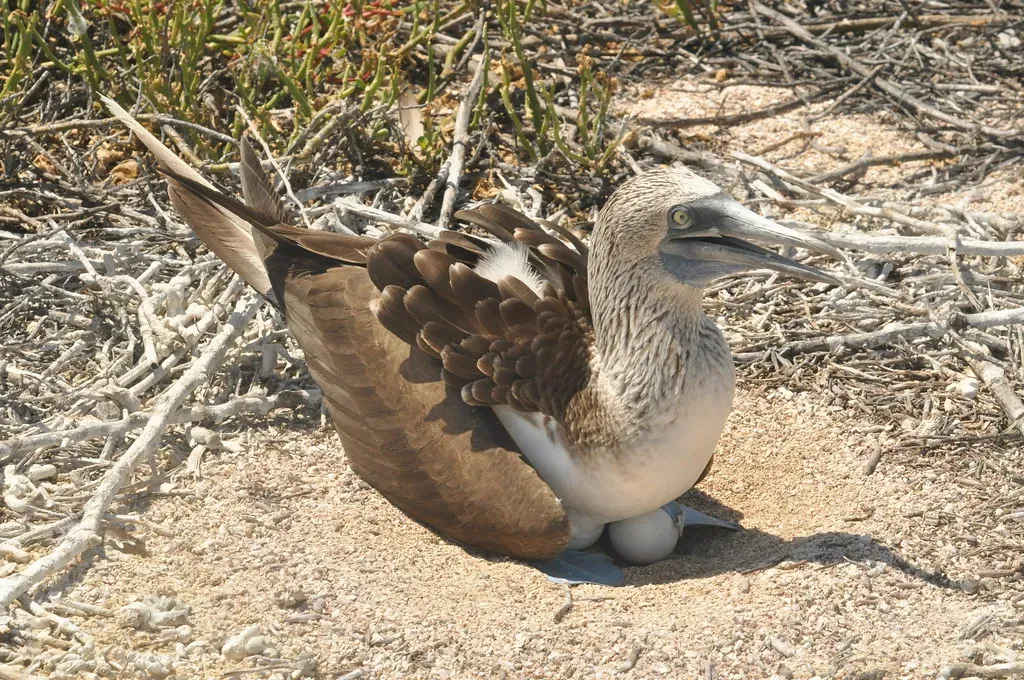
It is tempting to see incubation as simple sitting: a parent bird warming eggs until they hatch. But detailed observations and temperature logging have shown that many species are running a remarkably precise climate-control system using only their bodies and behavior. Slight shifts in posture, nest design, and turn timing adjust the temperature and humidity inside the egg with surprising accuracy.
Most bird embryos develop successfully in a very narrow thermal window; even small, persistent deviations can slow development, cause deformities, or kill the embryo. Parents compensate for weather swings by shading, brooding, or adjusting the time they spend on and off the nest. In species with both parents incubating, relay-style swapping can keep conditions stable while still allowing foraging and predator vigilance.
Egg turning, which once seemed like a minor habit, turns out to be crucial. Rotating the eggs prevents membranes from sticking, spreads heat more evenly, and helps position the embryo correctly for hatching. When eggs are not turned, or turned irregularly, problems in development and hatchability rise sharply. Instead of being a background behavior, incubation is a nonstop, high-stakes engineering job.
#8: Synchronous Hatching Often Starts with Sly Delays
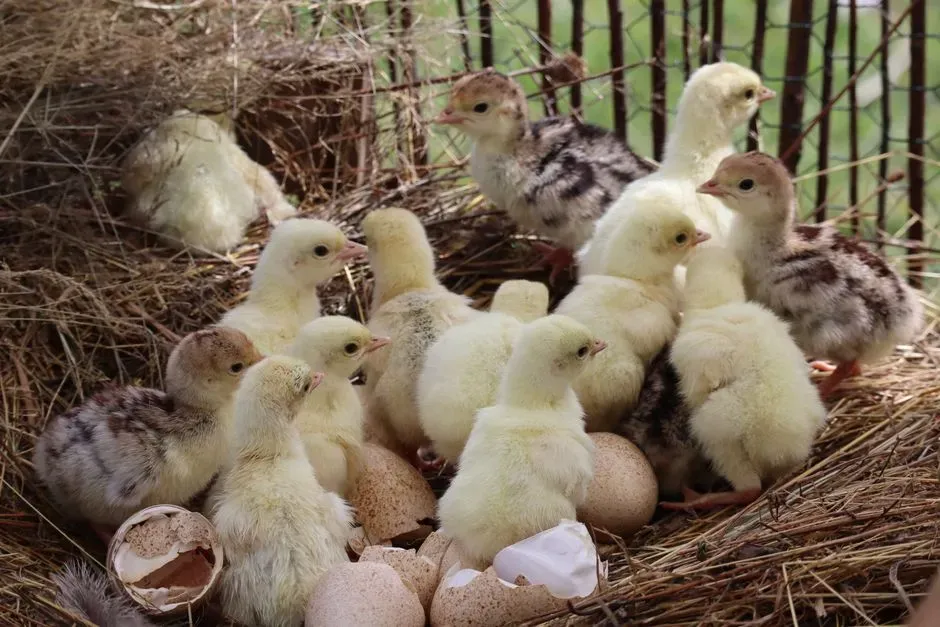
Many birds, especially those with precocial chicks that leave the nest soon after hatching, manage an impressive trick: multiple eggs laid over several days hatch almost simultaneously. The old assumption was simply that all embryos develop at the same speed, but that does not make sense when early eggs are in the nest for much longer. Something more subtle is happening.
In a lot of species, the parents delay full incubation until the clutch is nearly complete. They may keep the eggs slightly warm but not warm enough for full development to kick in, essentially putting the early eggs on pause. Only when they commit to constant incubation do all embryos accelerate at roughly the same time, compressing the differences in laying dates.
In some cases, embryos themselves seem capable of adjusting their growth rates in response to temperature or signals inside the egg. Chicks from later-laid eggs can speed up, while earlier ones slow down slightly, ending up at the hatching finish line together. The result is a brood that is roughly the same size and developmental stage, which can make parental care more efficient and reduce the risk of smaller siblings being outcompeted or neglected.
- Parents often delay full incubation to “sync” development.
- Embryos can adjust growth rates to catch up or slow down.
- Synchronous hatching keeps broods more even and manageable.
#9: Brood Parasitism Turned Eggs into Forensic Evidence
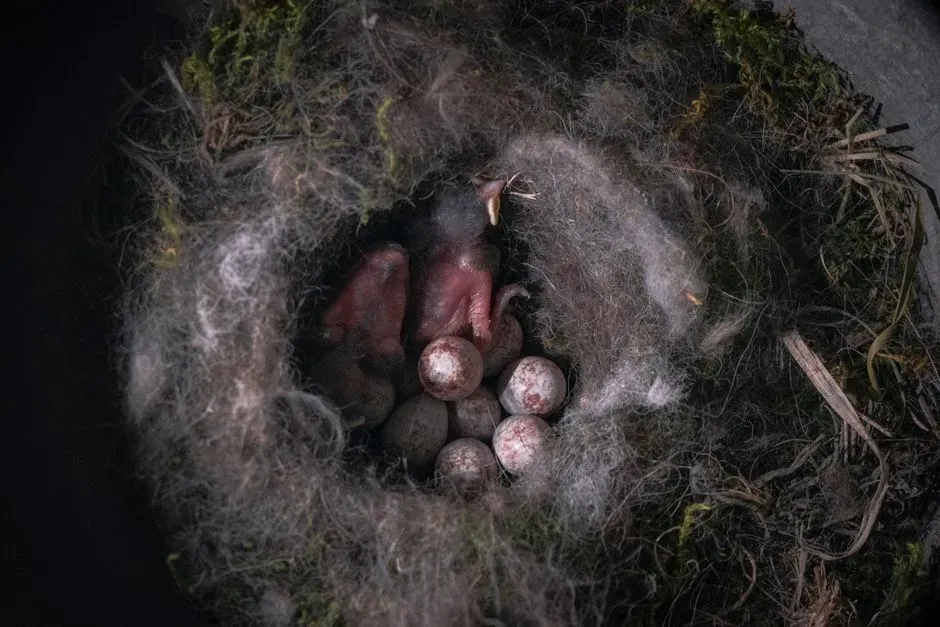
When brood parasites like cuckoos and cowbirds lay their eggs in other birds’ nests, they turn eggs into weapons and counter-weapons. The traditional view focused mainly on behavior: sneak an egg in, let someone else raise your chick. But the more closely biologists looked at eggs themselves – color, pattern, size, and shell properties – the more they realized those shells record the history of an evolutionary crime drama.
Many parasitic birds evolve eggs that closely mimic the color and speckle patterns of their hosts’ eggs, reducing the chance that hosts will recognize and reject the intruder. In response, host species evolve more distinctive, individualized egg signatures: unusual color shades, complex speckle arrangements, or high variation between females. These features make it harder for a parasite to produce a good fake that passes inspection in all nests.
Researchers can now use egg pattern analysis like a forensic tool. By comparing fine-grained digital images, they track which parasite lineages target which host species, and how tightly matched their eggs have become. This has overturned the idea that brood parasitism is a static relationship; instead, eggs show it is a constantly shifting battle of mimicry and detection, with each side tweaking its designs over generations.
#10: Egg Microbiomes Challenge the “Sterile Egg” Assumption
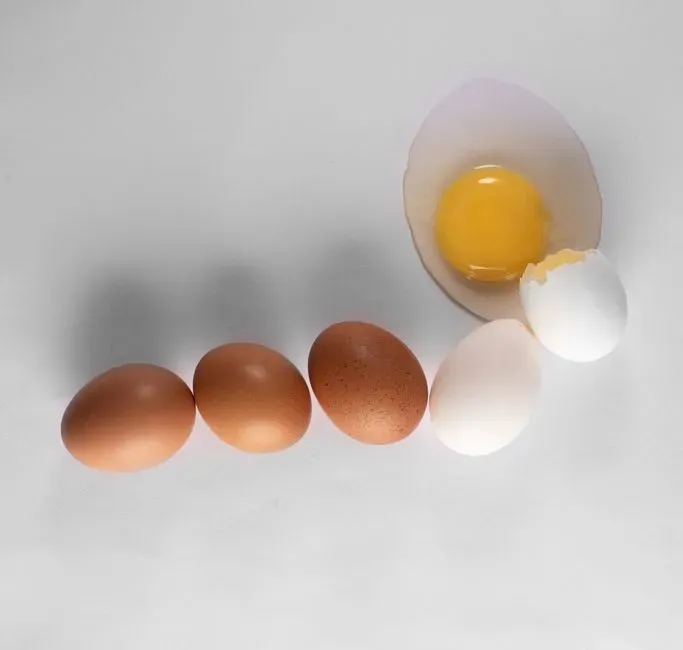
For a long time, biologists assumed that freshly laid eggs were essentially sterile inside, with microbes getting in only later through cracks or pores. With better molecular tools, that assumption has been weakened. While there is still debate about how many and which microbes genuinely inhabit the interior of healthy eggs, it is clear that the egg surface and surrounding nest are rich microbial environments that strongly influence embryo health.
Parents do not passively accept whatever microbes colonize their nests. They bring in fresh plant material with antimicrobial properties, adjust nest humidity and ventilation, and sometimes add feathers or other materials that can change microbial communities. Some species even coat eggs with secretions from their own bodies that have antibacterial or antifungal effects. The nest is part incubator, part hygiene lab.
Even when the inside of the egg starts out nearly microbe-free, what happens on the shell can change the game. Certain bacteria can penetrate pores, while others are repelled by the cuticle layer or blocked by low humidity. The modern view is less “the egg is sterile” and more “the egg is managed”: an environment where parents and shell structures work together to keep dangerous microbes at bay while still allowing gas exchange and development.
- The idea of completely sterile eggs has been softened by new evidence.
- Parents influence egg and nest microbiomes through behavior and materials.
- Shell structures and cuticles act as filters, not perfect barriers.
#11: Not All Birds Rely Only on Body Heat to Incubate
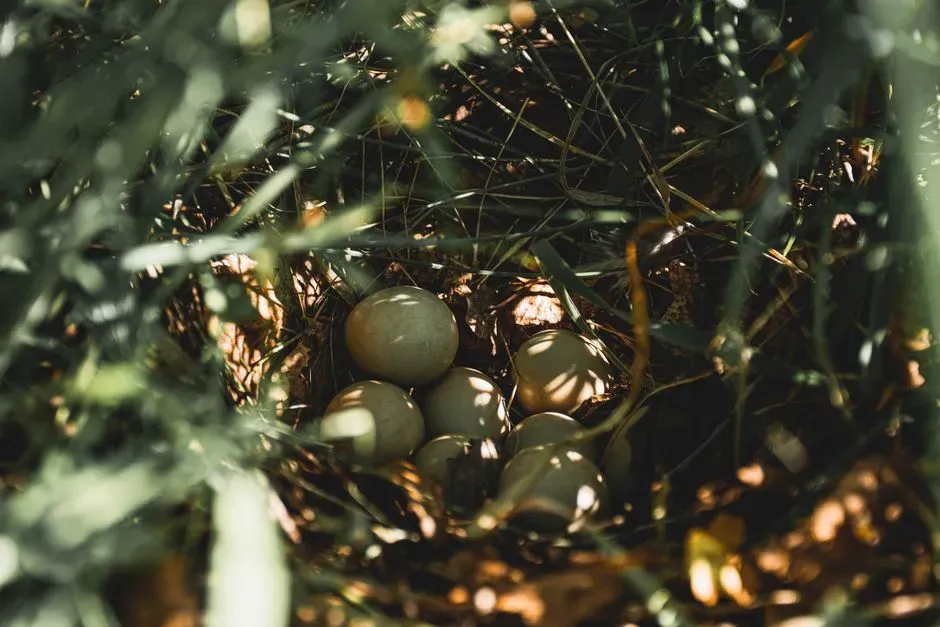
The typical mental image of incubation is a bird warming eggs with its body. Yet several species break this rule by harnessing external heat sources. Megapodes, for example, bury their eggs in mounds of decaying vegetation, warm sand, or volcanic soils. The heat that incubates the eggs comes from microbial decomposition or geothermal sources, not the parent’s body temperature.
This strategy completely rewrites how we think about parental care. Adult megapodes still tend the mounds, adjusting the composition, depth, and ventilation to keep temperatures within a safe range, and in some species they even test the heat with their beaks. But they rarely, if ever, sit on the eggs. The chick hatches fully feathered and independent, climbing out of the mound without any post-hatching parental help.
Other birds use partial versions of this trick. Some species site their nests over warm ground or near hot springs, taking advantage of ambient warmth to reduce the energy cost of incubation. These examples remind us that what looks like a fixed rule for birds – sit on eggs to keep them warm – is actually just one common solution among several clever alternatives.
#12: Eggshells Keep Working Long After Hatching
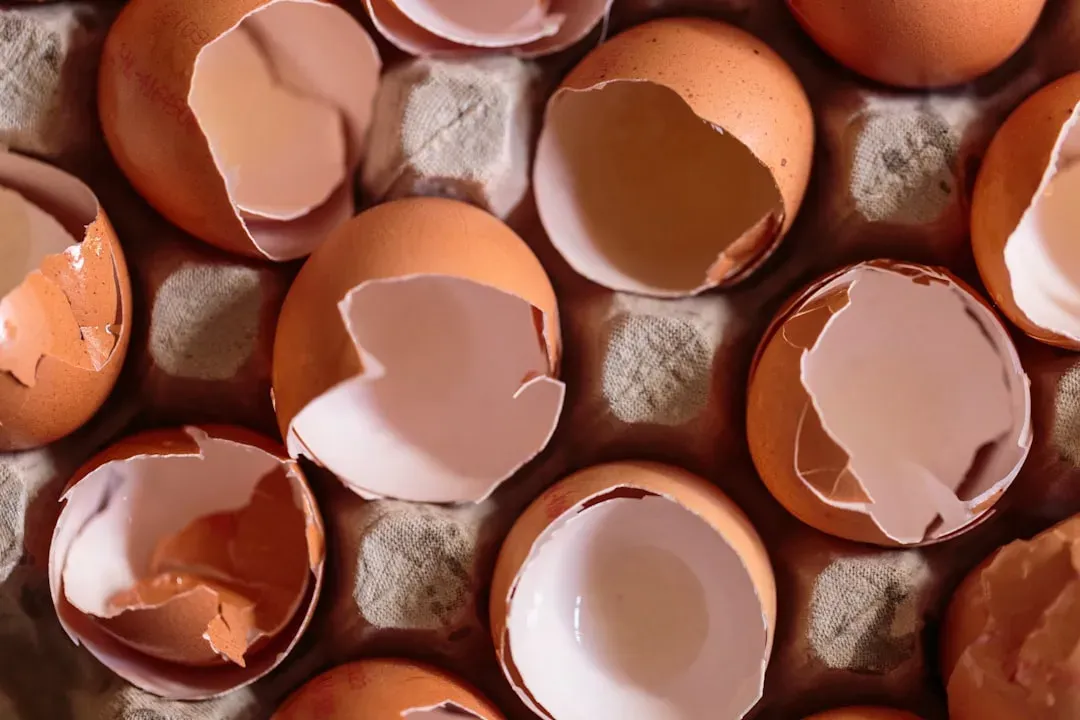
We tend to treat the eggshell as trash once a chick has hatched, but in many species, what happens next carries real biological weight. Some parents remove and discard shells quickly, reducing the visual and olfactory cues that might attract predators. Others eat the shells on the spot, recapturing precious calcium and other minerals after a nutrient-draining breeding season.
Chicks sometimes interact with the remaining shell fragments too. In some species, adults move or hide the shells, clearing space in the nest and preventing chicks from becoming entangled or injured. In colonial seabirds, where broken shells can accumulate in large numbers, their presence can affect nest insulation, drainage, and even how pathogens spread through the colony.
On a broader scale, abandoned eggshells become part of nutrient cycles in soils and aquatic systems. They slowly release calcium and other minerals, influencing plant growth and invertebrate communities. Archaeologists find ancient shell deposits that reveal where birds nested and how human cultures collected and used eggs. Even shattered and empty, shells continue to shape ecosystems and tell stories.
Conclusion: The Humble Egg Is Anything but Simple
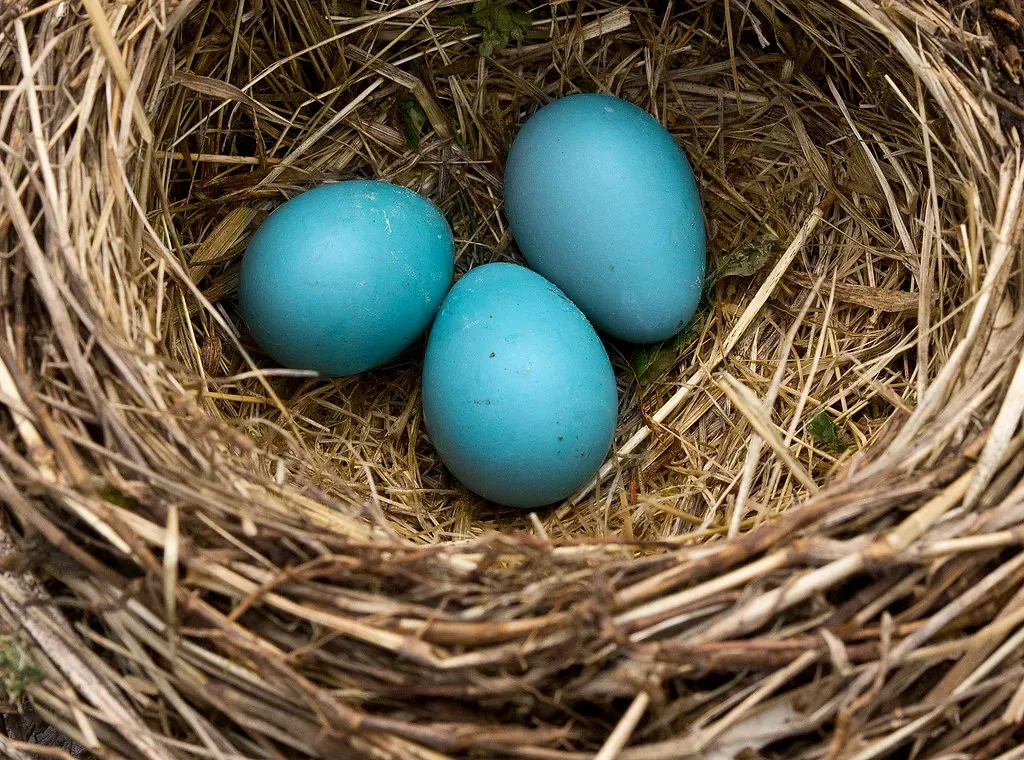
Putting all of this together, it becomes hard to see a bird egg as a simple object. Shape is tied not just to where the egg rests, but to how the parent flies. Color is not just camouflage; it is structural reinforcement, thermal management, and sometimes a family signal system. Yolk is not just calories but a biochemical letter from mother to chick, packed with instructions, antibodies, and subtle nudges about how to face the world.
To me, the most striking shift is the move away from single-answer stories. There is no one reason eggs are speckled, no one explanation for why an egg is big, pointed, or blue. Instead, each egg is a negotiated compromise among physics, predators, climate, parental bodies, and evolutionary history. It is less like a simple product and more like a custom-built spacecraft tuned to one specific mission: get this embryo, in this environment, safely into the world.
If anything, our old assumptions were guilty of underestimating just how much information, history, and engineering can be packed into something that fits in the palm of your hand. The more scientists look, the more they find layers of strategy written into shells, pigments, and yolks. Next time you see a bird’s nest or crack an egg into a pan, it is worth pausing for a second: you are looking at one of nature’s most refined pieces of design. Did you expect it to be that complicated?