
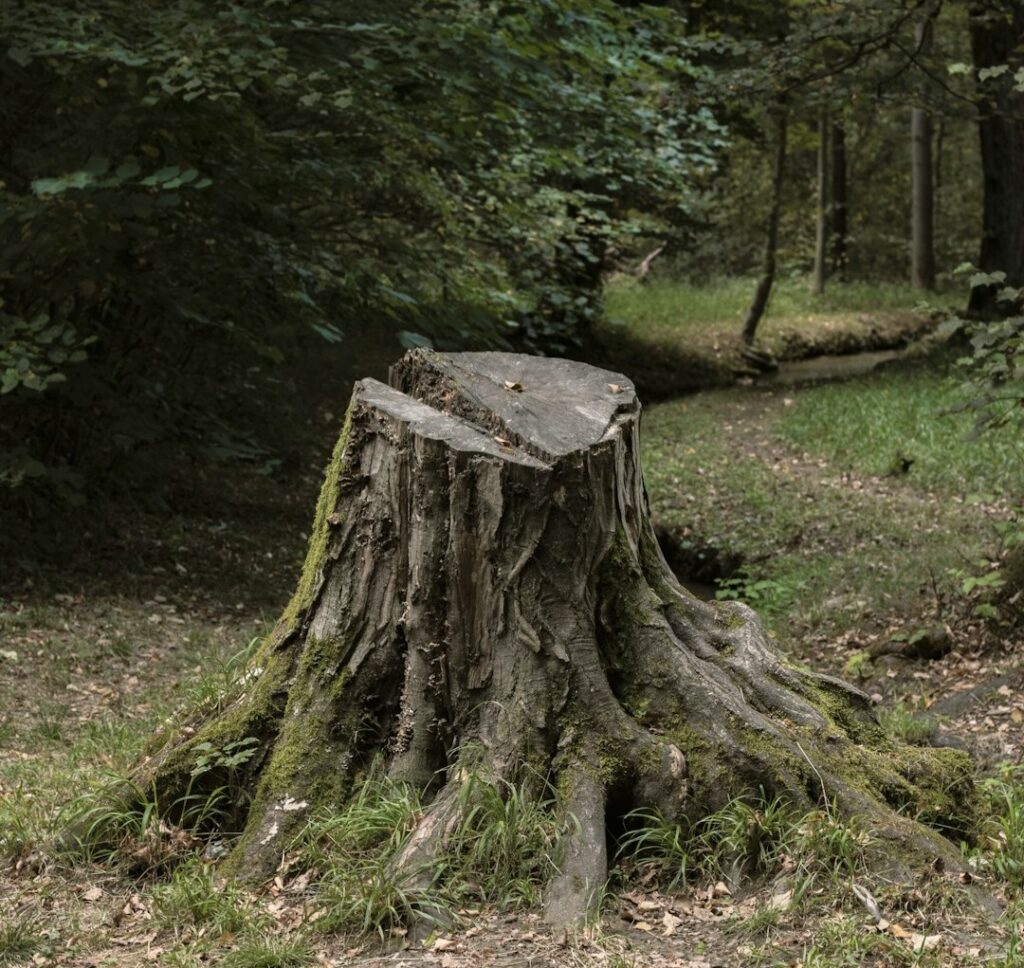
Most people glance at a tree stump and see nothing but firewood. But scientists who spend their careers staring at those same concentric rings can tell you the year a wildfire swept through, the exact century a drought crippled a civilization, and even when an unexplained blast of cosmic radiation hit Earth. Tree stumps are basically hard drives made of wood, quietly logging data no human bothered to write down. The rings don’t lie, don’t fade, and don’t get reinterpreted by politics – they just sit there, waiting for someone with a microscope to ask the right question.
So yes, that ugly stump in your backyard or at the edge of a hiking trail is worth a second look. Some of what’s buried in these rings sounds more like science fiction than science – a solar storm ten times stronger than anything in recorded history, a famine confirmed by a single dark ring, an entire lost city explained by two dry decades. Here’s what dendrochronologists actually say the wood has been recording the entire time.
#1 – The Rings Are a Built-In Calendar, Down to the Exact Year
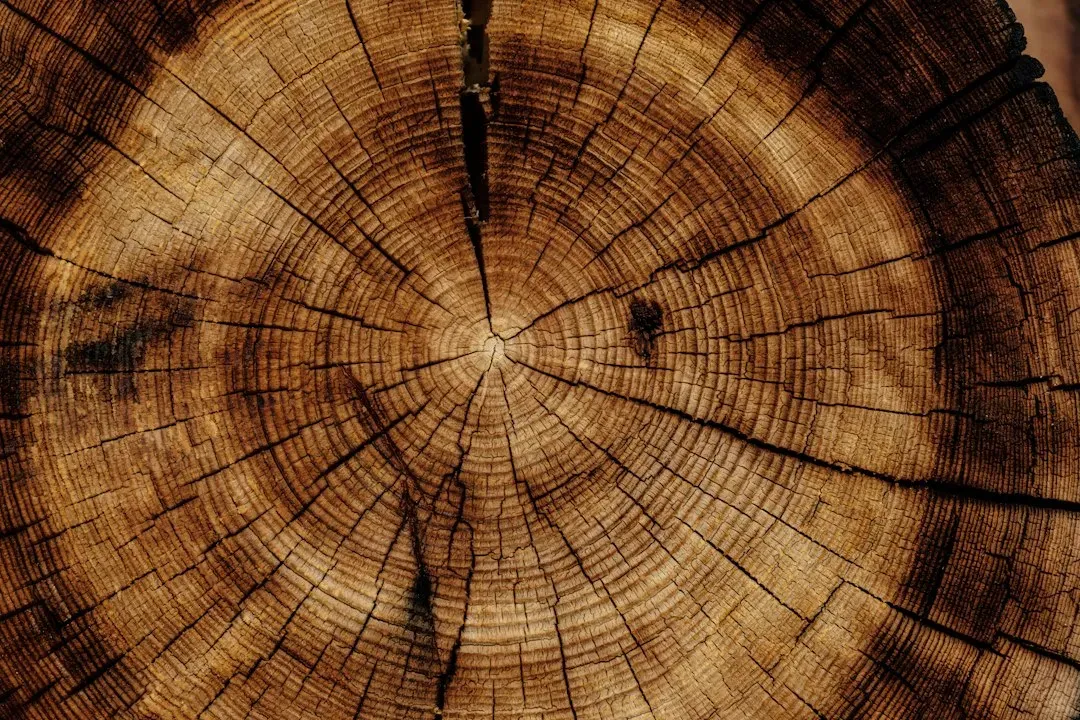
A tree doesn’t just grow – it clocks in and clocks out every single year, leaving a dated timestamp behind. Dendrochronology is the scientific method of dating tree rings to the exact year they were formed, and this data feeds directly into dendroclimatology, the study of climate and atmospheric conditions across history.
That’s not an estimate or a rough guess – researchers can often pin a ring to a specific calendar year with total confidence. Each year, a tree adds to its girth, and that new growth becomes a ring, with the freshest wood sitting just beneath the bark while the oldest, smallest rings hide near the center.
Most people assume you just count rings and stop there, but the real science is in cross-dating – matching the unique pattern of wide and narrow rings between multiple trees to build one continuous timeline. When the patterns on two tree cores overlap, researchers can stretch the known history of a site backward.
That’s how a single stump becomes part of a chronology reaching back thousands of years before anyone in that region ever kept written records. A dead log rotting in the woods might quietly be the missing link in a timeline scientists have been chasing for decades.
But #2 gets even stranger, because rings don’t just mark time – they grade the year like a report card.
#2 – Wide Rings Mean Feast Years, Narrow Rings Mean Famine
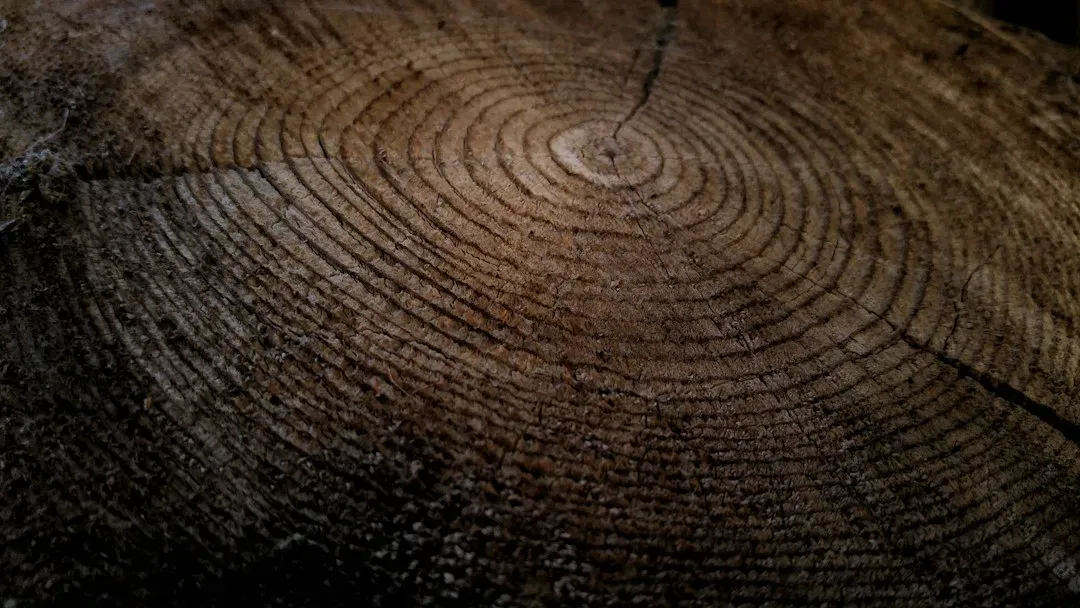
A stump’s ring pattern is basically a mood ring for the entire local climate, and it doesn’t sugarcoat anything. Historical environmental conditions show up as wide or narrow rings – wide rings mean plentiful moisture, narrow rings mean drought – and ring width can also track temperature, especially in cooler climates and higher elevations.
This means a stump can tell you, ring by ring, exactly which years were rough and which years the tree practically partied. Warm years with plenty of rain produce wide, generous rings. Cooler or drier years leave behind something thin and stressed.
The really surprising part is how location changes the story. In dry environments like the Middle East or the U.S. Southwest, tree rings typically record wet years versus dry years. In cooler areas like high latitudes or high elevations, ring width becomes a proxy for temperature instead.
Quick Compare: Wide Rings vs. Narrow Rings
- Wide ring: warm, wet year with strong, generous growth
- Narrow ring: drought, cold snap, or serious environmental stress
- Desert regions (Southwest, Middle East): ring width tracks rainfall
- Cold or high-elevation regions: ring width tracks temperature instead
A stump in Arizona and a stump in Alaska are essentially speaking two different dialects of the same language, and researchers have to know which dialect they’re reading before they trust a single number.
Wait until you see what wildfires did to the record – #3 proves forests used to burn constantly, and nobody wrote a word of it down.
#3 – Scorch Marks Buried in the Wood Reveal Wildfires Nobody Wrote Down
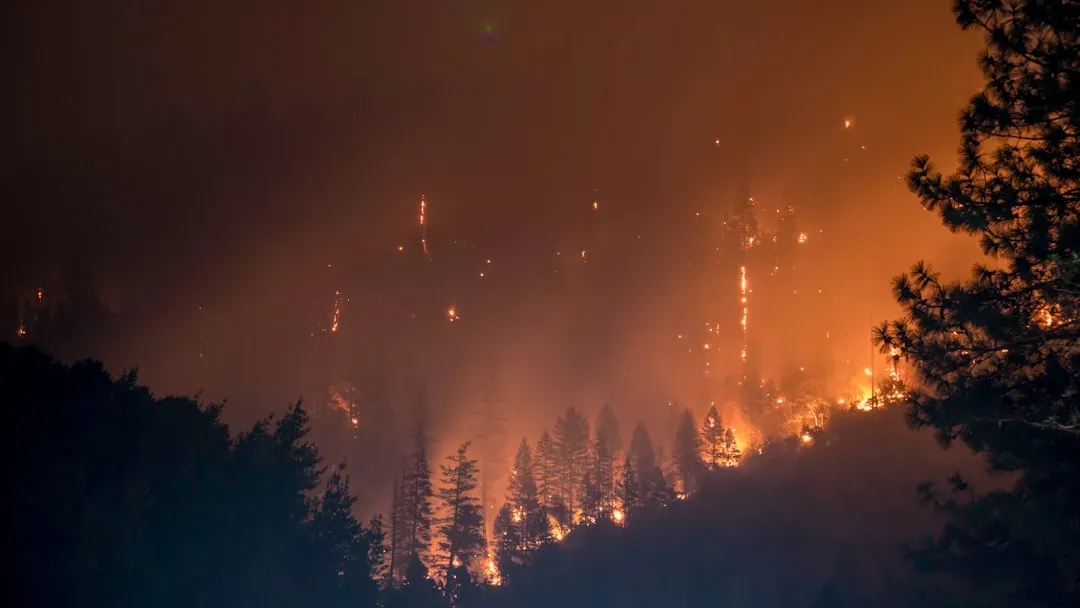
Long before satellites and fire lookout towers, forests were burning constantly – and the stumps remember every single blaze. A fire that doesn’t kill a tree leaves a dark scar on its annual growth ring, and by cross-dating that scar against nearby trees and climate records, scientists can pinpoint the exact year a fire burned, sometimes even the season.
That’s an extraordinary level of precision for something that happened centuries before anyone thought to keep a fire log.
Here’s the detail that should genuinely unsettle you: researchers analyzing data from more than 37,000 fire-scarred trees across North America found evidence of historical low-severity fire in all but two ecoregions on the entire continent. Fire wasn’t the rare disaster we picture today – it was a near-constant background process.
And then, abruptly, it stopped. In the Western U.S., fire scars reveal a historic pattern of frequent, low-severity burns, sparked by lightning or set deliberately by Indigenous peoples as land management – but around the year 1900, the fire scars simply disappear. That single detail rewrites the entire modern conversation about “unprecedented” wildfire seasons. The unprecedented thing may actually be the century of suppression that came before them.
That’s recent history. #4 pushes the same evidence all the way back to ancient Egypt.
#4 – Some Stumps Have Recorded Fire Scars Going Back to Ancient Egypt
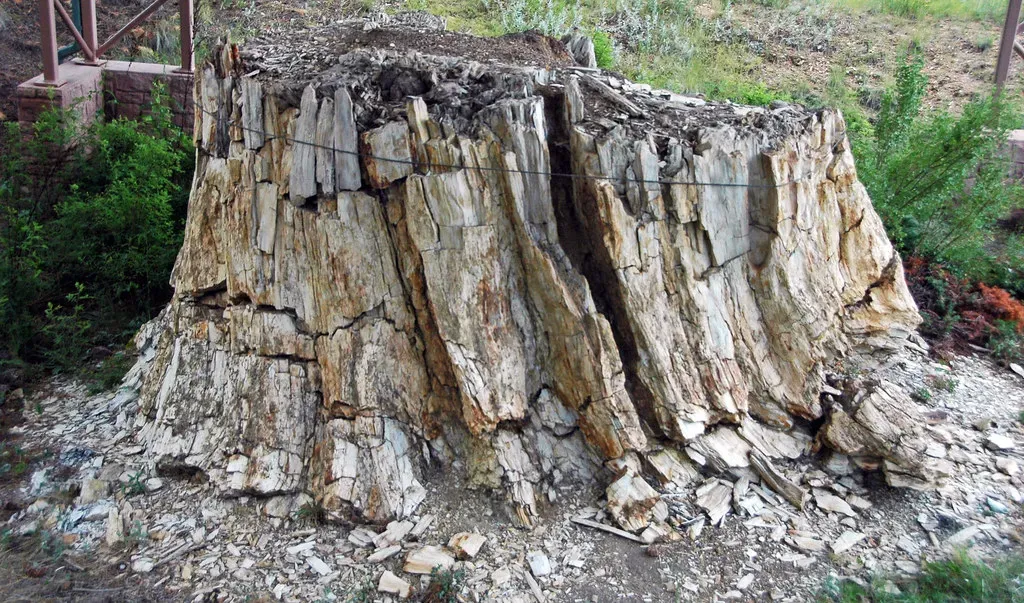
While a burn mark from last decade is impressive, some tree stumps are holding onto fire evidence that predates most of recorded human civilization. The oldest records in the fire-scar database come from the giant sequoias of California, which carry fire scars dating to the 13th century BC.
That’s roughly the era of Ramesses the Great in Egypt – and a tree on the American coast was quietly logging wildfire data the entire time. Giant sequoias live so long and grow so slowly that a single cross-section can contain more historical fire data than an entire regional paper archive.
At a Glance: Giant Sequoia Fire Records
- Oldest confirmed fire scars date back to the 13th century BC
- Sequoias can live thousands of years as single, uninterrupted archives
- Frequent low-severity burns were the norm for millennia
- Fire-suppression policy around 1900 cut that ancient cycle short
This is where the “biggest waste of forest policy” opinion comes in. Many fire ecologists now argue that decades of total fire suppression, informed ironically by these very ring records, made modern megafires worse, not better, by letting fuel pile up for a century straight.
The same stumps that recorded frequent small burns for thousands of years are the exact stumps proving today’s massive, catastrophic fires are a symptom of stopping nature’s normal reset button.
Fire is one thing. Wait until #5 shows what a volcano on the other side of the planet did to a tree that never even saw it erupt.
#5 – Rings Can Pinpoint the Exact Years a Volcano Erupted Continents Away
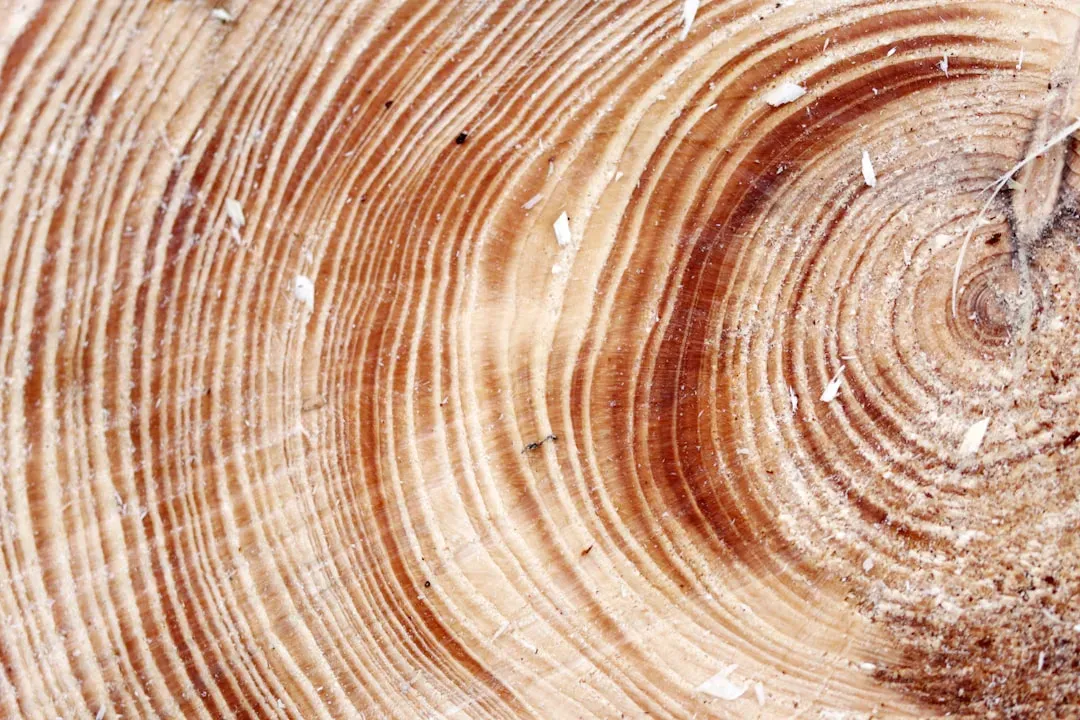
A stump doesn’t need to be anywhere near a volcano to feel its effects – the eruption shows up in the wood regardless. Tree rings can reveal evidence of rainy years, drought, bug infestations, forest fires, and even the aftermath of volcanic eruptions, all visible by examining tree cells under a microscope.
Massive eruptions throw so much ash and sulfur into the atmosphere that they cool the entire planet for a year or more, and that global chill shows up as a uniquely narrow, stunted ring on trees thousands of miles from the crater.
One specific year has become a smoking gun for climate historians. Growth anomalies in tree rings corresponding to the year 536 CE confirm historical accounts of a “dust veil” that caused crop failures and famine across Eurasia.
Ancient chroniclers wrote about a mysteriously darkened sun and failed harvests, but for centuries nobody had physical proof it really happened – until scientists cracked open old stumps and found the exact same catastrophic year etched into the growth pattern on multiple continents.
As wild as that sounds, #6 is the one that actually stunned the scientists who found it.
#6 – Stumps Have Trapped Evidence of Solar Storms So Powerful They’d Fry Modern Power Grids
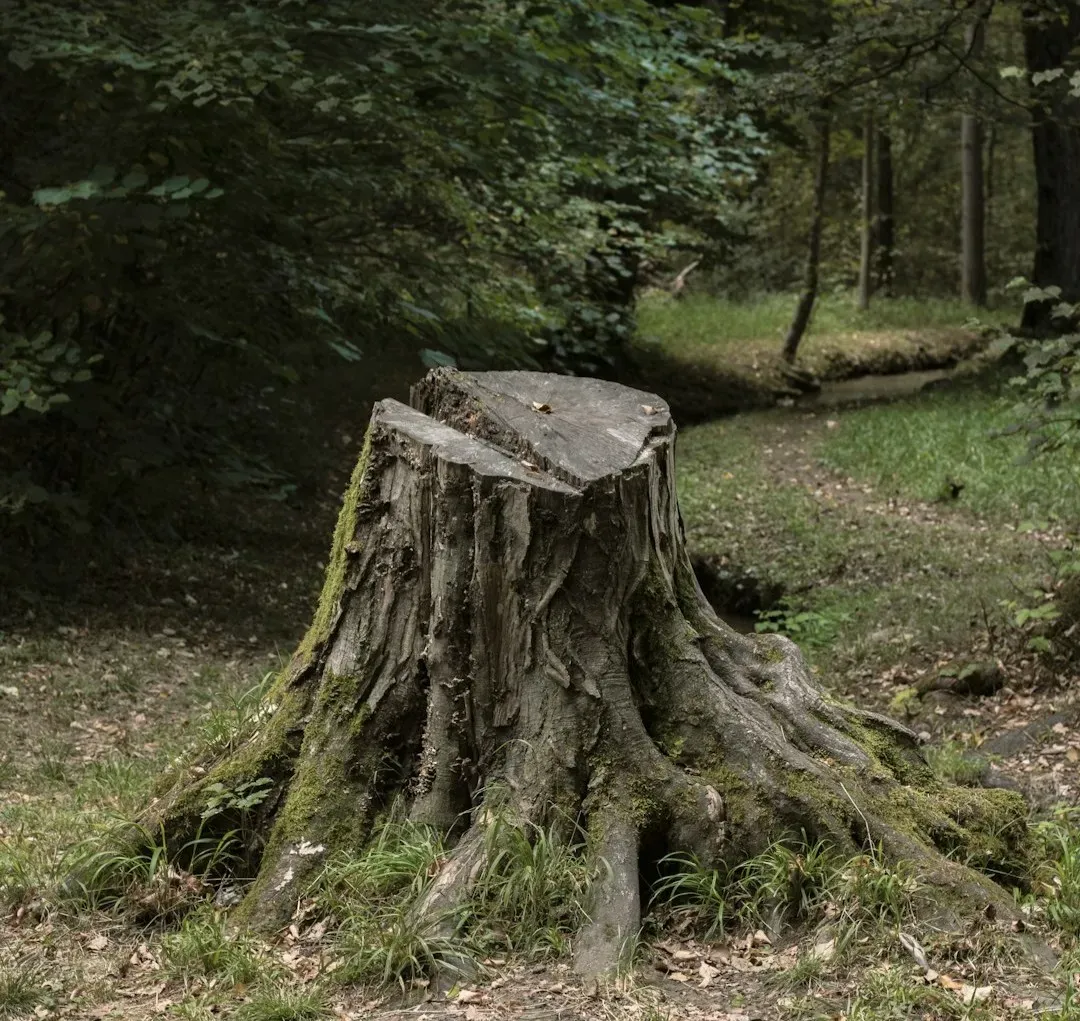
This is arguably the wildest thing hiding in a tree stump, and most people have never even heard of it. Nagoya University doctoral student Fusa Miyake made the discovery in 2012 while studying rings in the stump of a 1,900-year-old Japanese cedar.
One ring in particular, grown in the year 774-75 AD, contained a 12% jump in radioactive carbon-14 – about 20 times greater than ordinary fluctuations from cosmic radiation. That single growth ring recorded a burst of radiation so massive it left a fingerprint in the atmosphere’s chemistry, and the tree simply absorbed it like nothing happened.
Here’s the part that should worry you a little: most researchers think it was a solar storm, and the 774-75 AD event was at least 10 times stronger than the Carrington Event of 1859 – the storm that fried telegraph systems worldwide. If something that size hit today, it could floor modern power grids and satellites entirely.
Fast Facts: The Miyake Events
- First discovered in 2012 in a 1,900-year-old Japanese cedar
- The 774-75 AD spike: a 12% jump in carbon-14, about 20 times normal
- Estimated to be at least 10 times stronger than the 1859 Carrington Event
- Five more spikes since found: 12,450 BC, 7176 BC, 5259 BC, 664-663 BC, and 993 AD
Every single one of those events was written down first by a tree, not a human.
From cosmic storms to human hands – #7 shows medieval Europe was a lot smarter than we usually give it credit for.
#7 – Stumps Prove Medieval Forests Were Managed Long Before Anyone Wrote It Down
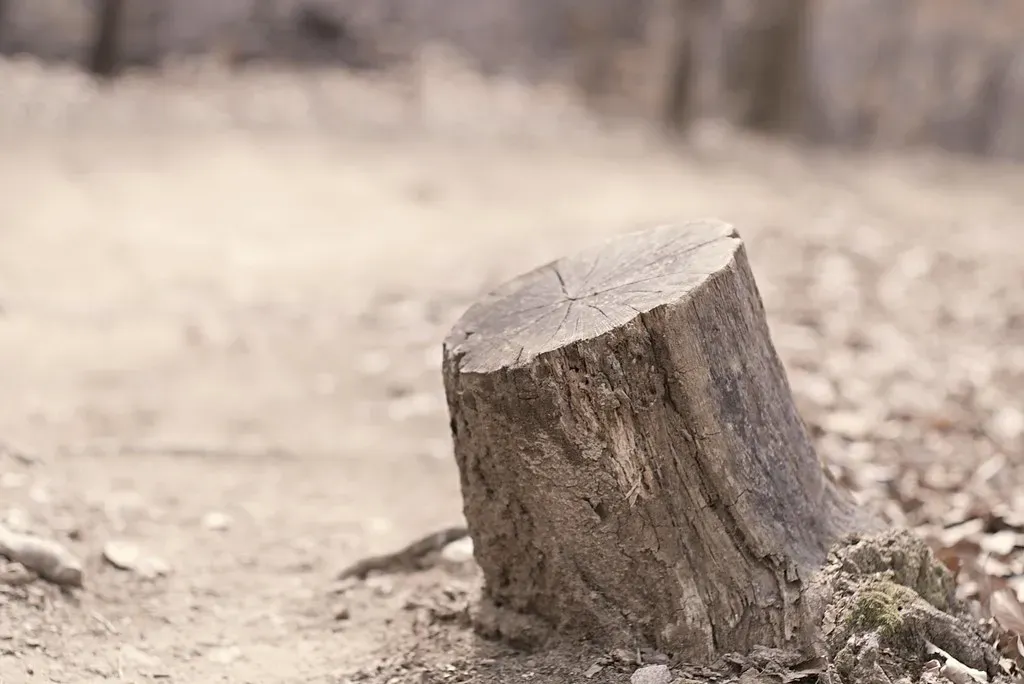
Forget the assumption that medieval Europeans just chopped down whatever tree was closest – the stumps show a surprisingly sophisticated system. To satisfy rising demand for wood in central Europe, a new method called Coppice-with-Standards developed, creating a two-storey forest structure that supplied both fuelwood and construction timber.
This wasn’t random woodcutting. It was a deliberate, cyclical harvesting rotation, and the trees themselves grew in a rhythm that matched it perfectly.
The growth-ring signature gives away the entire system. All modern standard trees show rapid growth releases roughly every 30 years, almost certainly caused by regular understorey clearing. When researchers went hunting for that same pattern in old timbers, they found it everywhere.
Analysis of 2,120 oak timbers from historical buildings and archaeological sites in southern Germany and north-eastern France, spanning 300 to 2015 CE, identified that same growth pattern throughout the medieval period – with some examples even dating to the first millennium CE. In other words, the stumps proved the history books were behind the real timeline by centuries.
Managed forests are one thing. #8 reveals a drought so brutal it emptied entire cities.
#8 – A Stump Can Reveal a Drought So Severe It Emptied Entire Cities
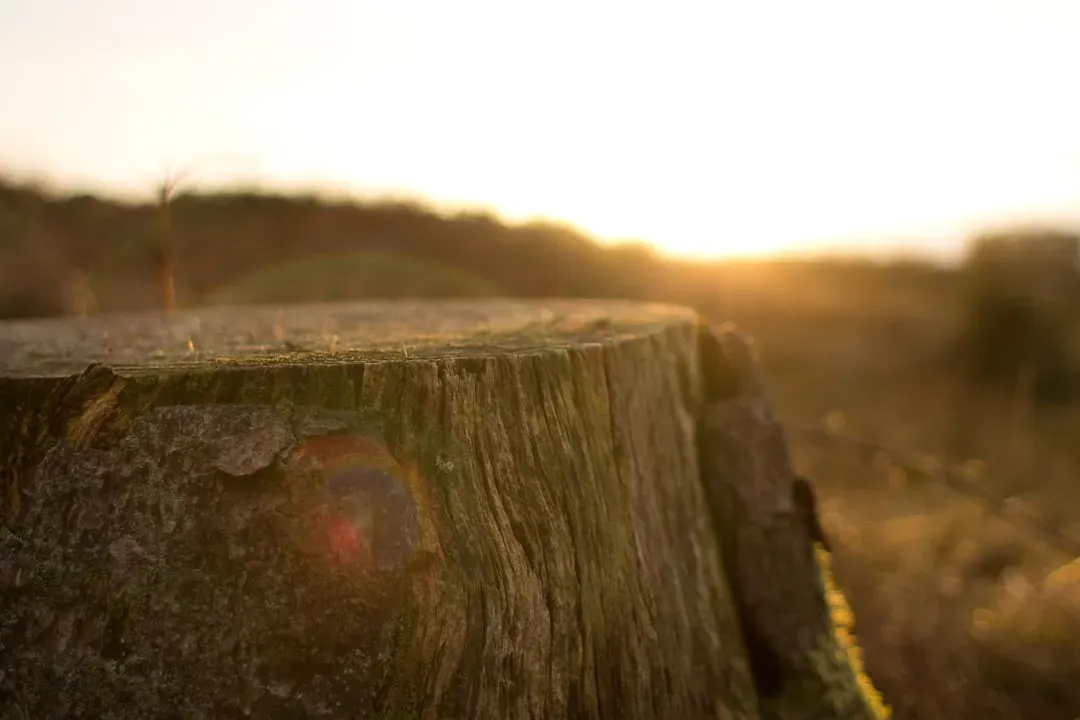
Some of the darkest chapters of climate history exist almost nowhere except inside old wood. Tree ring data have been used to reconstruct drought and temperature across North America and Europe over the past 2,000 years, and drought reconstructions for the American Southwest point to a period of prolonged, punishing drought in the late 1200s.
That’s not a vague “it was dry that decade” claim – researchers have mapped it out almost year by year. Drought maps reconstructed from tree ring records show that over the 16-year span from 1275 to 1290, only two years were actually wet.
Tree rings don’t just record climate – they record the exact moment a landscape stopped being able to support the people living on it.
Dendrochronology research summary, U.S. Southwest drought studies
And here’s the human cost hidden inside that dry statistic: archaeologists believe that drought was a major factor in the Ancestral Pueblo People abandoning the famous cliff dwellings at Mesa Verde, never to return. An entire community – its homes, its farmland, its culture – is largely explained by narrow rings that sat undisturbed for 700 years before anyone thought to ask them what happened.
Drought can end a civilization. #9 proves rings can also date one down to the exact year.
#9 – Stumps Can Date Viking Settlements Down to the Exact Year
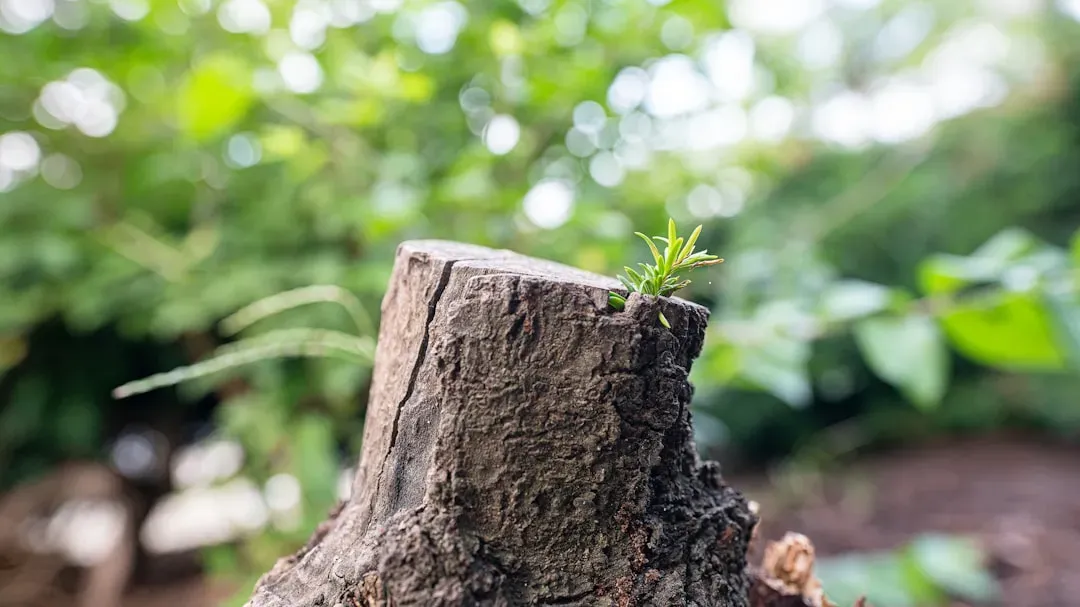
If you think tree-ring dating is just for climate nerds, consider that it settled one of archaeology’s most debated questions. Tree rings helped date the famous Viking settlement at L’Anse aux Meadows in Canada to exactly 1021 CE.
Not “sometime around the turn of the millennium” – exactly 1021. That kind of precision from wood that old is almost unbelievable, but it’s the entire foundation of the science.
This precision isn’t limited to Vikings. When archaeologists recover wooden remains with enough rings preserved, dendrochronology can determine precisely when a tree was cut, giving a close approximation of when the wood was used in construction – a technique applied to roof beams, floor joists, and even wooden vessels like Viking ships and medieval trading vessels.
Even Renaissance-era art hasn’t escaped scrutiny. Wooden panels used by Renaissance painters have been dated using tree rings, helping authenticate famous works and pin down artistic chronologies. A stump-adjacent science quietly became one of the most reliable forgery detectors in the art world.
Vikings are impressive, but #10 shows the same science rebuilding an entire lost society from scratch.
#10 – Tree Rings Helped Reconstruct an Ancient Pueblo Society Almost from Scratch
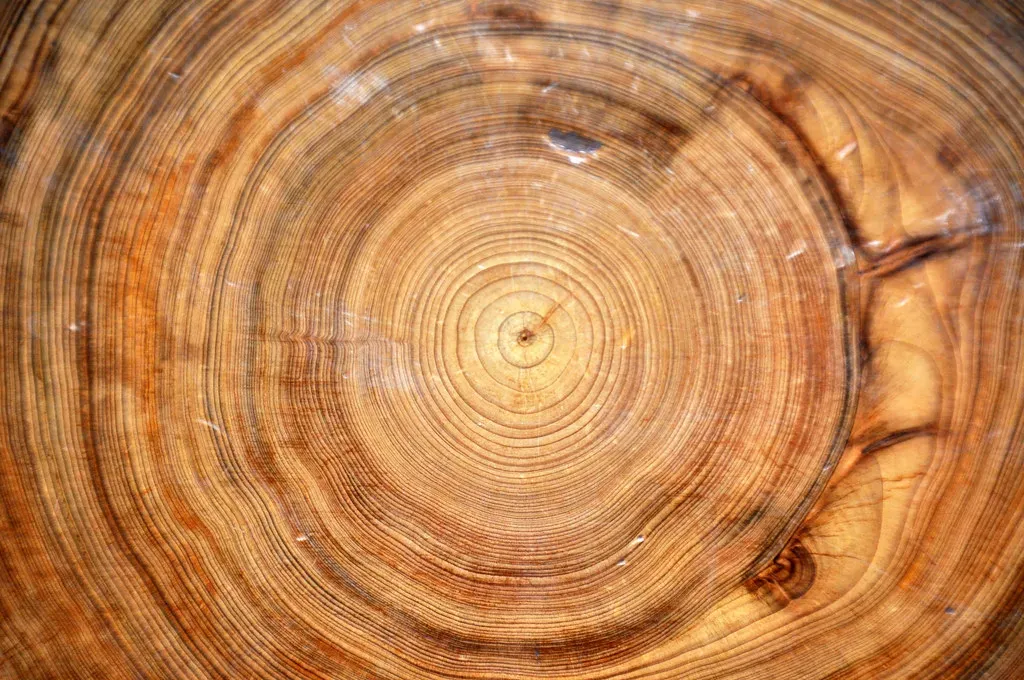
Some of the most important applications of stump science happened not in a lab, but in the deserts of the American Southwest. Dendrochronology was used by National Park Service scientists to learn about ancient Puebloan settlements, since logs used in ancient and historic buildings preserve tree ring chronologies from different time periods that can be linked together into one longer story.
Beams that once held up ancient roofs became timestamps for entire construction phases. Tree-ring dating helped establish chronologies for Native American pueblos across the region, revealing precise construction phases and abandonment periods.
Why It Stands Out
- Pinpoints construction dates to a single calendar year, not a vague generation
- Reveals renovation and expansion phases invisible in pottery or artifacts alone
- Cross-references drought data to help explain why a site was abandoned
- Links scattered structures across a region into one shared timeline
Instead of vague estimates spanning generations, researchers could tell exactly when a wall went up, when a room was added, and – thanks to the drought data buried in the same wood – often exactly why the site was eventually abandoned.
Most people assume archaeology relies mainly on artifacts and pottery, but wood beams have quietly done heavier lifting than almost anything else at these sites.
That’s the past. #11 proves some trees alive today are already older than the pyramids.
#11 – Some Living Trees Are Older Than the Egyptian Pyramids, and Their Stumps Will Someday Prove It
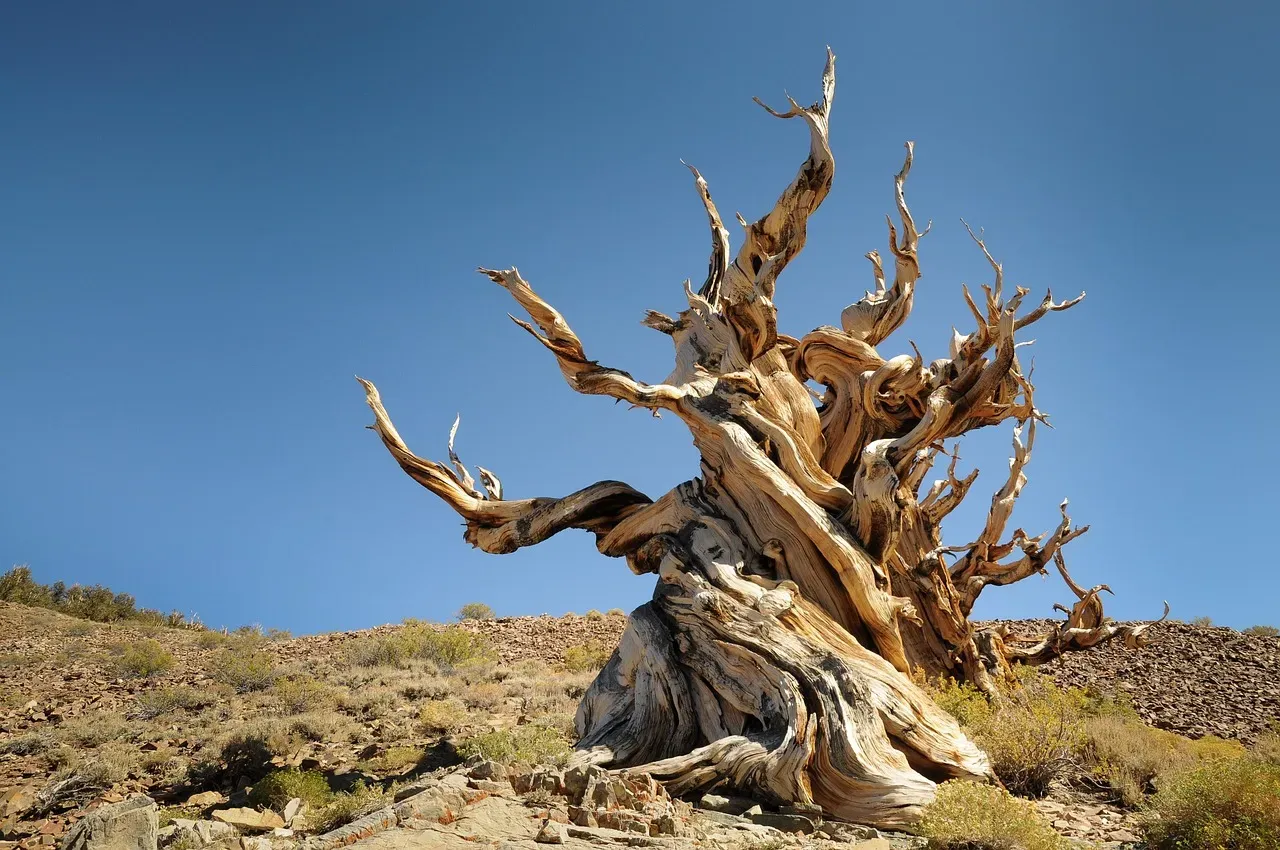
This one sounds like an exaggeration until you check the numbers. The oldest known living tree is “Methuselah,” a bristlecone pine in California that’s over 4,800 years old – meaning it was already growing when the Egyptian pyramids were being built.
Somewhere in California right now, a tree older than most human civilizations is still adding one microscopic ring per year, and every single one of those rings is a data point waiting to be read once that tree eventually becomes a stump.
Even instruments carry forward evidence long after a tree is cut. Some of the wood used in Stradivarius violins came from trees that grew during an unusually slow-growth period caused by the Little Ice Age, and this dense “moon wood” has special acoustic properties.
That means the narrow, stressed rings of a genuine climate catastrophe may be part of the reason some of the most valuable violins on Earth sound the way they do. A slightly controversial take here: if that’s true, the “genius” of Stradivarius may be equal parts craftsmanship and pure environmental luck.
Every secret so far has been ancient. #12 proves stumps are recording us, right now, while we’re still alive to see it.
#12 – A Stump Can Tell Scientists Exactly How the Industrial Revolution Changed the Sky Itself
This is the discovery that ties every other stump secret together, because it proves tree rings aren’t just recording the ancient past – they’re recording us, right now. Scientists use tree rings to study fires, climate change, and even how the jet stream shifted after the Industrial Revolution.
The earth has always cycled through warmer and colder stretches, along with megadroughts and floods, but the change since humans started burning fossil fuels stands out as dramatically different in scale and speed.
In other words, the same rings that recorded medieval droughts and ancient wildfires are now recording humanity’s own fingerprint on the planet, in real time, whether we like it or not.
And the scale of the archive is staggering. For generations, essential clues to the earth’s climate have sat piled into stacks and crammed into plastic bins – slices of ancient redwood, charcoal from historic ruins, and carefully extracted cores from some of the oldest living trees on Earth. A single research center can hold more verified climate history than most national archives, and it’s all sitting in slices of tree that most people would have tossed into a fireplace without a second thought.
The Bottom Line
A tree stump isn’t dead wood – it’s a sealed data vault that keeps recording long after the chainsaw stops. The most shocking find in all of this is that a single ring can prove a solar storm ten times stronger than anything in modern history actually happened, while another ring, thousands of years older, quietly confirms an ancient famine historians could only guess at before.
Stumps have rewritten wildfire policy, busted medieval forestry myths, and pinpointed Viking settlements down to the exact year. Most people will never look at a stump the same way again, because it turns out the “boring” tree in the backyard has been the most honest historian on the planet the entire time.
What’s the oldest stump or tree you’ve ever seen – and do you think anyone’s ever actually read its rings? Drop it in the comments.