
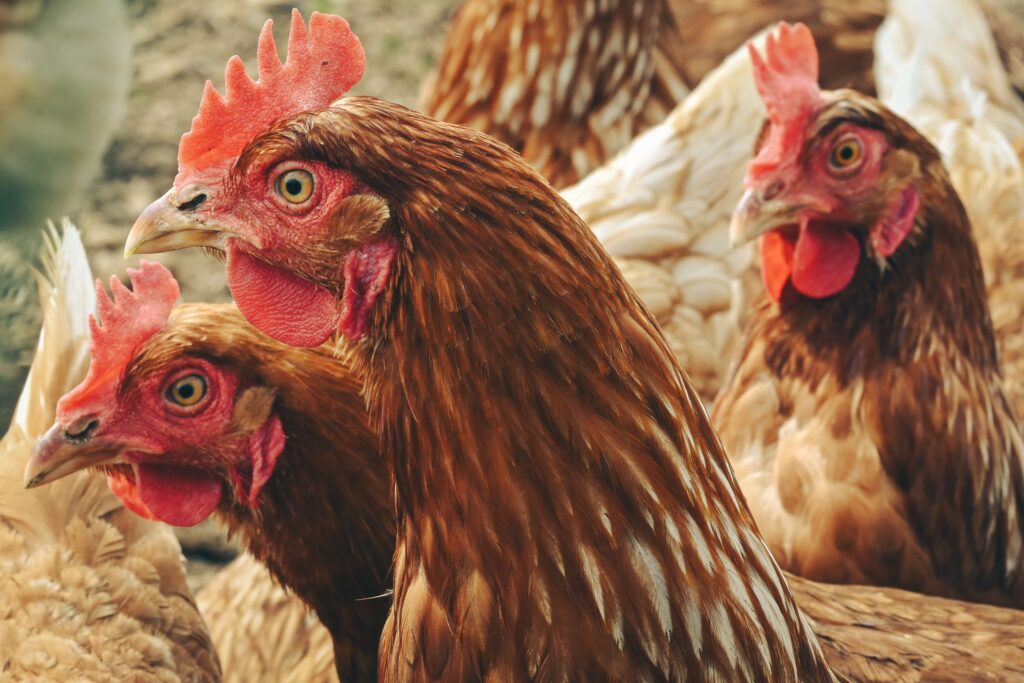
Most people look at a chicken and see dinner, not deep time. But that backyard bird scratching around your coop is running software older than the Great Pyramids, older than written language, and in some cases, older than the asteroid that wiped out the dinosaurs.
Scientists have spent decades tracing chicken behavior back through genetics, fossils, and archaeology, and the results are stranger than fiction. Some habits your hen performs every single day are direct holdovers from 66-million-year-old theropod predators. Here’s what researchers actually found, and why it changes the way you’ll watch your own flock from now on.
#1 – Scratching the Dirt Like a Tiny Predator
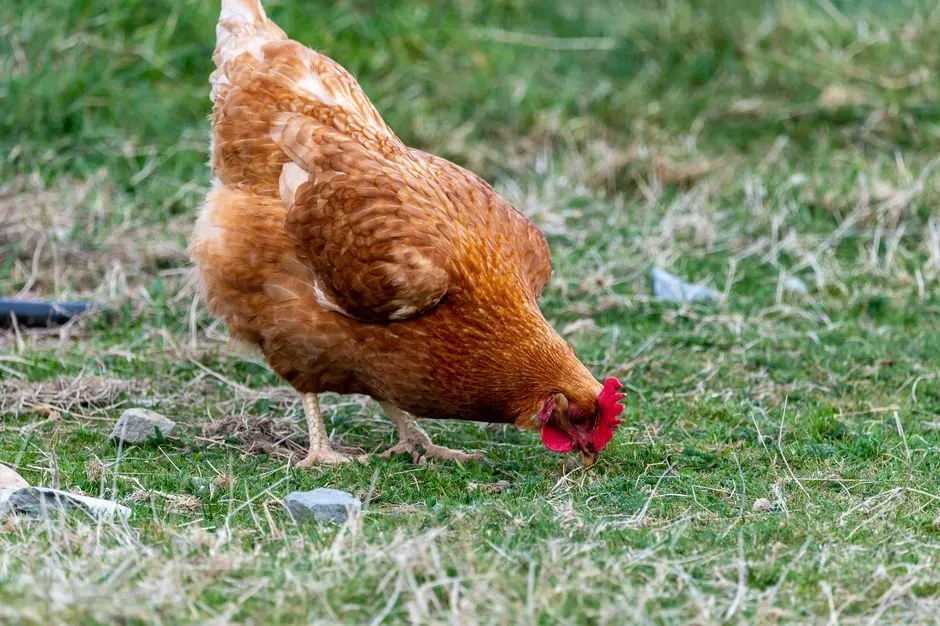
Every chicken scratches the ground before it eats, and most owners assume it’s just a habit picked up from other chickens. It’s not. It’s older than that.
Researchers studying chicken behavior have connected this instinct directly to ancestral hunting patterns. Scratching, pecking, and hunting for bugs mirrors the exact foraging strategy their ancient theropod relatives likely used to flush insects and small prey out of leaf litter and soil.
What’s wild is the precision involved. This isn’t random flailing – it’s a deliberate, repeated motion designed to expose movement. The behavior is so ingrained that chicks raised in total isolation from adult birds still perform it perfectly on their first day of life, suggesting it’s hardwired rather than learned. That single detail is a big reason scientists stopped treating this as “just a chicken thing” and started treating it as evolutionary residue.
That’s just the appetizer. Watch what happens when a chicken actually goes hunting.
#2 – Hunting Insects With Startling Precision
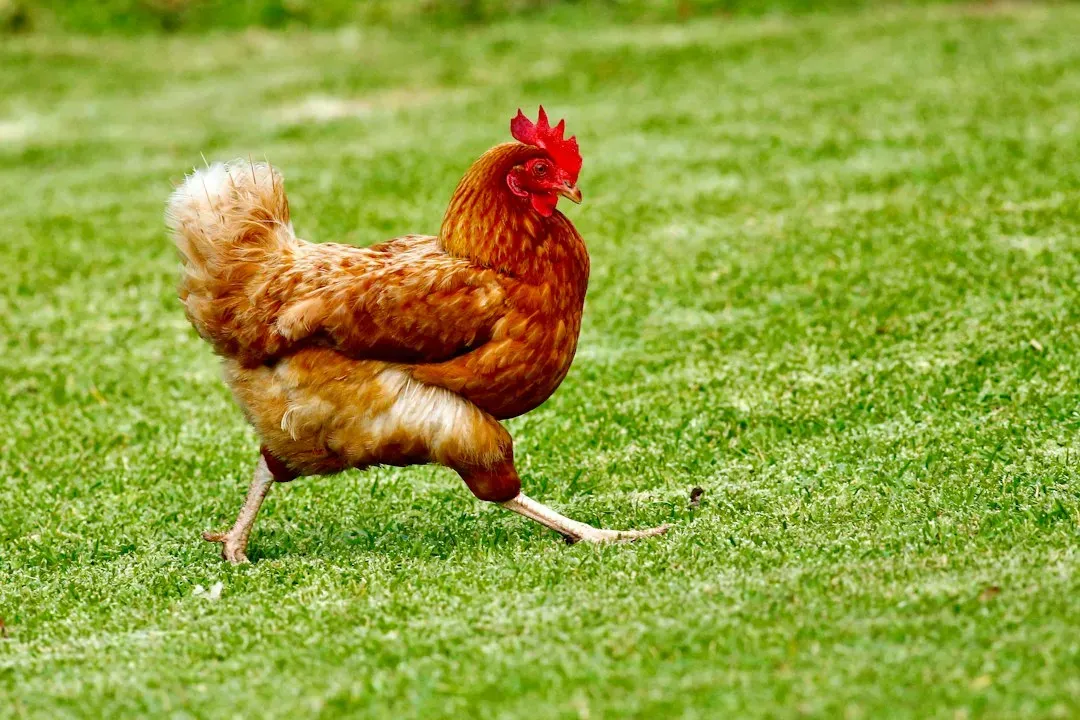
Watch a chicken chase down a grasshopper sometime. It’s not clumsy. It’s fast, calculated, and almost surgical.
Biologists have specifically flagged this behavior as a leftover predatory instinct. Chickens retain a smidge of the predatory drive that made their kin such formidable hunters, and anyone who has watched them chase down an insect or worm with startling precision is looking at a vestige of theropod hunting prowess.
A modern hen chasing a beetle across your yard is performing a hunting sequence that connects directly to animals that once ruled the food chain. The speed, the head-tracking, the sudden lunge – none of that is decorative. It’s leftover hardware from a lineage of active, agile predators, repurposed for a much smaller battlefield.
Fast Facts
- A chicken’s average running speed clocks in around 9 mph, with documented bursts pushing past that in short sprints
- With enough room and motivation, chickens are capable of bursts of speed up to 13 mph (20 km/h)
- Roosters run much faster than hens since they are more agile, thanks to strong leg muscles
- That burst-speed toolkit didn’t evolve for laps around a yard – it evolved for chasing down prey and escaping bigger predators
Most people find this fact charming. Others find it a little unsettling once they realize what they’re actually watching happen in their backyard. The hunting instinct is impressive. The walk underneath it is even stranger.
#3 – Walking on Two Legs With a Very Specific Gait
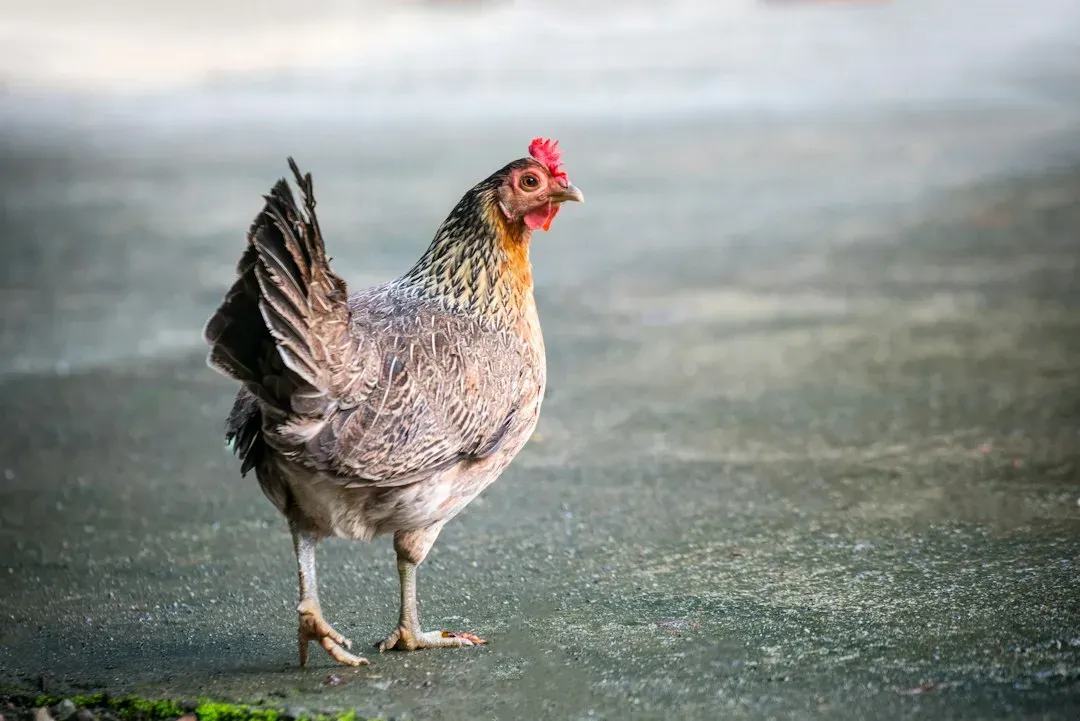
Chickens are bipedal. That seems unremarkable until you learn how deeply that trait is embedded in their ancestry.
Scientists have literally strapped artificial tails onto chicks to see how their walking gait changed. It’s now widely accepted that birds evolved from bipedal theropod dinosaurs and inherited numerous locomotory traits from them, including bipedalism, fully erect posture, and the specific hindlimb swing that isn’t shared with crocodilians, their closest living archosaur relatives.
The tail experiment mattered because it revealed something deeper. Gradual shifts in the location of an animal’s center of mass drove more crouched postures and a change from hip-driven to knee-driven limb movement across theropod evolution. In other words, the way your chicken’s knees drive its walk is a living echo of a locomotion shift that took millions of years to develop in dinosaurs.
Even the running gait carries the signature. Studies on bird locomotion have revealed such strong similarities to small theropods that watching a chicken sprint across a yard is, functionally, watching a miniature echo of how its ancient ancestors moved. Locomotion is one thing. What she does with her eggs is where things get personal.
#4 – Choosing a Nest Site With Real Deliberation
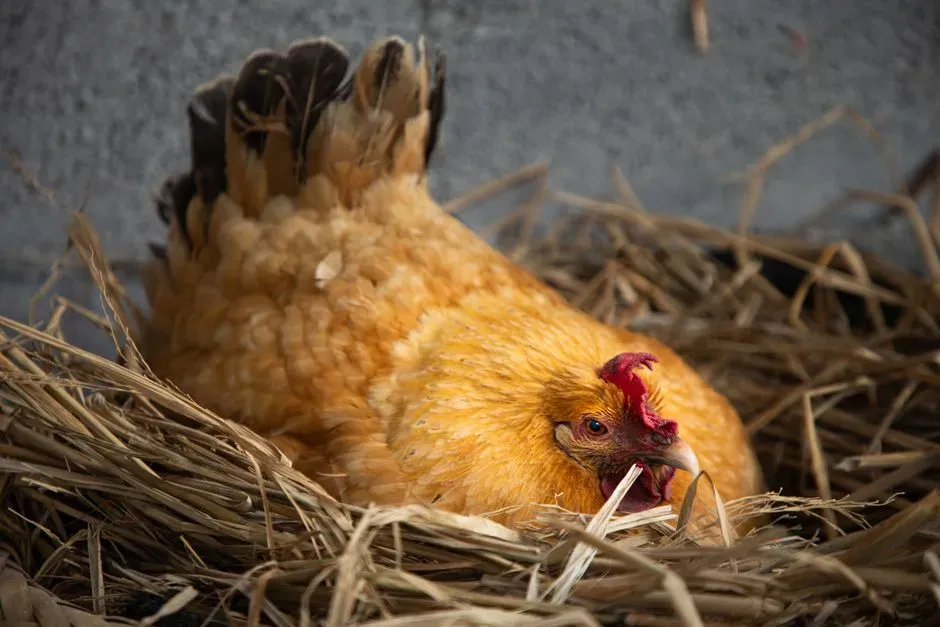
A hen doesn’t just plop an egg down anywhere. She scouts, she tests, she picks somewhere hidden and protected – and that decision-making process is far older than most people assume.
Paleontological evidence shows this exact instinct in fossilized form. Fossilized dinosaur nests reveal that these ancient animals also took care in choosing safe, protected spots for their eggs, just like your hens. That’s not a loose comparison – it’s a documented behavioral parallel between fossil remains and living birds.
Most backyard chicken owners assume nesting behavior is simply “instinct” without realizing that instinct has a fossil record. Nest-guarding shows up repeatedly in behavioral comparisons between chickens and their ancient relatives, alongside egg-laying, binocular vision, and similar leg and foot anatomy.
So when your hen fusses over her nest box, rearranges the straw for the fifth time, and chases your hand away, she’s not being dramatic. She’s running a script that’s been passed down for an extraordinarily long time. Choosing the nest is just the opening move. Staying on it is the real test of ancient programming.
#5 – Sitting Tight and Refusing to Leave Her Eggs
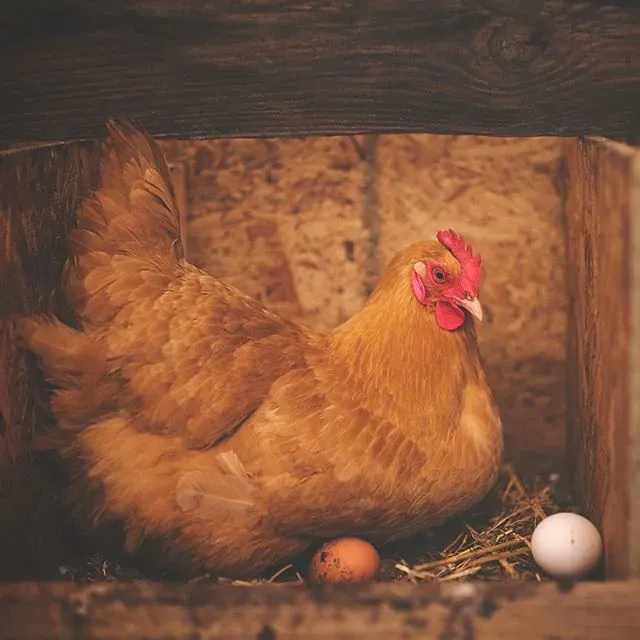
Broodiness drives a lot of chicken owners crazy. A hen goes “broody,” refuses to move, stops eating normally, and aggressively defends her nest for weeks. Turns out, this stubborn streak has serious evolutionary weight behind it.
Biologists studying the dinosaur-chicken connection point to this exact behavior as one of the clearest carryovers. Brooding over eggs is thought to have originated in theropod dinosaurs themselves – not a coincidence dressed up as one, but a recurring theme across multiple independent studies.
The uncomfortable truth is that broodiness looks a lot like commitment because, evolutionarily, it had to be. Researchers comparing modern nesting habits to ancient ones keep landing on the same conclusion: a broody hen isn’t malfunctioning. She’s executing a survival strategy that predates humans by tens of millions of years.
Broodiness is loud and stubborn. What happens when she finally sleeps is quieter – and just as old.
#6 – Tucking the Head Under a Wing to Sleep
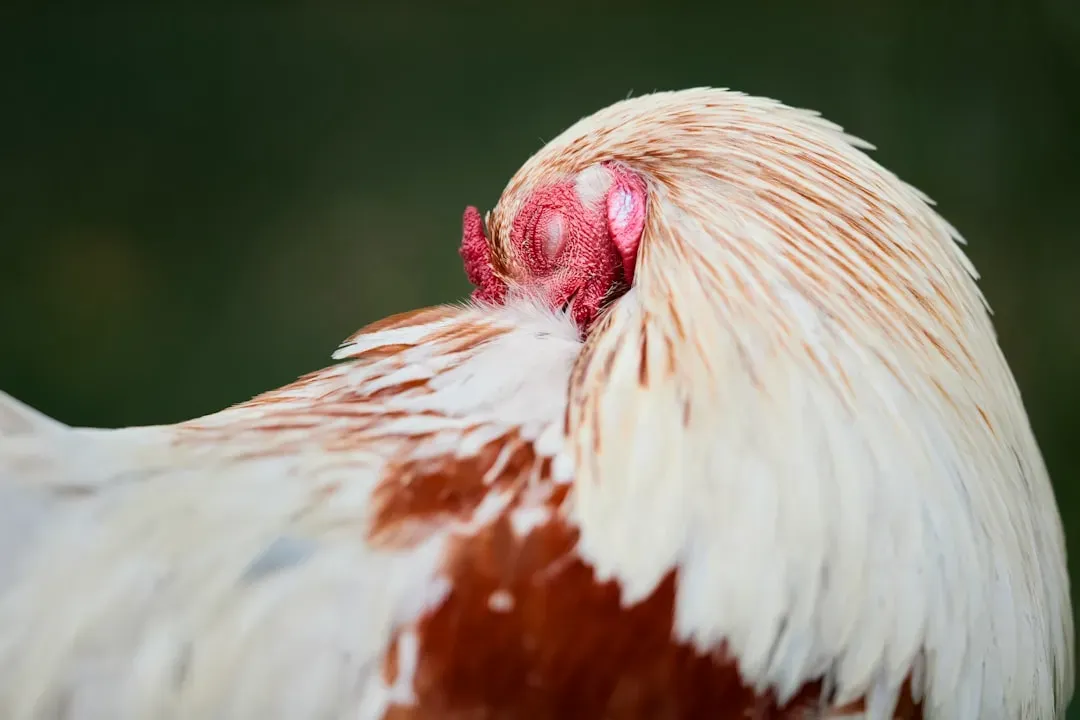
If you’ve ever seen a chicken sleeping with its head buried into its own feathers, you’ve watched a pose with a genuinely ancient fossil counterpart.
There’s a specific, famous fossil that changed how scientists talk about this. The Mei long fossil captures a small dinosaur curled up with its head tucked under its arm, mirroring the exact way chickens and other birds sleep today. This fossilized “sleeping pose” shows that tucking in for warmth and protection is part of an ancient survival mechanism, not a modern quirk.
That single fossil is one of the most cited pieces of evidence in this entire field, because it captures behavior, not just bone structure. Most fossils only tell you what an animal looked like. This one tells you what it was doing in the final moment before it was buried – and it’s a moment nearly identical to a chicken on a roost bar tonight.
It’s one thing to inherit a skeleton. It’s another to inherit a sleeping posture, unchanged, across an almost unimaginable span of time. Sleep is temporary. Egg-laying is the trait that outlived everything else on the planet.
#7 – Laying Eggs the Same Basic Way, Generation After Generation
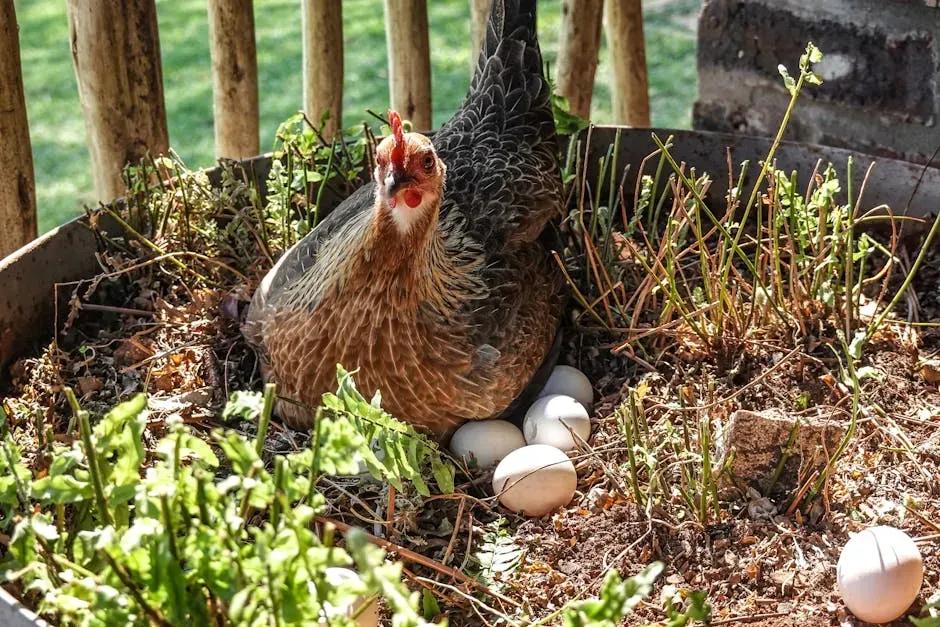
Egg-laying feels like the most “chicken” thing a chicken does. It’s also one of the oldest reproductive strategies still functioning on the planet, essentially unmodified in its core mechanics.
Fossil evidence backs this up plainly. Dinosaurs, like modern chickens, laid eggs as part of their reproductive strategy. That sentence sounds obvious until you realize scientists mean it literally – not “a similar system,” but a continuous reproductive lineage stretching back through the theropod line.
Here’s the part most people miss: egg-laying survived the exact mass extinction event that wiped out nearly every other large land animal on Earth. When non-avian dinosaurs went extinct 66 million years ago, one lineage of feathered theropods survived and eventually gave rise to every modern bird species, chickens included. Every egg in your refrigerator is a small, continuous thread connecting back to that extinction event – a reproductive strategy that outlasted the animals that invented it.
At a Glance
- 66 million years ago: An asteroid impact wipes out non-avian dinosaurs, but feathered theropods survive
- 68 million years ago: The T. rex whose fossil later confirmed the collagen match was still alive
- 58,000 years ago: Domestic chickens genetically diverge from wild red junglefowl
- Today: Every backyard hen still runs behavioral code older than agriculture itself
Egg-laying survived extinction. So did the reflex that keeps her alive every single day since.
#8 – Reacting Instantly to Movement Overhead
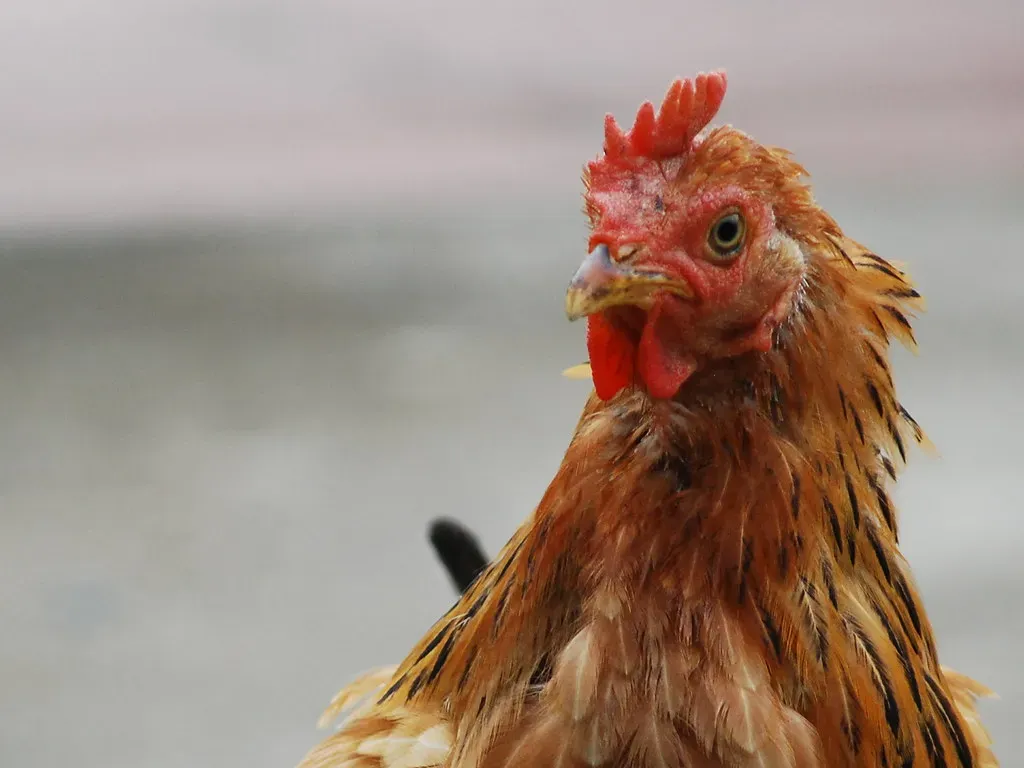
Chickens freeze or scatter the moment a shadow passes overhead, long before they can even identify what’s up there. That reaction isn’t learned fear. It’s structural.
Part of the explanation comes down to how their eyes are built. Chickens share several traits with theropod dinosaurs, including binocular vision built for detecting fast movement and depth – a visual processing system that was inherited, not developed on the fly.
Most owners assume their chickens are being paranoid. Biologically, they’re being efficient. A visual system tuned for detecting aerial threats doesn’t need conscious recognition to trigger a response – it just needs motion in the right part of the visual field. That’s a defense mechanism, not a personality trait, and it’s inherited anatomy doing exactly the job it was shaped to do long before farms existed.
That reflex lives in her eyes. The proof of her ancestry lives in her legs.
#9 – Growing Scaled, Reptilian Legs
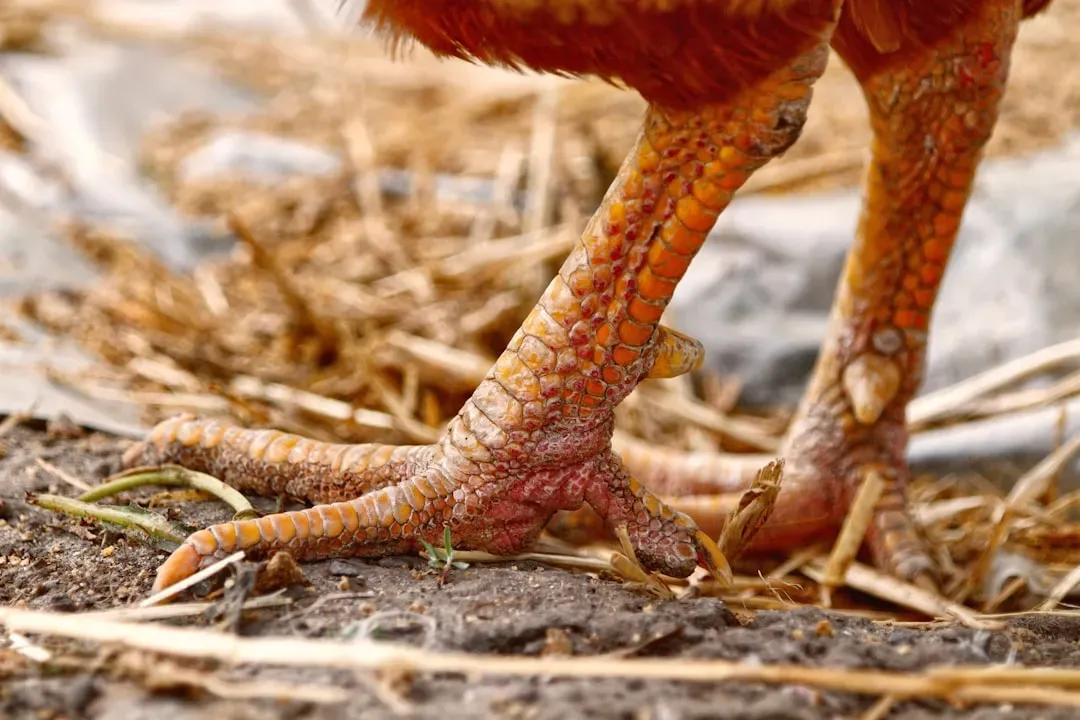
Look down at a chicken’s legs sometime instead of its feathers. What you’ll see are hard, overlapping scales – and that detail is one of the most visually obvious clues in this entire list.
Multiple sources point to this as a direct, visible link rather than an abstract genetic one. The scaly legs of chickens are a visible, tangible connection to their dinosaurian ancestry. It’s rare to get a piece of deep evolutionary history you can literally reach out and touch, but chicken legs qualify.
This is arguably the single most underrated fact on this entire list, because it requires zero lab equipment to verify – just eyes. While feathers evolved and softened over millions of years to serve flight, insulation, and display, the legs kept their older, tougher covering. Scientists studying anatomical carryover consistently flag leg scales alongside beak structure as reminders of ancient heritage.
Legs are the obvious clue. Feathers are the one everyone gets wrong.
#10 – Growing Feathers That Started as Something Else Entirely
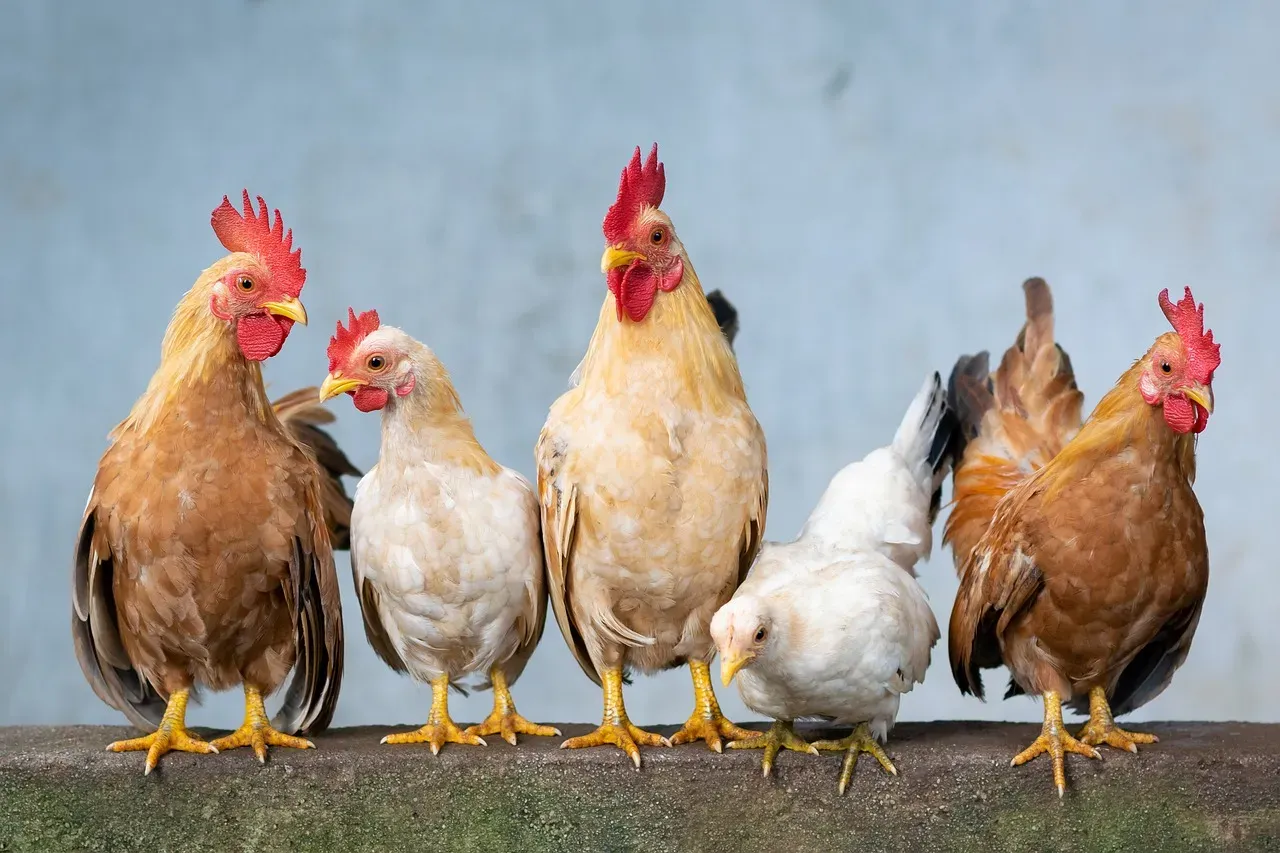
Feathers feel like the most “modern bird” trait imaginable. In reality, they predate birds by a long stretch, and chickens are wearing a slightly refined version of a much older invention.
Fossil records have made this point undeniable. Feathers were widespread among theropod dinosaurs generally, not just among the direct ancestors of birds. That single fact reshaped how paleontologists talk about dinosaurs entirely – plenty of species that never flew were still covered in feather-like structures.
Most people still picture dinosaurs as scaly reptiles, when a huge number of them were, functionally, feathered. Chickens didn’t invent feathers; they inherited a trait that had already been tested, adapted, and refined across an enormous range of species long before flight was even the primary use case. Insulation and display likely came first – flight came later, almost as a bonus feature bolted onto existing hardware.
Feathers get the credit. The skeleton underneath deserves just as much.
#11 – Building a Skeleton Engineered for Efficiency, Not Bulk
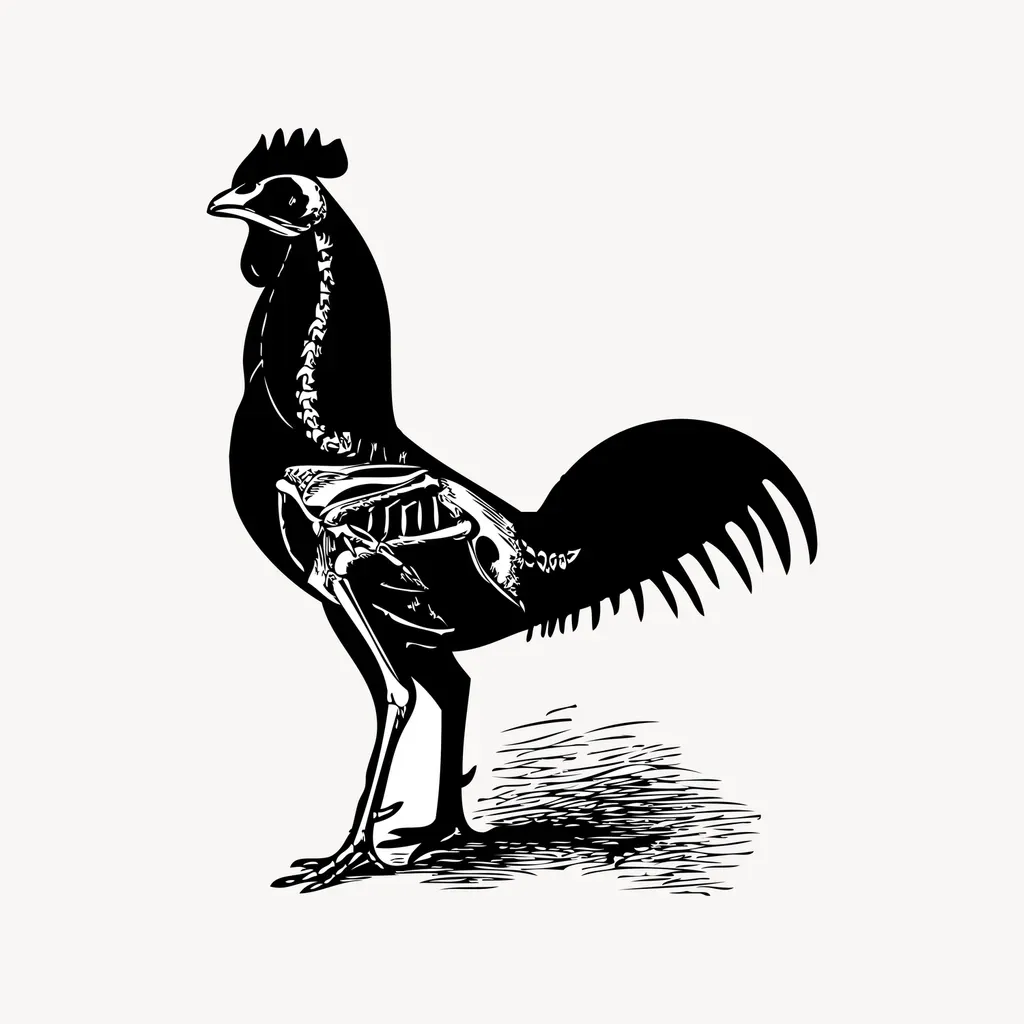
Chickens look solid, but their skeletons are surprisingly light for their size, and that design choice has deep roots.
Experts studying the connection describe this as a direct structural inheritance. The feathers, the lightweight skeletal structure, and the beak morphology of a chicken can all be traced back to adaptations first seen in their dinosaurian ancestors. That’s not a cosmetic similarity – it’s an engineering one, involving hollow or air-filled bone structures that reduce weight without sacrificing strength.
This is the same basic skeletal strategy that eventually made powered flight possible for other bird lineages, even though most chickens can barely get off the ground. The chicken kept the lightweight blueprint while largely giving up the flight it was originally built to support, trading aerial mobility for size, meat, and ground-based survival instead.
Quick Compare
- Skeleton: Hollow, lightweight bones – the same structural trick that later enabled powered flight in other bird lineages
- Legs: Hard, overlapping scales nearly identical in structure to ancestral theropod legs
- Feathers: Originally built for insulation and display, not flight – shared with many non-flying theropods
- Genome: Sits closer to the reconstructed ancestral dinosaur genome than most other living birds
The skeleton is architecture. The genome is the blueprint nobody expected to survive intact.
#12 – Carrying a Genome That Barely Changed
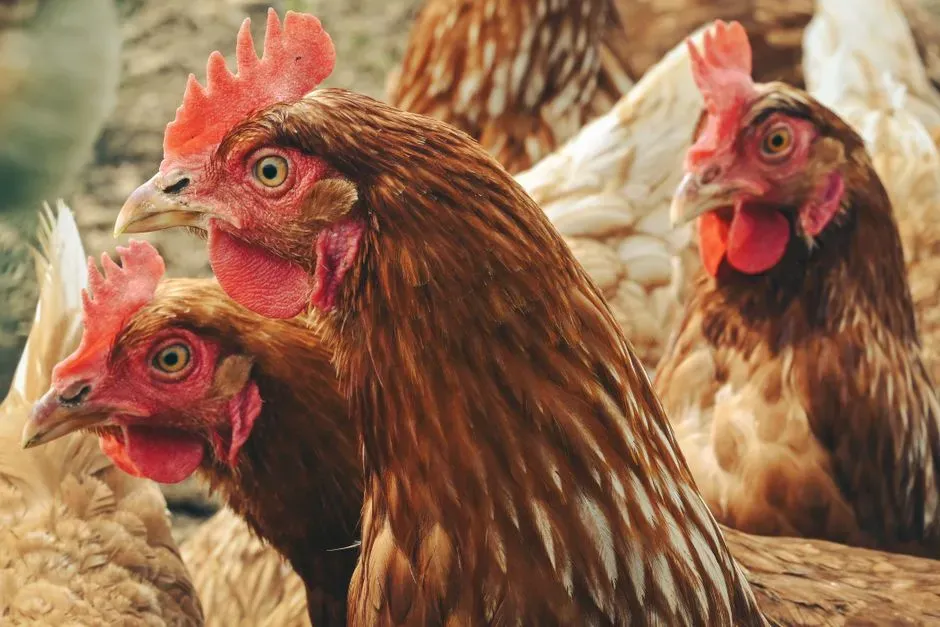
This one isn’t visible at all, but it might be the most jaw-dropping item on this entire list.
Genome researchers directly compared multiple bird species to reconstruct what the ancestral dinosaur genome likely looked like – and chickens came out on top for a very specific reason. Of every species analyzed, the chicken lineage showed the fewest genetic changes compared to the reconstructed dinosaur ancestor.
Think about what that actually means: while other bird lineages scrambled their genetic structure through millions of years of rearrangement, the chicken genome stayed remarkably stable. Separate research reconstructing the likely ancestral avian karyotype reached a similar conclusion, describing that ancestor as most likely a chicken-sized, two-legged, feathered land dinosaur from the Jurassic period – and finding striking karyotypic similarity to the chicken specifically. The chicken isn’t just descended from dinosaurs. Genetically, it’s one of the closest living approximations of what that ancestor actually was.
A stable genome is remarkable. A literal molecular match to a T. rex is something else entirely.
#13 – Sharing Actual Molecules With a T. Rex
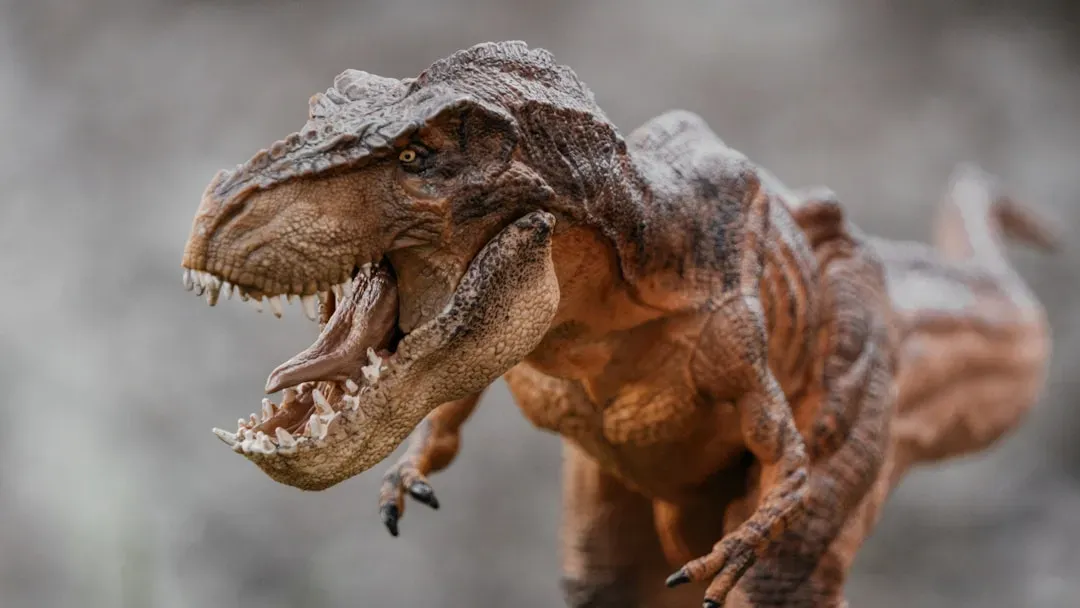
This is the fact that made headlines, and for good reason – it moved this whole topic from “theory” to measured evidence.
Researchers extracted soft tissue from a fossil and ran a direct molecular comparison. T. rex collagen proteins analyzed from a 68-million-year-old fossil showed the greatest similarity to modern birds, particularly chickens and ostriches. That’s not an inference from bone shape or behavior – that’s protein sequencing, one of the most direct forms of biological evidence available.
Most people assume dinosaur-bird connections are based on guesswork from old bones. This is the opposite: it’s literal shared molecular material analyzed in a lab. Scientists have called this evidence overwhelming precisely because it doesn’t rely on a single method – fossil records showing feathered theropods, genome reconstruction, and now protein analysis all point the same direction at once.
While T. rex no longer roams this Earth, its legacy lives in our homes and farms.
Researchers studying avian-dinosaur evolution
That’s about as close as biology gets to a smoking gun. But the very last fact on this list reframes everything above it.
#14 – Descending From a Line That Survived What Nothing Else Did
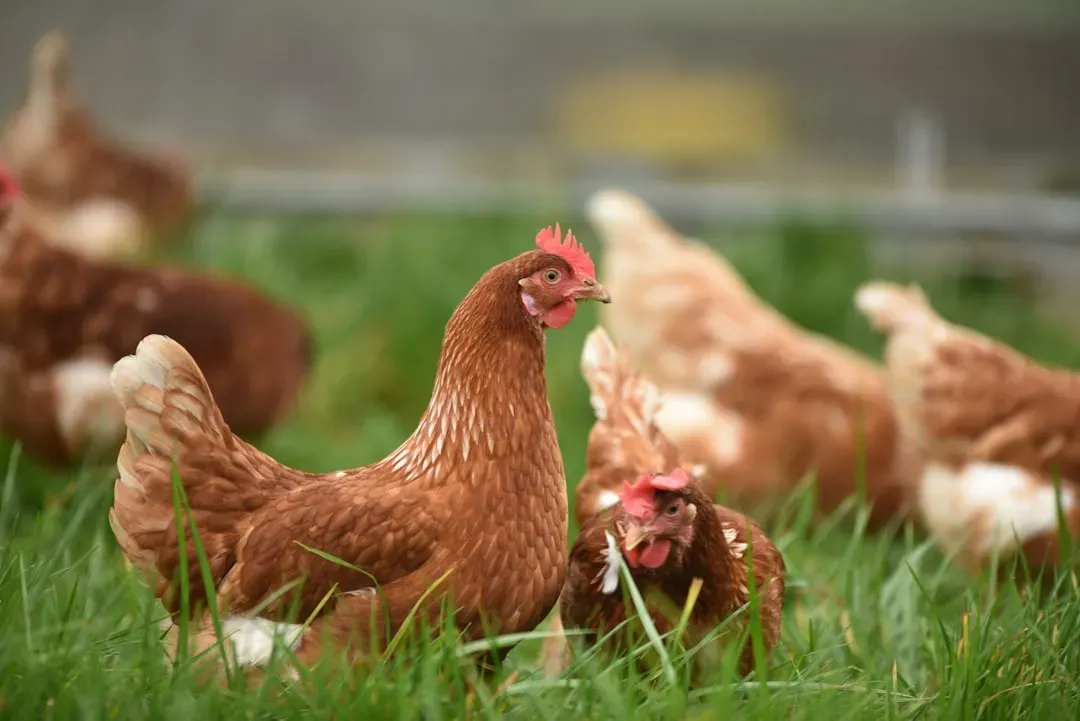
This is the big one – the fact that puts every other item on this list into perspective.
Every behavior above exists because one specific lineage made it through the worst extinction event in the planet’s history. Birds are living theropod dinosaurs, and they are the only theropod lineage to have survived the mass extinction 66 million years ago – meaning dinosaurs, in a very real sense, never fully went extinct at all.
Somewhere in the chaos following that asteroid impact, a small group of feathered, ground-dwelling theropods survived while nearly everything larger than a house cat did not. Their descendants eventually became every bird species alive today, chickens included.
Worth Knowing
- There were 33 billion chickens across the globe in 2020, up from 14.3 billion in 2000
- There are almost three times as many chickens as humans alive on Earth right now
- Domestic chickens are the most populous birds in the world, dwarfing every wild bird species combined
- Every one of those billions still scratches, broods, and freezes at shadows using the same ancient wiring described above
That’s the real punchline. Domestication happened relatively recently – domestic chickens diverged from red junglefowl roughly 58,000 years ago, well before actual farming began. But the deep behavioral wiring underneath domestication goes back tens of millions of years further, into an entirely different geological era.
The Bottom Line
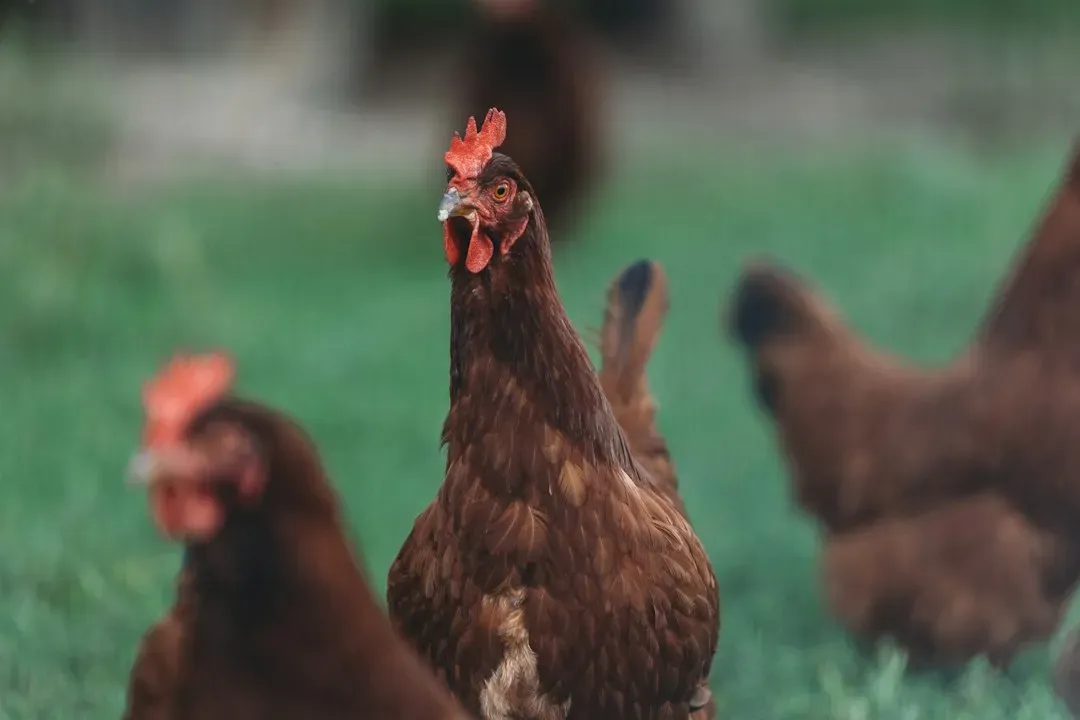
Chickens are not just farm animals – they’re a living record of survival. Their dust-bathing, brooding, scratching, and even their sleeping posture connect directly to theropod dinosaurs that walked the earth over 66 million years ago, while their domestication as a species is a comparatively recent event from the last several thousand years.
The molecular evidence, particularly the T. rex collagen match, turned a fringe theory into an accepted scientific fact almost overnight. That’s not a small thing in science – most ideas this strange take decades to earn that kind of consensus.
Every time a rooster crows or a hen guards her nest, she’s performing behavior shaped across an almost incomprehensible stretch of time. Next time someone calls a chicken “just a dumb bird,” you’ll know better – and honestly, so should they. Which of these surprised you the most? Drop your pick in the comments.