
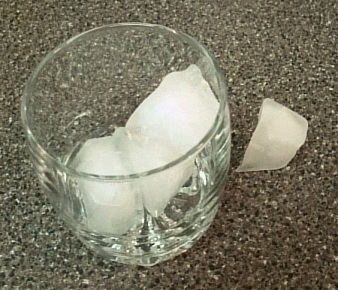
You can tell a shocking amount about a night out just by looking into a glass the next morning. Long after the music stops, the group chat dies down, and the hangover kicks in, the ice is still quietly telling the story. The melt line, the cracks, the cloudy centers, even that one lonely cube stuck to the bottom of the glass are all physical receipts of what really happened.
It sounds dramatic, but there is real physics and chemistry behind these tiny frozen clues. How hard you were sipping, how fast the drink was poured, the room temperature, the kind of glass, even the emotional vibe of the night can leave traces in the ice. Once you know what to look for, you can read a glass almost like a black box from the evening before.
This is a deep dive into the science and subtle signals hidden in ice patterns – blended with a very human, slightly messy understanding of what nights out are actually like. Think of it as forensic bartending meets Sunday-morning self-reflection. By the end, you might catch yourself staring into your next drink a little longer than usual, wondering what story tonight’s ice is going to tell.
#1 Fast-Melted Ice: The Silent Confession of a Long Night

Ever noticed a glass where the ice is barely hanging on, sitting in a shallow pool of watered-down whatever? That usually screams one thing: this drink has been sitting for a while. Ice melts faster when the drink is left untouched, especially in a warm room or in a crowded bar where the air temperature climbs through the night. The physics is simple: more time, more heat transfer, more melt.
When you see fully shrunken cubes, rounded corners, and a noticeably diluted drink, it often means the night lasted longer than intended or the drinker got distracted. Maybe they were deep in conversation, maybe they switched to shots, or maybe they decided they’d had enough halfway through. The ice does not care about your excuses; it just melts at the pace the night really took.
Fast-melted ice often pairs with a hazy memory. You remember ordering the drink, maybe a toast, and then… vague. The abandoned drink is the physical evidence of that shift from social sipping to “I’ll be fine, just one more.” If your morning-after glass looks like mostly water with ghosts of ice, that night probably ran later – and harder – than you planned.
In many real-world cases, a glass of mostly meltwater with tiny remaining cubes lines up with: a very warm space, a long time between sips, or a night that slid from casual to chaotic. You do not need a security camera to confirm how late it went; the ice already filed the report.
#2 Perfectly Clear Ice: The Mark of Intention and Control
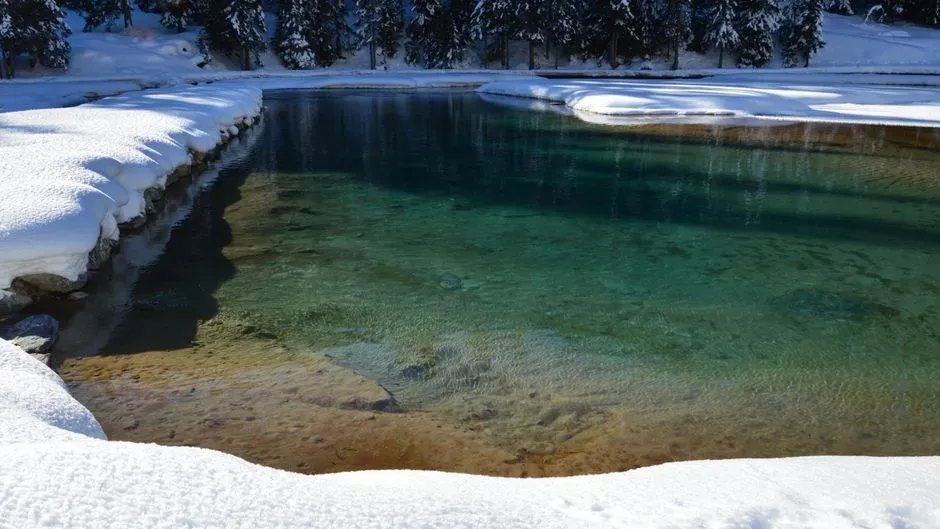
Crystal clear ice is not an accident – it is almost always intentional. To get those transparent cubes or spheres, water is usually filtered and frozen directionally, forcing gases and impurities out. That takes planning, gear, or at least extra effort. When you see perfectly clear ice the next morning, it usually means the night began with thoughtfulness and care, not a frantic scramble for whatever tray was in the freezer.
Clear ice melts more slowly than cloudy, air-filled ice of the same size. That slower melt means the drink stayed colder for longer and diluted more gradually. If the clear ice is still mostly intact the morning after, with crisp edges and only a bit of rounding, it suggests the drink was probably sipped at a calm pace – or even left mostly untouched. Slow melt, defined lines, and steady clarity all point to control more than chaos.
In my own experience, nights that start with big, clear ice spheres tend to feel a bit ceremonial. Someone cared about the experience: the right glass, the right garnish, the right playlist. That usually goes hand in hand with more mindful drinking, more conversation, and fewer “how did I get home?” moments. The ice is a small luxury, but it broadcasts that this was supposed to be a curated night, not a random tumble.
So if you wake up to a glass with one beautiful clear cube barely changed overnight, that is a quiet sign: the night likely leaned more toward intentional, maybe even mature. That ice was built to last, and it suggests the same about the pace of the evening.
#3 Cloudy, Cracked Cubes: Evidence of Cheap Trays and Heavy Pours
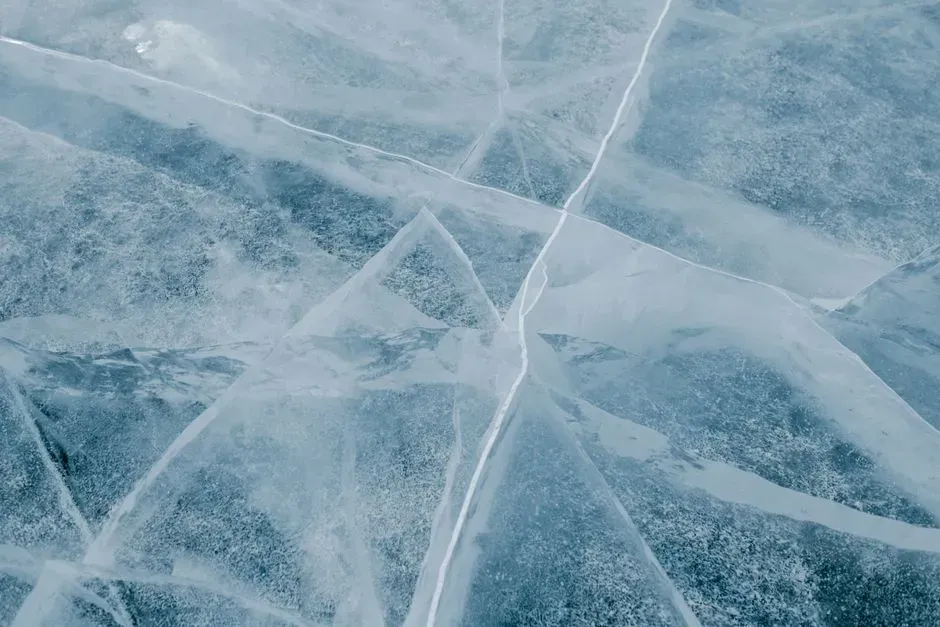
Cloudy ice full of tiny white bubbles and fractures usually forms when water freezes quickly and unevenly. Air and dissolved minerals get trapped inside as the outside hardens faster than the center. Most home freezer trays make exactly this kind of cube. On its own, cloudy ice is not a crime. But when you see heavy cracking, jagged pieces, and shattered corners the next day, it often pairs with a certain kind of night.
Hard shaking, rapid temperature swings, and aggressive pouring can all fracture ice. For example, dumping room-temperature or warm liquor over cold, brittle cubes creates thermal stress that can cause dramatic cracks and pops. On a busy night, when drinks are made fast, ice gets hammered: stirred hard, shaken violently, slammed into glassware, and then refilled repeatedly. The next morning, you see the aftermath as cubes shattered into multiple smaller shards.
Look closely and you can often read the intensity:
- Light surface cracks: probably gentle mixing and normal use.
- Deep fractures through the center: strong shakes or fast, repeated pours.
- Tiny chips and shards everywhere: more chaotic handling or frequent refills.
Cloudy, broken ice does not prove anyone overdid it, but it points to a faster, more hurried drinking style. A thoughtful, slow Old Fashioned rarely leaves a glass packed with destroyed ice rubble. A night of “just top it off again” absolutely does. The ice remembers the pace, even if you do not.
#4 Ice Welded to the Bottom: The Story of One Last Drink
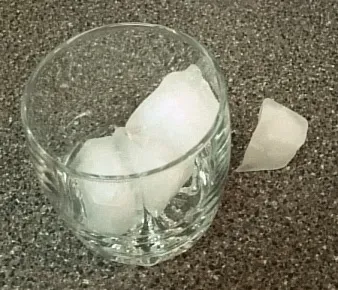
Sometimes you look into a glass and spot one cube stuck like cement to the bottom, fused in place. That “welded” ice usually forms when the drink sits long enough for a layer of water to partially melt and then refreeze where the cube touches the glass. This happens most often when the room cools down later at night or when the glass is placed near a cold window or air source.
From a storytelling angle, this fused cube often marks the “final drink of the night” that was never really finished. Maybe you hit your limit. Maybe a ride showed up earlier than expected. Maybe the conversation moved elsewhere and the glass got left behind. The half-melted ice bonded to the bottom is like a bookmark left in the chapter where things just stopped.
There is usually a particular vibe to that last, abandoned drink. It is quieter, less dramatic than the active chaos earlier. The welded ice tells you time passed without sips – no clinking, no swirling, no refills. The party moved on without this glass being part of the action anymore.
So if you find a glass with one stubborn cube stuck to the base in a thin film of water, it almost always means: this drink lost your attention for quite a while. The physics of partial melting and refreezing wrote down what you forgot to finish.
#5 Uneven Melt Levels: A Map of Distraction and Conversation

One of the most revealing patterns is when glasses from the same round of drinks show very different melt levels. Imagine three identical cocktails made at the same time and left on the table. The next morning, one glass still has chunky cubes, another is mostly water, and the third is somewhere in between. That contrast is a social map of the night.
Uneven melt is mostly about how often the drink was picked up, sipped, warmed by hands, or left alone while the drinker talked, danced, scrolled, or cried in the bathroom. A glass with barely melted ice probably belonged to someone who drank quickly and then stopped, or who abandoned the drink early. A glass with almost no ice left suggests long stretches of inactivity, with plenty of time for the cubes to shrink into nothing.
Across a group, you can often guess who was:
- The talker: slow melt, lots of ice left, because they were busy telling stories.
- The dancer: major melt from being held and moved around a warm room.
- The overthinker: mid-level melt with frequent but small sips all night.
Those uneven ice levels are like emotional footprints. The physics is straightforward – heat, time, and contact – but the story they reveal is human: who was lost in conversation, who was detached, and who was quietly clutching their drink like a lifeline.
#6 Ice Rings and Tidal Lines: Timelines Written on the Glass
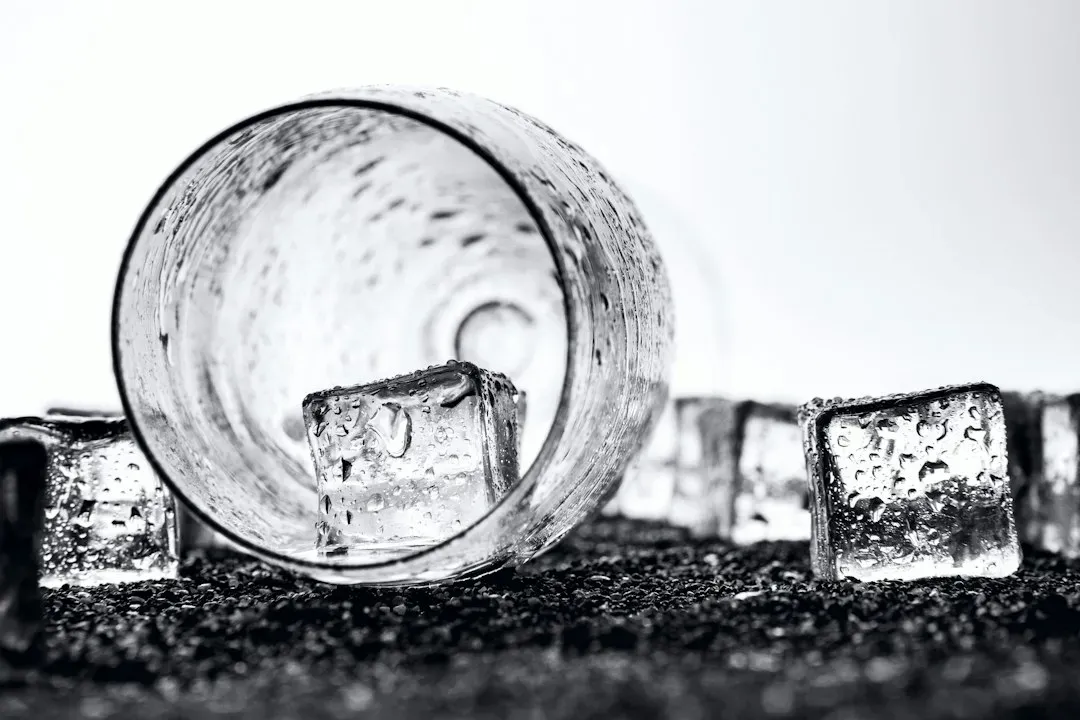
Sometimes you notice a faint white ring or several horizontal “tide lines” where ice or liquid once sat along the inside of the glass. These deposits can form from dissolved minerals and sugars that dry in place as the drink level drops. They are essentially historical markings, showing where the liquid surface used to be at different stages of the night.
If you see a single strong line, that often marks the final resting level of the drink before it stopped being touched. Multiple lines, though, hint at refills or different stages – maybe someone drank halfway, topped it up, paused, and then drained it again. Each pause leaves a potential line as tiny residues dry along the glass as the ice and liquid recede.
These rings can quietly answer questions like: Was this glass refilled? Did someone switch from cocktail to mixer? Was there a long gap between drinks where the level stayed the same? If the rings show a pattern of stepping down slowly, that supports the idea of steady, paced drinking rather than quick slams or abandoned pours.
It is almost like tree rings for your drink. You may not remember exactly when something was said or when the mood shifted, but the glass keeps a rough record of how many levels the night moved through.
#7 Floating Ice Islands: Signs of Sugary Mixers and Late-Night Tweaks
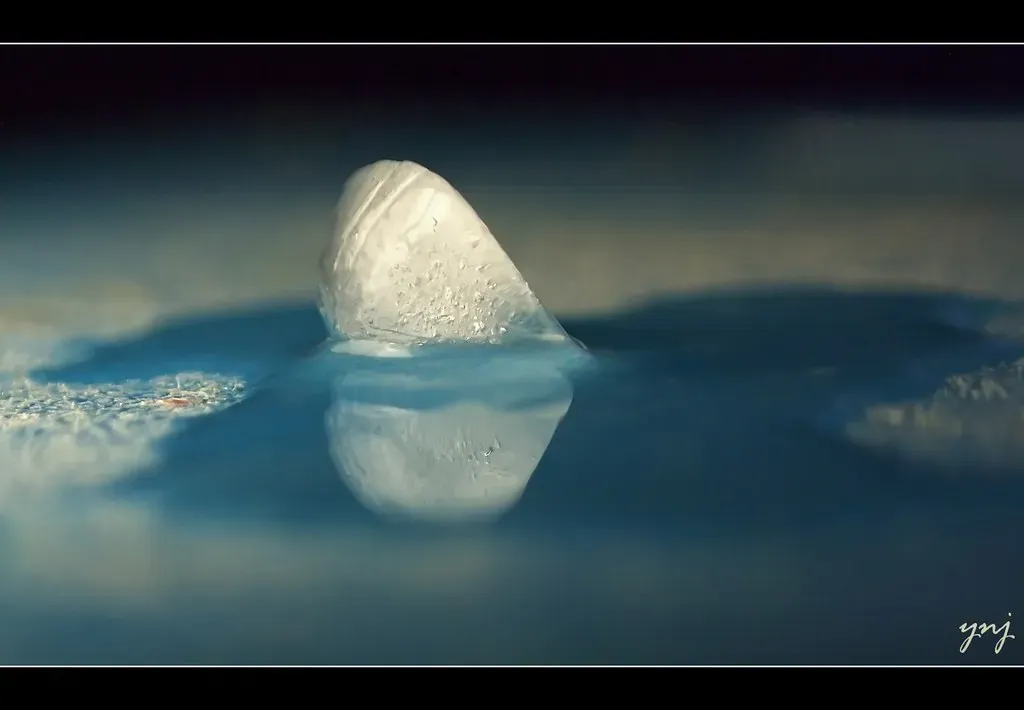
Ever found an oddly floating “ice island” sitting higher than it seems like it should, or a small raft of frozen pieces clinging together? This can happen when sugary mixers, syrups, or juices alter the density of the liquid and the surface tension around the ice. Drinks that get sweeter over time – thanks to added soda, juice, or flavor shots – can subtly change how the ice behaves.
When you see clusters of ice pieces floating oddly, or ice that seems to be half-submerged instead of fully sinking or standing upright, it suggests the drink evolved over the night. Maybe it started as straight liquor and later got topped with cola. Maybe someone watered it down purposefully. Those shifts change how buoyant the ice is and how it drifts around the glass.
Patterns like:
- Several small chunks stuck together near the top: late-stage melting in a sweeter, thicker mix.
- One main cube with tiny shards clinging: repeated stirring or topping up with mixers.
- Ice moving toward one side: the glass was left tilted for long stretches.
These floating islands hint that the drink did not stay constant. The night had adjustments – more sugar, more bubbles, more attempts to “take it easy” by diluting what started out stronger. The ice reacts each time, leaving subtle clues in where it gathers and how high it rides.
#8 Frosted Exteriors and Sweaty Glasses: How Hot the Room (and the Crowd) Really Was
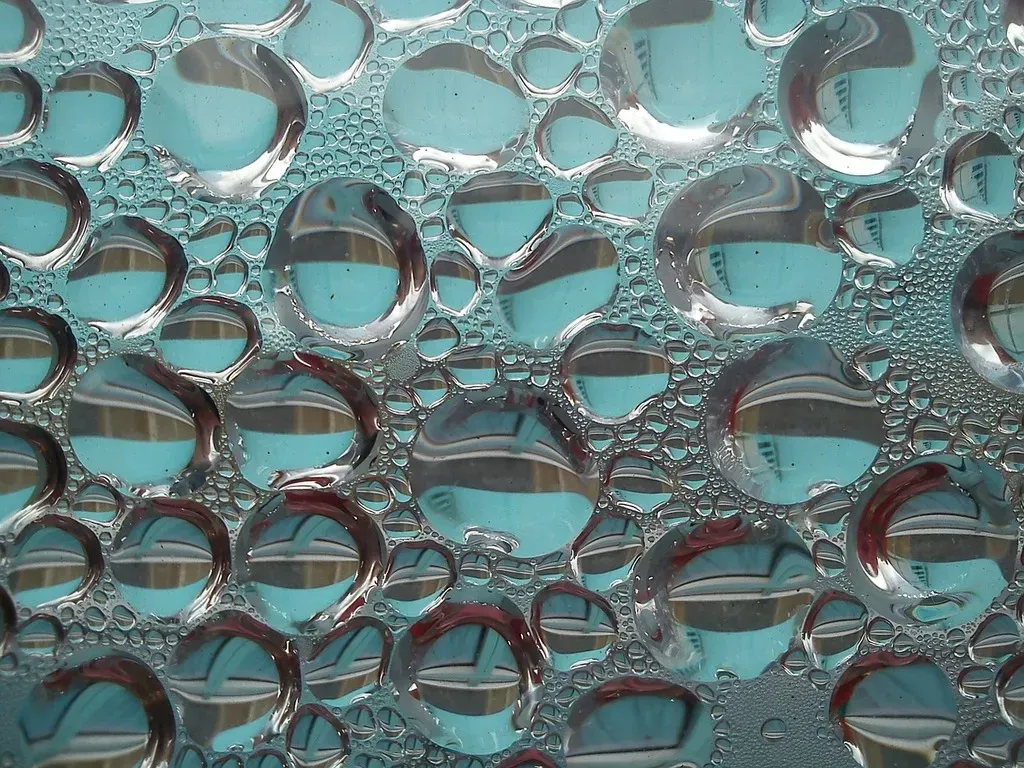
Condensation patterns on the outside of the glass might be the easiest visual some people overlook. A heavy ring of water under the glass and streaks down the sides mean the drink spent a lot of time in humid, warm air. As the cold glass cools the surrounding air, water vapor condenses and slides down, telling you the room was not just warm, but probably crowded or poorly ventilated.
If, the next morning, you see dried “tracks” of former condensation – little mineral lines on the outside of the glass – that suggests the drink sat for a long time in that warm, moist air. When the night stretches on in a packed kitchen party or a busy bar, glasses sweat constantly. Those dried tracks and rings on the table are relics of body heat, dancing, and the general chaos of a full room of people.
On the flip side, a glass with very little external marking might point to a cooler environment, maybe a quieter night, or more time spent outdoors in crisp air. The degree of “sweat” on the glass matches how intense the environment was. Personally, I always notice that the wildest house parties leave behind tables covered in circular water stains, like polaroids of humid energy.
So the ice itself may tell you how the drink behaved, but the glass exterior can tell you how the room felt: sticky and electrified or calm and cool. That difference is often the gap between “just a couple drinks” and “we somehow turned the living room into a nightclub.”
#9 Shattered Shards and Ice Dust: Proof of Over-Shaking and Overdoing It
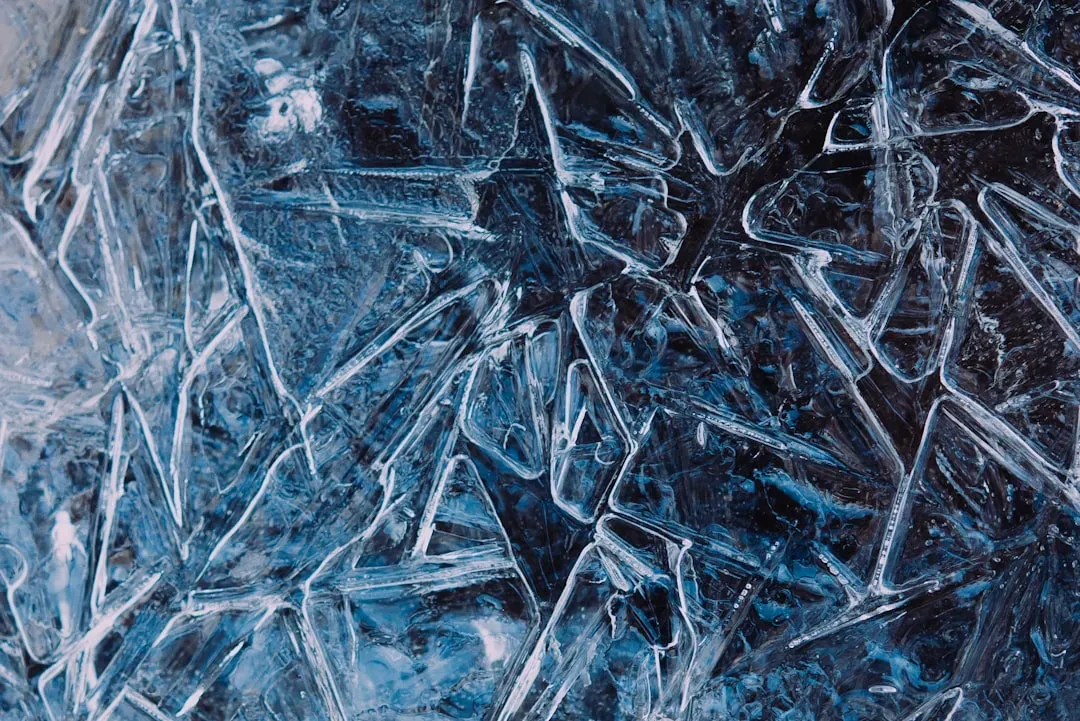
When you find a glass full of tiny, jagged fragments of ice and slushy “ice dust,” it usually means the cubes were abused at some point. Vigorous shaking in a cocktail shaker, smashing with a muddler, or repeatedly dumping ice between containers all weaken and fracture the structure. Then, once in the glass, those weakened cubes break apart even more as they melt and collide.
From a practical standpoint, shattered ice raises the surface area dramatically, speeding up melt. That means drinks dilute faster, flavors soften, and alcohol can feel weaker over time. People then react by adding more liquor or ordering another round, which can easily snowball into a heavier night than planned. The ice fragments essentially nudge people into chasing the original strength of the drink.
When I see a glass with mostly tiny shards instead of recognizable cubes, it almost always lines up with a night of fast, ambitious mixing – shakers flying, drinks being made in batches, “try this, try that” energy. Bartenders and enthusiastic home hosts sometimes overshake cocktails, especially when showing off. The morning-after evidence is a cloudy, fragmented ice graveyard.
The story here is not just technical. It is about a vibe: speed over precision, volume over subtlety. Shattered ice suggests a night where the goal was fun first, technique second. It often correlates with louder laughs, riskier choices, and fuzzier memories.
#10 Stacked or Clustered Cubes: Social Dynamics in a Single Glass
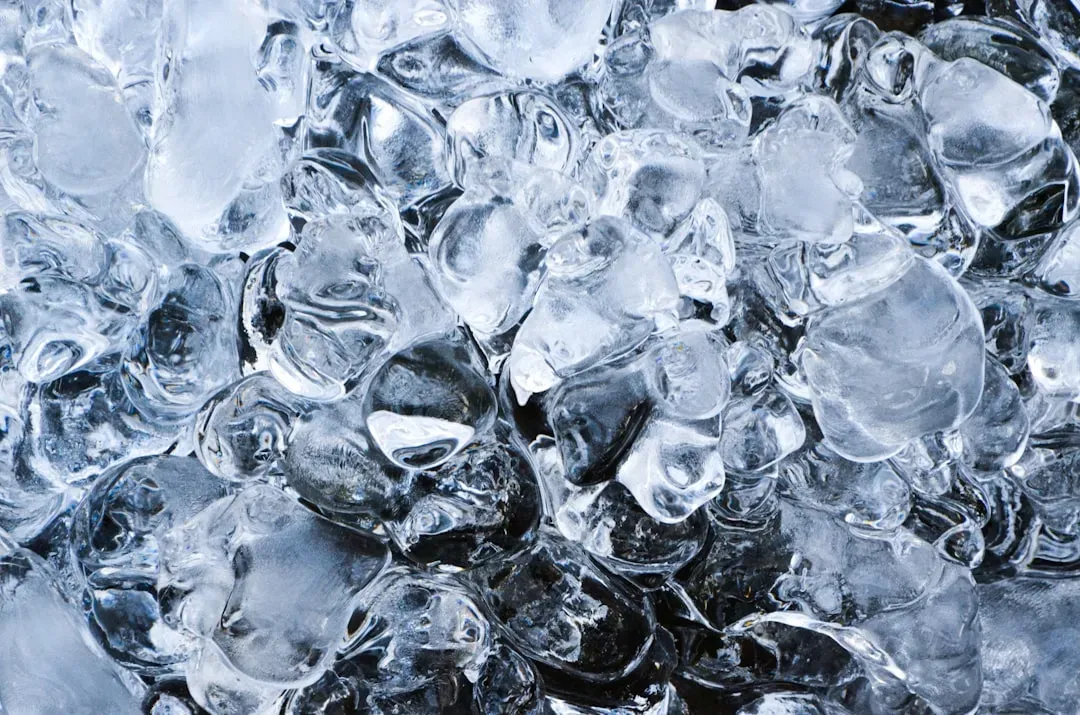
Ice that ends up stacked, leaning, or clustered in one part of the glass often got that way because of repeated swirling, anxious fidgeting, or unconscious playing with the drink. When someone keeps turning the glass in their hand or bumping it against the table, the cubes bump into each other and settle into little architectural shapes instead of staying evenly spread out.
Clustered cubes are common when someone is engaged in intense conversation, flirting, or feeling nervous. The glass becomes a prop, something to hold and move without realizing. The ice follows those movements, nudging together into one side and sometimes forming little towers or wedges wedged against the glass wall.
A few broad patterns you might spot:
- Cubes leaning all to one side: the glass was held tilted for long stretches.
- A tight cluster in the center: lots of swirling and gentle spinning.
- One cube perched on top of another: repeated, small movements rather than big slams.
That stack of cubes does not tell you what was said, but it strongly hints there was something going on: a deep talk, an argument, a confession, or a spark. The ice ends up choreographed by the emotions of the night, even if you never consciously noticed your own hands moving.
#11 Lone Survivor Cube: The Moment the Night Turned
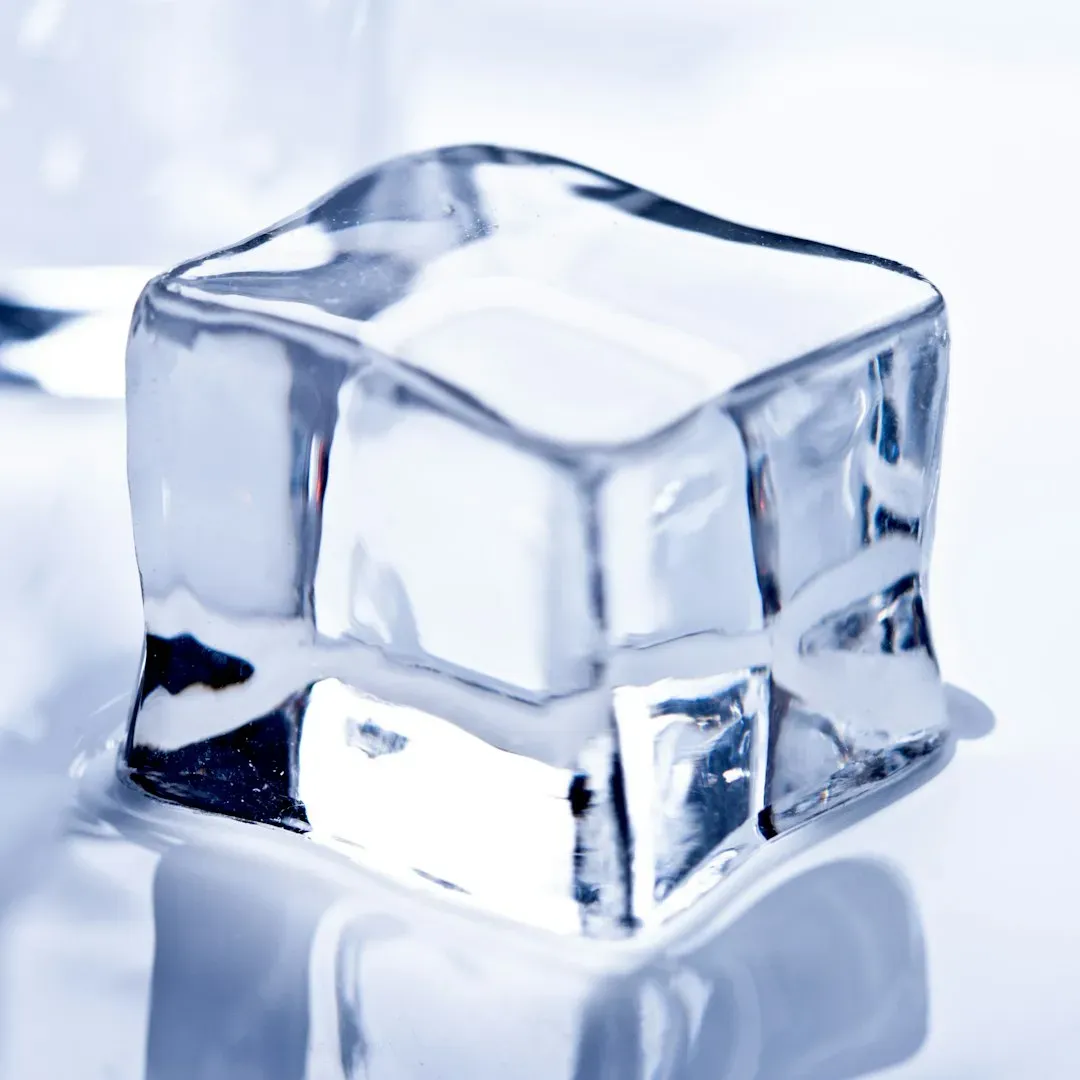
There is something strangely poignant about waking up to a glass with one single cube left, floating in a shallow puddle of watered-down drink. That lone survivor often marks the exact moment when the night pivoted – when the drinker put the glass down and never picked it up again. Maybe they switched to water. Maybe they went outside. Maybe they just hit the wall and crashed on the couch.
This pattern suggests the drink was actively used for a while, then suddenly abandoned. Most of the ice melted along with the action of the evening. Only one cube, by random chance, remained big enough to last until the energy dropped off. The night did not fade slowly; it cut off sharply enough that nothing disturbed that last cube again.
I have seen this so many times at gatherings: everyone talking and refilling, then in what feels like an instant, the house goes quiet and you realize half-finished drinks are everywhere, each with a lonely cube or two left. That lingering ice is a tiny monument to the turning point – the final joke, the last song, the moment someone said they should probably call it.
So if you see one small, rounded cube still drifting in the glass, think of it as a timestamp. It will not tell you the exact minute, but it tells you the night ended decisively enough that nobody came back to finish that last sip.
#12 Rapidly Thinned Cubes: Chugging, Shots, and High Contact
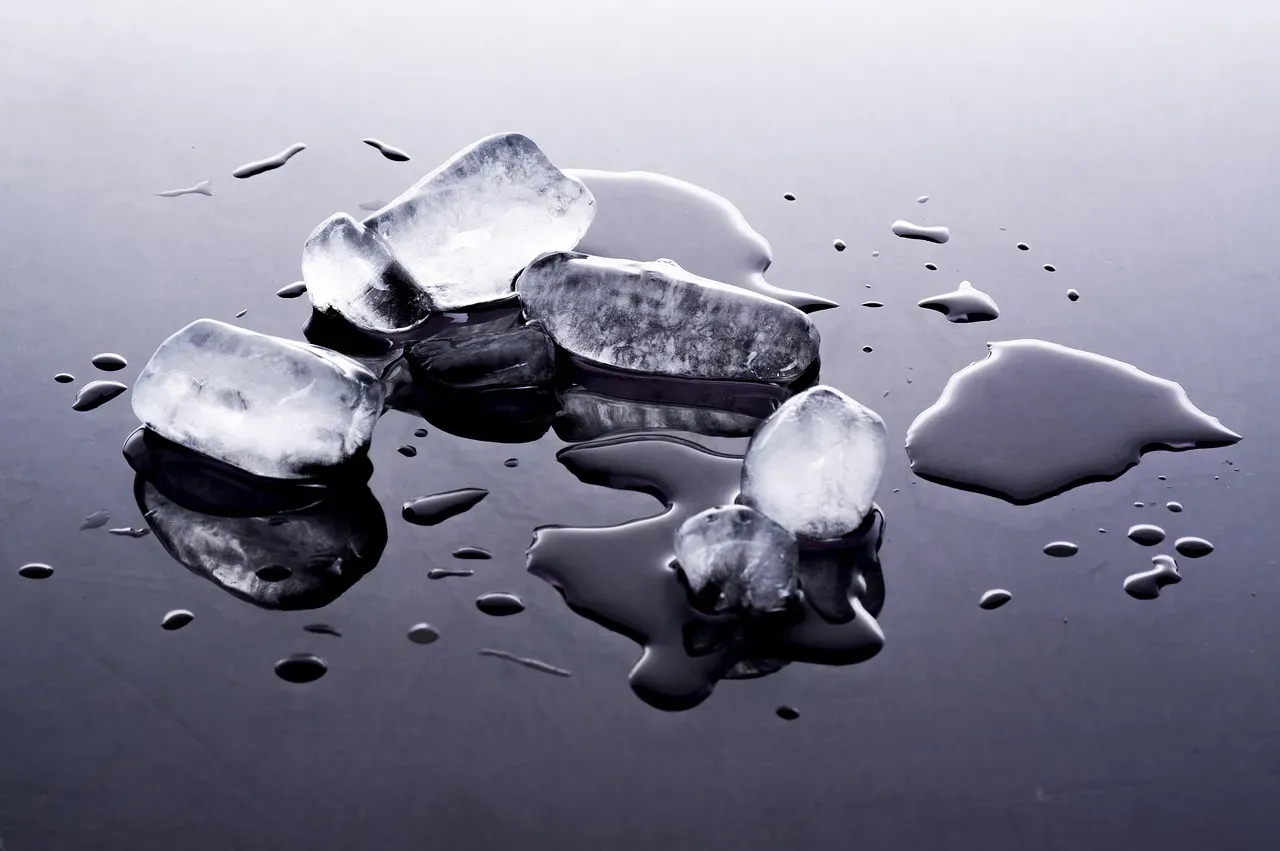
Sometimes the cubes you find are not small because they have fully melted over many hours, but because they have been aggressively worn down. The corners are smooth, the edges are paper-thin, and the overall shape is weirdly sculpted. This often happens when the glass was tilted frequently and held at a steep angle, so the ice kept sliding and grinding along the sides with every sip.
Frequent, deep tilts usually mean rapid or large sips – closer to chugging than casual tasting. The ice is not just sitting in cold liquid; it is in constant motion, scraping and colliding. Over the course of even a relatively short period, that abrasion can thin down the cubes noticeably compared to untouched ice in another glass from the same batch.
This pattern lines up closely with things like:
- Turning mixed drinks into de facto shots.
- Taking big gulps instead of small tastes.
- Playing drinking games or doing fast rounds.
In other words, rapidly thinned ice is a physical echo of an impatient drinking style. The science is about friction and motion, but the story is simple: people were not savoring. They were trying to get somewhere – looser, louder, lighter – fast.
#13 Layered Slush: When Drinks Blurred Together
Layered, partially slushy ice – where the drink looks like a mix of liquid and soft frozen crystals – can appear when a glass cycles between cold and slightly warmer repeatedly. For example, a drink might be left on a cold balcony, brought into a warm room, forgotten and then cooled again. Ice melts, refreezes at the edges, and forms mushy layers instead of neat cubes.
Visually, it looks like a confused drink: not quite a proper slush, not fully liquid, with thin, fragile ice films and semi-frozen patches clinging to the sides. That kind of pattern usually only happens when the glass goes on a little journey – set down, picked up, carried outside, abandoned on a step, rediscovered, then forgotten for good.
Nights where people drift from room to room, from inside to outside, and from one group to another often leave glasses like this scattered around. The varied temperature zones and the time gaps create a patchwork of freeze-melt cycles. The drink becomes a literal blend of different moments – early, mid, and late night – all frozen into one confusing texture.
Layered slush tells you the evening did not have a single center of gravity. It was a roaming, wandering kind of night, with conversations and energy moving constantly. The glass just tried to keep up and ended up half-frozen and half-forgotten, just like some of the memories.
#14 Completely Dry Glass, No Ice Left: Evidence of Discipline – or Disaster
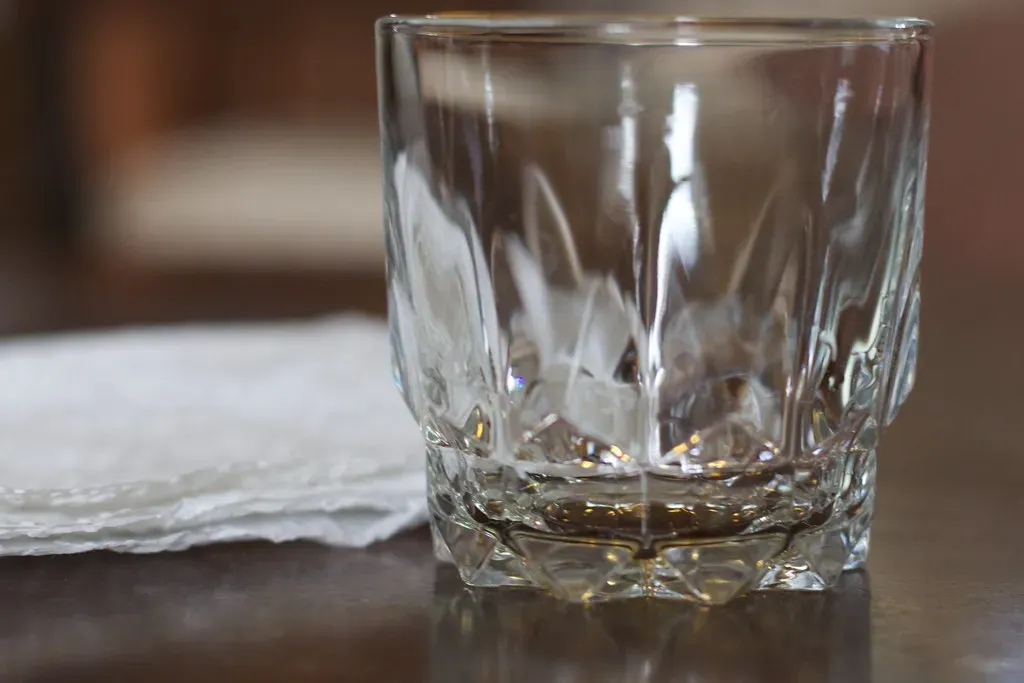
A totally dry glass with no ice, no puddle, and barely any residue can point in two very different directions. On one hand, it could mean someone finished their drink completely while the ice was still solid enough that it never truly puddled and lingered. They drank steadily and set the glass down empty. That can be a sign of tidy, controlled behavior.
On the other hand, an entirely dry glass can also mean hours have passed since the last sip, in a warm enough environment that every drop of water evaporated or was absorbed into a napkin, coaster, or table. In that case, the dryness is not about discipline; it is about time. The party lasted so long after the last drink that the evidence literally disappeared.
I have personally seen both scenarios: one friend who always finishes clean and stacks their empty glass neatly, and another who forgets where they even left their drink, only for us to find a bone-dry glass the next day like a relic. The context matters, but in both cases, you are looking at a long enough time window that the ice’s story is over for good.
When every other glass shows puddles and remaining cubes, and one stands completely dry, that outlier is worth noticing. It either belonged to the most controlled drinker in the room – or to the person who moved on to something else so early that even the meltwater had time to vanish.
Conclusion: The Night Always Leaves a Trace
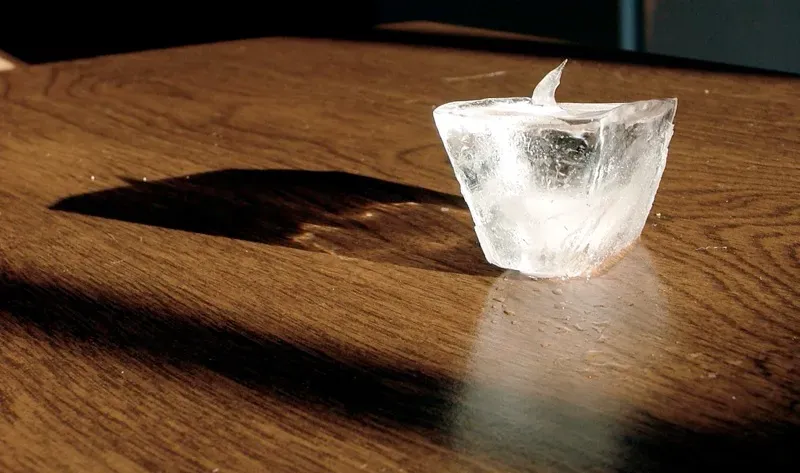
We tend to think the story of a night out lives only in photos, messages, and half-remembered moments, but the ice in your glass is quietly logging everything too. Melt rates, cracks, shards, welded cubes, lonely survivors, and condensation trails are all tiny, physical signatures of how fast you drank, how hot the room was, how intense the conversations got, and when the energy finally broke. You do not have to be a scientist to read them; you just need to start paying attention.
What fascinates me is how honest these patterns are. Our memories blur, we downplay what we drank, we overstate how “chill” it was, but the ice only follows the laws of thermodynamics and time. It melts, cracks, freezes, and evaporates exactly according to what really happened, not what we wish had happened. In a way, your glass the next morning is a more reliable narrator than you are.
There is something strangely grounding about that. You do not have to turn every drink into a forensic experiment, but noticing the clues – the last lonely cube, the ring stains, the cloudy shards – can make you more aware of your own habits and choices. It can nudge you toward more intentional nights, the kind that end with clear memories and mostly intact ice, instead of chaos and puddles.
So the next time you wake up and pass by last night’s glass on the counter, pause for a second. Look at the ice, or what is left of it, and ask yourself: if this were the only witness, what kind of night would it say you had – and is that the story you actually want it to tell?