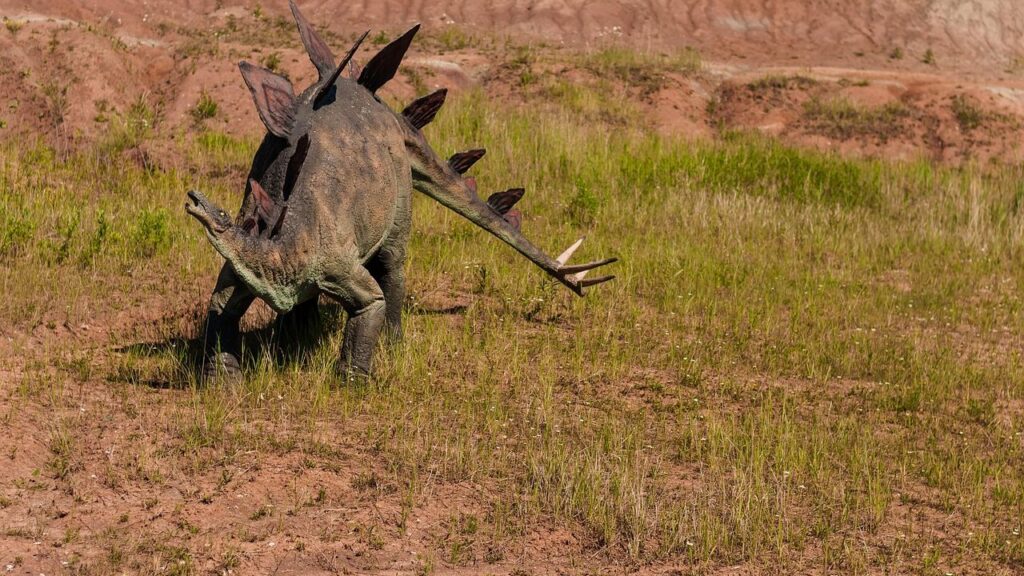
Close your eyes and picture a Tyrannosaurus rex. Chances are, the first thing that booms into your imagination is that thunderous, earth-shaking roar – the kind that rattled cinema speakers and gave generations of children nightmares. It turns out, however, that science has some rather shocking news for you. Everything you think you know about how dinosaurs sounded might be completely, wonderfully wrong.
For over a century, paleontologists have grappled with one of prehistory’s most tantalizing mysteries: what did these extraordinary creatures actually sound like? Thanks to a remarkable convergence of cutting-edge technologies – from CT scanning to 3D printing, acoustic modeling to artificial intelligence – researchers are finally beginning to peel back the silence of deep time. The answers are far stranger, and honestly far more fascinating, than any Hollywood roar. Let’s dive in.
The Myth of the Dinosaur Roar: Where Hollywood Got It Wrong
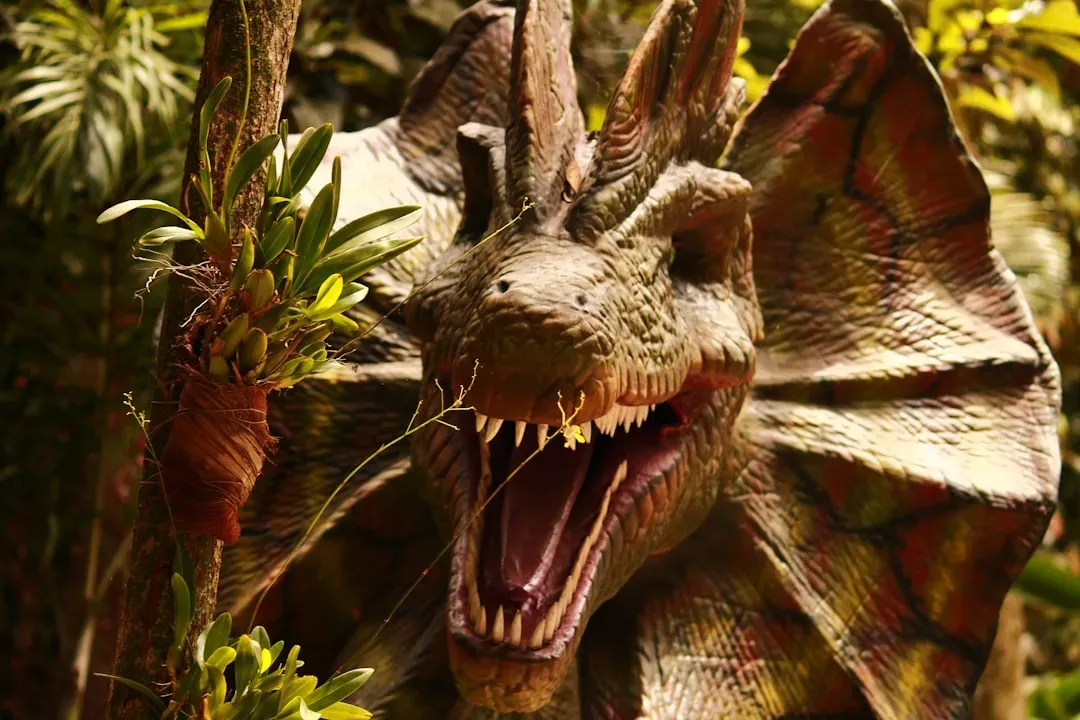
Let’s be real – for decades, you’ve been fed a cinematic lie, and it was a convincing one. Those theatrical roars and squawks that so effectively bring velociraptors and T. rexes to life onscreen were created by mashing up the sounds of living animals who have different biology than the dinosaurs. The iconic T. rex roar you hear in Jurassic Park? It was stitched together from sounds including a baby elephant, a tiger, and an alligator – chosen purely for dramatic effect, not scientific accuracy.
In reality, no one, including scientists, actually knows what dinosaurs sounded like. Fossils preserve bones, not voices, leaving both filmmakers and paleontologists to rely on guesses when it comes to recreating dinosaur sound. Honestly, it’s a humbling reminder that even our most confident cultural assumptions can be built on nothing more solid than artistic license and a desire for spectacle.
The Fossil Problem: Why Dinosaur Voices Are So Hard to Reconstruct
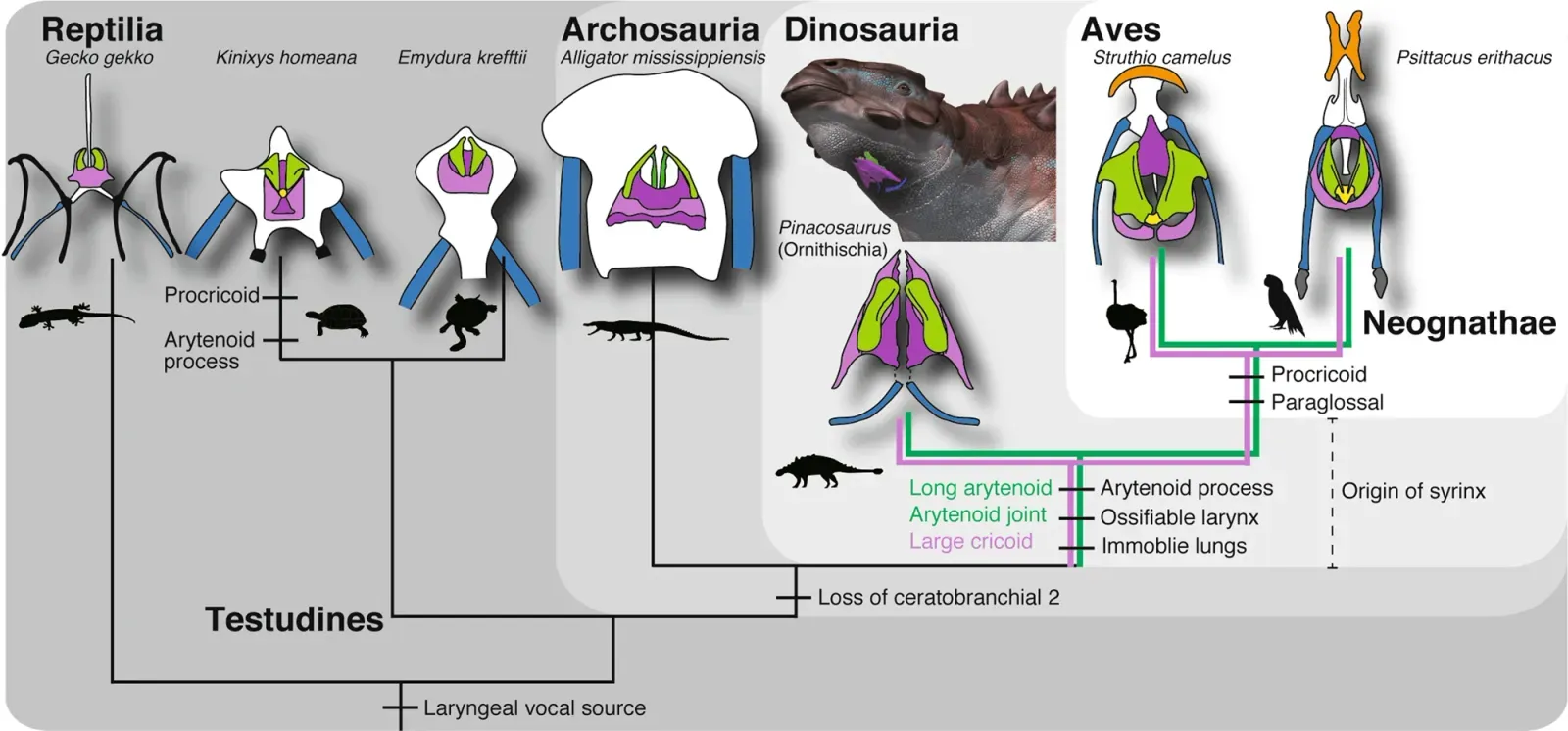
Studying dinosaur sounds presents unique challenges due to the nature of the vocalization structures involved. Unlike bones and other hard tissues, the larynx and syrinx responsible for vocalization are soft tissues that do not typically fossilize. As a result, direct evidence of dinosaur vocalizations is scarce, and researchers must rely on indirect methods of inference and reconstruction. Think of it like trying to reconstruct a symphony when all you have are fragments of the concert hall – you can guess at acoustics, but the music itself is gone.
Cartilage and soft tissue fossilize only under exceptional conditions, which have occurred twice in more than a century of dinosaur paleontology. That’s two times. Two. In over a hundred years of digging up the ancient past. These two fossils, separated by thousands of kilometers and millions of years, represent the only direct evidence of non-avian dinosaur vocal anatomy ever recovered, and the extreme rarity of such specimens explains why the field of paleoacoustics has advanced so slowly.
CT Scanning Opens a Window Into Ancient Sound Chambers
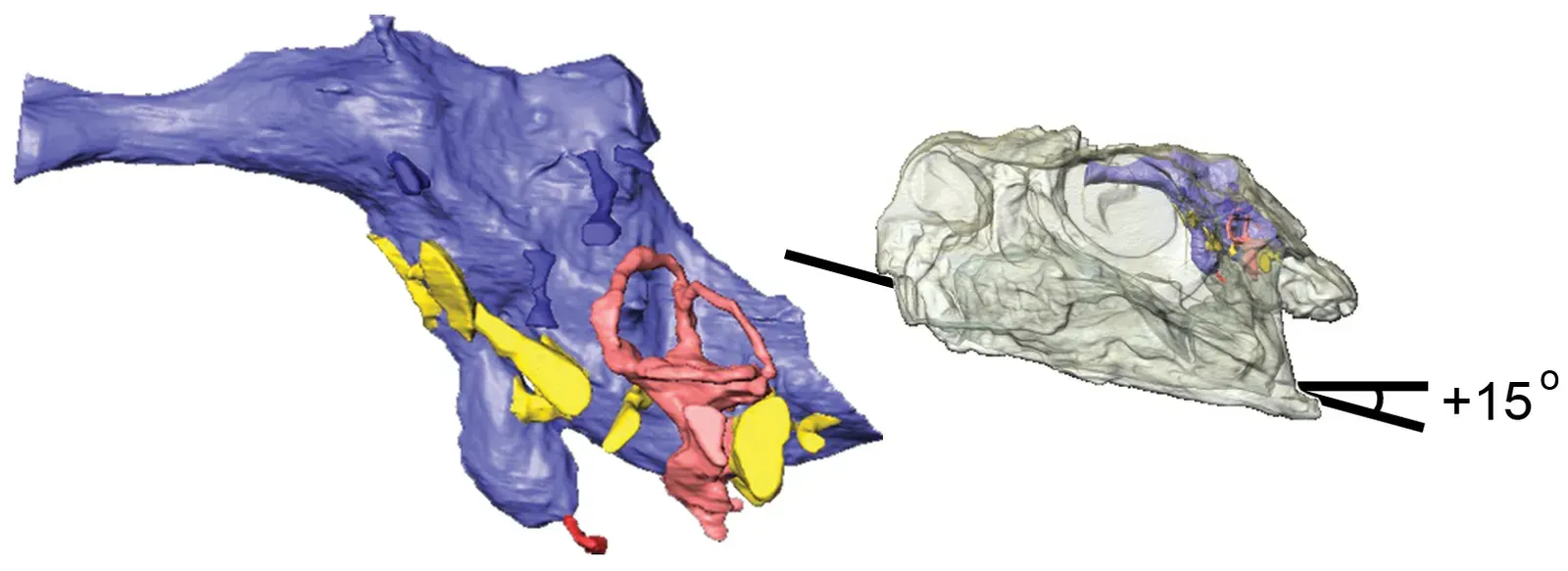
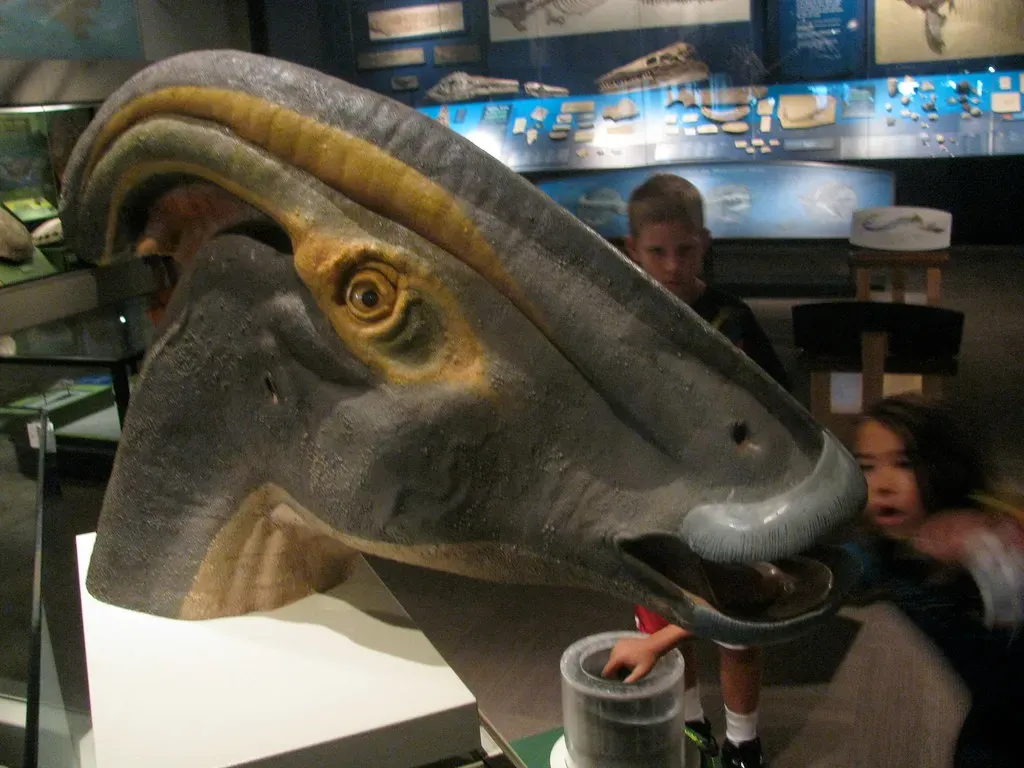
Here’s where things get genuinely exciting. Scientists at Sandia National Laboratories and the New Mexico Museum of Natural History and Science collaborated to recreate the sound a dinosaur made 75 million years ago, and the low-frequency sound was produced by computer scientists and paleontologists using computed tomography (CT scans) and powerful computers. The subject of that groundbreaking experiment was Parasaurolophus, a duck-billed dinosaur whose elaborate head crest had long baffled researchers.
The fossil was taken to St. Joseph Medical Center in Albuquerque, where a three-dimensional computer model of the crest was created by performing a CT scan. A series of about 350 cross sections were taken of the skull and crest at 3mm intervals, and the cross sections were loaded in numerical form into a computer in order to reconstruct an undistorted computer model of the crest. Think of it like building a digital clone of an ancient instrument – and then pressing play for the very first time.
The Parasaurolophus: Nature’s Original Trombone
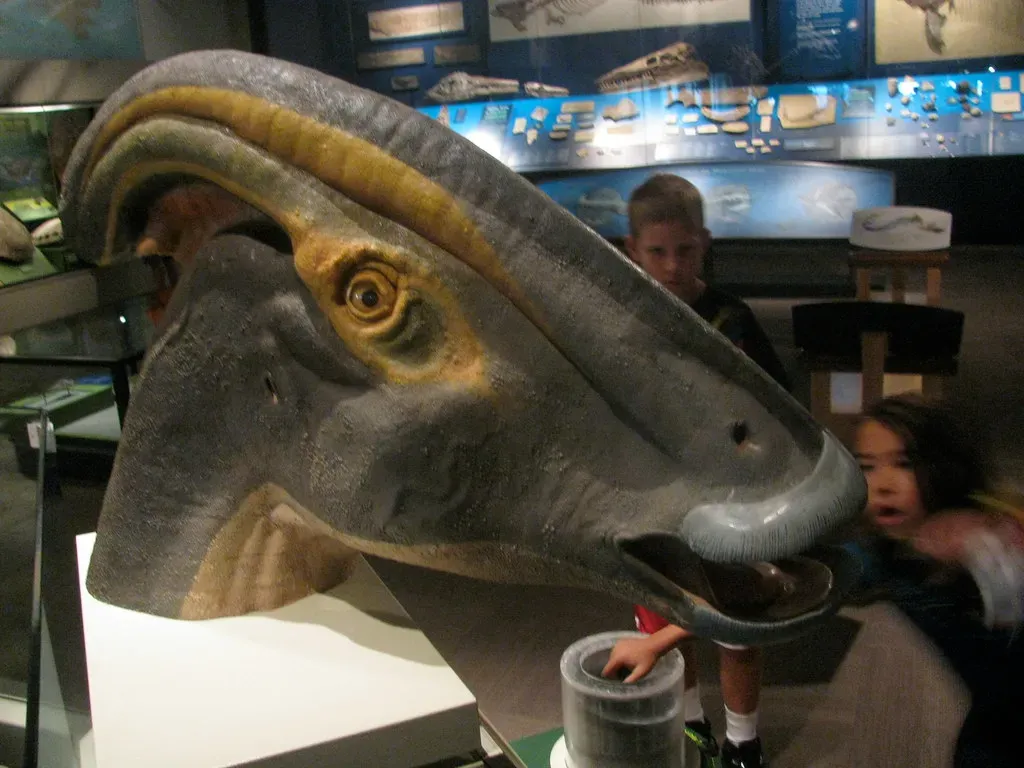
Once the size and shape of the air passages were determined with the aid of powerful computers and unique software, it was possible to determine the natural frequency of the sound waves the dinosaur pumped out, much the same as the size and shape of a musical instrument governs its pitch and tone. The dinosaur had a bony tubular crest that extended back from the top of its head, and many scientists had long believed this crest, containing a labyrinth of air cavities and shaped something like a trombone, might have been used to produce distinctive sounds.
Based on the structure of the crest, the dinosaur apparently emitted a resonating low-frequency rumbling sound that can change in pitch, and each Parasaurolophus probably had a voice distinctive enough to not only distinguish it from other dinosaurs, but from other Parasaurolophuses. That’s remarkable – not just a species-wide sound, but an individual voice. The dinosaur’s ability to make distinctive sounds probably enhanced its tendency to socialize with other Parasaurolophuses. Sound familiar? It should. That’s not so different from how you use your own voice every single day.
3D Printing Brings Dinosaur Voices Back to Life
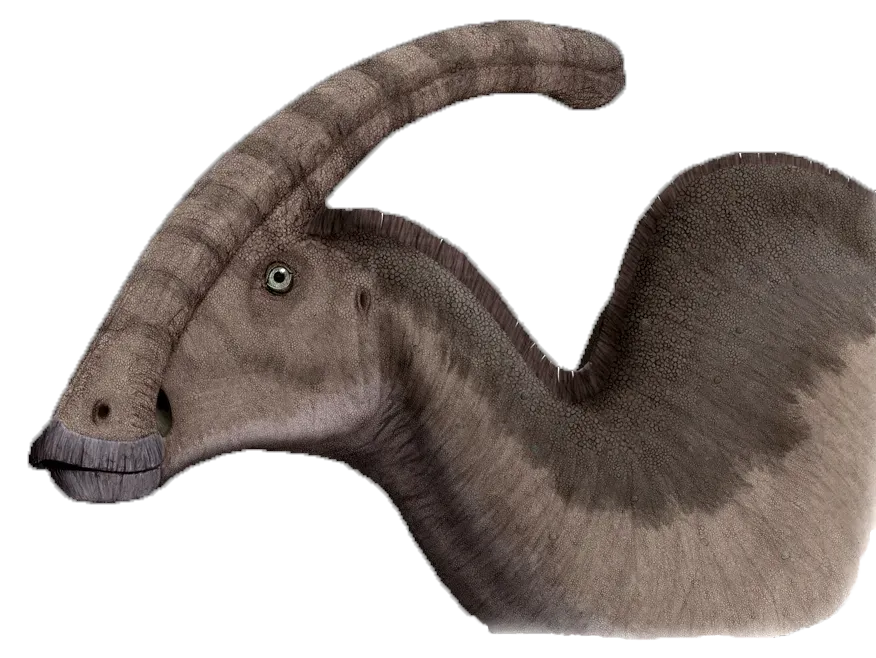
Courtney Brown, an associate professor at Southern Methodist University, has taken a bold and creative step forward, spending more than ten years blending paleontology, music, computer science, and 3D printing to create the Dinosaur Choir – musical instruments modeled on dinosaur skulls. I think this is one of the most beautifully unexpected intersections of art and science in recent memory. It’s the kind of project that makes you realize human creativity knows no temporal boundary.
Brown started by studying CT scans of a young Corythosaurus skull, which captured the fossil’s inner airways in fine detail. With the help of collaborators, she 3D-printed the crest and nasal passages, effectively reconstructing the dinosaur’s built-in sound system. Into this model, she added a mechanical larynx that vibrates when air is blown through a mouthpiece, similar to how a trumpet works. The result was a ghostly, otherworldly sound that could shift from whispers to booming calls depending on the breath.
The Groundbreaking Fossil Discoveries That Changed Everything
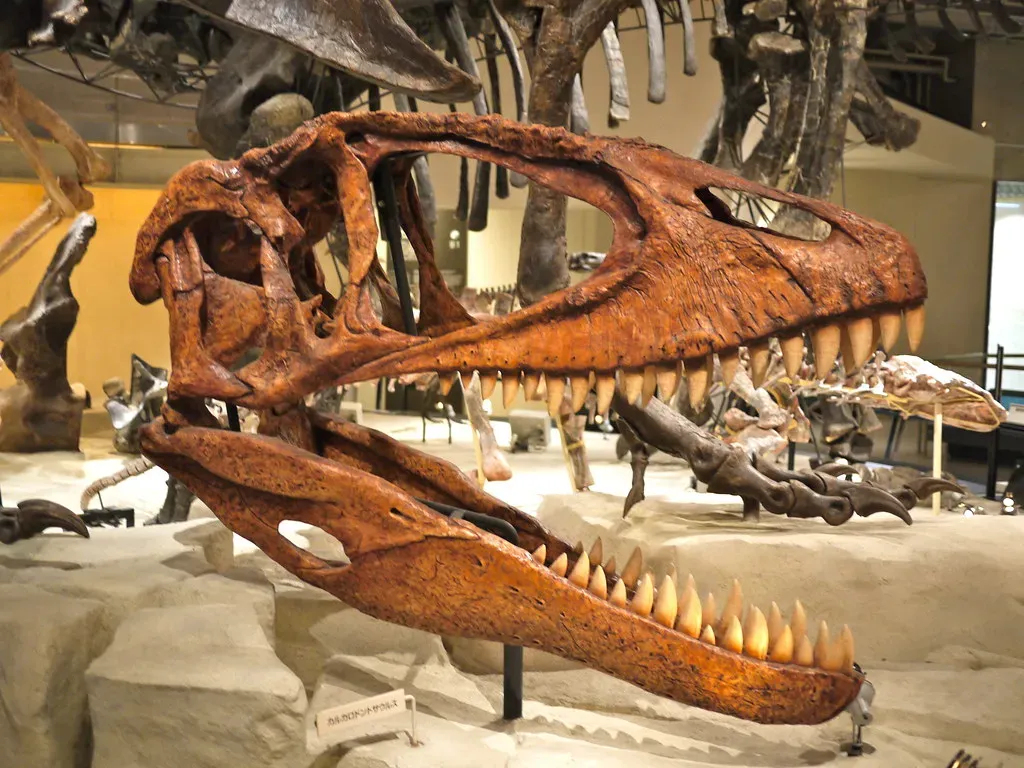
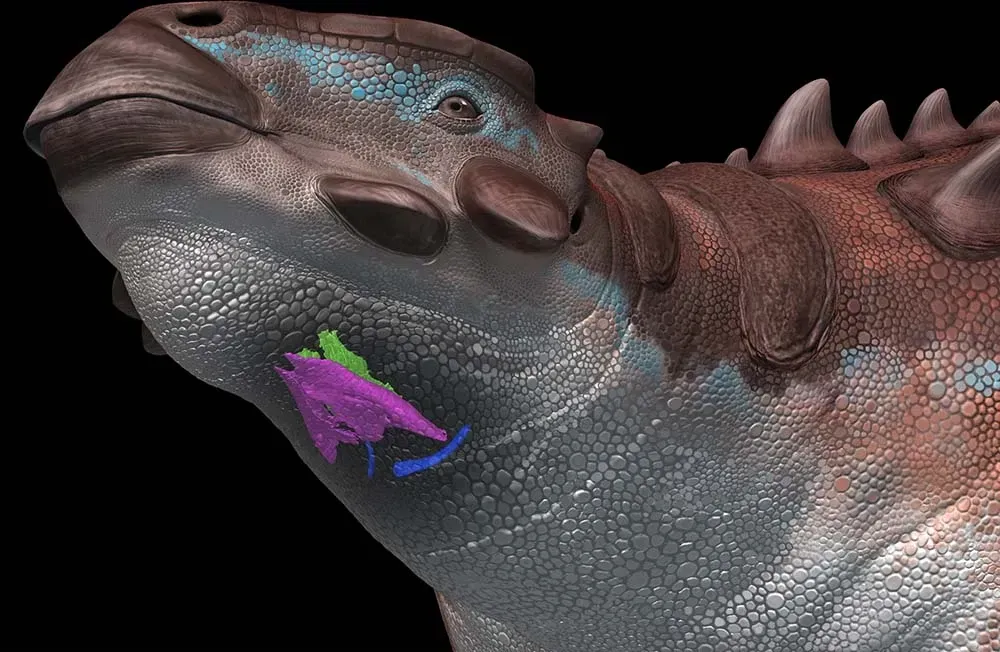
In 2023, everything shifted. Pinacosaurus grangeri, a squat, armor-plated and club-tailed ankylosaur unearthed in Mongolia, was discovered with the first fossilized voice box (larynx) found in a non-avian dinosaur, and a new analysis published in the journal Communications Biology suggested that the creature’s vocalizations may have been far more subtle and melodious than its previously assumed crocodilian grunts, hisses, rumbles and roars. The scientific community was, understandably, floored.
Then, in early 2025, a second extraordinary find emerged. A second specimen emerged from northern China’s Liaoning province, with paleontologists describing Pulaosaurus qinglong in the journal PeerJ and identifying it as only the second non-avian dinosaur preserved with a bony voice box. The fossil showed vocal structures similar to those of modern birds, and study co-author Xing Xu, a paleontologist at the Chinese Academy of Sciences, stated it was possible for Pulaosaurus to have avian-like vocalization. Two fossil voice boxes. Two chances to hear the ancient past whisper back.
Birds and Crocodiles: Your Living Key to Dinosaur Sounds
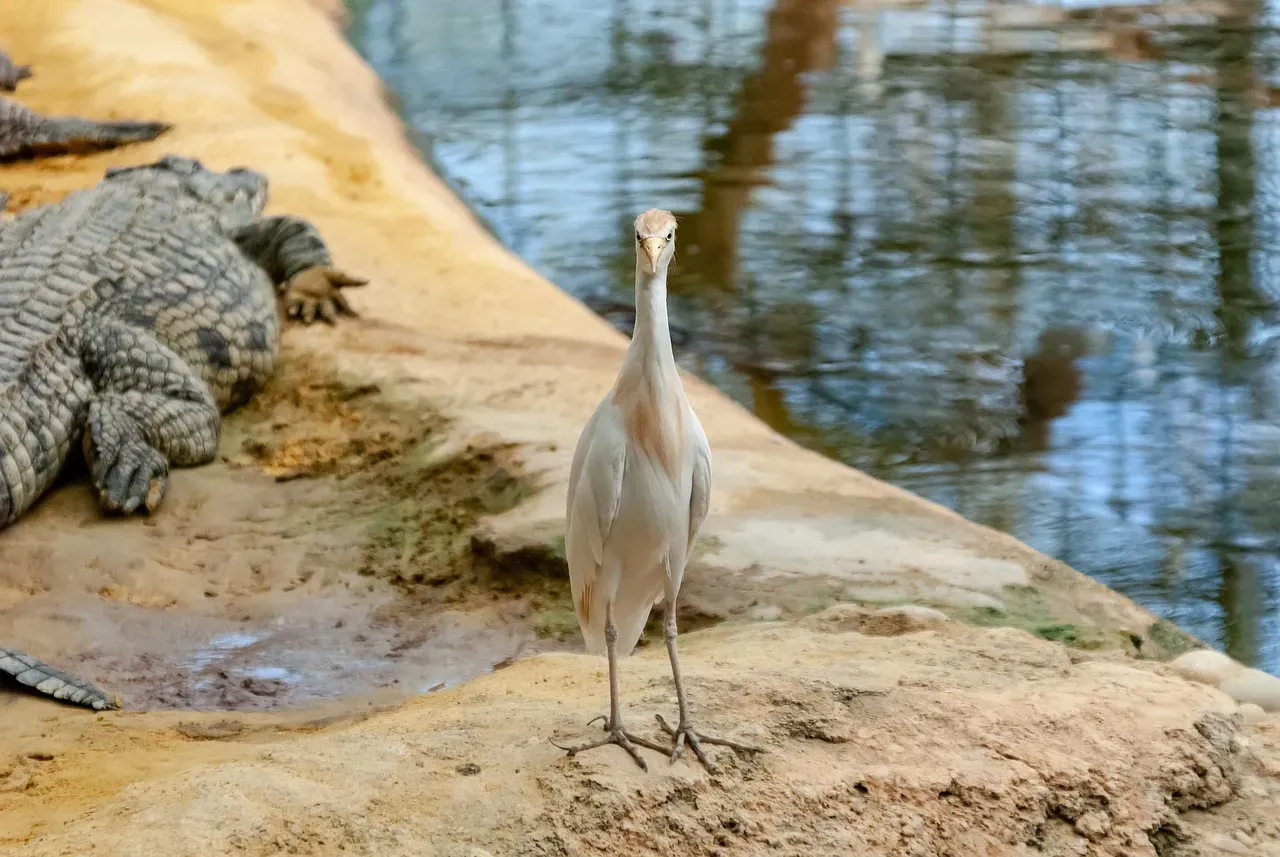
You might not think much about the pigeon on your windowsill or the alligator lurking in a Florida swamp, but science says you should. Researchers find clues by comparing the body structures of extinct animals with those of living ones, especially their living relatives like crocodilians and birds. Birds are the closest living relatives of dinosaurs, particularly theropods like the T. rex, and crocodilians are the next closest relatives, sharing a common ancestor with both. That means every time you hear a bird call or an alligator bellow, you’re experiencing a faint biological echo of the Mesozoic era.
A separate line of research published in the journal Evolution examined vocalization data from more than 200 bird and crocodilian species – the closest living relatives of dinosaurs – and researchers found that closed-mouth vocalization evolved independently at least sixteen times within this group. Interestingly, only animals with a relatively large body size use closed-mouth vocalization behavior, and since dinosaurs are members of the Archosaur group with many having large body sizes, it is likely that some dinosaurs made closed-mouthed vocalizations in a manner similar to birds today.
Closed-Mouth Rumblers: The Surprising Truth About T. Rex Sounds
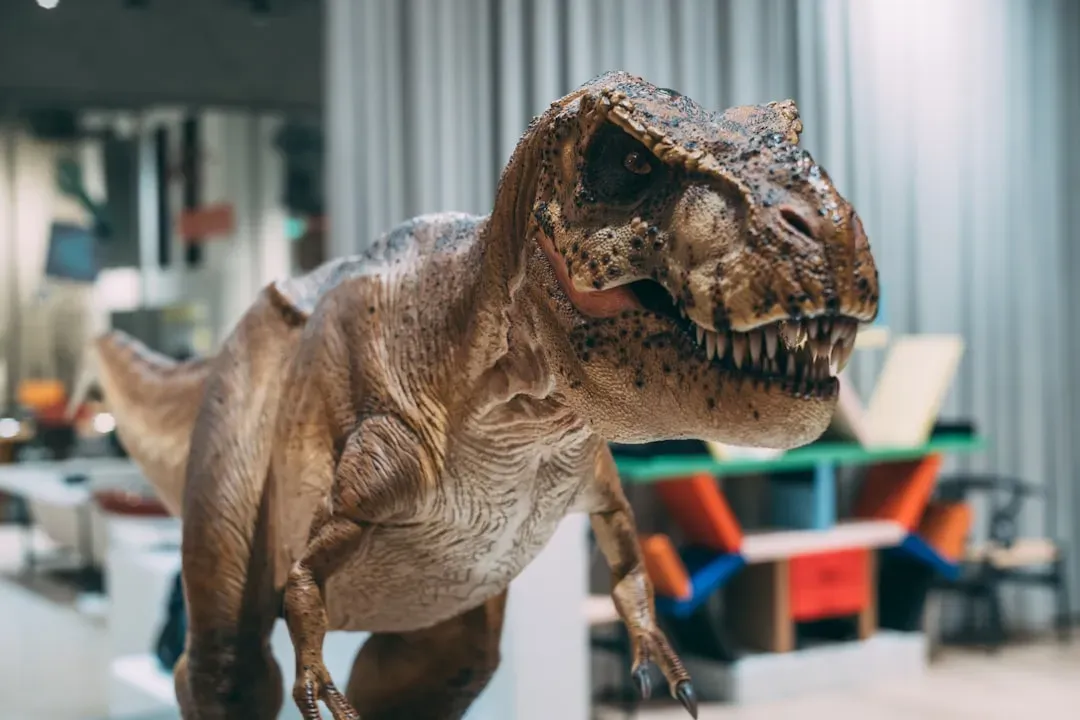
So if the famous roar is wrong, what did the T. rex actually sound like? The answer, honestly, might surprise you – and possibly disappoint your inner child a little. Instead of open-mouthed roars, scientists theorize that many dinosaurs may have produced closed-mouth vocalizations. Animals produce closed-mouth vocalizations by inflating their esophagus or tracheal pouches while keeping their mouth closed, producing something comparable to a low-pitched swooshing, growling, or cooing sound.
Large predators like the T. rex may have made closed-mouthed vocalizations by rushing air through their esophagus. Rather than a roar, those kinds of vocal calls would have come out as a low-pitched growl or cooing sound, rumbling through the Cretaceous forest. It’s the sound of a prehistoric predator that doesn’t need to announce itself – quiet, resonant, and, if you think about it, far more terrifying than any theatrical roar. The specimens suggest dinosaurs produced sounds closer to a cooing dove or a booming emu than anything resembling a mammalian roar.
Conclusion: Listening to the Deep Past Has Only Just Begun
We are living in a genuinely extraordinary era of paleontological discovery. Technologies that didn’t exist a generation ago – high-resolution CT scanning, 3D printing, advanced computer acoustic modeling, and AI-driven audio reconstruction – are now handing scientists the tools to do what once seemed impossible: give voice to creatures that vanished roughly 66 million years ago. Studying dinosaur sounds requires a multidisciplinary approach, combining paleontological research, comparative anatomy, and bioacoustic analysis, and ongoing advancements in technology and new fossil discoveries continue to expand our understanding of these enigmatic ancient creatures and their vocalizations.
The project also underscores a key scientific challenge – we can never know exactly how dinosaurs sounded, but we can explore possibilities through models, reconstructions, and creative experimentation. Brown hopes to make 3D printing plans and software open source, allowing choirs of dinosaur skull-instruments to be created everywhere. The silence of deep time is slowly, beautifully, being broken – one CT scan, one printed fossil, one acoustic model at a time. What would you rather hear first: the haunting call of a Parasaurolophus, or the low rumble of a T. rex that never opens its mouth? Tell us in the comments – the debate is just getting started.