Djibouti — A grainy video of a lioness sprinting across a barren highway captivated locals and experts alike before experts exposed it as artificial intelligence trickery.
The Djibouti Lion Mirage
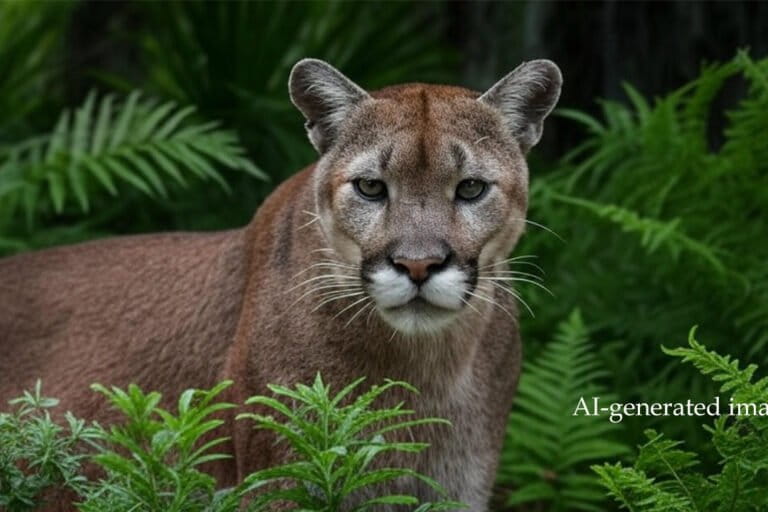
The Djibouti Lion Mirage (Image Credits: Imgs.mongabay.com)
Houssein Rayaleh, founder of Djibouti Nature, first encountered the footage via WhatsApp from an ecotourism guide. The clip captured the big cat dashing in front of a vehicle on Route Nationale 11, a familiar stretch for Rayaleh. Lions vanished from the region long ago, with no official records remaining in this Horn of Africa nation. Rayaleh shared the video with the IUCN’s Cat Specialist Group, sparking initial excitement. Experts quickly debunked it. Urs Breitenmoser noted the lion’s unnatural movements and anatomical flaws. Luke Hunter deemed it obviously fabricated. The deception wasted time and fueled unnecessary inquiries from officials.
Rayaleh worried about lingering effects. Farmers in the area already contend with leopards, hyenas, and wolves. A phantom lion could heighten fears, prompting attacks on these real predators. He suspected someone altered genuine footage of a goat or jackal using AI tools.
A Global Surge of Fabricated Frights
AI-generated wildlife deceptions proliferate across platforms. In Indonesia, a clip depicted an elephant rescuing a tiger from rapids, but featured the incorrect subspecies for Sumatra. India faced a barrage last year: leopards prowled Mumbai malls, haunted Lucknow streets, and pursued moving trains. One fake CCTV showed a tiger dragging a man away. A lion vaulted fences to snatch dogs in viral posts. Even Russia saw arrests over misleading tiger attack videos that alarmed the public.
These hoaxes range from whimsical to terrifying. Squirrels slurped noodles like pets. Eagles swooped on infants. Historical precedents exist, like China’s 2007 South China tiger scam. Such content racks up millions of views, blending seamlessly with reality.
Conservationists Warn of Mounting Damage
Experts decry the fallout. Misinformation distorts animal behaviors, portraying threats as routine. José Guerrero-Casado, a Spanish zoologist, highlighted how AI clips mimic human-like antics, eroding accurate perceptions. In India, Yadvendradev Jhala observed that exaggerated conflicts harm rebounding tiger numbers. “It is the perception of the conflict which is exacerbated,” he explained. Resources drain on futile probes, from forest patrols to official statements.
- Fake sightings divert patrols from genuine threats.
- Public panic spurs poaching or retaliation against innocents.
- Exotic pet demand surges from normalized cuddly predator images.
- Traffickers exploit platforms like TikTok for illicit sales.
- Trust in NGOs falters amid AI controversies.
Pauline Verheij of EcoJust called domestic wild animal depictions a major trafficking concern.
AI’s Promise Versus Peril
Technology offers conservation boons too. Researchers deploy AI to analyze camera trap floods, spotting poachers or tracking species. Yet pitfalls loom. Data centers guzzle water and emit gases. Funding tilts toward screens, distancing scientists from fields. Platforms must label AI outputs, Guerrero-Casado urged. Nonprofits like the Mammal Society shun deceptive visuals to preserve credibility. Matt Larsen-Daw labeled it a ticking time bomb.
Key Takeaways
- Verify before sharing: Question odd behaviors or sources.
- AI aids monitoring but fakes undermine evidence like camera traps.
- Global action needed: Labels, laws, and education to protect wildlife.
Conservation hinges on truth amid AI’s advance. Fabrications not only squander efforts but erode the fragile support for endangered species. As hoaxes grow sharper, vigilance becomes essential. What steps should platforms take next? Share your views in the comments.