Australian Alps – Federal authorities listed mainland Australia’s Alpine Ash forests as an endangered ecological community on March 20, 2026. The decision stemmed from recommendations by the independent Threatened Species Scientific Committee and fell under the Environment Protection and Biodiversity Conservation Act. These towering eucalypt woodlands, spanning high elevations in Victoria, New South Wales, and the Australian Capital Territory, now receive heightened safeguards. Scientists view the move as essential amid intensifying environmental pressures.
Towering Trees in a Fragile Balance
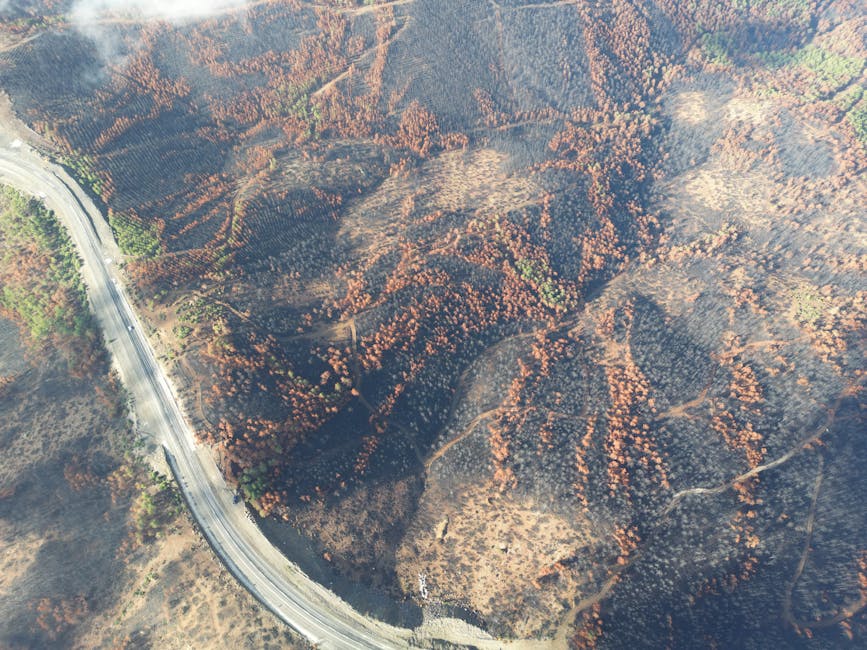
Towering Trees in a Fragile Balance (Image Credits: Pexels)
Alpine Ash, or Eucalyptus delegatensis, forms dense stands that reach heights of 90 meters across more than 350,000 hectares along the Great Dividing Range. These forests thrive just below the snowline, offering habitat for rare species such as Leadbeater’s possums and greater gliders. They hold cultural significance for First Nations groups, including the Taungurung people in northeast Victoria.
The species maintains a complex relationship with fire. Mature trees perish in intense blazes, yet they release vast seed stores that spur dense regeneration. Juveniles require two decades to produce their own seeds, leaving young stands vulnerable to repeat fires. Over half of these woodlands lie within national parks, underscoring their protected status even before the recent listing.
Bushfires Drive Dramatic Decline
Severe wildfires have ravaged Alpine Ash forests repeatedly over the past two decades. A third of the ecosystem burned more than once during this vulnerable regrowth phase, including during the 2009 Black Saturday fires and the 2019-2020 Black Summer events. High-severity fires scorch nearly 100 percent of leaves, killing mature trees outright. When flames return before seedlings mature, natural recovery fails entirely.
Forest scientist Tom Fairman of the University of Melbourne highlighted the shift: “They are what we call a fire-sensitive species… over the last 25 years, we’ve had a huge amount of fire.” Climate change exacerbates this trend by fueling more frequent and intense blazes. Models forecast a potential halving of these forests within 60 years if patterns persist.
Forestry Practices Under Scrutiny
Debate swirls around human activities, particularly logging. While banned in Victoria and the Australian Capital Territory, past operations reduced old-growth stands to just 0.47 percent in Victoria’s Central Highlands. Regenerating logged areas prove more flammable, with debris from thinning operations adding up to 24 tonnes per hectare of fuel. Roads built for timber extraction heighten ignition risks from human sources.
Critics argue conventional interventions like mechanical thinning and prescribed burns destabilize ecosystems further. These methods, rooted in timber production, often yield denser understories and elevated fire severity in remote settings. Forestry advocates counter that such practices remain minimal and essential for resilience.
Industry Voices Strong Opposition
The forestry sector swiftly challenged the listing. Australian Forest Products Association CEO Diana Hallam called it “astounding,” asserting it overlooks evidence from forest scientists. Industry data claims 95 percent of pre-1750 extent survives, with fire posing the dominant threat. Logging occurs in nearly none of the forests, they note.
Forestry Australia President Dr. Michelle Freeman emphasized active management: “The future of Alpine Ash forests will not be secured through listing alone.” Groups urge seed collection, strategic burns, and infrastructure access over restrictive policies. They warn that “locking populations away… is actually going to lead to species decline.”
Strategies for Survival
Experts propose multifaceted recovery plans. Long-term seed banks enable aerial sowing after repeat burns, serving as insurance against failure. Planned burns around key stands could temper wildfire intensity.
- Ecologically guided thinning to accelerate growth in young forests, boosting fire survival rates.
- Adopting the ‘Resist-Accept-Direct’ framework: suppress fires or resow to preserve forests; monitor shifts where loss seems inevitable; transition to fire-resilient species in high-risk zones.
- Enhanced fire detection and rapid response to curb outbreaks early.
- Landscape-scale coordination involving scientists, Traditional Owners, and land managers.
Timber Towns Victoria President Karen Stephens stressed stewardship: “The primary focus should be on genuine stewardship of the landscape rather than ideological posturing.” Proactive steps promise to balance conservation with practical needs.
Key Takeaways
- Alpine Ash forests span over 350,000 hectares but face collapse from overlapping bushfires every 20 years.
- Federal listing adds protections, yet experts agree action beyond regulation remains vital.
- Bridging science, industry, and Indigenous knowledge offers the best defense against decline.
The endangered designation marks a pivotal shift for Australia’s alpine ecosystems, yet success hinges on innovative, evidence-driven management. These forests embody the high country’s wild beauty and biodiversity – their fate tests national resolve. What steps should prioritize recovery? Share your thoughts in the comments.