History, it turns out, has been hiding in plain sight. Beneath dense jungle canopies, under desert sands, and deep beneath river valleys that most people have never heard of, entire civilizations have been quietly waiting to be found. You might assume that by now, the broad strokes of ancient human history have all been filled in. Honestly, you’d be wrong.
Some of the most jaw-dropping discoveries of recent years have come not from the places you’d expect, like Egypt or Greece, but from the jungles of Ecuador, the deserts of coastal Peru, and the deep forests of Belize. American anthropologists, armed with technology that would have seemed like science fiction just two decades ago, are rewriting what you thought you knew about the ancient world. The revelations are staggering, and we’re really just getting started. Let’s dive in.
LiDAR: The Technology That’s Literally Seeing Through the Jungle
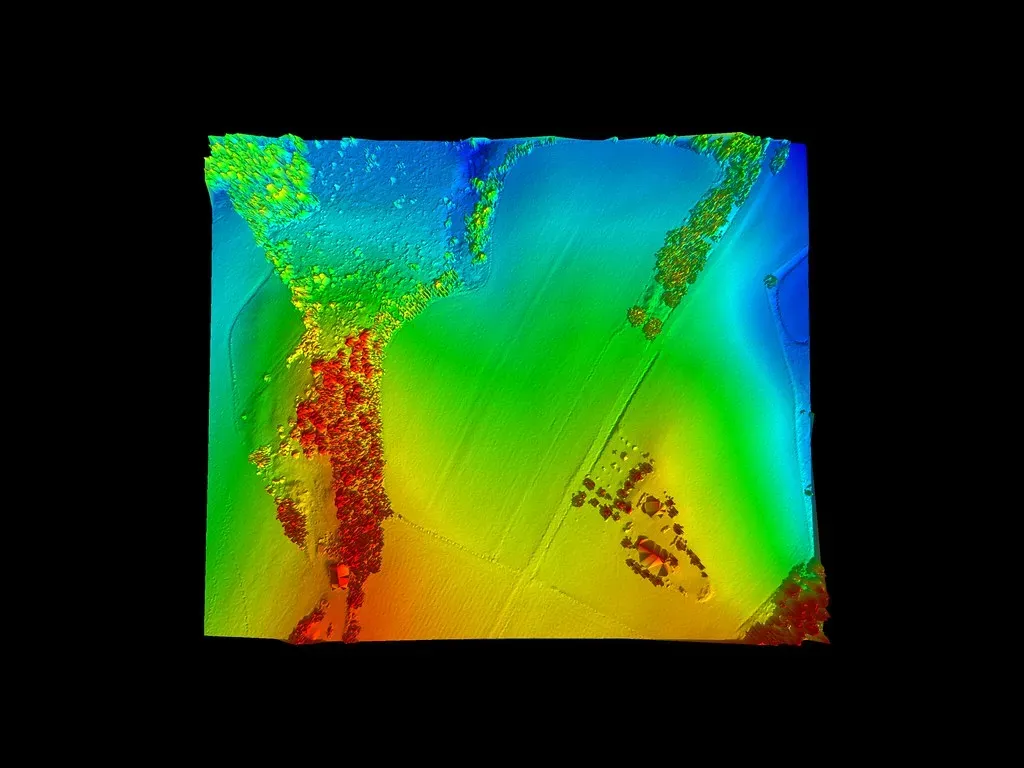
If you’ve never heard of LiDAR, you’re about to have one of those “why didn’t I know about this sooner?” moments. Mounted on aircraft or drones, this technology sends out millions of laser pulses per second, mapping terrain with remarkable accuracy and precision, and it allows researchers to digitally remove layers of forest and expose structures buried beneath the canopy. Think of it like giving archaeologists X-ray vision, except the patient is an entire rainforest.
This technology has been used to map ancient Maya cities in Central America, and in the Amazon, where stone structures are rare, settlements were built from materials such as clay, wood, and thatch, substances that deteriorate over time and make them extremely difficult to detect through traditional excavation methods. Before LiDAR, you could walk right past a buried city and never know it. One researcher admitted that he had hiked through jungles and, embarrassingly, been extremely close to quite large stone pyramids without ever seeing them.
Hidden Mega-Cities in the Amazon Rainforest
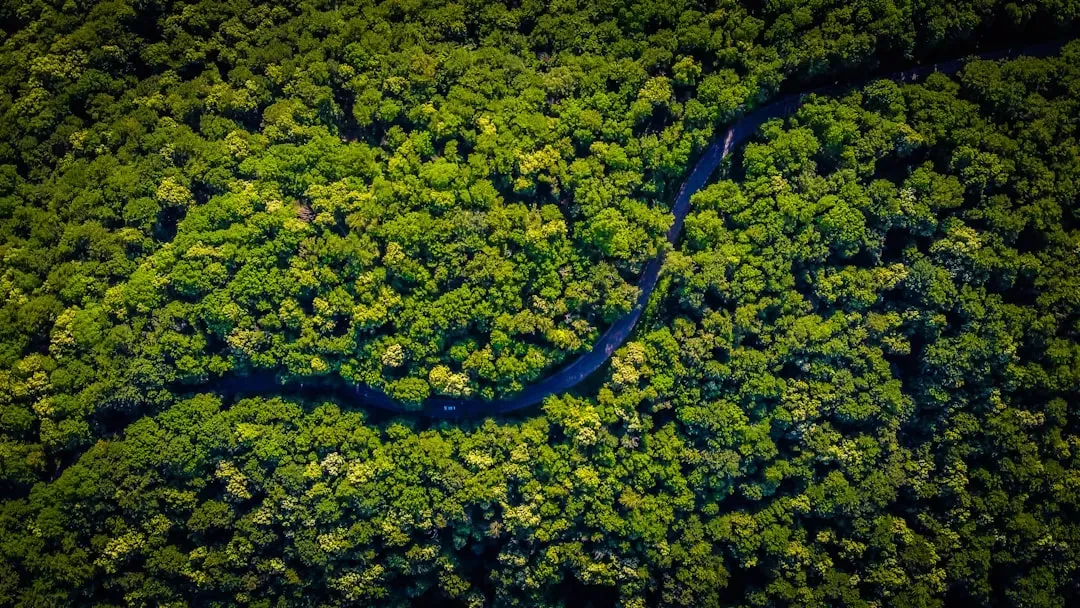
Archaeologists once believed the ancient Amazon rainforest was an inhospitable place, sparsely populated by bands of hunter-gatherers. The remains of enormous earthworks, pyramids, and roads from Bolivia to Brazil discovered over the past two decades have proved conclusively that the Amazon was home to large, complex societies long before European colonizers arrived. That’s a complete reversal of everything history textbooks told you for generations.
There is now evidence that another human society, the oldest yet found in the region, left its mark on what is now Ecuador: a dense network of interconnected cities, hidden beneath the forest in Ecuador’s Upano Valley, has been revealed by LiDAR. The settlements are at least 2,500 years old, making them more than 1,000 years older than any other known complex Amazonian society. These lost settlements were home to tens of thousands of people, boasting wide roads, ceremonial centers, and sophisticated agricultural systems. Let’s be real, this is the kind of discovery that makes you question everything.
Peru’s Caral: America’s Oldest Civilization, Hiding in a Desert
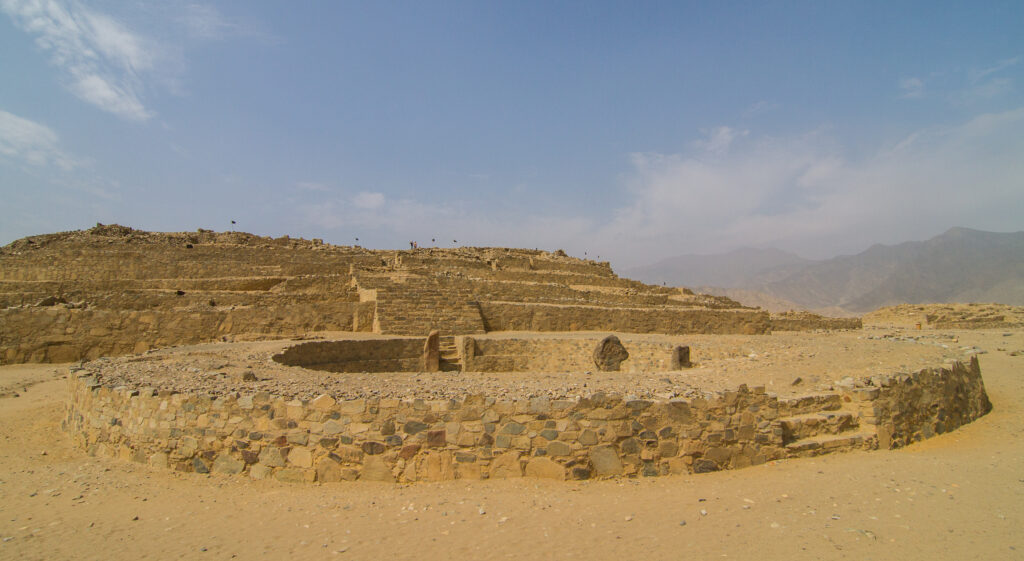
You might expect the oldest civilization in the Americas to be somewhere dramatic. What you probably wouldn’t expect is a Peruvian desert. The ancient city of Caral is attributed an antiquity of 5,000 years and is considered the oldest city in the Americas. No other site has been found in the Americas with such a diversity of monumental buildings or different ceremonial and administrative functions as early as Caral. That last part is worth sitting with for a moment.
Caral was a thriving metropolis at roughly the same time as the great pyramids were being built in Egypt, which is considered one of the earliest civilizations in the world. For many years historians believed that the fear of war was perhaps a primary motivator for people to build cities and form complex societies to protect themselves against threat. Caral, however, has no traces of warfare or weapons, yet the city became a thriving metropolis. This finding challenges modern ideas about the origins of cities as based on conflict. In 2025, the Peruvian government opened the associated site of Peñico to the public, a city considered by experts to be a “city of social integration” because of its strategic location, which connected the populations of the Supe and Huaura valleys.
The Maya Founder’s Tomb: A Dynasty’s Origin Unearthed in Belize
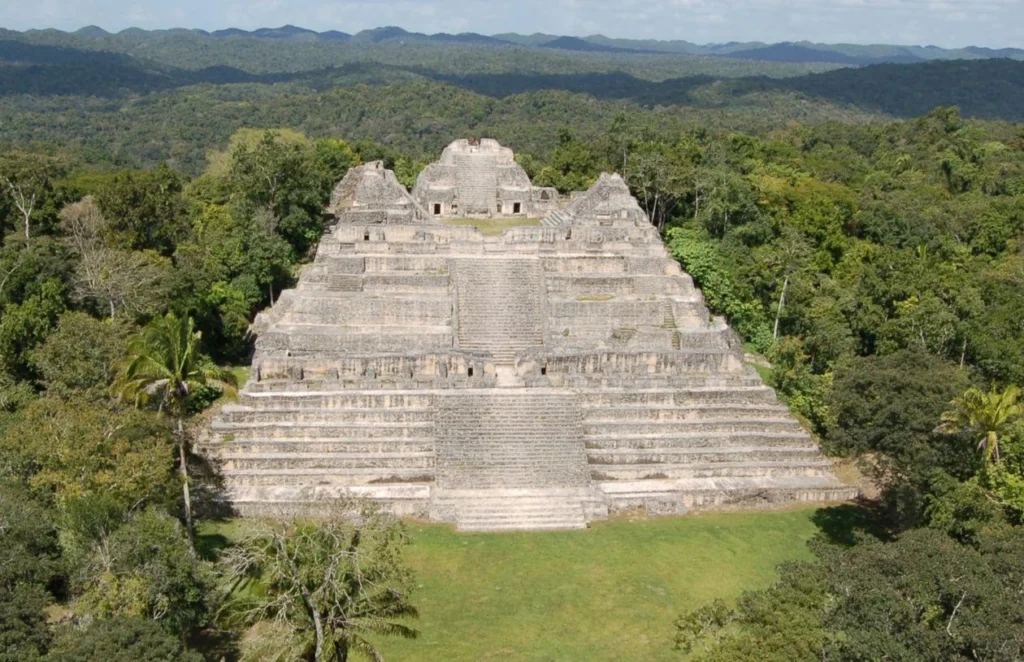
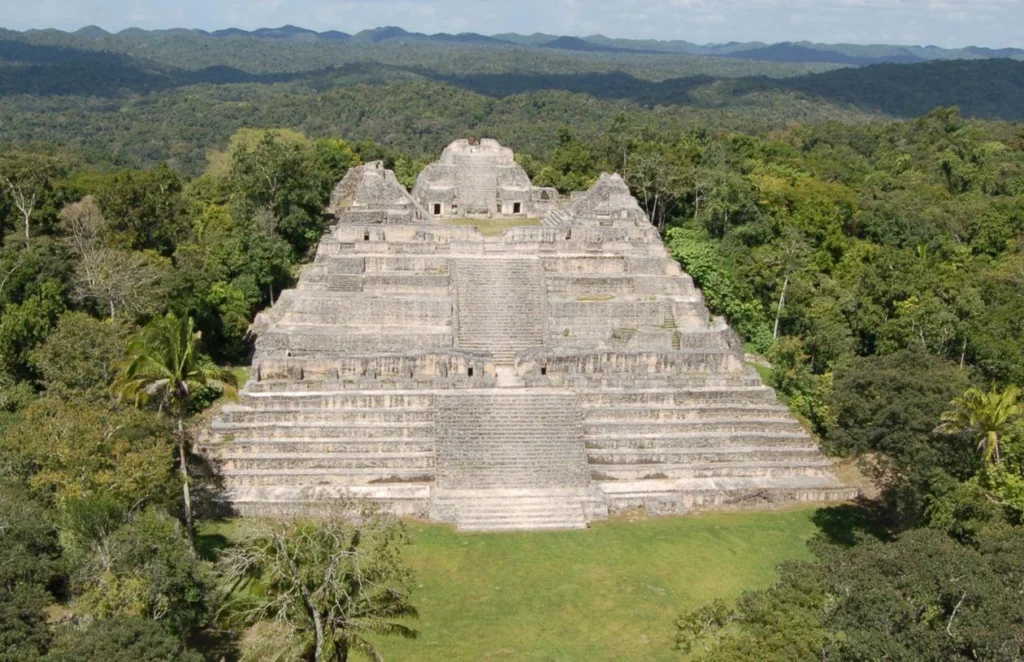
Here’s the thing about the Maya, researchers have been excavating their sites for decades, yet they keep delivering surprises. For nearly 40 years, archaeologists Arlen and Diane Chase from the University of Houston have excavated the ancient Maya structures of Caracol in the jungles of modern-day Belize. In 2025, they announced one of their biggest finds yet: a 1,700-year-old royal tomb dating roughly to A.D. 330-350, believed to have belonged to the renowned ruler Te K’ab Chaak.
Artifacts found in the grave include an ornate death mask made from dozens of pieces of jade, carved bones, jade jewelry, and rare Spondylus spiny oyster shells from the Pacific Ocean. The discovery matters far beyond its dazzling contents, though. The find fundamentally reshapes Maya history by establishing a clear origin point for political authority at the site. The findings also offer clues to a possible relationship between the Maya living there at the time and the faraway but powerful city of Teotihuacan. History loves a good plot twist, and this one delivered.
When Climate Collapsed a Civilization, and It Rebuilt Anyway
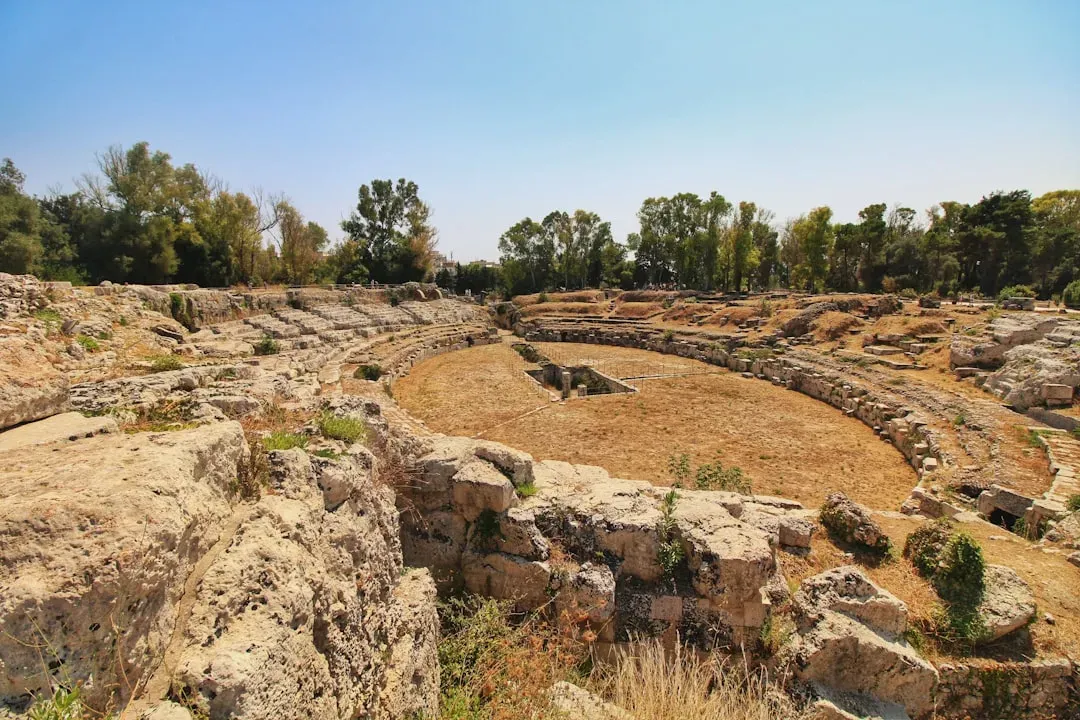
You might assume that when a civilization faces a catastrophic climate event, it simply collapses and vanishes. The people of Caral proved that assumption spectacularly wrong. In 2025, new archaeological work led by Ruth Shady linked the abandonment of Caral to a prolonged drought around 2200 BCE, part of the global 4.2-kiloyear climate event. Excavations at associated sites such as Vichama on the Pacific coast and Peñico inland indicate that populations from the Supe Valley relocated rather than collapsed, rebuilding settlements that preserved Caral’s architectural layouts and ceremonial spaces.
Although researchers believe this drought was part of the global 4.2-kiloyear climate event that also caused disruptions to the Mesopotamian and Indus Valley civilizations, the response of the Caral culture seems unique: its people adapted, migrated, and rebuilt, preserving social cohesion across new settlements rather than fragmenting through conflict. At the site of Vichama, on the Pacific coast, archaeologists discovered three-dimensional friezes carved into the walls of a temple atop a desert platform, and these scenes illustrate famine and death in striking detail: skeletal bodies with sunken stomachs and visible ribs, followed by images of pregnant women, dancers, and big fish, symbols of hope connected to the return of water and food. It’s emotionally resonant, even across five thousand years of distance.
Satellite Images, DNA, and the New Science of Finding the Lost
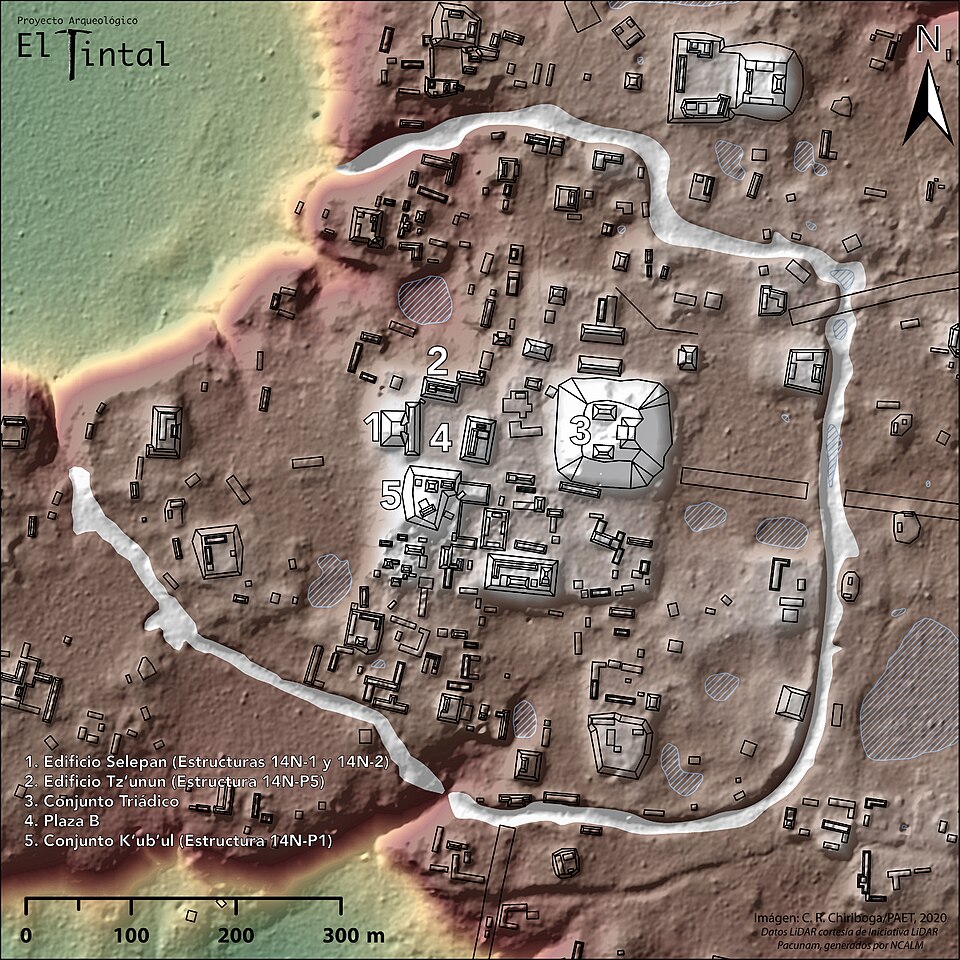
If you think archaeology is still mostly about brushes and trowels, think again. LiDAR, DNA analysis, and deep-sea drones have collectively uncovered civilizations we never suspected existed. Cutting-edge scientific tools reshaped archaeology in recent years: ancient DNA sequencing reconstructed the ancestry of an Egyptian who lived at the dawn of the pyramids, and satellite images captured traces of massive ancient hunting traps strewn across the Andes. Each new tool is essentially a new set of eyes on the past.
I think the most striking part of all this is how much each discovery reshapes the ones before it. The finds of recent years have shown one thing above all: history still has the power to surprise. Tombs from thousands of years ago, golden artifacts recovered from lakes, and traces of ancient civilizations found in the most unexpected places have made this era exceptional, even for the researchers themselves. The years since 2020 have proven to be a watershed moment for archaeology, with several massive projects reaching fruition and unexpected finds rewriting entire chapters of human history. From the jungles of Central America to the depths of the Mediterranean, researchers have utilized advanced scanning technology and traditional excavation to uncover lost royal lineages and forgotten monuments.
Conclusion: The Past Is Still Being Written
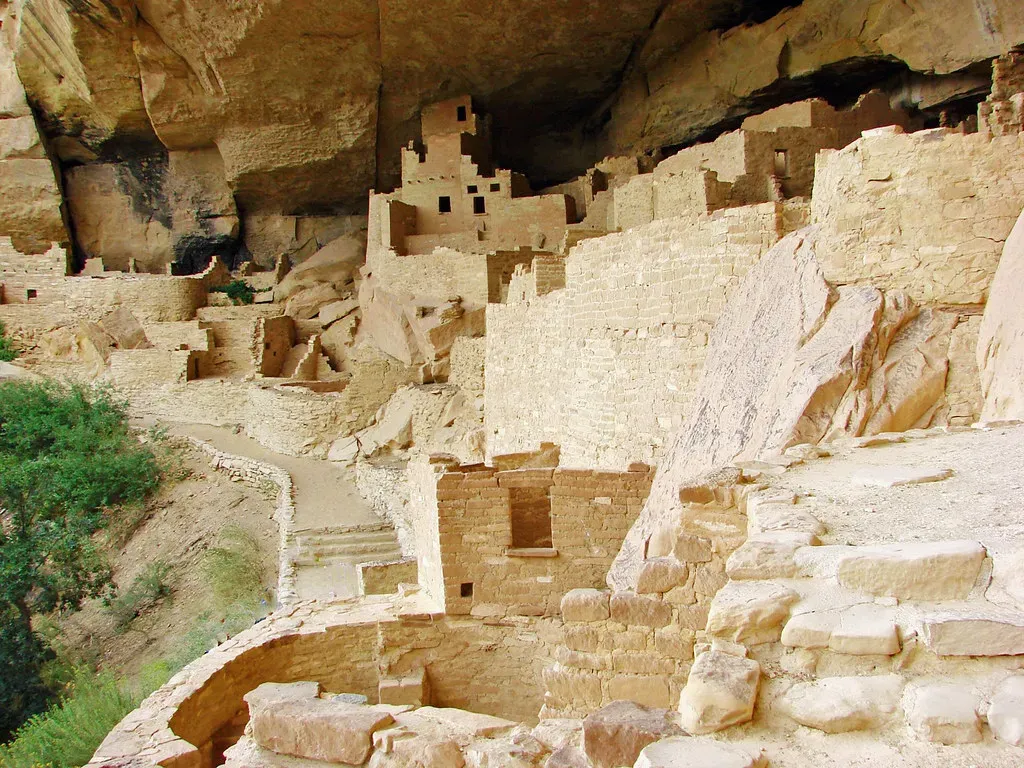
What all of these discoveries share is a humbling message: you don’t know the full story yet, and neither does anyone else. Civilizations that thrived for centuries, supported tens of thousands of people, and built monuments to last the ages have been sitting quietly beneath forests and deserts, waiting for the right technology and the right questions to bring them back into focus.
American anthropologists, working alongside international colleagues, are proving that the map of human history is far more crowded and far more extraordinary than we ever imagined. The Amazon was not an empty wilderness. The Peruvian desert was not just sand. Belize’s jungle was not just trees. Every single assumption deserves to be challenged.
It’s hard to say for sure what the next decade of discovery holds, but given the pace of revelations already underway, the chances are good that the next extraordinary lost civilization is already out there, waiting to be found, probably in the last place you’d think to look. So here’s the real question: which part of the ancient world do you think is still hiding its biggest secret?