If you’ve ever wondered why animals show up everywhere in ancient American artwork, from towering totem poles to intricate pottery designs, you’re not alone. There’s something mesmerizing about the way these civilizations seemed to understand the natural world on a level we struggle to grasp today. The relationship between ancient Americans and the creatures around them wasn’t just practical. It was spiritual, symbolic, and utterly profound. Let’s dig into how animals became the heartbeat of artistic expression across the Americas, from the frozen north to the tropical south.
Messengers Between Worlds
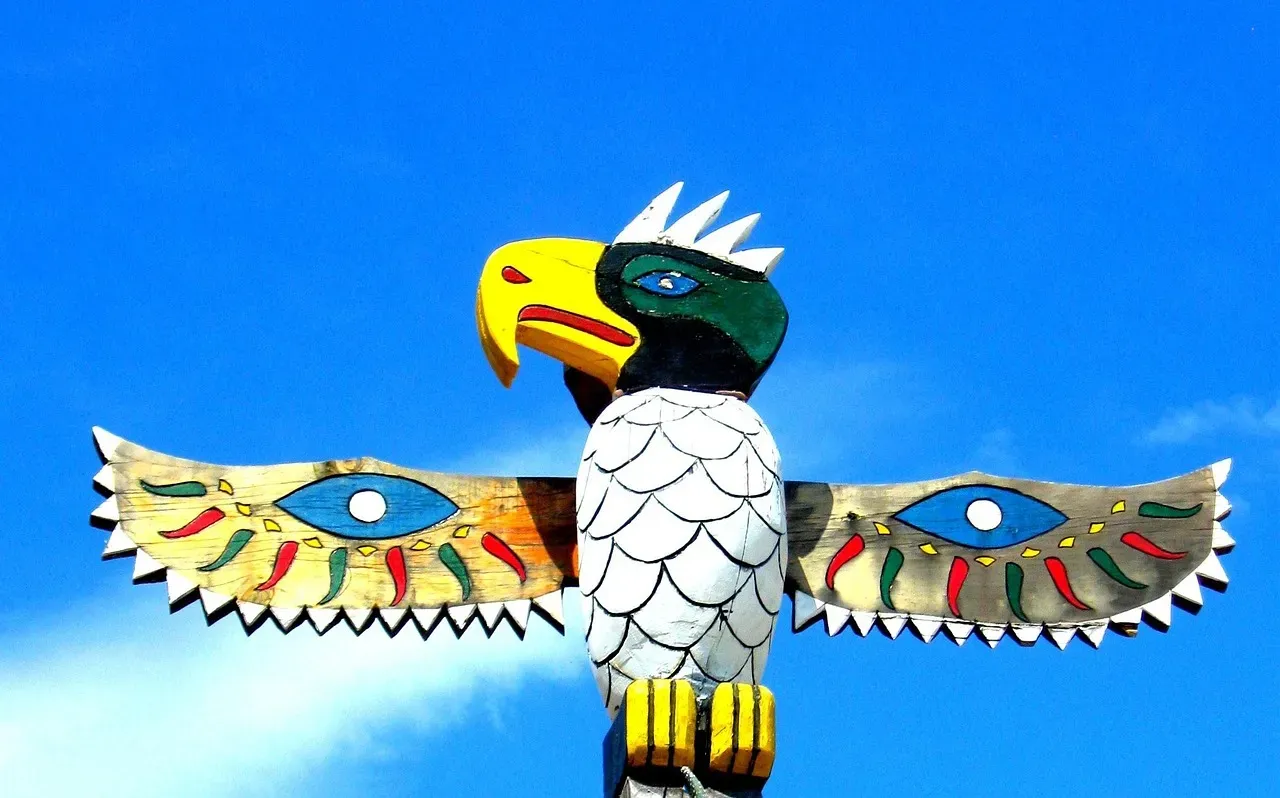
Animals served as messengers between humans and the spiritual realm, carrying wisdom from one dimension to another. Think about that for a moment. In Native American cultures, animals are viewed as sacred beings that embody the spirit of the natural world, with each animal representing unique characteristics and teachings.
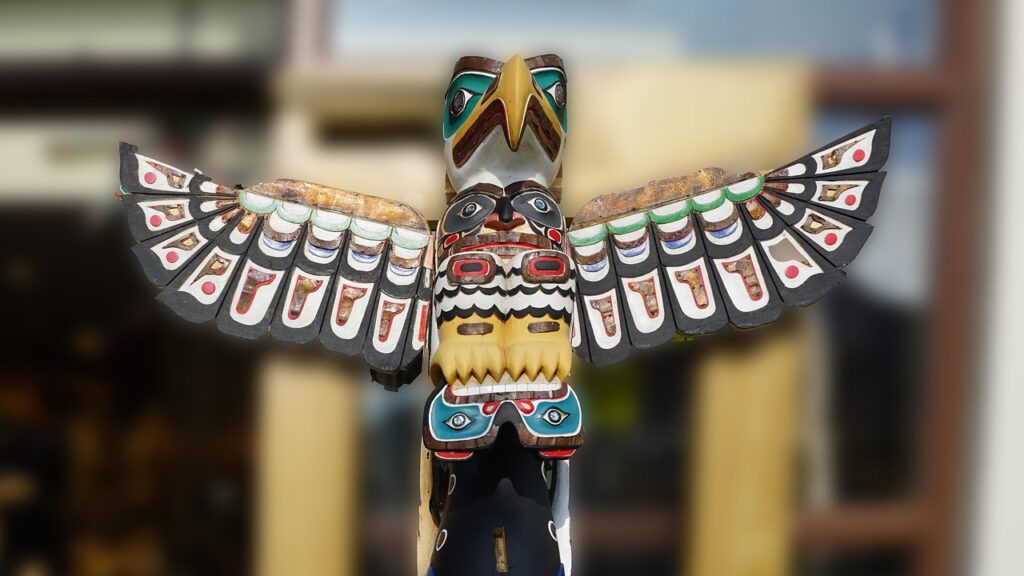
Ancient peoples didn’t just admire eagles for their impressive wingspan. Eagles fly high above the earth, acting as messengers between the physical and spiritual worlds, and their feathers are used in ceremonies as symbols of honor and divine wisdom. The idea that certain creatures could literally deliver messages to the creator sounds almost fantastical to modern ears, yet this belief shaped entire artistic traditions.
Animals as Cosmic Connectors
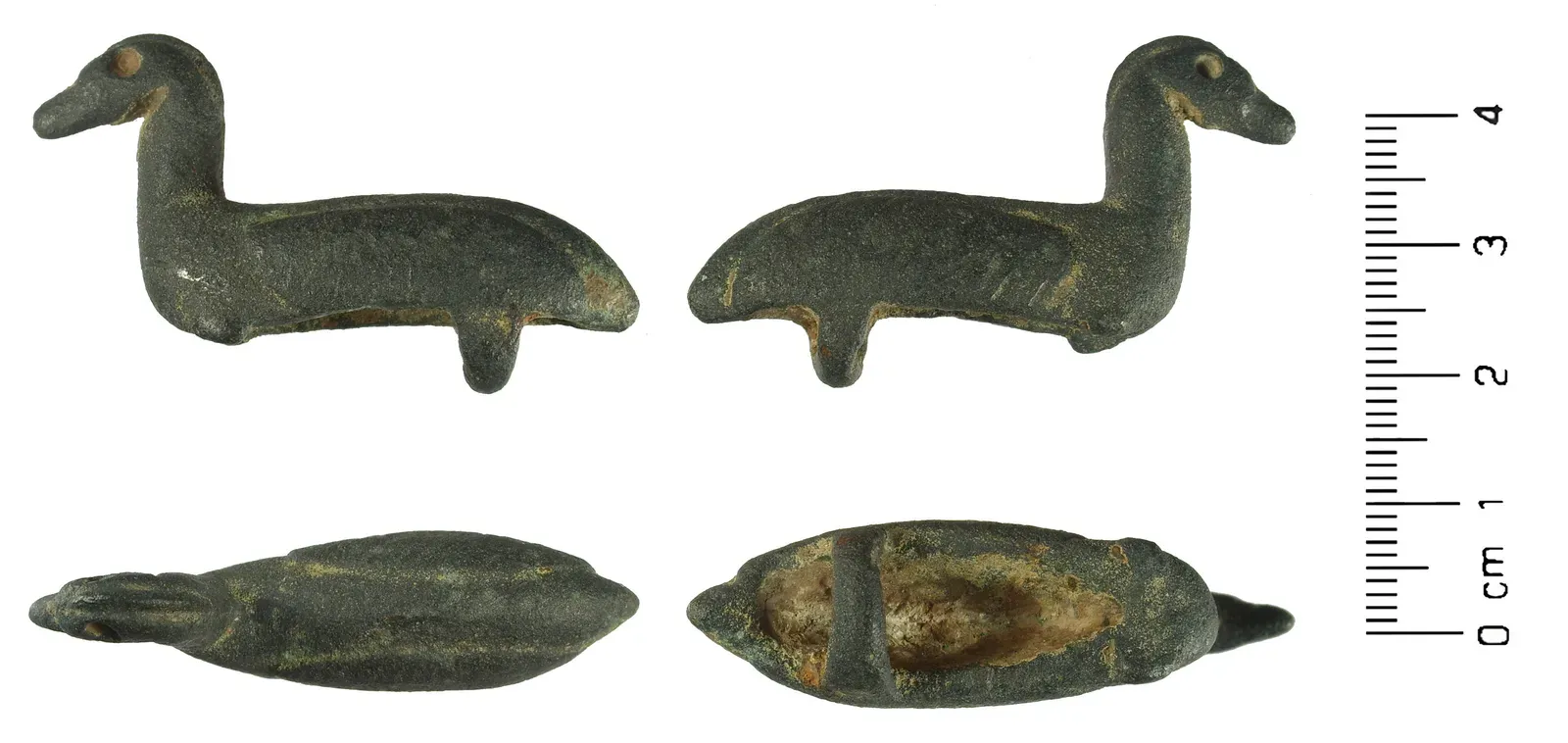
Animals played a key role at all levels of society and symbolically linked the three cosmic realms of the universe: the heavens, earth and underworld. This wasn’t some abstract philosophy tucked away in dusty scrolls. It was lived reality, expressed through every carved figurine and painted vessel.
Ducks were particularly holy to Mesoamericans, perhaps because they ticked all the boxes: They can fly, walk on land and dive underwater, possessing the ability to travel freely between these different spheres. Honestly, when you consider that perspective, it makes perfect sense why these birds would become sacred symbols. Their very existence demonstrated the interconnectedness ancient peoples revered.
Power Animals in Mesoamerican Civilizations
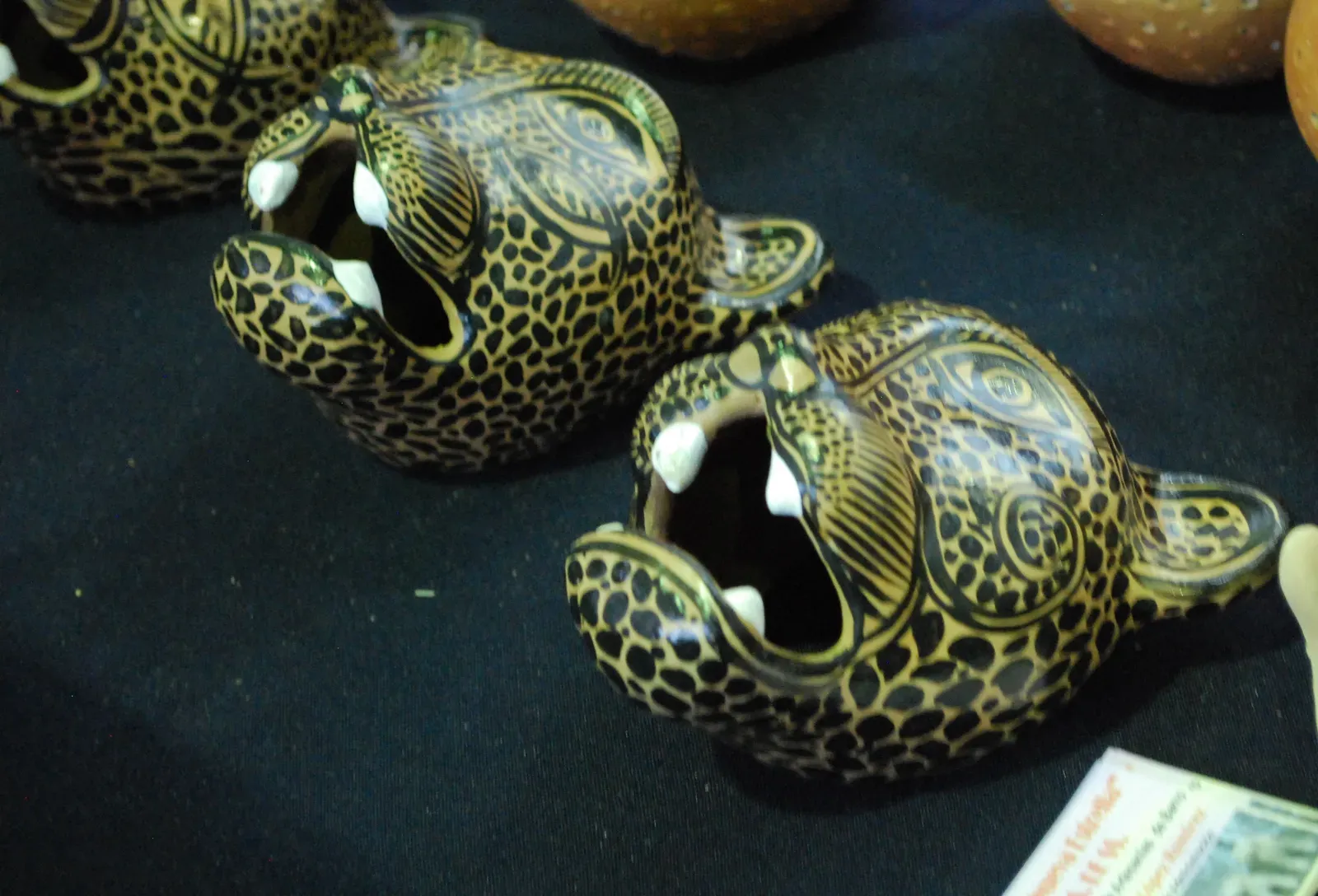
Jaguar imagery is one of the most frequently encountered features of Pre-Columbian Mesoamerican symbolism. The jaguar wasn’t just respected for being a formidable predator. The jaguar was linked to power and protection from evil and was one of the most important sacred symbols of power, ferocity and protection.
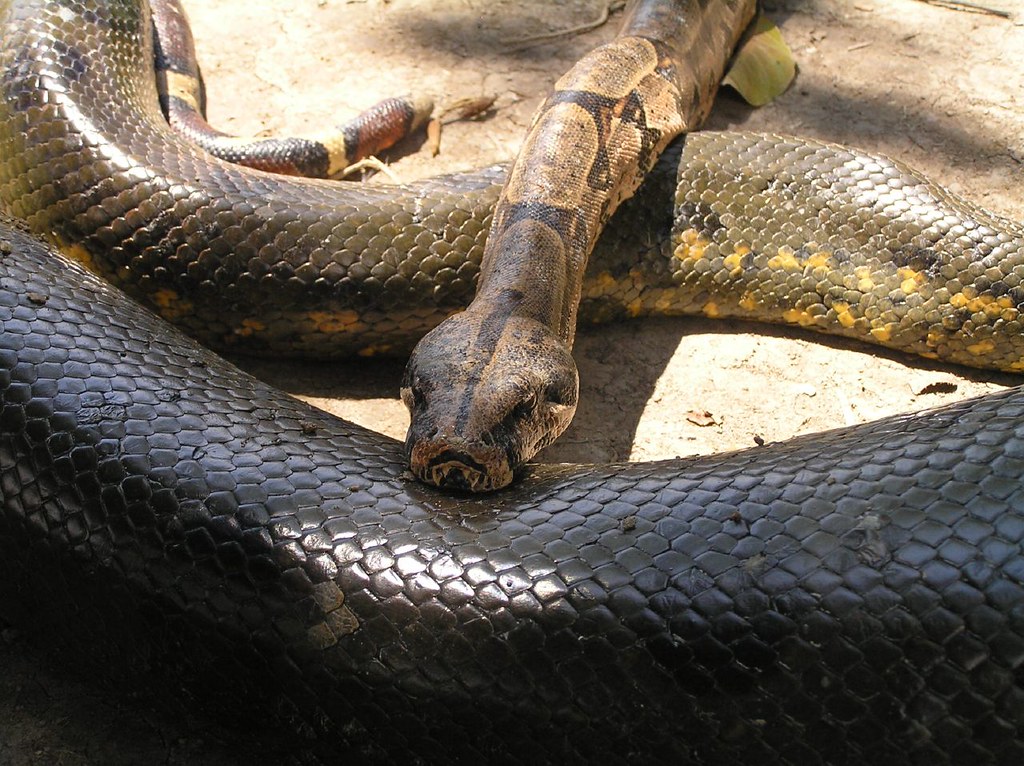
The creatures of tropical pre-Columbian Mesoamerica which were the most commonly revered were jaguars, deer, turtles, toads, snakes, spider monkeys and various birds, especially macaws, vultures, hummingbird, and water birds. Each creature carried its own bundle of meanings, woven into the social fabric through art, ritual, and daily life. The diversity itself tells you something important about how carefully these cultures observed the world around them.
Guardians of the Directions
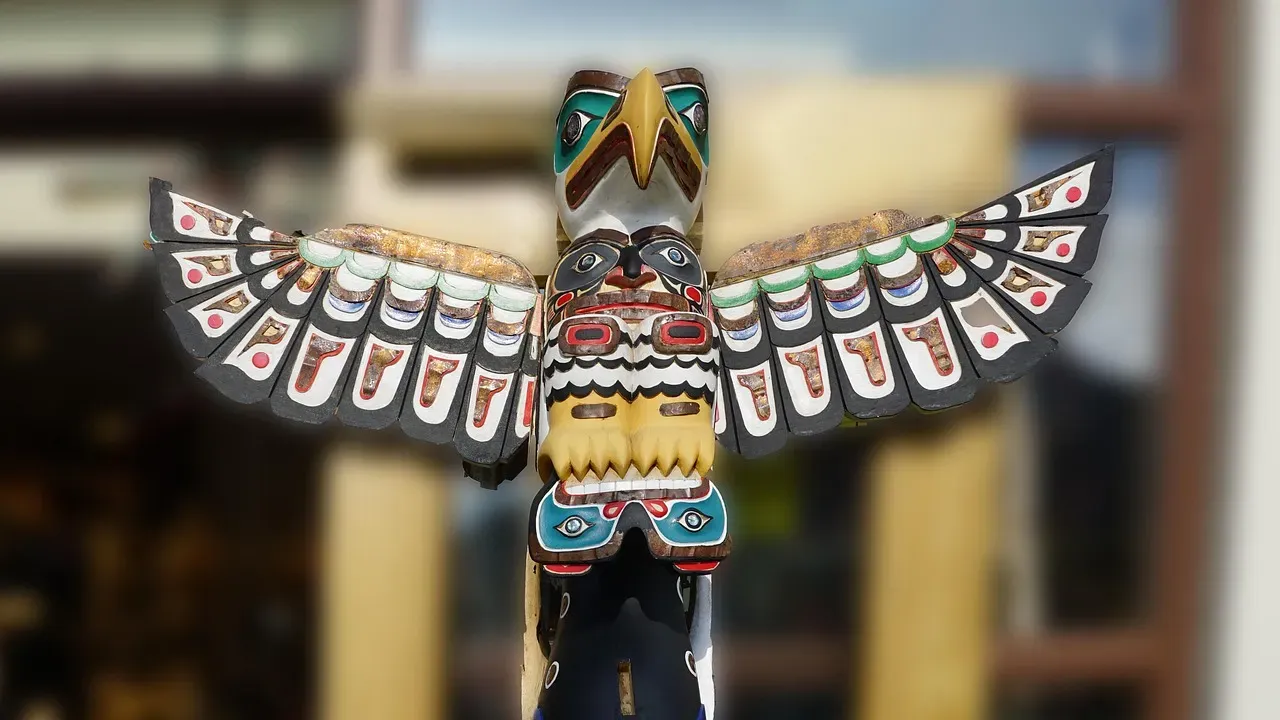
Here’s where things get really interesting. Symbols of protection are frequently represented throughout Native American Art with mountain lions, whose keen eyesight, stealth, and agility serve as the guardians of the north, the bear guards the west with its strength, the determined badger is the guardian of the south, the wolf with its strong sense of family is the guardian of the east, the eagle is the guardian of the skies, and the mole is the guardian below.
This system wasn’t random symbolism. It reflected a sophisticated understanding of how different animals occupy different ecological niches, and how their characteristics could represent fundamental forces and directions. The artworks depicting these guardian animals weren’t mere decoration. They were spiritual anchors, reminding people of the protective forces surrounding them from every angle.
Art Forms That Honored Animal Spirits
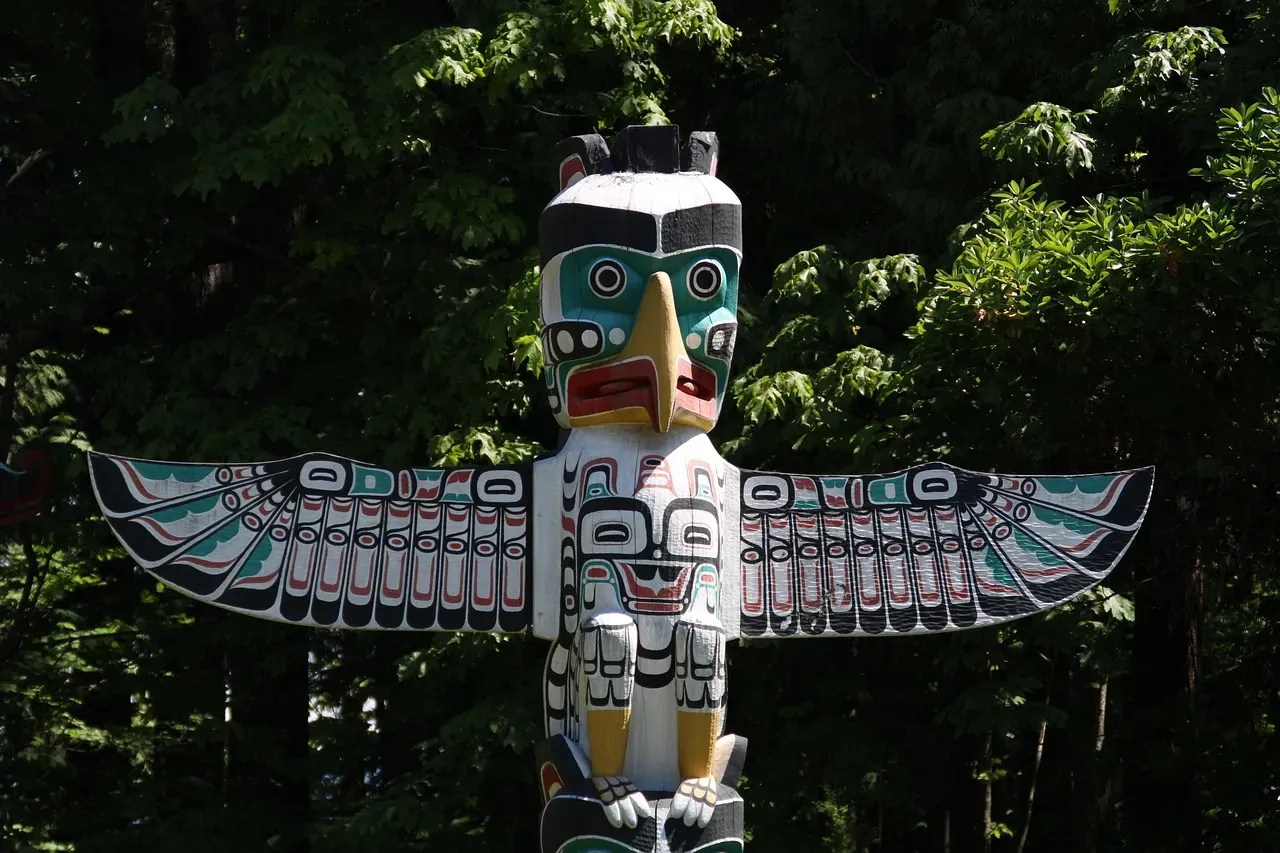
Artists and craftspeople incorporate animal imagery into pottery, jewelry, textiles, and carvings to honor these spiritual connections, with symbols serving as reminders of a tribe’s heritage and the lessons found in nature. The sheer variety of mediums tells you how deeply embedded these images were in daily existence.
Pacific Northwest Coast art is famous for its intricate totem poles, masks, and carvings, where stylized animals like the Raven, Bear, Eagle, and Wolf are central, telling complex narratives and representing clan lineages. These weren’t casual artistic choices. Every curve and color carried meaning, passed down through generations with the care you’d give precious family heirlooms. Ritual objects were often placed in tombs as burial goods, demonstrating that animal symbolism extended beyond life itself.
Physical Embodiments and Sacred Objects
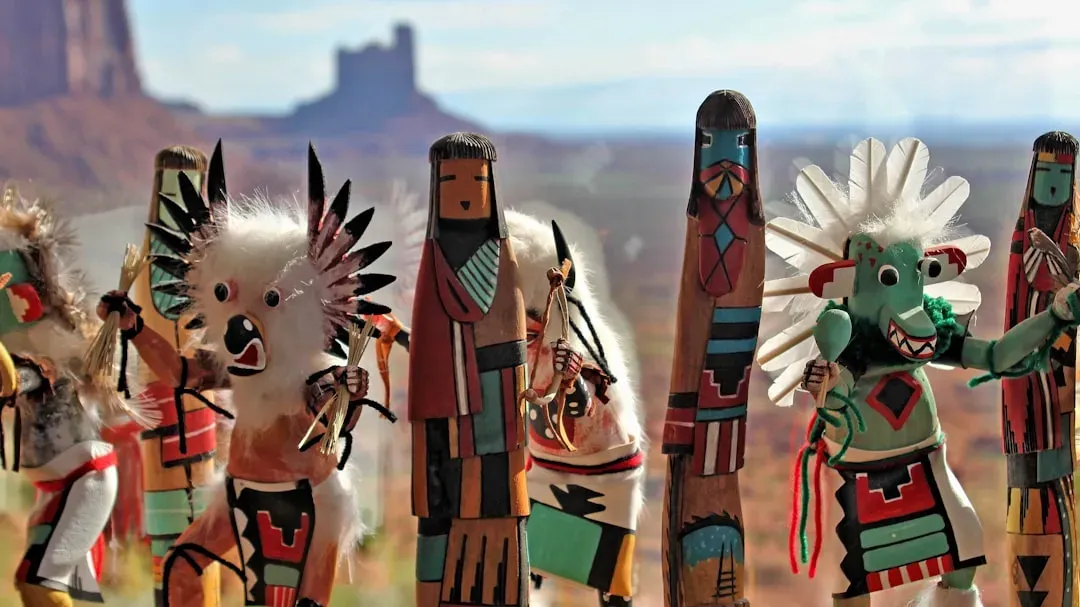
Animal parts such as feathers, furs, claws, and teeth are incorporated into ceremonial dress and tools, not as trophies, but as sacred conduits for the animal’s spirit and power, with eagle feathers highly revered and worn by esteemed warriors and spiritual leaders. This distinction matters profoundly. Modern trophy hunting seeks to dominate nature. Ancient practices sought to merge with it.
Carved from stone, bone, or wood, Native American fetishes and totems represent animal spirits that offer protection and guidance, with Zuni animal fetishes being small carvings believed to hold the spirit of the animal they represent. Holding one of these objects wasn’t about possessing art. It was about carrying a piece of spiritual power with you, a physical reminder of invisible forces.
Living Traditions and Timeless Wisdom
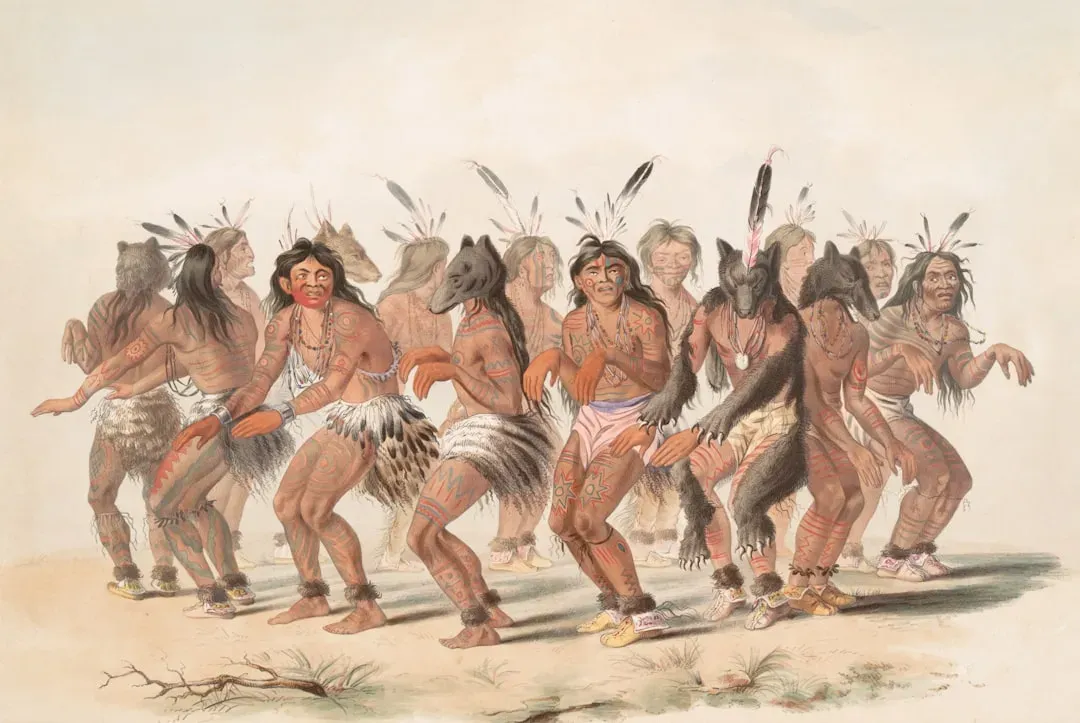
Animal symbolism in Native American art and beliefs is not a static catalog of meanings but a dynamic, living system that reflects a profound and ongoing relationship with the natural world, showing wisdom that sees animals not as lesser beings but as powerful spiritual allies, teachers, and integral members of the extended family of life. That last phrase hits differently when you let it sink in.
Close relationships with animals, spirits and supernatural beings are well represented in many First Nations Cultures, by stories that are passed down through generations. These traditions continue today, adapting to modern contexts while maintaining their essential core. The ancient art serves as a bridge, connecting contemporary indigenous peoples to their ancestors while offering the rest of us a window into a worldview that never separated human from nature, physical from spiritual, art from life itself.
So what do you think? Could modern society benefit from viewing animals as teachers rather than resources? The ancient artwork scattered across museums and sacred sites suggests our ancestors knew something we’ve forgotten. Their art wasn’t just about capturing what animals looked like. It was about capturing what they meant, what they represented, and how deeply they were woven into the fabric of existence. That understanding, preserved in clay and stone and wood, still speaks to us today if we’re willing to listen.