In the heart of Cape Town, nestled within the historic Company’s Gardens, stands the Iziko South African Museum—a treasure trove of natural and human history spanning millions of years. This venerable institution houses one of Africa’s most significant collections of paleontological specimens, offering visitors a fascinating journey through South Africa’s prehistoric past. From the earliest trace fossils to remarkable hominid remains that have reshaped our understanding of human evolution, the ancient bones of the Cape tell a story that stretches back to the dawn of life itself. As we explore this remarkable collection, we’ll discover how these silent remnants of ancient life continue to speak volumes about our shared natural heritage.
The Origins of Iziko’s Paleontological Collection

The paleontological collection at the Iziko South African Museum traces its beginnings to the mid-19th century, when amateur naturalists and colonial officials began collecting fossils from across the Cape region. Dr. Andrew Smith, the first superintendent of the South African Museum founded in 1825, laid the groundwork for what would become an internationally recognized repository of prehistoric specimens. Throughout the following decades, systematic excavations conducted by the museum’s scientists gradually expanded the collection, bringing to light the rich paleontological heritage of southern Africa. By the early 20th century, the museum had established itself as a major center for the study of African paleontology, attracting researchers from around the world who recognized the significance of South Africa’s fossil record. Today, the collection comprises over 700,000 fossil specimens, ranging from microscopic marine organisms to complete dinosaur skeletons, each meticulously cataloged and preserved for scientific study and public education.
The Karoo Fossils: A Window into Ancient Life
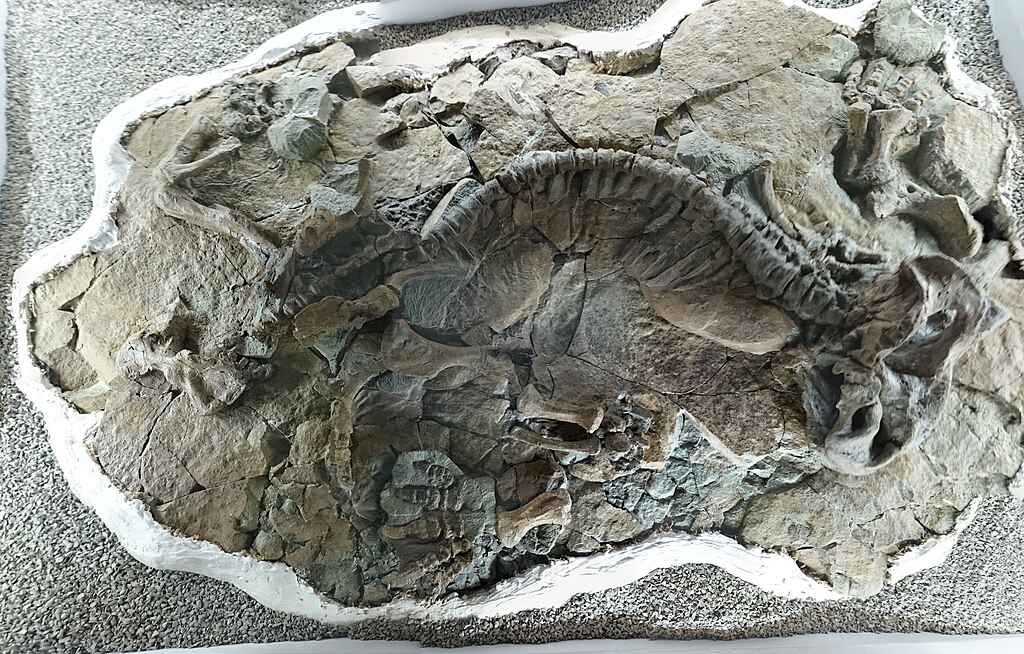
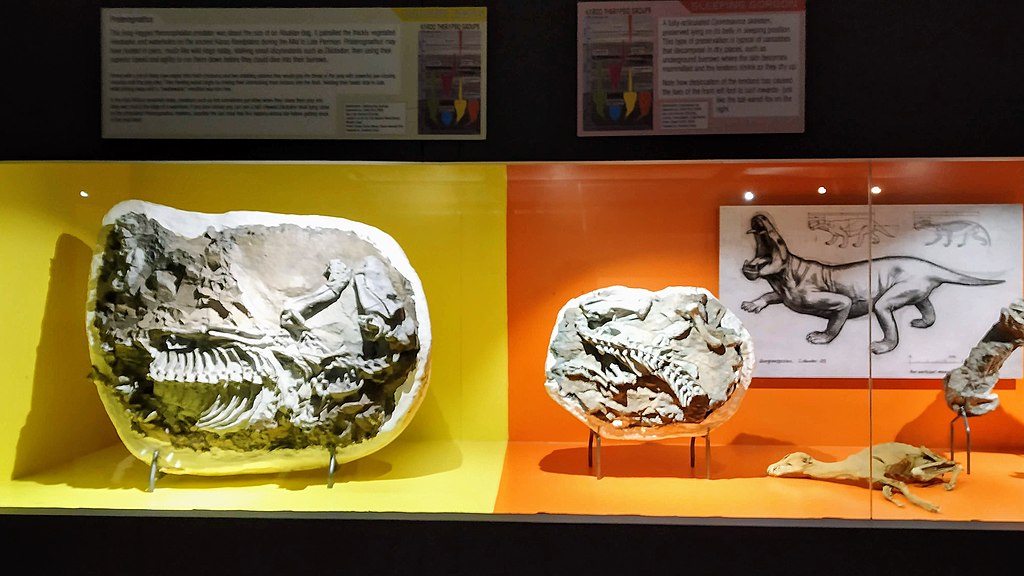
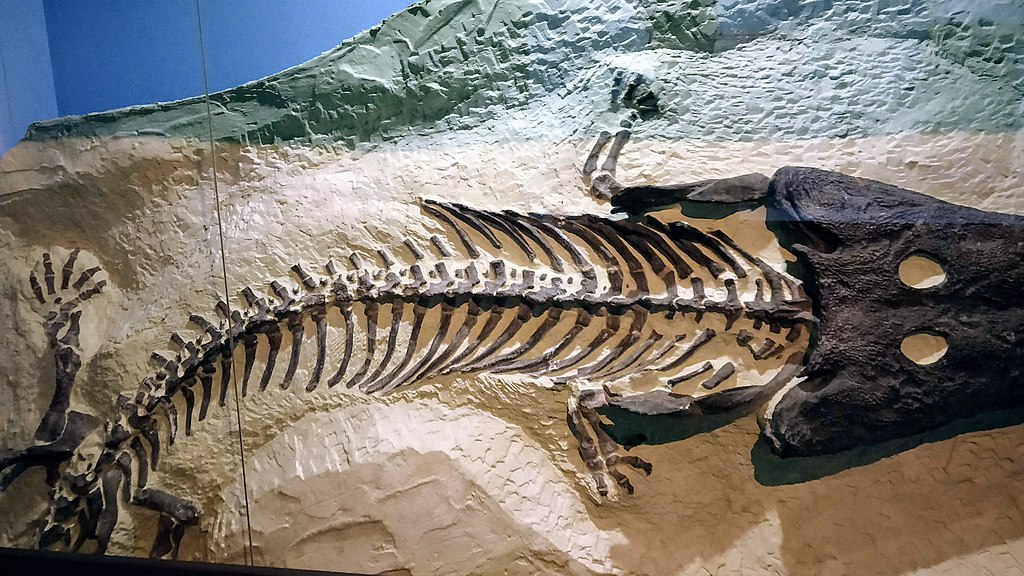
Perhaps the crown jewel of Iziko’s paleontological collection is the extensive array of fossils from the Karoo Basin—one of the world’s richest fossil deposits spanning the late Carboniferous to early Jurassic periods (about 300-180 million years ago). These fossils document the evolution of terrestrial ecosystems before and after the greatest mass extinction in Earth’s history at the Permian-Triassic boundary. Visitors can marvel at the remains of bizarre mammal-like reptiles such as Lystrosaurus, a pig-sized creature that became the dominant land animal following the Permian extinction, representing an evolutionary snapshot of the transition from reptiles to mammals. The Karoo collection also features impressive specimens of Cynognathus, a wolf-sized predator whose fossil distribution helped scientists prove the theory of continental drift. These specimens are displayed with detailed reconstructions and interactive exhibits that help visitors visualize these strange creatures in their ancient environments, bringing to life a world that existed long before the age of dinosaurs.
Marine Giants: Prehistoric Ocean Dwellers
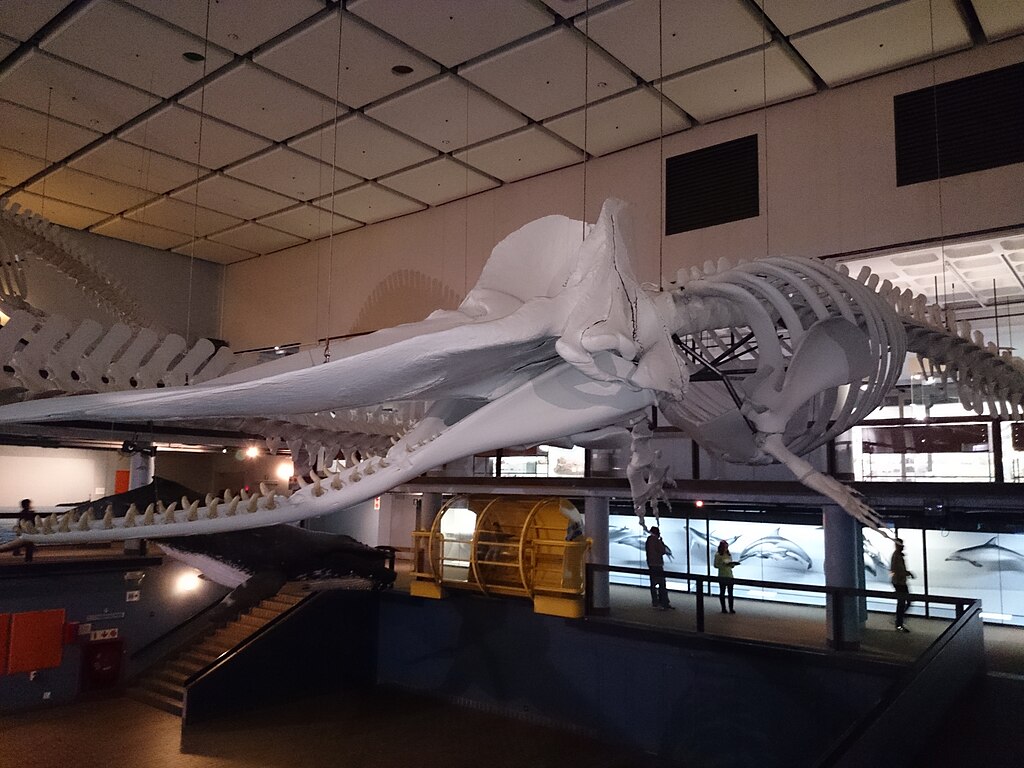
The ancient oceans that once surrounded the Cape were home to an astonishing variety of marine creatures, many of which are preserved in remarkable detail at the Iziko Museum. Visitors can stand beneath the suspended skeleton of a giant archeocete whale, an early ancestor of modern whales that still retained vestigial hind limbs—compelling evidence of whales’ evolution from land-dwelling mammals. The marine fossil collection also features impressive specimens of mosasaurs, fearsome marine reptiles that dominated the oceans during the Late Cretaceous period, some reaching lengths of up to 15 meters. Particularly striking is the museum’s collection of ammonites, spiral-shelled mollusks that thrived in ancient seas for over 300 million years before disappearing along with the dinosaurs. These beautifully preserved specimens, some with mother-of-pearl shells still intact, range from palm-sized examples to massive specimens over a meter in diameter, offering visitors a glimpse into the diversity of prehistoric marine ecosystems that once flourished around southern Africa.
The Dawn of Dinosaurs: Mesozoic Treasures
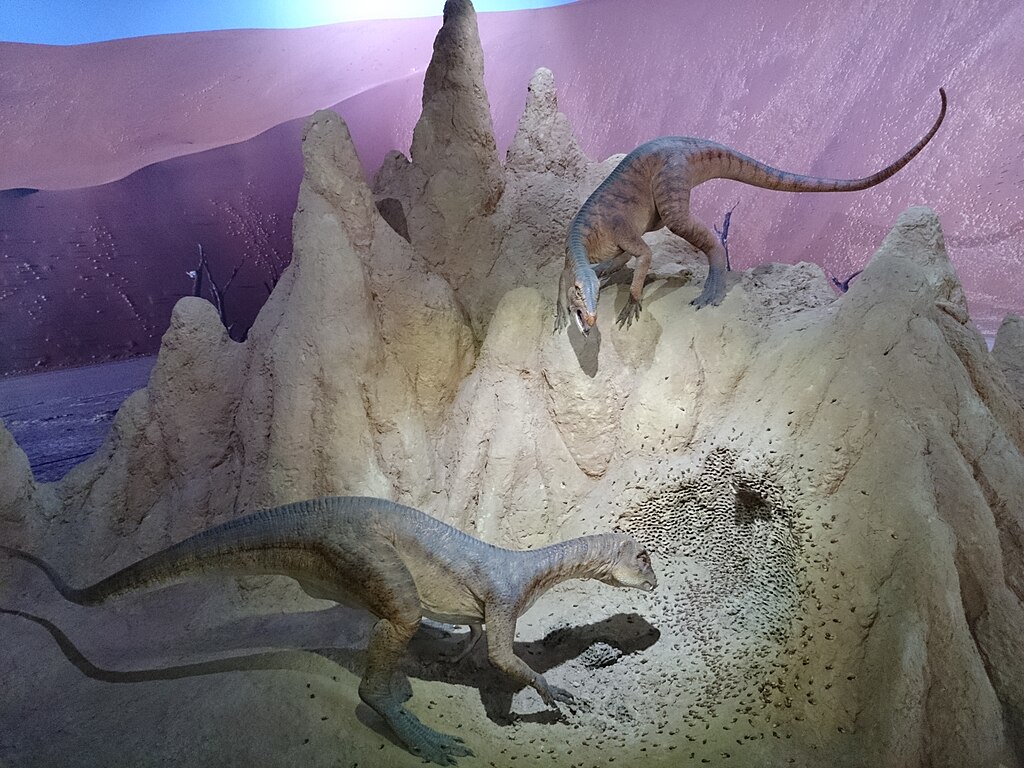
Although South Africa is not as renowned for dinosaur fossils as some other regions of the world, the Iziko Museum houses several significant specimens that highlight the unique dinosaur fauna of the southern hemisphere. The museum’s collection includes fossils of Heterodontosaurus, a small ornithischian dinosaur from the Early Jurassic that possessed an unusual combination of different types of teeth—a feature that has provided important insights into dinosaur feeding adaptations. Visitors can also examine the remains of Melanorosaurus, one of the early sauropodomorph dinosaurs that would eventually give rise to the largest land animals ever to walk the Earth. A particular highlight is the collection of dinosaur eggs and nesting sites discovered in South Africa, including the oldest known dinosaur embryos, which have revolutionized our understanding of dinosaur reproduction and development. The museum’s exhibitions place these fossils in context, exploring how South Africa’s dinosaurs differed from their northern hemisphere counterparts and what these differences tell us about the ancient supercontinent of Gondwana.
The Cradle of Humankind: Hominid Fossils
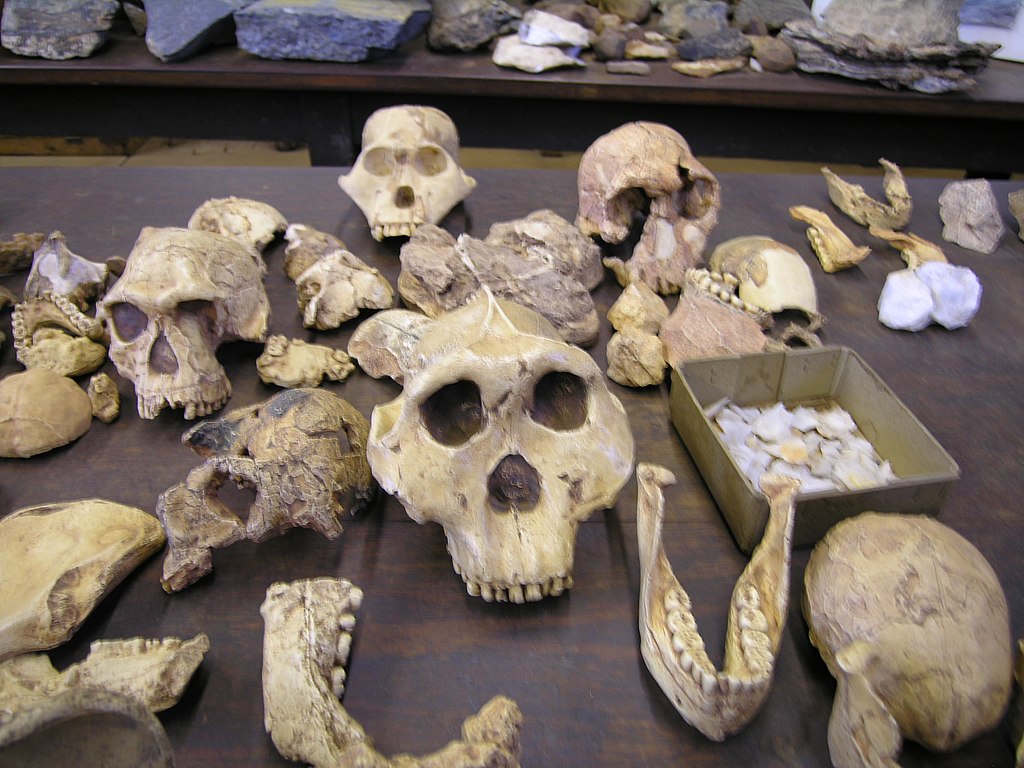
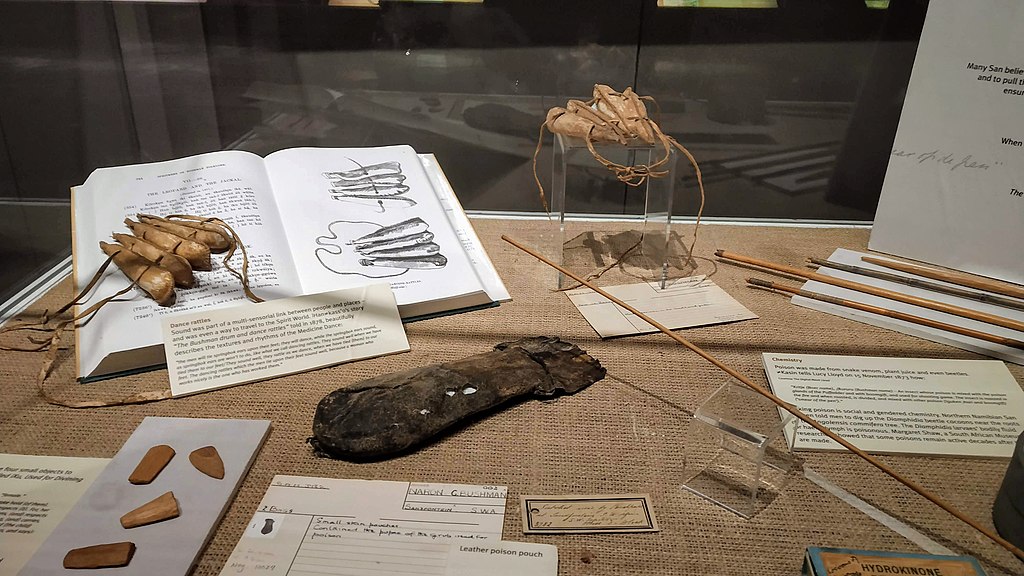
No visit to the Iziko Museum would be complete without exploring its collection of hominid fossils and artifacts that document the emergence of our own species in Africa. South Africa has yielded some of the most important discoveries in human evolutionary research, many of which are represented through casts and replicas at the museum. Visitors can examine detailed reproductions of famous specimens like the Taung Child (Australopithecus africanus), discovered in 1924, which first convinced scientists that humans evolved in Africa rather than Asia. The museum also features exhibits on more recent discoveries from sites like Sterkfontein and Rising Star, including Homo naledi, a previously unknown hominid species first described in 2015. These fossils are presented alongside stone tools, rock art, and other cultural artifacts that trace the technological and cognitive development of early humans in southern Africa. Through these exhibits, visitors gain a deeper appreciation for South Africa’s central role in the story of human origins and the evolutionary journey that led to our own species.
Ancient Plants: The Fossil Flora of South Africa
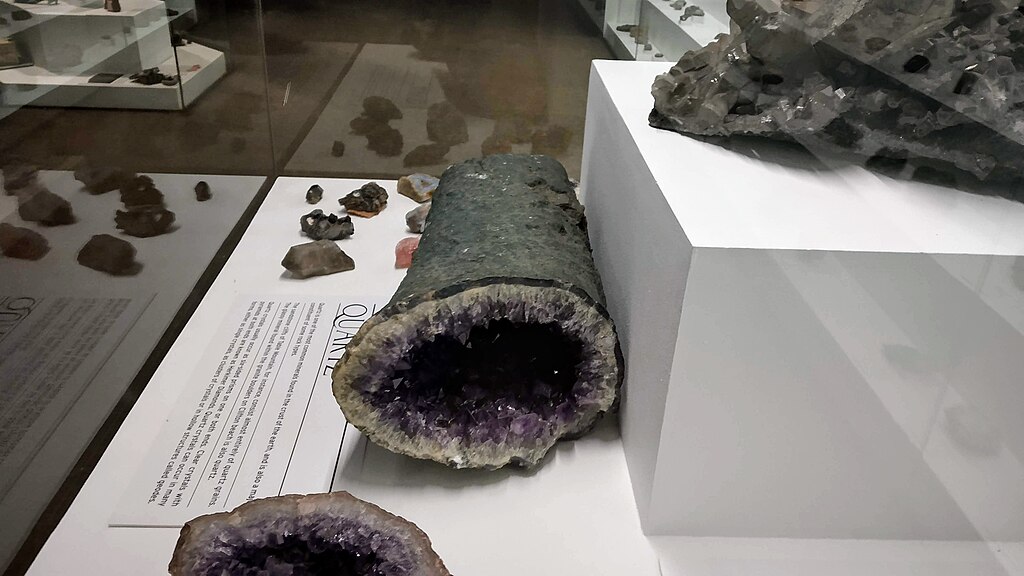
While animal fossils often capture the public imagination, the Iziko Museum’s collection of plant fossils provides equally important insights into South Africa’s prehistoric environments. The museum houses an extensive collection of Glossopteris fossils, distinctive fern-like seed plants that dominated the southern hemisphere during the Permian period. The distribution of these fossils across South Africa, South America, Australia, Antarctica, and India provided crucial evidence for Alfred Wegener’s theory of continental drift, demonstrating that these now-separate landmasses were once joined together in the supercontinent Gondwana. Visitors can also examine beautifully preserved examples of petrified wood from the Karoo Basin, some specimens so well-preserved that individual cell structures can be seen under magnification. The museum’s paleobotanical displays illustrate how South Africa’s plant communities have changed over hundreds of millions of years in response to shifting climates and continental movements, from the lush coal-forming swamps of the Carboniferous to the diverse fynbos vegetation that characterizes the Cape today.
Paleontology in Action: Behind-the-Scenes Research
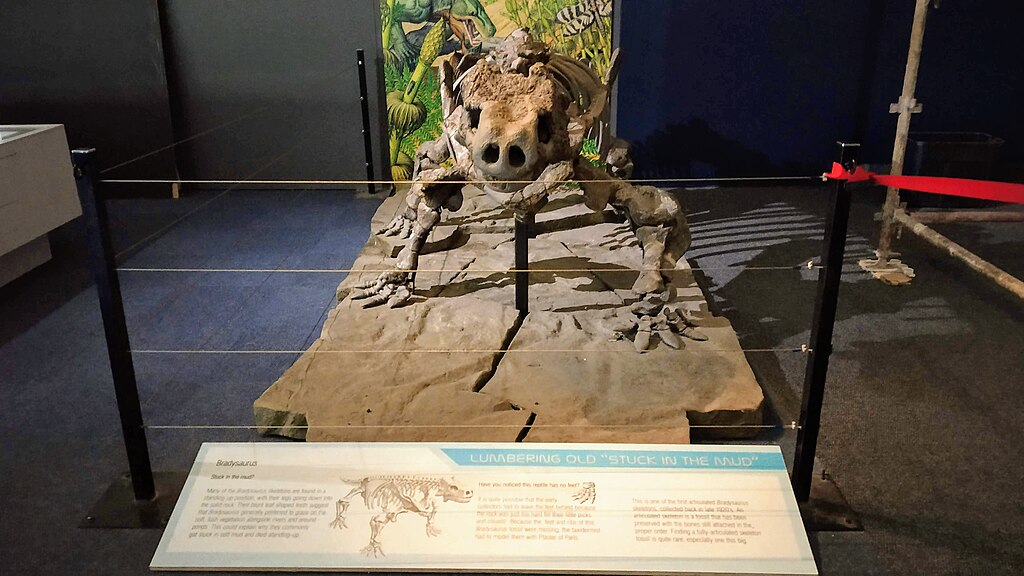
The Iziko Museum is not merely a display space for fossils but an active center for paleontological research that continues to make significant contributions to our understanding of prehistoric life. The museum houses extensive preparation laboratories where skilled technicians work painstakingly to free fossils from their surrounding rock matrix—a process that can take months or even years for complex specimens. Visitors can occasionally observe this meticulous work through viewing windows, gaining appreciation for the technical expertise required in modern paleontology. The museum also maintains climate-controlled storage facilities that house thousands of specimens not on public display, available to researchers from around the world who visit to study this invaluable collection. Many of the museum’s paleontologists conduct fieldwork throughout South Africa, continuing to discover new fossil sites and specimens that expand our knowledge of ancient life. Through public lectures, temporary exhibitions, and publications, the museum’s scientific staff share their latest findings with both the scientific community and the general public.
Digital Paleontology: Cutting-Edge Technologies

The Iziko Museum has embraced modern technologies to enhance both research and visitor experiences related to its fossil collections. Using advanced CT scanning equipment, researchers can now examine the internal structures of fossils without damaging the specimens, revealing details about brains, sinuses, and other soft tissues that would otherwise remain hidden. This technology has been particularly valuable for studying the skulls of early hominids and mammal-like reptiles, providing new insights into their sensory capabilities and behavior. The museum has also created detailed 3D digital models of key specimens, making them available online to researchers and educators worldwide who cannot visit the collection in person. For museum visitors, augmented reality stations allow them to interact with virtual reconstructions of extinct animals, seeing them move and behave as they might have in life. Touch screens throughout the exhibition halls provide additional information about the specimens on display, allowing visitors to delve deeper into aspects that interest them most.
Notable Personalities: The Fossil Hunters of South Africa
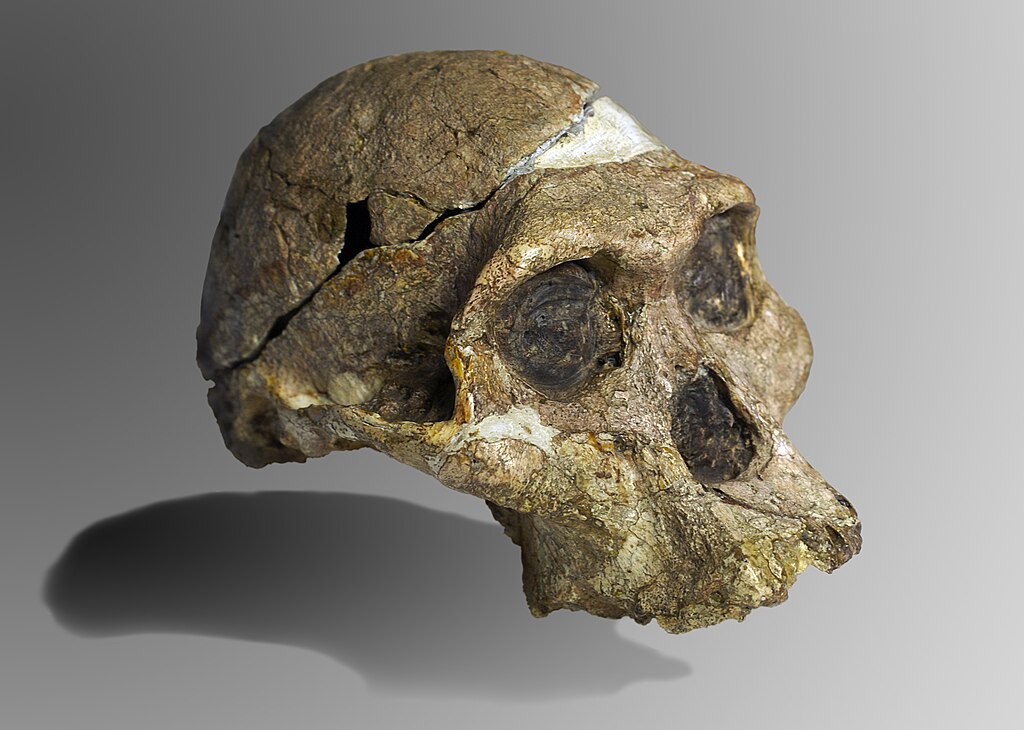
The fossil collection at Iziko Museum wouldn’t exist without the dedicated individuals who discovered, collected, and studied South Africa’s paleontological treasures over nearly two centuries. The museum honors these pioneers through special exhibits that tell their stories and highlight their contributions. Visitors learn about Robert Broom, the Scottish doctor turned paleontologist whose discoveries of australopithecine fossils helped establish South Africa’s importance in human evolution research. The work of James Kitching, known as the “greatest fossil finder of all time,” is also celebrated—during his long career, Kitching collected over 25,000 vertebrate fossils from the Karoo Basin, many of which form the backbone of the museum’s collection. The museum also recognizes the contributions of less well-known individuals, including local farmers who reported fossil finds on their land and field assistants whose knowledge and skill were essential to successful excavations. These personal stories humanize the scientific enterprise of paleontology, showing how individual curiosity, persistence, and collaboration have gradually assembled our understanding of South Africa’s prehistoric past.
Conservation Challenges: Preserving the Fossil Heritage
South Africa’s fossil heritage faces numerous conservation challenges that the Iziko Museum works actively to address. Fossil poaching has become an increasing problem, with valuable specimens illegally collected and sold to private collectors around the world, removing them from scientific study and public access. The museum collaborates with law enforcement agencies to combat this illegal trade and conducts public education campaigns to raise awareness about the scientific and cultural importance of preserving fossils in their proper context. Climate change and erosion also threaten fossil sites throughout South Africa, potentially exposing and destroying specimens before they can be properly documented and collected. To address these threats, the museum’s staff conducts regular monitoring of known fossil localities and works with landowners to develop conservation plans. Additionally, the museum faces the ongoing challenge of preserving its existing collection, as some fossils are susceptible to deterioration from humidity, temperature fluctuations, and other environmental factors. Specialized conservation laboratories within the museum employ the latest techniques to stabilize and protect these irreplaceable specimens for future generations.
Educational Programs: Inspiring Future Paleontologists
The Iziko Museum offers a wide range of educational programs designed to ignite interest in paleontology among visitors of all ages, with particular emphasis on engaging South African youth. School groups visiting the museum can participate in guided tours tailored to different age levels, from primary school children learning basic concepts of fossilization to high school students exploring evolutionary principles through the fossil record. Particularly popular are the museum’s “Junior Paleontologist” workshops, where children can experience the thrill of discovery by excavating replica fossils from artificial matrix and learning how to identify different types of prehistoric creatures. During school holidays, the museum runs more intensive programs including fossil casting demonstrations, where participants can create their own plaster replicas of famous specimens to take home. For teachers, the museum provides curriculum-aligned resource materials that help integrate paleontological concepts into classroom teaching across multiple subjects including science, geography, and history. These educational initiatives aim to nurture the next generation of South African scientists while ensuring that all citizens understand and value their country’s remarkable paleontological heritage.
Virtual Exhibitions: Accessing the Collection Remotely
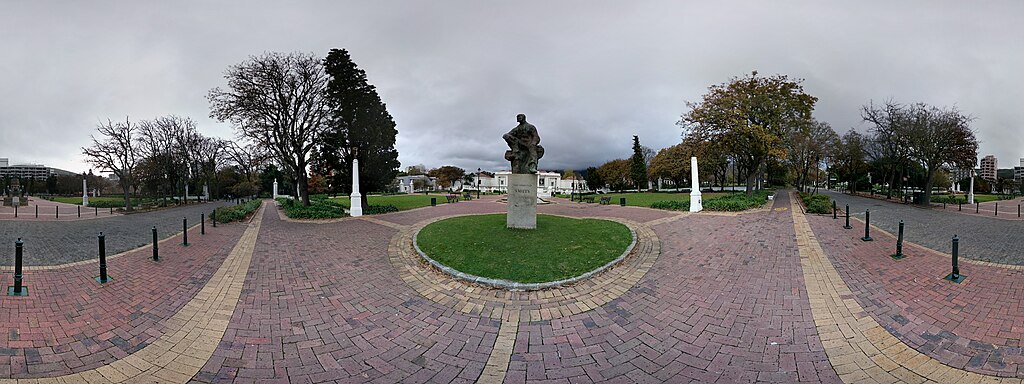
Recognizing that many people cannot visit the museum in person, the Iziko Museum has developed extensive virtual exhibitions that showcase its paleontological treasures to a global audience. Through the museum’s website, virtual visitors can take 360-degree tours of the fossil galleries, zooming in on individual specimens and accessing detailed information about their significance. A particularly innovative feature is the “Fossil Finder” database, which allows users to search the collection by time period, taxonomic group, or geographic location, making it a valuable resource for students and amateur paleontology enthusiasts. The museum also maintains an active presence on social media platforms, sharing regular updates about new discoveries, behind-the-scenes research, and special events related to its fossil collection. During the COVID-19 pandemic, the museum expanded its virtual offerings significantly, creating a series of paleontology webinars and online workshops that attracted participants from across South Africa and beyond. These digital initiatives have democratized access to the collection, allowing people regardless of geographic location or economic means to explore South Africa’s fossil heritage.
Ongoing Discoveries: The Ever-Evolving Story
The story told by South Africa’s fossils continues to evolve as new discoveries are made and existing specimens are reexamined with fresh perspectives and technologies. The Iziko Museum regularly updates its exhibitions to incorporate these new findings, ensuring that visitors receive the most current scientific information. Recent additions to the collection include newly discovered species of cynodont—close relatives of the earliest mammals—that help fill evolutionary gaps in our understanding of the transition from reptiles to mammals. The museum also features emerging research on the end-Permian mass extinction as revealed in the Karoo Basin, offering new insights into how ecosystems collapse and recover from catastrophic environmental changes. Current research projects involving the museum’s collections include studies of ancient climate change through fossil pollen analysis, investigations of prehistoric food webs through stable isotope analysis of teeth, and detailed mapping of evolutionary relationships using DNA extracted from relatively recent subfossils. Through these ongoing investigations, the ancient bones of the Cape continue to yield new secrets, demonstrating that paleontology remains a dynamic and evolving field with much still to discover about South Africa’s deep past.
Conclusion
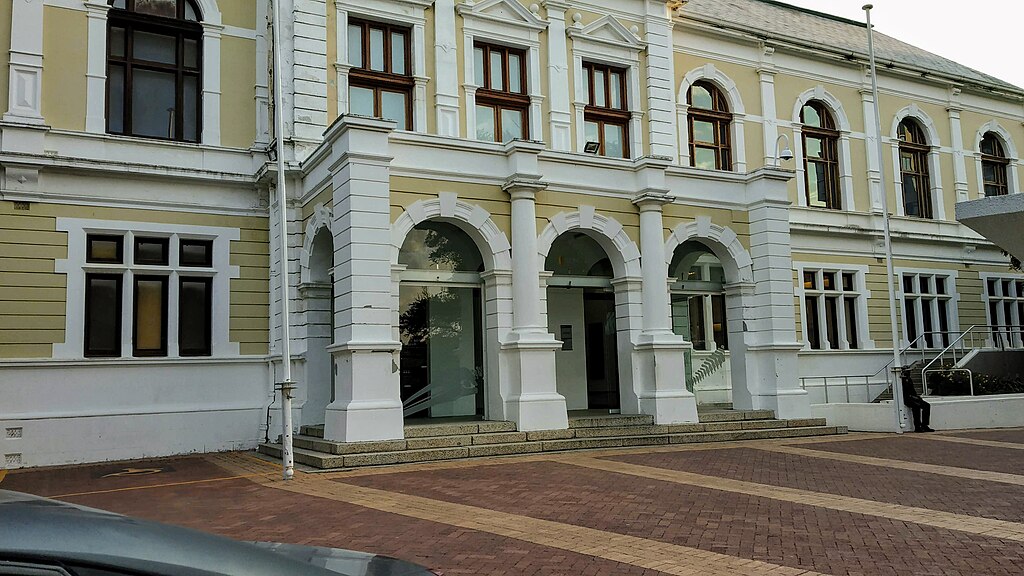
The Iziko South African Museum stands as both guardian and interpreter of the Cape’s ancient bones, offering visitors an unparalleled opportunity to journey through billions of years of Earth’s history. From the earliest traces of life to the emergence of our own species, the museum’s fossil collection illuminates South Africa’s central role in the evolution of life on our planet. Beyond merely displaying these ancient remnants, the museum actively contributes to our growing understanding of prehistoric life through ongoing research, conservation efforts, and educational programs. Whether experienced in person or virtually, the paleontological treasures of the Iziko Museum invite us to contemplate the vast stretches of time that preceded human existence and our place within the continuing story of life on Earth. As science advances and new discoveries emerge, these ancient bones will continue to speak to future generations, revealing ever more chapters in the remarkable story written in stone across the landscapes of South Africa.