You might think that civilization in America only began when European explorers set foot on the continent. That story has been told for centuries, passed down in textbooks and etched into popular imagination. Yet, beneath the soil of modern cities and within the landscapes we drive past every day, remarkable evidence tells an entirely different tale – one of thriving societies, architectural marvels, and sophisticated cultures that flourished thousands of years before Columbus ever thought about sailing west.
The Clovis people, believed to have crossed into North America by walking over the Bering Land Bridge, were generally thought to be the first settlers, arriving some 13,000 years ago. However, recent archaeological discoveries are continuously pushing this timeline further back. When Albert Miller found a prehistoric tool on his family farm in 1955, it eventually yielded nearly two million ancient artifacts dating back 16,000 years, and a rock ledge overhang in the area showed evidence of campers from 19,000 years ago. The story you’re about to discover challenges nearly everything you thought you knew about early American history.
The Great City of Cahokia Rivaled European Capitals
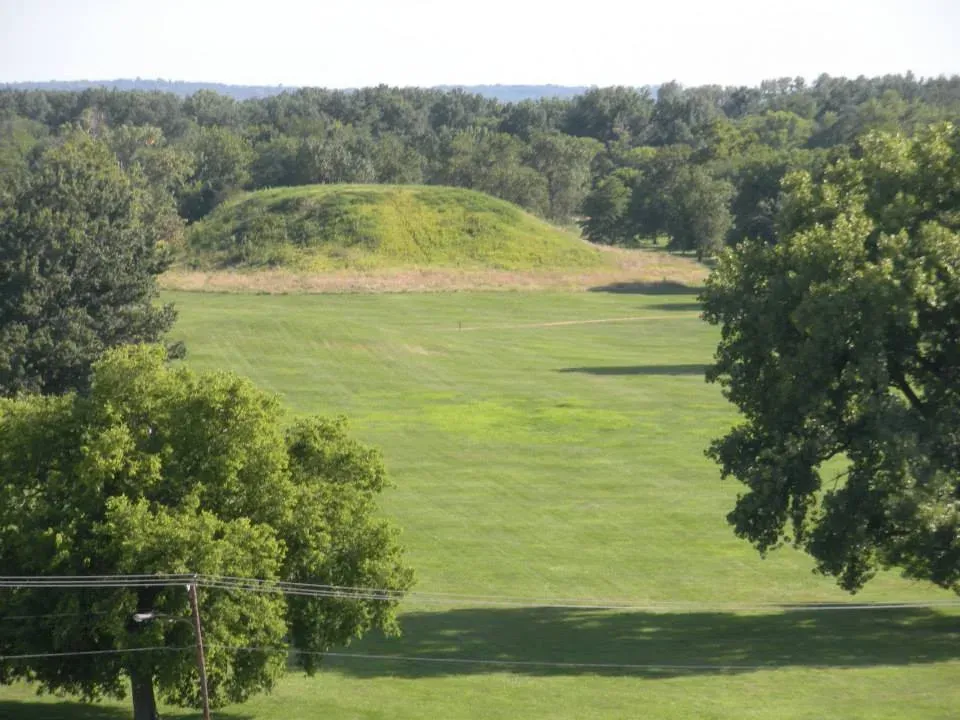
Imagine walking through a bustling metropolis in the year 1100, with earthen pyramids towering above plazas filled with thousands of people going about their daily lives. This wasn’t Europe or Asia. Cahokia was a Native American city that existed from roughly 1050 to 1350 CE, located directly across the Mississippi River from present-day St. Louis. Let’s be real, most Americans have never heard of this place, yet it represents one of the most significant urban centers in ancient North America.
The city grew to cover 4,000 acres, with a population of between ten and twenty thousand at its peak around 1100. Here’s the thing that really puts this into perspective: Cahokia’s population around 1100 CE was probably a little more than the populations of London and Paris at that time. Think about that for a moment. While European cities were still developing, Indigenous Americans had already constructed a thriving urban center complete with sophisticated infrastructure. Materials excavated at the site indicate that the city traded with peoples from as far away as the Gulf of Mexico, the Appalachians, the Great Lakes, and the Rocky Mountains.
Mound Builders Created Earthen Monuments of Stunning Precision
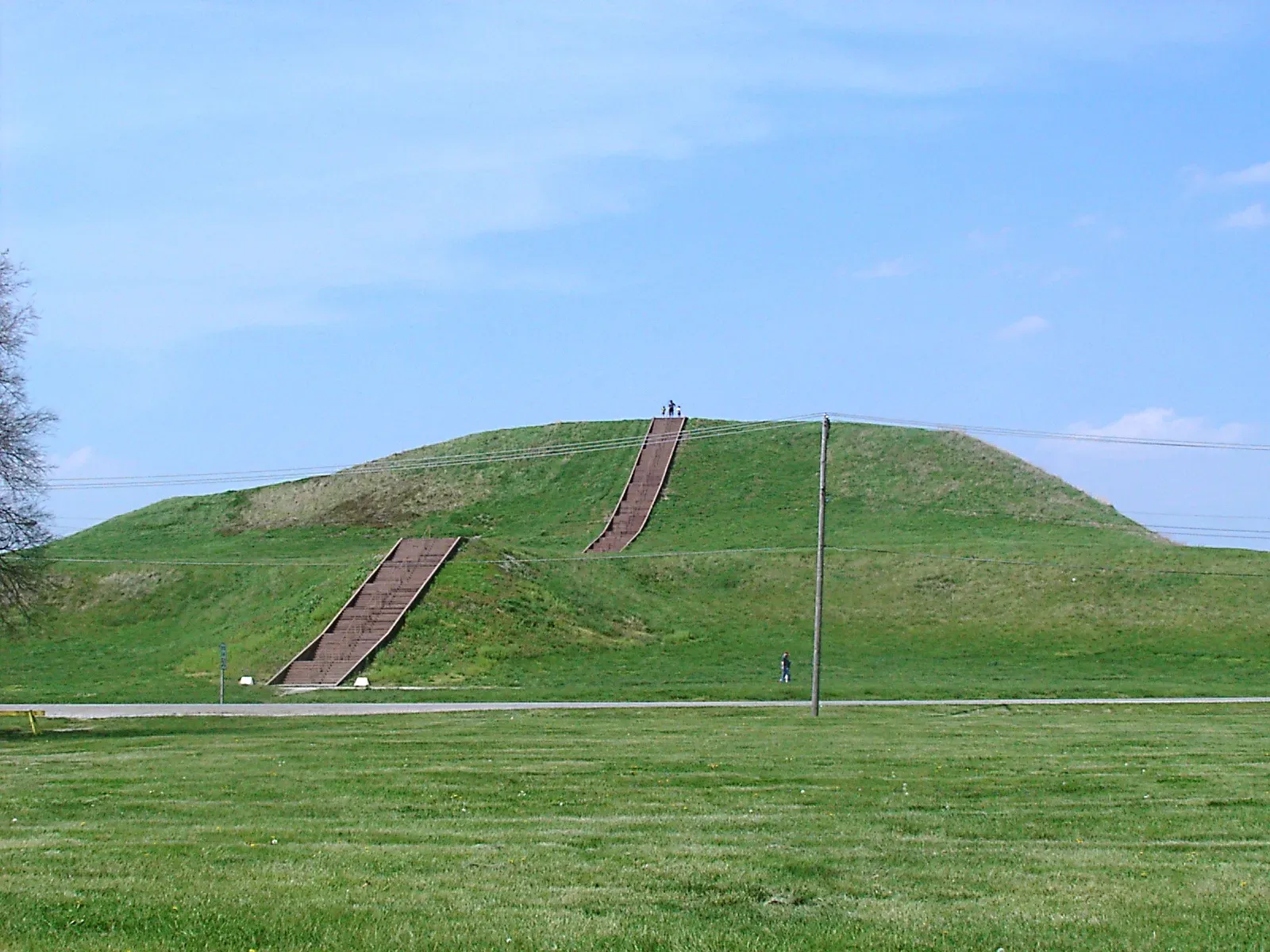
The scale of construction at these ancient sites is genuinely mind-boggling. Cahokia’s original population was thought to have been only about 1,000 until the 11th century when it expanded to tens of thousands, and at its peak from 1100 to 1200 AD, the city covered nearly six square miles and boasted a population of as many as 100,000 people. The architectural centerpiece remains breathtaking even by modern standards.
Monks Mound, believed to have housed a building some 100 feet long, nearly 50 feet wide, and 50 feet tall, served as the seat of governance for Cahokia. With a base measuring 1,000 feet by 800 feet – broader than the Great Pyramid of Cheops in Egypt – and a height of 100 feet, it is the largest prehistoric earthen structure in the Americas, requiring more than twenty-two million cubic feet of earth to construct. The builders accomplished this without metal tools, pack animals, or wheels. These ancient people transported the soil on their backs in baskets to the construction sites, demonstrating an organizational capacity that required coordinated labor on a massive scale.
Ancestral Puebloans Built Cliff Cities in the Southwest
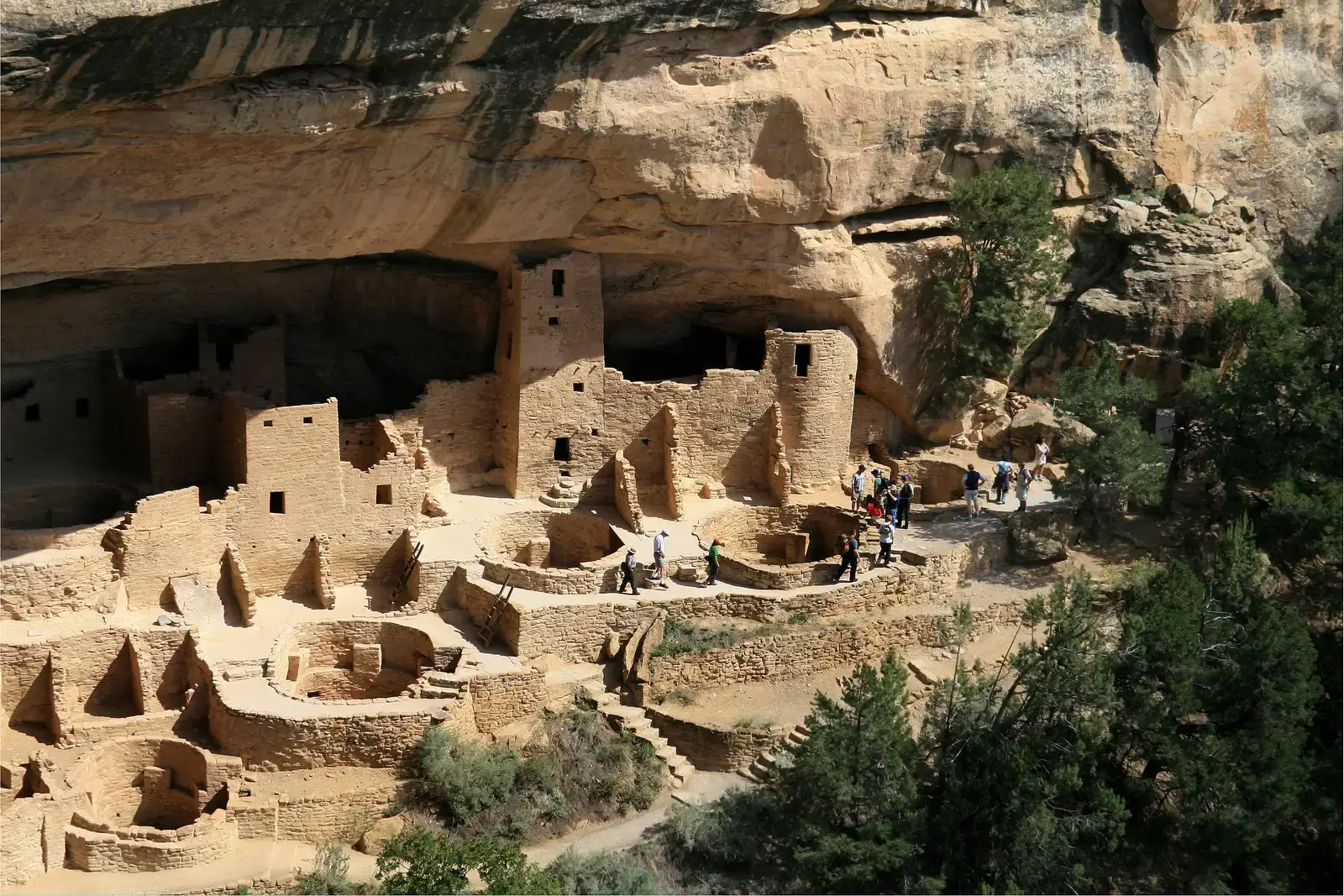
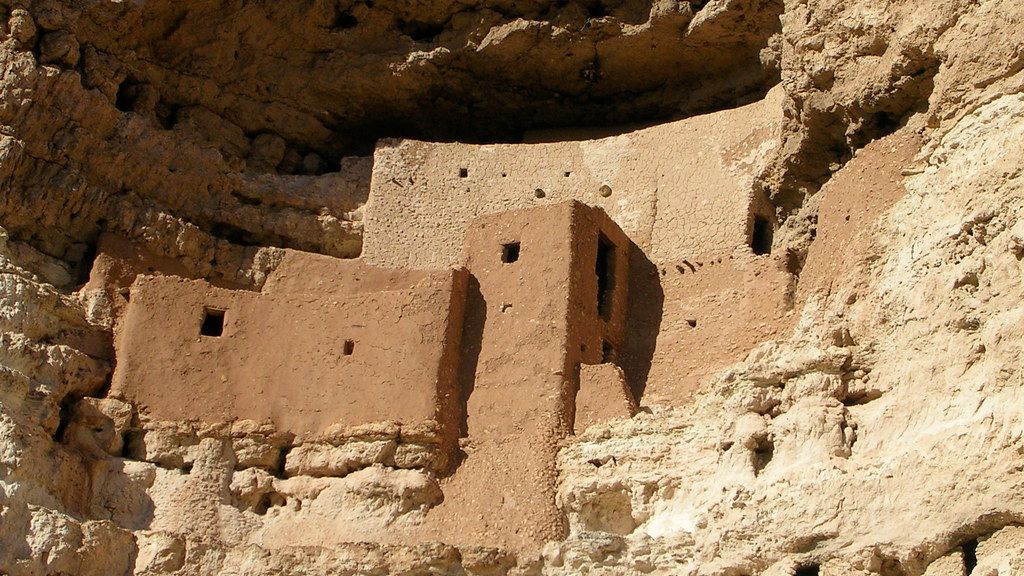
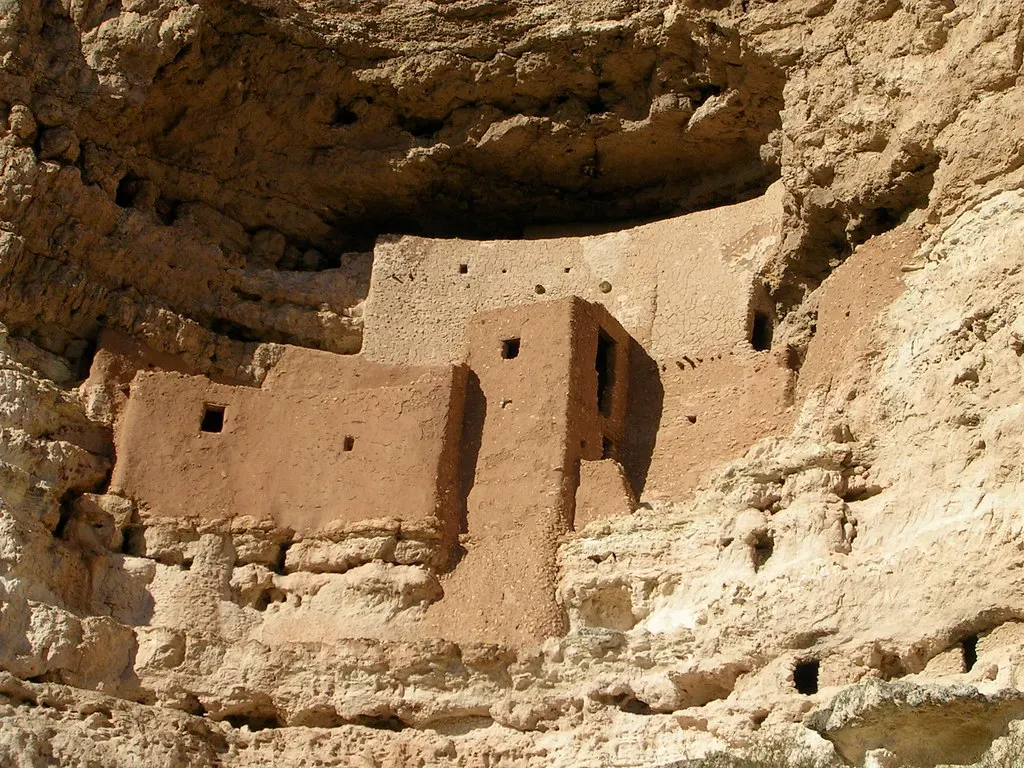
While the Mississippian culture dominated the eastern woodlands and river valleys, another remarkable civilization was carving entire cities into canyon walls out west. Cliff Palace is the largest cliff dwelling in North America, built by the Ancestral Puebloans and located in Mesa Verde National Park in southwestern Colorado. These weren’t simple shelters. The engineering and planning involved would impress any modern architect.
Beginning after 1000 to 1100 CE, they built more than 600 structures, mostly residential but also for storage and ritual, into the cliff faces of the Four Corners region. Cliff Palace, the largest of all the cliff dwellings, has about 150 rooms and more than twenty circular rooms. The structures were constructed primarily out of sandstone, mortar and wooden beams, with the sandstone shaped using harder stones, and a mortar of soil, water and ash used to hold everything together. The preservation of these sites allows us to walk through them today and marvel at what was accomplished centuries ago, though the reasons for their eventual abandonment remain somewhat mysterious.
The Mississippian Culture Built a Trading Empire
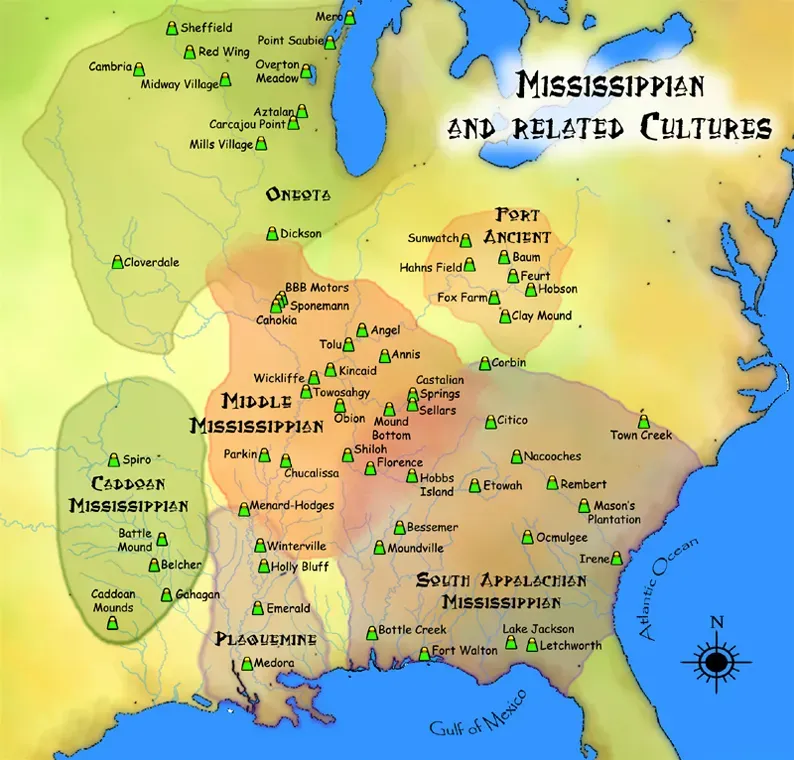
You need to understand something crucial about these ancient American societies – they weren’t isolated pockets of civilization. The Mississippian culture was a collection of Native American societies that flourished in what is now the Midwestern, Eastern, and Southeastern United States from approximately 800 to 1600 CE, known for building large, earthen platform mounds and composed of a series of urban settlements and satellite villages linked together by loose trading networks.
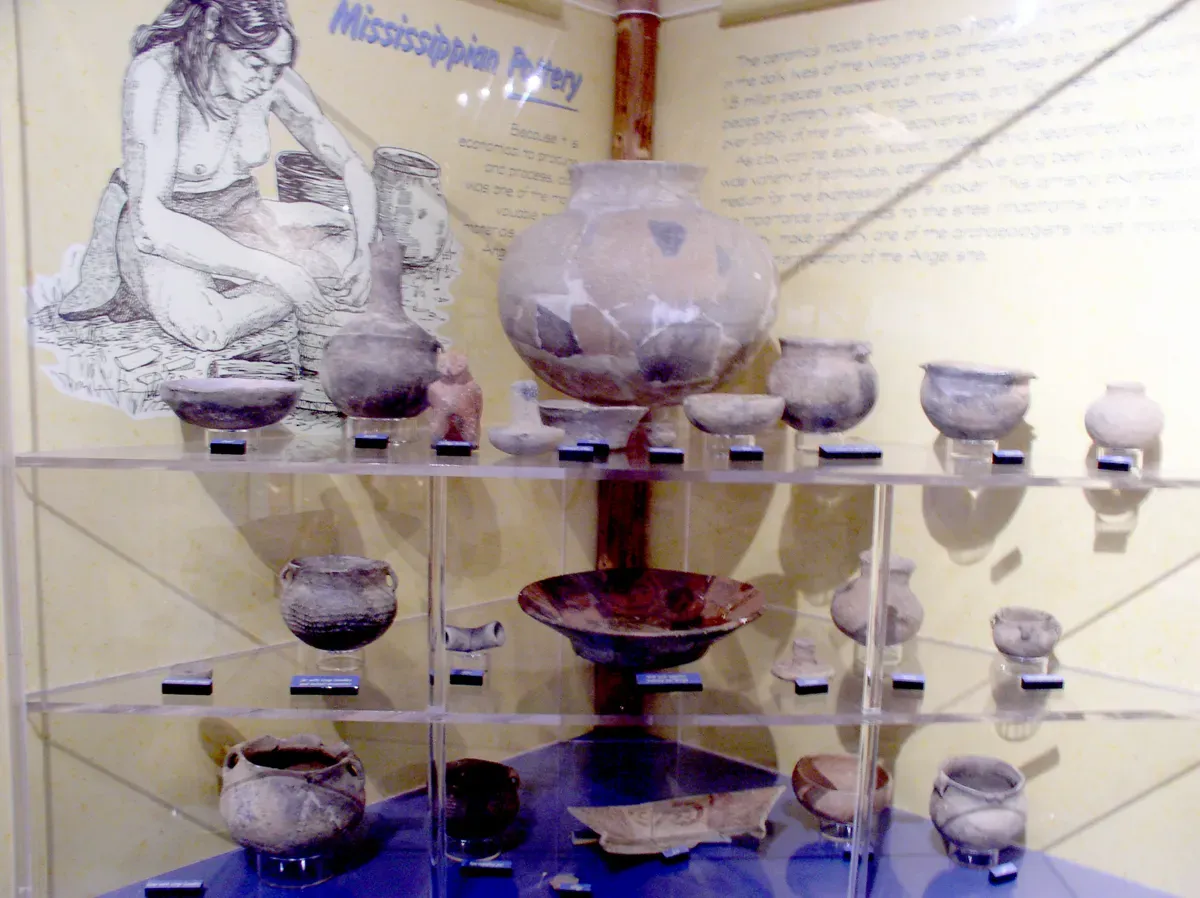
The sophistication of their agricultural practices supported dense populations. Maize-based agriculture was central, and in most places, the development of Mississippian culture coincided with adoption of comparatively large-scale, intensive maize agriculture, which supported larger populations and craft specialization. These were centers of political, social, religious, and economic power, as well as a rich artistic ceremonial life, fortified by log palisades and containing residences, public buildings, and elevated central plazas with great temple mounds topped by shrines and dwellings for rulers and other elite members of society. Their artistic achievements included intricate pottery, carved shell pendants, and ceremonial objects that demonstrate both technical skill and cultural depth.
Ancient Earthworks Predate the Pyramids
Here’s something that should challenge your assumptions about ancient American history even further. Watson Brake in Louisiana, constructed about 3500 BCE during the Middle Archaic period, is the oldest known and dated mound complex in North America, one of 11 mound complexes from this period found in the Lower Mississippi Valley. Let that sink in – these constructions are older than Stonehenge, older than many Egyptian pyramids.
Watson Brake is considered the oldest, multiple mound complex in the Americas, as it has been dated to 3500 BC, and it and other Middle Archaic sites were built by pre-ceramic, hunter-gatherer societies. This discovery overturned long-held assumptions that only settled agricultural societies built monumental architecture. Poverty Point features massive earthworks, including five mounds and six rows of semielliptical concentric ridges, built by hand with mounds reaching as high as 72 feet, and the site also features millions of artifacts including domestic tools, human figurines and tons of stones carried from up to 800 miles away. The coordination and planning required for such projects speaks to sophisticated social organization that existed millennia before European contact.
Complex Social Hierarchies and Religious Systems
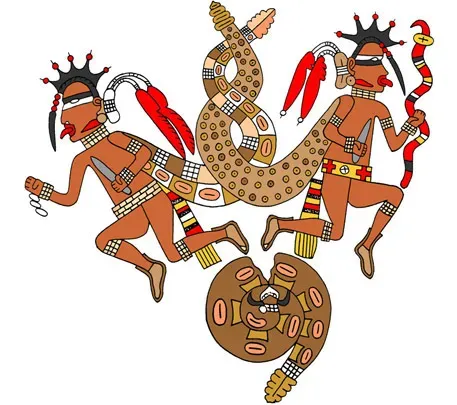
The societies that built these monuments weren’t simple tribal groups. Mississippian societies were organized into centralized chiefdoms, often dominated by elite classes led by hereditary rulers known as Great Suns, who held significant political and religious power. Archaeological evidence reveals intricate burial practices that illuminate their worldview.
Mound 72 at Cahokia shows the importance of religion and power, where people were buried in special ways because of their religious beliefs and some people were more powerful than others, having fancier grave goods and the power of life and death over commoners. The adoption of the paraphernalia of the Southeastern Ceremonial Complex (SECC) spread throughout the region, with SECC items found in Mississippian-culture sites from Wisconsin to the Gulf Coast, and from Florida to Arkansas and Oklahoma, frequently tied into ritual game-playing, as with chunkey. These shared religious and ceremonial practices created cultural connections across vast geographic areas, demonstrating a level of interaction and cultural exchange that rivals any civilization of the period.
Why These Civilizations Collapsed Remains a Mystery
What happened to these great cities? A gradual decline in the Cahokian population is thought to have begun sometime after 1200 AD and two centuries later, the entire site had been abandoned, with theories including climate changes, war, disease, and drought. Climate change in the form of back-to-back floods and droughts played a key role in the 13th century exodus of Cahokia’s Mississippian inhabitants.
For the cliff dwellings of Mesa Verde, The migration from this area was likely due to either drought, lack of resources, violence or some combination of these, with droughts occurring from 1276 to 1299, likely causing a shortage of food and possibly resulting in confrontations as resources became more scarce. Archaeologists continue to be puzzled by the fact that there are no legends, records, nor mention of the once grand city in the lore of other local tribes, including the Osage, Omaha, Ponca, and Quapaw, and this strange silence has led some experts to theorize that something particularly dreadful happened at the site. The silence itself speaks volumes about traumas that may have been too painful to remember or pass down through oral traditions.
The evidence is overwhelming and continuously growing. Long before Columbus stumbled upon Caribbean islands, sophisticated civilizations were building cities, developing complex trade networks, creating monumental architecture, and organizing societies that rivaled anything in Europe at the time. These weren’t primitive peoples awaiting civilization – they were architects, astronomers, farmers, artists, and builders who shaped the landscape and created cultures of remarkable depth and complexity. Their legacy remains in the earthen mounds that still dot the American landscape, in the cliff dwellings that shelter in southwestern canyons, and in the genetic and cultural heritage of modern Native American nations. The story of ancient America is not one of an empty wilderness, but of thriving human achievement that deserves recognition and respect. What other misconceptions about American history are waiting to be corrected?