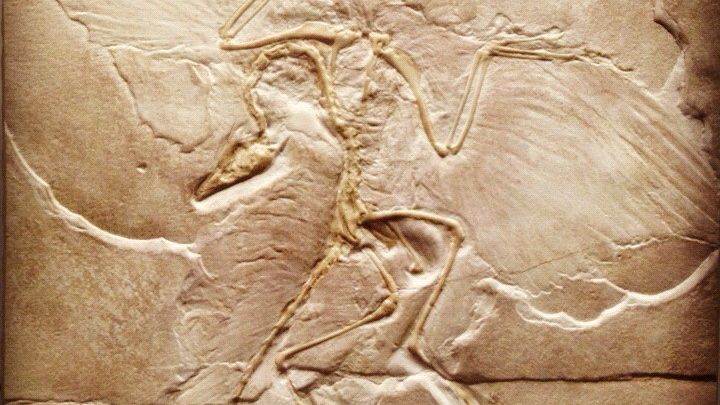
For most of human history, you could only piece together where our ancestors traveled by the objects they left behind. Pottery shards, stone tools, burial mounds, the occasional fossilized bone. Those were the clues. They told part of the story, but not all of it, and certainly not the messy, complicated parts.
Fueled by advances in analyzing DNA from the bones of ancient humans, scientists have dramatically expanded the number of samples studied, revealing vast and surprising migrations and genetic mixing of populations in our prehistoric past. What researchers are finding doesn’t just fill in the gaps. In many cases, it completely rewrites what you thought you knew.
The Science Behind Reading Ancient Bones
When living things die, their DNA doesn’t disappear immediately – it slowly degrades over time. This means the DNA of long-dead people can still be found in fossils and skeletons, broken down into small pieces that are actually well-suited to modern sequencing technologies. The field has moved faster than almost anyone anticipated.
A major advance in migration studies occurred with the maturation of methods for recovering and reassembling fragments of ancient human DNA, using procedures that could sample whole genomes from many individuals relatively cheaply. This made it possible to compare whole genomes from hundreds, eventually thousands, of ancient individuals. Migration streams could now be identified with a high level of confidence, the degree of admixture with the resident population quantified, and details such as the biological sex composition of the migrants and changes in the migrating population over time could be clarified.
You Are Not Purely Homo Sapiens
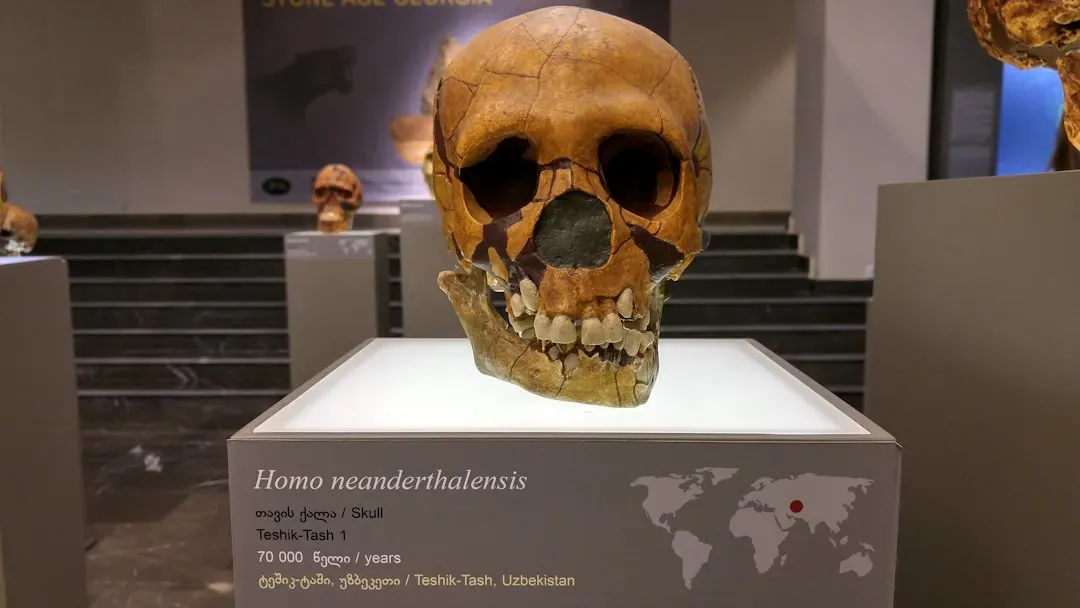
One of the most startling things ancient DNA has confirmed is that your family tree isn’t simply human. It has been revealed via genomic sequencing that all modern human populations outside of Africa today carry approximately one to four percent Neanderthal DNA, which is a result of genetic admixture that occurred after modern humans migrated out of Africa. That’s not a rounding error. That’s a genuine inheritance.
In 2010, scientists released the first draft of the Neanderthal genome. Comparing it with modern human DNA confirmed that Neanderthals and humans had interbred. Only months later, genetic analysis of a finger bone found in Denisova Cave in the Altai Mountains of Siberia revealed it came from a previously unknown hominin group. This group, now known as the Denisovans, also interbred with modern humans. Comparison of the Denisovan genome to various modern human populations shows up to four to six percent contribution from Denisovans in non-African modern human populations, with this concentration being highest in people from Papua New Guinea and Oceania.
The First Australians Arrived Far Earlier Than Assumed
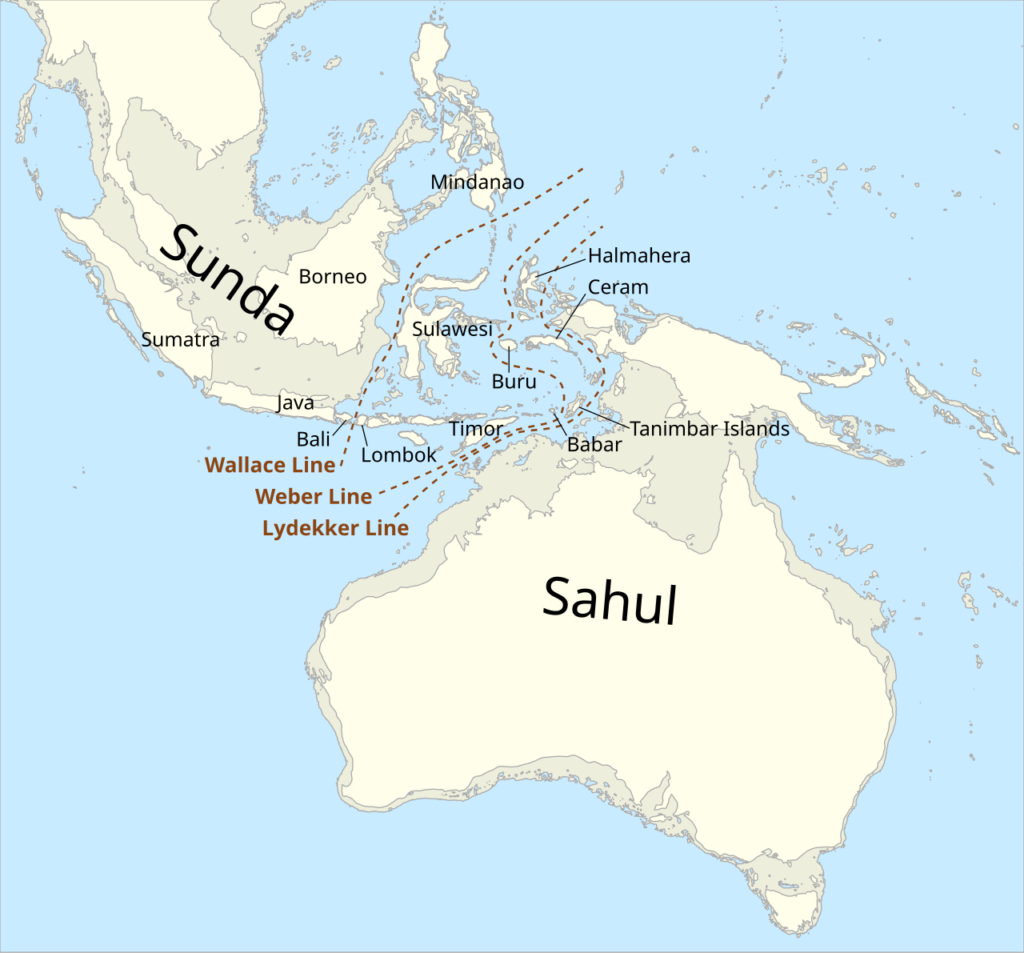
Scientists have uncovered compelling evidence that humans reached New Guinea and Australia around 60,000 years ago, earlier than some recent theories suggested. During the last Ice Age, global sea levels were much lower than they are today. At that time, New Guinea and Australia were joined as a single landmass called Sahul, and scientists have long debated when people first arrived on this ancient continent and which routes they used to get there.
By tracing maternal DNA lineages, the research team discovered that these early travelers likely used at least two different migration routes through Southeast Asia, pointing to sophisticated navigation and seafaring skills far earlier than once believed. In recent years, some genetic studies had begun to favor a more recent arrival, but this new analysis provides strong support for an earlier timeline. The skills required to cross open ocean that long ago remain remarkable by any measure.
The Steppe Peoples Who Transformed Europe
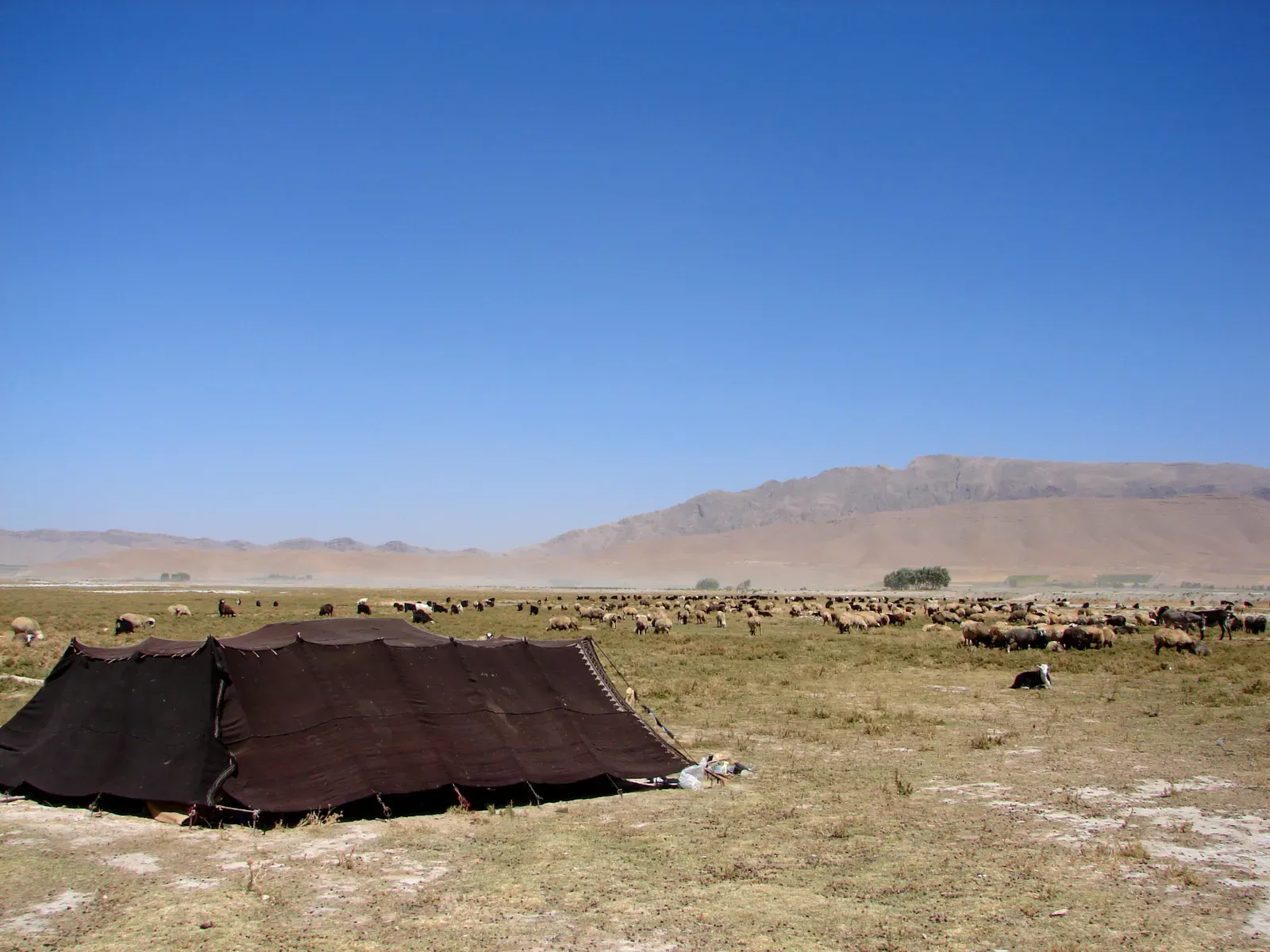
The Yamnaya were an early Bronze Age culture that came from the grasslands, or steppes, of modern-day Russia and Ukraine, bringing with them metallurgy and animal herding skills and, possibly, Proto-Indo-European, the mysterious ancestral tongue from which all of today’s roughly 400 Indo-European languages spring. What ancient DNA reveals about their expansion is staggering.
They immediately interbred with local Europeans, who were descendants of both farmers and hunter-gatherers. Within a few hundred years, the Yamnaya contributed to at least half of central Europeans’ genetic ancestry. The genetic turnover is most substantial in Britain, where around 90 percent of the gene pool was replaced within a few hundred years. The assumption that present-day people are directly descended from the people who always lived in that same area is, according to ancient DNA research, wrong almost everywhere.
South America Held Unexpected Migration Secrets
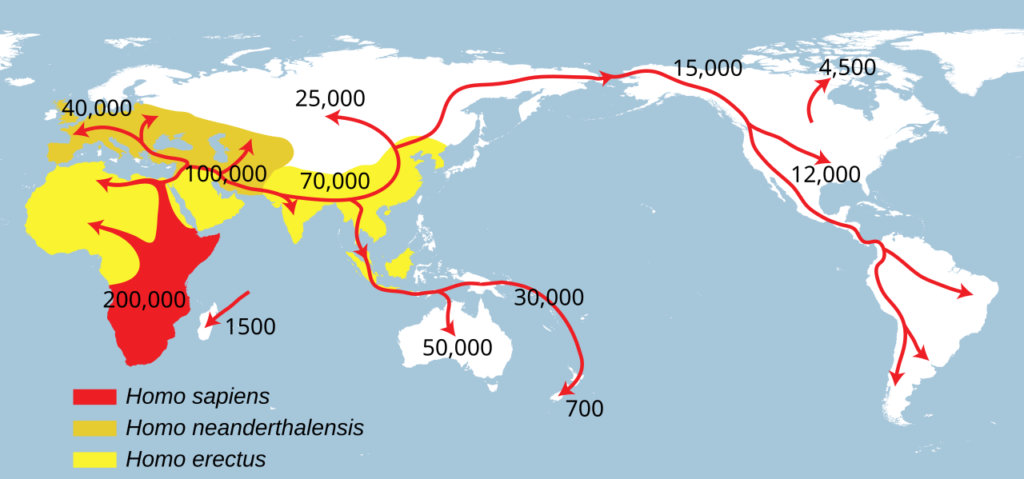
Using DNA from ancient human individuals unearthed in two different archaeological sites in northeast Brazil and powerful genomic analyses, researchers have unraveled the deep demographic history of South America, not only providing genetic evidence supporting existing data of north-to-south migration, but also discovering migrations in the opposite direction along the Atlantic coast for the first time. Nobody had seen that coming.
Results suggest that human movements closer to the Atlantic coast eventually linked ancient Uruguay and Panama in a south-to-north migration route roughly 5,277 kilometers apart. This novel migration pattern is estimated to have occurred approximately 1,000 years ago. Researchers also found strong Australasian genetic signals in an ancient genome from Panama. There is an entire Pacific Ocean between Australasia and the Americas, and scientists still don’t fully know how these ancestral genomic signals appeared in Central and South America without leaving traces in North America.
The Spread of Farming Was More Than Just an Idea
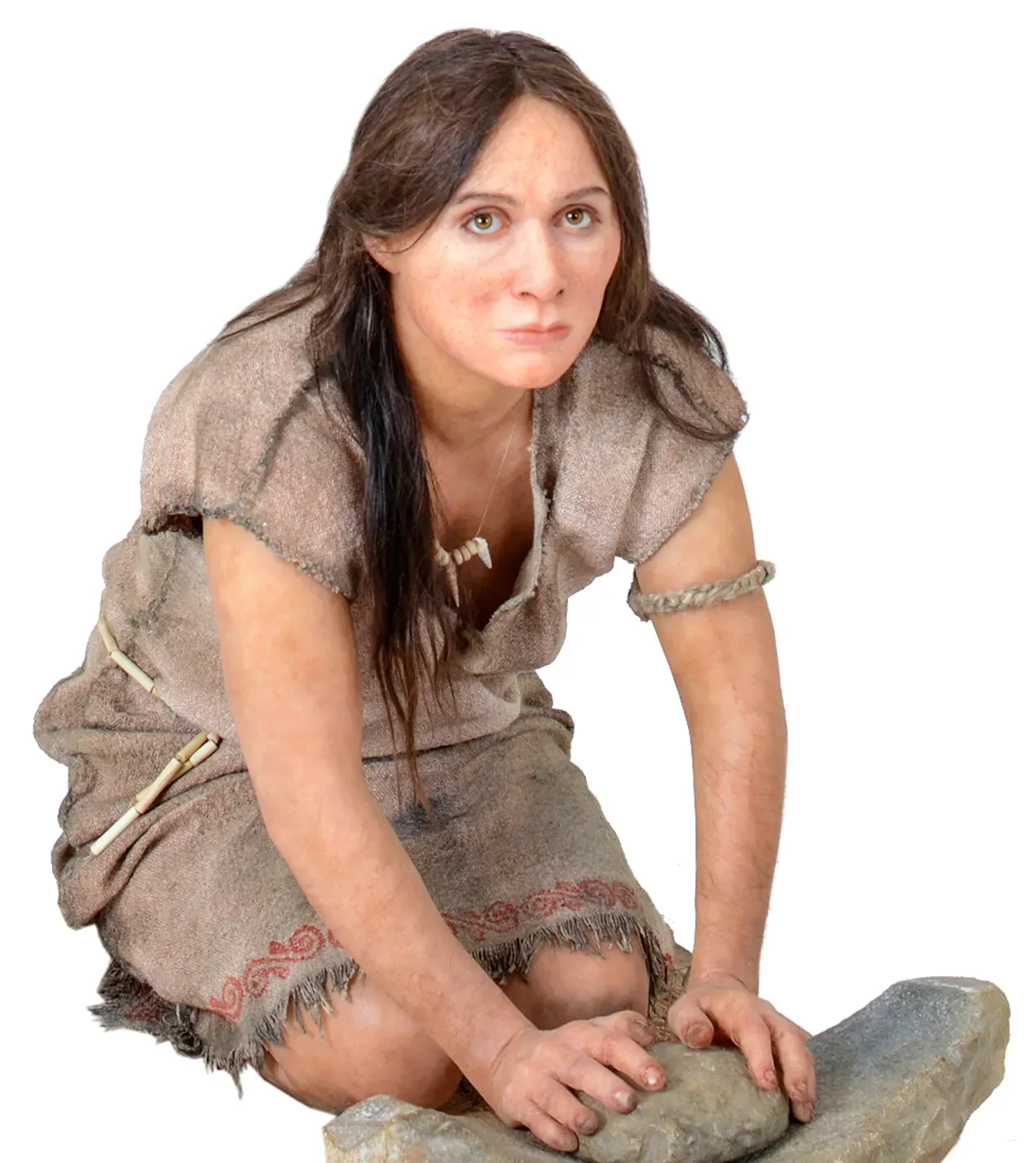
You now know that in Europe, the farming revolution some 8,000 years ago was accompanied by the actual movement of people and was not just the spread of a clever idea. For decades, archaeologists debated whether agriculture spread through cultural diffusion or through migration. Ancient DNA settled it.
Ancient DNA from Aegean Neolithic farmers and various European farming communities revealed that Aegean Neolithic individuals shared more genetic drift with Spanish farmers than with Central European farmers, supporting the hypothesis of independent migration routes from the Aegean to Southwestern and Central Europe. The study effectively ended the hypothesis that agriculture spread into and across Europe solely through ideological diffusion and without significant human movement. You now know that in Europe, the farming revolution some 8,000 years ago was accompanied by the movement of people. There was a subsequent mass migration of people into central Europe from the Russian Steppe, which potentially brought Indo-European languages into the continent.
Conclusion: Your Ancestry Is More Complicated Than a Map
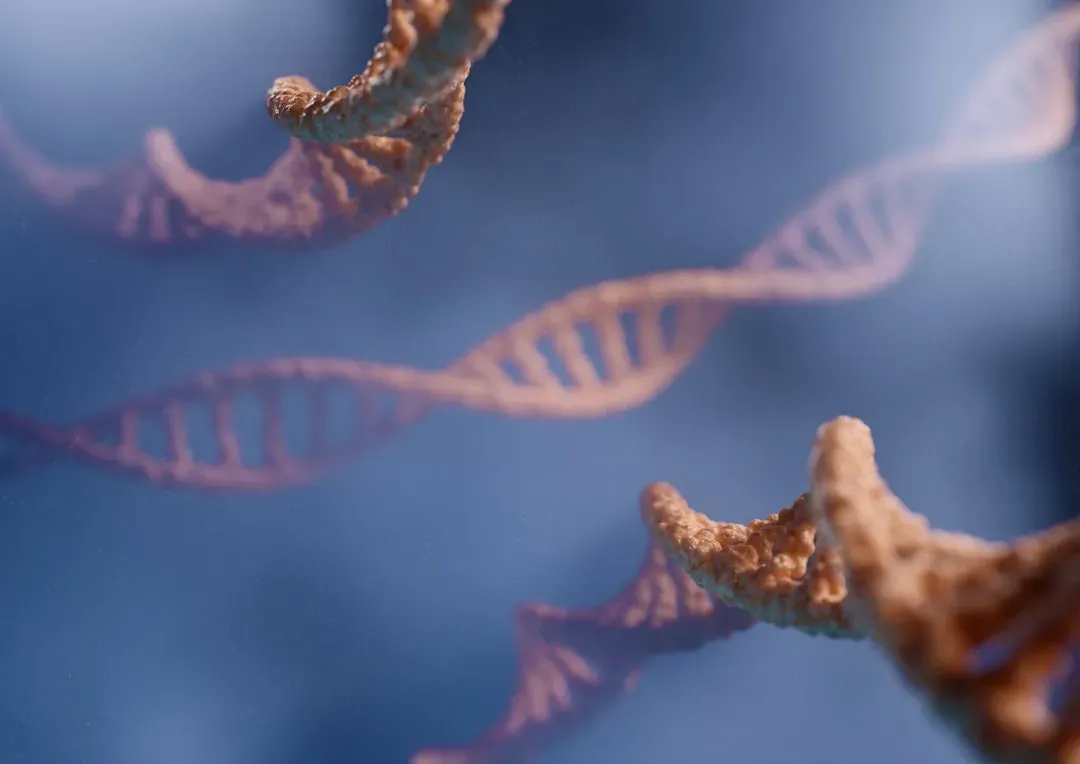
What ancient DNA keeps telling you, consistently and across every continent, is that human migration was never a straight line. People moved, mixed, reversed course, and interbred with groups their descendants would barely recognize. The big-picture message emerging from ancient DNA research is that our prehistoric ancestors were not nearly as homebound as once thought.
Researchers now highlight the importance of integrating genetic, archaeological, and historical data to achieve a more interdisciplinary and nuanced reconstruction of human history. The genome of every living person holds echoes of crossings, encounters, and journeys that no written record ever captured. Ancient DNA isn’t just rewriting textbooks. It’s showing you that the story of who you are was always far more tangled, resilient, and human than anyone imagined.