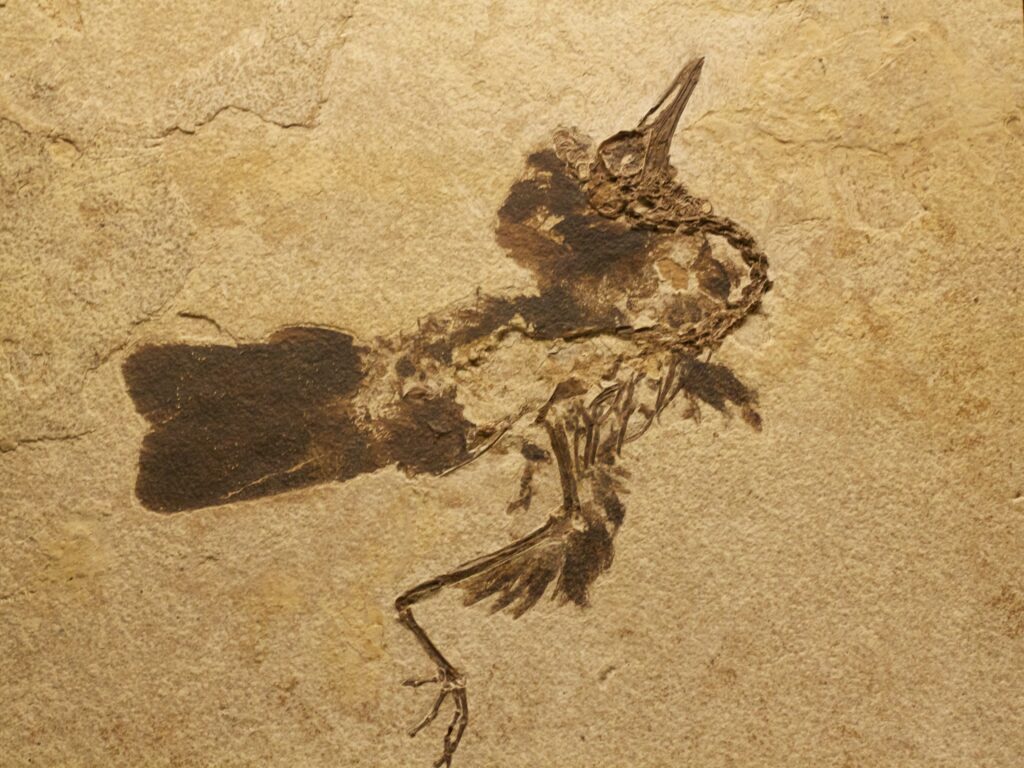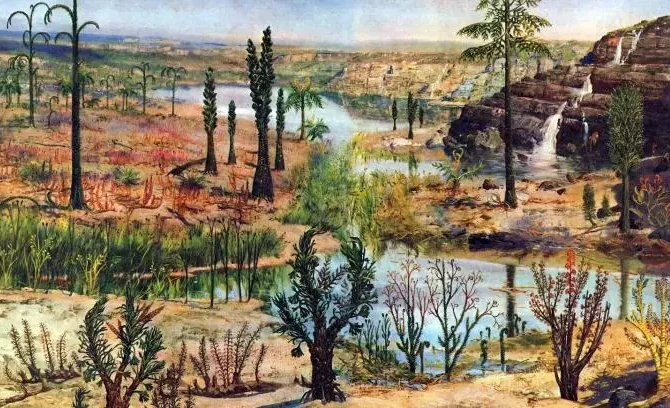
Close your eyes for a second and picture a living creature with wings wider than a city bus, soaring silently over a prehistoric landscape populated by Tyrannosaurus rex and Triceratops. Now open them, because that creature was real. It was not science fiction. It was not mythology. It was a pterosaur, and it ruled the skies of our planet for an almost incomprehensible stretch of time.
Most people picture small, leathery, bat-like things when they hear “flying reptile.” The reality is so much more dramatic, and honestly, a little terrifying. These animals were not simply the prehistoric equivalent of a large eagle or condor. Some of them were, in the truest sense, the size of small aircraft. What you are about to discover about these creatures will permanently change how you think about the history of life on Earth. Let’s dive in.
The Rulers of the Mesozoic Sky: What Pterosaurs Actually Were
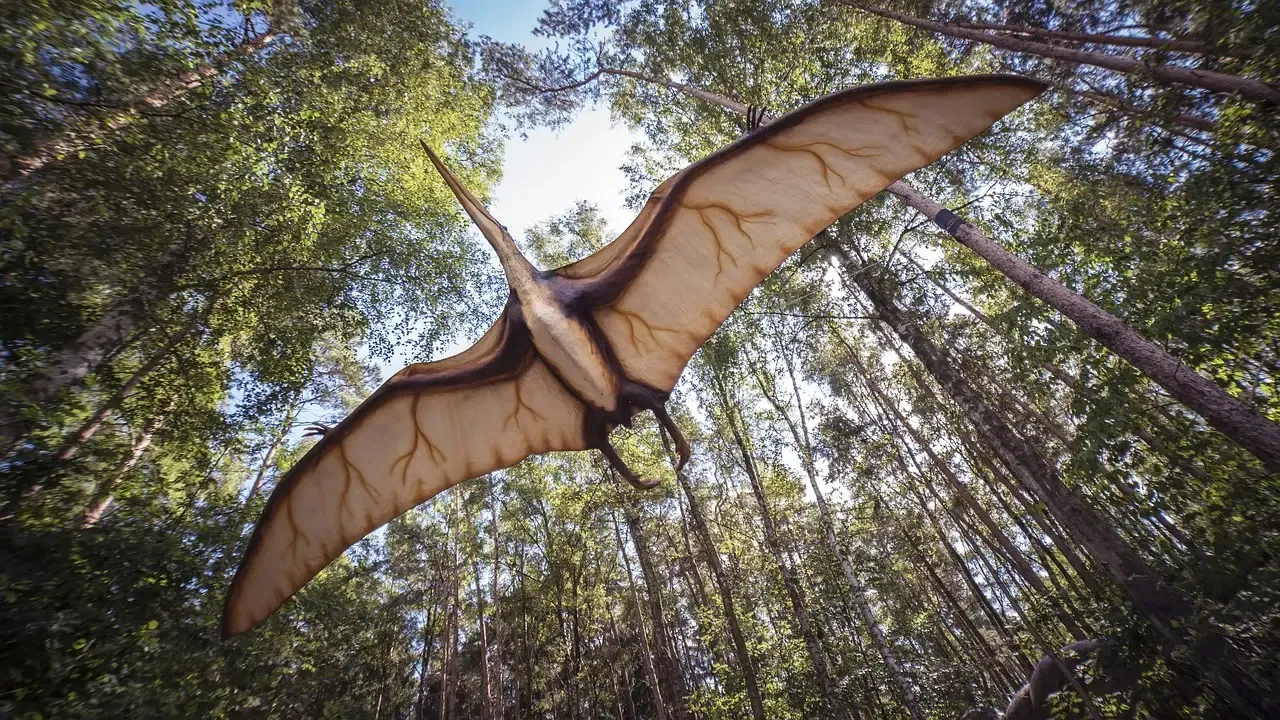
Let’s be real for a moment: the word “pterosaur” gets thrown around a lot, but very few people actually know what it means. The largest flying animals to ever exist were pterosaurs, but pterosaurs were not dinosaurs. They were flying reptiles that shared a common ancestor with dinosaurs. That distinction matters more than you might think.
Both pterosaurs and dinosaurs belonged to the archosaur clade, which also includes crocodiles and birds. These massive, winged reptiles evolved and lived during the Mesozoic Era, roughly 252 to 66 million years ago, alongside dinosaurs. So the next time someone calls them “flying dinosaurs,” you can politely correct them.
Pterosaurs are the earliest vertebrates known to have evolved powered flight. Think about that for a moment. Long before birds, long before bats, these reptiles cracked the code of sustained, powered flight. They first appeared during the Triassic period, 215 million years ago, and thrived for 150 million years before going extinct at the end of the Cretaceous period. Their endurance record is almost inconceivable compared with the span of humans, whose ancestors started walking upright less than four million years ago.
Just How Big Were They? The Numbers Will Stun You
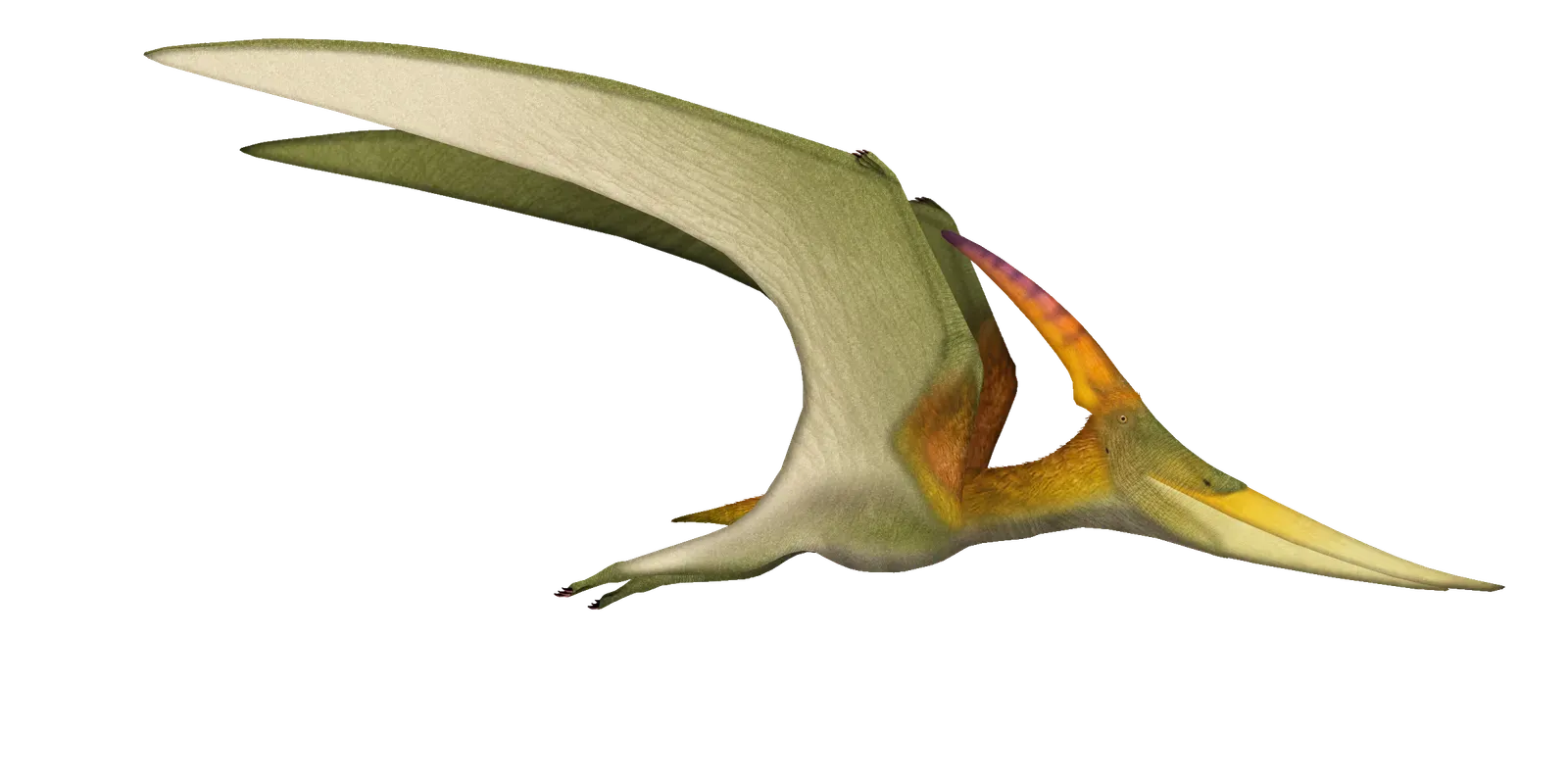
Uncontested in the air, pterosaurs colonized all continents and evolved a vast array of shapes and sizes. Of more than 120 named species, the smallest pterosaur measured no bigger than a sparrow; the largest reached a wingspan of nearly 40 feet, wider than an F-16 fighter. That sentence deserves a moment to sink in.
Pterosaurs were highly diverse in size, and some were the largest flying organisms in Earth’s history. Early pterosaurs of the Triassic and Jurassic periods were typically small animals with wingspans only up to about 6 feet, while most Cretaceous pterosaurs were larger. Over millions of years, they just kept growing. The largest pterosaurs were members of Azhdarchidae, such as Hatzegopteryx and Quetzalcoatlus, which could attain estimated wingspans of up to about 36 feet and weights of roughly 150 to 250 kilograms.
Quetzalcoatlus: The Undisputed King of the Ancient Sky
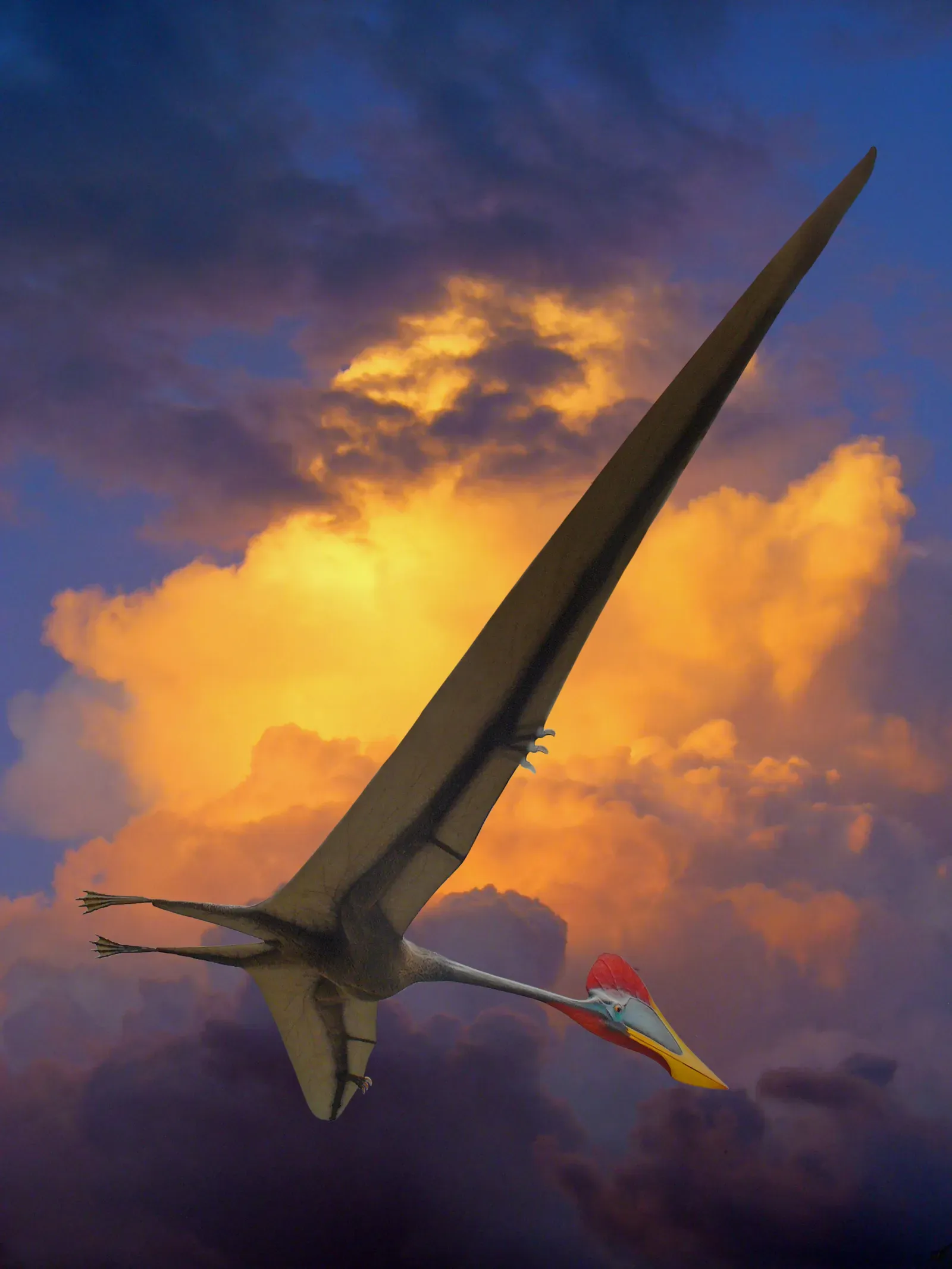
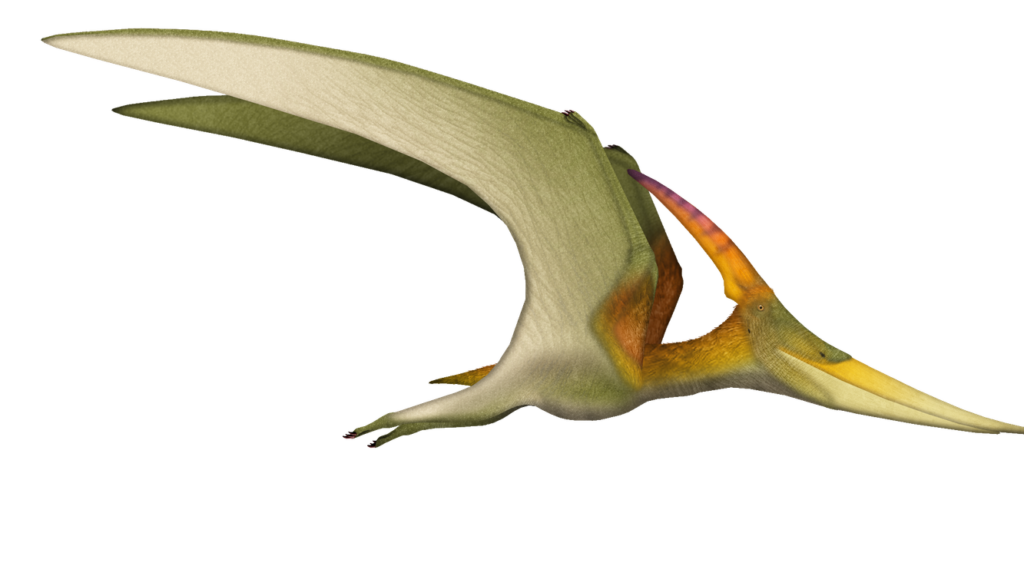
Honestly, no discussion of giant flying reptiles is complete without spending serious time on Quetzalcoatlus northropi. This animal is in a class of its own. One member of the genus Quetzalcoatlus, Q. northropi, is widely believed to have been the largest flying creature that ever lived. Paleontologists contend that members of the species stood about 5 meters tall and had a wingspan of up to 11 meters.
With the wingspan of a small aeroplane, Quetzalcoatlus northropi was a pterosaur living in the wetlands of what is now Texas, USA, over 67 million years ago. Its very name carries weight. Lawson named the genus after the Aztec feathered serpent god Quetzalcōātl, while the specific name honors John Knudsen Northrop, the founder of Northrop Corporation, who drove the development of large tailless aircraft designs resembling Quetzalcoatlus. Even its discoverer saw the connection to aircraft engineering.
Estimates suggest that Q. northropi might have flown at speeds of up to 130 km per hour and covered as much as 640 km in a single day. To put that in perspective, that is roughly the distance between New York City and Boston, covered in the air in one day. The wingspan of the largest living bird today, the wandering albatross, measures only about 11 feet. Quetzalcoatlus dwarfed it by more than three times.
The Engineering Marvel Hidden Inside Their Bodies
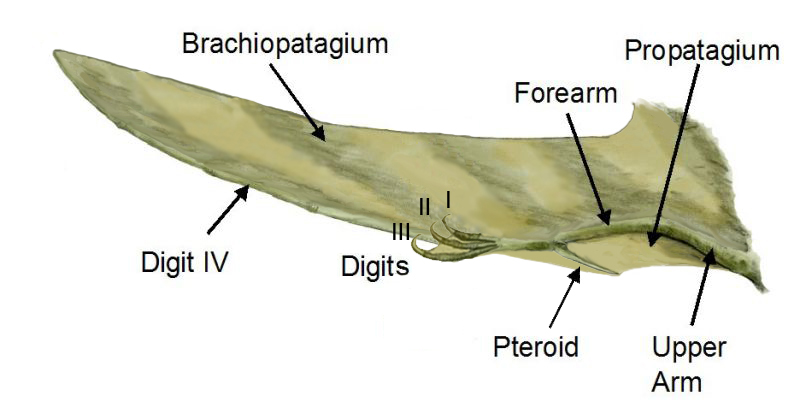
Here is the thing that blows most people’s minds: how could something this massive actually get off the ground? The answer lies in some truly spectacular biological engineering. The anatomy of pterosaurs was highly modified from their reptilian ancestors by the adaptation to flight. Pterosaur bones were hollow and air-filled, like those of birds. This provided a higher muscle attachment surface for a given skeletal weight. The bone walls were often paper-thin.
While historically thought of as simple leathery structures composed of skin, research has shown that the wing membranes of pterosaurs were highly complex dynamic structures suited to an active style of flight. The outer wings were strengthened by closely spaced fibers called actinofibrils. These actinofibrils consisted of three distinct layers in the wing, forming a crisscross pattern when superimposed on one another. Think of it less like an umbrella and more like a high-performance aircraft wing, layered, tensioned, and incredibly responsive. The wing membranes also contained a thin layer of muscle, fibrous tissue, and a unique, complex circulatory system of looping blood vessels. The combination of actinofibrils and muscle layers may have allowed the animal to adjust the wing slackness and camber.
How They Launched, Flew, and Landed
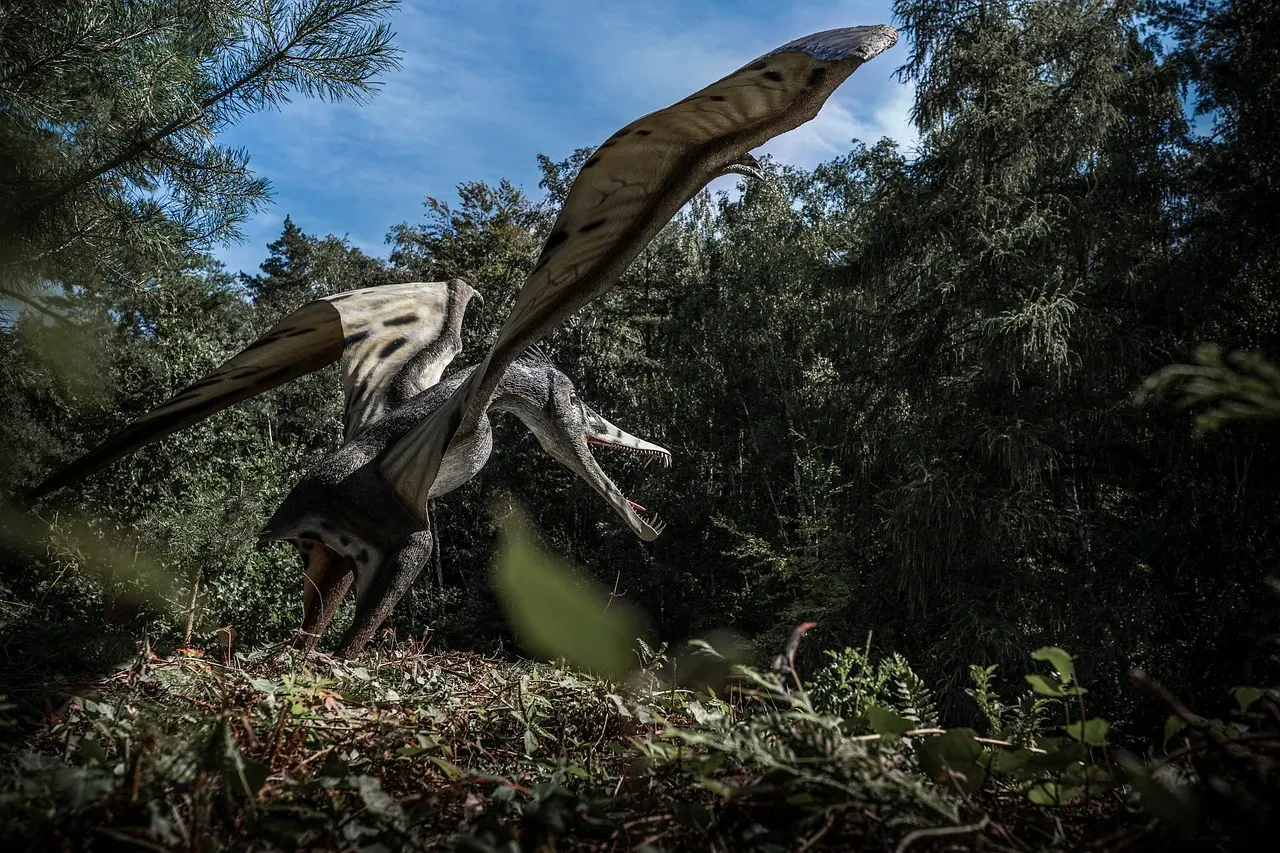
Getting something the size of a small airplane airborne is no small feat. Scientists debated for years whether the largest pterosaurs could even fly at all. Researchers found that Quetzalcoatlus’s 11-metre-long wings meant it would have had to jump up to 2.5 metres into the air, followed by powerful flaps to pull it into the sky.
Mark Witton of the University of Portsmouth and Mike Habib of Johns Hopkins University suggested that pterosaurs used a vaulting mechanism to obtain flight. The tremendous power of their winged forelimbs would enable them to take off with ease. Once aloft, pterosaurs could reach speeds of up to 120 km/h and travel thousands of kilometres. Once in the air, the experience must have been breathtaking. Computer modeling led researchers to conclude that Q. northropi was capable of flight up to 130 km/h for 7 to 10 days at altitudes of up to 4,600 meters. Habib further suggested a maximum flight range of 13,000 to 19,000 km for Q. northropi. That is a trans-continental journey without stopping.
Other Giants Worth Knowing: Hatzegopteryx, Cryodrakon, and the “Dragon of Death”
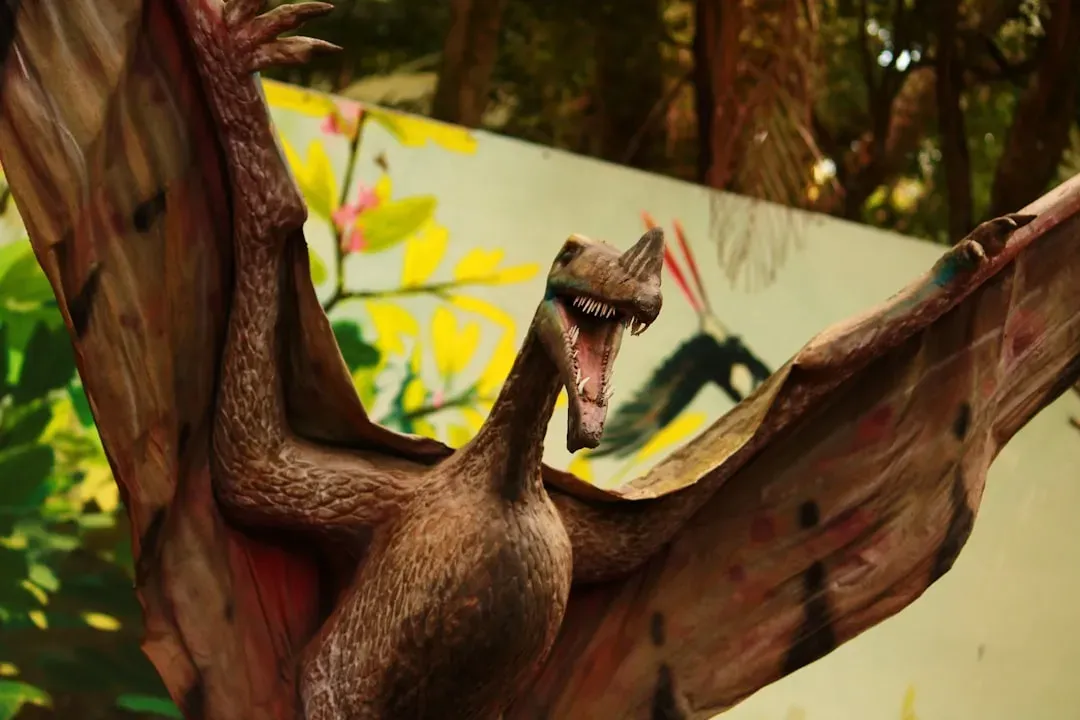
Quetzalcoatlus tends to hog all the attention, but it was not alone in the giant-pterosaur club. I think that is a real shame, because some of its relatives are equally mind-bending. Fossils of Cryodrakon boreas, or “cold dragon,” were found in what is now Alberta, Canada. Previously, the reference fossil was for a young animal with a 16-foot wingspan. However, researchers discovered part of a neck vertebra that was comparable to the larger cervical vertebra of Quetzalcoatlus northropi. So scientists were able to estimate that Cryodrakon likely had a wingspan of up to 33 feet.
Thanatosdrakon, which means “dragon of death,” is estimated to have had a wingspan of up to 30 feet. Researchers unearthed two specimens of different sizes, one with a wingspan of around 23 feet and one around 30 feet. The smaller specimen is thought to have been a juvenile, indicating the larger specimen better represents the size of a mature animal. Thanatosdrakon lived between 89.6 and 86.3 million years ago, in what is now central Argentina. “Dragon of death” is not just a dramatic name for dramatic’s sake. It is genuinely earned. Other giants included Hatzegopteryx, which also reached wingspans of at least nine metres.
The End of the Sky Giants: How They Vanished Forever
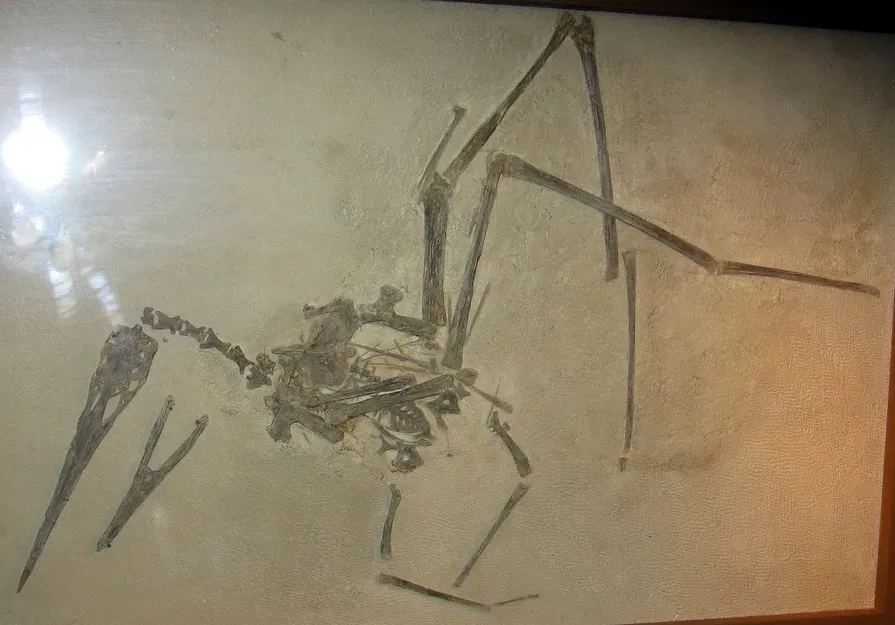
Uploaded by FunkMonk, CC BY-SA 2.0)
For all their majesty, pterosaurs ultimately could not survive one of the most catastrophic events in Earth’s history. The Cretaceous-Palaeogene mass extinction around 66 million years ago was triggered by the Chicxulub asteroid impact on the present-day Yucatán Peninsula. This event caused the highly selective extinction that eliminated about three quarters of species, including all non-avian dinosaurs, pterosaurs, ammonites, and most marine reptiles.
The impact would have produced an enormous dust cloud that rose up into the atmosphere and encircled the planet. The dust cloud greatly reduced the amount of sunlight reaching Earth’s surface and prevented photosynthesis by plants on land and plankton in the oceans. As plants and plankton died, extinctions expanded up the food chain, eliminating herbivores and carnivores. The skies, once dominated by creatures wider than fighter jets, went suddenly, devastatingly silent. To researchers, this indicated that the extinction of pterosaurs was abrupt instead of gradual, caused by the catastrophic Chicxulub impact. Their extinction freed up more niches that were then filled by birds, which led to their evolutionary radiation in the Early Cenozoic.
Conclusion
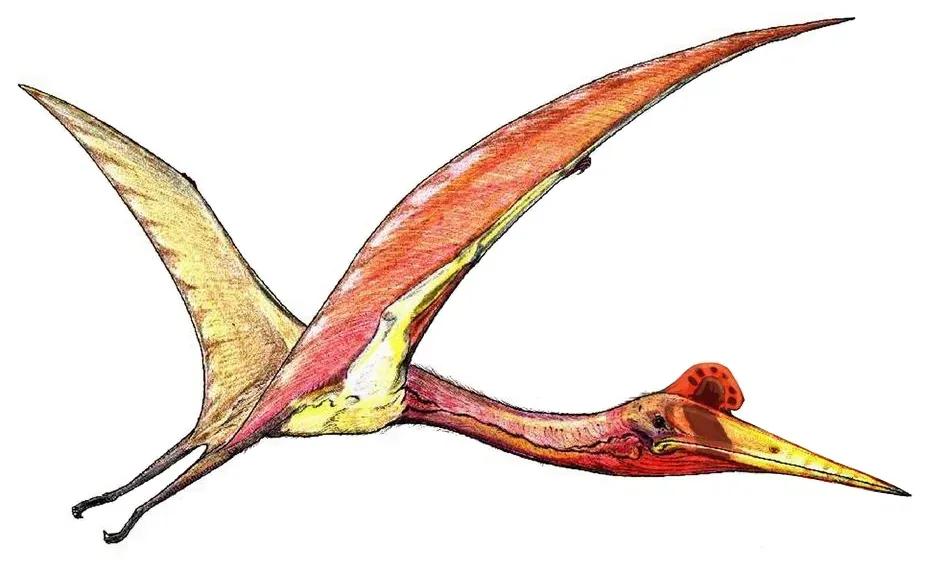
What pterosaurs achieved over their roughly 160 million years on Earth is genuinely staggering. They evolved from small, agile fliers into creatures that dwarfed anything alive in the skies today, pushing the absolute physical limits of what flight can be. They were warm-blooded, fast, far-ranging, and astonishingly sophisticated in their engineering.
Every time you see a pelican glide over the ocean, or an eagle bank lazily on a thermal, you are watching a distant echo of something far grander. The sky was once shared with living aircraft. And in geological terms, they were here just a moment ago.
It is hard to say for sure what it would have felt like to stand in an open field and watch a Quetzalcoatlus pass overhead, its 36-foot shadow briefly swallowing the sunlight. Probably something between awe and pure, primal terror. What do you think – would you have wanted to witness it? Tell us in the comments.