You walk across a Midwestern prairie or hike through Eastern forests, probably without a second thought about what came before. The ground feels solid, permanent, unchanging. Yet the truth is far more interesting. Every hillock you climb, every stream you cross, every patch of soil beneath your feet carries the fingerprint of events that unfolded tens of thousands of years ago.
The landscapes we experience today aren’t just modern creations. They’re echoes of ancient worlds that no longer exist. From the massive ice sheets that reshaped entire regions to the giant animals that once roamed freely, prehistoric forces left their mark in ways that still influence where trees grow, how rivers flow, and even which plants thrive in your backyard. Let’s dig into these hidden connections.
The Megafauna Mystery and Vanishing Giants
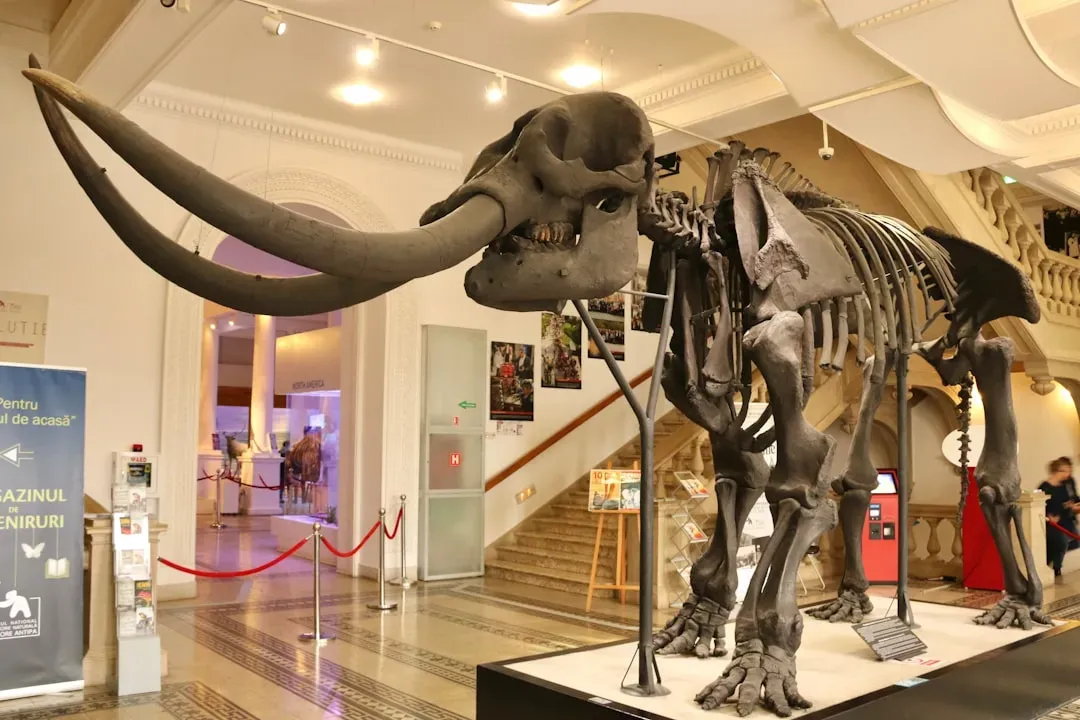
Toward the end of the Pleistocene, North America lost 37 mammalian genera including over 70% of its megafauna, creatures weighing more than roughly a hundred pounds. Mammoths, mastodons, giant ground sloths, and enormous beavers all disappeared within a relatively narrow window of time. What does that have to do with the landscape you see today? More than you’d think.
These giant herbivores were ecosystem engineers. They knocked down trees, trampled vegetation, dispersed seeds across vast distances, and essentially sculpted the environment through their daily activities. Megafauna play a significant role in the lateral transport of mineral nutrients in an ecosystem, tending to translocate them from areas of high to those of lower abundance through their movement between consumption and elimination. When they vanished, those processes stopped almost overnight in geological terms.
Vegetation Shifts After the Giants Departed
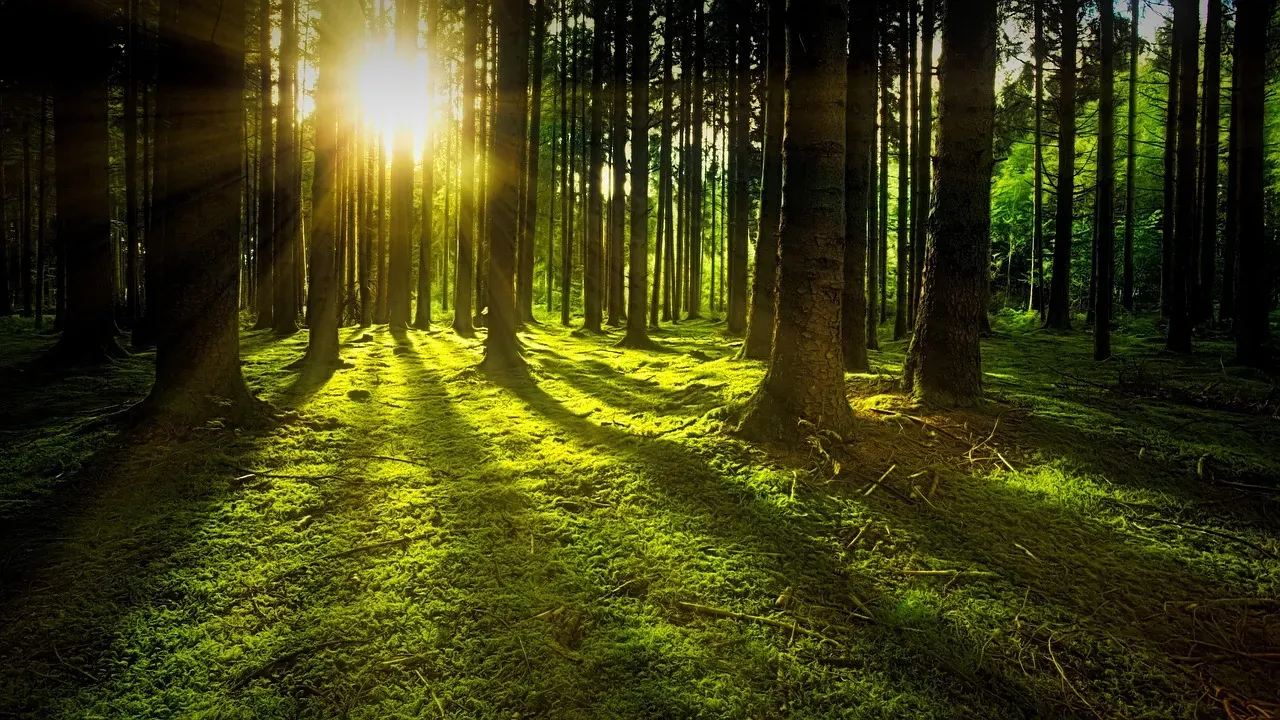
Let’s be real: losing your largest gardeners changes everything. The late-Quaternary impact of losing most megafauna genera in the Americas would trigger vegetation changes noticeable through ecological release from browsing, grazing, and trampling. Without mammoths munching young trees and ground sloths clearing underbrush, forests could grow denser. Grasslands could transition into woodlands.
Interestingly, the effects weren’t uniform everywhere. Research shows that some regions experienced dramatic vegetation transformations while others barely changed. Many Pleistocene environments of North America were composed of complex mosaics of steppe, woodland and closed forest, which in the transition to the Holocene were replaced by large-scale zonal patterns of vegetation. The patchwork disappeared, replaced by broader, more homogeneous zones.
Ice Age Fingerprints on Modern Geography
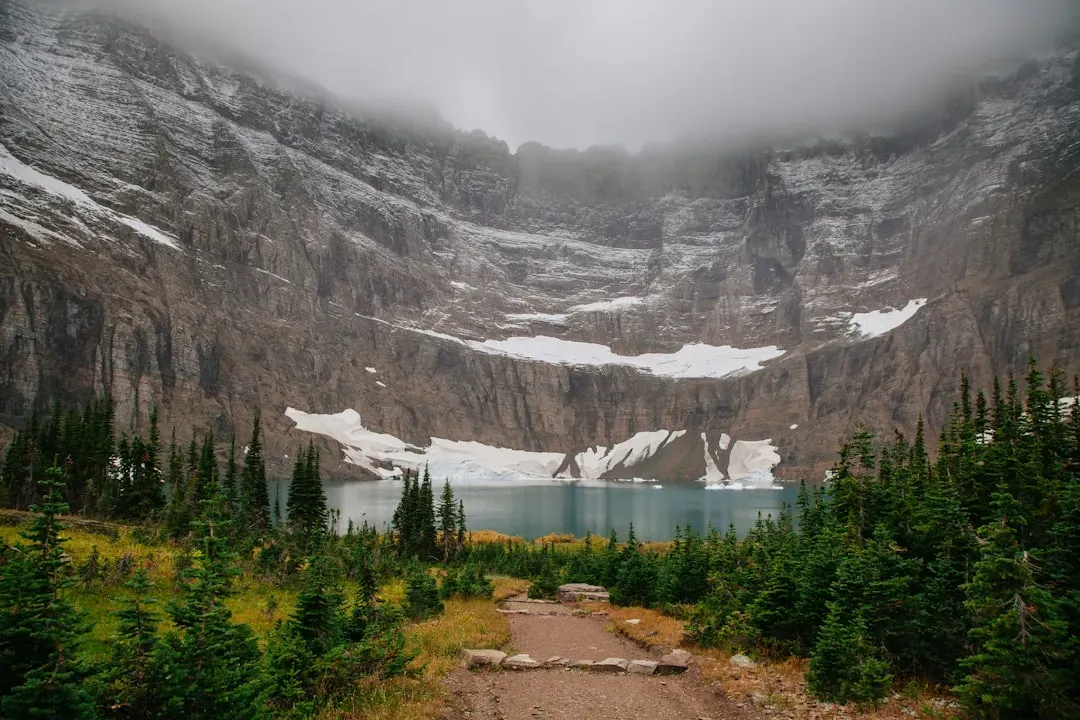
Here’s where things get really fascinating. The Wisconsin glaciation left widespread impacts on the North American landscape, with the Great Lakes and the Finger Lakes carved by ice deepening old valleys, and most lakes in Minnesota and Wisconsin gouged out by glaciers. That vacation spot you love? Probably owes its existence to mile-thick ice that retreated only about eleven thousand years ago.
The influence extends far beyond obvious features like lakes. Cold temperatures in unglaciated North America during the last ice age shaped past and modern landscape as far south as Texas and Arkansas. Even regions never touched by glaciers directly felt the effects through altered drainage patterns, soil formation, and frost weathering that cracked bedrock deep underground. Those ancient fractures still control how water moves through the landscape today.
How Native American Land Management Echoes Through Time
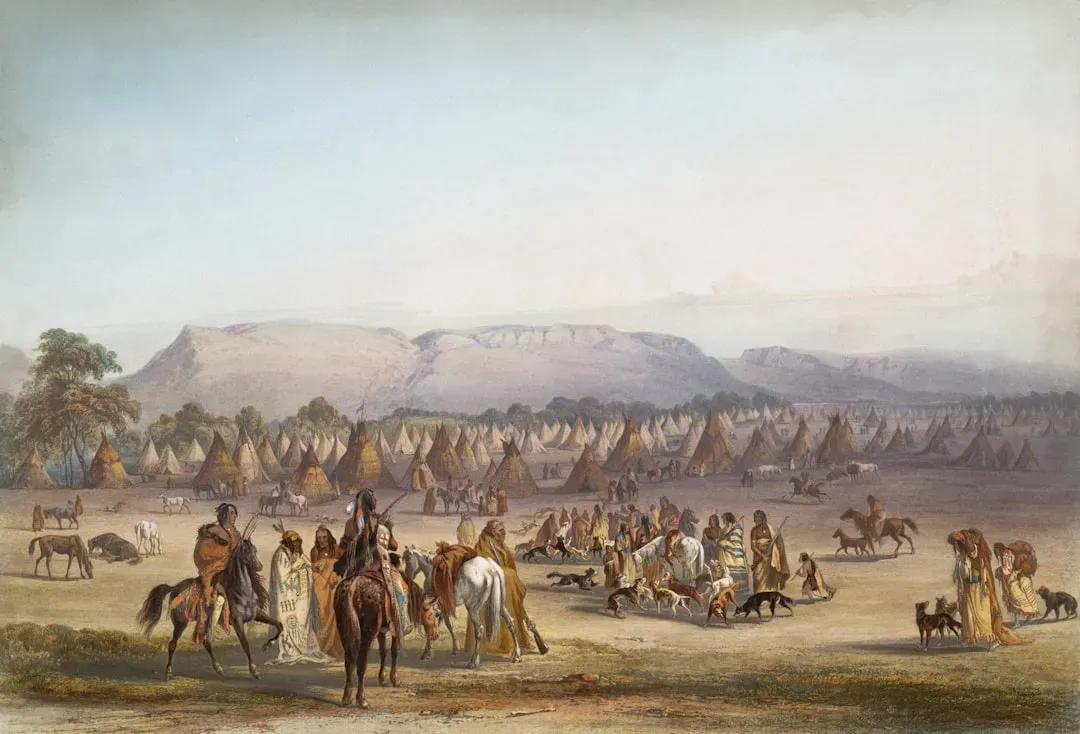
The prehistoric human impact extends well beyond megafauna extinction. Prehistoric people decreased forest cover to reorient their settlements and intensify corn production, contributing to increased sedimentation in valley bottoms about 700 to 1,000 years ago. This happened far earlier than most people realize. Indigenous Americans weren’t passive inhabitants; they actively shaped their environment through controlled burning, agriculture, and settlement patterns.
When European diseases decimated Native populations in the 1500s and 1600s, those management practices halted abruptly. The halt in periodic burning triggered changes to several ecosystems: prairies became woodlands, savannas transformed into forests, and previously open forests of the eastern coast developed dense undergrowth. The “pristine wilderness” that later European settlers encountered was actually regrown forest, the result of over a century without human fire management.
The Soil’s Secret Memory
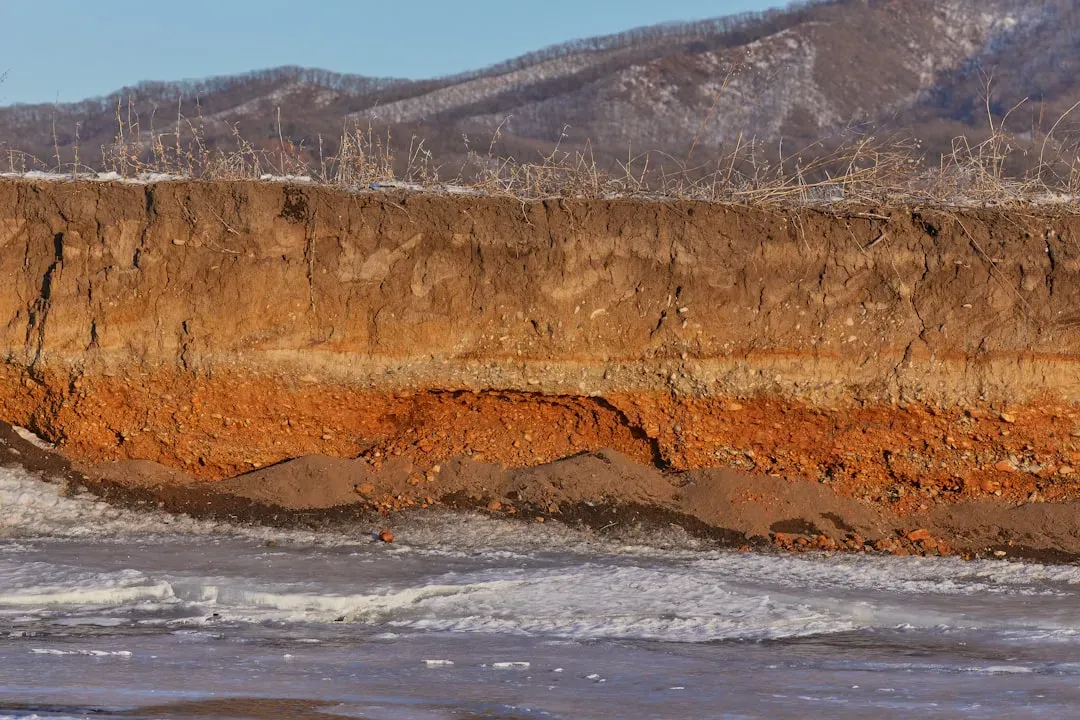
Soil seems inert, just dirt. Yet it remembers. Changes in the elemental composition of soil caused by ancient settlement activities are irreversible on timescales in which human societies operate, with ancient settlements increasing nutrient concentrations to levels matching modern intensive fertilizer application. Walk through certain archaeological sites today and sophisticated instruments can still detect where people lived and farmed thousands of years ago.
The legacy goes deeper. In much of the northern United States, soil formation commenced either shortly after glacial retreat at the end of the last Ice Age or even more recently. This means your garden soil might be geologically young, still developing its character. Farther south, where glaciers never reached, soils have been forming for much longer, creating fundamentally different growing conditions that dictate which forests grow where.
River Systems Carved by Ancient Forces
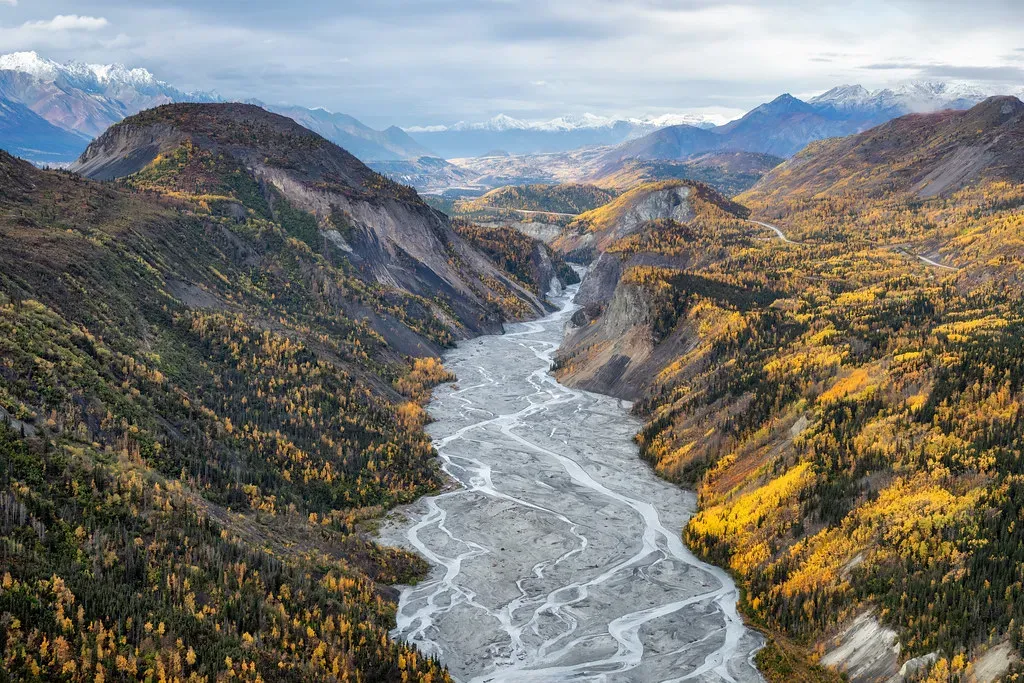
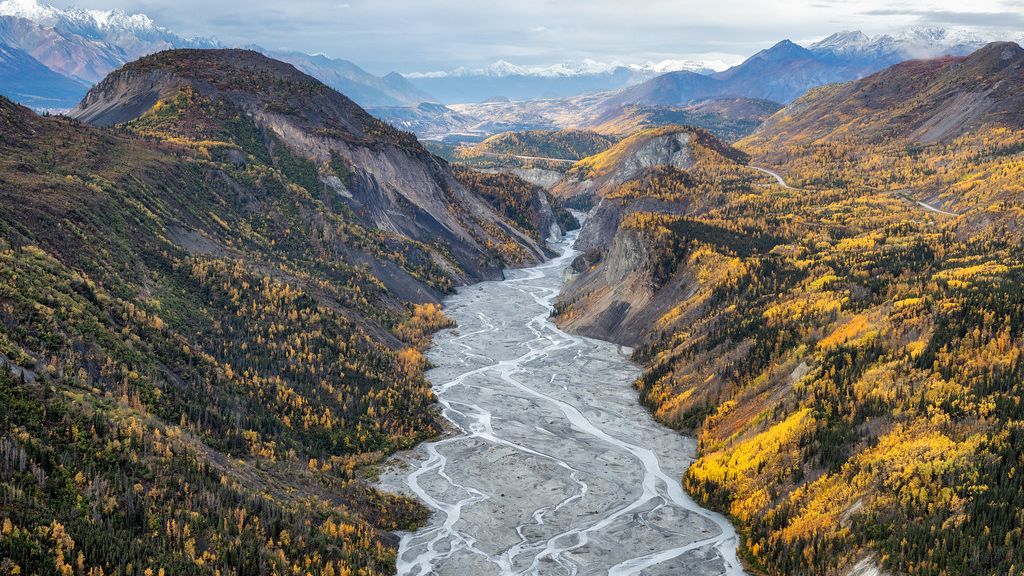
Rivers appear to simply follow the path of least resistance downhill, yet their routes often reflect ancient histories. The ice sheet radically altered the geography of North America north of the Ohio River, with ice covering most of Canada, the Upper Midwest, and New England at the height of the Wisconsin episode. When that ice melted, tremendous volumes of meltwater carved new channels and redirected existing rivers.
The Mississippi River, for instance, carried glacial meltwater and sediment that built its modern delta and floodplain. Quaternary-aged floodplains along the Mississippi and Missouri Rivers were composed of significant glacial sediment, with rock flour from these floodplains blown by wind to cover much of the region in loess layers, providing the foundation for rich soils. That agricultural heartland? Built from ground-up rock carried by ancient ice.
The Forest Composition Puzzle
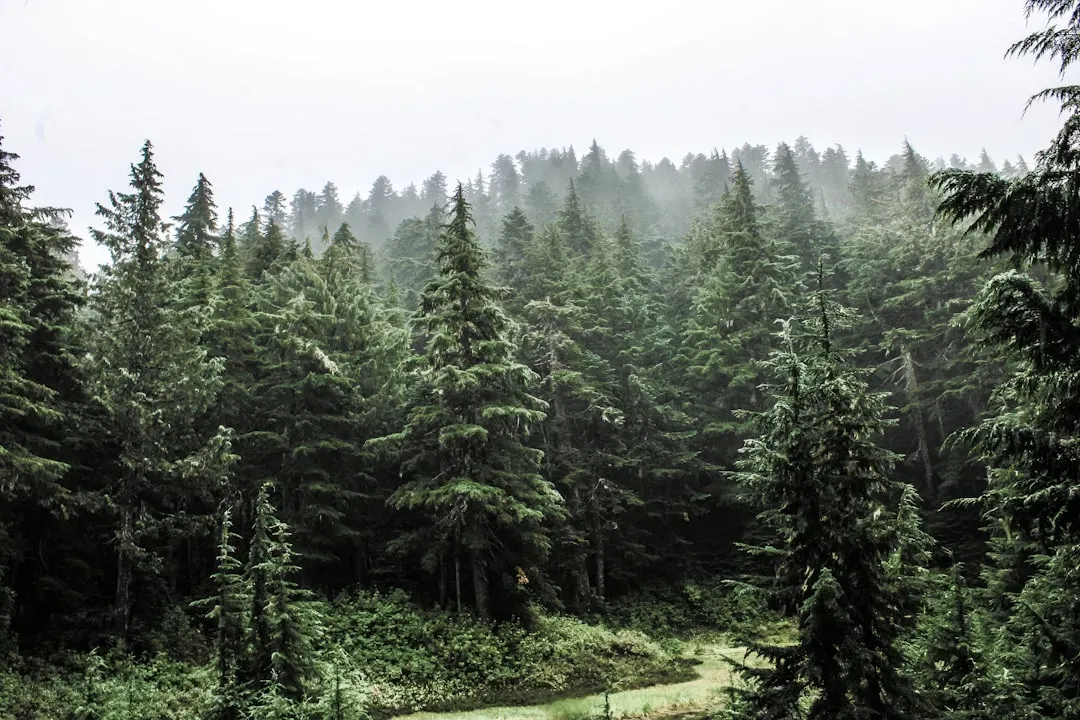
Eastern forests today look nothing like they did before European colonization, but not for reasons you might assume. There has been a broad ecological shift away from late successional taxa, such as beech and hemlock, in favor of early and mid-successional taxa, such as red maple and poplar, with modern forest composition more homogeneous and less coupled to local climatic controls. Red maple, an opportunistic species, has exploded across the landscape.
Why does this matter? These compositional shifts affect everything from wildlife habitat to wildfire risk to carbon storage. The forests that dominate now are fundamentally different ecological systems than what existed prehistorically, even when the same species are technically present. The balance has shifted, creating novel ecosystems without historical precedent. Honestly, it’s hard to say exactly where this will lead.
Walking through American landscapes means walking through time. The gentle roll of that hill reflects ice sheet movements. The mix of trees overhead evolved in response to vanished giants and disrupted fire regimes. The soil composition beneath reflects both glacial grinding and ancient human agriculture. Nothing is as simple as it appears on the surface. These prehistoric echoes don’t just whisper from the past – they actively shape the present, influencing everything from agricultural productivity to flood risk to forest health. Understanding these deep connections helps us appreciate that landscapes aren’t static backdrops but dynamic systems still responding to events from the distant past. What do you think might surprise future generations about how we’re shaping landscapes today?