You’ve probably seen pictures of ancient monuments and wondered how people without cranes or computers managed to build such extraordinary structures. Let’s be real, when you stand in front of something like Stonehenge or the Great Pyramid, it’s hard not to feel a little humbled by what our ancestors accomplished with basically nothing but stone tools and determination.
These weren’t accidents or lucky guesses. Ancient civilizations were highly advanced and capable of spectacular engineering accomplishments, building architectural wonders using construction expertise that has stumped civil engineers and historians until recent years. The structures they left behind tell stories of incredible planning, community cooperation, and knowledge that sometimes rivals what you’d expect from modern engineers. Sure, you might think civilization peaked with smartphones and skyscrapers, but wait until you learn what people were doing over five thousand years ago.
The Temple That Rewrote History
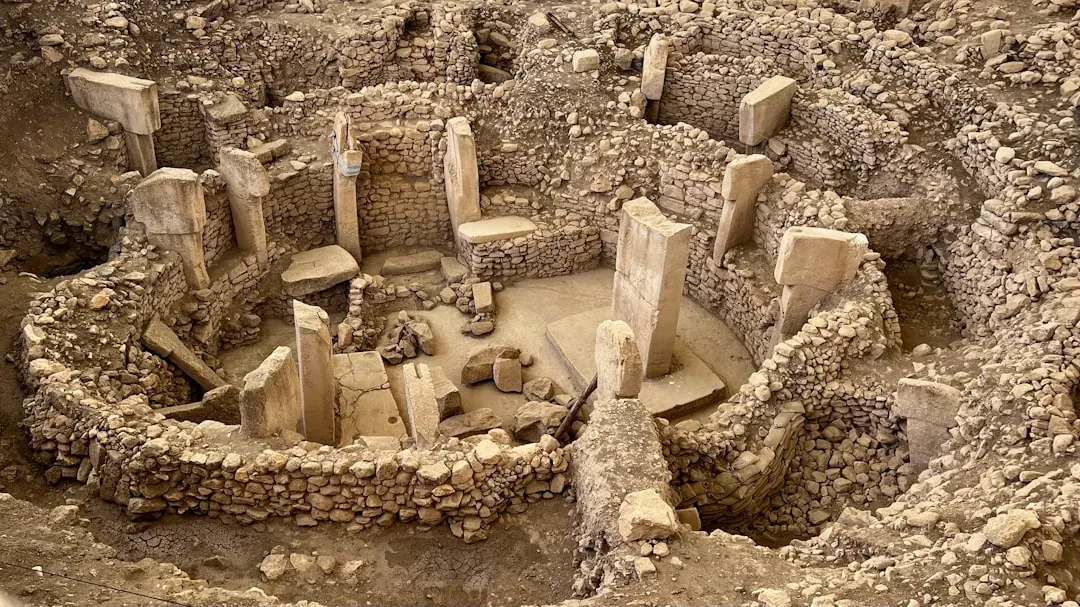
More than 11,000 years ago, hunter-gatherers built a monumental stone complex known as Göbekli Tepe in southeastern Turkey, which is thought to be the world’s first temple and is two times older than Stonehenge. This discovery completely flipped our understanding of early human civilization on its head.
The columns at Göbekli Tepe stand up to 18 feet tall and weigh as much as 50 tons each, completed with only stone hammers and flint blades. Think about that for a second. These weren’t settled farmers with established cities and complex hierarchies. The monuments could not have been built by ragged bands of hunter-gatherers, requiring hundreds of workers to carve, erect and bury rings of seven-ton stone pillars, all needing to be fed and housed. The site challenges everything archaeologists thought they knew about when humans developed organized religion and permanent settlements. It appears ritual and belief came first, not agriculture.
Moving Mountains Without Machines
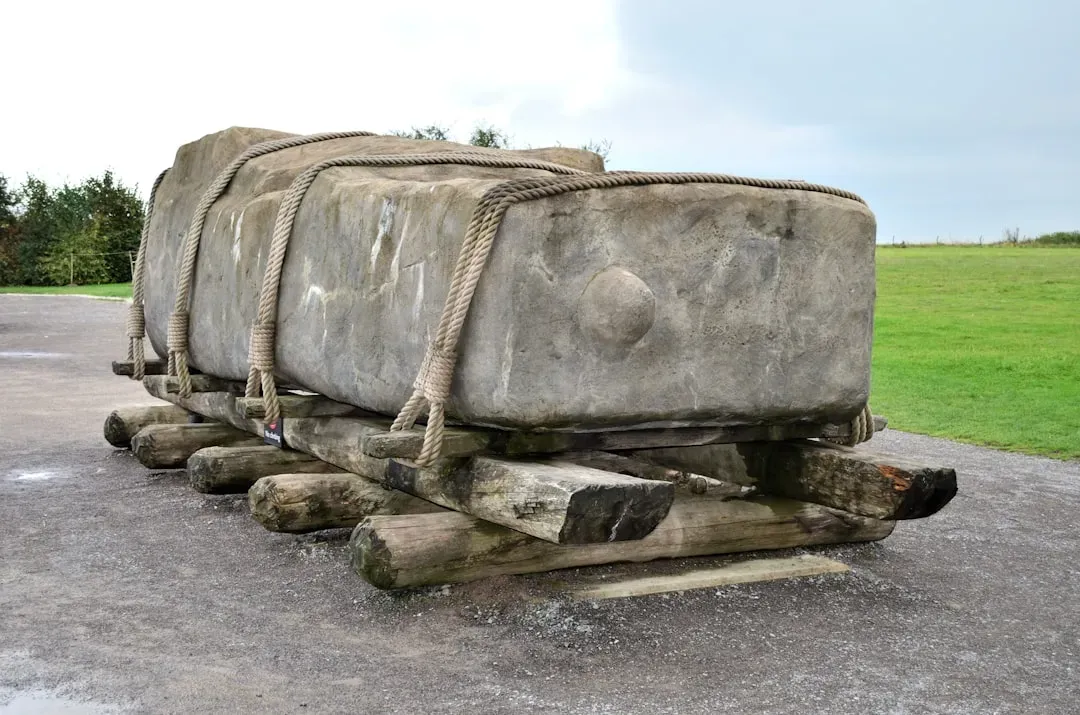
How did prehistoric builders transport massive stones across miles of rough terrain? At Göbekli Tepe, the distances the monoliths had to be hauled to the site are comparatively small, in the worst case about 500m, but the monoliths hewn from the bedrock are large and heavy, with the largest pillar weighing around 50 metric tons.
Researchers discovered the limestone at the site had natural advantages. The limestone surrounding Göbekli Tepe is banked in strata of about 0.60 to 1.50 m thickness divided by fault lines, meaning workers just had to dig around a work piece, not also beneath it, and the material is hard and crystalline with no carstic phenomena, making it first class raw material for sculpting. Experts estimate around 150 people would have been needed to complete the construction, with stones carved lying flat, then raised using levering techniques and transported several meters uphill using rowing-like methods. No pack animals. No wheels. Just human ingenuity and cooperation.
The Precision of Stonehenge
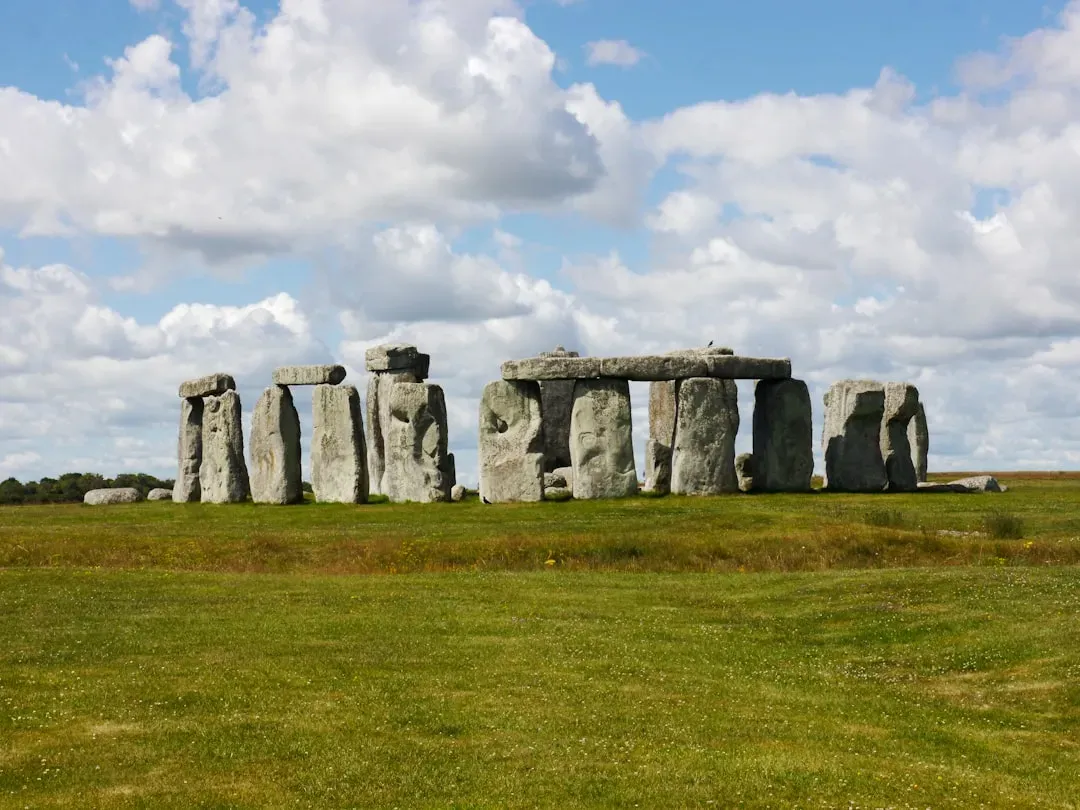
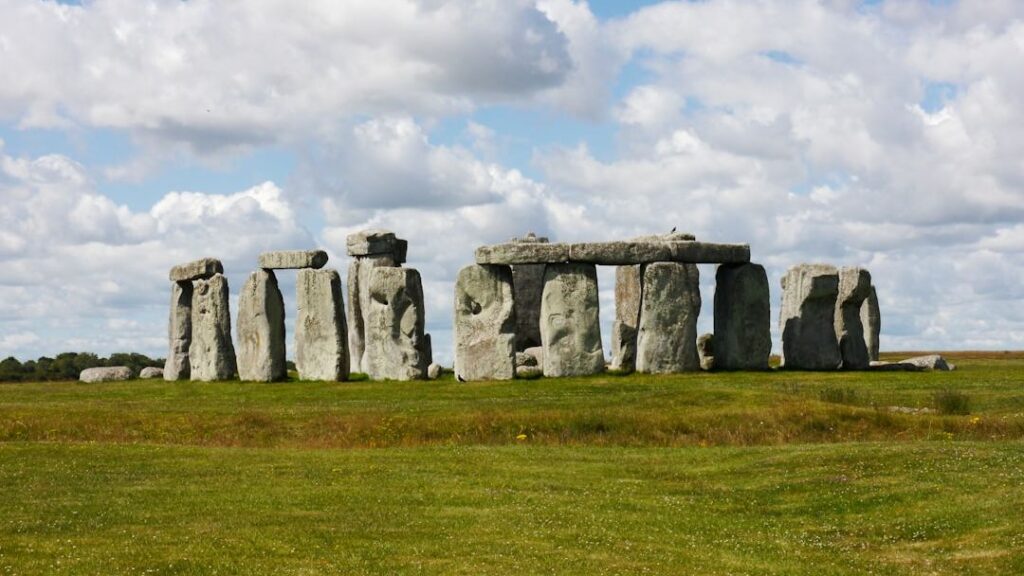
Stonehenge is a masterpiece of engineering, built using only simple tools and technologies before the arrival of metals and the invention of the wheel, requiring hundreds of people to transport, shape and erect the stones. The monument you see today was constructed in multiple phases, with different types of stone brought from astonishing distances.
Recent research using a geochemical approach pinpointed that the sarsen stones most likely came from the area known as West Woods, while the bluestones came from the Preseli Hills in south-west Wales. That’s roughly 150 miles away for the bluestones. An experiment with a sleigh carrying a 40-ton slab of stone was successfully conducted near Stonehenge in 1995, with a team of more than 100 workers managing to push and pull the slab along the 18-mile journey from the Marlborough Downs. The builders used wooden sledges, rollers, and sheer determination to accomplish what seems impossible.
What’s even more remarkable is the engineering precision. The ancient slabs were cleverly interlocked using holes and protruding studs, an innovative construction method much more sophisticated than stone building formats applied in contemporary stone circles that allowed the monument to stand the test of time.
Egyptian Pyramid Mysteries Unraveled
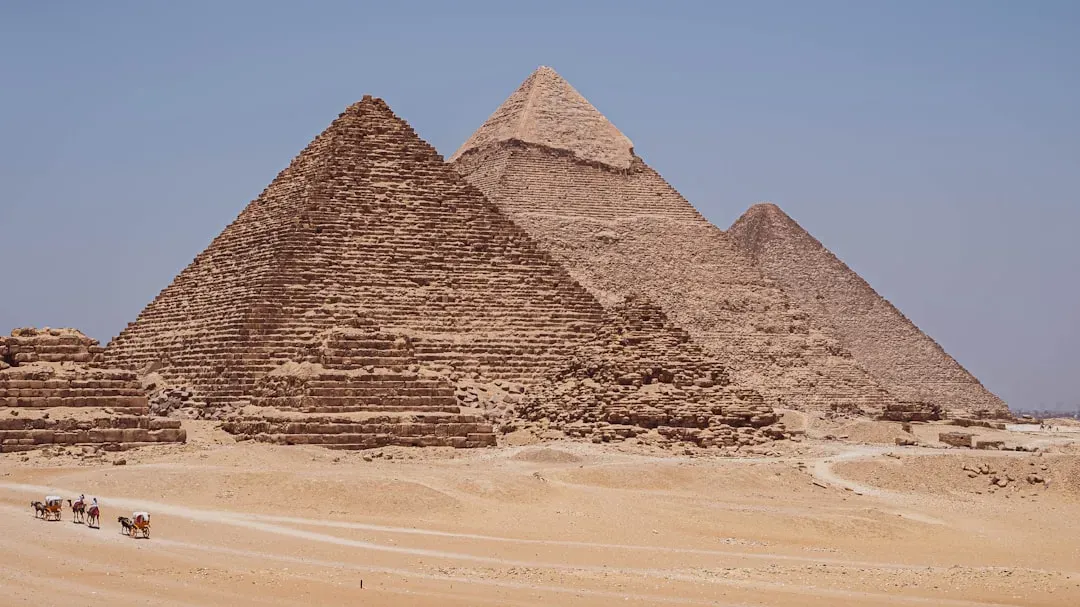
The pyramids of Egypt remain one of humanity’s most impressive achievements. The Great Pyramid is over 145m high, with a base level to within an inch, and it took teams of workers nearly 20 years to precisely cut, transport and fit approximately 2.3 million limestone blocks that make up the structure. That’s roughly 12 blocks added every hour, day and night, for two decades straight.
The dimensions of the pyramid are extremely accurate and the site was leveled within a fraction of an inch over the entire 13.1-acre base, comparable to the accuracy possible with modern construction methods and laser leveling, meaning pyramid builders of ancient Egypt were about as accurate as modern technology. Think about achieving that precision with copper tools and no computers.
Recent research suggests even more sophisticated techniques. Researchers from multiple disciplines investigating the Step Pyramid of Djoser found extensive evidence of an advanced hydraulic engineering system that would not only control water pathways and storage but would allow ancient builders to leverage the power of water to loft massive stone blocks to multiple heights. Water power may have played a larger role than previously imagined in lifting those enormous stones into place.
Ramps, Levers, and Ancient Innovation
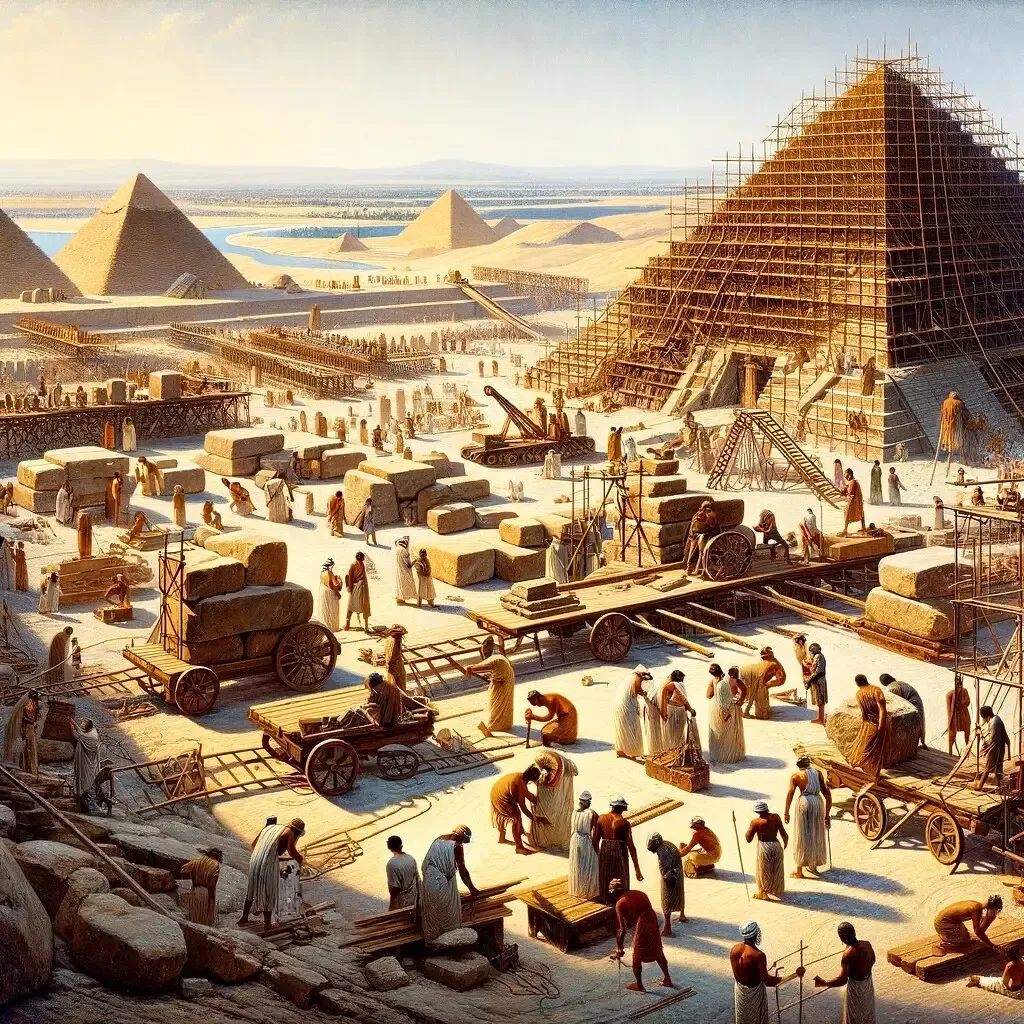
So how exactly did ancient Egyptians get those stones up so high? It’s generally believed that the Egyptians moved massive stone blocks to the heights along large ramps, greased by water or wet clay, using a system of sledges, ropes, rollers, and levers. Archaeological evidence now backs this up.
A ramp system discovered from Khufu’s reign is composed of a central ramp flanked by two staircases with numerous post holes, and ancient Egyptians were able to pull up alabaster blocks out of the quarry on very steep slopes of 20 percent or more using a sled attached with ropes to wooden posts, with the ropes allowing rock-movers to multiply their efforts to pull sleds topped with rocks weighing an average of 2.5 tons. It wasn’t magic or aliens. It was physics, planning, and an enormous, organized workforce.
Ireland’s Ancient Astronomers at Newgrange
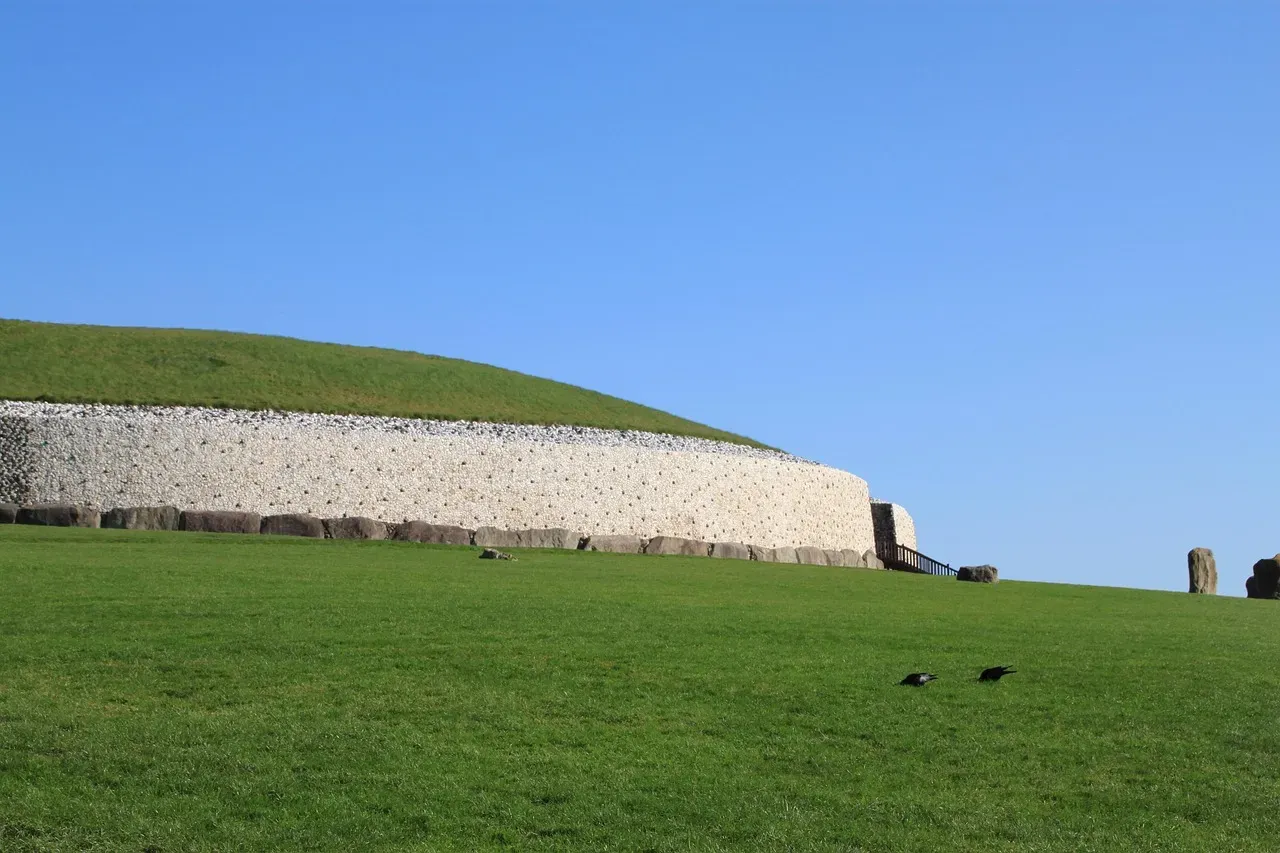
Newgrange is a prehistoric monument in County Meath in Ireland, an exceptionally grand passage tomb built during the Neolithic Period around 3100 BC, making it older than Stonehenge and the Egyptian pyramids. Let that sink in for a moment. This structure predates what most people consider the dawn of civilization.
The monument is aligned so that the rising sun on the winter solstice shines through a “roofbox” above the entrance and floods the inner chamber. Built around 3200 B.C., the heart-shaped hill occupies more than an acre and is surrounded by 97 massive curbstones, some richly decorated with geometric carvings, with the tomb standing 36 feet high and having a diameter of 280 feet. The corbeled ceiling has kept the inner chambers completely dry for over five thousand years, which honestly puts some modern construction to shame.
The builders demonstrated not only architectural genius but astronomical knowledge that required generations of careful observation and record-keeping.
Megalithic Art and Symbolism
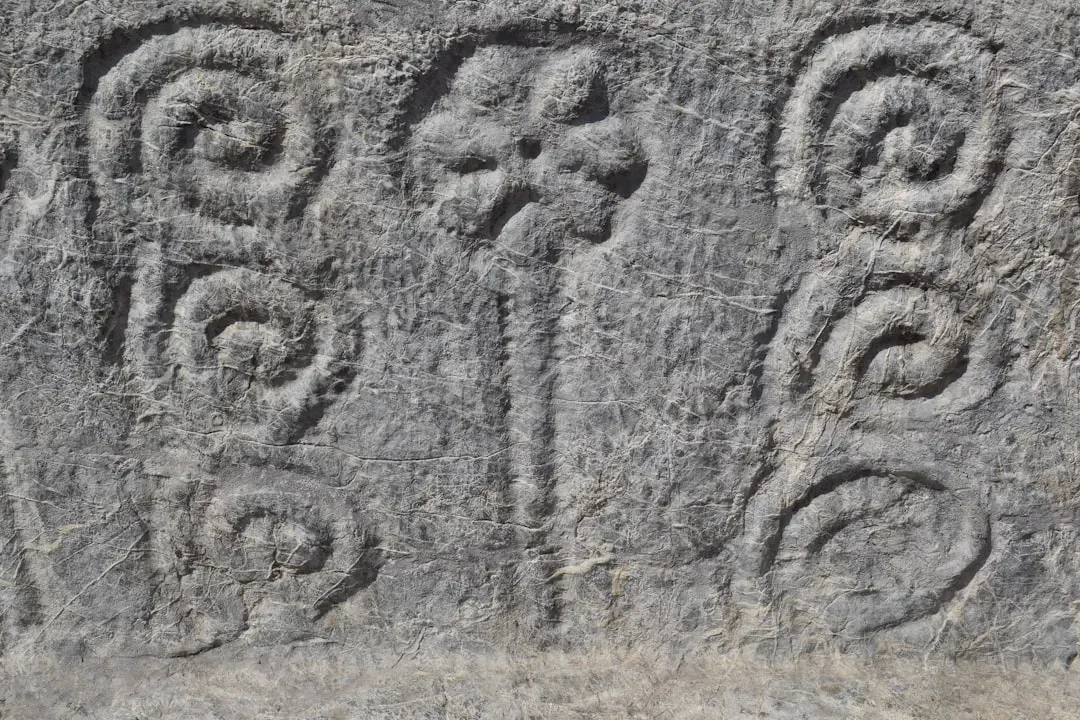
These ancient structures weren’t just functional engineering marvels. They were decorated with intricate symbolic art that still mystifies researchers today. Many of the pillars at Göbekli Tepe feature intricate carvings of abstract symbols and wild animals, including lions, foxes, gazelles and birds.
The large stones surrounding and inside passage tombs are decorated with Megalithic Art such as spirals, concentric circles, triangles, zigzags and images which have been interpreted as the sun or the moon. At Newgrange, one particular carving has become iconic. The tri-spiral motif shows flowing lines that reveal a high level of skill and planning by the builders, though its original meaning remains unknown. These weren’t primitive scratchings. They were carefully planned artistic expressions that connected these ancient people to their beliefs and their understanding of the cosmos.
The Social Organization Behind the Stones
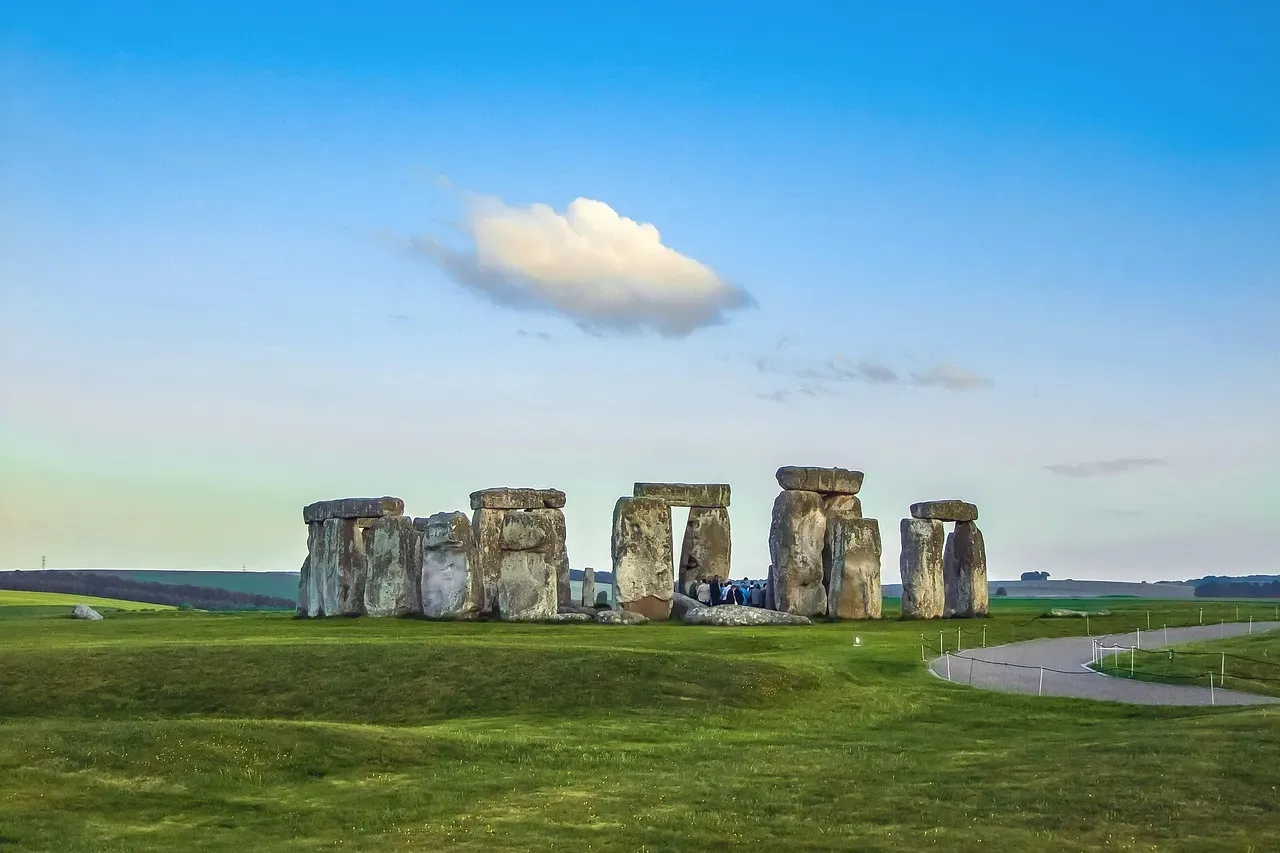
Building these monuments required more than just technical know-how. Building the megalithic monument Stonehenge required a level of sophistication and social organization in the late Stone Age and early Bronze Age cultures of Britain comparable to any of the contemporary civilizations of the Near East. You couldn’t just randomly gather people and expect them to work together for decades.
Builders constructing monuments would have required others to provide them with food, to look after their children and to supply equipment including hammerstones, ropes, antler picks and timber, requiring careful planning and organisation. Recent archaeological findings have revealed extensive worker settlements near pyramids with bakeries, workshops, and sleeping quarters, suggesting well-organized workforces of skilled craftworkers who received regular wages and medical care. These weren’t slaves being driven by whips. They were organized communities working toward a shared monumental goal.
Geometry and Architectural Planning
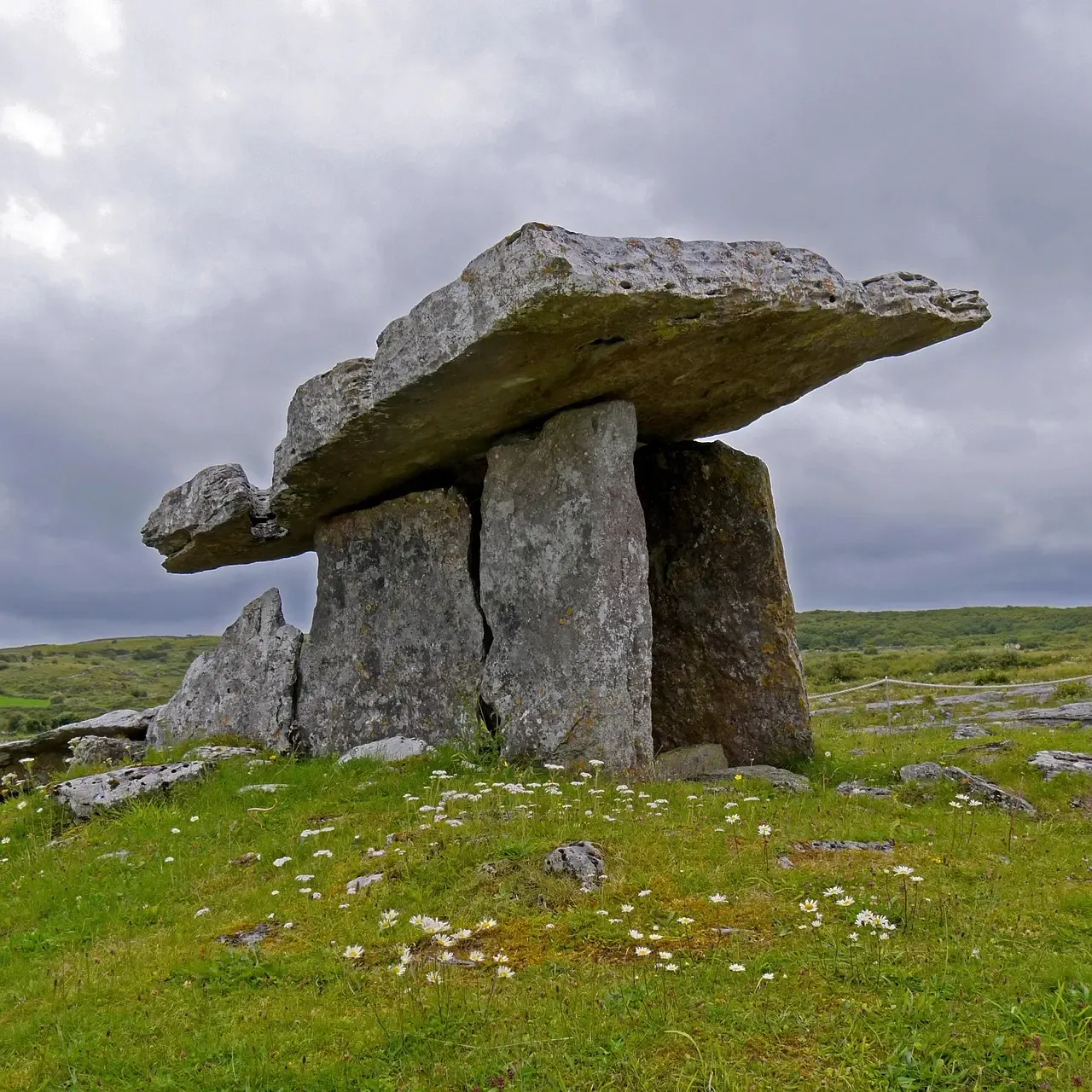
One of the most stunning discoveries about these ancient structures is the level of geometric sophistication involved. Certain planning capabilities and practices, such as the use of geometry and the formulation of floor plans, were traditionally assumed to have emerged much later than the period during which Göbekli Tepe was constructed.
Recent studies have revealed otherwise. Analysis of Göbekli Tepe’s layout shows that builders used geometric principles like equilateral triangles to plan the positioning of the massive pillars. Findings suggest that major architectural transformations during the Neolithic period, such as the transition to rectangular architecture, were knowledge-based, top-down processes carried out by specialists. This means there were actual architects and engineers in the Stone Age, people with specialized knowledge who planned these structures before a single stone was moved. Pretty impressive for folks who supposedly hadn’t figured out farming yet.
Challenging Old Theories About Civilization
Scholars long believed that only after people learned to farm and live in settled communities did they have the time, organization and resources to construct temples and support complicated social structures, but evidence argues it was the other way around, with the extensive, coordinated effort to build the monoliths literally laying the groundwork for the development of complex societies.
This completely reverses the traditional narrative of human development. Ritual and religion, it seemed, launched the Neolithic Revolution, not the other way around, summarized as “First the temple, then the city”. The desire to build sacred spaces and gather for ritual purposes may have been the catalyst that pushed nomadic hunter-gatherers to settle down, develop agriculture, and create the first civilizations. Religion didn’t emerge from civilization. Civilization emerged from religion. What a twist, right?
The Legacy of Ancient Engineering

These remarkable structures continue to influence modern thinking about architecture and engineering. Ancient structures are more than mere relics of the past; they are enduring symbols of human creativity, resilience, and adaptability, and their construction techniques continue to inspire modern architecture and engineering.
More than 35,000 megalithic structures have been identified across Europe, ranging geographically from Sweden in the north to the Mediterranean Sea in the south. Each one represents a community that came together with a shared vision, using the resources and knowledge available to them to create something that would outlast them by millennia. The fact that so many of these structures still stand is testament not just to the builders’ skill, but to their understanding of materials, load distribution, and structural integrity. Modern engineers study these ancient monuments not just out of historical curiosity, but because there’s still so much to learn from techniques that have kept structures standing for over five thousand years.
You have to admit, prehistoric people were far more capable than popular culture often gives them credit for. As one archaeologist studying Easter Island noted, “We forget that ancient people are just as smart as we are, and they may have been better focused because they didn’t have our distractions”. These ancient engineers solved complex problems with elegance and efficiency, leaving behind monuments that continue to inspire wonder and respect. The next time you see images of these ancient structures, remember that they weren’t built by aliens or lost advanced civilizations. They were built by people just like you, armed with determination, ingenuity, and an impressive understanding of engineering principles. What will future generations think when they look back at what you built? Will it still be standing in five thousand years?