Picture a world seven million years ago. No cities, no roads, no borders. Just endless, shifting terrain stretching across ancient Africa, and somewhere within it, a small, upright-walking creature picking its way through a patchwork of woodland, grassland, and wetland. That creature was our ancestor. The story of how those early hominids survived, spread, and eventually conquered nearly every corner of the globe is not just ancient history. It is the most gripping survival story ever told.
You might think our prehistoric relatives were confined to a single type of environment, stamped forever into the image of a sun-scorched savanna. Honestly, that picture is far too simple. The real story is more dynamic, more surprising, and in many ways far more inspiring than the textbook version. From tropical forests to freezing tundra, ancient hominids were remarkably resourceful. So let’s dive in.
The Mosaic World Your Ancestors Actually Lived In

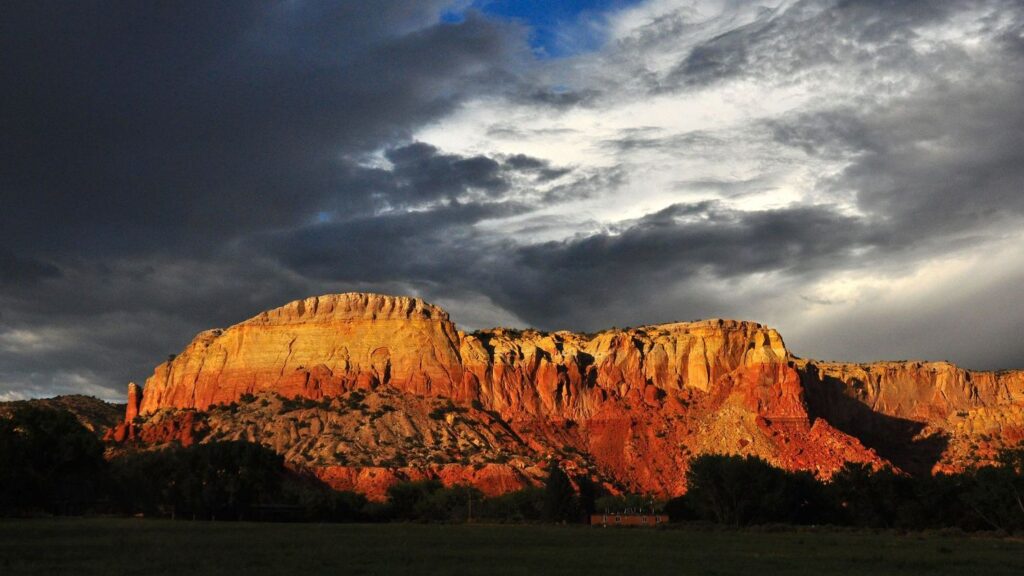
Here is the thing most people get wrong about early human evolution: it did not happen in one neat, predictable landscape. Some hominids, such as Orrorin tugenensis and Ardipithecus ramidus, have been found in wooded habitats, while others such as Sahelanthropus tchadensis were found associated with diverse types of vegetation within a small geographic area. Think of it less like a single painting and more like a constantly changing collage.
By linking the location and age of hominin sites with corresponding simulated regional biomes, researchers found that our ancestors actively selected for spatially diverse environments, leading to a new diversity hypothesis: Homo species, in particular Homo sapiens, were specially equipped to adapt to landscape mosaics. This is not a minor detail. It rewrites the whole story of who we are and where we came from.
From Forest Canopies to Open Grasslands: The Earliest Shifts
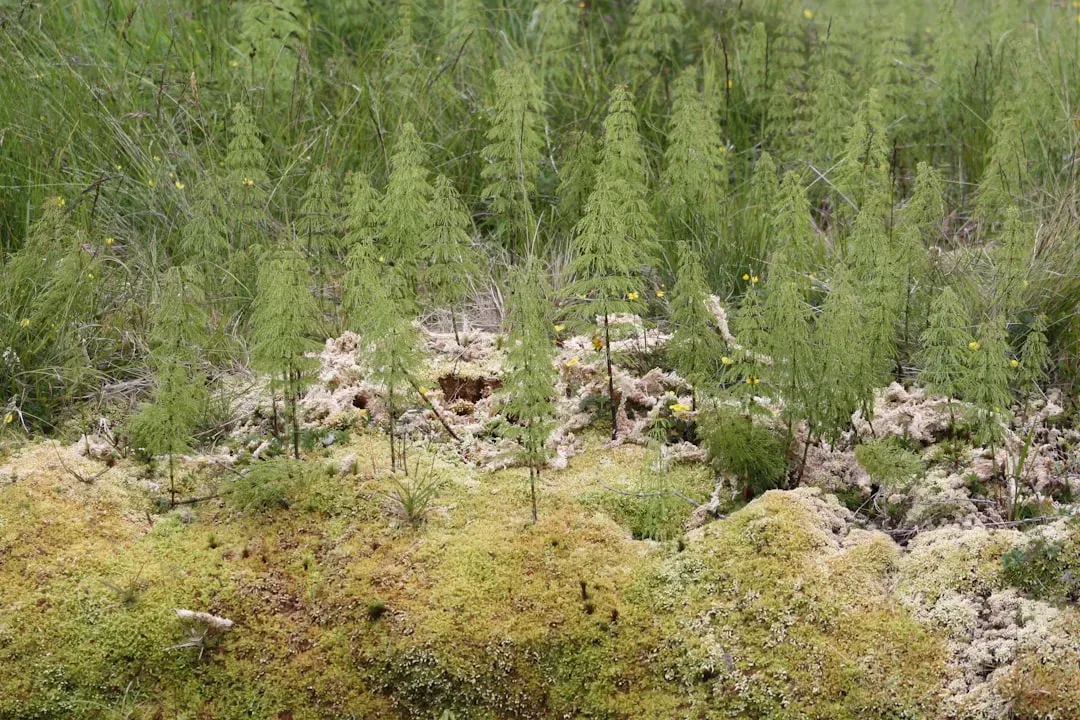
Early hominid Ardipithecus retained many ape-like features suited to living in and around trees, like grasping big toes and long arms. Yet it had already evolved other features like its hips and head position, indicating that it spent a lot of time walking on two legs. Altogether, the fossil evidence suggests Ardipithecus may have been adapted to walking in more open environments, but still spent considerable time in the trees. It was a creature caught beautifully between two worlds.
Analysis of fossil soils from key sites showed that carbonate nodules from late-Miocene hominid fossil sites contain low levels of carbon-13, consistent with trees and woody plants, and oxygen isotope ratios indicative of a cool, humid climate. These hominids were living in forests, despite the fact that grasslands were available. That alone should shake everything you thought you knew about the classic savanna story.
Climate Chaos as the Engine of Adaptation
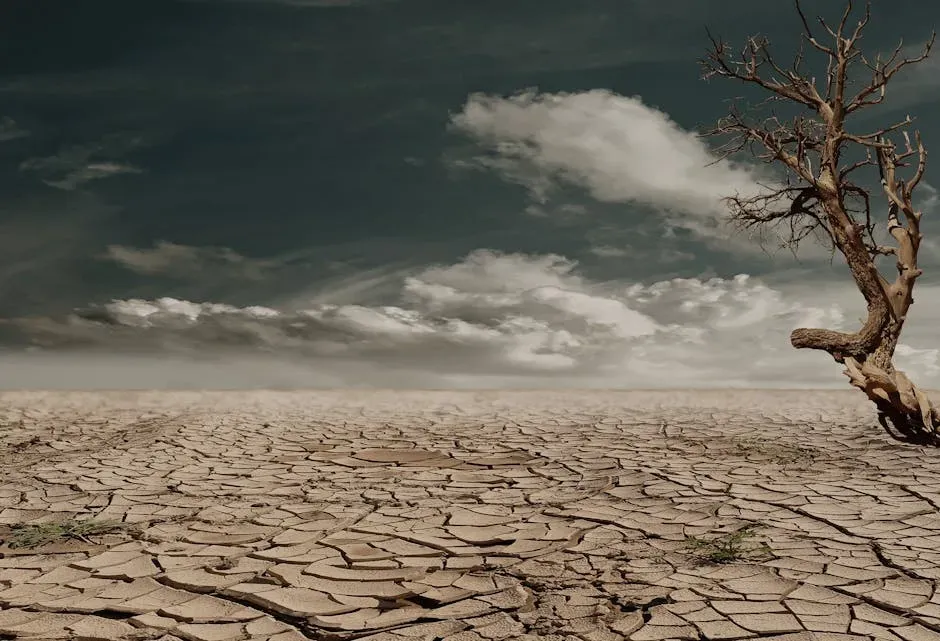
The hominin fossil record and the environmental record together show that hominids evolved during an environmentally variable time. Higher variability occurred as changes in seasonality produced large-scale environmental fluctuations over periods that often lasted tens of thousands of years. Imagine your entire world reshaping itself again and again across your species’ lifetime. That kind of pressure either breaks a species or makes it extraordinarily resilient.
The Variability Selection Hypothesis states that hominin evolution did not simply respond to habitat-specific changes or specific aridity or moisture trends. Instead, long-term environmental unpredictability over time and space influenced morphological and behavioral adaptations that would help hominids survive regardless of environmental context. In other words, it was not any single landscape that made us human. It was the relentless variety of landscapes itself. I find that both humbling and remarkable.
Generalists Versus Specialists: Who Survived and Who Disappeared
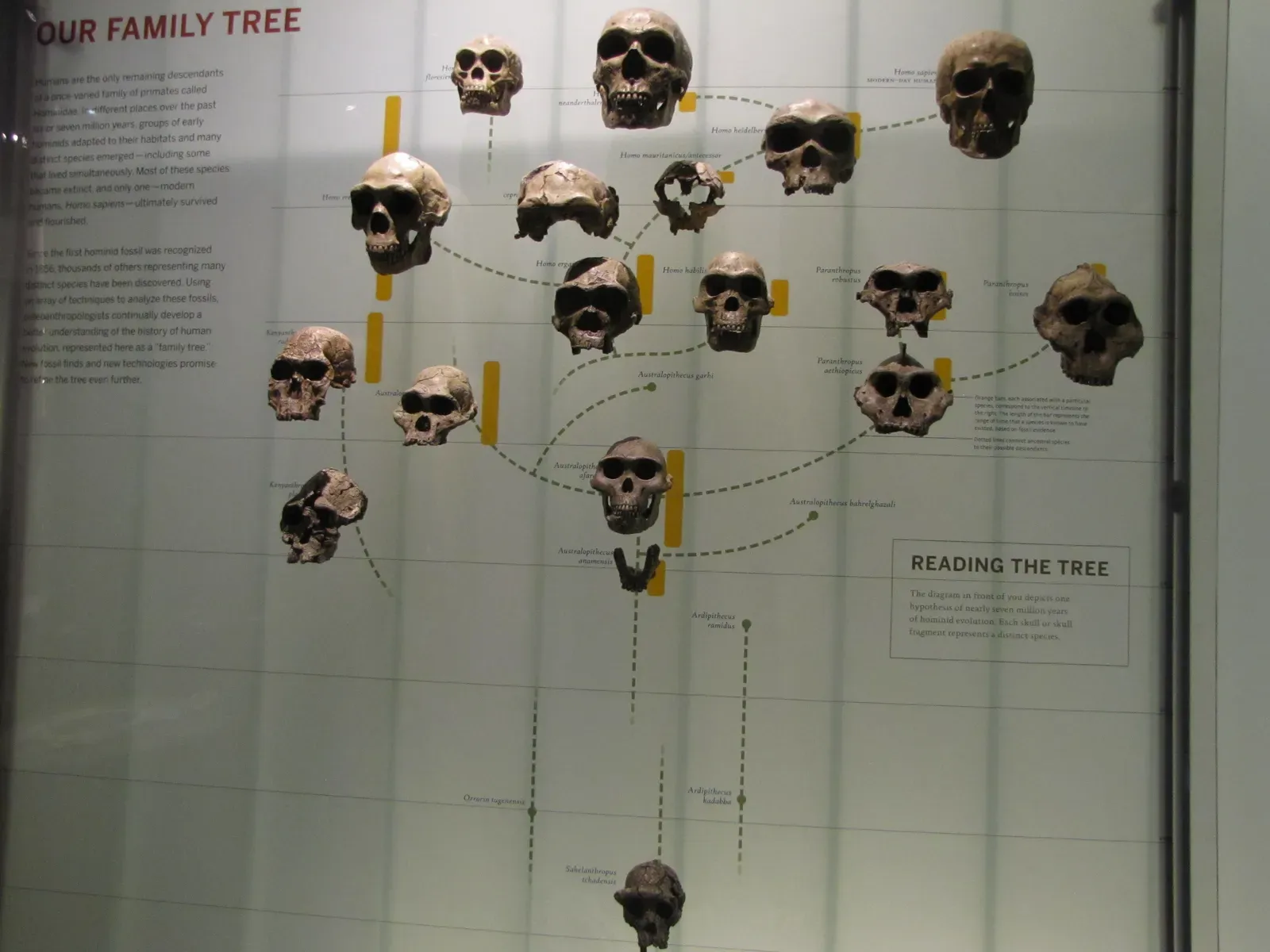
In periods of extreme and rapid climate change, hominids with generalized diets fared better than those with specialized diets. Specialist eaters faced extinction at greater rates because they were unable to adapt to new environments, often confined to isolated areas with dwindling resources, whereas generalist eaters were able to move out across the landscape in search of new food sources. It is, in the bluntest possible terms, adapt or perish.
Specialist hominin species do appear to exist for long periods of time, yet it is also true that Homo, a generalist genus with a varied and adaptable diet, ultimately survives the majority of these fluctuations, and the specialists appear to go extinct. Think of it like the difference between a restaurant that only serves one niche dish versus one that can cook anything. When the supply chain breaks down, you know which one stays open.
How Homo Erectus Conquered Wildly Different Terrain
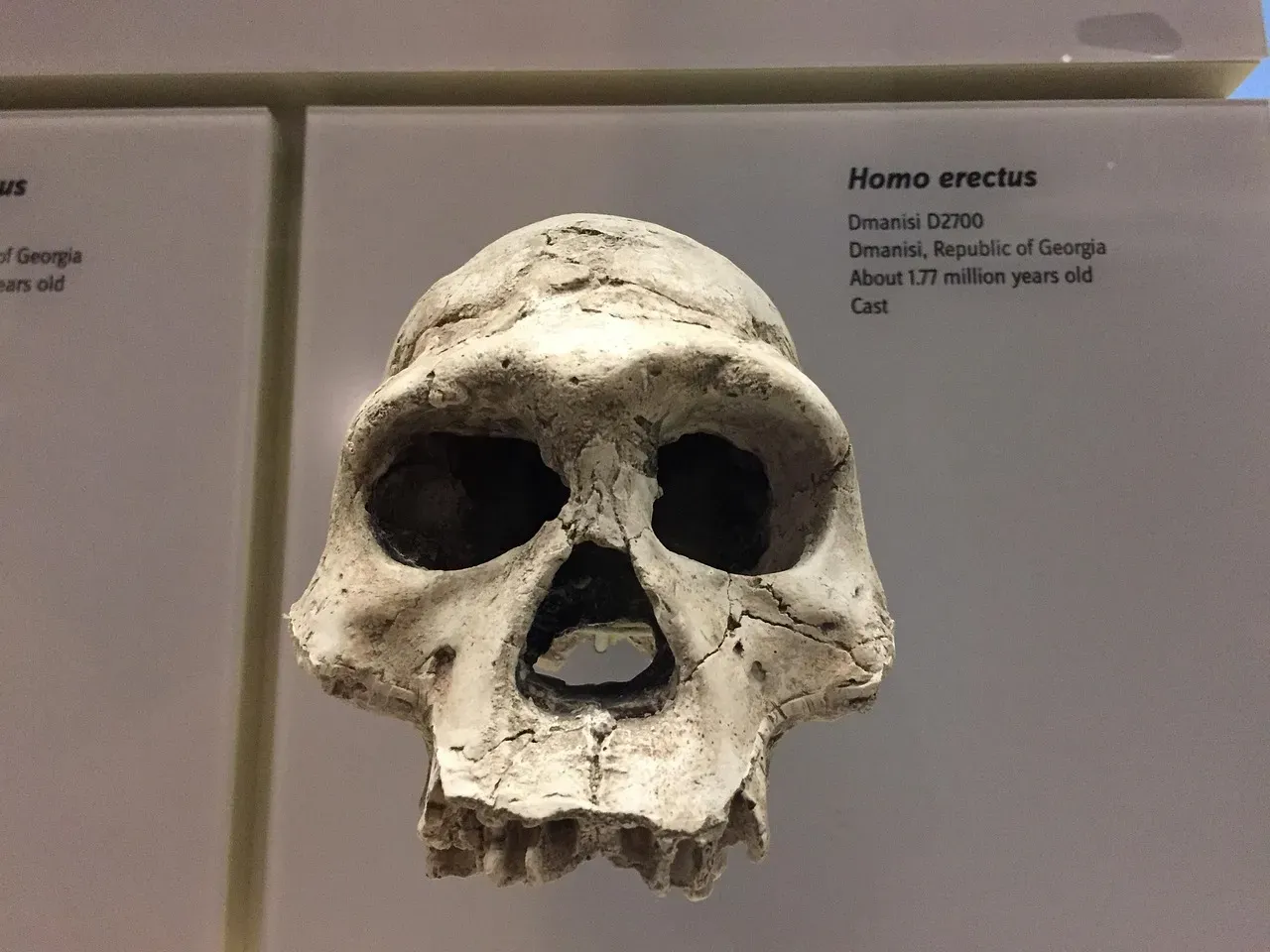
It is likely that being bipedal facilitated the dispersal of hominids into diverse habitats because they were not confined to forest and were capable of rapid movement on the ground. Considering an existence of almost two million years compared with only 200,000 years for Homo sapiens, erectus was quite successful in adapting to various diverse habitats. That is an extraordinary track record. By comparison, modern humans have only just gotten started.
Considering that Homo erectus originated in the tropical and permissive environment of sub-Saharan Africa and then rapidly migrated to areas with diverse and fluctuating climatic conditions, the Dmanisi site in a mountainous region of the Caucasus demonstrates that just 200,000 years after its origin in Africa, erectus was able to survive the frigid winter conditions of the region, where the weather at the time was much colder and drier than it is now. Surviving a Caucasian winter without modern technology is, to put it mildly, no small feat.
The Role of Stone Tools in Unlocking New Environments
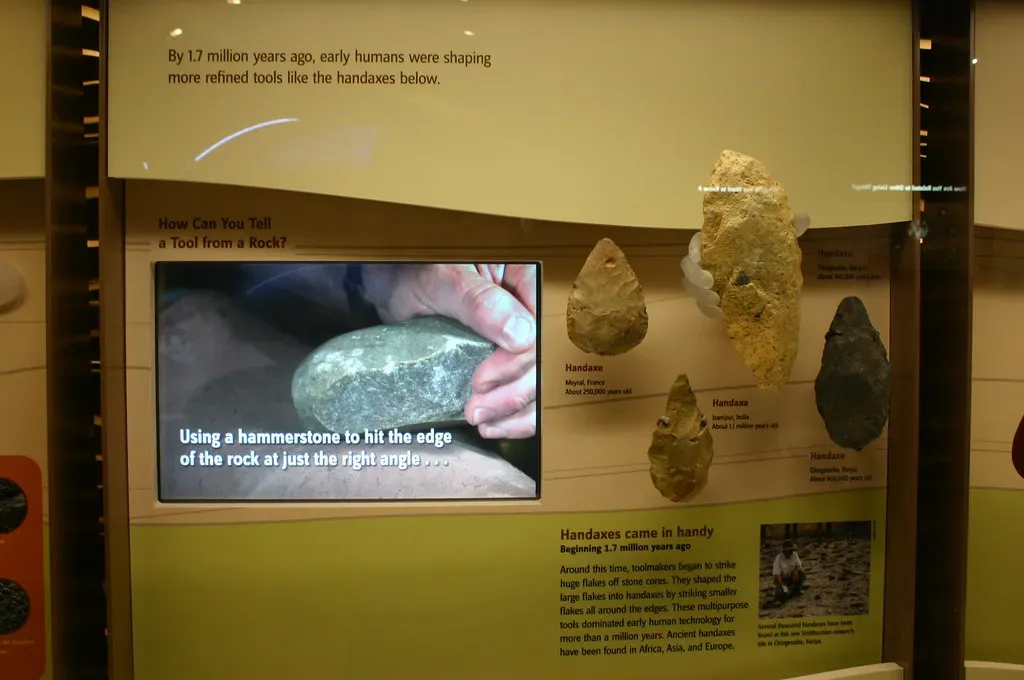
Members of the genus Homo, faced with the unstable African climate and shifting landscape, evolved bigger brains that enabled them to rely on cultural solutions such as crafting stone tools that opened up new foraging opportunities. This strategy of behavioral flexibility served them well during unpredictable times and led to new innovations such as increased meat-eating, cooperative hunting, and the exploitation of new environments outside Africa. It was technology, not just biology, that cracked open the door to the wider world.
Increased reliance on a broader set of tools may have helped Homo erectus survive during changing climates. The earliest evidence of hearths occur during the time range of Homo erectus, and while we have evidence that hearths were used for cooking and likely sharing food, they were also probably places for social interaction, used for warmth and to keep away large predators. A fire in the dark. A shared meal. A circle of safety. Some things, it seems, never really change.
Homo Sapiens: The Ultimate Landscape Generalist
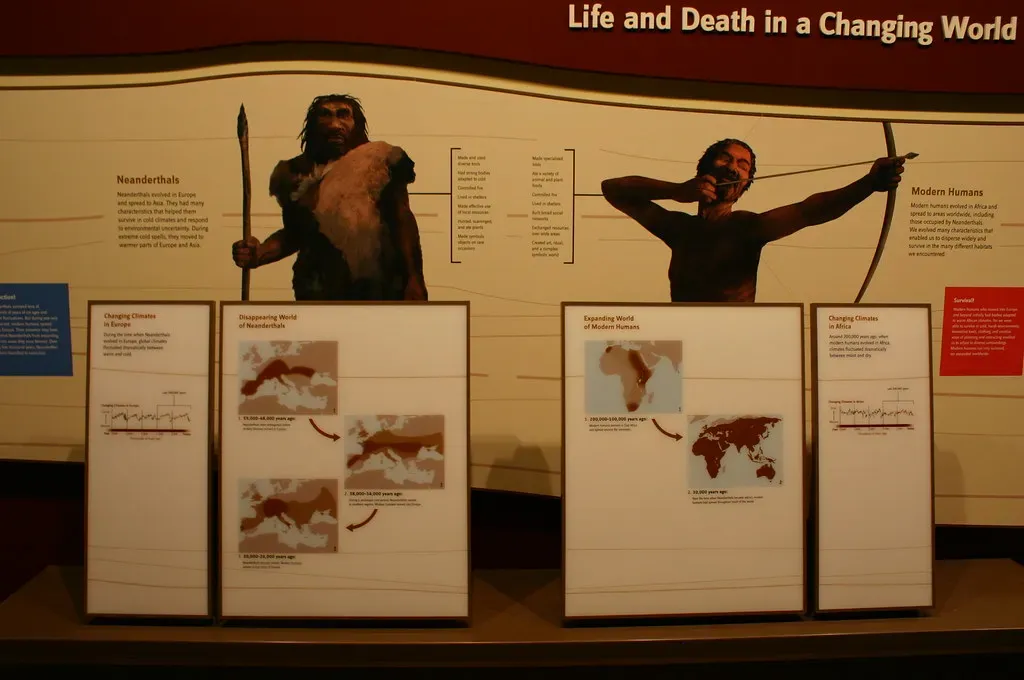
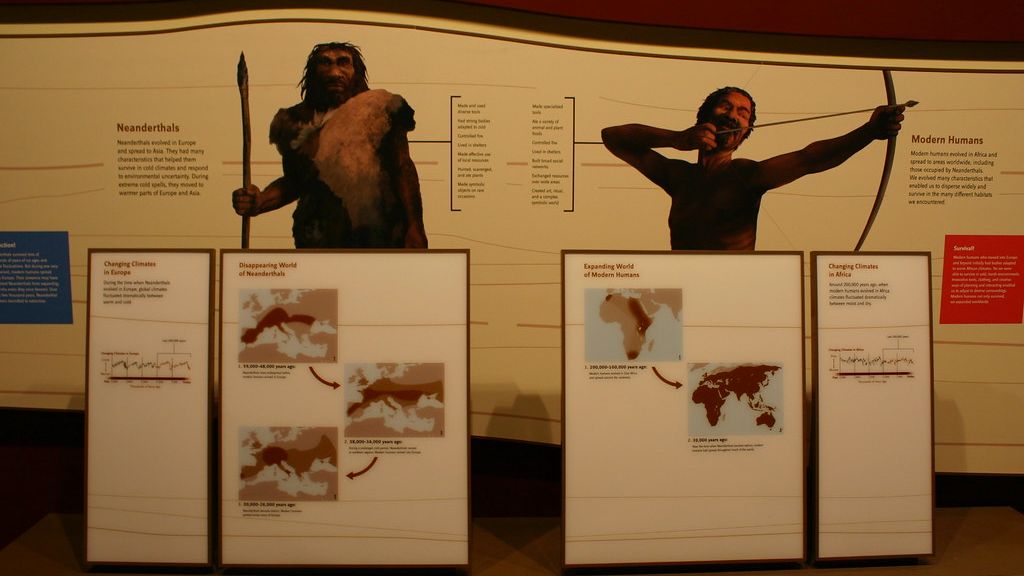
Earlier African groups preferred to live in open environments such as grassland and dry shrubland. Migrating into Eurasia around 1.8 million years ago, hominids such as Homo erectus and later Homo heidelbergensis and Homo neanderthalensis developed higher tolerances to other biomes over time, including temperate and boreal forests. Each successive species pushed further into unknown territory, each one raising the ceiling of what seemed survivable.
Detailed reconstructions of past environments from plant and animal remains, as well as biochemical methods, show that humans at key African coastal sites made use of both grasslands and tropical forests. Despite coastal proximity, there is limited evidence that marine resources were heavily used as food sources during early occupation periods. This pattern highlights that flexibility and adaptability characterize what it means to be human, rather than any focus on a single specific habitat. That flexibility, built over millions of years of environmental pressure, is ultimately what you and every other modern human alive today carries in your DNA.
Conclusion

The story of ancient hominids and prehistoric landscapes is not a straight line from forest to grassland, or from ape to human. It is something far more layered, far more surprising. A wealth of emerging evidence shows that dynamism and diversity best characterizes the past seven million years of our evolutionary history. Every landscape our ancestors crossed, every climate shift they survived, every new food source they learned to exploit shaped the extraordinarily adaptable species you belong to today.
You are not the product of a single environment. You are the product of all of them. The next time you find yourself uncomfortable in a new place, in an unfamiliar situation, or facing unpredictable change, remember: that is actually what your ancestors were built for. Adaptation is not a modern skill. It is the oldest trick in the human playbook. What would you have done, seven million years ago, standing at the edge of a world that kept changing its mind?