Imagine standing in the middle of the Sonoran Desert, surrounded by nothing but red rock and silence, and realizing that beneath your feet, tens of thousands of years of human history are buried. People lived here. Hunted here. Raised families, built communities, and looked up at the same stars you do tonight. The prehistoric tribes of the American West are not some distant, shadowy mystery. They are a vivid, astonishing chapter of the human story, and yet most of us know almost nothing about them.
You might assume these were simple, wandering peoples with little more than sticks and stones to their names. Honestly, that assumption could not be more wrong. From sophisticated weapons to massive irrigation canals to celestial calendars carved into stone, the ancient hunters and settlers of the American West were remarkably complex. So let’s dive in, because what you’re about to discover might genuinely surprise you.
Who Were the First People to Walk the American West?
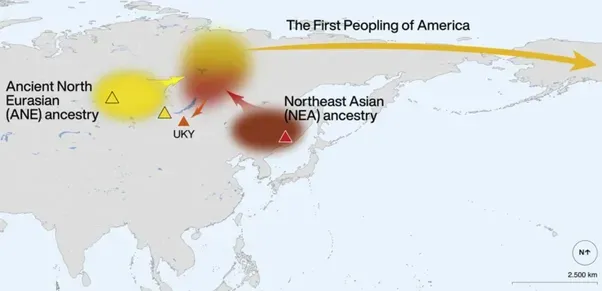
Here’s the thing about the origins of the first Americans: it’s still a story that scientists are actively rewriting. Archaeological and genetic evidence shows that people have been on this continent for at least 23,000 years and possibly as long as 30,000 years, which underscores Indigenous oral histories stating that their ancestors lived on these lands from time immemorial. That is not a small number. Think about it. Thirty thousand years ago, your ancestors were just beginning to settle parts of Europe.
Traditional theories suggest that big-animal hunters crossed the Bering Strait from North Asia into the Americas over a land bridge known as Beringia, a passage that existed from approximately 45,000 to 12,000 BCE. However, genetic findings suggest that people migrated from southern Siberia and crossed to America about 18,000 years ago, challenging older, more rigid timelines. It’s hard to say for sure exactly when the first footsteps hit American soil, but the picture is becoming clearer with every new excavation.
The Art of the Hunt: Tools, Weapons, and Raw Survival
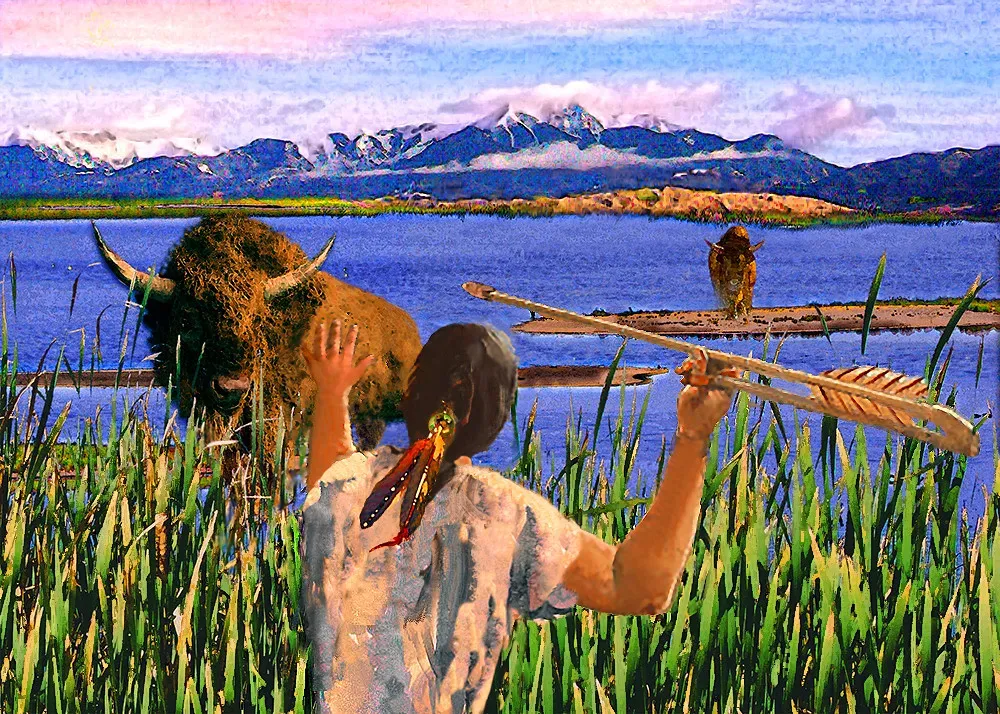
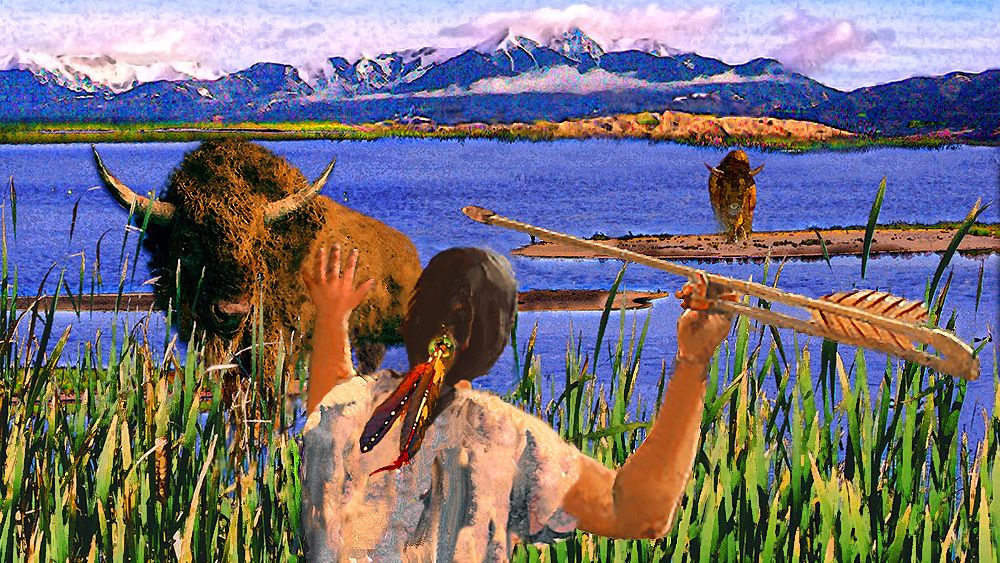
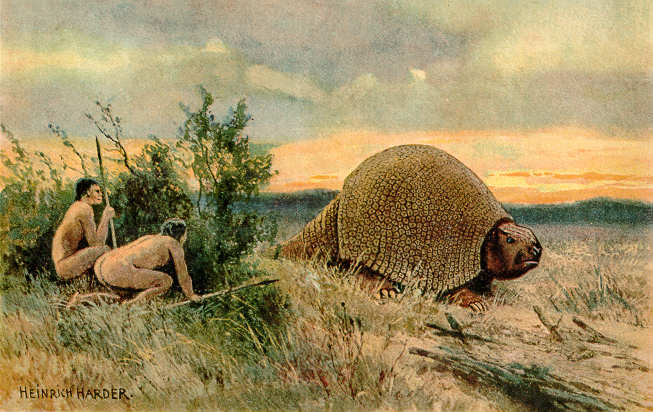
If you think prehistoric hunting was just a matter of chasing animals with pointy sticks, prepare to be blown away. At some point around 12,000 to 15,000 years ago, the Paleo-Indians invented or borrowed the revolutionary idea of using spears with stone points, and armed with tipped spears, they transformed over time from primarily foragers into primarily big game hunters, preying on Ice Age mastodons, mammoths, long-horned bison, horses, camels, and giant sloths. These were not small creatures. Hunting one required incredible coordination, courage, and skill.
Paleo-Indian technology included knapped, or chipped, stone tools such as scrapers, knives, and projectile points like the Clovis point. Throughout the Paleo-Indian era, the spear was the most common weapon. Later, they introduced the atlatl, a spear-throwing device. Similar to bows, atlatls could propel flexible, pointed shafts at high speeds across long distances. Essentially sticklike tools with a hook or spur at one end to hold a dart, hunters could launch them with far greater force than a simple javelin throw. You start to realize these were not primitive people. They were engineers.
Life on the Move: How Bands Organized and Survived
You might picture prehistoric tribes as large, chaotic groups wandering aimlessly. Reality was far more structured. Small bands utilized hunting and gathering during the spring and summer months, then broke into smaller direct family groups for the fall and winter. Family groups moved every three to six days, possibly traveling up to 360 kilometers per year. Think of it like a seasonal migration system, where every move was calculated and purposeful, not random.
Based on the spear points, artifacts, extinct big game associations, site distributions, and other evidence, archaeologists have concluded that Paleo-Indian bands wandered not aimlessly over the landscape, but in annual circuits. Bands would time their moves to capitalize on the seasonal availability of game and edible plants, as well as the need for winter shelter. These highly mobile bands typically consisted of approximately 20 to 60 members of an extended family. There was a logic and an intelligence behind every step they took.
From Hunters to Builders: The Rise of Settled Civilizations
At some point, a remarkable shift happened. The relentless nomads began to slow down and put down roots. By about 6000 BCE some groups had begun to experiment with food production as well as foraging, and these Archaic cultures often returned to the same locations on a seasonal basis, gradually beginning to build small settlements. It was slow, almost imperceptible, but it changed everything.
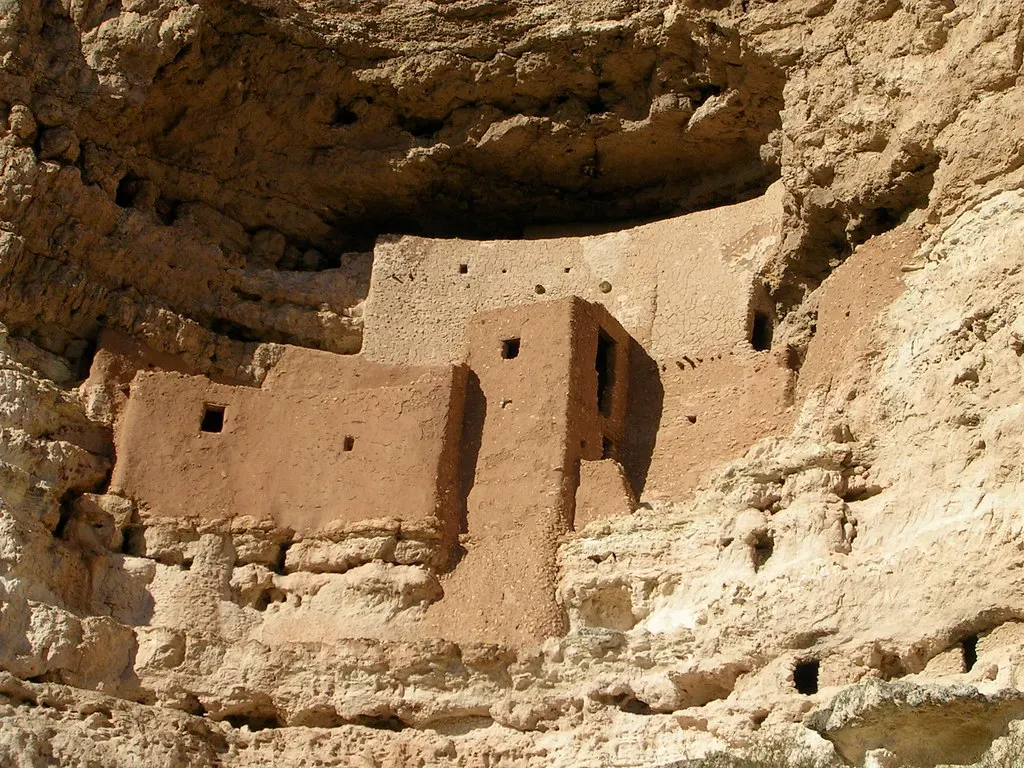
The Ancestral Puebloans were an ancient Native American culture spanning the present-day Four Corners region of the United States, comprising southeastern Utah, northeastern Arizona, northwestern New Mexico, and southwestern Colorado. They lived in a range of structures that included small family pit houses, larger structures to house clans, grand pueblos, and cliff-sited dwellings for defense. They had a complex network linking hundreds of communities and population centers across the Colorado Plateau, held a distinct knowledge of celestial sciences that found form in their architecture, and built the kiva, a congregational space used mostly for ceremonies, as an integral part of community structure. These were not simple shelters. They were civilizations.
Masters of Water: The Hohokam and Their Engineering Marvel
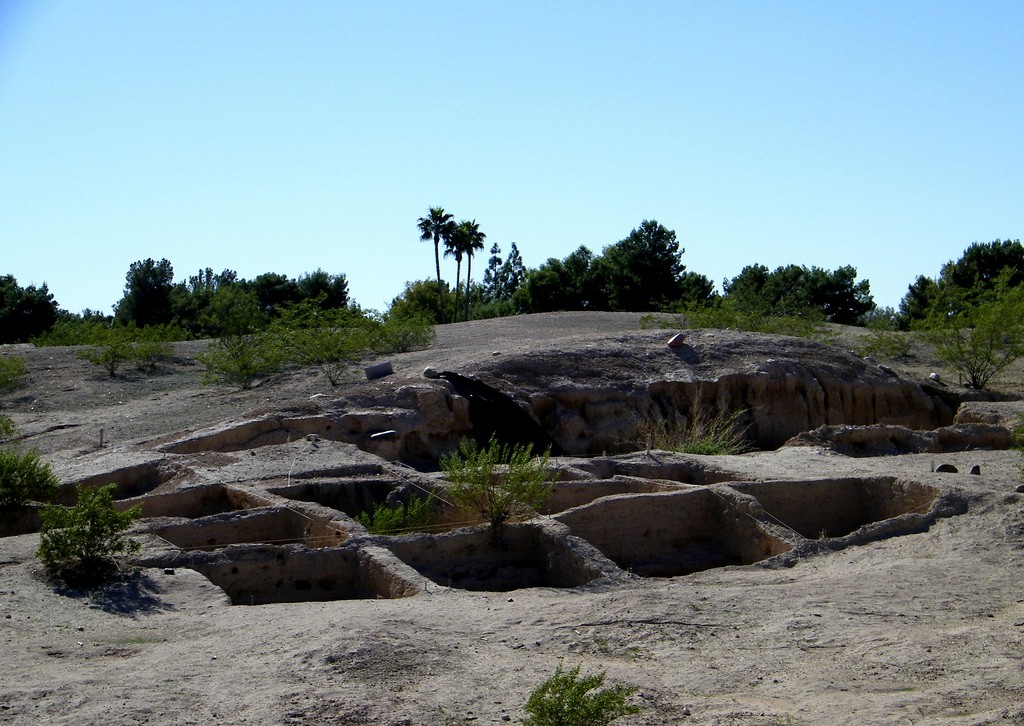
Let’s be real: when people think of ancient engineering wonders, they often jump straight to the Pyramids of Egypt or the Roman aqueducts. Yet right here in the American Southwest, a culture was pulling off something equally astonishing. The Hohokam are best known for their extensive canal systems, which were among the most advanced in pre-Columbian North America. These canals, constructed from around 300 BCE to 1450 CE, allowed the Hohokam to harness the waters of the Salt and Gila Rivers for irrigation, transforming the arid desert landscape into fertile agricultural fields.
The Hohokam’s development of complex canal networks in the following millennium was unsurpassed in pre-Columbian North America, and this agricultural engineering was one of their greatest achievements. Remarkably, some irrigation systems built by the Hohokam are still visible from space, and some sections of those systems have been dug out and are still in use in local irrigation systems today. The trade networks that flowed alongside these canals were equally impressive. Trade played a crucial role in Hohokam society, with goods such as pottery, shell ornaments, turquoise, and cotton being exchanged across vast distances, as the Hohokam maintained extensive trade networks with neighboring cultures, including the Ancestral Puebloans to the north and Mesoamerican civilizations to the south.
Written in Stone: Spirituality, Ritual, and Rock Art
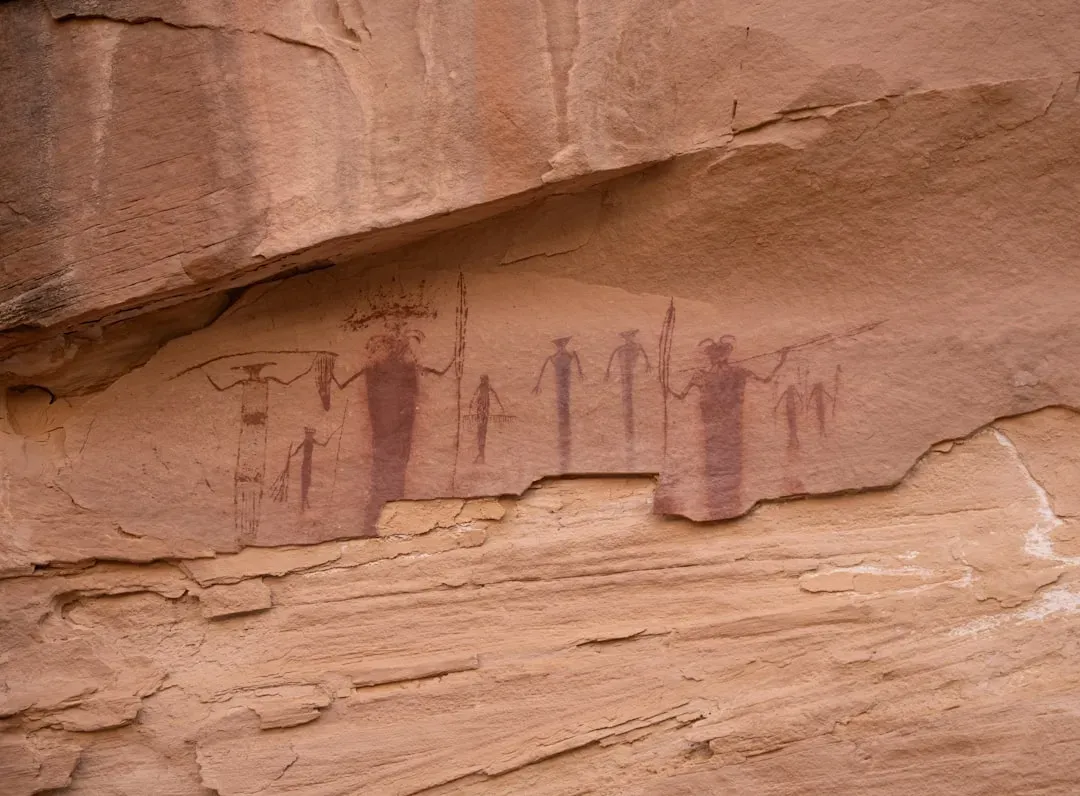
Perhaps the most haunting and beautiful legacy left by the ancient people of the American West is their art. You can walk up to a canyon wall in New Mexico and come face to face with images painted or carved by hands that lived more than a thousand years ago. The information rock art provides is similar to the information other artifacts provide, informing archaeologists about plants, animals, or objects Native Americans considered important in their lives, and it is often considered to be a ceremonial or ritual artifact that can also give clues to spiritual aspects of Native American life.
Religion for the Ancestral Puebloans was not separate from daily life. It was embedded in architecture, agriculture, and the movement of stars. Their belief system centered on balance: between people and place, sky and earth, ceremony and survival. We can surmise that many Mogollon religious ceremonies revolved around the annual advances and retreats of the sun, celestial events in the night sky, the passage of the seasons, and the timely nourishment or untimely failure of rainfall. These were people deeply in tune with the world around them, reading it like a book we have barely learned to open.
Conclusion: A Legacy Written in Stone, Bone, and Dust
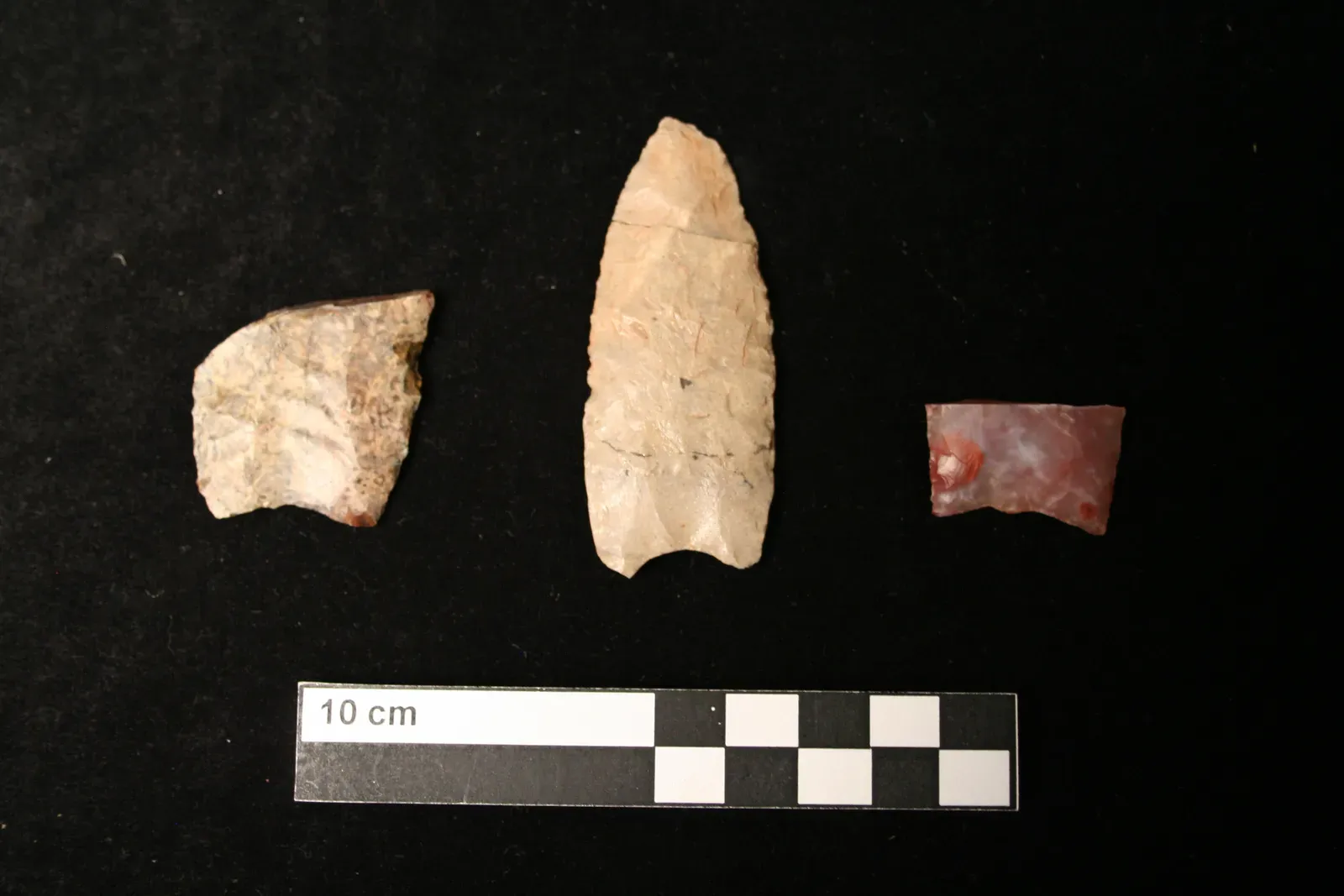
The ancient hunters of the American West were not a footnote in history. They were the opening chapters of one of the most extraordinary human stories ever told. From the first bold footsteps across a land bridge from Siberia, to the fluting of a Clovis point by firelight, to the construction of canal systems that still shadow the earth from orbit, these people shaped a continent long before anyone else knew it existed.
What strikes me most is how much ingenuity was at work in conditions we can barely imagine today. No written language. No metal tools. No maps. Yet they navigated thousands of miles, fed entire communities in the desert, and left behind art that still carries spiritual weight for their descendants right now, in 2026. That is not primitive. That is profoundly, staggeringly human.
The more you uncover about prehistoric tribal life in the American West, the more you realize how much of what we call “civilization” was already here, long before the word existed. So what does that say about the story we thought we knew?