Picture yourself standing on a quiet, misty shoreline in Washington State or gazing across the fog-draped ridgelines of Oregon. It feels ancient, right? Well, it turns out it is far more ancient than most people ever stop to consider. Beneath the ferns, the volcanic rock, and the moss-covered forest floors lies a story of colossal creatures and vanished worlds that stretches back tens of millions of years.
The Pacific Northwest today seems more like a place for hiking boots and espresso than a land where theropods prowled and hadrosaurs waded through warm coastal plains. Yet the geological evidence, piece by astonishing piece, is slowly rewriting everything we thought we knew about this corner of the continent. Be surprised by what you are about to discover.
A World You Would Not Recognize: The Cretaceous Pacific Northwest
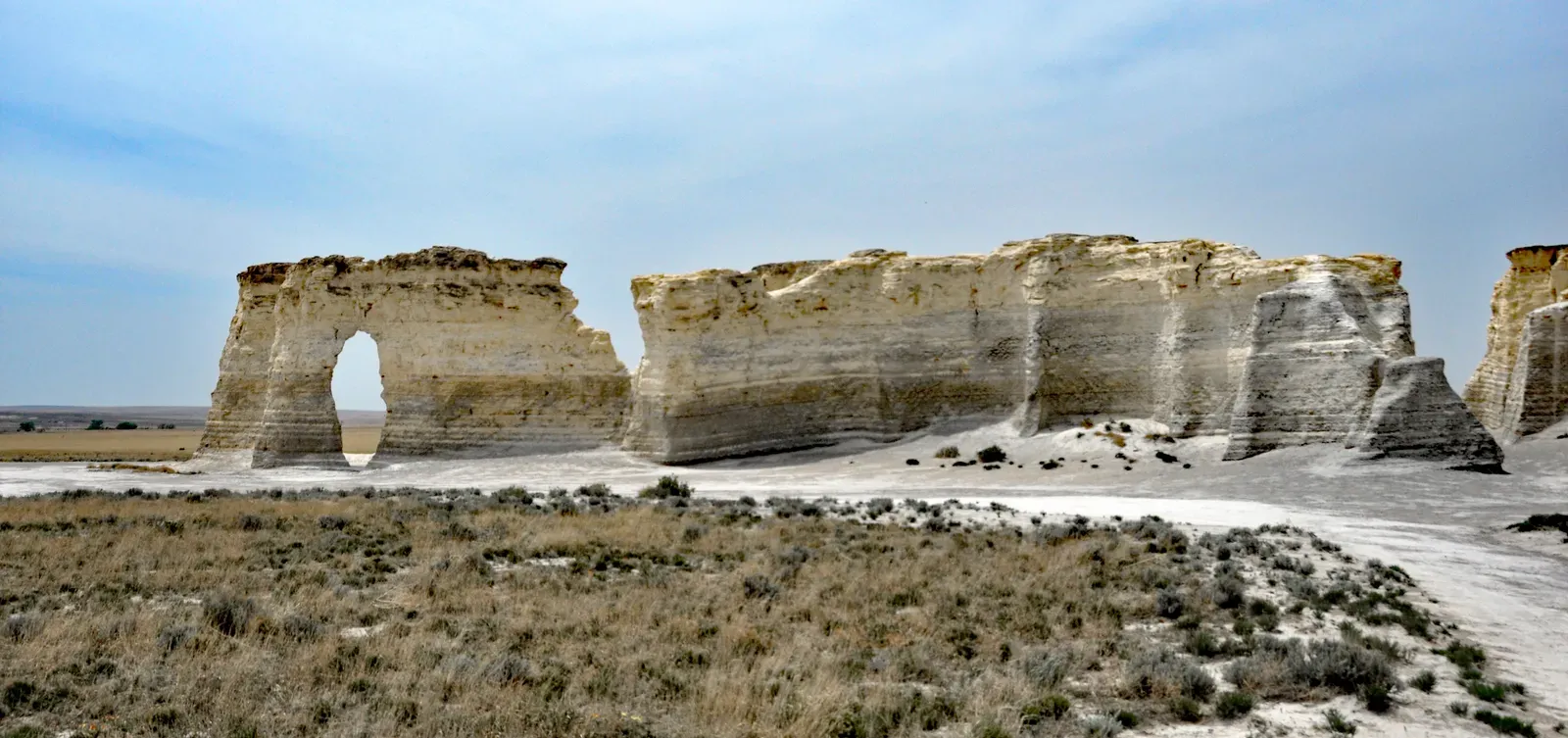
If you could somehow step back roughly 80 to 100 million years, you would find yourself on a very different kind of coastline. A variety of geologic evidence tells us that during most of the Cretaceous period, climates were much warmer in many parts of the world than they are today. Scientists sometimes call this the Cretaceous “hothouse” climate. Think of it less like the cool, rainy Pacific Northwest you know and more like a steamy, subtropical paradise drenched in heat and humidity.
In the Late Cretaceous, roughly 100 to 66 million years ago, North America was bisected into western and eastern landmasses by a shallow inland sea. The western landmass, known as Laramidia, contained a relatively thin stretch of land running north to south, bordered by that inland sea to the east and the rising Rocky Mountains to the west. The Pacific Northwest sat along this landmass’s rugged western edge, a coastal fringe where land and ocean constantly fought for dominance.
The Cretaceous in the Pacific Northwest was a time of rapid growth. Most of the terranes and several of the largest batholiths were added during this period, shifting the shore of the western ocean to western Washington and Oregon. The Cretaceous period began with roughly a third of what is now Washington state present and part of North America. In other words, much of the ground you might walk on today simply did not exist yet in the dinosaur era.
The Ancient Continent of Laramidia: Home of the Dinosaur Giants
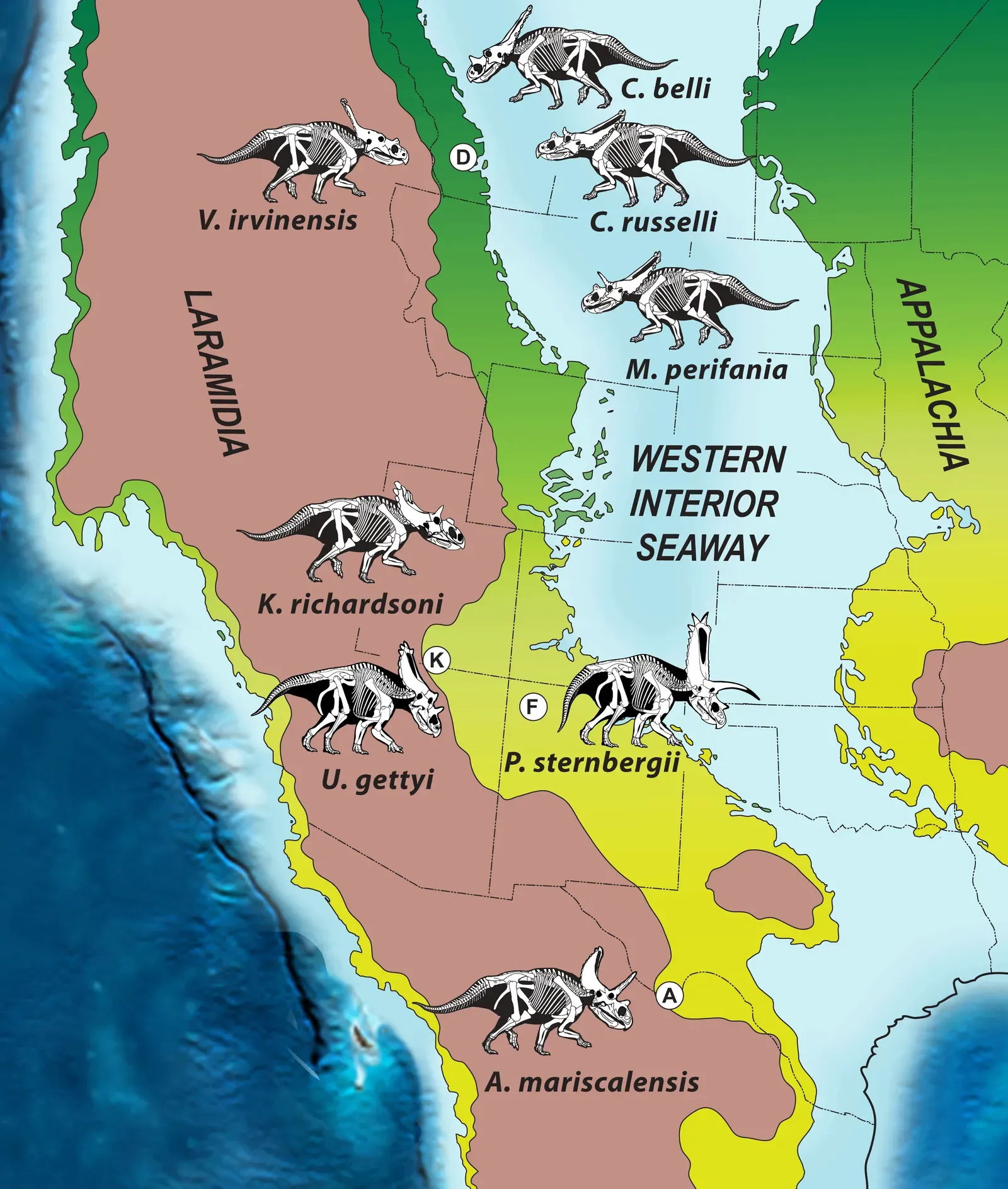
Laramidia was an island continent that existed during the Late Cretaceous period, when the Western Interior Seaway split North America in two. In the Mesozoic era, Laramidia was an island landmass separated from Appalachia to the east. It was home to many dinosaurs, including ankylosaurs, ceratopsians, and tyrannosaurs. Honestly, calling it a paradise for these creatures feels like an understatement. It was more like their entire world.
Tyrannosaurs, dromaeosaurids, troodontids, hadrosaurs, ceratopsians, pachycephalosaurs, and titanosaur sauropods were among the dinosaur groups that lived on this landmass. In western North America during the Cretaceous, the dominant theropods were the tyrannosaurs, huge predatory dinosaurs with proportionately large heads built for tearing flesh from their prey. The Pacific Northwest sat at the western rim of this extraordinary ecosystem, and the dinosaurs that roamed Laramidia were undoubtedly pressing toward those coastal edges.
Geological conditions were generally favorable for the preservation of fossils in Laramidia, making the western United States one of the most productive fossil regions in the world. The irony, of course, is that the Pacific Northwest coastal zone was actually among the worst places on the continent for preserving fossils, which is a big part of why the dinosaur story here took so long to unravel.
Washington’s One-Bone Wonder: The Suciasaurus Discovery
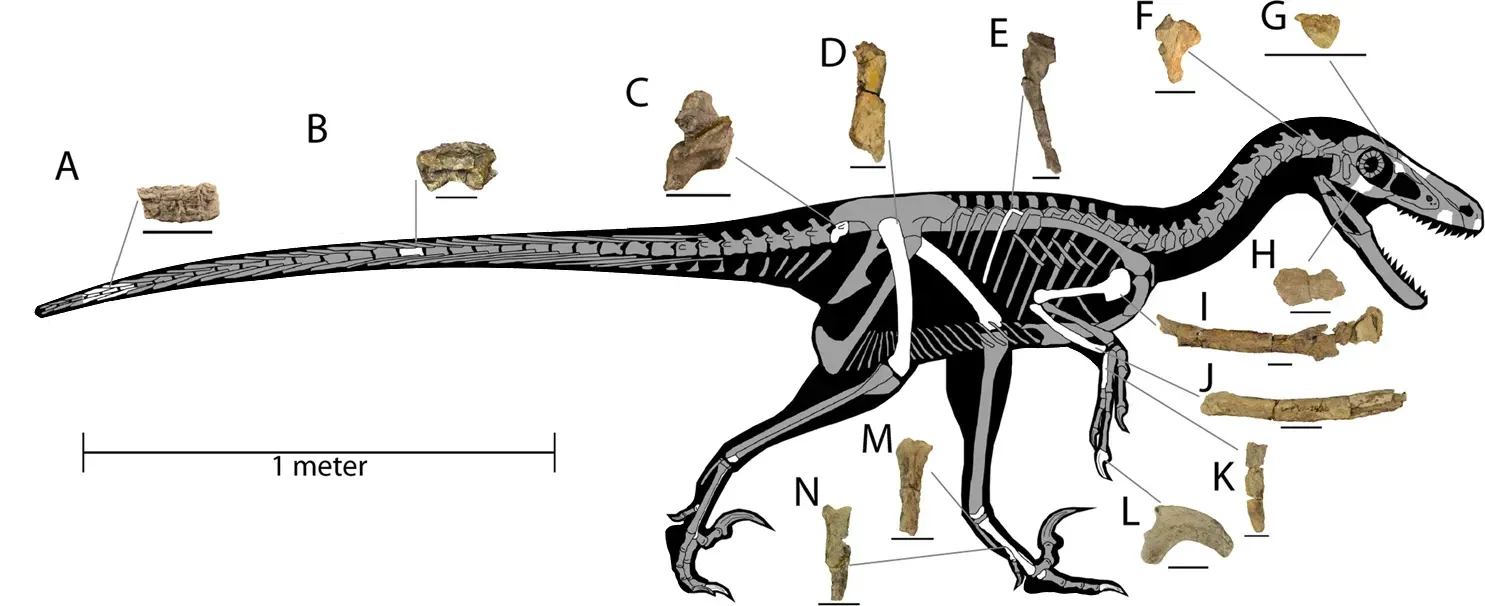
Standing on a beach on Sucia Island on May 18, 2012, researcher Brandon Peecook knew the second he saw it that he was looking at a dinosaur bone, the first ever discovered in Washington. It looked nothing like the classic image of dinosaur fossils. Instead, it was barely discernible from the surrounding mudstone, particularly in the diffuse light of a cloudy May day. It is almost poetic, really. Washington’s most significant prehistoric discovery looked, at first glance, like just another rock.
The fossil is a partial left thigh bone of a theropod dinosaur, the group of two-legged, meat-eating dinosaurs that includes Velociraptor, Tyrannosaurus rex, and modern birds. It was found along the shores of Sucia Island State Park in the San Juan Islands. The fossil is approximately 80 million years old and is from the Late Cretaceous period. The estimated length of the full “Suciasaurus” is 37 feet, which means you are looking at the remnant of a creature roughly the size of a city bus.
How Did a Land Dinosaur End Up in Marine Rock?
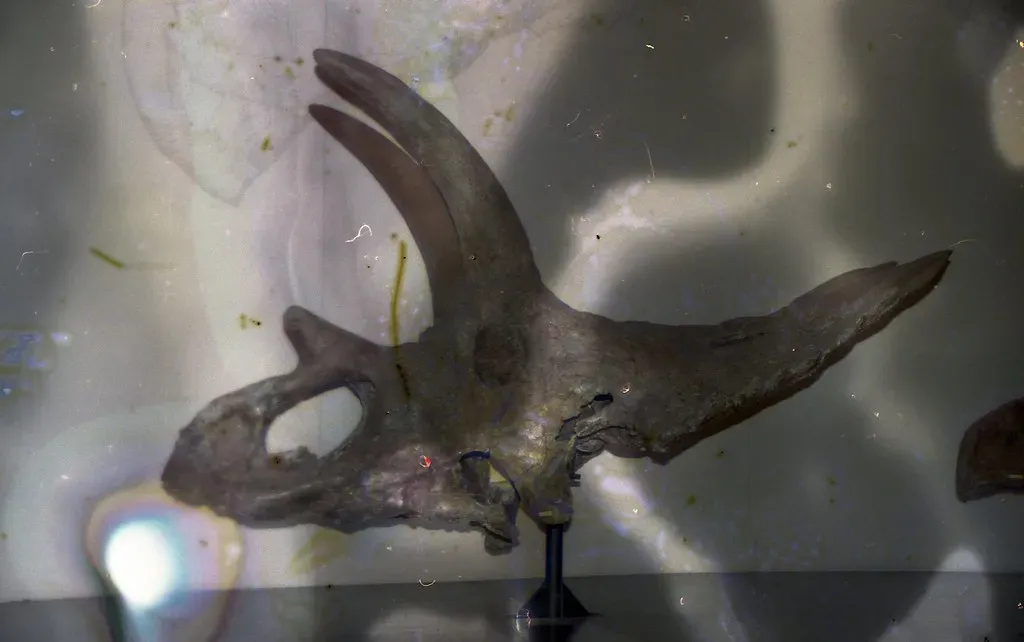
Here is the thing that trips most people up. If dinosaurs were land animals, why on earth was this bone found preserved in ancient seafloor rock? The question of how a dinosaur, which is a land animal, ended up in a marine rock is interesting. It is a known phenomenon with dinosaurs and other modern creatures called “bloat and float.” When an animal dies, they bloat up and can get carried out into the ocean, where they are eventually deposited. Think of it like a giant prehistoric raft, carried by rivers and currents far from where the creature actually lived.
Within the bone cavity, researchers found shells of dime-size clams that lived in shallow water. This led paleontologist Peecook to hypothesize that the dinosaur had perhaps died near a river and been washed into the sea, where it settled close to a shoreline and became home to the clams. During that time, the rocks that today form Sucia Island were likely located further south. How much further south is a topic of scientific debate, with locations ranging between present-day Baja California, Mexico, and northern California. Earthquakes and other geologic forces that constantly reshape our planet eventually moved those rocks north to their present-day location.
Oregon’s Surprising Prehistoric Puzzle Pieces
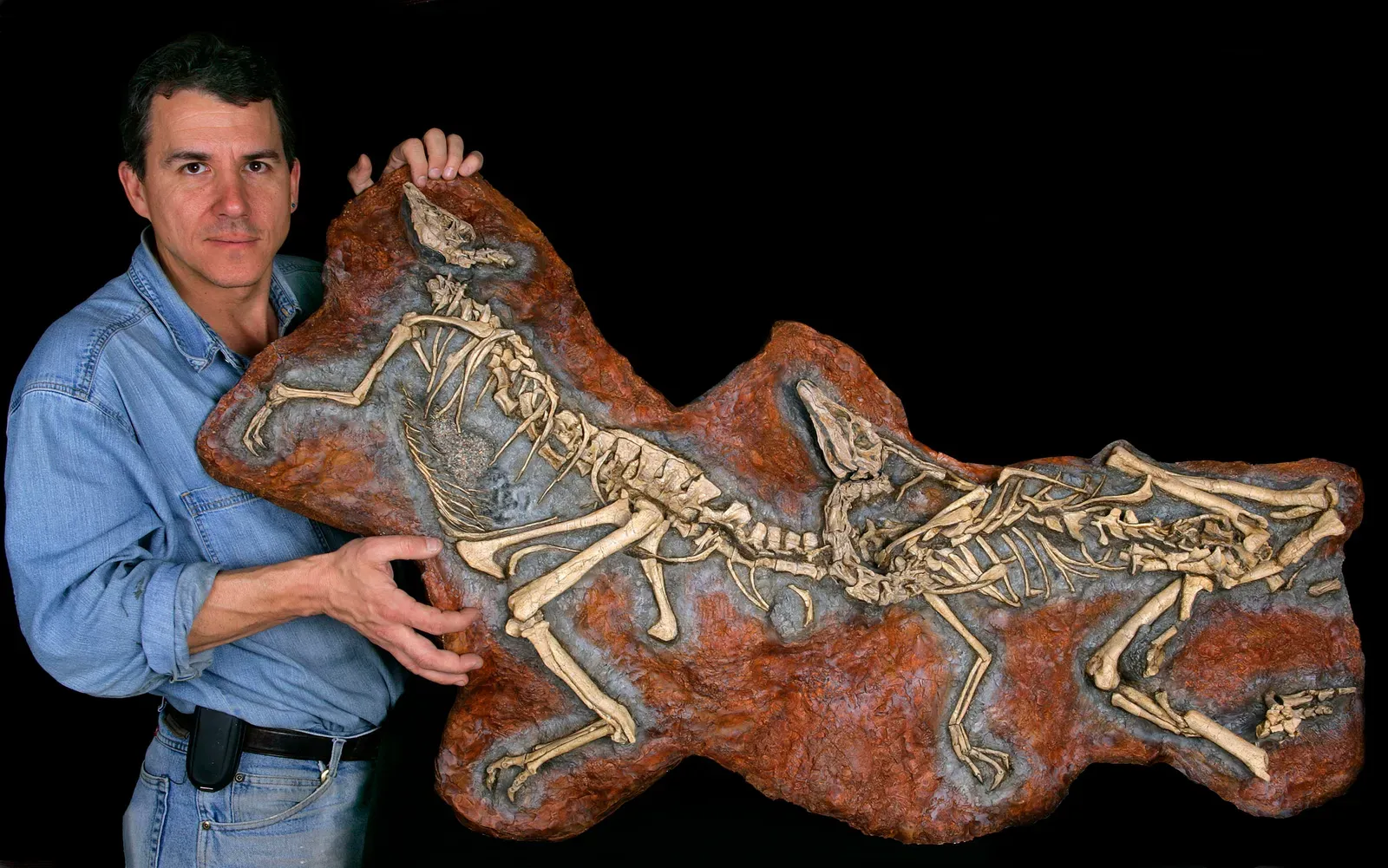
Washington was not the only Pacific Northwest state to yield dinosaur surprises. Oregon has its own remarkable, if frustratingly sparse, prehistoric record. Only two non-avian dinosaur fossils have been found in Oregon, and both are isolated bones in marine rocks, which evidently bloated and floated out to sea. One is the pedal phalanx of a large ornithopod, from the Early Cretaceous Hudspeth Shale near Mitchell, Oregon. The other is a sacrum fragment, attributable to a hadrosaur similar to Lambeosaurus, recovered from Late Cretaceous sandstones at Cape Sebastian on the southern Oregon coast.
Oregon is known for its extensive fossil beds, so it might seem surprising that no one had found a dinosaur bone before. But 100 million years ago, when these dinosaurs lived, most of Oregon was under the ocean. There was a small sliver of land across the eastern part of the state, but it was not the right type of soil for making fossils. It is a bit like searching for a photograph that was never taken. The landscape simply was not set up to preserve the evidence, which makes every single scrap of bone found here all the more extraordinary.
Why the Pacific Northwest Is Such a Fossil Desert
You might be wondering why this region, with all its rugged terrain and geological complexity, has produced so little dinosaur evidence compared to, say, Montana or Utah. The answer comes down to ancient geography and tectonic violence. During the Cretaceous period, many terranes, including the entire Insular Superterrane, collided with and accreted to the Pacific Northwest region. Many terranes apparently moved northward along the edge of the continent. Terranes that were already attached to the region underwent clockwise rotation.
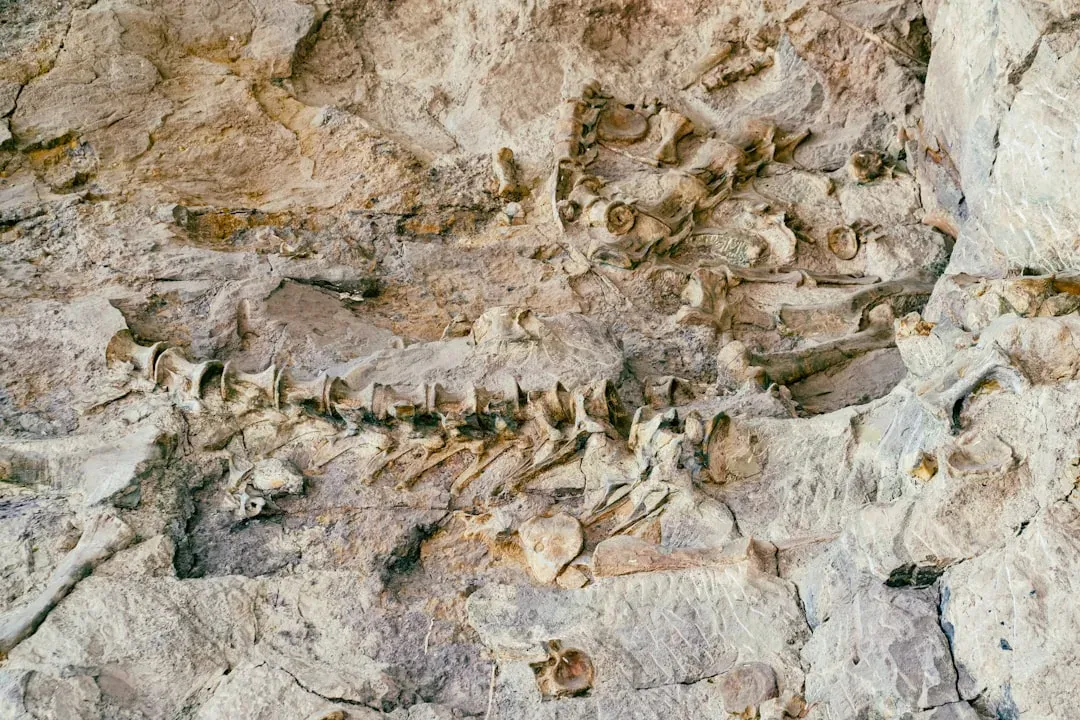
Washington has a rich fossil record spanning almost the entire geologic column. Its fossil record shows an unusually great diversity of preservational types, including carbonization, petrifaction, permineralization, molds, and cast. Still, tectonic activity crushed, heated, and completely scrambled many of the rock layers that might have otherwise held dinosaur bones. Coastal parts of North America were simply terrible at forming fossils during this time period, which means the region’s dinosaur record may always be a matter of fragments and hints rather than complete skeletons.
What the Fossils Are Still Telling Us Today
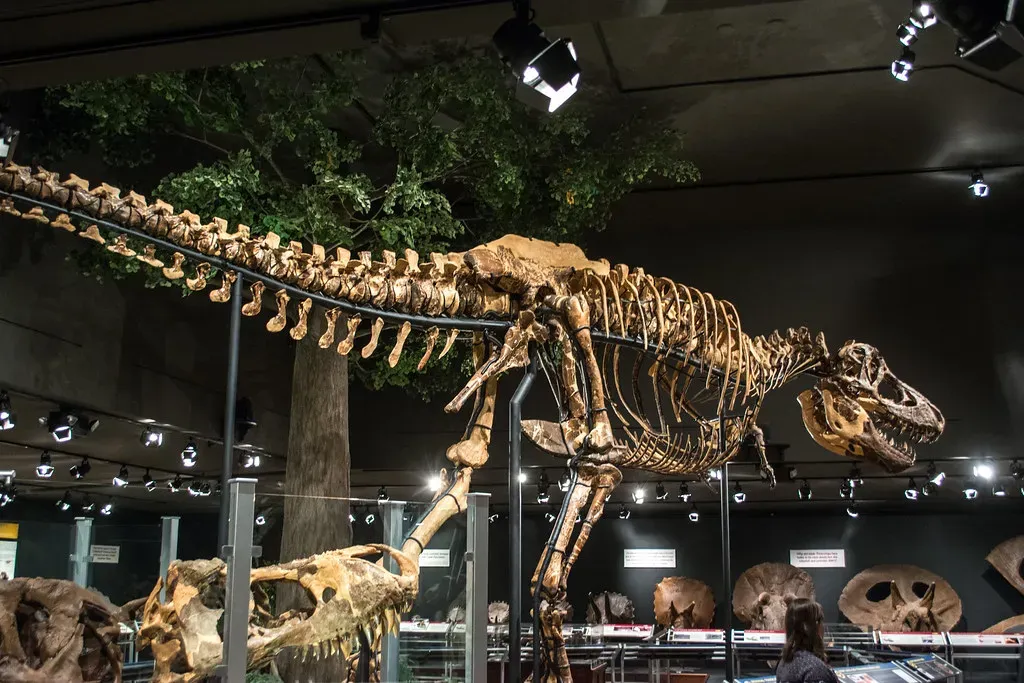
The Washington theropod represents one of the northernmost occurrences of a Mesozoic dinosaur on the west coast of the United States and one of only a handful from the Pacific coast of Laramidia during the Cretaceous. That single bone, fragmentary as it is, carries enormous weight in the scientific world. It confirms that large predatory dinosaurs were present along this coast and pushes our understanding of how far north and west these creatures actually ranged.
It is still unclear whether Suciasaurus rex is a unique species, with “Suciasaurus” serving as a placeholder name. Because of the poor preservation of the specimen and lack of any additional bones, scientists can obtain little scientific information beyond placing it in the tyrannosaurid family. There is not even enough material to give the dinosaur a formal name. Yet paleontologists remain hopeful. The rarity of this find is exactly what makes it special. It is the first indication that anyone has had of what prehistoric life may have looked like near where Oregon and Washington exist today.
Conclusion: Giants Walked Here, and the Ground Still Remembers
I think there is something quietly thrilling about standing in a Pacific Northwest forest and knowing that the very ground beneath your feet was once part of a world teeming with giants. The mossy rocks, the fern-filled gullies, the fog rolling off the islands in Puget Sound, all of it sits on top of a story that science is only beginning to read clearly. The fact that so few fossils have survived here does not diminish the story. If anything, it makes every fragment more precious.
The Pacific Northwest may not be the most obvious destination for dinosaur hunters, but that is precisely what makes its prehistoric chapter so compelling. A single 17-inch bone fragment has sparked state legislature debates, inspired elementary school students, and redrawn scientific maps of where ancient predators once roamed. There is every reason to believe more secrets remain buried beneath these volcanic landscapes, waiting for the right pair of eyes on the right cloudy afternoon. So next time you walk a Pacific Northwest beach, keep your eyes on the rocks. You never quite know what the tide might reveal. What would you have done if you had been the one to spot that bone in the mudstone?