Think about being dropped into the wilderness with nothing but your wits and the natural world around you. Sounds impossible, right? Yet for thousands of years, prehistoric American tribes not only survived but thrived in environments ranging from frozen tundras to scorching deserts. Their ability to read nature, adapt to harsh conditions, and pass down knowledge through generations represents some of humanity’s most impressive achievements.
Let’s be real here, these weren’t just lucky survivors stumbling through the woods. Archaic subsistence techniques were very efficient, and in a number of culture areas people sustained an essentially Archaic way of life until after European colonization. These early peoples developed sophisticated systems that modern survivalists still study and admire today. So let’s dive in.
The Sacred Knowledge of Fire Creation
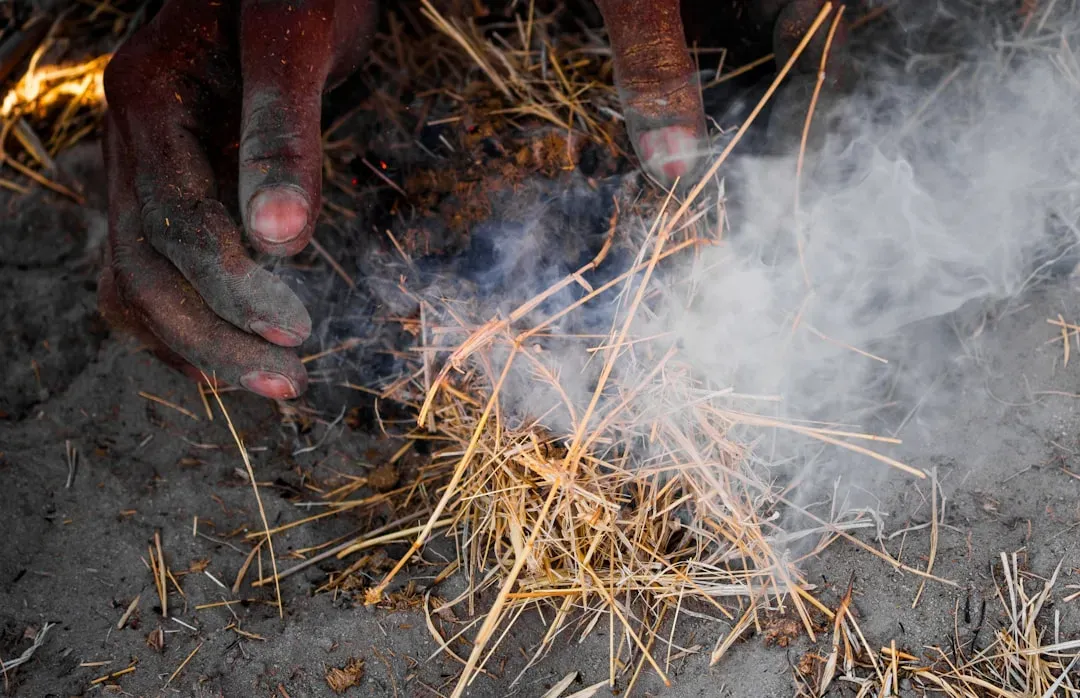
Fire represented far more than warmth and light for prehistoric tribes. Fire and firemaking hold significant cultural importance in Native American societies, with various techniques employed, including friction from wood being prevalent, while in Alaska, stones were used to create sparks, and many tribes utilized a drill-stick rotated by hand or with a bow to generate heat. Honestly, the ingenuity behind these methods still amazes researchers today.
Native Americans created fire using friction-based methods, such as the bow drill. This wasn’t some simple party trick. It required deep understanding of wood types, precise technique, and incredible patience. The bow drill is easier than the hand drill, but both require technique to create enough friction to generate heat. Different tribes developed variations suited to their regions, with some coastal groups preferring flint and pyrite striking methods when available.
Food Preservation That Lasted Through Harsh Winters
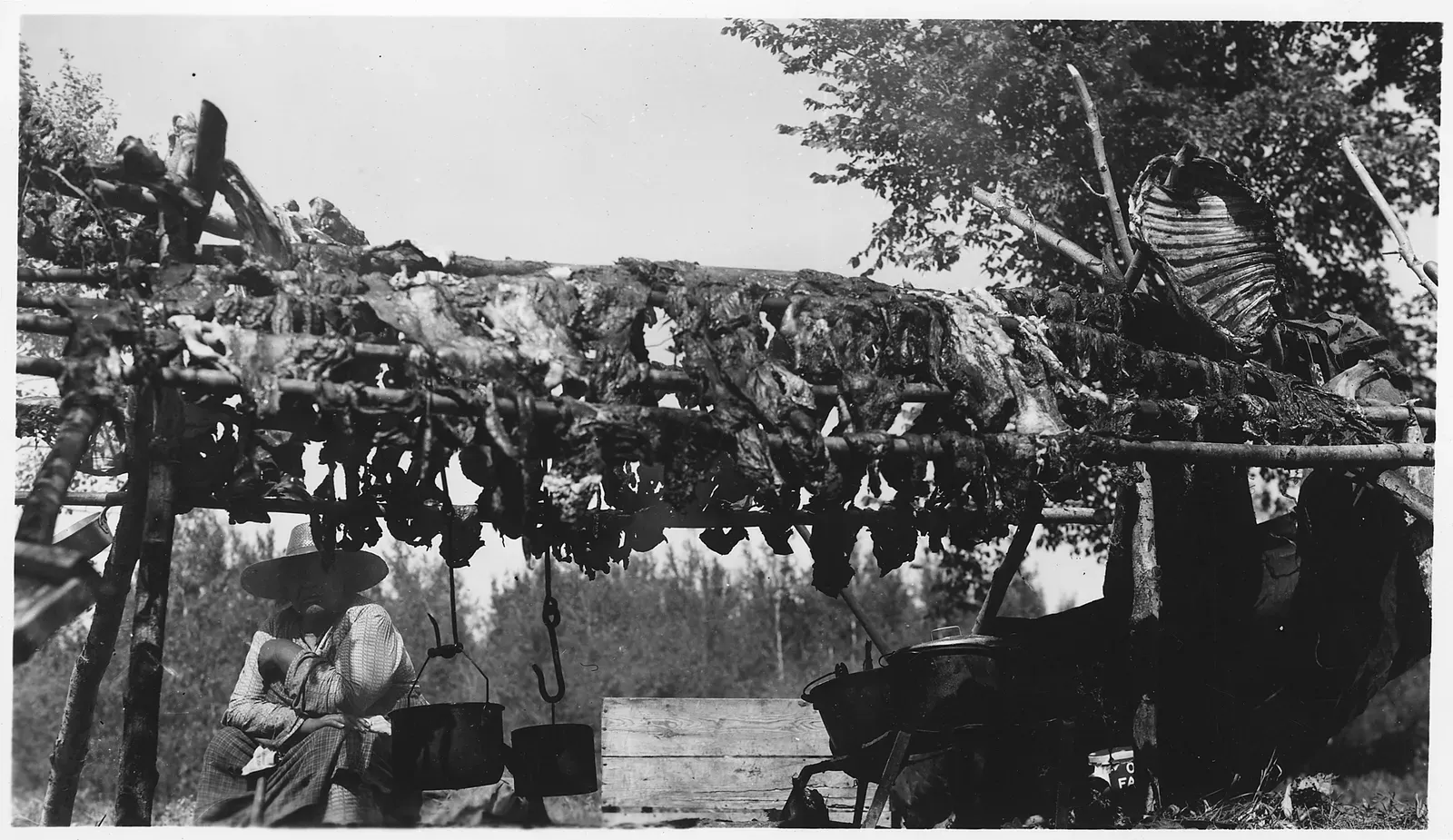
Imagine needing to make your summer harvest last until spring without refrigeration. Preserving food was crucial for surviving long winters, as Native Americans used a variety of techniques, including smoking, drying, and storing food in underground caches, with smoking meat and fish helping prevent spoilage. These weren’t desperate measures but carefully refined processes passed down through countless generations.
One of the most popular ways for Native Americans to keep their meat for longer was by smoking it, and while salting was generally known as a good preservative option, salt was usually hard to come by which meant that smoking was one of the leading ways to preserve fish, bison and other meats. They also created pemmican, a portable superfood that could last up to twenty years when properly prepared. Think about that for a moment. Twenty years without any modern preservatives.
Shelter Building Adapted to Every Climate
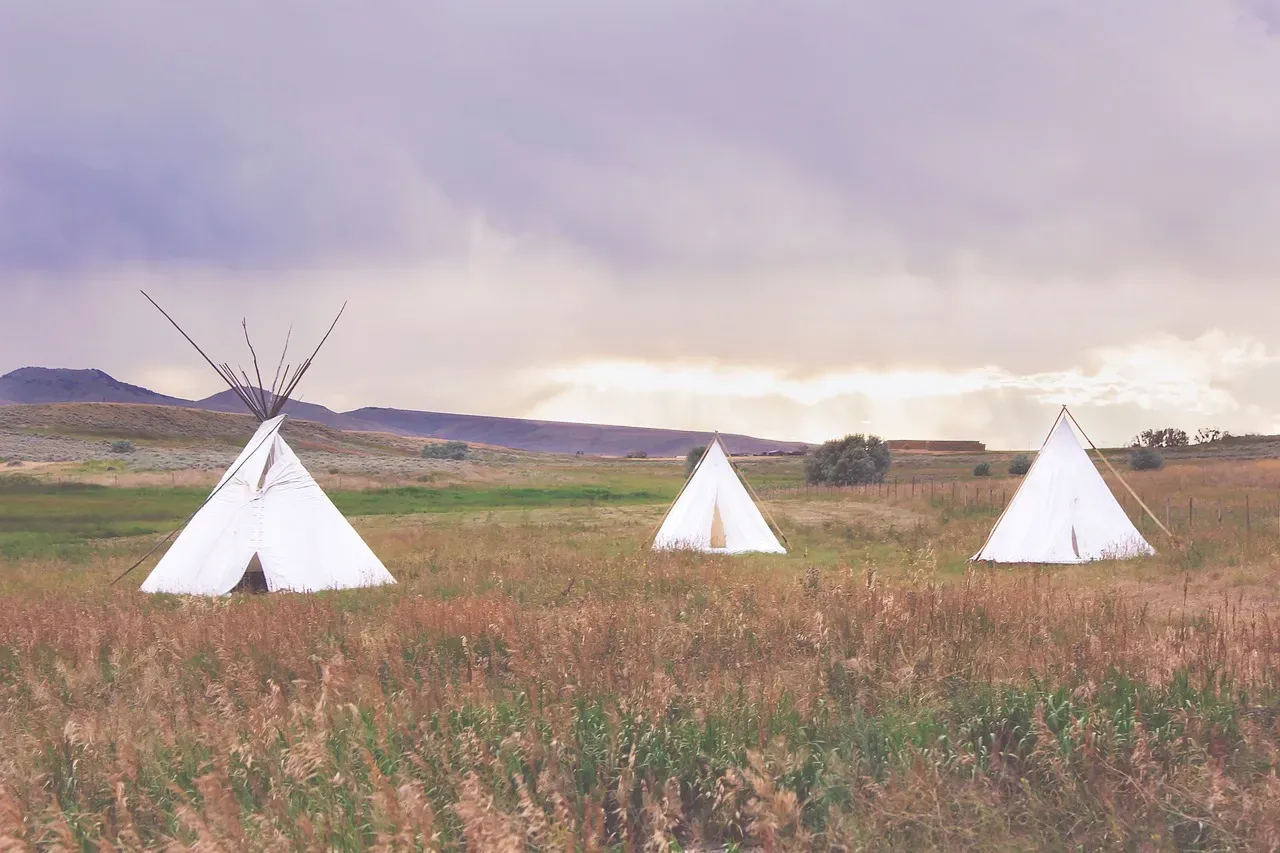
American Indians constructed homes to conform to their needs and environment, with housing for some tribal groups being permanent, while other residences reflected the need to relocate, often to adjust for a harvest season or to follow a source of food. This adaptability shows remarkable environmental intelligence.
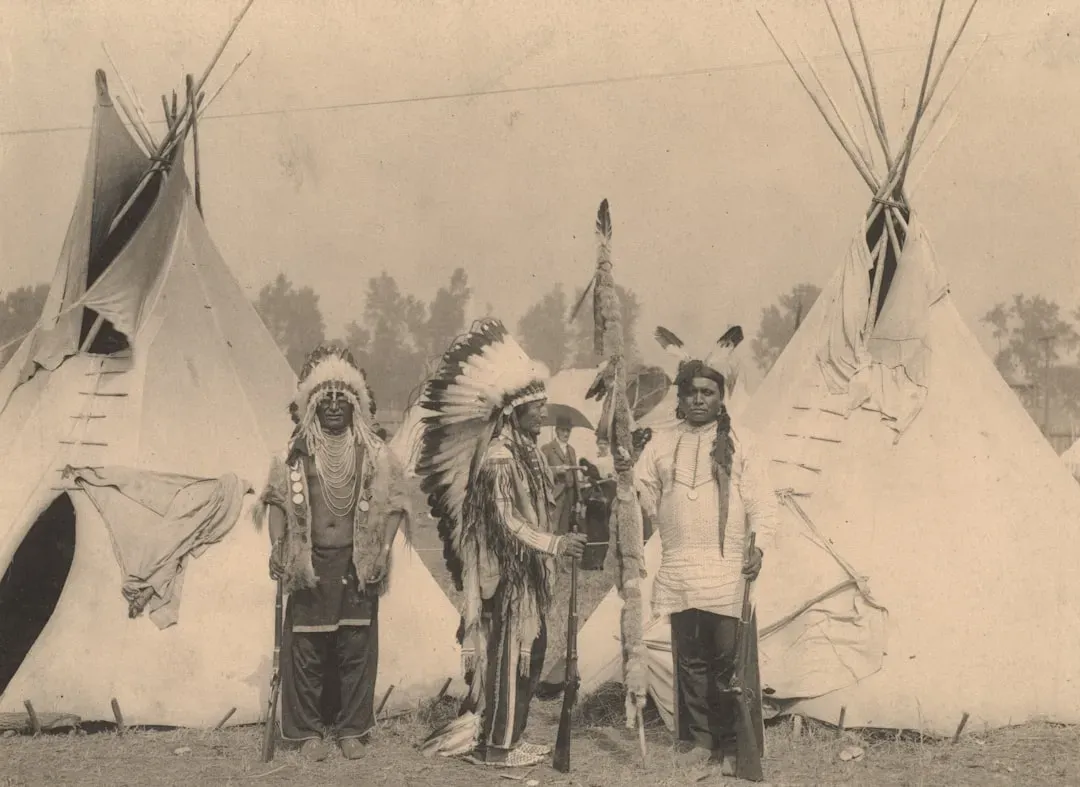
From the northern regions, igloos are good houses for the polar region, where the earth is frozen, the snow cover is deep, and there are few trees, as snow is a good insulator, and dense blocks of ice offer good protection against arctic winds. Meanwhile, tipis made from animal hides and wooden poles were portable and ideal for nomadic Plains tribes, while tribes in forested regions like the Iroquois built longhouses – large, communal structures crafted from wood and bark that provided excellent insulation and durability. Each design solved specific survival challenges in clever ways.
Water Sourcing and Management in Arid Lands
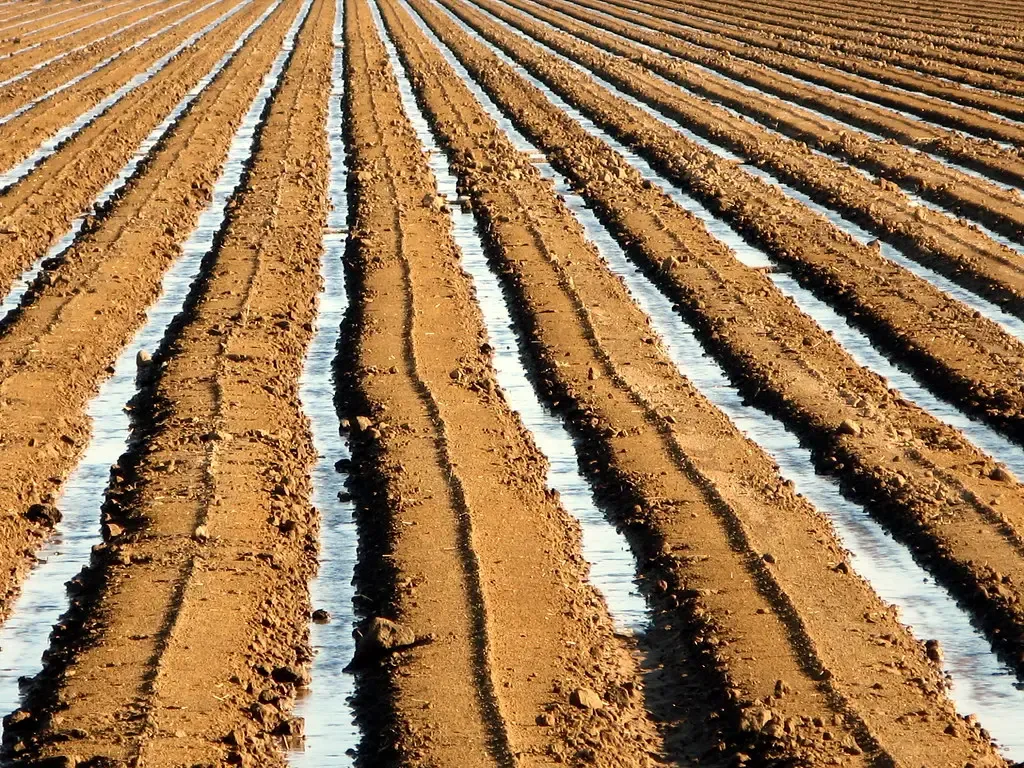
Water meant life, especially in desert regions where every drop counted. The availability of water determined where ancient settlements were formed, as prehistoric settlements tended to be in or around river drainage basins, allowing for the collection of water for crops and other uses. Yet some tribes went beyond simply finding water sources.
The Hohokam alone built over 150 miles of canals, reshaping Arizona’s Salt River Valley and thriving where survival seemed impossible, as their mastery of water management didn’t just sustain life – it built civilizations. These weren’t crude ditches but engineered systems that minimized evaporation and maximized efficiency. The sophistication rivals what we might expect from much later civilizations.
Mastering the Art of Tracking and Hunting
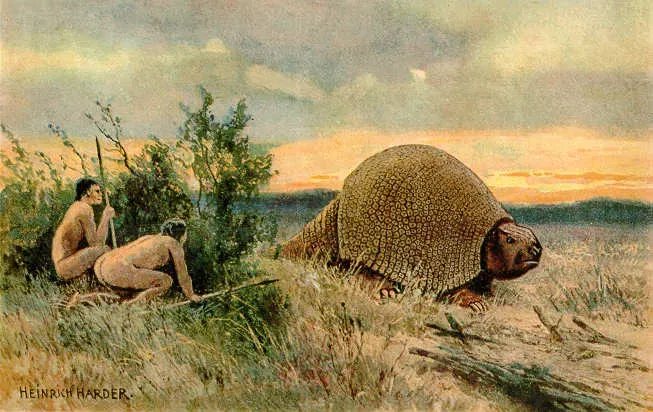
Our ancestors were skilled in tracking game animals and predators, and while this art form isn’t used by most people today, tracking can still be a lifesaver in certain situations, as staying alert and reading the signs can warn you of dangerous creatures in your area or help you locate wild game animals for food. The ability to read broken twigs, disturbed soil, and animal droppings transformed the wilderness into a readable landscape.
Prehistoric hunters didn’t rely solely on tracking though. Heritage fishing techniques like nets, traps, spears, hooks, and even hand fishing can still land a whopper when luck and skill collide, and in a survival setting, fish can provide critical calories from protein and fat. They understood seasonal patterns, animal behavior, and migration routes with precision that would put many modern hunters to shame.
Plant Knowledge for Food and Medicine
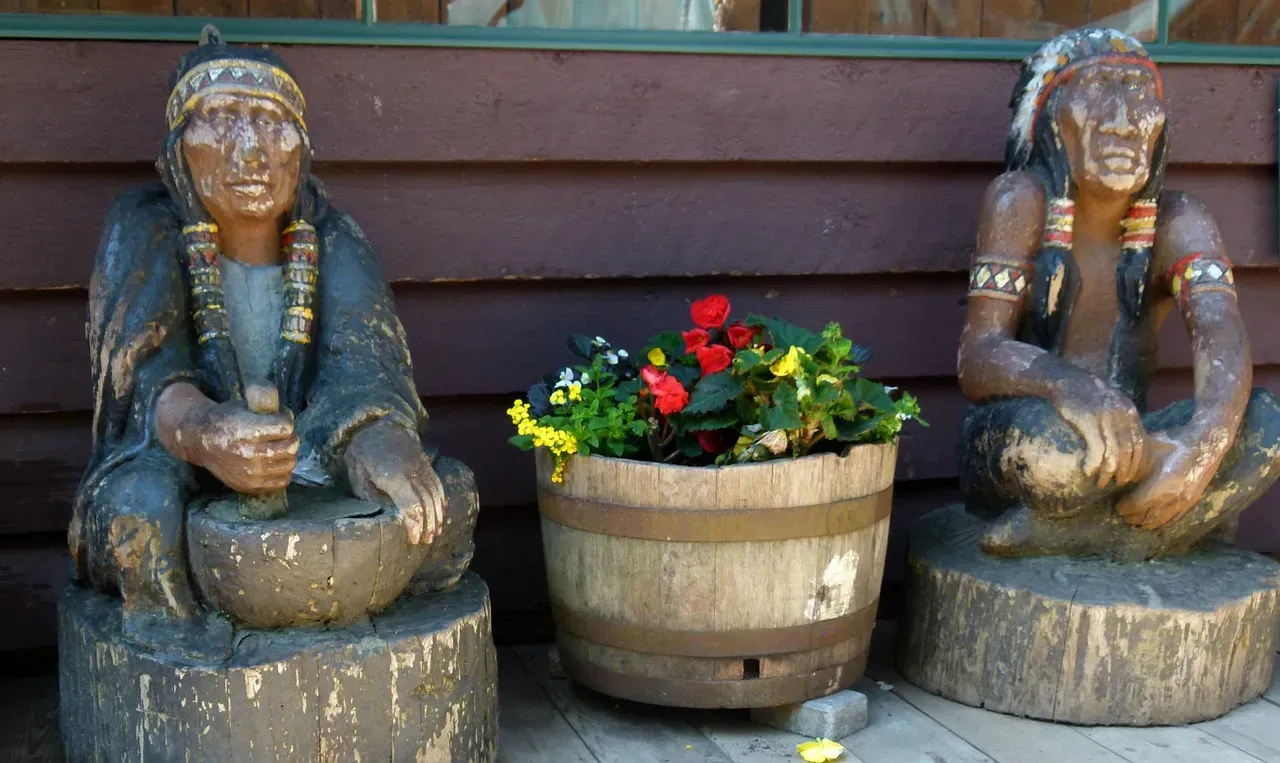
Native Americans were expert foragers, able to identify edible plants, fruits, nuts, and roots in their regions, using acorns after leaching the tannins as a staple food source and harvesting cattails for both food and fiber. This knowledge saved countless lives and required years of learning to master properly.
But it wasn’t just about calories. Willow bark, rich in salicin, was used as a natural pain reliever, while echinacea served as an immune booster. They created what was essentially nature’s pharmacy through careful observation and experimentation. Every plant, berry, and root had potential uses that were catalogued mentally and passed down through storytelling and direct teaching.
Tool Making and Stone Technology
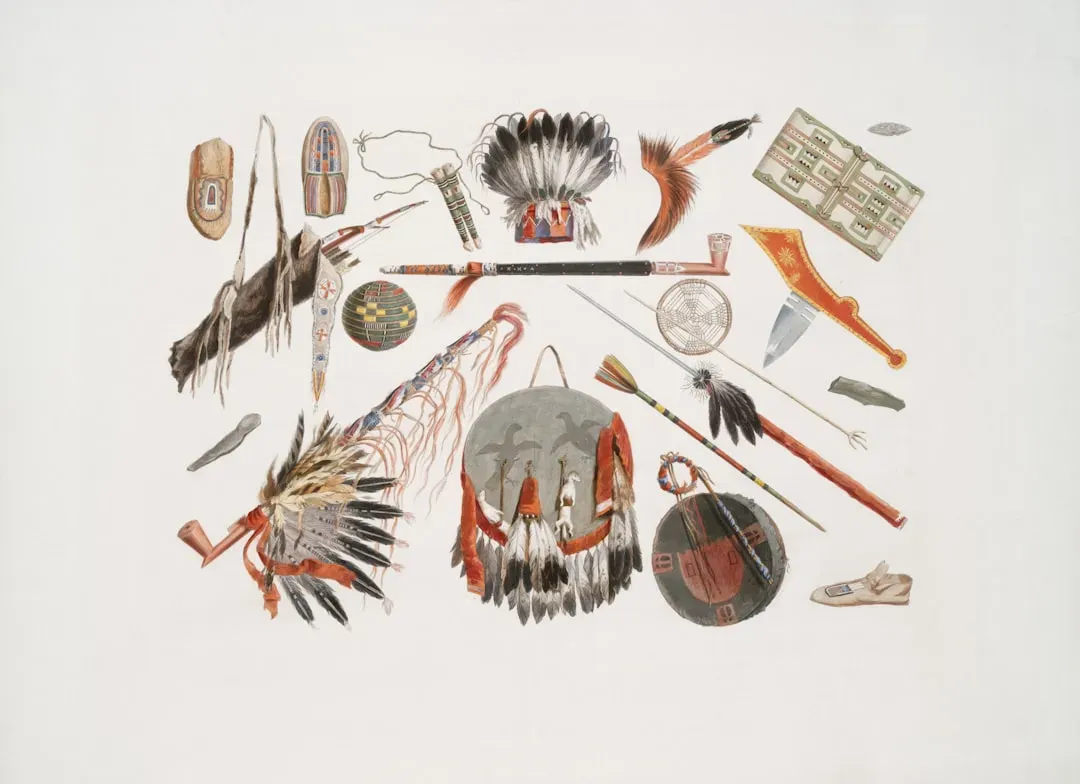
You can use different stone working techniques to create razor sharp blades from common rocks all around the world, as by striking a thin edge on a piece of flint or quartz with a small stone cobble, you can drive off a sharp stone flake that can be used for many camp tasks. These weren’t crude implements but carefully crafted tools that could rival metal in sharpness.
The beauty of stone tools lay in their disposability. These stone flakes are disposable, and you wouldn’t want to butcher an animal with your one and only knife if you had something else to use that’ll save you the cleaning. This practical approach to tool use demonstrates sophisticated thinking about resource management and efficiency. Different stone types served different purposes, and knowing which to use when separated skilled craftspeople from novices.
Community Knowledge and Seasonal Adaptation
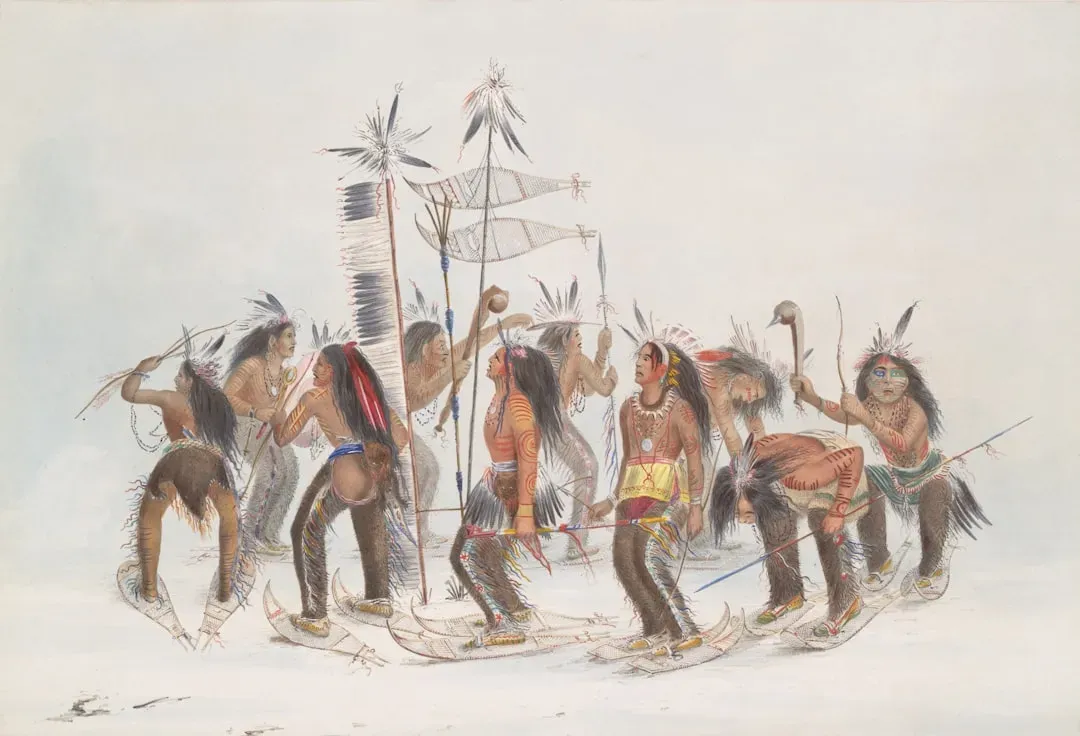
By about 6000 bce some groups had begun to experiment with food production as well as foraging and are known as Archaic cultures, with Archaic peoples often returning to the same location on a seasonal basis and as a result beginning to build small settlements. This shift from purely nomadic to seasonal settlement patterns shows adaptive intelligence.
Their survival depended on collective wisdom rather than individual heroics. Mastering wilderness survival through Native American skills requires a deep connection with nature, observation skills, adaptability, and resourcefulness, as these techniques enable individuals to thrive in challenging situations and live harmoniously with the natural world. Knowledge about which plants bloomed when, where animals migrated, and how weather patterns shifted was shared through ceremonies, stories, and hands-on teaching. This communal approach to survival wisdom ensured that even if individuals were lost, the knowledge persisted within the tribe.
Conclusion
The survival techniques weren’t primitive desperation but refined sciences developed over millennia. Their deep understanding of ecology, materials, and environmental patterns created sustainable lifestyles that worked in harmony with nature rather than against it. From friction fire to sophisticated irrigation systems, from portable shelters to long-lasting food preservation, these ancient peoples solved problems that many of us couldn’t handle today without modern technology.
What’s truly remarkable is how relevant this knowledge remains in 2026. As we face our own environmental challenges and seek sustainable solutions, perhaps we should look back at these ancient wisdom keepers who thrived without destroying their surroundings. They proved that intelligence, observation, and respect for nature could overcome almost any obstacle. What do you think we could learn from their approach today?