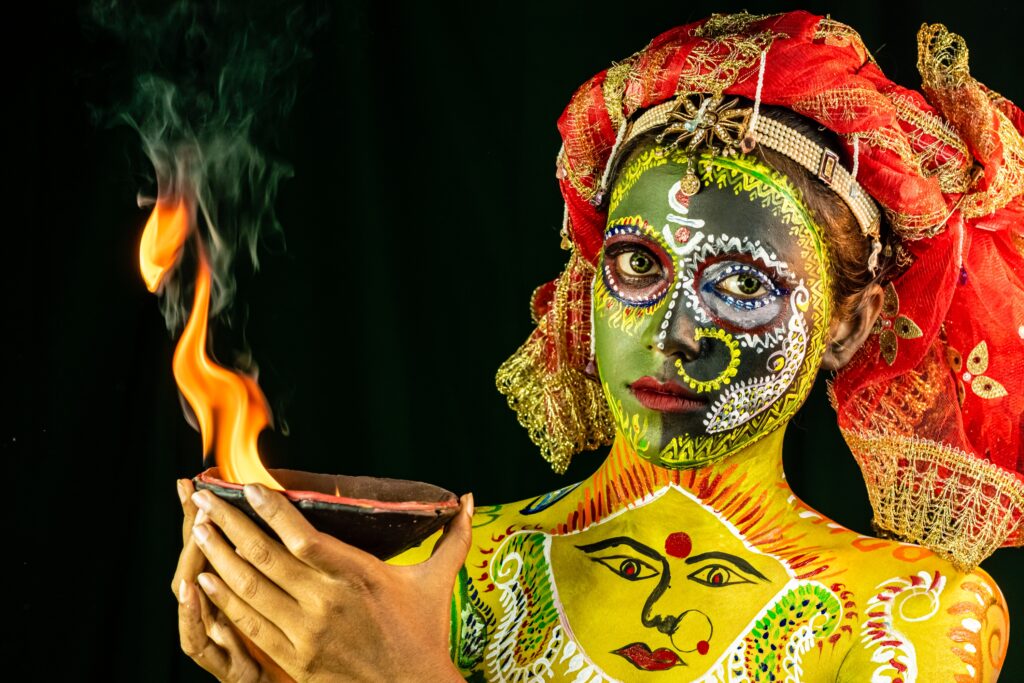
Walk through any city today and you’ll see piercings, tattoos, intricate hairstyles, and viral makeup trends everywhere. It can feel like a hyper-modern explosion of self-expression, driven by social media and pop culture. But when anthropologists look at the human body, they don’t just see style choices; they see the latest chapter in a story that began tens of thousands of years ago, maybe even with the very first humans.
From shells worn as beads in prehistoric caves to the careful scarring traditions of many African societies, the evidence points in the same direction: humans have been decorating their bodies for as long as we’ve been recognizably human. This isn’t a superficial add-on to civilization; it looks more like a built-in feature of our species. Once you see body decoration as an ancient instinct rather than a passing fad, even a teenager’s first tattoo starts to look like a deeply human act.
The Deep Prehistoric Roots of Body Decoration
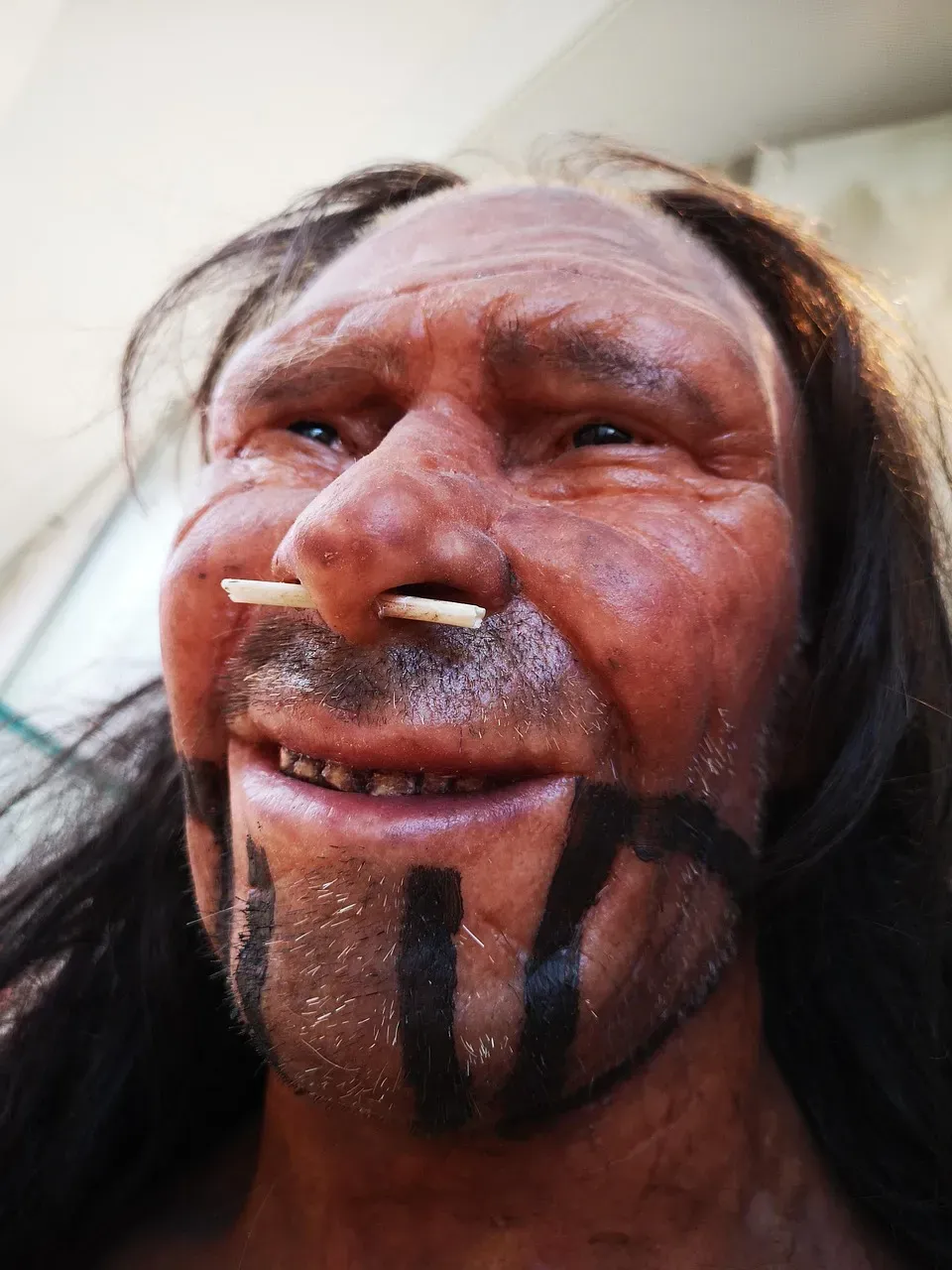
One of the most striking things about early archaeological finds is how quickly art and adornment show up once anatomically modern humans appear. In prehistoric sites across Africa and Eurasia, researchers have uncovered pierced shells, beads, and pieces of ochre that were clearly used as pigment on bodies or objects. These finds are often tens of thousands of years old, far older than agriculture, cities, or written language, suggesting that the urge to mark and decorate the body emerged very early.
These objects are not practical tools, and that is exactly what makes them so important. A small bead or a daub of red pigment on skin does not make hunting easier or fires hotter, yet our ancestors invested time and skill into making and wearing them. That points to something more than simple survival: a desire to signal identity, status, belonging, or beauty. The fact that such items appear again and again in different early human groups hints that body decoration is not a rare quirk of a few cultures, but a common thread woven into our species’ beginnings.
From Survival to Symbol: Why Early Humans Marked Their Bodies
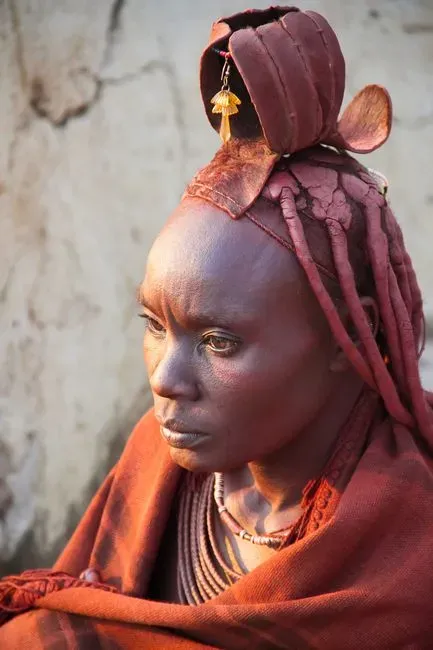
At first glance, painting your face or scarring your skin seems like the opposite of a survival strategy. In the harsh environments early humans faced, every decision mattered, and purely “cosmetic” behavior should have been eliminated by natural selection. Yet, instead of disappearing, practices like painting with ochre and wearing ornaments seem to flourish alongside the growth of early human communities, which suggests they carried powerful social benefits.
Anthropologists often interpret these decorations as symbols that carried important information: who belonged to which group, who had completed an initiation, who had particular skills, or even who was ready to partner or lead. In small bands where trust and cooperation meant life or death, visible signs on the body could have helped people quickly read one another without long conversations. In that sense, a streak of color or a specific type of necklace might have functioned like an early social passport, helping humans navigate complex group life long before passports, uniforms, or ID cards existed.
Universality Across Cultures: Almost Every Society Decorates the Body
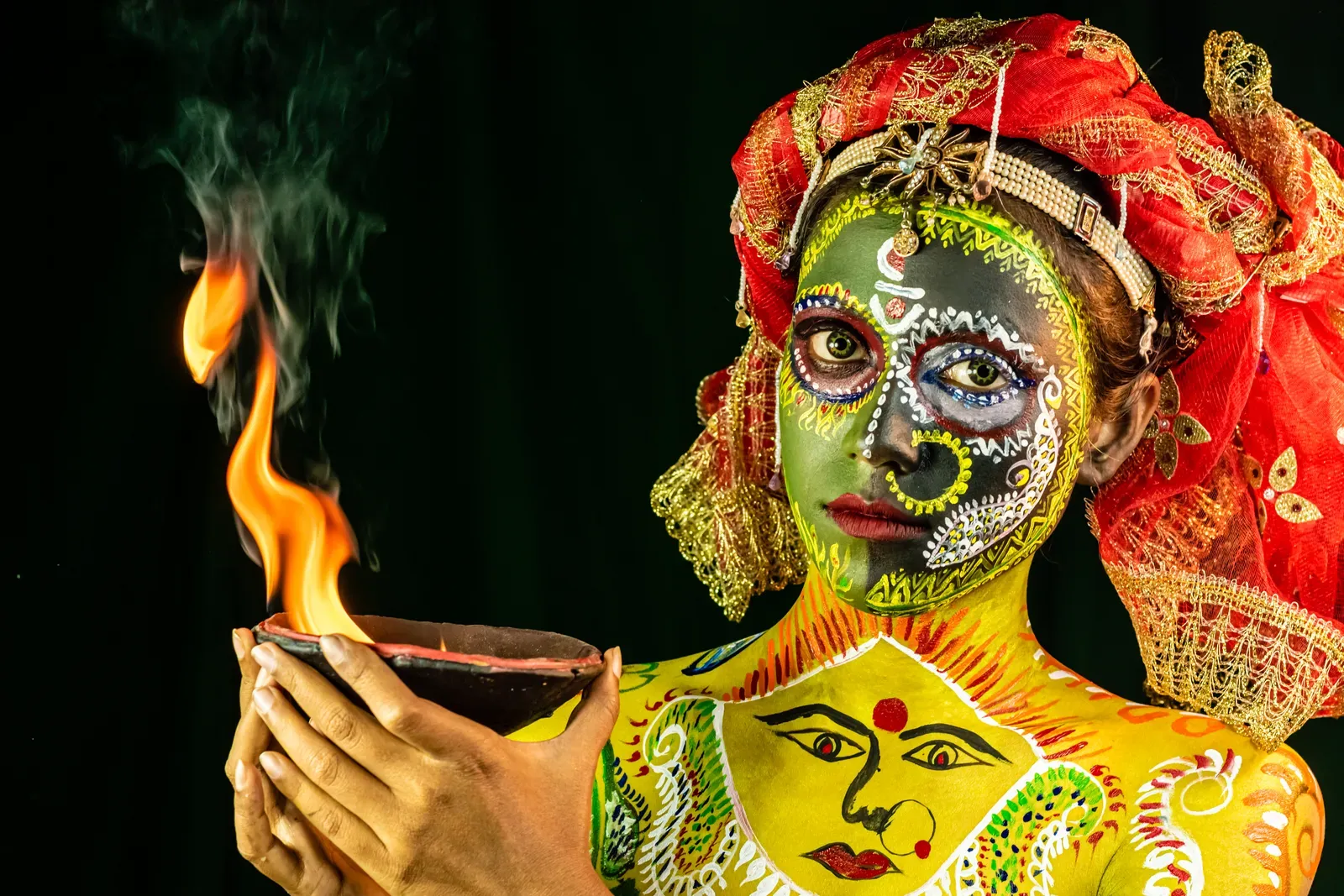
When you zoom out across the globe and across history, a remarkable pattern emerges: nearly every documented human society has some form of body modification or adornment. From facial tattoos in parts of the Pacific, to elaborate hair braiding in West Africa, to lip plates in some South American and African groups, and to the powdered wigs and beauty spots of early modern Europe, humans everywhere seem drawn to transforming their surface. The styles differ wildly, but the impulse to decorate shows up again and again.
This near-universality is one of the strongest clues that we are dealing with something instinctive rather than arbitrary. If body decoration were just a random cultural habit, we would expect plenty of societies to skip it entirely, but that is not what ethnographers and historians see. Instead, humans appear almost restless in their creativity, constantly inventing new ways to braid, paint, pierce, wrap, and reshape their bodies. That restless energy is part of why body fashion evolves so quickly: the deep drive stays the same, but the forms it takes are endlessly reinvented.
Identity, Status, and Belonging Written on the Skin
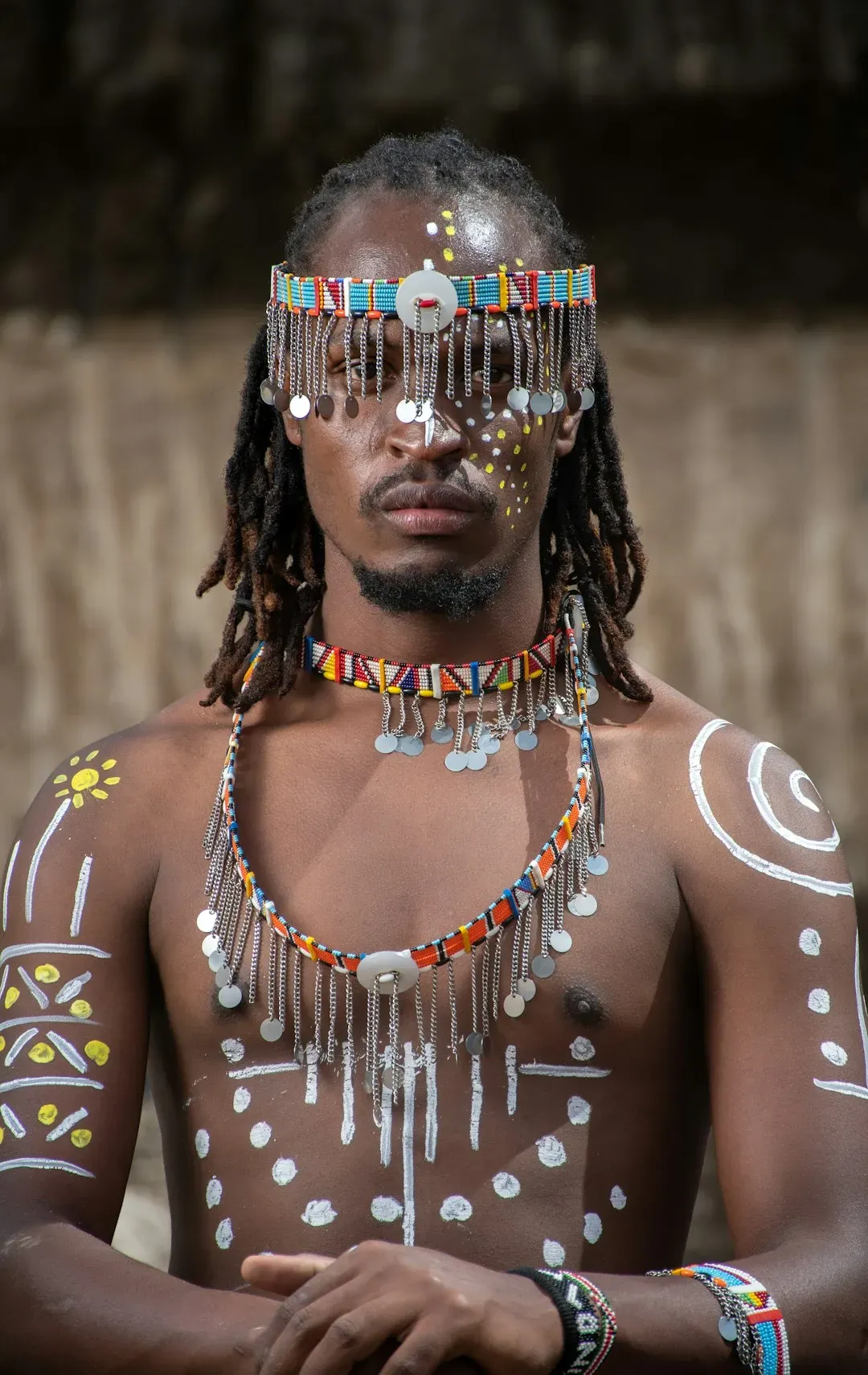
Decorating the body is rarely just “for fun,” even if it feels that way to the person getting a new hairstyle or tattoo. Anthropologically, these choices often map directly onto questions of identity: Who am I? Who are my people? What stage of life am I in now? Many traditional societies use specific markings or adornments to signal age sets, marriage status, clan membership, or achievements, turning the body into a living record of a person’s social journey.
Modern societies are not as different as we sometimes like to think. A teenager dying their hair a striking color, a veteran choosing a particular tattoo, or a professional carefully selecting their wardrobe is engaging with the same basic logic: using the body as a visible canvas for membership, pride, and aspiration. Even when we insist we are “just expressing ourselves,” that expression is usually in conversation with a larger group we want to join, resist, or impress. Our skin and style become a kind of social language, and most of us are more fluent in it than we realize.
The Emotional Brain Behind the Instinct to Adorn
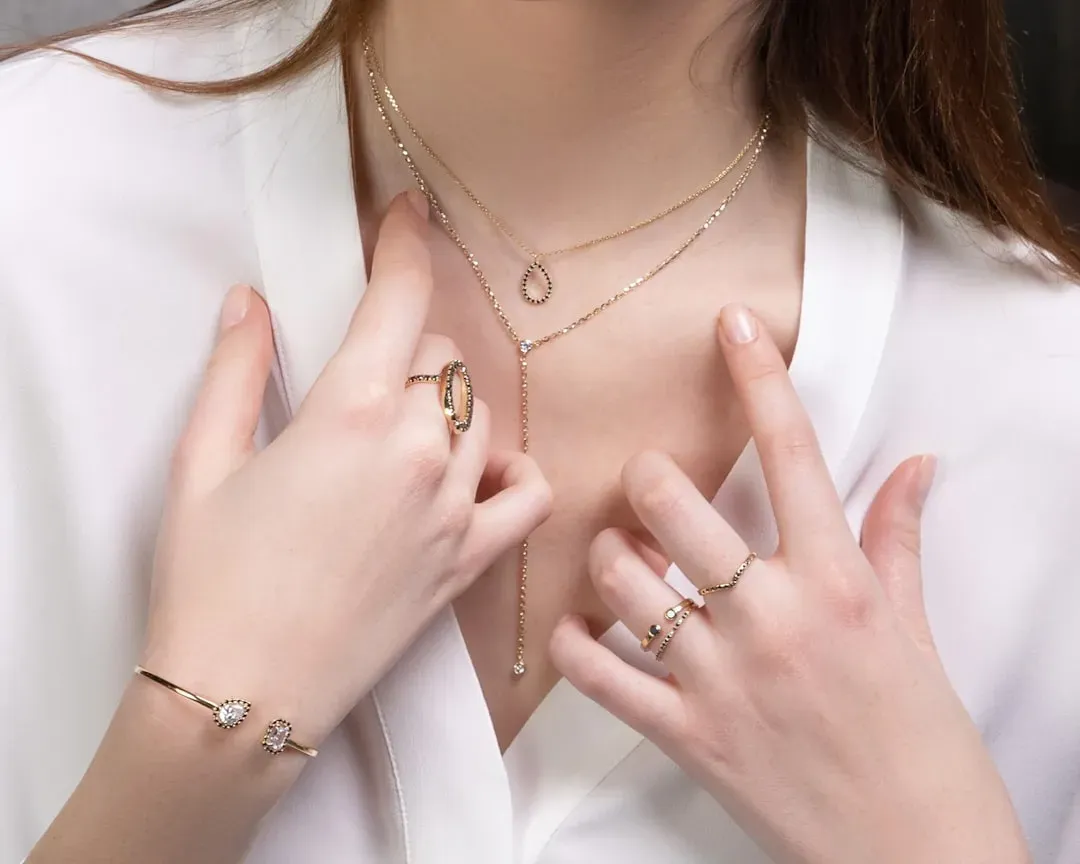
Underneath all the beads, ink, and eyeliner, there is a brain that responds very strongly to how we and others look. Humans are intensely social, and our nervous systems are tuned to notice faces, bodies, and subtle changes in appearance. When someone alters their look, it can trigger curiosity, attraction, respect, or even discomfort in the people around them, which in turn shapes who gets attention, influence, or support. Over many generations, this emotional sensitivity to appearance can help lock in the impulse to decorate the body.
On a more personal level, changing our appearance often gives a psychological jolt that feels empowering: a new haircut after a breakup, a tattoo to mark a fresh start, or special clothing for a big event. Those small rituals help us process transitions and express feelings that can be hard to put into words. I still remember getting my first piercing and realizing it felt less like an accessory and more like a line drawn between who I had been and who I wanted to become. That strong internal response is part of why anthropologists take body decoration seriously; it taps deep emotional currents, not just surface style.
Continuity in a Changing World: From Sacred Rituals to Street Style
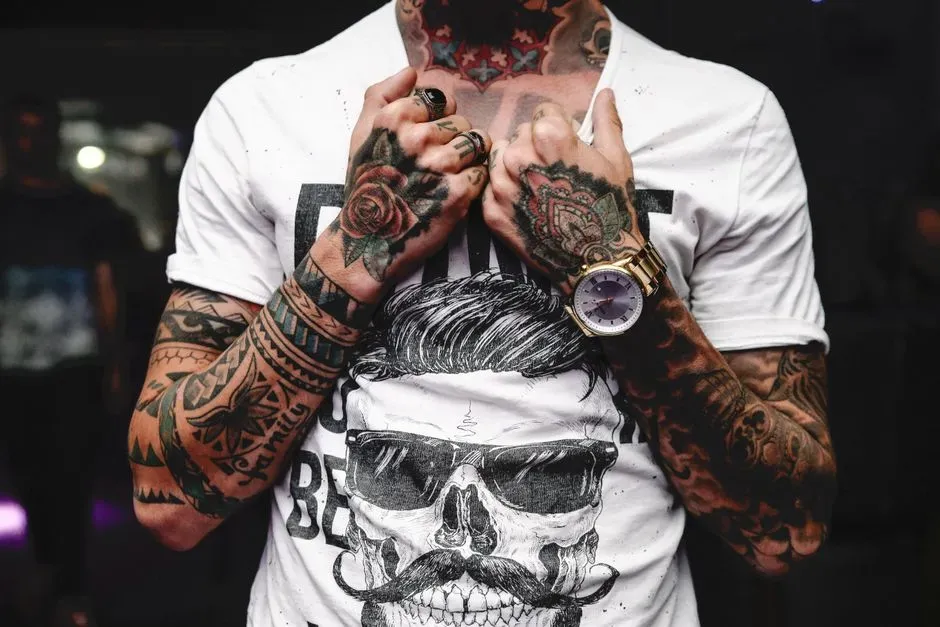
It is easy to romanticize ancient body decoration as noble and meaningful while dismissing modern trends as shallow, but that is a comforting illusion. In reality, there is a clear through-line between a carefully painted ritual mask and a meticulously curated social media look. Both require knowledge of styles, both signal something about who you are or want to be, and both can include rules about what is appropriate, attractive, or respectable. The context changes – temple versus nightclub, rite of passage versus festival – but the underlying human behavior is strikingly similar.
Look at what happens when a new style catches fire online: tutorials spread, people copy and remix, norms form about what looks good or outdated, and clusters of identity build around shared aesthetics. It is not that different from how certain scarification patterns or hair arrangements once marked membership in a local group. The tools might be cheaper and the pace faster, but the impulse is ancient. When someone says modern style culture is out of control, anthropology answers that it is just wearing a new outfit.
Control, Resistance, and the Politics of Appearance

Because decorating the body is such a powerful form of expression, it has always attracted attempts at control. Throughout history, authorities have tried to regulate what people can wear or how they can decorate themselves, whether through dress codes, bans on certain hairstyles, or stigma against visible tattoos and piercings. These rules are rarely about aesthetics alone; they are about power, hierarchy, and keeping certain groups visibly “in their place.” The fact that appearance is policed so heavily shows just how influential it is.
At the same time, people constantly push back by using body decoration as a form of resistance. Marginalized communities may adopt hairstyles, clothing, or tattoos that affirm pride in their identity despite social pressure to conform. Subcultures often deliberately choose looks that unsettle mainstream expectations, turning the body into a small act of rebellion. When you see these battles playing out in workplaces, schools, or public debates, you are seeing that ancient impulse to decorate colliding with social attempts to restrain it – and, more often than not, the impulse eventually wins.
Conclusion: Decoration as a Core Human Instinct, Not a Trend
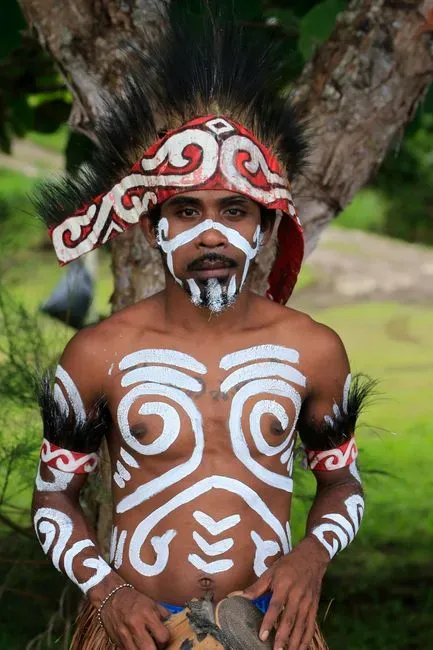
When you pull all these threads together – prehistoric beads, widespread cultural practices, emotional payoff, and the politics of style – the conclusion is hard to avoid: the human drive to decorate the body is not a modern invention, and it is not going away. In my view, treating tattoos, makeup, or flamboyant fashion as mere vanity badly underestimates how deeply this behavior is rooted in who we are. Our bodies are not just biological machines; they are billboards, storybooks, battlefields, and love letters, all at once. Decorating them is one of the main ways we make the invisible parts of ourselves visible to others.
If anything, the weight of anthropological evidence suggests that body decoration is as old as our species’ sense of self, bending and reshaping itself with every era but never disappearing. We can argue about taste, standards, and limits, but arguing about whether humans should decorate themselves is a bit like arguing about whether humans should tell stories or fall in love. It is part of the package. The next time you notice a stranger’s tattoo sleeve or a carefully painted face on the subway, it might be worth pausing to recognize that you are looking at something as ancient as humanity itself – did you expect that?