
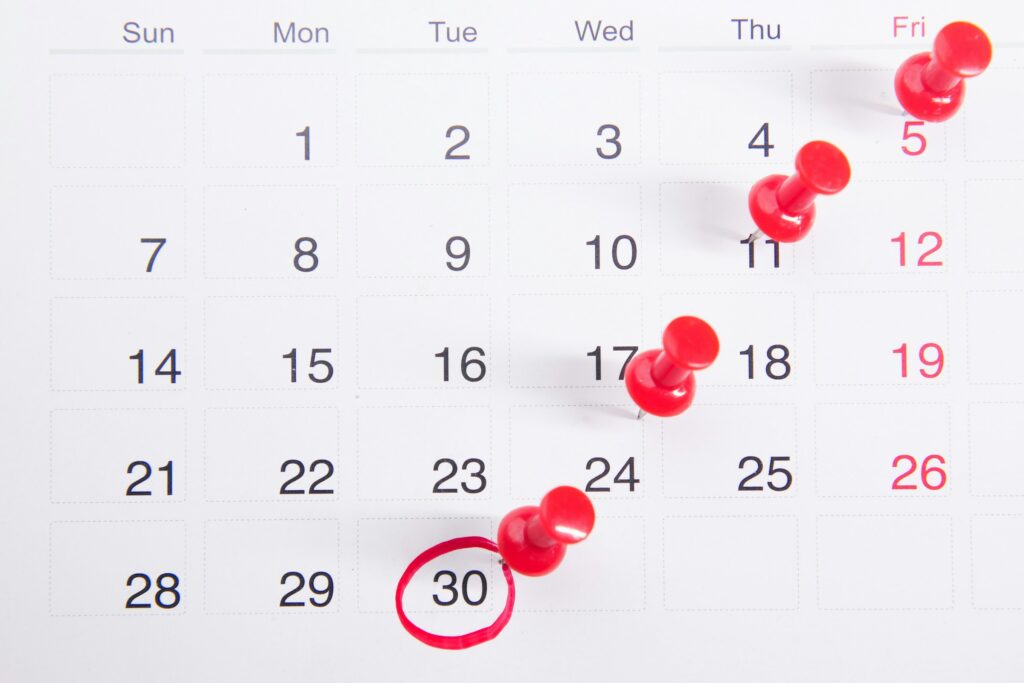
Think about how often your life is ruled by dates. Birthdays, public holidays, New Year’s resolutions, wedding anniversaries, death anniversaries, even that random day every year when your social media reminds you of something you thought you’d forgotten. Now imagine all of that stripped away: no calendar, no countdowns, no “this time last year.” That blankness feels deeply unnatural, almost frightening – and anthropology suggests there’s a reason for that.
When archaeologists dig into ancient burial sites that are more than one hundred thousand years old, they don’t just find bones. They uncover hints that early humans were already doing something incredibly familiar to us: marking moments, honoring endings, tracking change. It’s as if, long before written calendars or clocks, our species was already refusing to let time just slip past unnoticed. Let’s walk through what the science actually shows, how far we can reasonably go in interpreting it, and why this very old human impulse still shapes your calendar, your emotions, and even your sense of who you are.
The deep past: what 120000-year-old burials really tell us
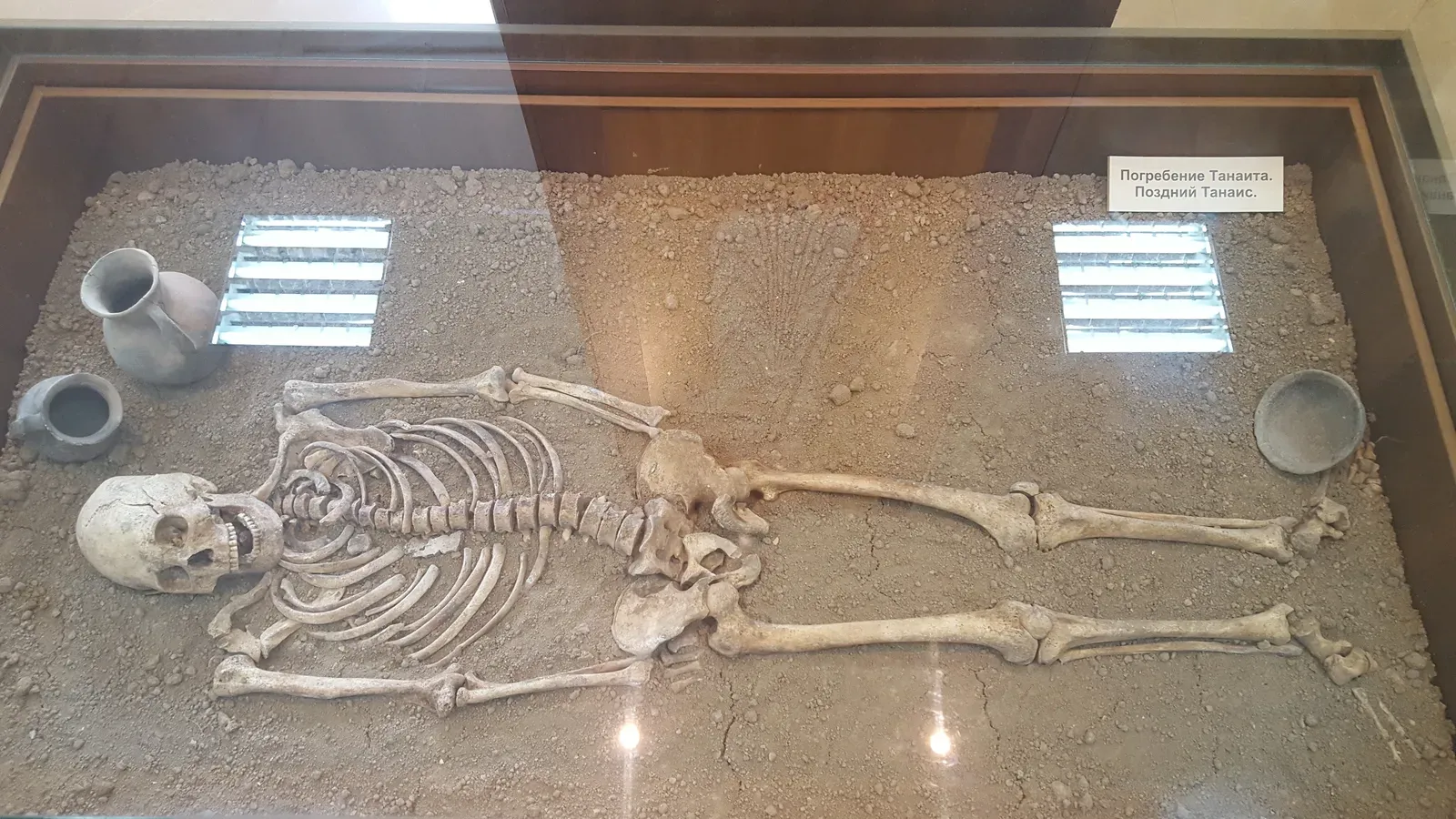
Archaeologists have uncovered some of the oldest known intentional burials in regions like the Levant and parts of Africa, dating back roughly one hundred and twenty thousand years or more. These sites sometimes contain bodies carefully laid in pits, occasionally accompanied by objects such as animal bones, pigments like red ochre, or stone tools that were not just tossed there by chance. The way skeletons are positioned and the layering of sediments suggest deliberate burial rather than accidental coverage by natural events.
That care matters, because it hints that these early humans were not treating the dead as simple organic waste. Instead, they seem to have been set apart, placed in special spots, and occasionally marked with items that might have carried meaning. We cannot know exactly what the living were thinking, but we can say with some confidence that death was being handled differently from ordinary disposal. This is already a kind of time-marking: a recognition that a life has ended and that this ending is important enough to treat in a distinct, repeatable way.
From body to moment: why burial is a form of timekeeping
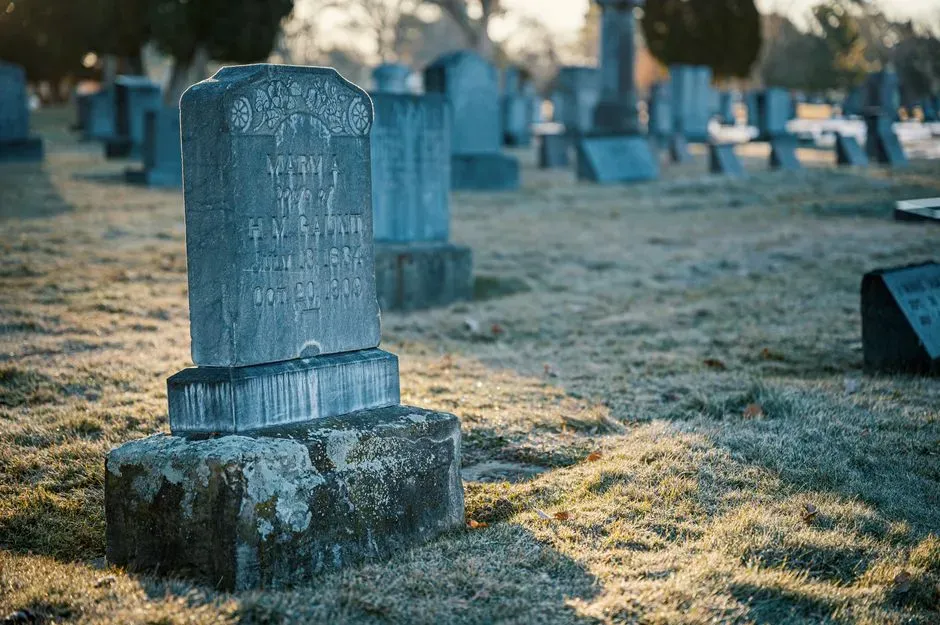
A burial is more than just dealing with a body; it fixes a specific moment in the landscape. Every grave is essentially a timestamp anchored in the earth: here, at this point, something changed forever. When people return to that spot – whether to mourn, to perform rituals, or simply to remember – they are revisiting not only a person but a particular time. Without writing a date, they have still carved a “before” and “after” into their world.
Anthropologists sometimes talk about this as creating a “social time” that sits on top of natural time. The sun rises and sets no matter what we do, but a burial turns one of those sunsets into the day your father died or the day your child was laid to rest. That is an enormous shift. It means humans are not just passing through time; we are actively organizing it into meaningful segments, with pivotal moments that echo forward for years or even generations.
Seasons, cycles, and the first human calendars
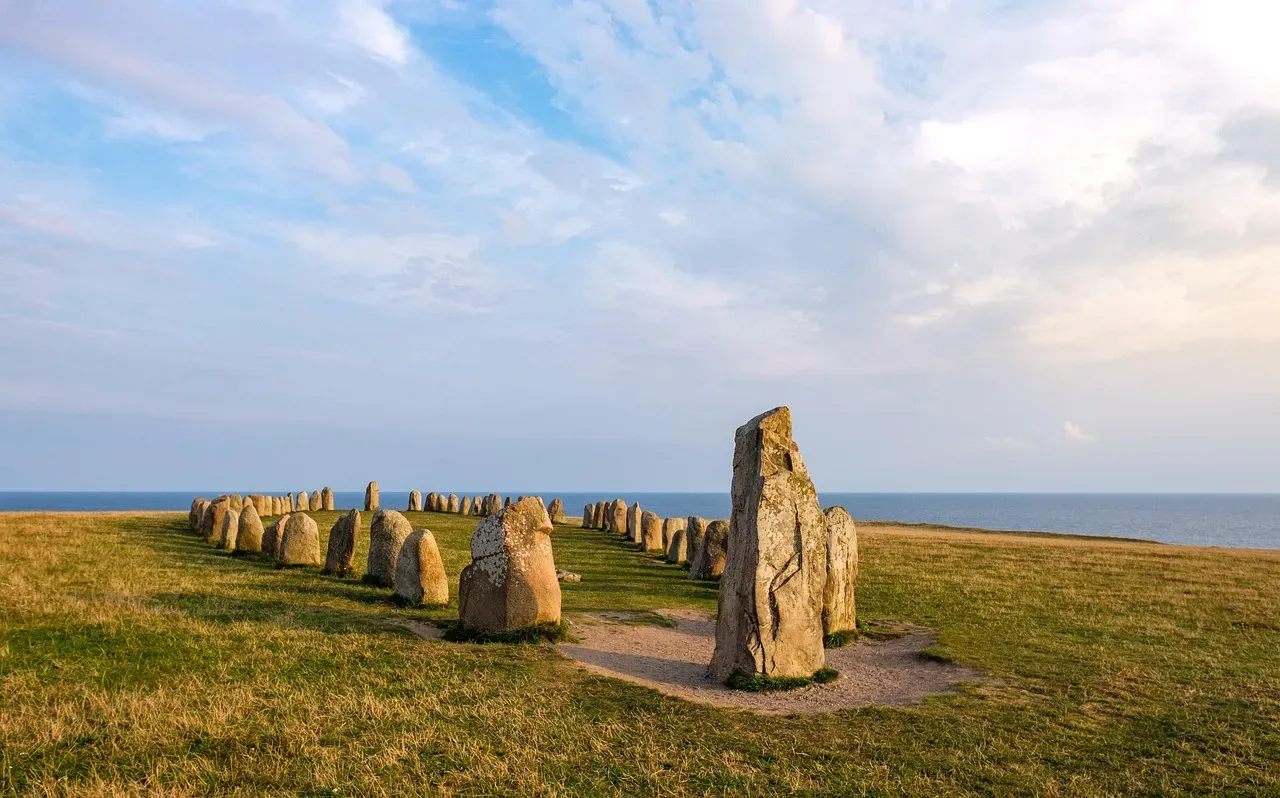
Long before paper calendars and smartphone reminders, early humans had to track the seasons to survive. Knowing when the rains would likely come, when certain plants would ripen, or when migrating herds would appear could be the difference between abundance and starvation. Archaeological evidence suggests that early hunter-gatherers carefully observed celestial cycles and environmental cues, making mental maps of when things tended to happen each year.
Over time, these cycles became more than just practical information; they turned into occasions. The return of a particular star in the sky might signal the start of a rainy season, a good time for planting, or a period for gathering in larger groups. This is where timekeeping and culture fuse together. Once a seasonal event becomes a shared occasion – a time when everyone expects certain activities, rituals, or gatherings – it becomes a kind of collective calendar, even if nobody is drawing grids on stone or bark.
Why humans struggle to live in a timeless present

Animals clearly respond to time in basic ways: they migrate, hibernate, or breed in particular seasons, often guided by daylight and temperature. But as far as we can tell, they do not set aside specific days to remember a death, commemorate a past event, or celebrate an abstract anniversary. Humans, on the other hand, seem almost incapable of living only in the immediate present. We constantly reach backward and forward, mentally and emotionally, turning time into a landscape we can travel.
This stretching of awareness has a cost and a benefit. On one side, it fuels anxiety and nostalgia; you worry about future deadlines or replay painful anniversaries in your mind. On the other, it allows planning, storytelling, and long-term relationships that depend on shared memories. The need to mark time – to name days, count years, and ritualize endings – looks less like a luxury and more like scaffolding that holds up human social life. Compared with other animals, our lives are unusually shaped by remembered and anticipated time, not just immediate stimulus and instinct.
Grief as a clock: how loss rearranges our sense of time
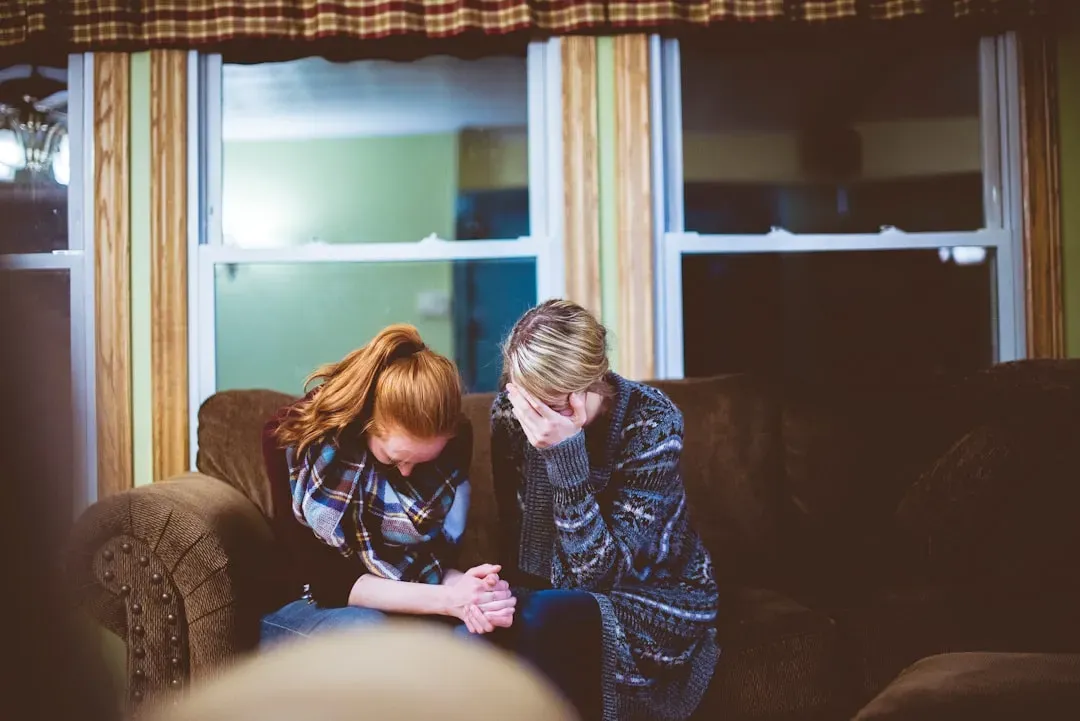
Ask someone who has lost a partner, a parent, or a child, and they will often measure their life in “before” and “after” that death. Anniversaries of loss can bring back physical sensations, vivid memories, and renewed waves of sorrow or gratitude. This is not just psychological drama; it is the mind reorganizing its internal timeline around a profound event. The date of a death becomes a yearly marker that reshapes experience long after the original moment has passed.
Anthropology shows that nearly every culture, past and present, embeds grief in ritual structures of time. There may be designated mourning periods, set days when the dead are visited or honored, or communal ceremonies that repeat annually. I remember after a close relative died, my family quietly created our own ritual around the date, even though we never discussed it formally. Every year, without fail, that week feels slowed down and more reflective, as if our private calendar overlays the standard one, reminding us that this is not just any ordinary time.
Anniversaries, milestones, and the modern obsession with counting
Today we count everything: relationship anniversaries, work anniversaries, how many years since a diagnosis, how many years since we quit smoking or moved cities. Social media intensifies this habit, constantly pushing out reminders of what we were doing “on this day” in past years. Many people roll their eyes at this, but the deeper pattern is very old. We are still doing what those early burial communities did: carving out particular days as emotionally charged markers instead of letting time blur into one long, featureless line.
There is also a subtle power in naming milestones. When you call something a ten-year anniversary, or a first birthday after a loss, you turn abstract passing time into a story with chapters. That story can motivate you, comfort you, or haunt you, depending on what the date stands for. I find it striking how even people who claim to hate fuss around dates often still know exactly how long it has been since a breakup, a job change, or a major success. We may pretend we are above all that, but our minds keep score in years and turning points anyway.
Does time-marking really set us apart from every other animal?
It is tempting to say that our need to mark time is the single behavior that most distinguishes us from other animals, but that is a strong claim and the evidence is more nuanced. Some animals appear to grieve, revisit the bodies of the dead, or remember specific locations that matter to them. However, there is currently no clear proof that they construct shared calendars of remembrance or symbolic anniversaries in the way humans do. What we can say with more confidence is that humans have turned timekeeping into a rich cultural and symbolic system, not just a biological rhythm.
Our species has layered meanings onto time: sacred days, mourning cycles, historical commemorations, birthdays, and personal milestones that become part of our identity. That symbolic layering does seem unusually elaborate compared with what is known about other animals. Still, from a scientific standpoint, it is safer to say that this is one of several strikingly distinctive human traits, rather than declaring it absolutely the single most defining behavior. The uniqueness lies less in noticing time and more in turning time itself into a shared story that shapes almost everything we do.
Conclusion: why our calendars make us more human, not more neurotic
In my view, our obsession with marking the passage of time is not some modern neurosis; it is one of the most deeply human things about us. From those ancient burial sites more than one hundred thousand years ago to today’s crowded digital calendars, we keep insisting that certain days matter more than others. That insistence is how we honor love, register loss, and build meaning out of years that would otherwise slip by unnoticed. Time-marking may sometimes exhaust us, but it also prevents our lives from dissolving into a blur of interchangeable days.
If anything, the mistake is not that we mark time too much, but that we sometimes do it carelessly – obsessing over minor deadlines while neglecting the quieter anniversaries that truly shape who we are. The archaeological record reminds us that this impulse is ancient and serious, rooted in grief, memory, and survival. So the next time a date hits you harder than you expected, or you feel compelled to light a candle on a particular day, you are not being irrational; you are participating in a very old human project of turning time into meaning. Which moments, if you are honest, have become the real chapters of your own timeline?